 Know
Know
Animal Symbolism
Moth Symbolism: Spiritual Meaning & Significance
What do moths really symbolize? Explore the spiritual meaning of moths—transformation, intuition, and hidden light—across myth, dr…
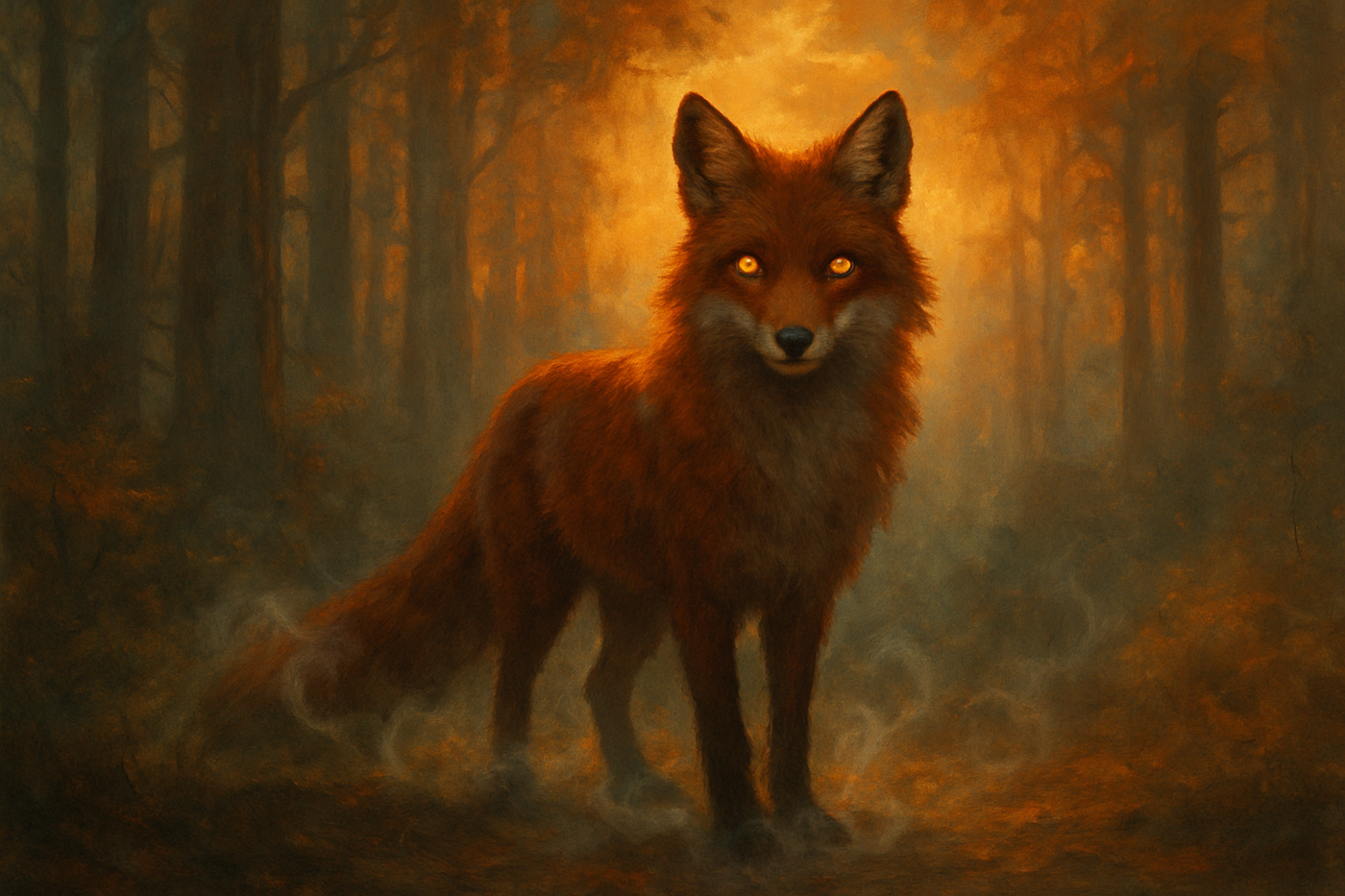
The fox symbolizes cunning intelligence, adaptability, and hidden wisdom. Spiritually, seeing a fox is often read as a nudge to trust your instincts, choose clever strategy over brute force, and stay alert to opportunities others walk past. Across cultures — from Shinto shrines in Japan to Celtic hillsides in Ireland to the fables of Ancient Greece — the fox appears as a shapeshifting trickster, a sacred messenger, or a guide bridging the seen and unseen worlds.
There is something electric about locking eyes with a fox at dusk. It doesn't bolt immediately the way a rabbit would, nor does it approach like a dog. It simply watches — assessing you with a quiet, almost human intelligence — before melting soundlessly back into the shadows.
That single moment often stays with people for years. Maybe it's the fox's fire-colored coat against the grey woods, or the eerie sense that it knew something you didn't. Whatever the reason, encountering a fox rarely feels ordinary. It feels like a message.
Before diving deeper, here is the essence of what the fox represents in spiritual and cultural traditions:
At its heart, fox symbolism is about intelligent navigation — moving through life's obstacles without confrontation. Foxes are not the strongest predators in the forest, yet they survive in nearly every climate on Earth, from Arctic tundra to suburban backyards. Spiritually, this represents the human capacity to overcome disadvantage through wit, patience, and perception rather than sheer power.
The fox is also a keeper of secrets. In many spiritual frameworks, it symbolizes the ability to see beneath the surface of a situation — to notice deception, hidden motives, or unspoken truths that others miss. If a fox has been crossing your path, it may be nudging you to look twice at a person or circumstance before trusting it fully.
Unlike more overtly aggressive predator symbols such as the scorpion, the fox teaches subtlety. Its power lies in restraint — striking only when the moment is right, and otherwise remaining unseen.
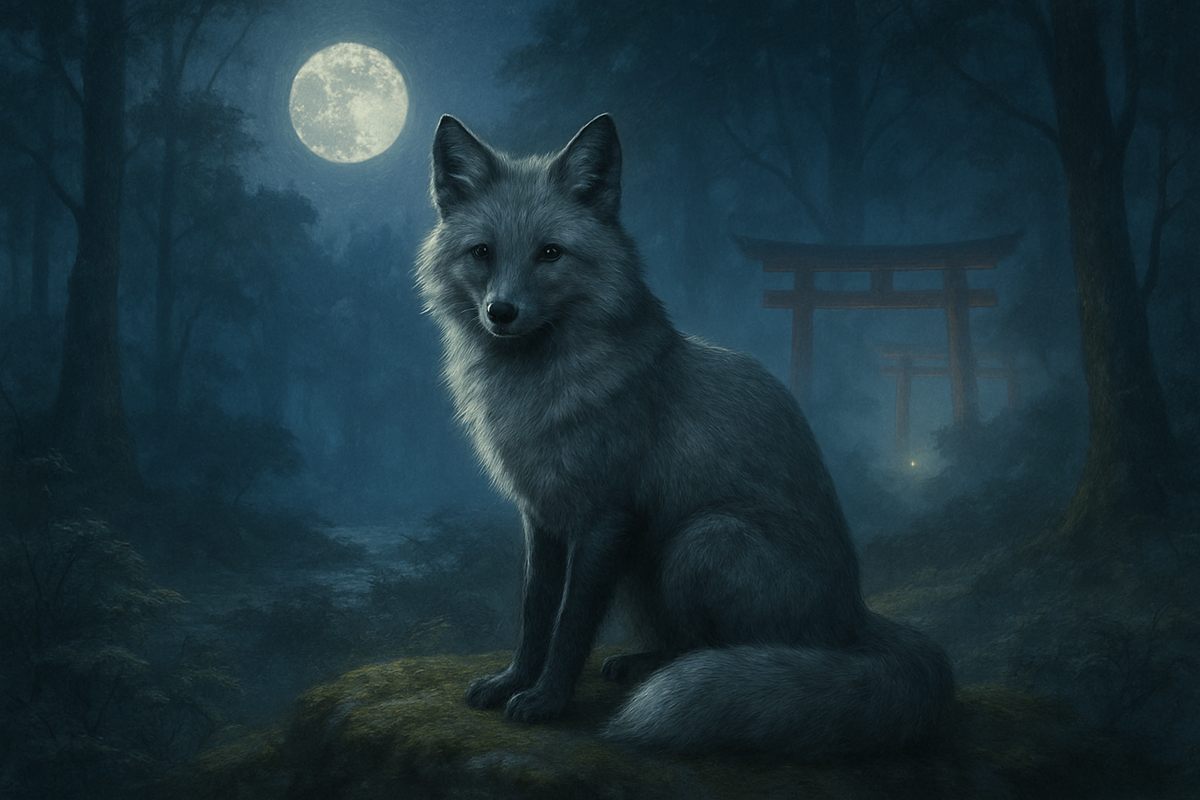
Few animals carry such wildly different reputations depending on where you look. The fox is sacred in one tradition and mischievous in another, sometimes both at once.
Among several Native American nations, including the Cheyenne and Apache, the fox is regarded as a symbol of cleverness and survival skill, often called upon in stories as a helper who outwits stronger animals through wit rather than muscle. The Southern Paiute peoples tell tales of Fox as a companion to Coyote — sometimes cunning, sometimes foolish — a reminder that intelligence without wisdom can lead to trouble.
In Japan, the fox — or kitsune — holds one of the richest symbolic roles in world mythology. Kitsune are believed to be messengers of Inari, the Shinto deity of rice, prosperity, and foxes themselves. Statues of foxes guard the entrances of Inari shrines across Japan, including the famous thousands of vermillion gates at Fushimi Inari Taisha in Kyoto. Kitsune are said to gain additional tails as they age and grow in wisdom, with the legendary nine-tailed fox representing supreme spiritual mastery and shapeshifting power.
In Celtic tradition, the fox was viewed as a guide between worlds — an animal whose sudden appearance could signal the presence of ancestral spirits or upcoming change. Medieval European folklore, however, often cast the fox as a trickster figure, most famously in the character of Reynard the Fox, a cunning anti-hero who outsmarted kings, wolves, and clergy alike in 12th-century French fables. This duality — sacred guide versus sly deceiver — still shapes how the fox is interpreted today.
Centuries earlier, Aesop's fables had already cemented the fox as a symbol of quick-witted rationalization in the Western imagination. In "The Fox and the Grapes," a fox convinces itself that grapes it cannot reach must be sour anyway — a story still used today to describe the psychological habit of dismissing what we secretly want but cannot have. This ancient Greek portrayal adds a more self-deceiving shade to fox symbolism, one focused inward rather than outward.
This dual nature echoes other misunderstood creatures in folklore. Much like the crow's symbolism shifts between omen and messenger depending on context, the fox resists a single fixed meaning — it asks you to consider the specific situation in which it appears.
The color of a fox you encounter — whether in a vision, dream, or real-life sighting — can shift the emphasis of its message.
| Fox Color | Symbolic Emphasis |
|---|---|
| Red Fox | Passion, vitality, bold strategic action |
| Silver/Grey Fox | Wisdom, maturity, mystery, quiet authority |
| White/Arctic Fox | Purity of intention, spiritual clarity, new beginnings |
| Black Fox | Hidden knowledge, protection, deep intuition |
| Golden/Nine-Tailed (mythic) | Enlightenment, transformation, spiritual mastery |
If the fox feels like your spirit animal, you likely already possess a natural gift for reading people and situations. Fox-totem individuals tend to be observant, strategic, and comfortable operating quietly behind the scenes rather than seeking the spotlight.
This quiet, watchful energy shares something in common with nocturnal totems like the owl, another creature associated with hidden wisdom and night vision — though the fox's wisdom is more earthbound and instinctual, rooted in cunning rather than pure intellect.
Dreaming of a fox often reflects your subconscious processing questions of trust, strategy, or deception in waking life.
These dream interpretations aren't fixed rules — context matters enormously. The emotional tone of the dream (fear versus fascination) usually tells you more than the fox's specific action.

Whether the encounter happens in nature, a dream, or simply as a recurring thought, the fox's appearance invites reflection rather than panic. Consider the following steps:
This practice of tuning into subtle, patient signals is similar to how practitioners interpret the appearance of the spider as a spiritual teacher of patience — the fox asks for the same quiet attentiveness, just applied to cunning rather than creativity.
A fox crossing your path is traditionally interpreted as a call to rely on your intelligence and instincts rather than force in an upcoming situation. It can also suggest that someone or something in your life isn't entirely what it appears to be, prompting closer observation.
The fox is generally considered a neutral-to-positive omen representing wisdom, strategy, and adaptability rather than doom. Its trickster reputation in some folklore stems from its cleverness, not malice, so most spiritual traditions view its appearance as an invitation to think smarter, not a warning of misfortune.
In Japanese Shinto belief, the fox, or kitsune, is a sacred messenger of the deity Inari, associated with prosperity, agriculture, and protection. Kitsune are believed to grow wiser and more powerful with age, eventually gaining multiple tails as a mark of spiritual mastery.
Dreaming of a fox usually reflects your subconscious wrestling with themes of trust, hidden truths, or the need for a cleverer approach to a waking-life challenge. The dream's emotional tone — whether the fox feels comforting or threatening — often reveals whether the message is one of guidance or caution.
What do moths really symbolize? Explore the spiritual meaning of moths—transformation, intuition, and hidden light—across myth, dr…

Discover what the peacock symbolizes spiritually—renewal, vision, immortality, and pride—across cultures, dreams, and everyday enc…

Discover what frogs symbolize spiritually—transformation, fertility, cleansing, and luck—across cultures, dreams, and everyday enc…