 Know
Know
Jewelry & Fashion
What Is Platinum? Properties, Value & Care Guide
Discover what platinum really is, why it costs more than gold, and how to keep it brilliant for a lifetime of wear.
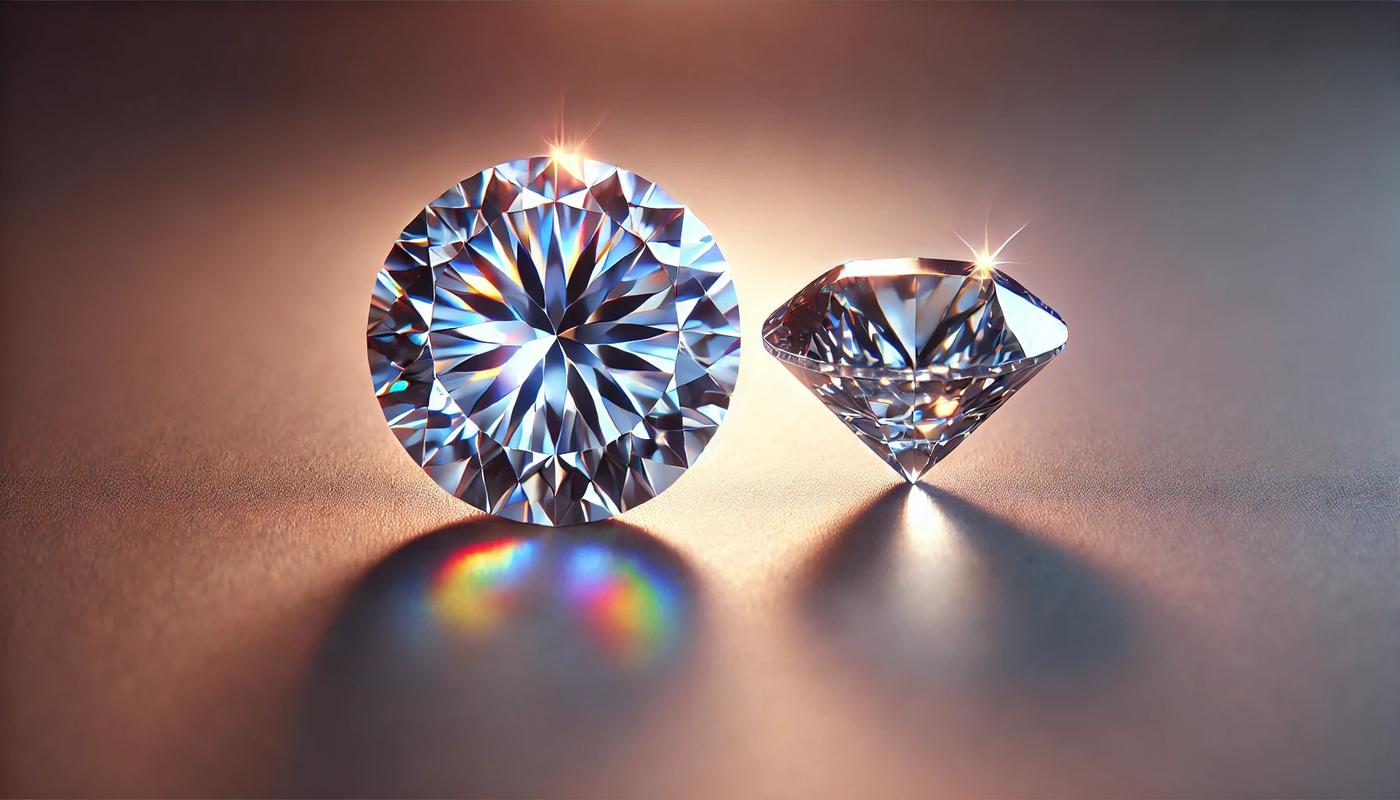
Moissanite, a gemstone lauded for its exceptional brilliance and striking similarity to diamonds, has become an increasingly popular choice among jewelry buyers. While diamonds have long been considered the classic option for engagement rings and high-end jewelry, moissanite offers an alluring alternative that combines brilliance, sustainability, and affordability. In this comprehensive guide, we’ll explore every facet of moissanite—from its origins and qualities to buying considerations, ethical implications, and more. If you’ve ever been curious about moissanite or are considering it for your next jewelry purchase, read on to discover everything there is to know about this captivating gem.
Moissanite is a rare and captivating gemstone known for its extraordinary brilliance and sparkle. Initially discovered in 1893 by Nobel Prize-winning scientist Henri Moissan, this mineral was found in a meteorite crater in Arizona. At first, it was mistaken for diamond due to its similar appearance, but upon closer examination, Moissan realized it was a completely different mineral. Natural moissanite is exceptionally rare and, for practical purposes, all moissanite used in jewelry today is lab-created.
The mineral name for moissanite is silicon carbide (SiC), a compound consisting of silicon and carbon. The properties of moissanite lend it incredible fire and brilliance, even surpassing that of a diamond in some regards. In its lab-created form, moissanite is now manufactured to meet jewelry-grade standards, providing a near-perfect replica of its natural form while offering a more eco-friendly and sustainable alternative to diamonds.
One of the most common questions among gemstone enthusiasts is how moissanite compares to a traditional diamond. While moissanite closely resembles a diamond in appearance, there are several key differences that set it apart. Below, we will delve into the essential characteristics of each, including physical appearance, durability, cost, and more.
Brilliance refers to the brightness that results from light reflecting off the surface of a gemstone. Moissanite’s refractive index (2.65-2.69) is significantly higher than that of a diamond (2.42), meaning it disperses more light and creates a greater degree of sparkle. This superior light dispersion gives moissanite its signature “rainbow effect,” a unique characteristic that sets it apart from other gems. Diamonds, by contrast, produce a more classic white sparkle, which some prefer for its subtler glow.
On the Mohs scale of hardness, which measures a material’s ability to withstand scratches, diamonds rank at the top with a score of 10. Moissanite isn’t far behind, with an impressive score of 9.25, making it one of the hardest gemstones available and highly resistant to scratches and abrasions. This makes moissanite an excellent choice for everyday wear, especially for engagement rings or pieces that will be worn frequently.
Though moissanite is often created to appear colorless, there may still be subtle undertones, typically warmer shades such as yellow or gray. Lab-created moissanite has improved significantly over the years, with the highest quality versions now achieving a near-colorless look comparable to a diamond graded D, E, or F on the diamond color scale. In terms of clarity, moissanites are generally eye-clean, meaning they do not have visible inclusions without magnification.
One of the most compelling reasons people opt for moissanite over diamond is the significant price difference. Moissanite offers similar beauty and durability at a fraction of the cost—often 80-90% less than diamonds of comparable size. For buyers looking to maximize size and quality without breaking the bank, moissanite emerges as a powerful contender. Additionally, because all moissanite is lab-grown, buyers can feel confident that their purchase is free from any ethical issues, such as conflict mining or labor exploitation.
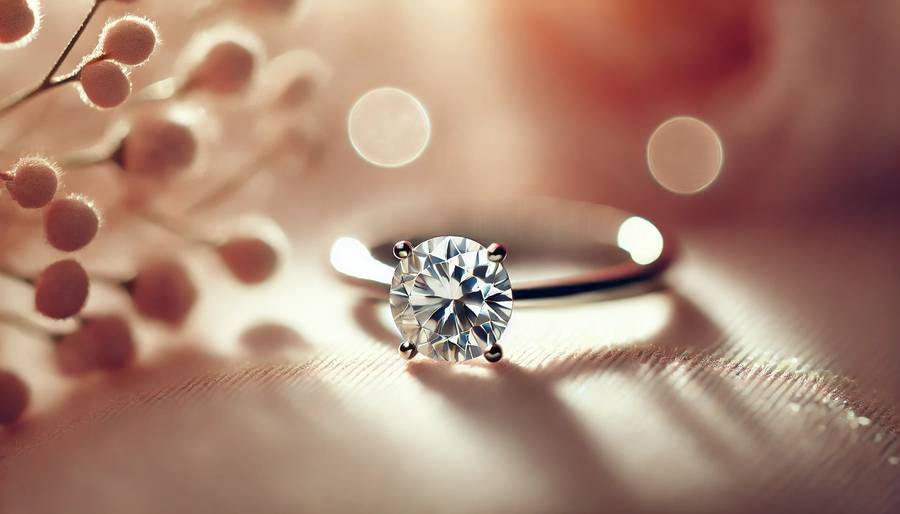
Moissanite has made significant strides in popularity over the last few years as more people begin to understand its numerous advantages. Here are some of the key benefits of choosing moissanite for your engagement ring or other jewelry pieces:
When considering a moissanite gemstone for your jewelry, there are several important factors to keep in mind. Let’s look at the main considerations:
Moissanite comes in a variety of cuts and shapes, giving buyers a range of options to match their personal style. From classic round brilliants to more unique cuts like emerald, pear, and oval, there is a moissanite shape for every taste.
Unlike diamonds, moissanite is generally measured by its millimeter dimensions rather than by carat weight, as moissanite is lighter than diamond. It’s crucial to choose a size that not only fits your budget but also complements the setting and style of the jewelry piece.
Moissanite is graded on color and clarity, similar to diamonds, though the standards are slightly different. You may encounter grades like “Premium” and “Super Premium.” Premium moissanite typically exhibits a faint warmth, whereas Super Premium moissanite has a clearer, more diamond-like appearance.
Moissanite engagement rings come in an array of styles, much like their diamond counterparts. Below, we explore some popular engagement ring settings for moissanite:
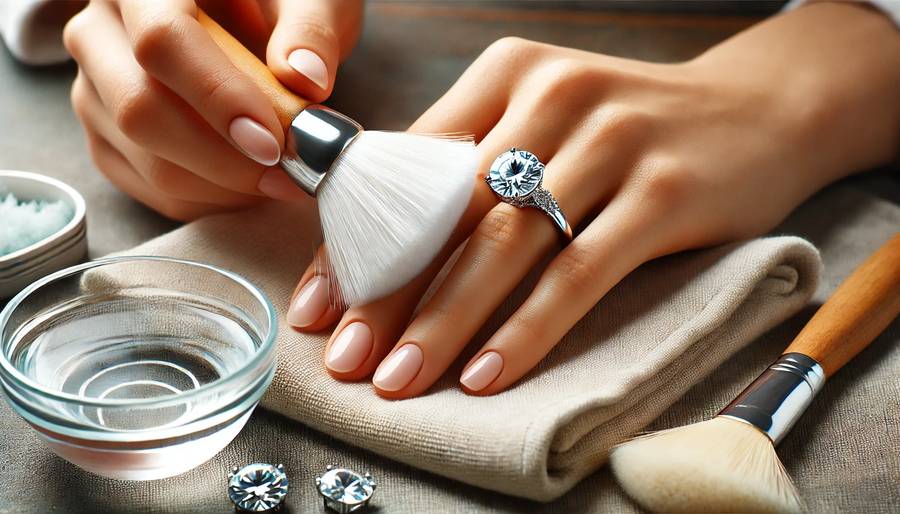
Proper care is essential to maintain its sparkle and brilliance over time. Here are some tips:
To keep your stone looking its best, clean it regularly with warm water, mild dish soap, and a soft brush. Avoid harsh chemicals, which could damage the setting or cause dullness.
Like all fine jewelry, moissanite should be removed when using cleaning agents, swimming in chlorinated pools, or applying lotion and perfume.
For a deep clean, have your moissanite jewelry professionally cleaned once a year. A professional jeweler can also inspect your setting to ensure it is secure and free of damage.
Moissanite has evolved significantly since its initial discovery. Here’s a look at its journey:
| Question | Answer |
|---|---|
| Is Moissanite a Natural Stone? | While natural moissanite does exist, it is incredibly rare and not feasible for jewelry use. Virtually all moissanite gemstones on the market today are lab-created. |
| Does Moissanite Look Fake? | Moissanite is frequently mistaken for diamond due to its similar appearance, but it has a unique fire and brilliance that can differentiate it from diamonds. |
| How Long Will Moissanite Last? | Moissanite is one of the hardest gemstones, second only to diamonds. It is incredibly durable and resistant to scratching, making it a lasting choice for jewelry that can be worn every day. |
| Will Moissanite Retain Its Sparkle Over Time? | Yes, moissanite retains its brilliance and sparkle over time. Proper care and regular cleaning can keep your moissanite jewelry looking as stunning as the day you bought it. |
| Can Moissanite Fool a Jeweler? | Experienced jewelers with the proper tools can easily tell the difference between moissanite and diamond. However, to the untrained eye, the differences are often difficult to discern. |
Moissanite has rightfully earned its place as one of the most sought-after alternatives to diamonds. With its unparalleled brilliance, exceptional durability, and ethical sourcing, moissanite is an ideal option for those looking for a stunning, long-lasting gemstone. Whether you’re shopping for an engagement ring, a beautiful pair of earrings, or a pendant that stands out, moissanite brings style, value, and peace of mind.
Discover what platinum really is, why it costs more than gold, and how to keep it brilliant for a lifetime of wear.
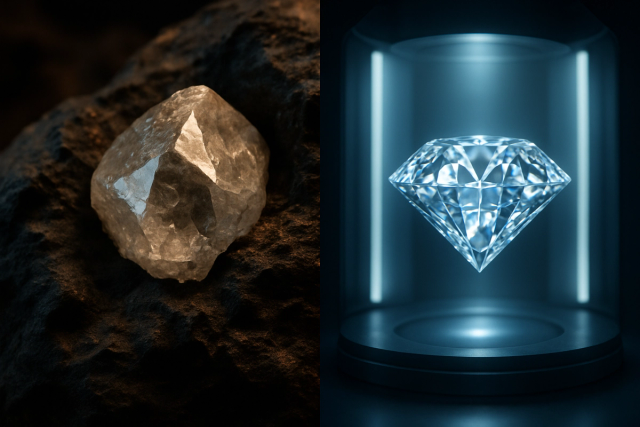
Lab-grown vs natural diamonds compared: origin, price, resale value, ethics, and meaning — choose the right stone with confidence.

Though women’s underwear belongs to the sphere of comfort and fashion, it also shows more profound causes related to body confiden…