 Know
Know
Crystal & Stones
Selenite Meaning: Healing Properties, Uses & Benefits
What selenite crystal really means, its spiritual powers, ancient origins, and simple rituals to cleanse your space and calm your …
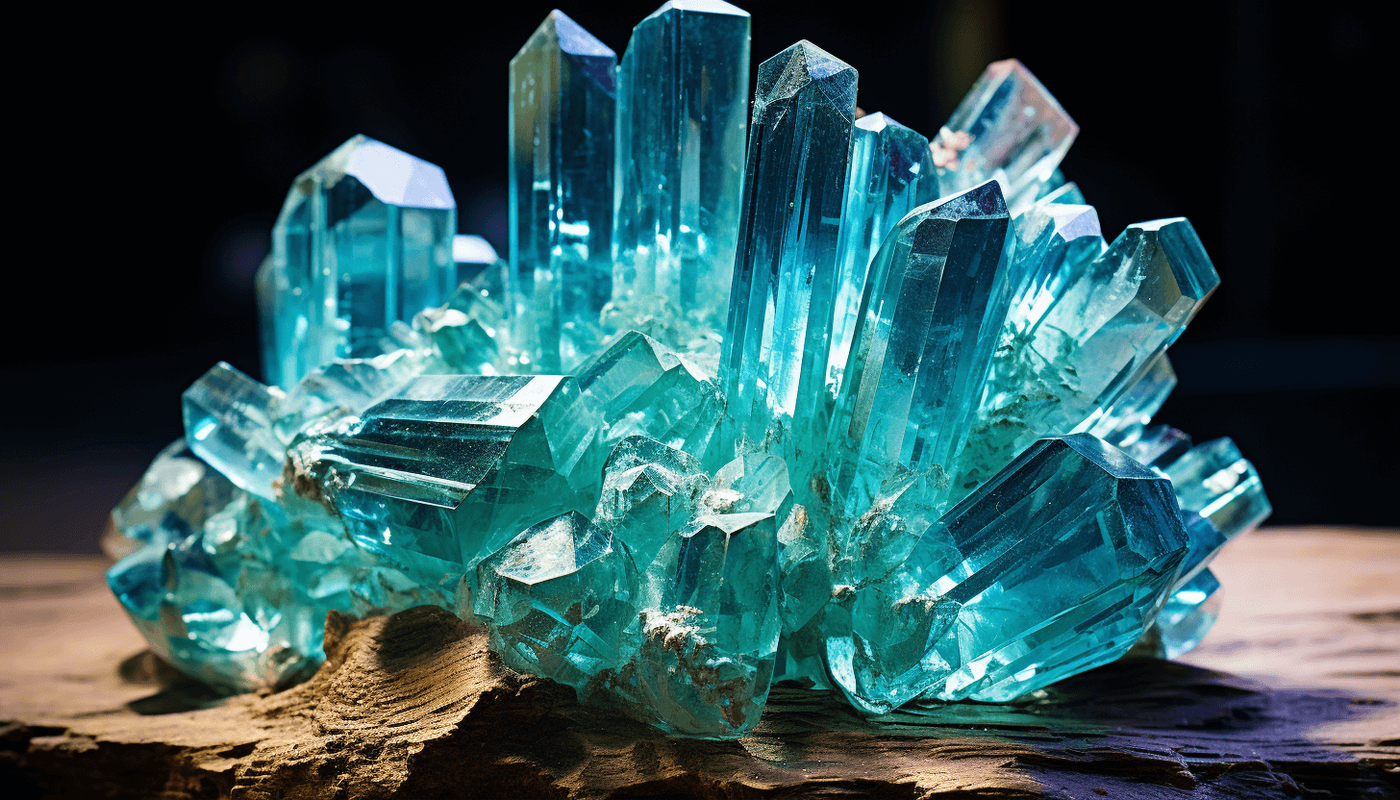
With its ethereal blue-green hues reminiscent of the serene ocean, Aquamarine stands as one of the most enchanting gemstones in the world. Deriving its name from the Latin words ‘aqua’ meaning water, and ‘marina’ meaning sea, this gem is often considered a symbol of tranquility, purity, and eternal youth. Adorning jewelry pieces ranging from delicate earrings to statement necklaces, Aquamarine’s allure isn’t just confined to its beauty; it’s also deeply interwoven with legends, tales of mermaids, and sailors’ beliefs. As we dive deep into the world of Aquamarine, prepare to be captivated by its history, its vibrant shades, and its role in various cultures across time.
Steeped in myths and age-old legends, the Aquamarine gemstone is often associated with an array of fascinating tales. One of the most enchanting stories speaks of it being the treasure of mermaids, gifted to sailors as a protective talisman against the unpredictable fury of the seas. With its mesmerizing blue hue, it’s easy to imagine Aquamarine originating from a mermaid’s treasure chest deep beneath the waves.
While the factual origins of Aquamarine are rooted in geology, its legendary origins have only added to the gemstone’s mystique, making it a sought-after gem in jewelry and lore alike.
Aquamarine, with its breathtaking shades of blue and green, isn’t just a marvel of myth and lore. Its creation, deeply anchored in Earth’s geological processes, is equally spellbinding. As a variety of the mineral beryl, Aquamarine finds its place alongside other notable gemstones like emerald and morganite. But what makes Aquamarine unique is its serene blue hue, reminiscent of tropical seas.
The formation of Aquamarine begins deep within the Earth’s crust, under specific conditions. When molten rock (magma) cools and solidifies, pockets of minerals, including beryl, begin to crystallize. The presence of trace elements like iron determines the coloration of the beryl – in Aquamarine’s case, imparting it with its characteristic blue-green shades.
These geological formations, taking place over millions of years, bring forth Aquamarine – a gem imbued with the soul of the sea and the heart of the Earth.
Aquamarine, as its name suggests, is most often associated with the captivating colors of the sea. Yet, much like the ocean’s myriad hues – from the palest turquoise to the deepest marine blue – Aquamarine’s color range is both varied and enchanting. Dive with us as we explore the depths of this gemstone’s vibrant spectrum.
At the heart of Aquamarine’s color lies the intricate dance between the beryl mineral and trace amounts of iron. Depending on the concentration and oxidation state of the iron impurities, Aquamarine can exhibit a wide range of blue hues.
| Color Shade | Description |
|---|---|
| Light Sky Blue | Often seen in smaller stones, this shade is delicate, evoking the gentle touch of daylight on calm waters. |
| Rich Teal | A rarer and more sought-after shade, teal Aquamarines beautifully bridge the gap between blue and green. |
| Deep Ocean Blue | Representing the gem’s most prized hue, this shade is reminiscent of the profound depths of the sea, holding mysteries and allure. |
While color is a significant factor in determining Aquamarine’s value, it’s essential to note that both lighter and darker tones have their unique charm and demand. Generally, a deeper and more saturated blue will command higher prices. However, the clarity and overall appearance of the gem play pivotal roles in its desirability.
To the observer’s delight, Aquamarine’s varying shades offer a glimpse into nature’s artistry, making it a cherished gem for jewelry enthusiasts and collectors alike.
Just as with many other gemstones, several critical factors play into the value of an Aquamarine. These aren’t just limited to its beautiful ocean-like hue. Let’s delve into the intricate world of Aquamarine valuation and understand what truly defines its worth.
While Aquamarine is appreciated in various tones, the deep blue or blue-green varieties usually command the highest premiums. As we previously discussed, the presence of iron gives Aquamarine its iconic color, with deeper shades indicating higher concentrations.
Aquamarine typically has fewer inclusions compared to other gemstones. Thus, a high-quality Aquamarine is often transparent and free of visible inclusions. Stones that display this level of clarity are especially prized.
The cut of the Aquamarine can either elevate its natural beauty or detract from it. A well-cut Aquamarine will reflect light beautifully, emphasizing its depth of color and clarity. Innovative cuts and shapes can also add to the stone’s value, especially if they showcase the gem’s best features.
While larger Aquamarines can fetch higher prices due to their rarity, the stone’s quality is not solely based on its size. Sometimes, a smaller, deeply-hued, and clear Aquamarine might be more valuable than a larger, paler one.
Certain regions are renowned for producing particularly high-quality Aquamarines. For instance, Aquamarines from Brazil, especially from the Minas Gerais region, are highly sought after. Similarly, Aquamarines from the mountains of Pakistan are notable for their intense colors.
In essence, determining the value of an Aquamarine gem is a nuanced process, considering various factors in tandem. Whether you’re a collector, jeweler, or someone looking to purchase a piece for personal wear, understanding these determinants can greatly enhance your appreciation for this breathtaking gem from the sea.
The luminous allure of Aquamarine has enchanted humanity for centuries. Its ethereal blue hue, reminiscent of tranquil ocean waters, has ensured its place in the annals of both history and popular culture. Let’s embark on a journey, tracing Aquamarine’s significance across various cultures and eras.
In ancient Rome and Greece, Aquamarine was believed to be a prized possession of the mermaids. Sailors often carried this gemstone during their sea voyages, believing it would guarantee a safe passage and shield them from the ocean’s unpredictabilities. Furthermore, it was considered a symbol of happiness and eternal youth, often used in jewelry and talismans.
In several Eastern cultures, Aquamarine is seen as a stone of rebirth and marital harmony. Brides were often gifted Aquamarine jewelry to ensure a loving, harmonious marriage. It was also believed to reawaken love in a long-married couple, reigniting passion and understanding.
During the Middle Ages, Aquamarine was often associated with the healing arts. It was believed to be effective against ailments of the heart, liver, stomach, and mouth. Additionally, the gemstone was considered a powerful antidote against poison. Its calming energies were also thought to aid in legal battles, ensuring victory for the possessor.
Today, Aquamarine is popularly known as the birthstone for March, symbolizing youth, hope, and health. Beyond its metaphysical properties, the gem has carved a niche for itself in the world of fashion. Top designers and jewelers frequently incorporate this versatile gem into their pieces, celebrating its beauty and elegance. The stone’s timeless appeal ensures it graces the red carpet and fashion runways alike.
From the bazaars of the Middle East to the boutiques of Paris and New York, Aquamarine’s allure is truly global. Its universal appeal stems from its serene color, which resonates with diverse cultures and philosophies, making it a gemstone that transcends boundaries.
In conclusion, Aquamarine’s rich tapestry of cultural significance, woven over millennia, stands as a testament to its enduring charm and universal appeal. A gem that continues to captivate, inspire, and connect people from all walks of life.
Aquamarine, beyond its undeniable physical allure, has long been revered for its potent metaphysical properties. Its serene color, reminiscent of gentle sea waves, mirrors its tranquil and balancing effects on the mind and emotions. Let’s delve deeper into the realms of Aquamarine’s spiritual significance and understand its harmonizing influence.
Known as the Stone of Courage and Communication, Aquamarine is believed to clear the path of misunderstandings. It empowers the wearer to articulate their thoughts with clarity and conviction, making it an invaluable asset for those in public speaking or negotiation roles.
The soothing blue-green hues of Aquamarine are symbolic of its calming properties. Wearing or meditating with this stone can help dissipate stress, anger, or anxiety, imbuing the user with a sense of peace and relaxation.
Aquamarine, with its watery essence, is thought to deepen one’s intuition and heighten psychic abilities. Those on a spiritual quest often employ this gem to enhance their insight, aiding them in uncovering truths and wisdom.
This gemstone is closely associated with the throat chakra, the energy center responsible for communication and expression. By balancing and stimulating this chakra, Aquamarine promotes not only articulate communication but also self-expression in art, music, and dance.
Aquamarine has a unique knack for emotional healing. Its energies can be harnessed to help overcome the pain of past traumas, grief, or deep-seated fears. By holding or wearing the stone, individuals can find the strength to confront their emotions head-on and initiate the healing process.
For meditation enthusiasts, Aquamarine serves as a powerful ally. Its energy aids in attaining higher states of consciousness, allowing one to connect deeper with their inner self and the universe.
In essence, the metaphysical magic of Aquamarine is vast and profound. Its calming energies, combined with its ability to foster communication and intuition, make it a beloved gemstone for those seeking spiritual growth, emotional healing, and inner harmony.
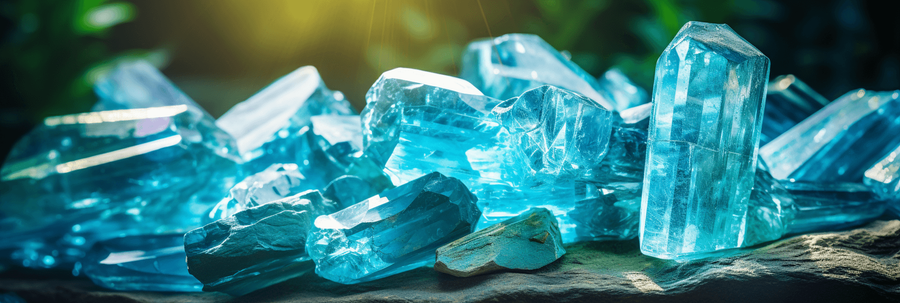
Crystal therapy, or crystal healing, is a form of alternative medicine that harnesses the energies of gemstones to heal and harmonize the body and mind. Aquamarine, with its serene hues and rich history, has established a special place within this therapeutic realm. Let’s explore the ways in which Aquamarine is used as a healing tool in crystal therapy.
Though predominantly revered for its emotional and spiritual benefits, Aquamarine also has a rich history of being used for physical healing. It’s believed to:
In crystal therapy, Aquamarine is a preferred choice for aiding emotional release. Its calming energies can help:
When used during meditation, Aquamarine can:
Aquamarine is a powerful tool for chakra work, especially concerning the throat chakra. However, it can also:
To harness the therapeutic effects of Aquamarine in crystal healing, practitioners might place the stone on relevant energy points on the body, wear it as jewelry, or meditate with it. Regardless of the method, it’s the intent and belief behind the practice that amplifies Aquamarine’s healing potential. So, whether you’re drawn to its beauty or its therapeutic properties, Aquamarine promises to be a gemstone that can deeply enrich one’s journey towards holistic well-being.
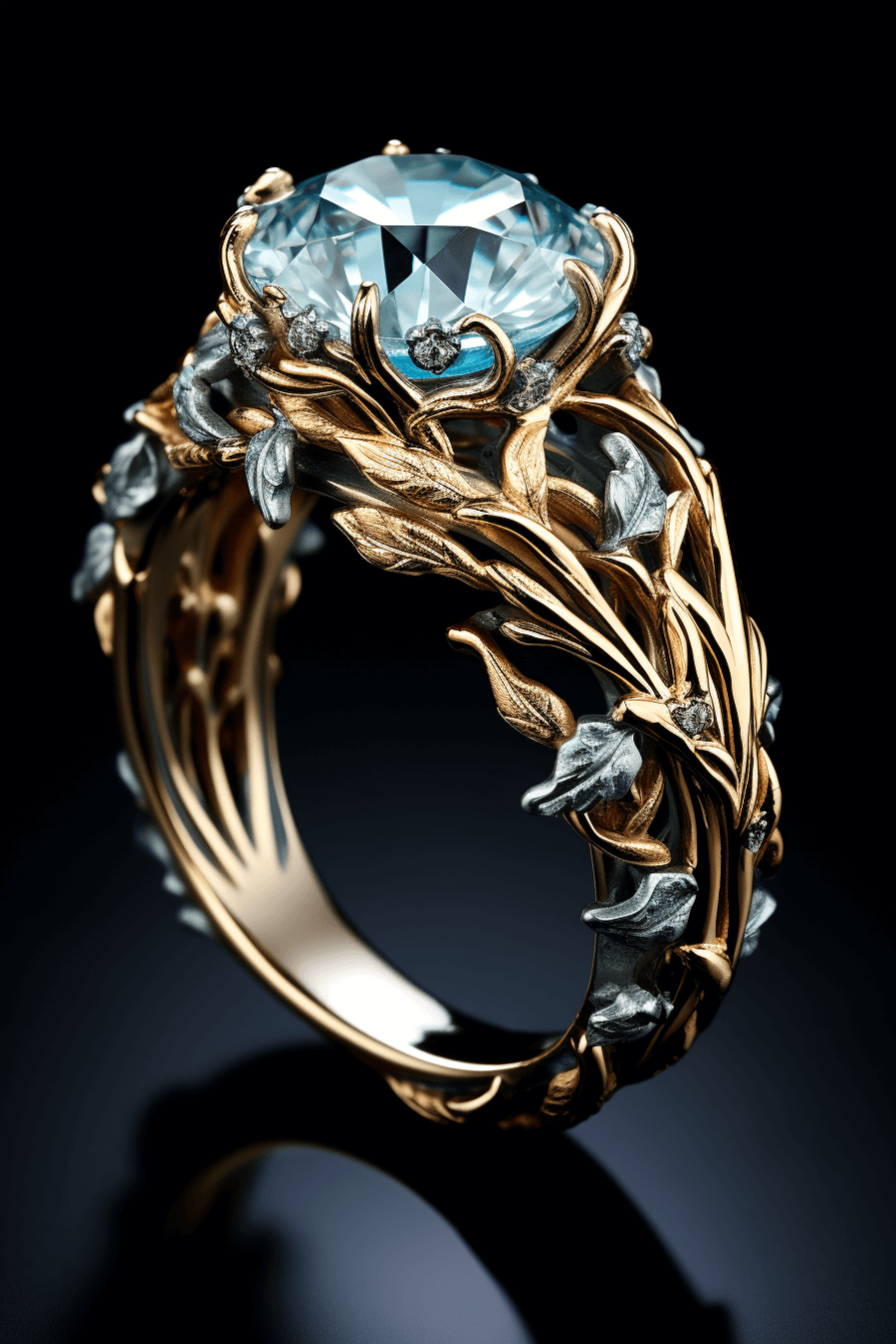
The beauty and allure of Aquamarine have made it a coveted gemstone in jewelry design for centuries. With its gentle blue-green hues that echo the tranquility of the sea, Aquamarine adds elegance and a touch of nature to contemporary fashion. Dive into the world of Aquamarine jewelry and discover how modern designers incorporate this mesmerizing stone.
Engagement Rings: More couples are opting for colored gemstones over traditional diamonds for engagement rings. Aquamarine, with its ethereal blue shade, makes for an enchanting centerpiece in engagement settings, symbolizing eternal love and understanding.
Stackable Rings: For those who love the layered jewelry trend, thin bands featuring petite aquamarine stones can be stacked together or with other gemstones for a trendy look.
Pendants: A simple Aquamarine pendant, especially when cut in a teardrop or oval shape, effortlessly becomes the focal point of any outfit. Paired with either gold or silver chains, it exudes elegance.
Statement Pieces: Bold necklace designs, incorporating larger Aquamarine gemstones intermingled with diamonds or pearls, make for show-stopping pieces fit for special occasions.
From dainty studs to opulent chandeliers, Aquamarine earrings can suit a myriad of tastes. Their cool tone complements both casual wear and formal attire, adding a touch of sophistication.
Tennis Bracelets: Imagine a line of sparkling Aquamarine stones encircling your wrist. This design is timeless and adds a hint of color to the classic diamond tennis bracelet.
Bangles: Incorporating Aquamarine with other colored gemstones in bangles creates a vibrant and visually appealing piece, perfect for those who love to mix and match their jewelry.
Modern designers often combine Aquamarine with unconventional materials such as leather, wood, or even ceramics, producing avant-garde pieces that push the boundaries of traditional jewelry design.
For those who prefer subtlety, small Aquamarine stones can be incorporated as accents in pieces dominated by other materials or gemstones. This approach offers just a hint of color, yet still showcases the stone’s beauty.
In conclusion, Aquamarine’s versatility in design and its unique hue make it a favorite in the world of contemporary jewelry. Whether you’re a fan of classic elegance or modern chic, there’s an Aquamarine piece that’s bound to capture your heart and elevate your fashion game.
Like any treasured possession, your Aquamarine jewelry demands gentle care to ensure it remains radiant throughout the years. Aquamarine, with a Mohs hardness of 7.5 to 8, is a relatively durable gemstone, but it’s still vulnerable to scratches, dirt, and sudden temperature changes. Here’s a guide to help you maintain your Aquamarine’s mesmerizing glow and prolong its lifespan.
Warm Soapy Water: A gentle bath of warm water with a few drops of mild soap is ideal. Use a soft brush to lightly scrub the stone, especially the underside where dirt and oil can accumulate. Once done, rinse with cool water and pat dry with a soft lint-free cloth.
Avoid Harsh Chemicals: Steer clear of exposing your Aquamarine to chemicals, especially bleach and acids. These can erode the stone’s brilliance and even damage its surface.
Individual Pouches: Store your Aquamarine jewelry in a soft pouch or a separate compartment in your jewelry box. This minimizes the risk of it getting scratched by harder gemstones or metal edges of other jewelry pieces.
Avoid Extremes: Always keep Aquamarine away from extreme heat or direct sunlight, which can fade its color over time.
Put Jewelry on Last: When getting ready, make it a rule to wear your Aquamarine jewelry last, after applying makeup, perfume, and hair products. These products may contain chemicals that can tarnish the gem’s surface.
Physical Activities: Before engaging in strenuous activities or sports, remove your Aquamarine pieces to prevent any possible damage or loss.
It’s wise to have your Aquamarine jewelry inspected by a professional jeweler at least once a year. They can check for loose settings, clean hard-to-reach areas, and offer specific advice on its care.
While these devices can effectively clean many types of gemstones, they might cause fractures in Aquamarines, especially if the stone has liquid inclusions or internal fractures. Always opt for gentle cleaning methods.
To wrap it up, while Aquamarine is relatively sturdy, it still demands tender love and care. By following these maintenance tips, you can ensure that your cherished Aquamarine jewelry remains a sparkling testament to nature’s beauty for years to come.
Aquamarine’s clear blue allure is further accentuated when it’s skillfully cut and shaped. The gemstone’s versatility ensures that it’s a favorite among gem cutters, with a range of shapes and styles that showcase its captivating hue. Let’s dive into some of the most sought-after cuts and shapes that make Aquamarine truly stand out.
As one of the most favored cuts for gemstones, the round brilliant showcases Aquamarine’s dazzling facets to perfection. With its 57 or 58 facets, this cut maximizes light reflection, causing the stone to sparkle intensely.
The emerald cut, with its elongated rectangular shape and chiseled step-like facets, emphasizes the stone’s clarity and depth of color. It’s a popular choice for those who desire a vintage and elegant look for their Aquamarine jewelry.
This cut gracefully blends the round and marquise shapes, resulting in a long symmetrical design. The oval cut offers an illusion of greater size without adding extra weight, making it perfect for rings and pendants.
The cushion cut, also known as the “pillow cut”, combines the square cut with rounded corners, emphasizing Aquamarine’s luminescence and depth. This classic cut has been beloved for centuries and offers a romantic allure.
Unlike the faceted cuts, a cabochon is smooth and rounded, without any facets. For Aquamarines with certain inclusions that create a cat’s eye or starry effect, the cabochon cut is an ideal choice as it highlights these unique internal characteristics.
This unique and stylish shape, tapering to a point at one end, offers a modern yet timeless aesthetic. The pear shape works beautifully for earrings and pendants, adding a touch of sophistication.
The marquise cut, resembling a boat, has pointed ends and a curved body. This cut can make Aquamarine appear larger than its actual carat weight, making it a popular choice for those looking to maximize the visual impact of their gemstone.
Modern and chic, the princess cut is square to slightly rectangular with sharp edges. It’s second in popularity only to the round brilliant cut and offers a contemporary touch to any jewelry piece.
In conclusion, while the raw beauty of Aquamarine is undeniable, the magic truly unfolds when it’s crafted into a specific shape or cut. The choice of cut can amplify its beauty, play with light in mesmerizing ways, and even make the gem appear larger or more radiant. Whether you lean towards the classics or contemporary designs, there’s an Aquamarine cut to resonate with every jewelry enthusiast.
For those born in March, the cool, calming Aquamarine is your birthstone. A gem that perfectly mirrors the serene hues of the sea, Aquamarine has more than just its visual charm; it also possesses a deep connection to the zodiac, bringing a myriad of benefits to its wearer.
The zodiac sign Pisces, which falls between February 19 and March 20, finds its perfect gem companion in Aquamarine. Pisces, represented by two fish swimming in opposite directions, is often associated with characteristics such as intuition, creativity, and a dreamy disposition. Aquamarine, with its calming energies, provides a balancing touch to the Piscean spirit, grounding them while also amplifying their innate intuitive abilities.
While Pisces dominates most of March, the fiery Aries takes over the latter part, from March 21 onwards. For Aries, a sign known for its dynamism and passionate nature, the soothing Aquamarine acts as a calming agent, tempering their fiery disposition with its serene energy. It’s a reminder for Aries-born individuals to take a step back, reflect, and approach situations with a cool head.
In many ancient cultures, Aquamarine was believed to protect sailors at sea, ensuring their safe return. This belief ties back to the gem’s visual resemblance to the sea. Similarly, in astrological traditions, the stone is believed to provide protection to those born in March, shielding them from harm and negative energies.
For those interested in delving deeper into the wonders of March, explore more about the March Birthstone or discover the significance of the March Birth Flower. Both offer a rich tapestry of history, symbolism, and inherent beauty that resonates with the essence of this month.
In conclusion, the Aquamarine is not just a gemstone; for those born in March, it’s a symbol of protection, balance, and clarity. Whether you’re a dreamy Pisces or a dynamic Aries, this stone has something special to offer, making it a perfect companion to navigate through life’s ebb and flow.
As one of the most sought-after gemstones, aquamarine is both captivating and charming. Its azure hues mirror the mysteries of the ocean, making it a timeless addition to any jewelry collection. But, as with any valuable gem, there are certain factors you need to be wary of when purchasing aquamarine jewelry to ensure you’re getting the real deal.
Always buy from a reputable dealer or jeweler. They should be well-established in the industry and have positive reviews and feedback from previous buyers. Authenticity often comes with certification, so ensure the dealer provides certification for the aquamarine jewelry they sell.
The true allure of aquamarine lies in its color. Genuine aquamarines exhibit a range from pale blue to deep cyan. Beware of stones that are too pale or overly saturated with green, as they might not be genuine or of high quality.
Aquamarines are typically clear gemstones with minimal inclusions. While minor inclusions do not reduce the stone’s value significantly, be wary of stones with large, visible inclusions or cracks, as these could affect the stone’s durability and overall appeal.
Many aquamarines in the market undergo heat treatment to enhance their color. While this is an accepted practice, the seller should disclose any treatments the stone has undergone. A genuine dealer will always be transparent about such details.
The cost of aquamarine jewelry can vary based on the stone’s color, clarity, size, and overall quality. Before purchasing, research current market prices and compare different options. Remember, if a deal seems too good to be true, it probably is.
When buying aquamarine jewelry, consider the setting and the metal used. Aquamarine pairs beautifully with white gold or platinum, but the choice should also reflect personal preference. Ensure the setting is secure, especially for rings, as the stone should be protected from potential knocks and scratches.
In conclusion, investing in aquamarine jewelry is not just about purchasing a beautiful gem; it’s about owning a piece of the ocean’s soul. By following these tips and being an informed buyer, you can ensure that you’re getting a genuine, high-quality piece that you or a loved one will cherish for years to come.
Aquamarine, with its alluring blue hue, has not only captured the admiration of gem enthusiasts but has also made significant appearances in pop culture. From iconic jewelry pieces worn by celebrities to its portrayal in films, aquamarine has certainly left an indelible mark. Here’s a table highlighting some of the most memorable moments and pieces associated with this stunning gem.
| Occasion/Moment | Description | Date/Year |
|---|---|---|
| The Duchess of Sussex’s Aquamarine Ring | Meghan Markle was seen wearing a stunning aquamarine ring that previously belonged to Princess Diana during her wedding reception to Prince Harry. | 2018 |
| “Aquamarine” Film | A movie where two teenage girls discover a mermaid named Aquamarine in their beach club’s swimming pool. The film, although not directly about the stone, borrows the name, showcasing the allure and mystery associated with it. | 2006 |
| Elizabeth Taylor’s Aquamarine Necklace | Gifted by Richard Burton, this exquisite necklace features a large aquamarine pendant surrounded by diamonds, reflecting Taylor’s love for statement jewelry. | 1960s |
| Aquamarine in “Titanic” | While the “Heart of the Ocean” was portrayed as a blue diamond, many believe its design was inspired by aquamarine given the similar blue hue. | 1997 |
| The Brazilian “Dom Pedro” Aquamarine | The world’s largest cut aquamarine gem, weighing an astonishing 10,363 carats, is on display at the Smithsonian’s National Museum of Natural History. | 1990s |
These moments and pieces in pop culture not only celebrate the beauty of aquamarine but also solidify its status as a gem that transcends time. Whether gracing the fingers of royalty or making waves on the silver screen, aquamarine remains a symbol of elegance and wonder.
From the depths of the earth’s crust to the vastness of the seas, the journey of aquamarine is a testament to nature’s wonders. Its gentle blue hues, reminiscent of serene ocean waves and clear skies, have enchanted civilizations for generations. More than just a pretty gemstone, aquamarine holds deep historical, cultural, and metaphysical significance.
A favored choice in jewelry, this gem has found its way to royal treasuries, celebrity collections, and even cinematic masterpieces. Its resilience and versatility in design make it a sought-after choice for artisans and jewelers. Yet, beyond its aesthetic appeal, many are drawn to aquamarine for its purported healing properties and emotional resonance.
As we’ve journeyed through the facets of this remarkable gem—from its geological formation to its place in pop culture—it’s evident that aquamarine is much more than meets the eye. Whether you’re drawn to it for its beauty, its history, or its therapeutic value, one thing remains certain: the allure of aquamarine is timeless, and its legacy in the world of gemstones is unparalleled.
In celebrating aquamarine, we’re not just appreciating a gem but honoring a piece of our shared human heritage—a stone that has witnessed empires rise and fall, yet continues to shine with unwavering grace. Here’s to the enduring charm and elegance of aquamarine!
Both aquamarine and blue topaz are beautiful gemstones with sea-like hues, but they have distinct differences. Aquamarine is a variety of the mineral beryl, while blue topaz is a type of topaz. The blue color in aquamarines is natural due to iron, whereas blue topaz often undergoes treatment to achieve its shade. Typically, genuine aquamarine is more valuable than blue topaz owing to its rarity.
Authentic aquamarines possess a pale blue to greenish-blue color. If the blue is very deep, it might be a high-quality stone or possibly another gem type. Genuine aquamarines usually have clear clarity; cloudiness or inclusions might suggest a lower quality or imitation. For certainty, consider a professional assessment from a certified gemologist.
Absolutely! With a Mohs hardness of 7.5 to 8, aquamarine resists scratches and is suitable for daily wear. However, it’s essential to avoid direct hits or exposure to harsh chemicals to maintain its beauty and luster.
The term ‘aquamarine’ originates from Latin words ‘aqua’ (water) and ‘marina’ (of the sea). Its tranquil blue to greenish-blue shades beautifully emulate ocean waters. Historically, it was believed to safeguard sailors, further connecting it to the sea.
No, the color of aquamarines remains consistent throughout time. If an aquamarine appears darker, it might be due to accumulated dirt or grime, which can be effortlessly cleaned to restore its initial shine.
Yes, due to its lovely hue and good durability (with a Mohs hardness of 7.5 to 8), aquamarine has become a popular choice for engagement rings. Its subtle blue color represents tranquility, making it symbolic of a harmonious marriage. However, as with any gemstone, proper care is required to prevent any potential damage.
Aquamarine can be safely cleaned using warm soapy water and a soft brush. Afterward, rinse it with clean water and dry it with a soft cloth. Avoid using harsh chemicals or ultrasonic cleaners, which could damage the stone.
Yes, aquamarine is sometimes referred to as “water of the sea” due to its color. In some cultures, it’s also termed “sailor’s gem” because of the ancient belief that it would protect sailors on their journeys.
Aquamarine is mined in various locations worldwide, with significant sources in Brazil, Nigeria, Madagascar, Zambia, Pakistan, and Mozambique. The finest quality aquamarines, known for their deep blue color, often come from Brazil.
Yes, aquamarine is a member of the beryl family, which includes other gemstones like emerald (green beryl), morganite (pink beryl), and heliodor (yellow beryl).
What selenite crystal really means, its spiritual powers, ancient origins, and simple rituals to cleanse your space and calm your …
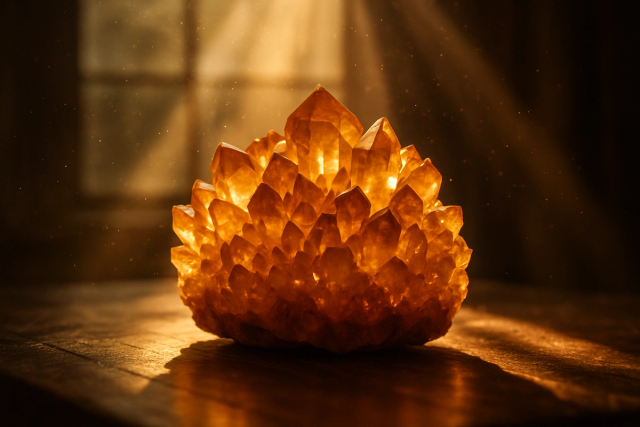
Uncover citrine's true meaning, spiritual power, and healing uses — the golden crystal for abundance, confidence, and joy.
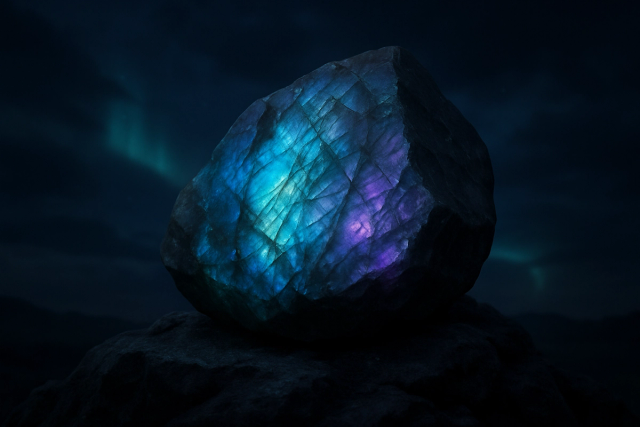
Discover labradorite's meaning, Inuit legend, healing properties, chakra uses, dream symbolism, and how to work with this shimmeri…