 Know
Know
Crystal & Stones
Cacoxenite Meaning: Healing & Daily Uses
Table of Content Cacoxenite Overview Geological Formation of Cacoxenite Cacoxenite’s Role in Jewelry Comparison with Similar Miner…
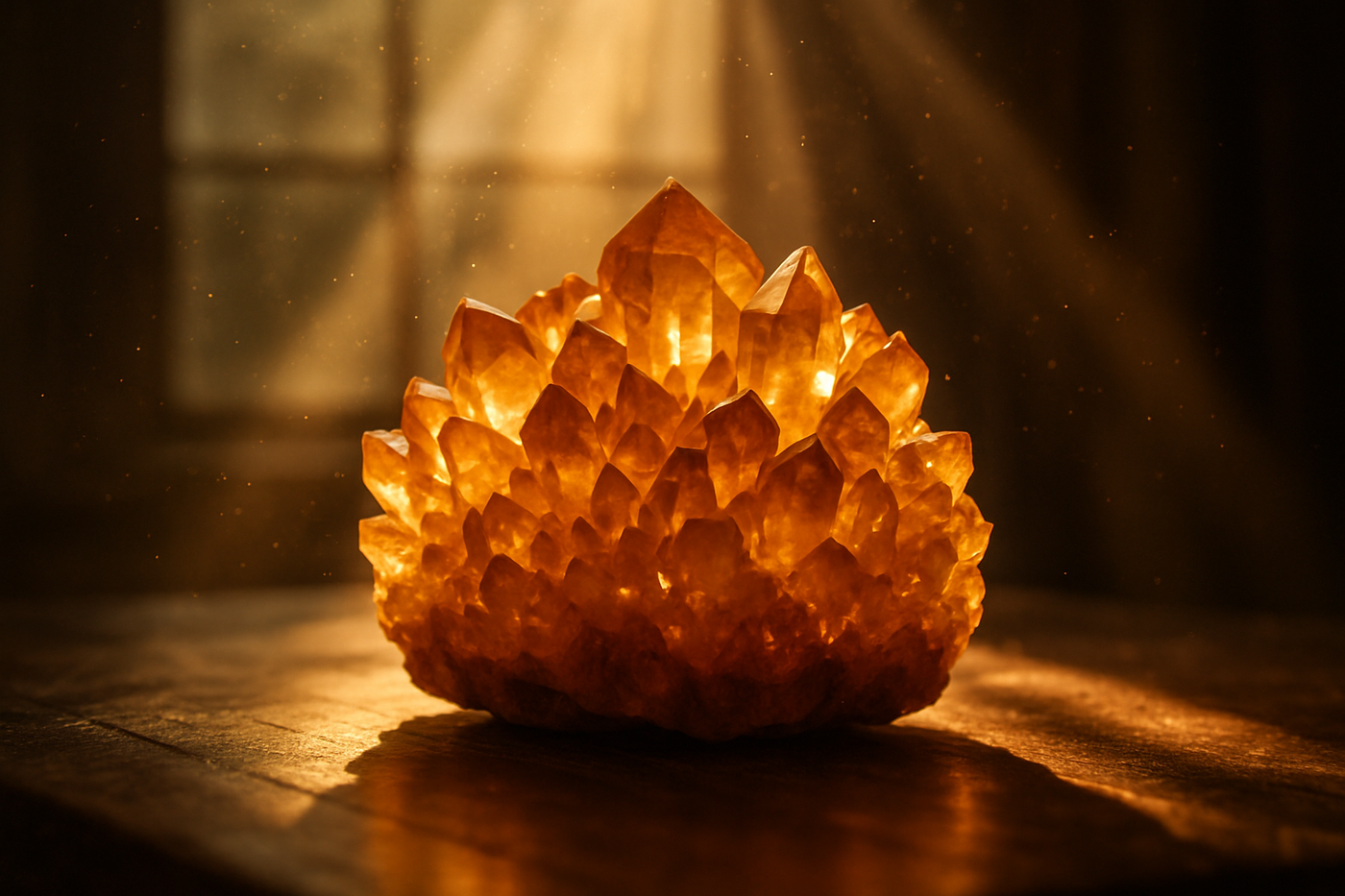
Citrine is a golden-yellow variety of quartz cherished as the "merchant's stone" and "success stone" — a crystal historically linked to abundance, confidence, and personal power. Its warm hue comes from trace iron within the quartz crystal lattice, and it's one of the few crystals believed to never absorb negative energy, instead transmuting it into positive vibrations. Metaphysically, citrine is tied to the solar plexus and sacral chakras, making it a favorite for manifestation, creativity, and joyful vitality. Whether displayed as a cluster or worn as jewelry, citrine's reputation as a stone of prosperity and self-assurance spans centuries and cultures.
There's something about holding a piece of citrine that feels like cupping a small piece of sunlight in your palm. Its warm amber and honeyed tones seem to hum with quiet optimism, even on the grayest days.
For centuries, merchants tucked citrine into cash boxes and travelers carried it for safe passage — not because they understood quartz geology, but because they felt, instinctively, that this stone carried light inside it, ready to be shared.
If you've ever needed a nudge toward hope, courage, or the belief that good things are still possible, citrine's story might resonate more than you expect.
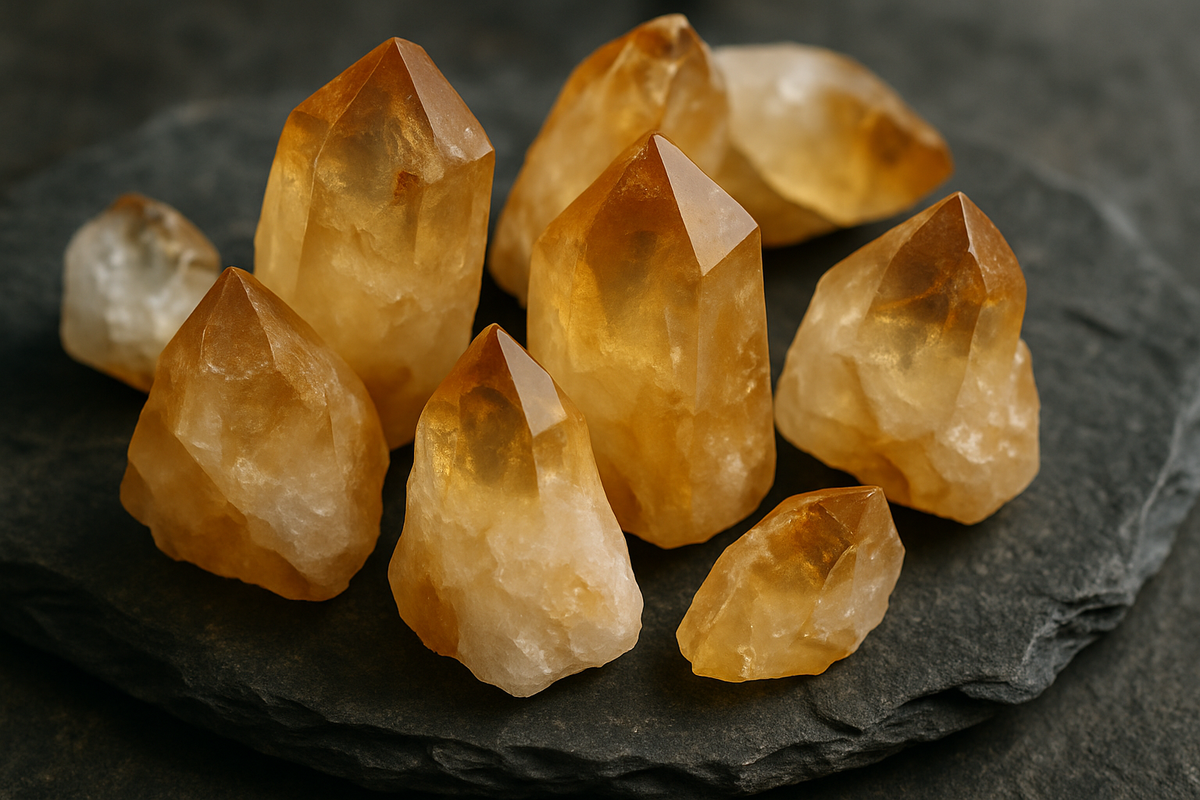
Citrine is a macrocrystalline variety of quartz (SiO2) whose golden color comes from trace amounts of iron within its crystal lattice, sometimes intensified by natural radiation exposure over millions of years. Natural citrine is genuinely rare; most citrine sold commercially is actually heat-treated amethyst or smoky quartz, which turns a similar yellow-orange when heated to specific temperatures. True, untreated citrine tends to be a paler, lemon-toned color, while heat-treated stones often show a deeper, almost burnt-orange hue with a reddish base.
Major natural deposits are found in Brazil's Rio Grande do Sul region, Madagascar, Zambia, and the Democratic Republic of Congo. The name "citrine" derives from the Old French word citron, meaning lemon, a nod to its citrus-like glow. Brazil alone accounts for the majority of the world's natural citrine supply, though large untreated specimens are increasingly difficult to source.
| Stone | Color | Primary Meaning | Chakra Association |
|---|---|---|---|
| Citrine | Golden yellow to amber | Abundance, confidence, joy | Solar Plexus, Sacral |
| Topaz | Golden, blue, pink | Truth, generosity | Solar Plexus |
| Yellow Sapphire | Bright yellow | Wisdom, prosperity | Solar Plexus, Crown |
| Tiger's Eye | Brown-gold banded | Courage, grounding | Root, Solar Plexus |
Citrine's spiritual reputation centers on three core themes: abundance, empowerment, and emotional warmth. Crystal healers describe it as a stone that doesn't just attract prosperity but helps the wearer become someone who can hold onto it — building confidence, self-worth, and clarity of purpose along the way.
Because citrine is rarely thought to hold negative energy, many practitioners use it specifically for manifestation work, believing it amplifies intention rather than absorbing doubt or fear. It's commonly placed in the "wealth corner" of a home in Feng Shui practice — the far left area from the entrance — to invite financial opportunity and clear decision-making.
Linked to the solar plexus chakra — the energy center governing willpower and self-esteem — citrine is often reached for during periods of self-doubt, career transitions, or public speaking anxiety. It's considered a gentle but steady confidence-booster, similar in spirit to how Aries crystals are chosen to support boldness and initiative.
Some practitioners call citrine the "laughter stone" for its association with lightness and optimism. It's thought to dissolve lingering sadness or emotional heaviness, encouraging a return to playfulness, gratitude, and a lighter emotional load.
Citrine's symbolic weight has shifted across cultures and eras, but a thread of prosperity and protection runs through nearly all of them.
Ancient Greek artisans carved citrine into intaglios and cameos as early as 300 BCE, valuing its warm color for decorative jewelry and signet rings. Roman priests reportedly used citrine in ceremonial objects, associating its golden glow with the favor of Apollo and with protection during long-distance travel.
During the 19th century, citrine — often called "Cairngorm stone" when sourced from Scotland's Cairngorm Mountains — became a fashionable centerpiece in Scottish jewelry, particularly kilt pins, sgian-dubh handles, and clan brooches. It symbolized status and clan pride, and was popularly believed to offer protection against snake venom and unwelcome thoughts.
In Chinese Feng Shui traditions, citrine is closely tied to wealth cultivation. Citrine geodes and clusters are frequently displayed in shops and homes, often paired with other prosperity symbols like the money plant or jade coins, to encourage the flow of positive financial energy, or qi, throughout a space.
Yellow gemstones hold particular importance in Vedic astrology, where they are associated with Jupiter (Guru), the planet of wisdom, expansion, and good fortune. While yellow sapphire is the traditional Jupiter stone worn to strengthen this planetary influence, citrine is sometimes used as a more accessible substitute to invite similar blessings of knowledge, generosity, and prosperity.
Dreaming of citrine or golden crystals is often interpreted as a symbol of incoming opportunity, financial relief, or renewed self-belief. If the stone appears bright and clear in the dream, it may reflect optimism about a current life path. A cloudy or cracked citrine, on the other hand, might point to anxieties around money or self-worth that need addressing before abundance can flow freely.
Crystal practitioners attribute a range of supportive properties to citrine, spanning physical comfort, emotional balance, and energetic alignment. These claims are rooted in folk and metaphysical tradition rather than clinical science, but they remain widely cited in crystal healing communities.
Citrine's versatility makes it easy to weave into everyday routines, whether you're drawn to its symbolism, its aesthetic warmth, or both.
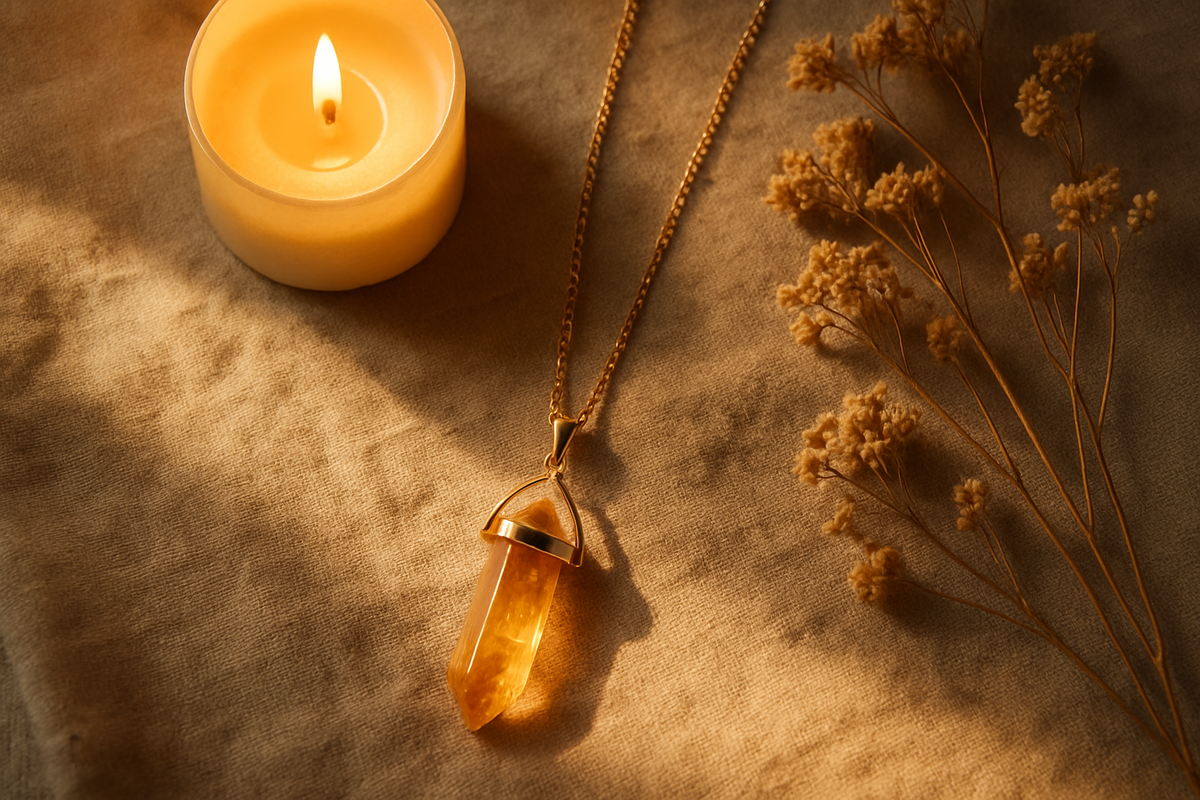
Jewelry — rings, pendants, or bracelets — keeps citrine's energy close to the body throughout the day. Many people choose a pendant resting near the solar plexus or heart for sustained confidence and warmth.
A citrine cluster on a desk or near an entryway is a popular choice for inviting prosperity and clear-headed decision-making. Placing it in the "wealth corner" of a room, according to Feng Shui, is thought to encourage financial opportunity and steady momentum in business ventures.
Hold a piece of citrine during meditation, resting it on the solar plexus while visualizing golden light expanding through the body. This practice is often used before important meetings, negotiations, or creative projects requiring confidence and clarity.
Citrine pairs well with amethyst for balancing energizing and calming energies, or with clear quartz to amplify intention. It's also a favored stone for certain zodiac signs — for instance, it appears on crystal lists for Leo, a sign associated with confidence, warmth, and creative self-expression.
Because citrine is thought not to hold onto negativity, it rarely needs cleansing — but occasional care still keeps it looking its best:
Because heat-treated amethyst is often sold as citrine, it helps to know what to look for. Natural citrine typically has a soft, pale lemon-to-honey tone with slight color zoning, while heat-treated stones often show a uniform deep orange, sometimes with a reddish tint at the base. Reputable sellers should disclose whether a stone is natural or treated, and price is often a clue, since natural, untreated citrine tends to carry a noticeably higher value than its heat-treated counterparts.
Spiritually, citrine is believed to promote abundance, confidence, and emotional warmth by activating the solar plexus chakra. It's often used in manifestation practices because many believe it never holds onto negative energy, making it ideal for setting positive intentions and staying focused on goals.
Yes, citrine is one of the traditional birthstones for November, alongside topaz. It's also associated with several zodiac signs as a supportive crystal for confidence and clarity, including Cancer.
There's no scientific evidence that citrine attracts wealth, but it holds a long folk tradition as the "merchant's stone," historically kept in cash boxes and shops to encourage prosperity. Many people use it today as a symbolic reminder to stay confident and proactive in financial decisions.
Natural citrine usually has a pale, uneven lemon-to-honey color, while heat-treated citrine, often made from amethyst, tends to have a deeper, more uniform orange tone. Glass imitations often feel warmer to the touch and may contain visible air bubbles, unlike genuine quartz.
Table of Content Cacoxenite Overview Geological Formation of Cacoxenite Cacoxenite’s Role in Jewelry Comparison with Similar Miner…
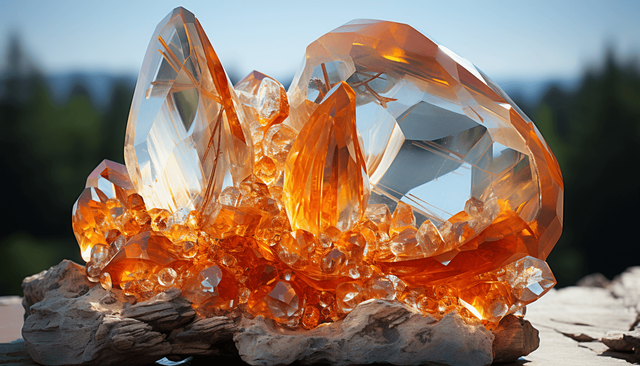
Table of Content Introduction to Calcite Formation and Geology A Spectrum of Colors Historical Significance Metaphysical Propertie…
Table of Content Introduction to Apatite Geological Formation of Apatite Colors and Varieties of Apatite Historical Significance o…