 Know
Know
Crystal & Stones
Selenite Meaning: Healing Properties, Uses & Benefits
What selenite crystal really means, its spiritual powers, ancient origins, and simple rituals to cleanse your space and calm your …
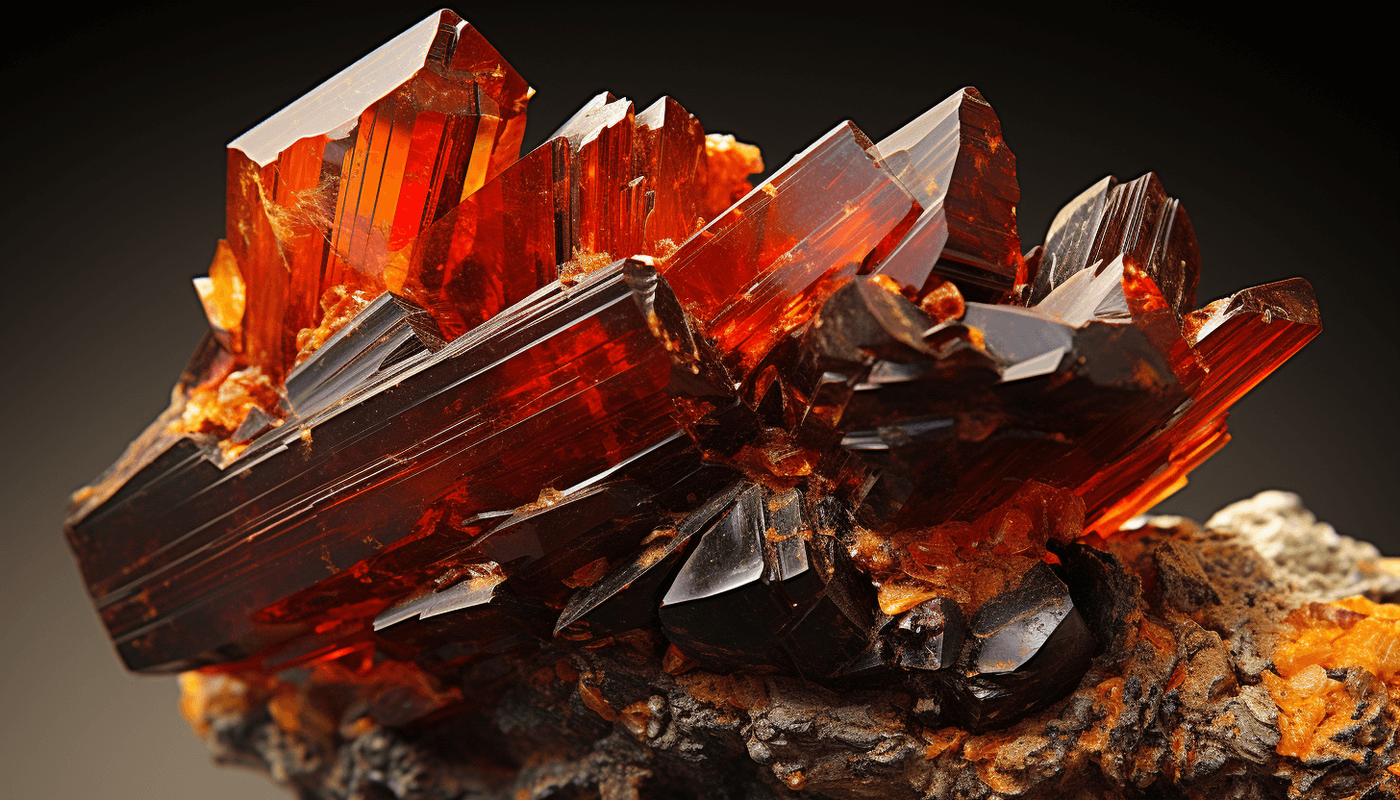
Cacoxenite, often referred to as the “Stone of Ascension,” is a rare and captivating mineral known for its unique appearance and historical significance.
Cacoxenite, with its mesmerizing inclusions and rich history, has been a subject of intrigue for mineral enthusiasts and historians alike. Its name originates from the Greek words ‘kakos’ and ‘xenos’, which translate to ‘bad’ and ‘guest’. This name was given due to its presence as an undesirable component in iron smelting.
Its golden-yellow threads, often found embedded within other minerals like amethyst, make it a visual delight.| Characteristic | Description |
|---|---|
| Color | Golden-yellow to brownish |
| Crystal System | Hexagonal |
| Historical Significance | Known since ancient times, often associated with spiritual and healing properties. |
Historically, cacoxenite was often mistaken for gold due to its golden strands. This led to many tales of fool’s gold and the subsequent realization of its true identity. Over time, its spiritual and metaphysical properties became more recognized, making it a sought-after stone for those on a spiritual journey.
Cacoxenite’s formation is a captivating tale of geological processes and the perfect interplay of conditions. This mineral, often found as inclusions within larger host rocks, forms under specific circumstances that contribute to its rarity.
The genesis of cacoxenite is closely tied to the oxidation of iron-rich minerals, especially in the presence of phosphate-rich solutions. When these conditions align, the beautiful golden-yellow strands of cacoxenite begin to crystallize.
| Geological Feature | Description |
|---|---|
| Formation Environment | Typically forms in the oxidized zones of iron ore deposits. |
| Associated Minerals | Amethyst, goethite, hematite, and strengite. |
| Chemical Formula | Fe24AlO6(PO4)17(OH)12·75H2O |
| Hardness | 3.5 – 4 on the Mohs scale. |
| Streak | Yellowish-brown. |
| Luster | Vitreous to silky. |
| Transparency | Translucent. |
The presence of cacoxenite within other minerals, especially amethyst, creates a visual spectacle known as Super Seven or Melody Stone. This combination is believed to amplify the energies of the included minerals, making it a favorite among gem enthusiasts and spiritual practitioners.
The allure of cacoxenite extends beyond its geological significance. Its striking appearance, combined with its spiritual connotations, has made it a cherished gemstone in the world of jewelry.
While not as commonly found as some other gemstones, cacoxenite’s unique golden-yellow threads offer a distinctive look that is hard to replicate.When cacoxenite is embedded within amethyst, the resulting gemstone is often referred to as ‘Auralite-23’ in jewelry circles, prized for its combined beauty and metaphysical properties.
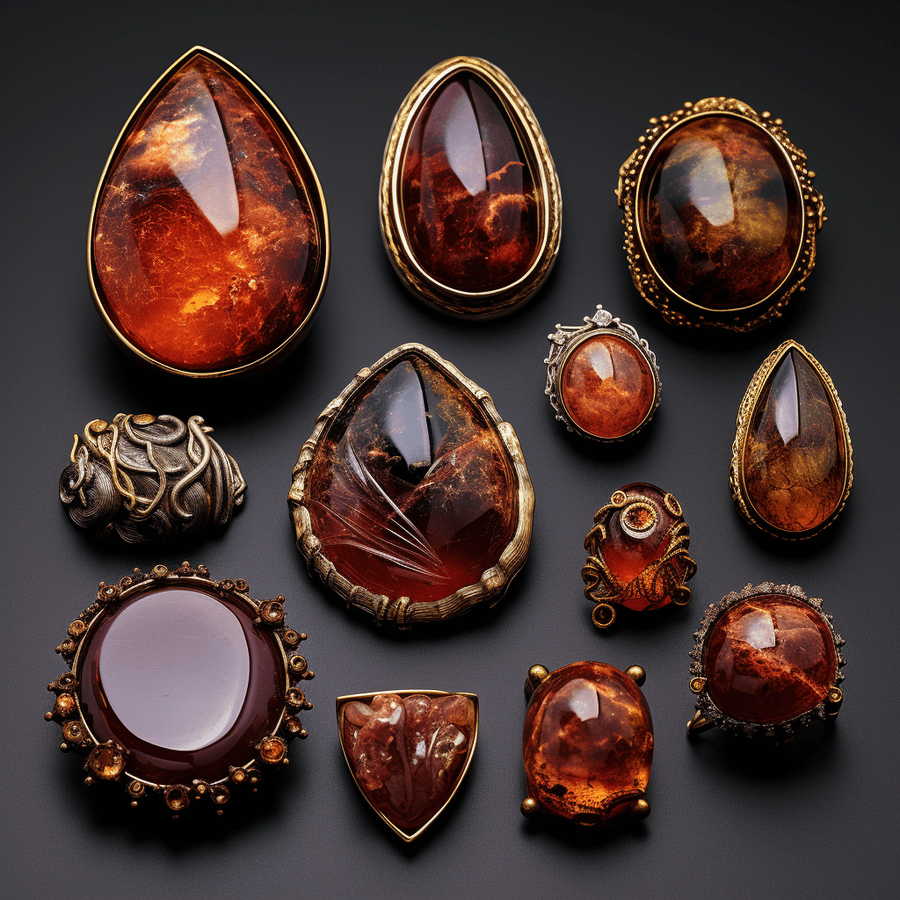
Cacoxenite’s delicate nature and unique appearance make it a favorite for artisanal jewelry designers. The gemstone is often set in bezel settings to protect its edges and showcase its beauty. Its golden threads can be highlighted against darker metals like oxidized silver or contrasted with brighter metals like gold.
Regardless of the style, jewelry pieces featuring cacoxenite are not just adornments; they are often considered pieces of wearable art, each telling a unique story of nature’s marvel.
At first glance, cacoxenite might be mistaken for other minerals due to its golden-yellow threads. However, upon closer inspection and understanding, its distinct characteristics become evident. Let’s delve into how cacoxenite compares with some similar-looking minerals.
| Mineral | Appearance | Key Differences |
|---|---|---|
| Rutile | Golden-yellow to reddish-brown needle-like inclusions. | Rutile is often found in quartz and has a higher refractive index, making it more brilliant than cacoxenite. |
| Goethite | Yellowish-brown streaks or inclusions. | Goethite has a more earthy appearance and lacks the delicate thread-like structure of cacoxenite. |
| Golden Feldspar | Golden-yellow sheen. | While it has a similar color, golden feldspar is more opaque and lacks the distinct inclusions of cacoxenite. |
| Pyrite | Metallic gold appearance. | Often known as “fool’s gold”, pyrite is much harder and has a metallic luster, unlike the vitreous to silky luster of cacoxenite. |
While each of these minerals has its own charm and significance, cacoxenite’s unique combination of appearance, formation environment, and metaphysical properties make it stand out in the mineral kingdom.
Despite the visual similarities, the chemical compositions and crystal structures of these minerals vary widely, further distinguishing cacoxenite from its look-alikes.
Among the myriad of gemstones and crystals, the Super Seven Crystal stands out as a powerhouse of vibrational energy. Often referred to as the “Melody Stone” or “Sacred Seven”, this unique crystal is a combination of seven different mineral inclusions, with cacoxenite being one of its integral components.
The Super Seven Crystal is not just a visual spectacle but also a spiritual dynamo. Its composition includes:
The combined vibrational power of these seven minerals makes the Super Seven Crystal a sought-after stone for spiritual practitioners. It is believed to:
The tale of cacoxenite’s discovery and its global presence is as intriguing as the mineral itself. Its origins trace back to specific locales, with the Hrbek mines playing a pivotal role in bringing this mineral to the limelight.
Nestled in the Bohemia region of the Czech Republic, the Hrbek mines were the first to document the presence of cacoxenite. Miners, initially mistaking it for gold due to its golden-yellow threads, were soon captivated by its unique appearance. Detailed studies and examinations in the late 19th century confirmed its distinct mineral identity, leading to its official recognition and naming.
While the Hrbek mines were the birthplace of cacoxenite’s recognition, its presence is not limited to this region. Over the years, deposits of this mineral have been identified in various parts of the world.
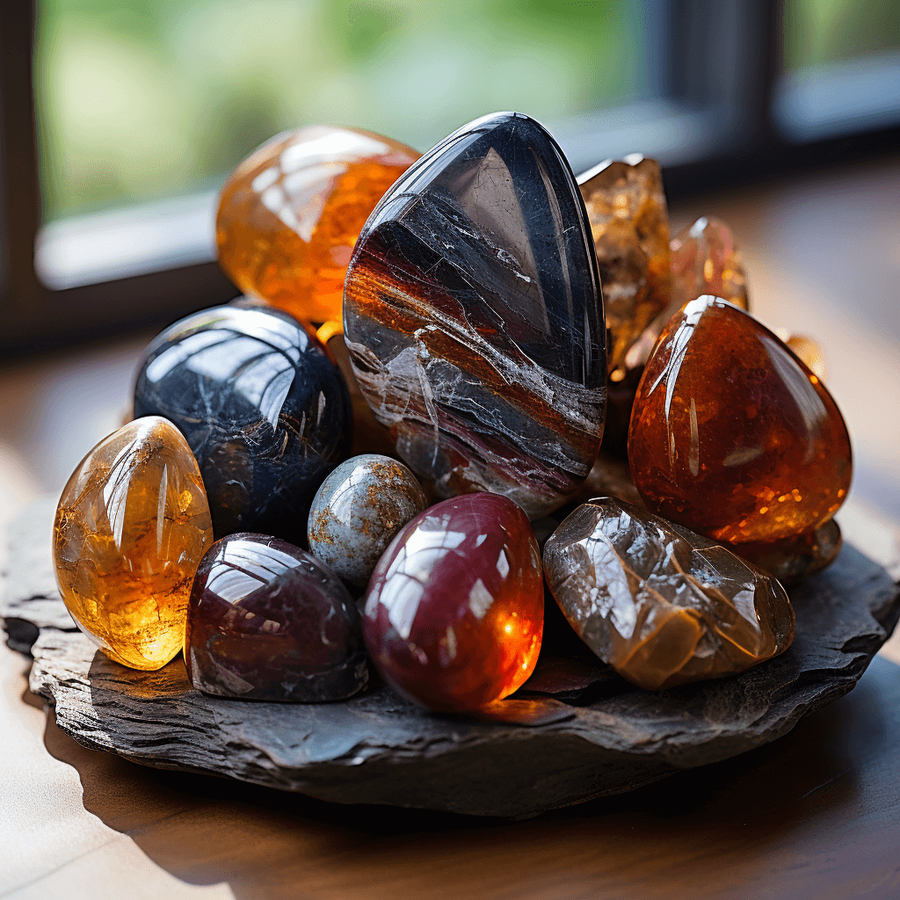
Beyond its captivating appearance and geological significance, cacoxenite is revered for its holistic healing properties. Many crystal enthusiasts and holistic practitioners believe that this mineral offers a plethora of benefits spanning the physical, emotional, and metaphysical realms.
Cacoxenite is believed to have a positive impact on the physical body. Some of its purported benefits include:
On the emotional front, cacoxenite is said to resonate with the heart, offering:
The metaphysical realm is where cacoxenite truly shines. Its properties include:
The zodiac has long been a guide for understanding personality traits, tendencies, and affinities. Each sign has its unique characteristics, and certain crystals and minerals resonate more profoundly with specific signs. For the fiery and adventurous Sagittarius, cacoxenite offers a harmonious complement.
Born between November 22 and December 21, Sagittarians are known for their free spirit, optimism, and insatiable wanderlust. Ruled by Jupiter, the planet of expansion and abundance, they are always on a quest for knowledge, adventure, and truth.
Cacoxenite, with its elevating energies, aligns beautifully with the Sagittarian spirit. Here’s how:
Cacoxenite, with its myriad of properties, is not just a mineral to be admired but also to be worn and used in various practices. From jewelry to Feng Shui, its energies can be harnessed in multiple ways.
Adorning oneself with cacoxenite, be it in the form of a pendant, ring, or bracelet, can offer several benefits:

In the realm of Feng Shui, crystals play a pivotal role in balancing and enhancing the energies of a space. Cacoxenite, with its unique properties, can be a valuable addition to one’s Feng Shui arsenal.
Cacoxenite resonates with the element of Wind. This elemental connection imbues it with attributes of communication, thought, and interdimensional travel. When used in meditation or energy work, it can help in accessing higher states of consciousness, astral travel, and enhancing telepathic communication.
Whether worn, placed strategically in a space, or used in spiritual practices, cacoxenite serves as a conduit for positive energies and higher vibrations.Just as certain foods pair well together to enhance flavors, certain stones and crystals can be paired with cacoxenite to amplify or complement its energies. Among these, the Sacred Seven family and hematite stand out.
| Stone | Properties | How It Complements Cacoxenite |
|---|---|---|
| Amethyst | Calming, intuition-enhancing, and protective. | Amplifies cacoxenite’s spiritual properties, aiding in meditation and spiritual growth. |
| Clear Quartz | Master healer, energy amplifier, and clarity provider. | Boosts the vibrational frequency of cacoxenite, making it even more potent. |
| Smoky Quartz | Grounding, protective, and negativity dispelling. | Ensures that while cacoxenite elevates the spirit, the user remains grounded. |
| Lepidocrocite | Emotional healing, intuition, and alignment with the divine. | Enhances cacoxenite’s emotional balancing properties, promoting inner peace. |
| Hematite | Grounding, protective, and harmonizing. | While cacoxenite elevates, hematite ensures balance, creating a harmonious energy flow. |
Pairing cacoxenite with these complementary stones can create a synergistic effect, enhancing the benefits of each stone and providing a holistic healing experience.
Just as we need to refresh and rejuvenate ourselves, crystals, especially those used for healing and spiritual practices, require cleansing. Cacoxenite, with its potent energies, is no exception. Regular cleansing ensures it remains clear of negative energies and operates at its highest vibrational frequency.
Over time, cacoxenite can absorb energies from its surroundings, users, and even from other crystals. If not cleansed, these accumulated energies can diminish its effectiveness and even impart negative vibes. Regular cleansing ensures:
There are several methods to cleanse cacoxenite, each harnessing different elements and energies:
While cacoxenite is a robust crystal energetically, it has certain physical vulnerabilities. Here’s what you should avoid:
Cacoxenite is often referred to as the “Stone of Ascension.” Spiritually, it is believed to elevate one’s consciousness, enhance intuition, and connect the user to higher realms and spiritual guides. Its presence in other crystals, like amethyst, amplifies the spiritual properties, aiding in meditation and spiritual growth.
Yes, cacoxenite is considered a rare mineral. Its unique golden-yellow threads and specific formation conditions contribute to its rarity.
Cacoxenite Amethyst, often referred to as ‘Auralite-23’, is a type of amethyst that has inclusions of cacoxenite. This combination not only enhances the visual appeal of the amethyst but also amplifies its metaphysical properties.
Cacoxenite is a phosphate mineral with the chemical formula Fe24AlO6(PO4)17(OH)12·75H2O. It often forms as inclusions within larger host rocks.
Cacoxenite offers a range of benefits spanning the physical, emotional, and metaphysical realms. It is believed to amplify energy, balance emotions, enhance intuition, and promote spiritual growth. Additionally, when used in healing practices, it can aid in cellular regeneration, boost the immune system, and assist in detoxification.
Cacoxenite was first documented in the Hrbek mines in the Czech Republic. However, deposits of this mineral have been identified globally, including in regions of the USA, Brazil, Australia, Germany, and France.
While “cacoxenite” is its official mineralogical name, it is sometimes referred to as the “Stone of Ascension” in spiritual and metaphysical circles due to its believed properties.
Cacoxenite has a hardness of 3.5 – 4 on the Mohs scale, indicating it’s relatively soft compared to many other minerals.
What selenite crystal really means, its spiritual powers, ancient origins, and simple rituals to cleanse your space and calm your …
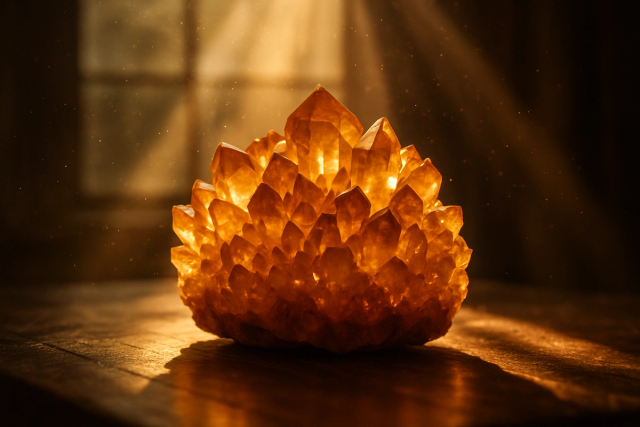
Uncover citrine's true meaning, spiritual power, and healing uses — the golden crystal for abundance, confidence, and joy.
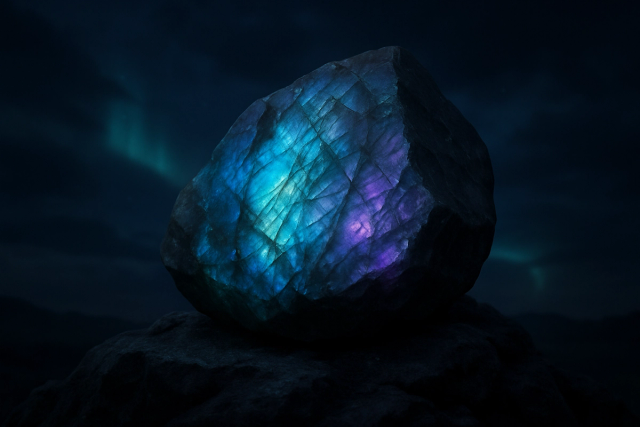
Discover labradorite's meaning, Inuit legend, healing properties, chakra uses, dream symbolism, and how to work with this shimmeri…