 Know
Know
Crystal & Stones
Selenite Meaning: Healing Properties, Uses & Benefits
What selenite crystal really means, its spiritual powers, ancient origins, and simple rituals to cleanse your space and calm your …
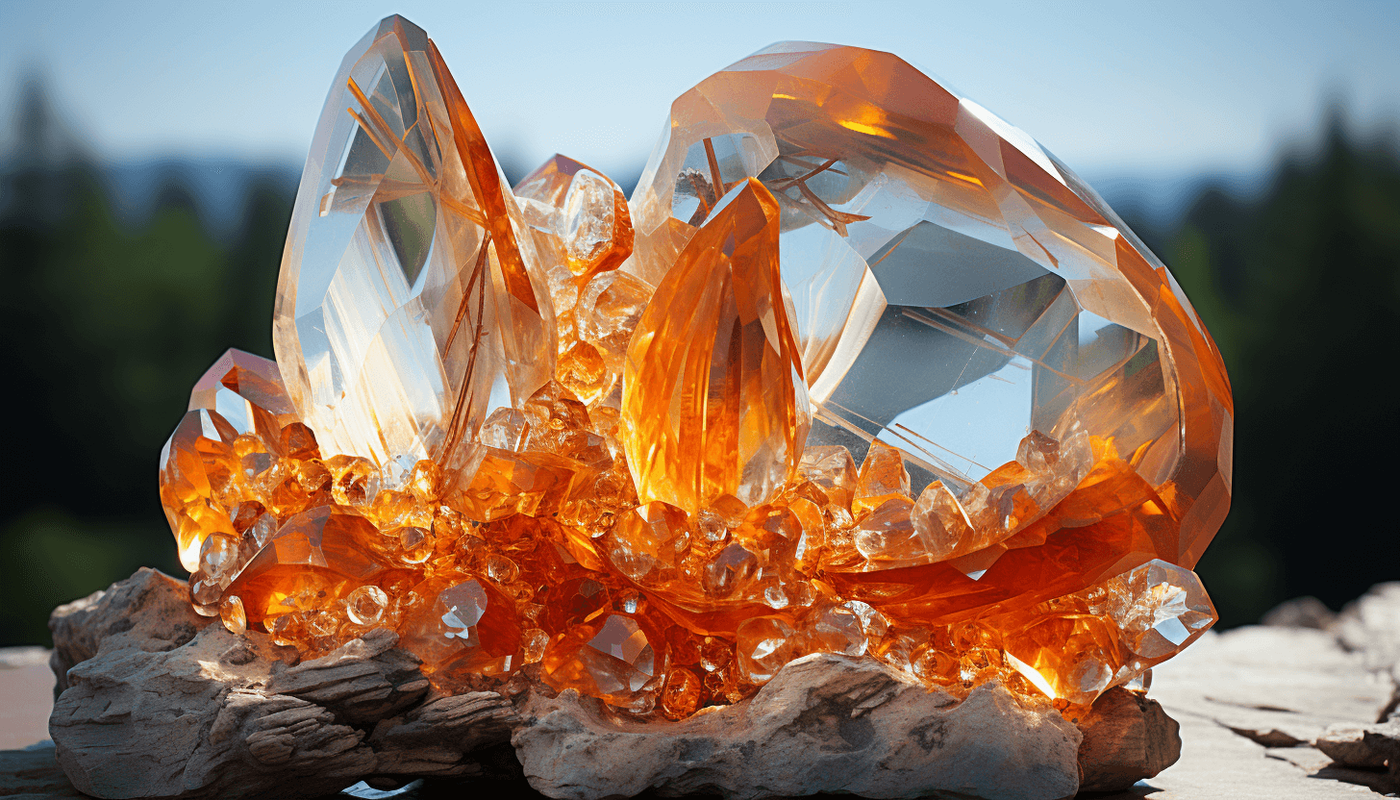
Calcite, a naturally occurring carbonate mineral, is one of the most abundant and widely distributed minerals on Earth. It plays a pivotal role in various geological processes and has been used in numerous applications throughout human history.
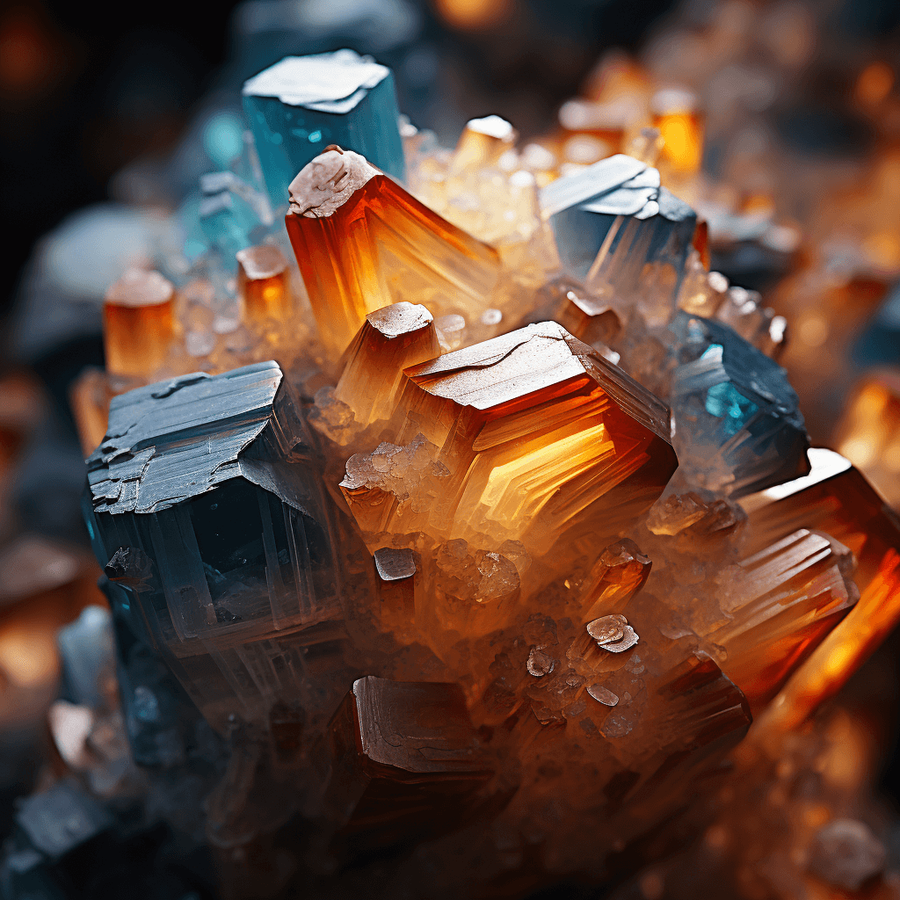
Composed primarily of calcium carbonate (CaCO3), calcite is recognized for its diverse crystal forms, known as calcite rhombohedra. These crystals can be found in a spectrum of colors, ranging from transparent to opaque shades of yellow, blue, green, and red.
One of the fascinating aspects of calcite is its ability to split light into two rays, a phenomenon known as birefringence. This unique property has made it a valuable component in certain optical applications. Moreover, calcite’s presence is not just limited to rocks and caves; it’s also found in the shells of marine organisms, such as oysters and clams.
Calcite is so versatile that it’s used in everything from construction materials and agricultural soil treatments to optical instruments. Its reactive nature with acids is also a popular method for geologists to identify its presence in rock samples.
Furthermore, the economic significance of calcite cannot be understated. It’s a primary component in limestone, which is used in construction and as a raw material in cement production. Additionally, its pulverized form is used as a filler in various products, ranging from paints to plastics and even in food as a calcium supplement.
With its multifaceted applications and intriguing properties, calcite truly stands out as a gem in the vast world of carbonate minerals.
Calcite’s formation is a captivating tale of nature’s artistry, influenced by various geological processes over millions of years. This carbonate mineral’s origin can be traced back to both biological and abiotic processes, making it a significant component in Earth’s geological narrative.
Primarily, calcite forms through the precipitation of calcium ions and carbonate ions from water. This can occur in both marine and freshwater environments. In marine settings, the shells and hard parts of numerous organisms, like corals and mollusks, are composed of calcite. When these organisms die, their remains accumulate on the ocean floor, eventually forming limestone through compaction and cementation.
On the other hand, in freshwater environments, calcite precipitates directly from the water, often creating cave formations like stalactites and stalagmites. Groundwater rich in dissolved calcium and carbonate ions moves through the spaces and cracks in rocks, depositing calcite as it goes.
| Geological Characteristic | Description |
|---|---|
| Crystal System | Trigonal |
| Color Varieties | Colorless, white, yellow, blue, green, red, and more |
| Luster | Vitreous to resinous |
| Hardness (Mohs scale) | 3 |
| Streak | White |
| Cleavage | Perfect in three directions, forming rhombohedra |
| Specific Gravity | 2.71 |
| Refractive Index | 1.486-1.658 |
Another intriguing aspect of calcite’s formation is its metamorphism. When limestone undergoes high temperatures and pressures, it transforms into marble, a metamorphic rock where calcite is the primary mineral. This process showcases the dynamic nature of Earth’s geology and the ever-evolving lifecycle of calcite.
In essence, the formation and geology of calcite provide a window into the intricate and interconnected processes that have shaped our planet over eons.
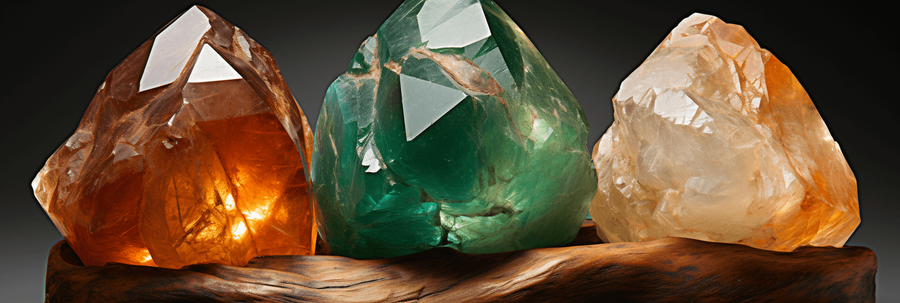
One of the most enchanting aspects of calcite is its vast array of colors. These hues are not just a visual delight but also provide insights into the mineral’s composition and the environmental conditions during its formation. Each color variation arises due to the presence of different trace elements or impurities within the calcite structure.
| Color | Origin of Color | Associated Trace Elements or Conditions |
|---|---|---|
| Colorless | Pure calcite without any impurities | None |
| White | Presence of minute inclusions scattering light | Various microscopic inclusions |
| Yellow | Presence of trace elements | Iron or manganese |
| Blue | Caused by radiation exposure | Natural radiation from surrounding rocks |
| Green | Presence of trace elements | Iron or nickel |
| Red | Presence of trace elements | Iron or hematite inclusions |
| Pink | Presence of trace elements | Manganese |
| Brown | Presence of organic materials or iron oxide | Organic matter or hematite |
It’s fascinating to note that the same mineral, based on its environmental interactions and the elements it comes into contact with, can exhibit such a diverse palette of colors. For instance, the blue hue in calcite, which is relatively rare, is a result of natural radiation exposure from surrounding rocks. This radiation causes certain electrons in the calcite to get trapped in a “damaged” state, leading to the blue coloration.
Similarly, the green shade of calcite often indicates the presence of minor amounts of iron or nickel. In contrast, the red and brown shades are typically due to iron or hematite inclusions.
Understanding the origins of these colors not only adds to the appreciation of calcite’s beauty but also serves as a tool for geologists to deduce the conditions and elements present during the mineral’s formation.
The allure and utility of calcite have not been lost on ancient civilizations. Throughout history, this versatile mineral has found its way into various applications, from construction to art, and even in religious practices.
In ancient Egypt, calcite, known locally as “alabaster”, was extensively used in the construction of statues, tombs, and stelae. Its soft nature made it relatively easy to carve, allowing artisans to craft intricate designs and inscriptions. Moreover, the translucent property of certain calcite varieties made it a preferred choice for creating lamps, as it diffused light beautifully, creating a soft glow.
The Greeks and Romans, recognizing calcite’s beauty and versatility, incorporated it into their architecture and art. Temples, palaces, and public baths often featured calcite as decorative elements or even as primary construction materials.
The famous “Pyramid of Cheops” in Giza, Egypt, once had an outer casing made of polished Tura limestone, a type of limestone rich in calcite. This casing made the pyramid shine brightly in the sun, earning it the name “The Horizon of Khufu”.
Beyond construction and art, calcite had spiritual significance in certain cultures. In Mesoamerica, for instance, clear varieties of calcite were believed to be sacred and were often used by shamans and priests in rituals and as a means to envision the future or communicate with the divine.
In the realm of trade, calcite, especially the colored varieties, was sought after and traded across vast distances. Its value was not just in its beauty but also in its practical applications. Ground calcite was used in ancient medicines, cosmetics, and as a whitening agent in paints.
From the majestic pyramids of Egypt to the grandeur of Roman architecture, calcite’s historical footprint is undeniable. Its multifaceted uses across different civilizations underscore its enduring appeal and significance in human history.
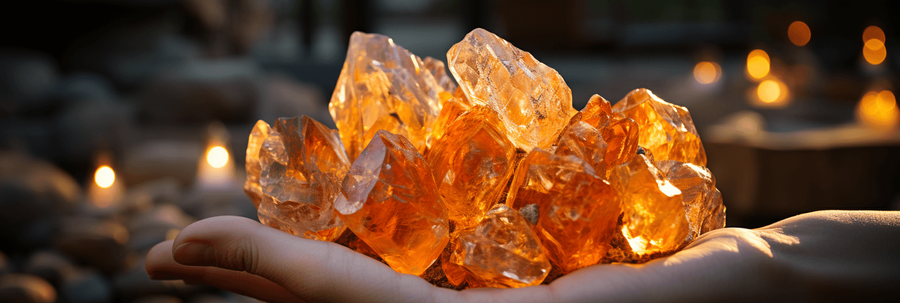
While calcite’s physical and historical significance is well-documented, it also holds a special place in the realm of metaphysics. Many believe that calcite, with its diverse range of colors and forms, possesses unique energies and healing powers that can influence one’s spiritual, emotional, and physical well-being.
Calcite is often associated with spiritual growth, higher consciousness, and the amplification of positive energies. Its diverse colors connect with various chakras, making it a versatile stone for aligning, balancing, and cleansing one’s energy centers. Spiritually, it’s seen as a bridge to understanding oneself better and connecting with higher realms.
Calcite crystal is believed to be beneficial for amplifying energy, enhancing memory and learning, promoting emotional balance, stimulating creativity, grounding, and offering protection against negative energies. Its multifaceted properties make it a popular choice among crystal enthusiasts for various healing and spiritual practices.
Charging calcite involves rejuvenating its energies. This can be done by placing it under the moonlight, especially during a full moon, or by placing it on a selenite slab or near other charging crystals. Some also believe in charging calcite by burying it in the Earth for a short period or by using sound vibrations from bells or singing bowls.
Whether one believes in the metaphysical properties of calcite or simply admires its natural beauty, it’s undeniable that this mineral has captivated the hearts and minds of many, offering both tangible and intangible benefits.
Calcite, with its myriad of colors and formations, has always been a gem collector’s delight. Its versatility and unique properties make it a sought-after mineral for enthusiasts and jewelry designers alike.
For collectors, the appeal of calcite lies in its diverse range of crystal forms and its birefringence. The double refraction property of calcite, where an image appears doubled when viewed through the mineral, is particularly fascinating. This, combined with its various colors, makes calcite specimens a must-have in any mineral collection.
Jewelry designers, on the other hand, are drawn to calcite’s translucence and its ability to be carved into various shapes. While it’s softer than many other gemstones, making it susceptible to scratches, its beauty when polished is undeniable. Calcite beads, cabochons, and intricately carved pieces are commonly used in jewelry designs.
While Moss Agate is a different mineral, it’s worth noting its popularity in the world of entertainment and fashion. Celebrities like Emma Watson and Jennifer Aniston have been spotted wearing Moss Agate jewelry, and it has even made appearances in TV shows like “Game of Thrones” as a symbol of nature and new beginnings.
For those looking to start or expand their calcite collection, here are some popular varieties:
Whether you’re a seasoned collector, a jewelry enthusiast, or someone new to the world of minerals, calcite offers a spectrum of options to explore, admire, and cherish.
Calcite, with its captivating beauty and unique properties, requires special care to maintain its luster and prevent damage. Being a relatively soft mineral on the Mohs scale, it’s susceptible to scratches, abrasions, and even chemical reactions. Hence, understanding the best practices for its care and cleaning is essential for anyone owning or working with calcite.
It’s best to avoid prolonged exposure of calcite to water. While brief contact might not harm the mineral, extended immersion can lead to the dissolution of calcite, especially in acidic water. Additionally, water can introduce impurities or contaminants that might react with the calcite.
While sunlight won’t directly harm calcite, prolonged exposure can lead to the fading of its color, especially in the more vibrant varieties. It’s advisable to store calcite away from direct sunlight to preserve its natural hue.
With the right care and attention, calcite can retain its beauty and charm for generations, serving as a testament to nature’s artistry and the intricate processes that birthed this remarkable mineral.
While calcite’s beauty and metaphysical properties have garnered much attention, its role in industrial and technical applications is equally significant. The versatility of this carbonate mineral extends far beyond ornamental uses, playing a pivotal role in various industries and technological advancements.
Calcite, primarily in the form of limestone, has been a staple in construction for centuries. Its durability and ease of sourcing make it an ideal material for building and architectural projects. Limestone, rich in calcite, is used to produce cement, an essential component in modern construction.
One of calcite’s unique properties is its birefringence or double refraction. This has made it valuable in the realm of optics. Iceland spar, a clear variety of calcite, has been used in optical instruments, such as polarizing microscopes, to split light into two rays.
Ground calcite, known as agricultural lime, plays a crucial role in farming. When added to acidic soils, it neutralizes the pH, making the soil more conducive to crop growth. It also provides a source of calcium, an essential nutrient for plants.
Calcite finds its way into a plethora of products we use daily. It’s used as a filler in the production of plastics, paints, and rubber. Its reflective properties make it valuable in the manufacture of white or bright-colored paints. Additionally, finely ground calcite, known as whiting, is used in ceramic glazes and enamels to enhance their shine and durability.
Calcite plays a role in water purification processes. It acts as a pH adjuster, helping neutralize acidic conditions in water, making it safer for consumption and preventing potential damage to pipelines.
In the pharmaceutical industry, calcite is used as a filler in pills and tablets due to its non-toxic nature. In cosmetics, it serves as a white pigment and provides opacity to various products like skin creams and toothpaste.
In essence, calcite’s influence permeates various facets of our daily lives, from the buildings we inhabit to the water we drink and the products we use. Its multifunctional nature underscores its importance and showcases the myriad ways in which this mineral enriches our world.
Calcite, being one of the most widely distributed minerals on Earth, is found in a multitude of geological settings. Its abundance and varied forms have led to the establishment of numerous mining sites across the globe. These deposits, often rich in high-quality calcite, cater to both gem enthusiasts and various industries.
These regions, with their rich calcite deposits, play a pivotal role in meeting the global demand for this versatile mineral, be it for industrial applications, jewelry, or collection purposes.
Calcite, in its basic form, is not rare and is one of the most widespread minerals on Earth. However, certain varieties, crystal formations, and colors of calcite can be rare and highly sought after by collectors and gem enthusiasts. For instance, blue calcite or specific formations like the stellar beam calcite are less common and, therefore, more valued.
While calcite is abundant, its distribution, quality, and variety differ across regions. This diversity, combined with its myriad applications, ensures that calcite remains a mineral of significant interest and value in the global market.
Calcite, with its rich history and widespread presence, has inevitably woven itself into the tapestry of human culture, beliefs, and stories. Across different civilizations and eras, this mineral has been imbued with symbolic meanings, myths, and folklore that reflect the societies that revered it.
In ancient Egypt, calcite, known as “alabaster”, was associated with purity and was often used to craft vessels for sacred rituals and ceremonies. The translucent nature of certain calcite varieties symbolized the divine light and was believed to be blessed by the gods.
Several Native American tribes considered calcite a holy stone. Shamans and spiritual leaders used it in rituals, believing it to be a bridge between the earthly realm and the spiritual world. Its reflective properties were thought to mirror the soul and aid in introspection.
In medieval Europe, calcite was often associated with clarity and cleansing. It was believed that holding a piece of calcite could clear a clouded mind and lead to enlightenment. Some tales even spoke of calcite as a protective stone, capable of warding off negative energies and spirits.
In certain Asian cultures, calcite was considered a symbol of inner peace and balance. Its calming colors, especially the blue and green varieties, were thought to soothe the mind and harmonize the body’s energies. It was often used in meditation practices to enhance focus and spiritual connection.
Across these cultures and beliefs, a common thread emerges: calcite’s association with light, clarity, and spirituality. Whether seen as a bridge to the divine, a mirror to the soul, or a beacon of inner peace, calcite’s symbolic significance is as multifaceted as its physical properties.
Today, while many of these myths and beliefs might be regarded as folklore, they underscore the deep connection humans have always had with the natural world. Calcite, with its ethereal beauty and unique properties, serves as a testament to this timeless bond.
The world of crystals and gemstones has long been intertwined with astrology. Many believe that certain stones resonate more strongly with specific zodiac signs, enhancing the inherent qualities of individuals born under those signs. Calcite, with its diverse range of colors and energies, has been associated with several astrological signs over the ages.
Individuals born under the sign of Cancer, ruled by the Moon, are often associated with emotions, intuition, and nurturing qualities. The soothing energies of blue calcite, in particular, resonate with Cancerians, offering emotional balance and promoting inner peace.
Golden or honey calcite is often linked with Leos. This sun-ruled sign, known for its vibrant energy and leadership qualities, finds a match in the warm, empowering energies of golden calcite. It’s believed to amplify Leo’s natural confidence and charisma.
The dreamy and intuitive Pisces can benefit from the clarifying energies of clear calcite. This stone is thought to enhance the spiritual connection and meditative qualities of Pisceans, guiding them through their emotional depths.
Green calcite, with its grounding and balancing properties, is often associated with the earth sign Capricorn. It’s believed to harmonize the practical and ambitious nature of Capricorns, fostering growth and emotional resilience.
While these associations provide insights into the potential resonance between calcite and specific zodiac signs, it’s essential to remember that the world of crystals and astrology is deeply personal. Many believe that the true power of a stone emerges when it aligns with an individual’s unique energies, irrespective of their astrological sign.
Whether one seeks guidance from the stars or is simply captivated by the beauty of calcite, its presence in the realm of zodiac associations underscores its multifaceted significance in human culture and spirituality.
Calcite is generally considered a positive crystal. It’s believed to amplify positive energies, promote spiritual growth, and cleanse negative vibrations. Its diverse range of colors also allows it to resonate with various chakras, further enhancing its positive influence on the user.
Calcite has a multitude of uses. In the realm of metaphysics, it’s used for energy amplification, emotional healing, and spiritual growth. Industrially, it’s a primary component in limestone used in construction and cement production. Its optical properties make it valuable in scientific instruments, and its ground form finds applications in agriculture, manufacturing, and water treatment. The versatility of calcite stems from its unique physical and metaphysical properties.
1. Calcite exhibits the property of birefringence, where it can split light into two refracted rays, making objects viewed through it appear doubled.
2. The name “calcite” is derived from the Latin word “calx,” meaning lime, due to its common occurrence in limestone.
3. Calcite is reactive with acids, even weak ones like vinegar, causing it to fizz – a property often used by geologists to identify its presence in rock samples.
Calcite does not naturally glow in the dark. However, certain calcite specimens can fluoresce under ultraviolet (UV) light, emitting a glow in various colors depending on the specific minerals present within the calcite.
Many crystal enthusiasts and practitioners believe that calcite can attract good fortune and amplify positive energies. While green calcite is often associated with manifesting prosperity and good luck, honey calcite is believed to boost one’s willpower and potential for success.
Green and gold calcite varieties are often associated with wealth and abundance. Green calcite is believed to draw money and prosperity, while gold or honey calcite is thought to enhance one’s determination and drive, leading to financial success.
Pink and red calcite varieties are often linked to love and relationships. Pink calcite, also known as Mangano calcite, is believed to nurture compassion and unconditional love, while red calcite is associated with enhancing passion and emotional connection.
Calcite, with its myriad of colors and properties, continues to intrigue and inspire. Whether one seeks answers from a scientific, metaphysical, or personal perspective, this mineral offers a wealth of insights and benefits.
What selenite crystal really means, its spiritual powers, ancient origins, and simple rituals to cleanse your space and calm your …
Uncover citrine's true meaning, spiritual power, and healing uses — the golden crystal for abundance, confidence, and joy.
Discover labradorite's meaning, Inuit legend, healing properties, chakra uses, dream symbolism, and how to work with this shimmeri…