 Know
Know
Crystal & Stones
Selenite Meaning: Healing Properties, Uses & Benefits
What selenite crystal really means, its spiritual powers, ancient origins, and simple rituals to cleanse your space and calm your …
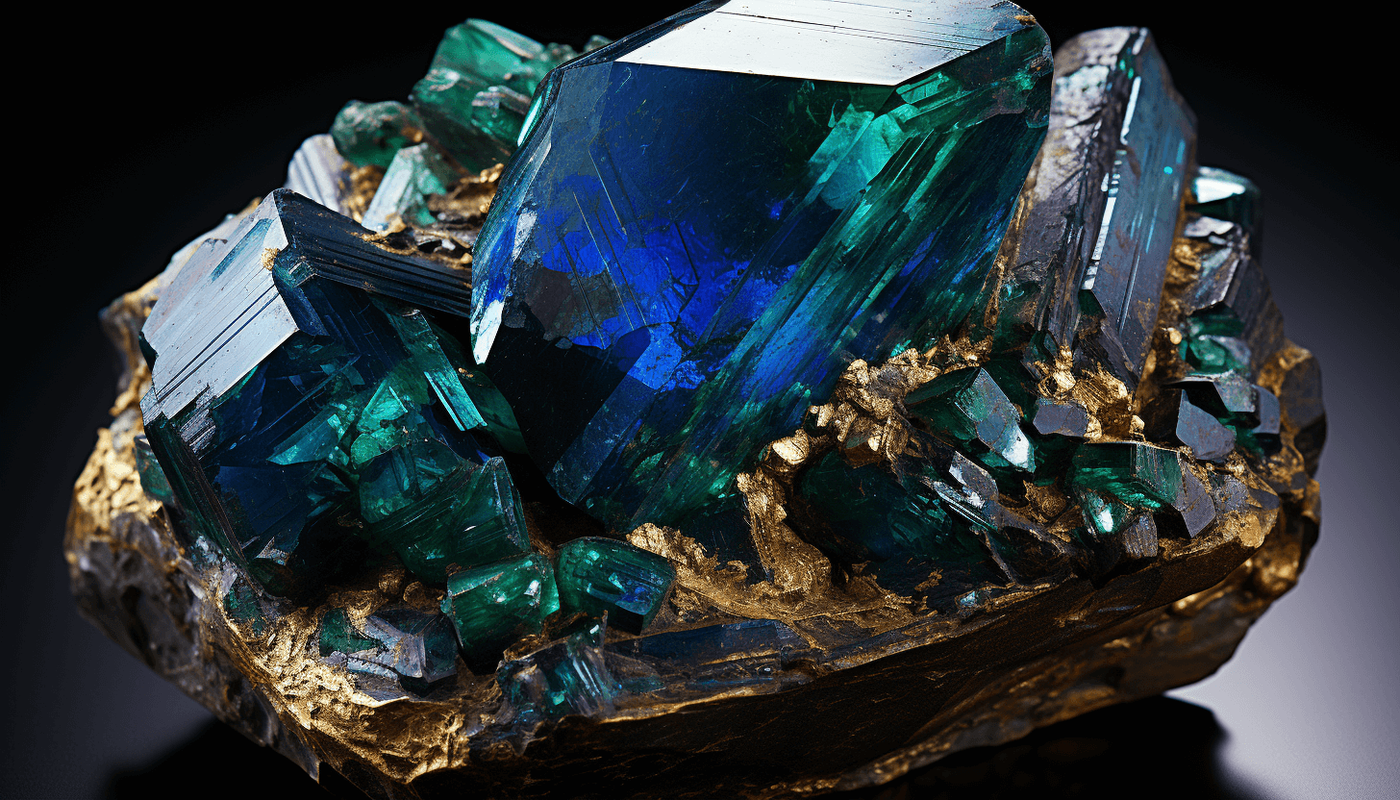
Azurite, often referred to as the “Stone of Heaven,” is a captivating deep-blue copper mineral that has been cherished since ancient times. Formed through the weathering process of copper ore deposits, Azurite is renowned for its vibrant hue, historical significance, and metaphysical properties. From being used as a brilliant blue pigment in ancient artworks to being revered as a symbol of spiritual enlightenment, Azurite’s allure transcends mere aesthetics, making it a gemstone of both beauty and profound meaning.
Azurite, often referred to as the “Stone of Heaven”, is a soft, deep-blue copper mineral produced by the weathering of copper ore deposits. This captivating stone has been known since ancient times, with mentions in Pliny the Elder’s Natural History. The vibrant blue hue of Azurite is attributed to the presence of Copper (Cu2+).
Azurite’s Historical Significance: The mineral’s rich history traces back to the early 19th century when it was also recognized as Chessylite, named after the type locality at Chessy-les-Mines near Lyon, France. The ancient Greeks knew it by the name Kuanos, which translates to “deep blue,” and this term is the root of the English word “cyan.” The Latin name Caeruleum was another moniker for this stunning mineral.
Chemical Composition and Properties: Azurite’s chemical formula is Cu3(CO3)2(OH)2. It is one of the two common basic copper(II) carbonate minerals, with the other being the bright green Malachite. Azurite is characterized by its azure-blue to pale blue color, with a Mohs hardness ranging between 3.5 to 4. When exposed to hydrochloric acid, Azurite effervesces, a characteristic feature of carbonates.
Color significance: The optical properties of minerals like Azurite and Malachite are indicative of copper(II). The deep blue color of azurite results from low-energy d-d transitions associated with the d9 metal center.
Weathering Phenomenon: Azurite undergoes a transformation when exposed to open air. It is often pseudomorphically replaced by Malachite due to a weathering process. This transformation involves the replacement of some carbon dioxide (CO2) units with water (H2O), altering the carbonate: hydroxide ratio from that of Azurite to Malachite.
“Azurite’s intense color and historical significance make it a gem in the world of minerals, often captivating the eyes and hearts of collectors and enthusiasts alike.”
Whether you’re a mineralogist, a history buff, or someone who appreciates the beauty of nature’s creations, Azurite’s deep blue allure is bound to captivate your senses.
Deep beneath the Earth’s surface, in the oxidation zones of copper deposits, a mesmerizing blue mineral takes form. This mineral, known as Azurite, owes its vivid azure-blue color to its unique chemical composition and geological formation processes. Often found in association with the green mineral Malachite, Azurite has been a subject of fascination for mineralogists and gem enthusiasts alike.
Azurite often coexists with Malachite, forming a combination known as “Azure-malachite.” This blend showcases a striking contrast of deep blue and vibrant green, making it a sought-after specimen in the gem and mineral trades.
| Property | Description |
|---|---|
| Chemical Formula | Cu3(CO3)2(OH)2 |
| Composition | Basic copper carbonate |
| Color | Blue to very dark blue |
| Streak | Light blue |
| Hardness | 3.5 – 4 |
| Crystal System | Monoclinic |
| Specific Gravity | 3.7 – 3.9 |
| Luster | Vitreous or dull |
| Environment | Secondary mineral in the oxidation zone of copper deposits |
| Rock Type | Sedimentary, Metamorphic |
From its historical significance to its stunning visual appeal, Azurite remains a testament to the wonders of nature and the intricate processes that occur beneath our feet.
Azurite has been more than just a captivating blue mineral throughout history. Its deep azure hue and unique properties have made it a significant element in various ancient cultures, influencing art, religion, and even commerce. Let’s delve into the annals of history to uncover the multifaceted roles of Azurite.
From sacred rituals to masterful artworks, Azurite’s historical importance is a testament to its enduring allure and significance in human civilization.
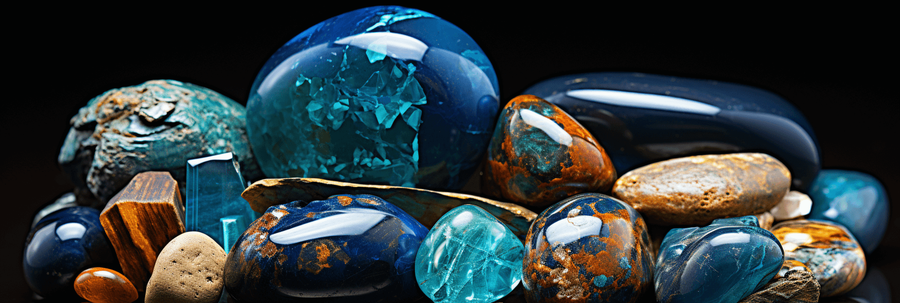
Throughout the ages, Azurite has been revered not just for its physical beauty but also for its profound metaphysical and healing attributes. Many believe that this deep blue mineral holds the power to stimulate the mind, enhance intuition, and facilitate spiritual growth. Let’s explore the myriad ways in which Azurite influences our emotions and spirituality.
Azurite is often termed the “Stone of Heaven” in metaphysical circles, believed to provide insights into the divine and enhance one’s psychic abilities.
Whether one seeks emotional healing, spiritual growth, or simply a deeper connection to the universe, Azurite serves as a beacon, guiding souls toward enlightenment and inner peace.
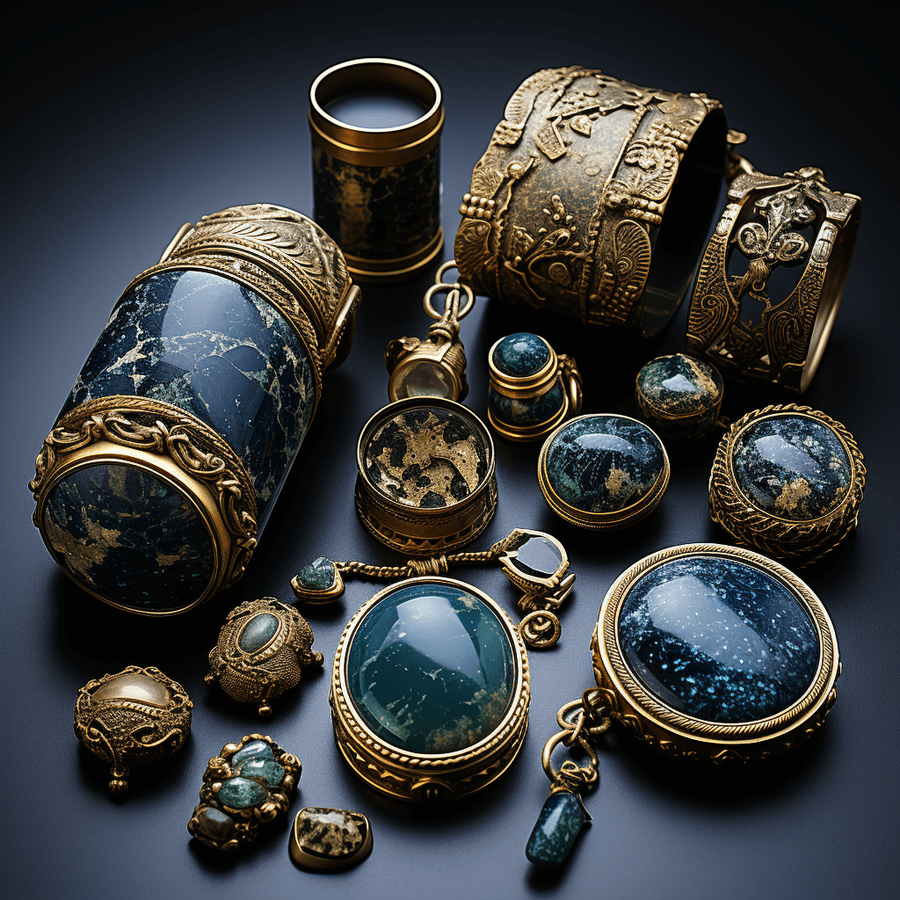
With its deep, mesmerizing blue hue, Azurite has long been a gemstone of choice for those seeking to make a statement with their jewelry. Beyond its undeniable beauty, Azurite carries with it a rich history and a plethora of metaphysical properties, making it a gemstone that appeals not just to the eyes but also to the heart and soul.
Azurite’s name is derived from the Persian word ‘lazhward’, which means ‘blue’. This ancient connection to its color showcases the long-standing appreciation for this gemstone’s captivating hue.
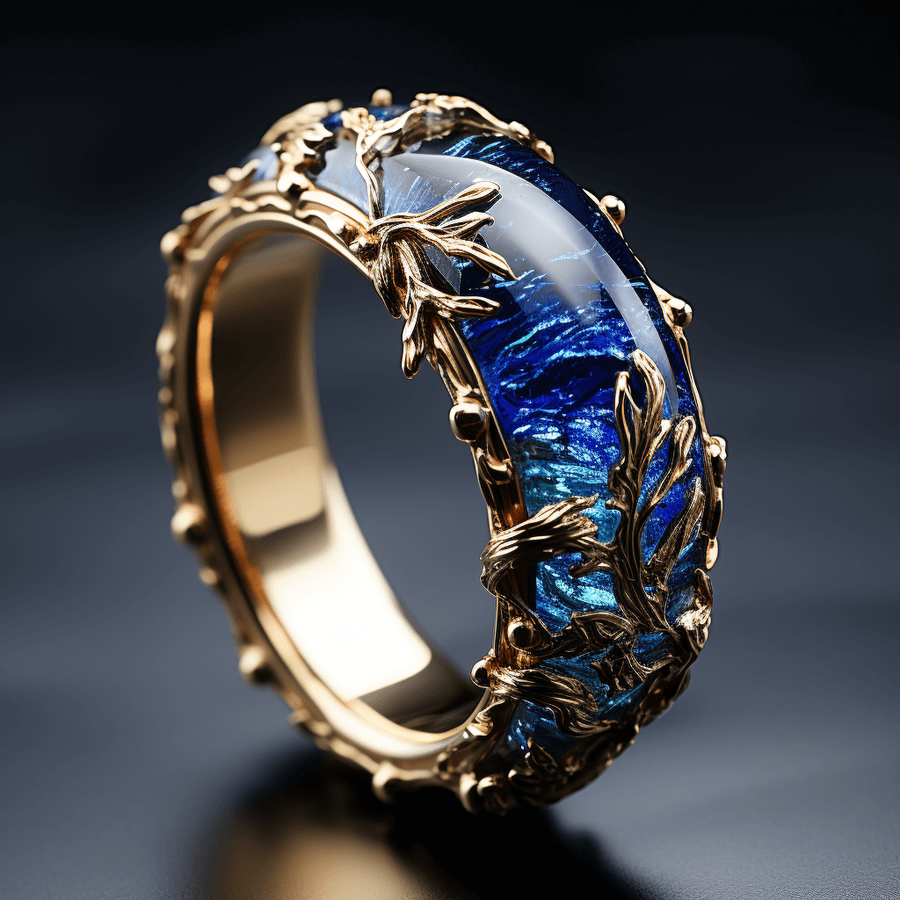
Whether worn as a necklace, ring, bracelet, or earrings, Azurite jewelry is more than just an accessory. It’s a piece of history, a touch of elegance, and a symbol of deeper spiritual connections.
Like all precious gemstones, Azurite requires tender love and care to maintain its vibrant hue and luster. Its soft nature and susceptibility to environmental factors make it essential for owners to be aware of the best practices for its care. Here’s a guide on the dos and don’ts when it comes to cleaning and preserving your Azurite treasures.
With the right care and attention, your Azurite gemstone will continue to shine brilliantly, captivating all who lay eyes on it for years to come.
In a world where gemstone imitations are becoming increasingly sophisticated, ensuring the authenticity of your Azurite becomes paramount. While Azurite’s unique hue and properties make it distinguishable to the trained eye, there are specific steps one can follow to ascertain its genuineness. Here’s a step-by-step guide to help you navigate the world of Azurite and ensure you’re investing in the real deal.
Armed with these steps and a discerning eye, you can confidently navigate the market, ensuring that the Azurite you acquire is a genuine piece of Earth’s beauty.
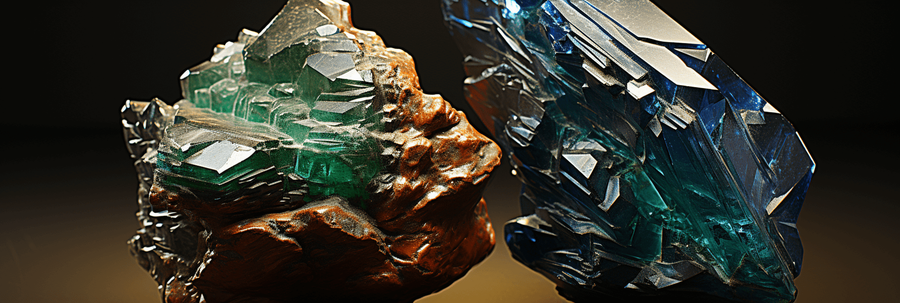
The world of minerals is vast and varied, but few relationships are as captivating as that between Azurite and Malachite. These two minerals, with their complementary blue and green hues, often occur together, forming a stunning visual combination known as “Azure-malachite.” Beyond their aesthetic appeal, Azurite and Malachite share a deep geological connection and have several similarities and differences worth exploring.
| Aspect | Azurite | Malachite |
|---|---|---|
| Color | Deep blue to azure | Green, often with banding |
| Chemical Formula | Cu3(CO3)2(OH)2 | Cu2CO3(OH)2 |
| Hardness (Mohs Scale) | 3.5 – 4 | 3.5 – 4 |
| Formation | Formed in the oxidation zones of copper deposits | Often forms from the weathering of Azurite |
| Uses | Historically used as a blue pigment; now popular in jewelry and as a collector’s mineral | Used in jewelry, ornaments, and historically as a green pigment |
| Metaphysical Properties | Associated with intuition, spiritual growth, and mental clarity | Believed to offer protection, absorb negative energies, and stimulate emotional well-being |
The intertwined relationship between Azurite and Malachite is a testament to nature’s artistry. Whether they appear separately or together as Azure-malachite, these minerals captivate with their beauty and shared history, making them favorites among gem enthusiasts and collectors alike.
Azurite, with its deep and captivating blue hue, has been a gemstone of intrigue for centuries. This mineral’s color intensity and variations are not just a result of mere chance but are deeply rooted in its chemical composition and formation processes. Let’s delve into the science behind Azurite’s mesmerizing blue and understand its various shades and intensities.
| Aspect | Description |
|---|---|
| Chemical Composition | Azurite is one of two basic copper carbonate minerals, with the other being Malachite. |
| Formation Process | Formed by the weathering process that breaks down copper ore. Malachite represents a later oxidation stage, making it more common than Azurite. |
| Color Variations | While Azurite is predominantly deep blue, its hue can vary based on its formation conditions and associated minerals. The presence of Malachite can introduce rich green patches, leading to the formation of Azure-malachite. |
| Similar Stones | Azurite bears similarities to Lapis Lazuli and can also be confused with Sodalite. However, their chemical compositions differ significantly. |
| Color Preservation | Azurite’s color can diminish over time due to prolonged exposure to bright light, heat, and open air. It’s essential to store it away from direct light and heat to preserve its vibrancy. |
Understanding the science behind Azurite’s color not only deepens our appreciation for this gemstone but also guides us in its care and preservation, ensuring its blue remains as intense and captivating as nature intended.
From the heart of the Earth, nature crafts its wonders. Among these treasures is Azurite, a gemstone whose deep blue hue has captivated civilizations for centuries. The journey of Azurite, from its formation deep within the Earth to its appearance in jewelry and collections, is a tale of geology, time, and human endeavor. Let’s embark on this journey and explore the key regions where Azurite is mined and the unique characteristics of the deposits found in these areas.
The copper mines of Arizona, particularly Morenci and Bisbee, are renowned for their Azurite deposits. Here, the gemstone is often found in banded and massive forms, with some specimens also showcasing beautiful crystals. The combination of Azurite with green Malachite creates a visual spectacle, making these deposits highly sought after by collectors.
Known as the type locality for Azurite, Chessy in France has given the world some of its most exquisite Azurite specimens. The material from this region, sometimes referred to as ‘chessylite,’ is characterized by fine crystals often found in large groups.
The mines of Tsumeb in Namibia are a treasure trove for mineral enthusiasts. Among the diverse minerals found here, Azurite stands out with its fine, tabular crystals. Some of these crystals are of gem quality and can be faceted, although they are typically small in size.
Zacatecas, a historic mining city in Mexico, boasts deposits of Azurite with fine but small crystals. The deep blue hue of these crystals, combined with the rich history of the region, adds to the allure of the Azurite from Zacatecas.
Azurite deposits are found in various parts of the world, including China, the Democratic Republic of Congo, Greece, Italy, Laos, Morocco, Pakistan, Peru, and Russia. Each of these regions offers Azurite with unique characteristics shaped by the local geology and formation conditions.
In conclusion, the allure of Azurite is not just in its captivating color but also in its story – a tale of Earth’s processes, geological wonders, and human discovery. As we adorn ourselves with this gem or add it to our collections, we become a part of this timeless narrative.
Azurite, with its deep azure blue hue, has been revered and mystified across various cultures and epochs. From the ancient realms of Atlantis to the sacred pyramids of Egypt, this gemstone has been an emblem of spiritual enlightenment and psychic prowess. The Atlanteans, shrouding their powers in an enigma, reserved their secrets for the elite priests and priestesses. Meanwhile, the early Egyptians perceived Azurite as a potent psychic stone, with its energies closely guarded by the highest echelons of their spiritual leaders.
The ancient Chinese, in their wisdom, named it the “Stone of Heaven,” believing fervently that it held the keys to celestial gateways. For the Greeks and Romans, Azurite was a beacon of visionary insights and curative abilities. The Mayans, on the other hand, believed that Azurite could stimulate the mystical self, facilitating the transfer of wisdom and knowledge through mere thought. Native Americans revered this stone, using it to communicate with their spiritual guides and comprehend their messages.
In the modern era, Azurite continues to be a symbol of spiritual awakening, clearing away mental fog and opening the mind to fresh perspectives. Its legacy powers remain intact, guiding souls towards enlightenment and aligning inner visions with spiritual guidance.
Azurite was called the “Stone of Heaven” by the ancient Chinese, who believed that it had the power to open celestial gateways. This belief underscores the deep spiritual significance and reverence that various cultures have held for this mesmerizing blue gemstone.
Whether it’s the tales of Atlantis, the rituals of ancient Egypt, or the beliefs of the Mayans, Azurite’s cultural and symbolic significance is rich and varied, making it a gemstone that transcends time and civilizations.
Azurite is revered for its metaphysical properties, often associated with enhancing intuition, spiritual wisdom, and clearing the mind of negative thought patterns. It’s also believed to stimulate the intellect, making it a favorite among those seeking clarity in decision-making and heightened cognitive function.
Azurite is considered a powerful stone in spiritual and metaphysical circles. Its deep blue hue is believed to resonate with the third eye chakra, enhancing intuition, psychic abilities, and spiritual awareness. Many regard it as a transformative stone that can catalyze profound spiritual experiences.
Yes, Azurite is a natural gemstone formed through the weathering process of copper ore deposits. Its vibrant blue hue is entirely natural, making it a cherished stone among collectors and enthusiasts.
The ancient Chinese named Azurite the “Stone of Heaven” due to its heavenly blue hue and the belief that it could open celestial gateways. Its association with spiritual insight and divine wisdom further cements its reputation as a heavenly stone.
While Azurite itself is not extremely rare, gem-quality Azurite suitable for jewelry can be less common. Its formation process, being a secondary mineral in the oxidized zones of copper deposits, also means that it’s less abundant than some other minerals.
Many cultures and individuals believe that Azurite can bring good luck, especially in terms of spiritual growth and clarity of thought. Its properties of enhancing intuition and wisdom can lead to better decision-making, which can be perceived as bringing about good fortune.
It’s advisable to avoid immersing Azurite in water, especially for prolonged periods. Water can affect its surface and alter its vibrant blue color. When cleaning Azurite, it’s best to use a soft cloth without water.
For those who believe in the metaphysical properties of gemstones, it’s often recommended to wear Azurite on the left hand, the receiving hand, to absorb its positive energies. However, personal preferences and individual beliefs play a significant role, so one should choose the hand that feels most intuitive and comfortable.
Azurite symbolizes deep intuition, spiritual wisdom, and clarity of thought. Its vibrant blue hue is also symbolic of the vastness of the sky and the depths of the ocean, representing infinite possibilities and profound insights.
The value of Azurite varies based on factors like color intensity, clarity, size, and overall quality. Deep blue specimens without inclusions are typically more valuable. It’s always best to consult with a reputable gemologist or dealer for an accurate valuation.
What selenite crystal really means, its spiritual powers, ancient origins, and simple rituals to cleanse your space and calm your …
Uncover citrine's true meaning, spiritual power, and healing uses — the golden crystal for abundance, confidence, and joy.
Discover labradorite's meaning, Inuit legend, healing properties, chakra uses, dream symbolism, and how to work with this shimmeri…