 Know
Know
Spiritual
Dreams About Teeth Falling Out: What It Means
What do dreams about teeth falling out really mean? Explore the spiritual, cultural, and psychological reasons—plus what to do whe…
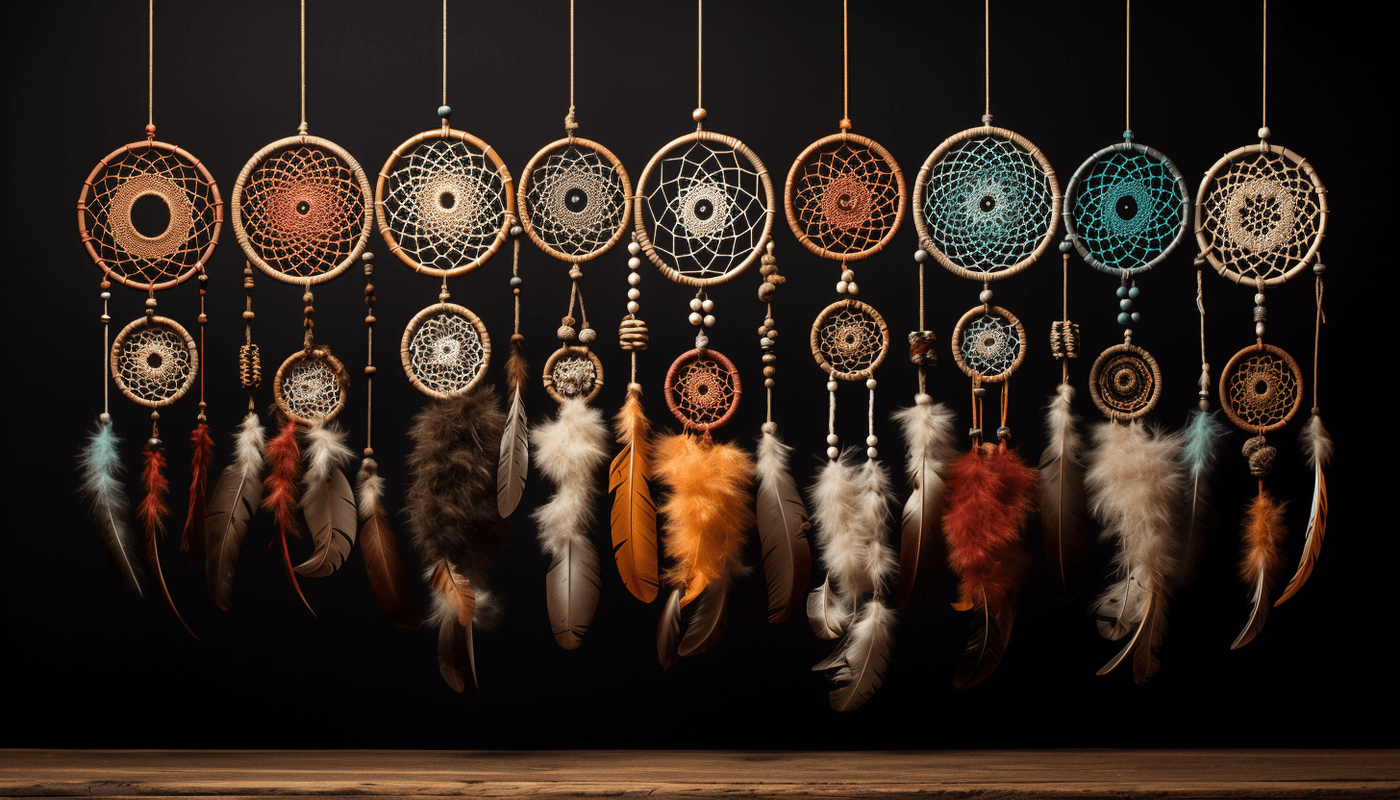
Beautiful, mysterious, and full of profound symbolism, dream catchers have transcended their Native American origins to become a global phenomenon. These captivating artifacts, woven with intricate patterns and often adorned with feathers and beads, are more than just a decorative piece—they carry a wealth of spiritual and cultural significance.
Legend has it that dream catchers guard our sleep, trapping nightmares in their web, while allowing peaceful dreams to flow down through the feathers and gently reach the dreamer. But what is the true meaning behind these intricate objects? What makes a dream catcher an essential element in understanding native cultures and spiritual belief systems? This article delves deep into the enigma of dream catchers, unraveling their history, symbolism, and significance in today’s world.
| Quick Facts about Dream Catchers | |
|---|---|
| Origin: | Native American tribes, primarily the Ojibwe and Lakota nations |
| Use: | Believed to protect sleeping individuals from negative dreams, while letting positive dreams pass through |
| Components: | Constructed from a hoop, traditionally from willow, with a web or net woven inside, and adorned with sacred items like feathers and beads |
| Symbolism: | Represents strength, unity, and the circle of life |
Join us as we embark on a journey into the realm of dream catchers, exploring their heritage, decoding their components, and understanding their role in contemporary culture. Welcome to the world of dream catchers—where history, art, and spirituality intertwine.
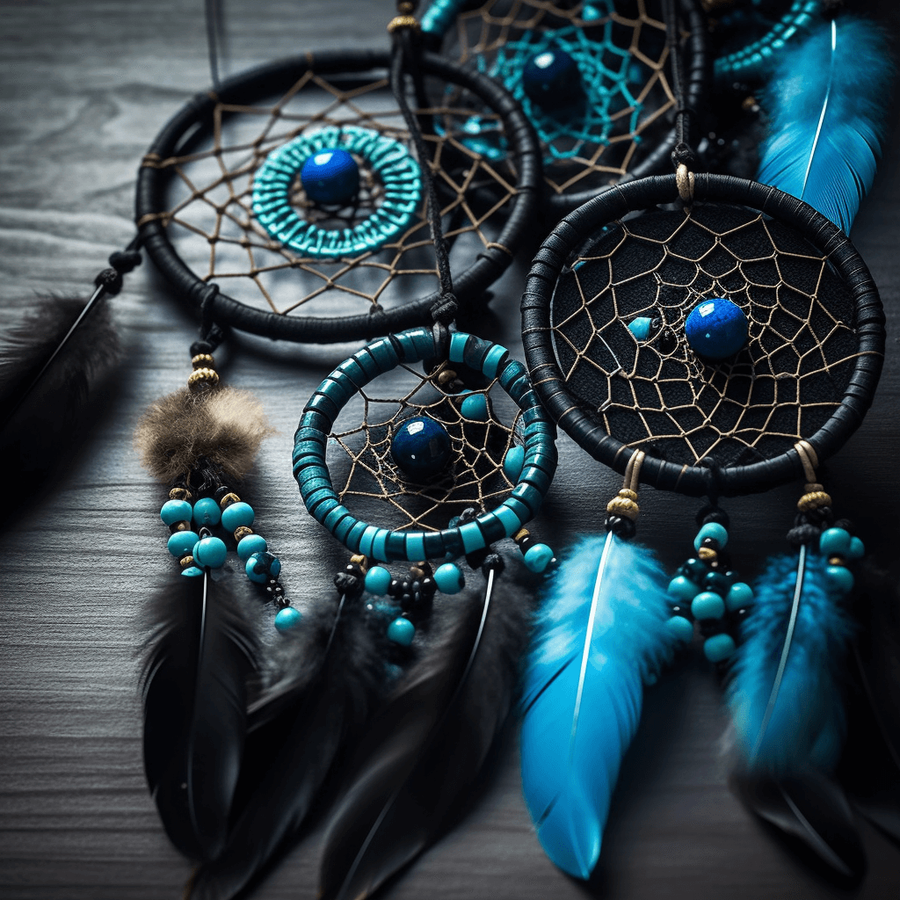
Dream catchers trace their roots back to the Native American tribes, particularly the Ojibwe and Lakota nations. These tribes held a profound respect for the natural world and believed in the interconnectedness of all life. Their beliefs and cultural traditions gave rise to the creation of dream catchers.
The Ojibwe people are often credited with the invention of the dream catcher. They called it asabikeshiinh, the inanimate form of the word for “spider”. This name choice reflects their respect for the spider’s artistry and its role as a weaver of intricate webs. For the Ojibwe, the spider was a symbol of comfort and protection.
While dream catchers have gained popularity worldwide, they remain a symbol of Native American cultural heritage and identity. They remind us of the rich and diverse spiritual traditions of the original inhabitants of the North American continent.
Dream catchers carry profound spiritual significance in Native American cultures. They were originally designed as protective charms to safeguard individuals, particularly children, from nightmares and harmful spirits.
The central web of the dream catcher is believed to filter dreams. According to legend, good dreams pass through the web and slide down the feathers to the sleeper, while bad dreams are trapped in the web, disappearing at the first light of dawn.
Symbolism of the dream catcher varies slightly among tribes, but generally, it represents protection, comfort, and wisdom. The web symbolizes life’s complex journey, and the feathers serve as a soft ladder for good dreams to descend upon the sleeper.
Did you know? Some tribes also consider dream catchers as symbols of unity and identification among the Native American nations, acknowledging their shared histories and cultures.
Traditional dream catchers are handcrafted objects made of natural materials, with each component having its symbolic significance. Understanding the dream catcher’s anatomy can provide deeper insight into its meaning and significance.
| Part | Symbolism |
|---|---|
| Hoops | The hoop, traditionally made from a willow branch, represents the circle of life and the earth’s continuous cycle of birth and death. |
| Web | The intricate web woven inside the hoop is designed to trap negative energy and bad dreams, preventing them from reaching the sleeper. |
| Feathers | Feathers channel positive energy and good dreams from the web down to the person sleeping beneath it. |
| Beads | Often added to the web or the feathers, beads can represent different things, such as the spider—the weaver of dreams—or the good dreams that couldn’t pass through the web. |
Modern dream catchers come in many different designs, materials, and colors. They may use synthetic materials and include gemstones or other cultural symbols, reflecting the merging of traditional Native American cultures with contemporary influences.
The beauty of dream catchers lies not just in their aesthetic appeal, but in the deep symbolic significance of their components. Each part of the dream catcher serves a purpose and carries unique spiritual symbolism.
According to Native American tradition, dream catchers function as protective charms, designed to filter an individual’s dreams as they sleep. It’s a process steeped in spiritual belief and tradition.
The web woven in the center of the dream catcher is said to catch the dreams that drift in the night air. The belief is that the air at night is filled with dreams, both good and bad. The dream catcher’s web traps these dreams, allowing only the good dreams to make their way down the feathers and into the dreamer’s mind.
Bad dreams, on the other hand, are said to be ensnared in the web and held there until the morning light. When dawn breaks, the sunlight neutralizes and dissolves the bad dreams, preventing them from causing harm.
Did you know? Some Native American tribes believe that dream catchers hold the destiny of their future. By capturing their dreams, they are able to harness and interpret the spiritual messages being communicated to them.
The origins of the dream catcher have been attributed to the Ojibwe people, one of the largest Native American tribes. The Ojibwe word for dream catcher, “asabikeshiinh”, literally translates to “spider”, reflecting the spider web design of this charm.
The Ojibwe legend tells of a Spider Woman, known as Asibikaashi, who took care of all the children of the tribe. However, as the tribe expanded and its members dispersed, Asibikaashi found it difficult to reach all the children each night. So, the mothers and grandmothers of the tribe began to craft the dream catchers. They wove these charms in a way that resembled a spider’s web, an homage to the beloved Spider Woman.
Did you know? Some variations of the legend suggest that the bad dreams caught in the dream catcher’s web are released back into the night once the first light of morning strikes them, allowing them to be seen as just what they are – mere dreams.
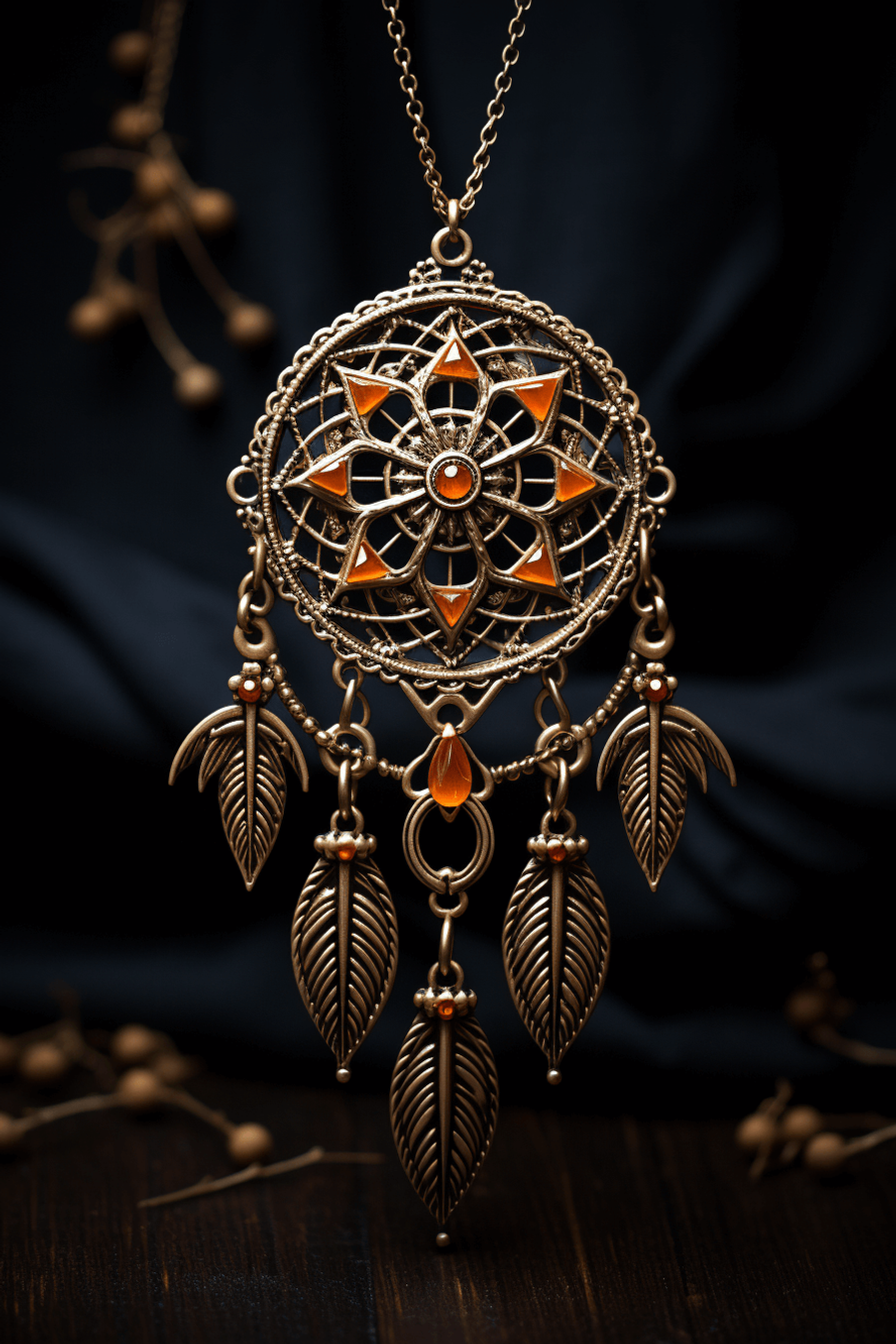
Dream catchers have found their way into modern culture and home decor worldwide, being admired for their unique charm and beauty. Their intricate designs and the spiritual symbolism they carry make them captivating decorative items, often found hung over beds, in windows, or used as car accessories.
While the use of dream catchers in contemporary culture can sometimes be controversial due to cultural appropriation concerns, it’s essential to respect and acknowledge their indigenous origins and spiritual significance.
While dream catchers are a proud part of Native American culture, particularly of the Ojibwe and Lakota tribes, their popularity has resulted in various interpretations and adaptations across different cultures worldwide.
Despite their diverse interpretations, the common thread among all dream catchers is the belief in their power to protect and their role as a conduit for good dreams.
From a psychological standpoint, dream catchers can potentially improve sleep quality, but not due to their supernatural dream-catching abilities. Instead, their influence is more aligned with the psychological concept of the placebo effect. This phenomenon refers to the beneficial effects that can result from a person’s belief in the effectiveness of a treatment or object.
Did you know? According to studies, the placebo effect can significantly impact sleep. A person who believes in the power of dream catchers may experience an improvement in their sleep quality simply because they expect that outcome.
Furthermore, the dream catcher’s soothing aesthetics and the calming ritual of sharing dreams can create a more relaxed atmosphere conducive to sleep. Regardless of whether dream catchers can filter dreams, their symbolic value can undoubtedly foster a positive mindset and a serene sleep environment.
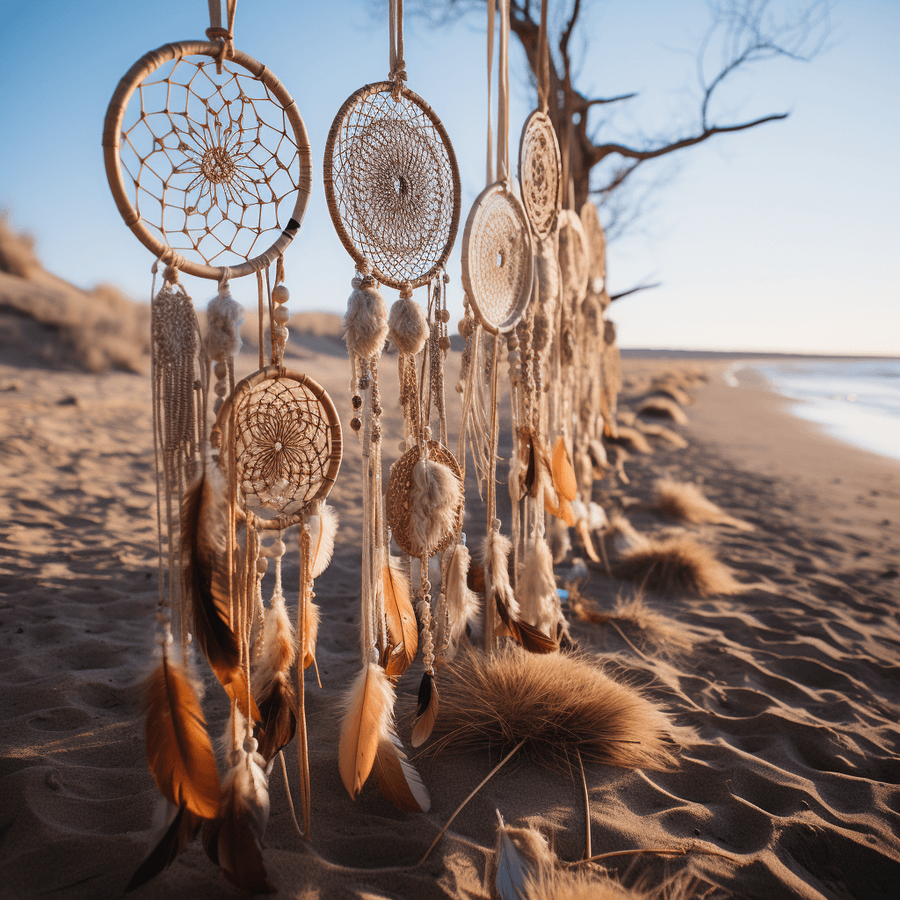
Creating your own dream catcher can be a deeply personal and meaningful experience. This process allows you to imbue the object with your energy and intentions. Each element you select, from the hoop to the feathers, can be chosen to represent your aspirations, hopes, and dreams.
Making your own dream catcher not only allows for personal expression but also a deeper connection to this powerful symbolic object.
Given their rich symbolism and beautiful design, dream catchers make thoughtful and meaningful gifts. Gifting a dream catcher sends a message of care and good wishes, expressing the desire for the recipient to have peaceful sleep and positive dreams.
Furthermore, dream catchers can serve as an emblem of protection. They are often gifted to newborns and children to safeguard them from negative energies and foster a nurturing environment. They can also be gifted to friends or loved ones going through a challenging time as a token of support and encouragement.
Ultimately, whether made by hand or purchased, a dream catcher gift symbolizes love, care, and protective energy, making it a poignant gesture for any occasion.
Creating your own dream catcher can be a deeply personal and meaningful experience. This process allows you to imbue the object with your energy and intentions. Each element you select, from the hoop to the feathers, can be chosen to represent your aspirations, hopes, and dreams.
Making your own dream catcher not only allows for personal expression but also a deeper connection to this powerful symbolic object.
Given their rich symbolism and beautiful design, dream catchers make thoughtful and meaningful gifts. Gifting a dream catcher sends a message of care and good wishes, expressing the desire for the recipient to have peaceful sleep and positive dreams.
Furthermore, dream catchers can serve as an emblem of protection. They are often gifted to newborns and children to safeguard them from negative energies and foster a nurturing environment. They can also be gifted to friends or loved ones going through a challenging time as a token of support and encouragement.
Ultimately, whether made by hand or purchased, a dream catcher gift symbolizes love, care, and protective energy, making it a poignant gesture for any occasion.
In conclusion, dream catchers hold deep historical and spiritual significance within Native American cultures. Each part, from the woven web to the hanging feathers, carries a piece of this cultural legacy and contributes to its function as a spiritual tool. These artifacts not only serve to filter dreams but also act as potent symbols of protection, unity, and the circle of life.
They also have practical implications, offering an intriguing approach to interpreting dreams and understanding our subconscious thoughts. While they have been widely adopted in different forms across various cultures, it is vital to always remember and respect their original context and significance.
As we delve into the enigma of dream catchers, it is an invitation to explore not just an object, but a rich legacy of belief and symbolism. Whether we are interpreting our dreams, creating our own dream catchers, or simply appreciating their aesthetic appeal, these artifacts can provide a point of connection to ancient wisdom, cultural narratives, and the mysterious world of our dreams.
In the journey of understanding and embracing the wisdom of dream catchers, let us also acknowledge the cultures that birthed them and ensure our engagement is marked by respect and appreciation, rather than appropriation.
Dream catchers, according to traditional Native American beliefs, are considered good as they are believed to filter out bad dreams and allow only good thoughts to enter our mind. However, how one perceives a dream catcher can vary based on personal beliefs and cultural contexts.
While there are no hard-set rules for dream catchers, traditional belief dictates that they should be hung over a bed or sleeping area to catch dreams. The good dreams go through the hole in the center, while the bad dreams get caught in the web and disappear with the first light of morning.
Dream catchers are typically placed where you sleep – for instance, above your bed or near your bedroom window. They are believed to catch and filter dreams as they flow by.
While it is traditional to hang a dream catcher above your bed, it isn’t a strict rule. You can hang a dream catcher anywhere you wish to encourage positive energy and protection.
The choice of color in a dream catcher is a personal preference and can reflect your personality or the decor of your room. Some people believe that different colors can symbolize various elements, like red for courage, white for purity, and blue for wisdom.
In some cultures, different colors used in a dream catcher can represent various elements, emotions, or spiritual states. However, this can vary greatly and ultimately depends on personal or cultural beliefs.
There aren’t any specific disadvantages of a dream catcher. However, one should be aware and respectful of its cultural origin, as misuse or appropriation of this sacred Native American symbol could be considered disrespectful.
A dream catcher with 7 points might symbolize the seven prophesies of the Anishinaabe people, or the Seven Fires Prophecies, in some Native American cultures. It could also represent the seven main chakras in the body, according to some interpretations.
A dream catcher can make a thoughtful gift, symbolizing protection and good wishes for the receiver. However, it’s important to ensure the receiver understands and respects its cultural significance.
Traditionally, dream catchers are seen as protective charms that filter out bad dreams and let only good dreams pass through, which some might associate with bringing luck or positive energy.
A dream catcher can be hung on either side of the bed, as its placement is not dictated by any traditional rules. It’s more about where you feel it would work best in filtering your dreams.
Yes, according to Native American legends, dream catchers are believed to catch bad dreams in their web, preventing them from reaching the sleeper, while good dreams pass through and slide down the feathers to the person sleeping below.
There’s no specific lifespan for a dream catcher. It can last for years if taken care of properly. Some Native American traditions suggest that they should be renewed or replaced every year.
Dream catchers originated from the Ojibwe (Chippewa) tribe, a Native American culture. They have been adopted and adapted by various other Native American tribes and cultures around the world.
The color blue in a dream catcher can symbolize wisdom, trust, and loyalty. However, the interpretation of colors can vary greatly depending on personal or cultural beliefs.
In the context of love, a dream catcher could symbolize a wish for peaceful and positive dreams about a loved one. It might also signify a protective charm for the relationship.
The world’s largest dream catcher, according to the Guinness World Records, was created by students and staff at the Jay’s Care Foundation’s Rookie League program in Toronto, Canada, in 2015. It measures 13.11 m (43 ft) in diameter.
If you’re referring to the South Korean girl group Dreamcatcher, it’s hard to definitively say who the most famous member is as each member has a significant fanbase. All members contribute to the group’s overall success and popularity.
If referring to the South Korean girl group, Dreamcatcher was originally debuted under the name MINX. The group re-debuted as Dreamcatcher in 2017 with two new members.
What do dreams about teeth falling out really mean? Explore the spiritual, cultural, and psychological reasons—plus what to do whe…
What do flying dreams really mean? Explore the psychological, spiritual, and cultural meanings behind flight dreams and what they …

Discover what dreams about water really mean spiritually - from oceans to floods - and how to interpret their emotional and symbol…