 Know
Know
Jewelry & Fashion
Types of Pearls: A Complete Guide to Every Variety
Discover every type of pearl—Akoya, Tahitian, South Sea, freshwater and more—plus their meanings, history, and how to choose the r…
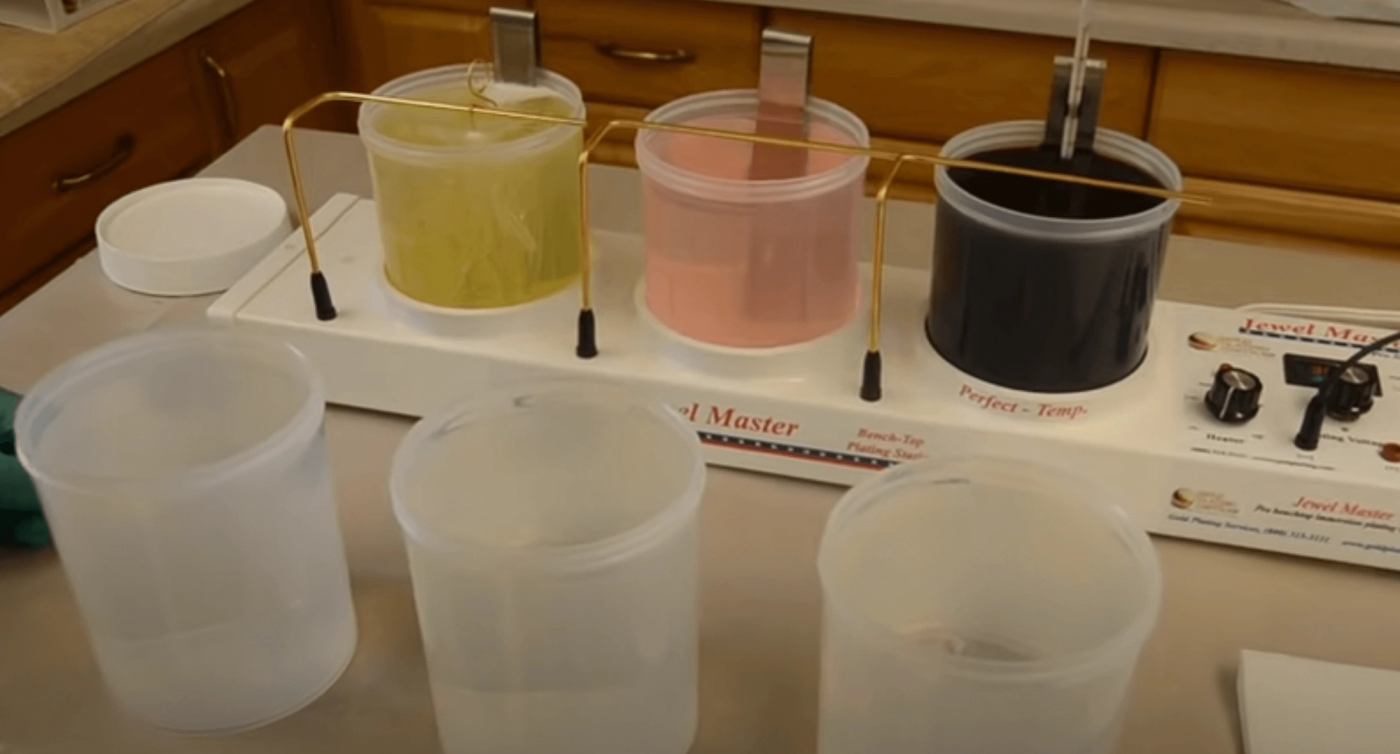
Gold Plated and Gold Filled are terms often heard in the world of jewelry and decorative items. But, what do they really mean and how different one is from the other? Let us get to know.
Gold Plating is a process whereby thin films of gold are layered onto brass or copper compositions through the use of electricity or chemicals. It does give the item a luxurious gold appearance without the hefty price tag solid gold can carry. However, the gold layer can be extremely thin and may wear away over time.
The other hand, Gold Filled, also referred to as “rolled gold,” is quite advanced. It normally supports a layer of gold bond with a base metal that is mainly brass hot pressure and heat. The quantity of gold in gold-filled items is much more than it is in gold-plated things. This makes gold-filled objects more sturdy and less prone to tarnishing as compared to plated artifacts.
Essentially, while both serve the purpose of making products attain the illustrious shine that is gold, there is a massive difference in terms of processes, durability and gold content. Any person who intends to invest on quality pieces that will last ages ought to decipher between either.
Though they may seem the same, gold plated and gold-filled jewelry are different depending on the processes that were used to make them. Going just a little further into how each was made brings out the artistic work in each kind of jewelry.
Gold plating is a technique of depositing a thin layer of gold onto another metal. This process of the application is very cheap and needs to be precise for being effective and durable.
Before any gold electroplating can happen, the jewelry piece must be first absolutely and thoroughly cleaned. Any oils, dirt, or residues might prevent the gold from adhering properly. This step usually involves an ultrasonic cleaner, acid bath rinse finally wash in good quantity with water.
Next, one does take a bath the cleaned jewelry item in an electrolytic solution of gold ions. Upon application of electric current, these ions do get attracted to the surface of the base metal, thus getting deposited on it. The time of submersion will determine the thickness of the gold part which still is very thin regardless of the time.
Gold filling, on the other hand, is a mechanical process and the jewelry pieces or items manufactured from this process are deemed durable enough with long-staying features.
Firstly, the gold alloy sheet is applied onto the core metal usually brass. The `sandwich’ of metals describes how the gold alloy wraps around the base metal from the top, and bottom. This ensures that the gold is not just in the surface but runs deep within the piece.
This structured piece is then rolled several times through the use of specially designed rollers. This process further reduces its overall thickness and adding to its malleability, which is necessary for making detailed designs of jewelry.
Thereafter, a crucial step entails heating the jewelry piece. The alloyed gold and the core metal melt till they fuse completely resulting in a perfect bond that cannot be easily detached. Different temperatures and time periods are critical so that the fusion is sufficiently made without raising harm or distorting the product.
Treatment complete, the now gold filled sheet is ready for design and shape of the jewelry piece. The sheet is then worked upon by expert artisans, who transform it into various shapes, be it ring, necklace, or bracelet. Finally, the piece is detailed and polished to perfection, so that free from any defects and has that glowing shine.
Understanding these processes then underlines the value and durability differences of gold-plated and gold-filled jewelry. Both have their charm and vantages but largely dictate how long will the jewelry last, what will it look like and what it be capable to resist.
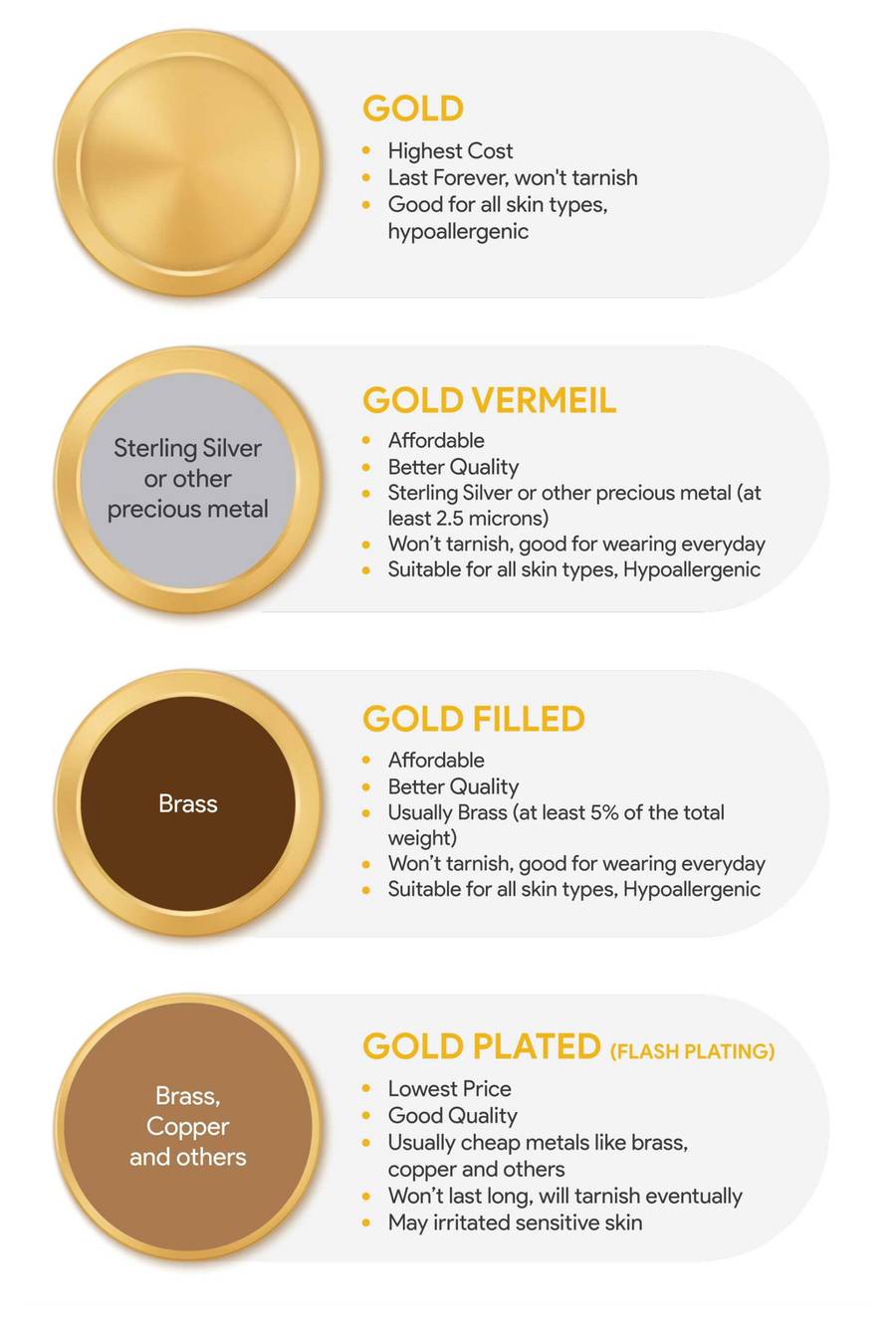
Before embarking on an investment which involves jewelry or any other form of gold accessories, it is paramount to understand the concept of durability and longevity of such items. In terms of lifelong ability, there exists a very big difference between gold plated and gold filled with their manufacture process having an impact on this longevity by a huge margin. The following is a tabulated analysis comparing the two properties.
| Criteria | Gold Plated | Gold Filled |
|---|---|---|
| Thickness of Gold Layer | Usually ranges between 0.5 to 2.5 microns | Substantially thicker, often 100 times or more compared to gold plated |
| Wear and Tear | Prone to daily chipping through regular contact with a chemical that may fade off faster than expected | Highly resistant to wear, retains shine and color for a more extended period |
| Average Lifespan | 1-2 years with regular wear, longer with occasional use | Decades with proper care, often becoming heirloom pieces |
| Maintenance | Requires regular polishing so that it remains shiny, avoid contact with water and chemicals | Minimal maintenance; withstands daily activities and spottily exposed to the elements |
| Cost | Generally more affordable due to a thinner gold layer | More expensive, reflecting its superior durability and gold content |
From the table, it clearly shines through that though gold plated ones may be cost-effective at first, but the true value in terms of timelessness and durability is exhibited by gold filled jewelry. Depending upon use—whether daily wear or special occasion—it is important to make a choice after weighing these factors.
Aesthetics and Appearance: Do Gold Plated look different from Gold Filled Jewelry?
Gold plated and gold filled items are both supposed to appear like the real thing, albeit for minor aesthetic variances that could be perceived by a visiting and keen eye for detail.
Although both can exhibit a rich golden color, differences in manufacturing processes among these products may yield variations of color hue, depth, and overall luster.
The aesthetic differences are delineated via comparative analysis below.
| Aspect | Gold Plated | Gold Filled |
|---|---|---|
| Shine & Lustre | Bright golden shine at first but tends to become dull with time especially if the plating is thin. | It has a consistent, high-quality shine due to the thicker layer of gold, making it more like solid gold. |
| Depth of Color | May tend to look slightly brassy or pale depending on the thickness and quality of the gold plating it has come in. | Offers a rich gold hue that mirrors pure gold, maintaining its vibrancy over time. |
| Surface Feel | Smooth but may feel a little more “plasticky” or “coated” than solid gold or gold-filled. | Feels dense and smooth, closely emulating the texture of solid gold pieces. |
| Wear Over Time | With the wear of usage, the gold layer may eventually fade to reveal the base metal beneath, leading to a patchy effect. | A thicker layer of gold ensures that the jewelry does not lose its look even under heavy instructions. |
| Skin reaction | Discoloration of the skin can arise on gold plated stuff, especially those who can be sensitive to the base metal. | The thicker gold layer causes a barrier between the base metal and the skin resulting in no or less discoloration of the skin. |
In summary, while gold plated and gold filled jewelry both aim to mimic solid gold, gold is filled is often able to offer a more genuine perception and touch of gold with the midas effect tending to last longer.
However, aesthetics is all about personal taste and preference and so it’s worth stating that individual preferences determine the coolness or otherwise between these jewelry types.
The next important factor that consumers consider while choosing between gold filled and gold plated jewelry is the difference in their costs. An understanding of the reasons behind the cost variation can naturally help consumers to make an informed choice, isn’t it. Let’s explore what are the major reasons for variance in the cost of both these items.
While gold plated items may be cheaper upfront, in fact, gold filled products give the consumer a longer-lasting gold look and are often considered to be more of an investment.
The gold content present in a jewelry piece or an accessory goes a long way in determining its value, appearance, and durability. The bottom line is that both gold plated and gold filled objects have different amounts of gold; hence this is an important factor to consider.
| Type | Gold Content Description | Approximate Percentage |
|---|---|---|
| Gold Plated | The product has electroplate of gold on it, where the thickness might be different from one piece to another. This is made on a base metal. | Less than 1% of the total metal content |
| Gold Filled | Made up of solid layers of gold that are bonded with base metals, and the thickness of this layer of gold is not less than five times thick in comparison to plating. | Typically 5% or more of the total metal content |
The difference in gold content makes gold filled items have a richer appearance of gold and quantity in them, making them a most valuable addition to jewel collections. Gold plated jewelry, on the other hand, is susceptible to wearing out and tarnishing over time since the amount of gold used in plating is less.
With jewelry, common concern is with allergy reactions. Even though in its own right gold is generally hypo-allergenic, the various metals used either in combination with gold or base metals used in both gold plated and gold filled jewelries at times can be reactive to some sensitive individuals.
Consequently low possibility to the base metal come direct with the skin. However, if the base includes some substances which have potential allergens, this still puts a slight threat in relation to allergic reactions, though obviously less than what pertains in relation to items gold plated.
It’s best for those with sensitive skin or known metal allergies to ensure what the exact metal composition of the jewelry is, or move into high karat solid gold pieces that are most unlikely to react.
Careful care can greatly lengthen the lifespan and shine of gold plated as well as gold filled jewelry. Provided below are some personalized tips to ensure each variety looks its best:
With proper maintenance and careful handling, jewelries made from gold plated or gold filled can be kept beautiful for future generations.

With growing anxiety over the environment, it’s imperative to know how much of an ecological footprint our consumer choices will leave. This incorporates jewelry and the processes involved in making them. Let’s delve into the ecologically pertaining concerns of gold plating as well as gold filling.
Though jewelry is the most popular field where gold plating and gold filling find a global use, there are exciting applications with nearly every other industry for which such processes are required because of the attractive nature of gold.
Both gold plating as well as gold filling given the unique characteristics and their distinct benefits provided found niche uses in industries far removed from the world of jewelry underscoring the versatility and importance in contemporary manufacturing.
In the vast world of jewelry and decorative items, it’s easy to get overwhelmed by your choices between gold plated and gold filled. Let your decision rest upon a variety of factors including budget, if the piece will take any wear and tear, and personal preferences. Here are some facts:
In the end, both gold plated and gold filled have their pros. Weigh those according to your needs and preferences.
One thing to be armed with while in the world of gold jewelry and ornamental items is to understand well the differences between gold plated and gold filled pieces. Generally, both provide the amazing glow that come with the gold, but there exists a distinction between them regarding how they are made, their longevity for wear, effects on cost and uses.
Well if you are exploring our site and are willing to know the variations then do get familiar with these. Know more Gold Vermeil or 12 Gold Types & Colors of a kind of Gold beyond this.
The gold plated pieces, characterized by its slender gold overlay, not only are affordable and trendy but also are favorites amongst the style enthusiasts. On the other hand, gold filled items, known for its more substantial gold layer, stand out footing by its resilience and lasting gold essence in the setup as a valuable acquisition.
With that knowledge, then you can make an informed choice that ensures the piece that you settle for, whether gold plated or gold filled, will be ideal for your taste, requirements, and lifestyle.
Discover every type of pearl—Akoya, Tahitian, South Sea, freshwater and more—plus their meanings, history, and how to choose the r…

Discover what platinum really is, why it costs more than gold, and how to keep it brilliant for a lifetime of wear.

Lab-grown vs natural diamonds compared: origin, price, resale value, ethics, and meaning — choose the right stone with confidence.