 Know
Know
General
Celtic Knot Meaning: Symbols of Eternity, Love & Ancient Wisdom
Endless. Interwoven. Eternal. Celtic knots don’t just decorate—they speak. You’ve probably seen one on a ring, a necklace, a tatto…
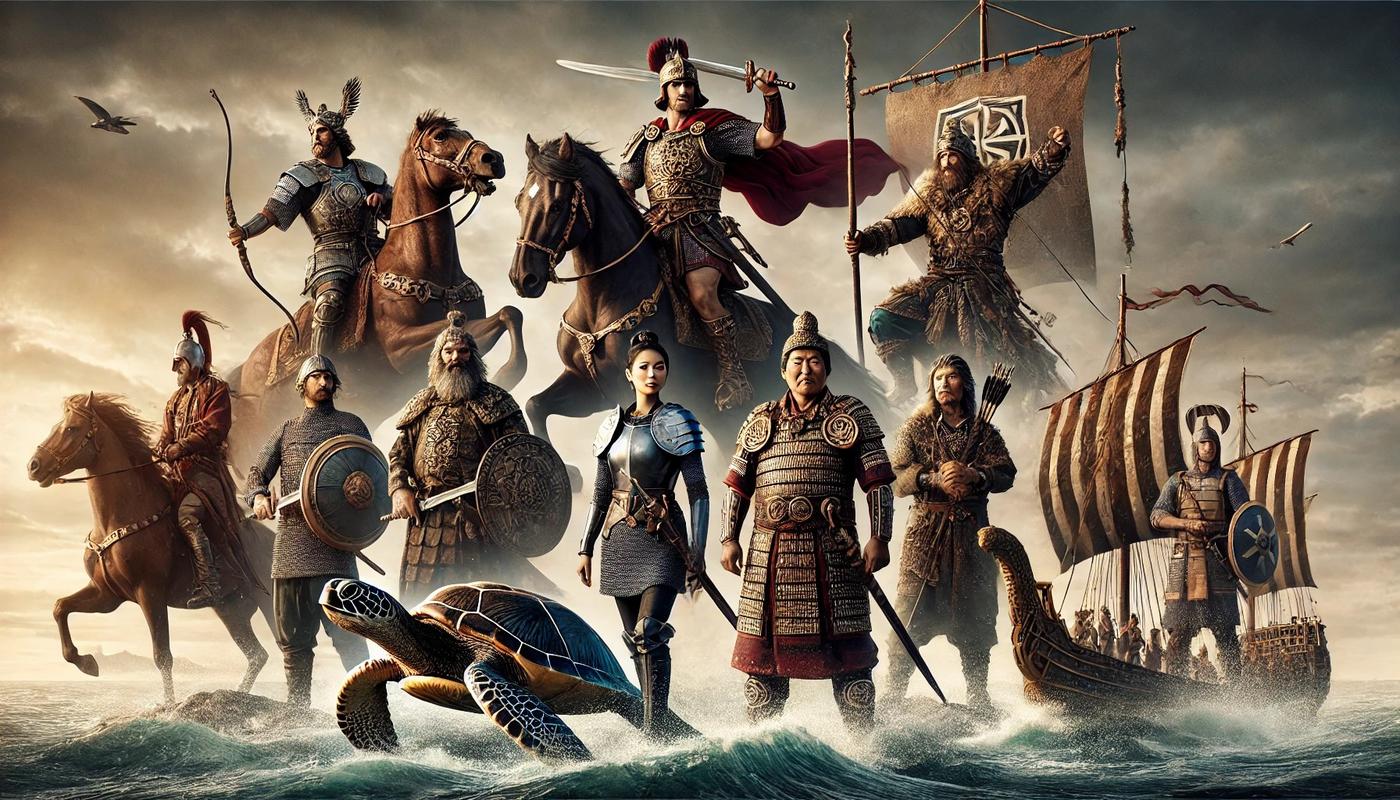
Throughout history, warriors have shaped the destiny of nations, led revolutions, and embodied ideals of bravery, skill, and honor. These individuals, revered for their combat prowess, leadership, and battlefield achievements, left indelible marks on both their contemporaries and future generations. This guide delves into the lives and legacies of some of the greatest warriors of all time, spanning different eras, cultures, and warfare styles.
Alexander III of Macedon, commonly known as Alexander the Great, stands as one of the most successful military commanders in history. Ascending to the throne of Macedon at the age of 20, he embarked on a remarkable series of campaigns that would see him conquer most of the known world by the time of his death at just 32.
Tactical Brilliance: Alexander was unmatched in his ability to adapt to different battle conditions, employing both superior strategy and psychological warfare to intimidate his enemies before ever engaging them.
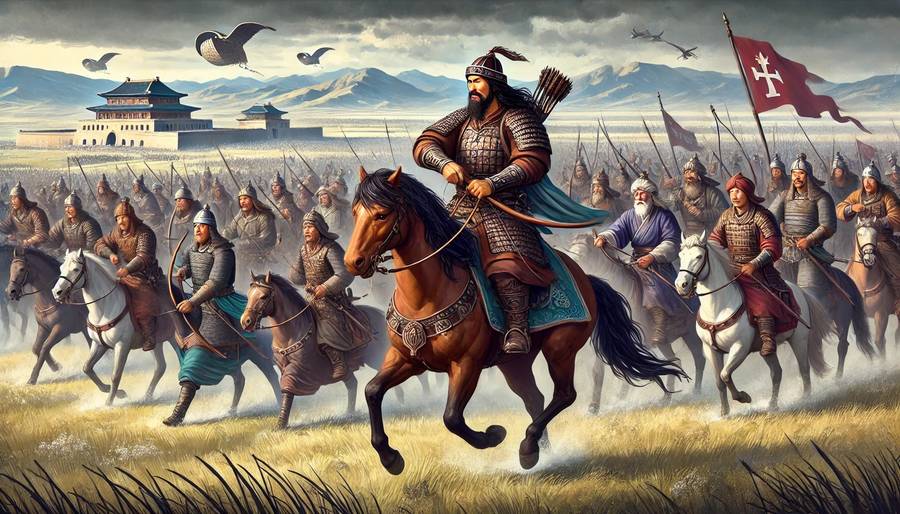
Temujin, later known as Genghis Khan, united the Mongol tribes and created an empire that stretched from East Asia to the edges of Europe. His unparalleled skill in horseback warfare and the effective use of mobility, surprise, and adaptability earned him a fearsome reputation.
Legacy: Genghis Khan not only changed the face of warfare but also influenced global trade and culture. The Silk Road flourished under Mongol protection, and his descendants ruled vast territories, including China under the Yuan Dynasty.
Leonidas, the king of Sparta, epitomized the warrior ethos of ancient Greece, particularly the Spartan ideal of discipline and sacrifice. His stand at the Battle of Thermopylae against the Persian Empire became a symbol of courage against overwhelming odds.
Legacy: Leonidas’s name became synonymous with heroism and self-sacrifice, immortalized in both ancient and modern literature. His leadership, despite the odds, demonstrated the enduring power of tactical discipline and unity in warfare.
Joan of Arc, a peasant girl from Domrémy, France, rose to prominence during the Hundred Years’ War between France and England. Believing she was divinely guided, she led French forces to key victories, reinvigorating French morale and altering the course of the war.
Legacy: Joan’s impact went beyond her battlefield successes. She became a symbol of faith, courage, and French nationalism. Executed at the age of 19, she was later canonized as a saint and remains one of history’s most enduring female warriors.
Napoleon Bonaparte, a French military and political leader, dominated European affairs for over a decade in the early 19th century. Known for his innovative strategies and adaptability in battle, Napoleon led France to numerous victories, redefining military tactics and influencing armies worldwide.
Legacy: Napoleon’s military genius is studied in military academies worldwide, particularly for his use of massed artillery, corps systems, and rapid maneuvers. Though his empire eventually collapsed, his influence on warfare and law (Napoleonic Code) remains significant.
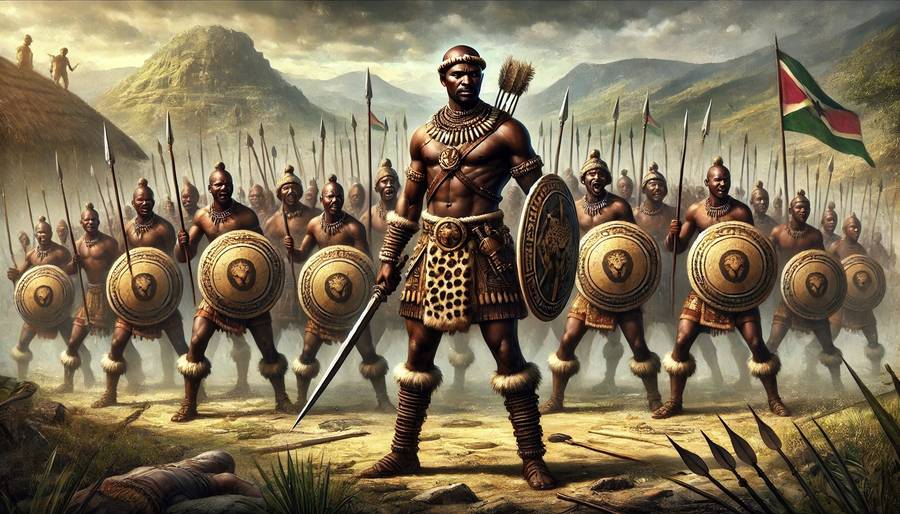
Shaka, king of the Zulu Kingdom, was one of the most formidable military leaders in African history. He revolutionized Zulu warfare with innovations in both weapons and tactics, forging a powerful kingdom in the early 19th century.
Legacy: Shaka’s reforms enabled the Zulu Kingdom to dominate much of southern Africa and defend against colonial encroachment for decades. His leadership and innovations are studied as examples of indigenous military genius.
Miyamoto Musashi was one of Japan’s most famous swordsmen and is celebrated for his undefeated record in duels and his philosophy of strategy, captured in his famous work, The Book of Five Rings.
Legacy: Musashi’s mastery of combat and philosophy of adaptability and psychological awareness in warfare made him a revered figure not only in samurai culture but also in global martial traditions.
Sultan Salah ad-Din Yusuf ibn Ayyub, known as Saladin, was a Kurdish leader who united Muslim forces and played a key role in the Crusades, most notably recapturing Jerusalem in 1187.
Legacy: Saladin’s leadership was characterized by both military success and a code of ethics, earning him admiration from both Muslim and Christian chroniclers. His legacy continues to shape the image of a noble warrior-leader in Islamic history.
A Thracian gladiator, Spartacus led one of the largest slave revolts in Roman history. Though ultimately defeated, his rebellion challenged the might of the Roman Republic and left an enduring symbol of resistance against oppression.
Legacy: Spartacus became a symbol of rebellion and freedom. His name has been invoked by revolutionaries and freedom fighters throughout history, emphasizing his role as a warrior who fought for justice against a powerful empire.
Hannibal Barca, a Carthaginian general, is renowned for his daring military campaigns during the Second Punic War. His brilliant tactics, especially in the Battle of Cannae, where he annihilated a Roman army twice the size of his own, have been studied by military strategists for centuries.
Legacy: Hannibal’s innovative battle strategies, including his use of terrain, deception, and ambushes, are still revered by military historians. Despite ultimately losing the war, his near destruction of Rome cemented his place as one of history’s greatest tacticians.
Vlad III, known as Vlad the Impaler, was a 15th-century ruler of Wallachia (modern-day Romania) and a fierce defender against Ottoman expansion. He is infamous for his brutal tactics, including impaling his enemies, which earned him a fearsome reputation in Europe.
Legacy: Vlad’s ruthless methods were effective in defending Wallachia, though they earned him a dark legacy. His exploits and reputation influenced the legend of Count Dracula, intertwining his historical presence with literary myth.
William Wallace led the Scottish resistance against English rule in the late 13th century. His story, popularized by the film Braveheart, embodies the struggle for Scottish independence and the fierce defense of freedom.
Legacy: Wallace’s martyrdom and his relentless campaign against English dominance inspired generations of Scots. He became a symbol of national pride, and his leadership during the Wars of Scottish Independence laid the groundwork for eventual Scottish victory under Robert the Bruce.
Attila, ruler of the Huns, was one of the most feared enemies of the Roman Empire. Leading a vast confederation of Hunnic, Gothic, and other barbarian tribes, Attila ravaged Eastern and Western Roman territories, earning the moniker “The Scourge of God.”
Legacy: Attila’s near destruction of the Western Roman Empire cemented his reputation as one of the greatest military leaders of the barbarian invasions. His legacy persists in European folklore as a symbol of untamable ferocity.
King Richard I of England, known as Richard the Lionheart, was a legendary figure in the Crusades, particularly the Third Crusade. Revered for his military prowess, courage, and chivalry, he became an iconic figure in medieval European history.
Legacy: Richard’s exploits in the Holy Land made him a celebrated figure of Christian Europe, and his reputation as a warrior-king persisted long after his death. Despite spending little time in England, he remains one of its most famous monarchs.
Boudica, queen of the Iceni tribe in Britain, led one of the most significant revolts against the Roman Empire. Her uprising came in response to Roman oppression, and though ultimately unsuccessful, her fierce resistance became legendary.
Legacy: Boudica became a symbol of resistance against tyranny and is celebrated as a national heroine in Britain. Her courage and leadership in the face of overwhelming odds have made her an enduring figure of feminist and nationalist movements.
Subutai was the most accomplished general of Genghis Khan’s Mongol Empire, renowned for his ability to plan and execute campaigns across vast distances. He played a crucial role in many of the Mongol Empire’s most significant conquests.
Legacy: Subutai’s legacy as one of the most successful military commanders in history is secured by his ability to lead far-flung, synchronized campaigns across Asia and Europe. His strategies influenced modern warfare, especially in terms of logistics and mobility.
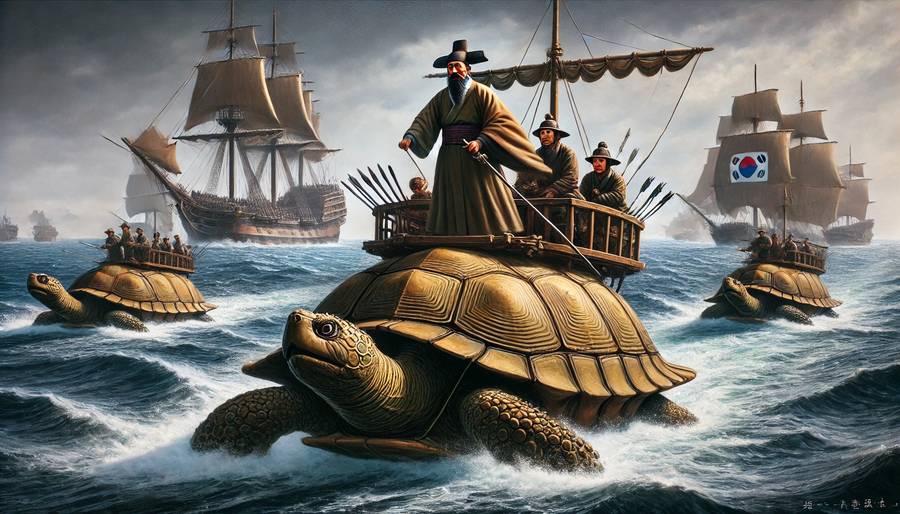
Yi Sun-sin, a Korean admiral, is celebrated for his brilliant naval strategies during the Imjin War (1592–1598), where he successfully defended Korea from Japanese invasions. His leadership and innovative tactics turned the tide of the war.
Legacy: Yi Sun-sin is regarded as one of the greatest naval commanders in history. His tactics, particularly the use of geographic advantages and superior ship designs, helped protect Korea from colonization, and he remains a national hero.
Rodrigo Díaz de Vivar, known as El Cid, was a Castilian nobleman and military leader who played a key role in the Reconquista—the Christian effort to reclaim Spain from Muslim rule. His exploits became the stuff of legend in medieval Spain.
Legacy: El Cid became a legendary figure in Spanish history and literature, particularly through the Cantar de Mio Cid, an epic poem detailing his life. He remains an icon of the Christian reconquest of Spain and a symbol of chivalry and honor.
Geronimo, a leader of the Apache tribe, was one of the last Native American leaders to resist the U.S. government’s efforts to confine his people to reservations. His guerrilla tactics and deep knowledge of the terrain allowed him to evade capture for years.
Legacy: Geronimo is remembered as a symbol of Native American resistance to colonization and oppression. His resilience and leadership during the Apache Wars earned him legendary status, and he remains a figure of cultural significance for Native American history.
These additional warriors continue to showcase the diversity of military leadership and courage across different periods and regions. From ancient battlefield commanders like Hannibal to guerrilla leaders like Geronimo, each of these figures displayed a unique blend of tactical genius, resilience, and leadership. Their legacies, preserved in history and legend, serve as reminders of the impact individuals can have on shaping the course of history. Together, these 18 warriors represent the pinnacle of human combat ability, bravery, and strategic thinking, leaving behind legacies that continue to inspire and educate.
Endless. Interwoven. Eternal. Celtic knots don’t just decorate—they speak. You’ve probably seen one on a ring, a necklace, a tatto…
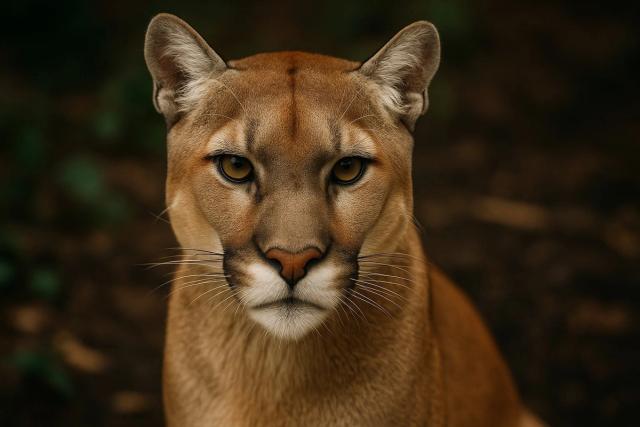
What does the puma represent? More than just a powerful predator, the puma—also known as cougar, mountain lion, or panther—is a pr…
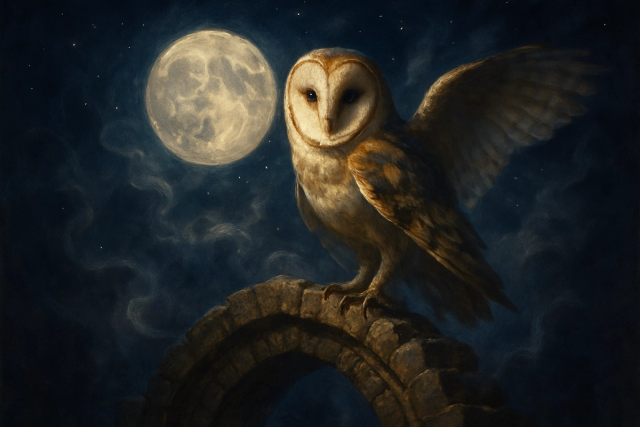
What do owls really symbolize? Explore owl spiritual meaning, totem energy, dream interpretations, colors, and omens across world …