 Know
Know
Religion
Prayer Beads Meaning Across Religions: A Complete Guide
Discover what prayer beads mean in Christianity, Islam, Hinduism, and Buddhism, plus their symbolism, dream meanings, and how to u…
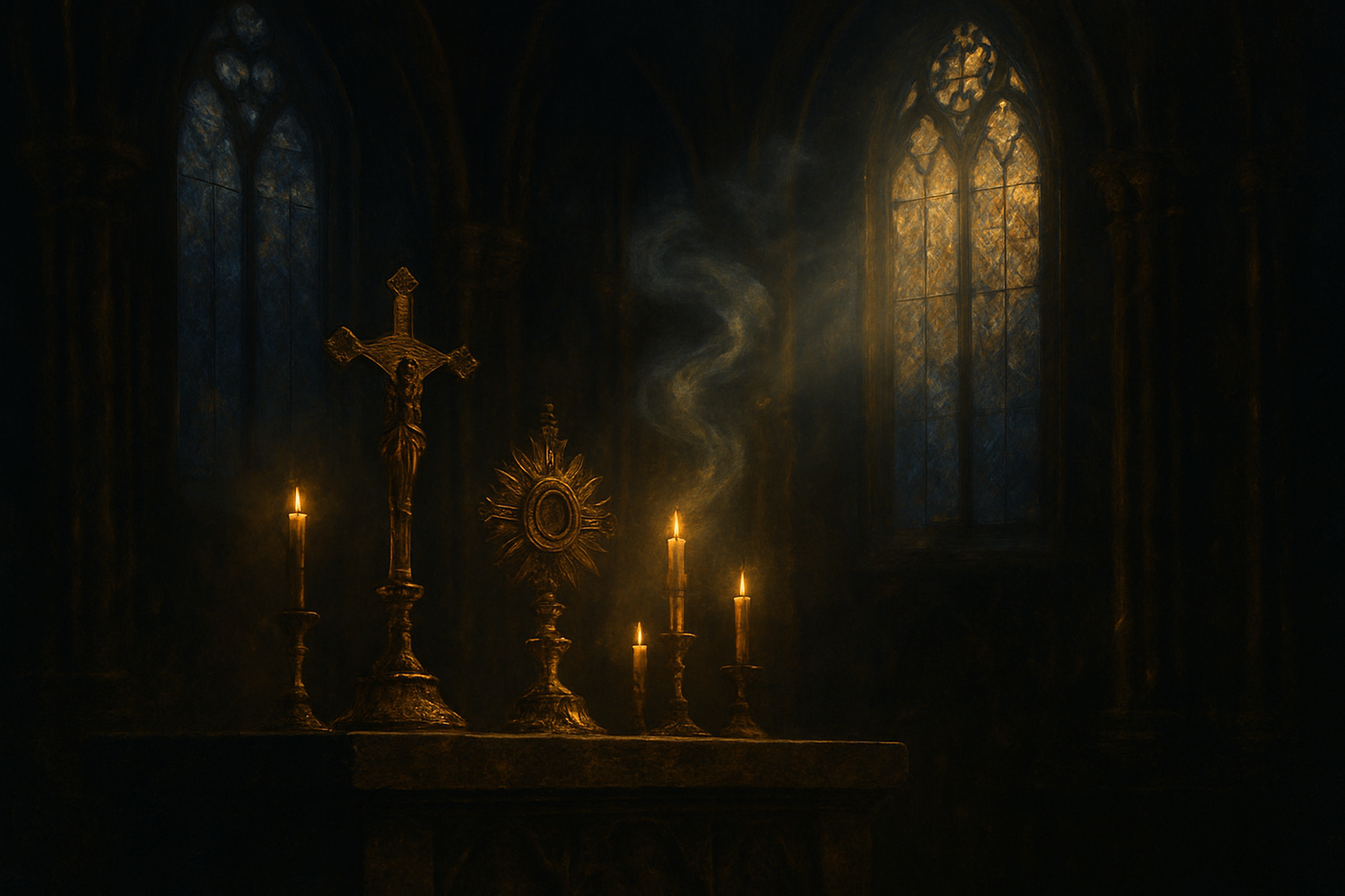
Catholic symbols are visual signs — images, objects, colors, and gestures — that the Church uses to express core beliefs about God, Christ, the sacraments, and salvation. Each one, from the crucifix to the Chi Rho, condenses centuries of scripture and tradition into a single recognizable image so the faithful can teach, worship, and identify with the faith at a glance. Below are 36 of the most important Catholic symbols, their origins, and what each one means today.
The crucifix itself has taken many forms over two thousand years, each with its own regional history. For a closer look at those variations, see our guide to the types of crosses. The rest of this guide walks through the full visual language of Catholicism — from altar furnishings to sacramental oils — with scriptural citations included so you can study the sources directly.
| Symbol | Meaning | Where It's Seen |
|---|---|---|
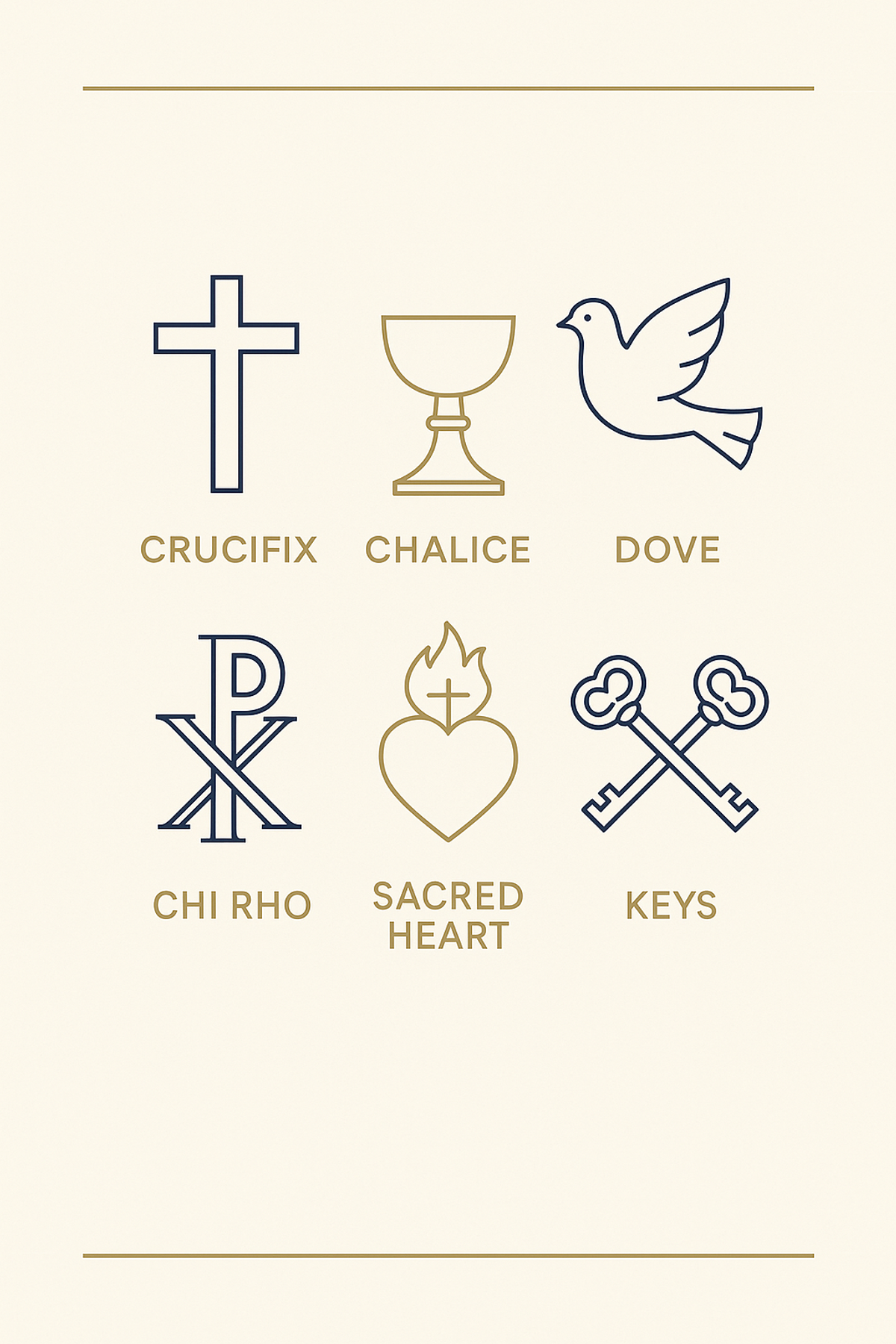
| Crucifix | Christ's sacrifice, death, and resurrection | Churches, homes, rosaries |
| Chi Rho | Monogram of Christ (first two Greek letters of "Christ") | Vestments, banners, early Christian art |
| Sacred Heart | Jesus' burning love and suffering for humanity | Devotional art, medals |
| Dove | The Holy Spirit | Baptism imagery, stained glass |
| Chalice | Vessel of the Eucharist; Christ's blood | Mass, church art |
| Halo | Sanctity and divine grace | Icons of saints and angels |
| Lamb of God | Christ's innocence and sacrificial death | Altar art, Agnus Dei prayer |
| Alpha and Omega | God's eternity — beginning and end | Church windows, Paschal Candle |
| Ichthus (Fish) | Early Christian identity marker | Jewelry, bumper stickers, catacombs |
| Crown of Thorns | Christ's suffering before crucifixion | Passion art, Lent imagery |
| Monstrance | Vessel displaying the consecrated Host | Eucharistic Adoration |
| Crossed Keys | Authority given to St. Peter | Papal seal, Vatican imagery |
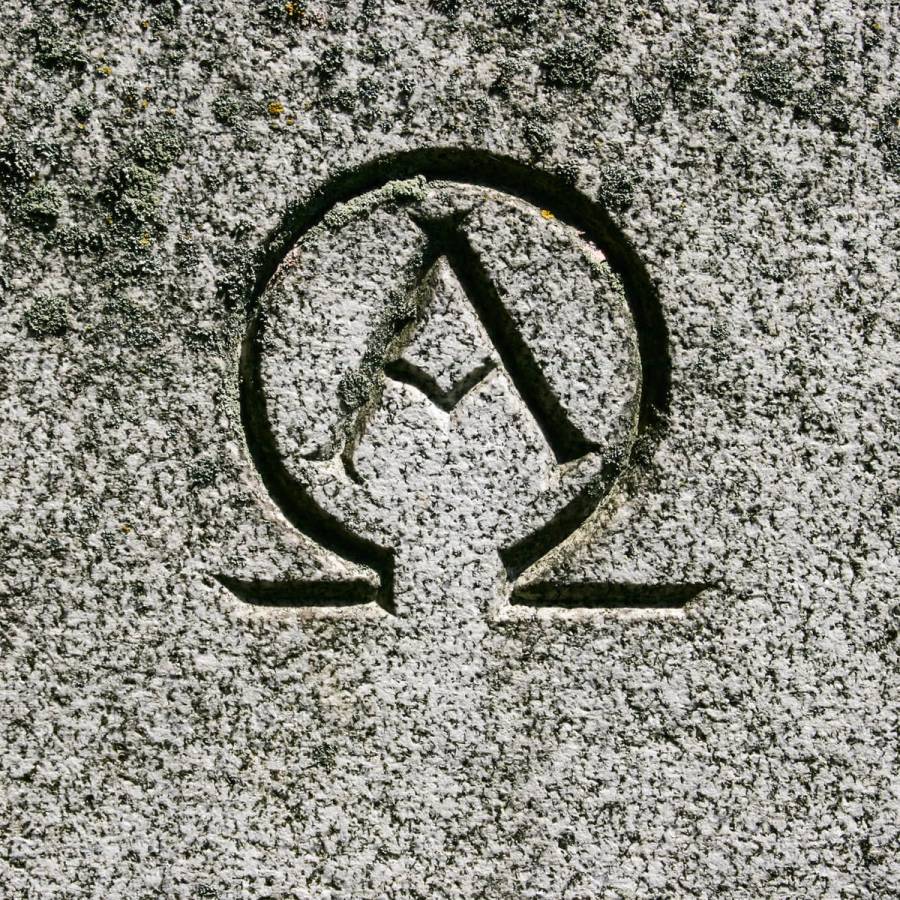
The Beginning and The End: Alpha and Omega are the first and last letters of the Greek alphabet, and they appear together in Revelation 22:13, where Christ declares, "I am the Alpha and the Omega, the first and the last, the beginning and the end." When the two letters appear intertwined on church windows or vestments, they mark God's eternity.
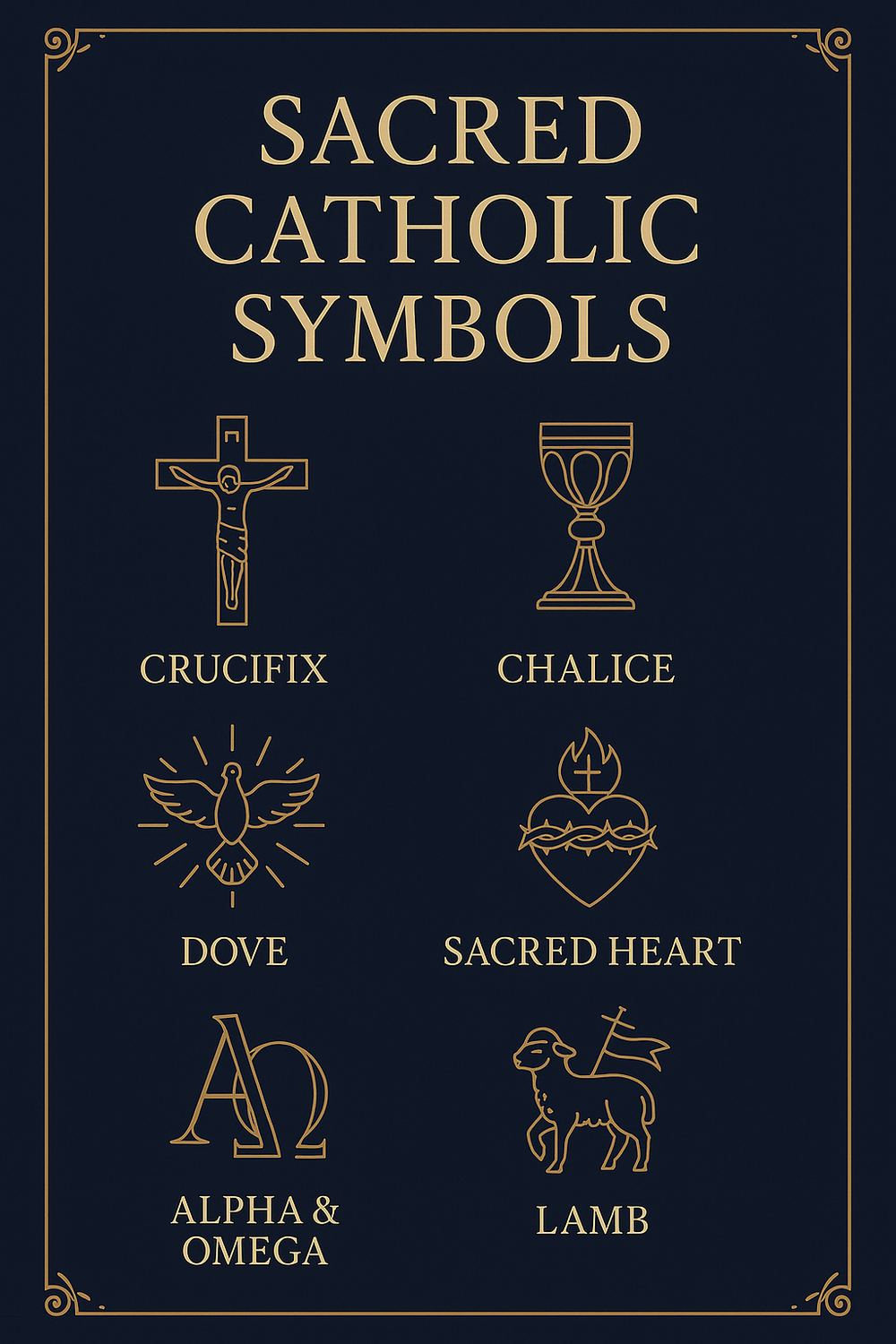
The symbol signifies that God spans from the beginning to the end of time, without origin and without conclusion. It is frequently inscribed on the Paschal Candle each Easter Vigil as a visual profession that Christ presides over all history.
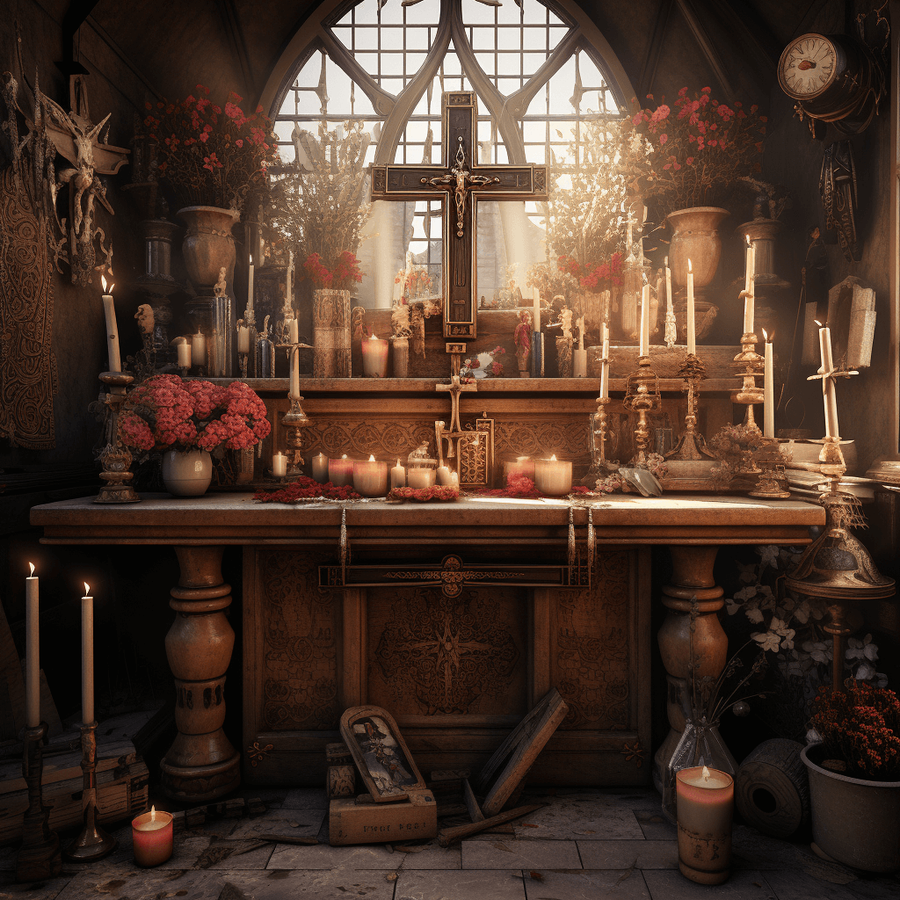
A Divine Intersection: The altar is the focal point of a Catholic church and the table on which the Eucharist is consecrated. Historically modeled on Old Testament altars of sacrifice, it represents the meeting point of Heaven and Earth during the Mass.
Altar candles symbolize the light of Christ referenced in John 8:12, where Jesus calls himself "the light of the world." Their flame is a visual reminder of that presence throughout the liturgy.
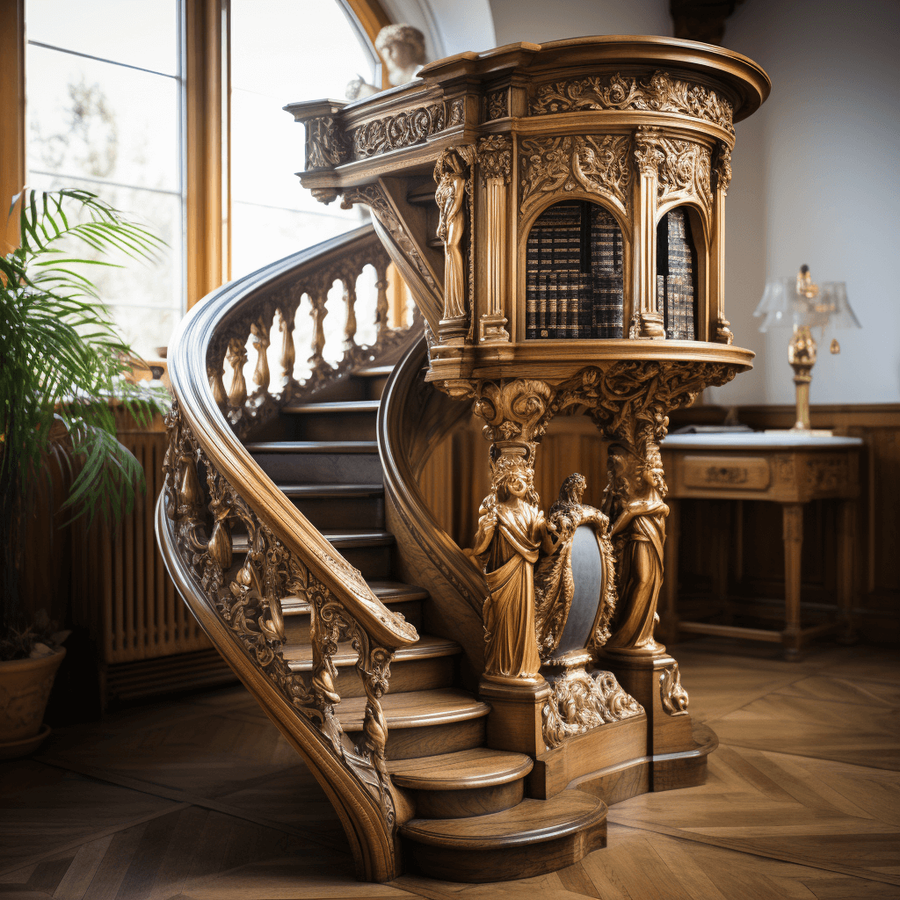
The Stage of God's Word: The ambo is the raised platform from which scripture is proclaimed during Mass, distinct from the altar and typically positioned to one side of the sanctuary.
Its elevated placement underscores the centrality of the Liturgy of the Word — the readings, psalm, and Gospel — as a core structural half of every Catholic Mass, alongside the Liturgy of the Eucharist.

Of Mortality and Repentance: On Ash Wednesday, Catholics receive a cross of ash on their foreheads with the words "Remember that you are dust, and to dust you shall return" (echoing Genesis 3:19), marking the start of Lent.
Ashes have carried this meaning since antiquity — Joel 2:12-13 calls Israel to repentance "with fasting, weeping, and mourning" — and the Church adopted the gesture as a public sign of penance and the promise of renewal through Christ's resurrection.
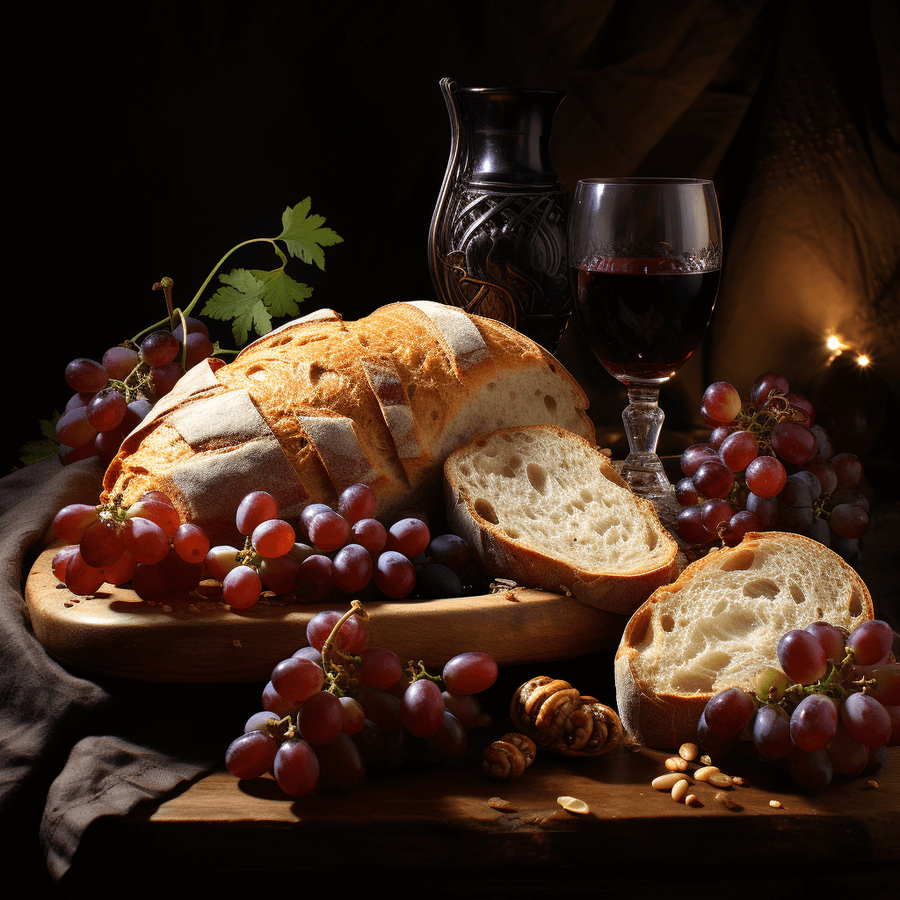
A Meal Unlike Any Other: At the Last Supper, Jesus took bread and wine and said, "This is my body... this is my blood" (Luke 22:19-20). Catholics hold that during the Eucharistic prayer, bread and wine undergo transubstantiation, becoming the body and blood of Christ while retaining their outward appearance.
Saint Paul recounts the same institution in 1 Corinthians 11:23-25, making the Eucharist one of the earliest and most consistently documented rites in Christian history — an unbroken practice stretching back nearly two thousand years.
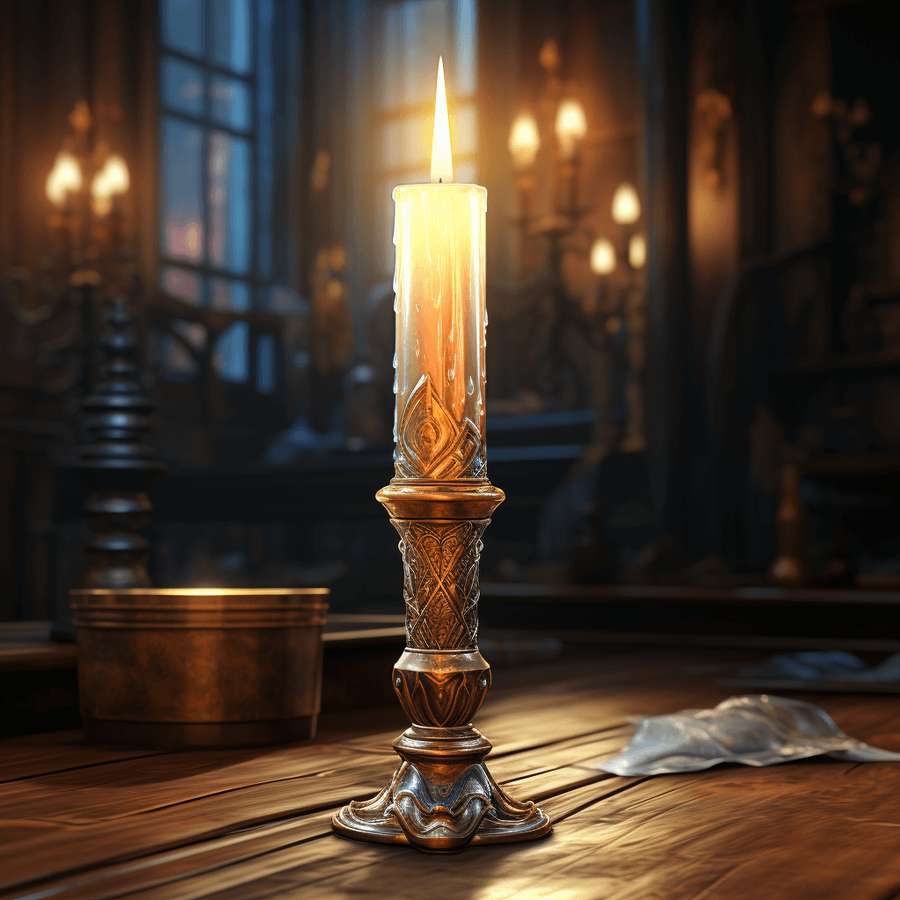
The Light of Resurrection: The Paschal Candle is lit each year at the Easter Vigil and symbolizes the Risen Christ overcoming darkness and death. It is inscribed with a cross, the current year, and the Alpha and Omega.
The candle stays near the altar throughout the Easter season and is later moved beside the baptismal font, linking the resurrection directly to new life given in Baptism.
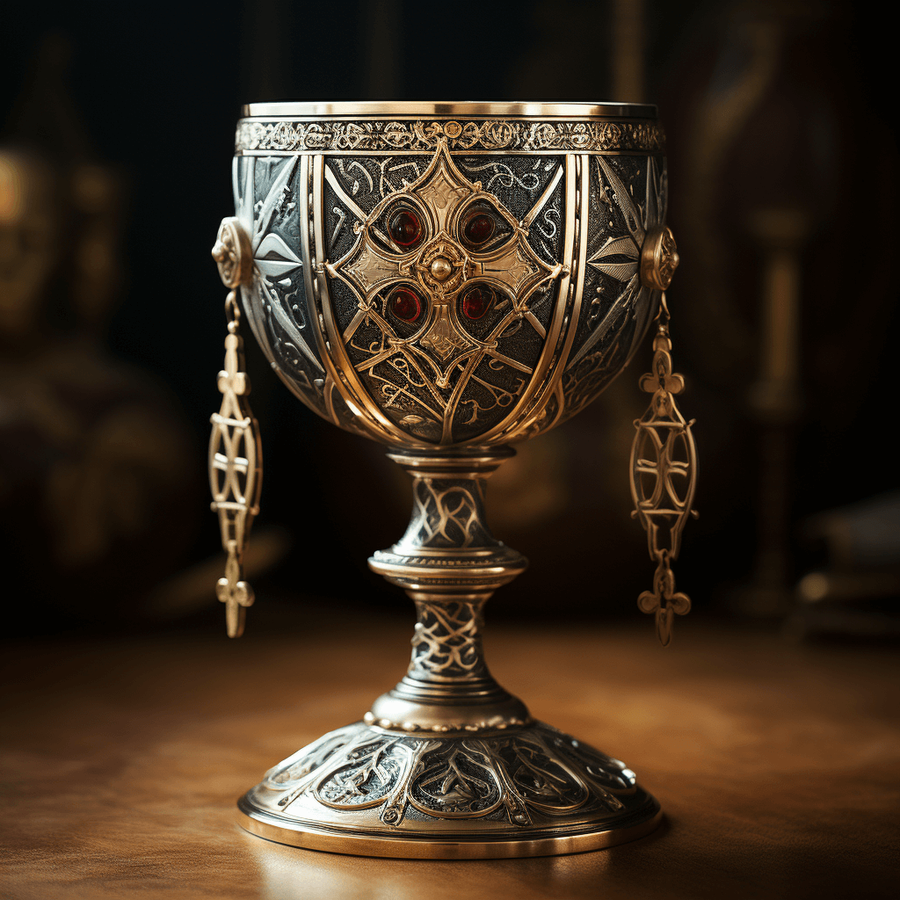
The Vessel of Divine Grace: The chalice holds the wine consecrated during Mass, which Catholics believe becomes the blood of Christ. Historically crafted from precious metals, its ornamentation reflects the sacredness of what it contains.
When the priest elevates the chalice during the consecration, it marks the same gesture Christ used at the Last Supper, connecting every Mass to that first meal.
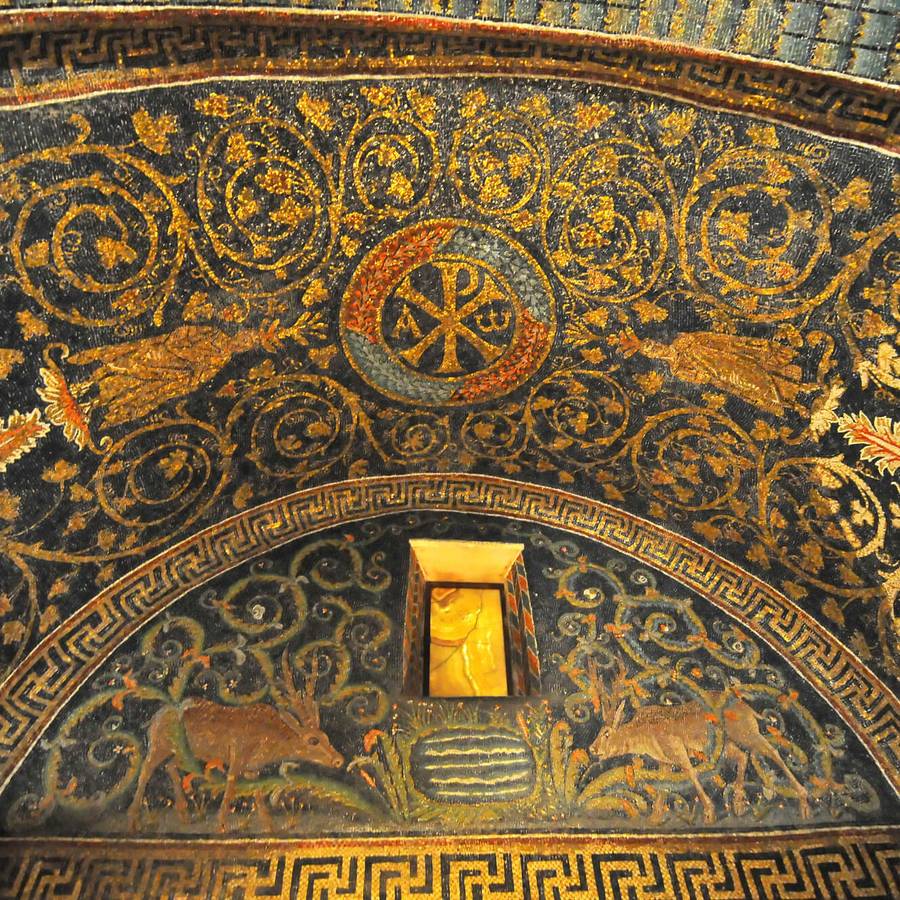
Christ in Symbols: These letters and monograms each represent Jesus Christ in a compressed form.
Once recognized, these abbreviations appear throughout Catholic architecture, art, and liturgical objects, each quietly professing the same core belief in Christ.
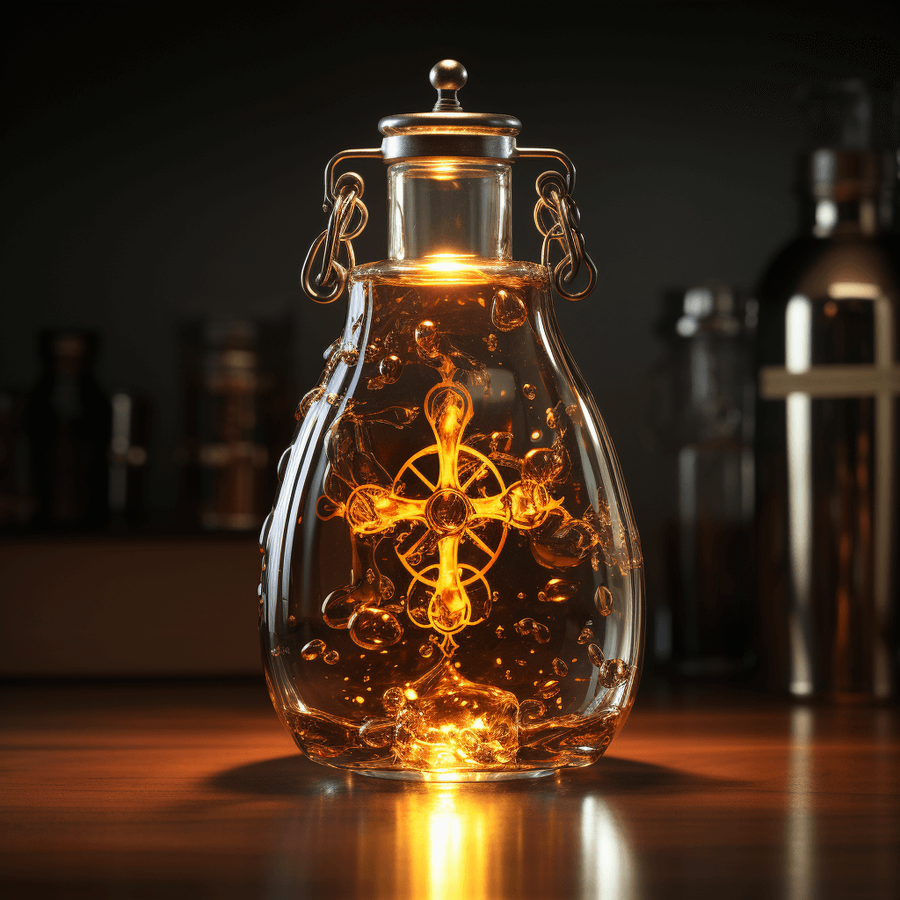
Anointing and Healing: Three sacred oils, blessed annually by the bishop at the Chrism Mass, are essential to several sacraments.
Chrism: A blend of olive oil and balsam, its fragrance symbolizes the "sweet smell" of a life of virtue (2 Corinthians 2:15). It is used in Baptism, Confirmation, and Holy Orders as a seal of consecration.
Oil of Catechumens: Used during Baptism preparation, this oil is understood to strengthen candidates against temptation before they enter the faith.
Oil of the Sick: Used in the Anointing of the Sick, referenced in James 5:14-15, it brings comfort and spiritual strength to those who are ill or dying.
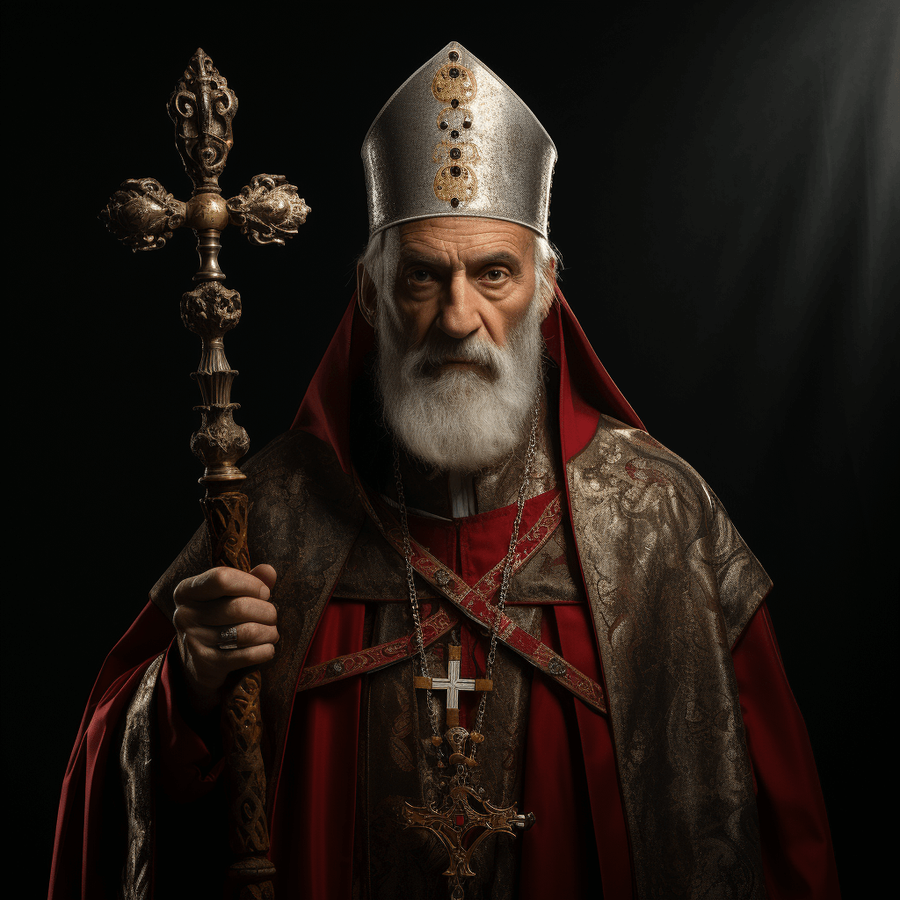
A Shepherd's Care: The crosier, or bishop's staff, is shaped like a shepherd's crook. It visually recalls John 10:11, where Jesus calls himself the Good Shepherd, and signals a bishop's duty to guide and protect his diocese.
Bishops carry the crosier during ordinations, confirmations, and processions as a mark of pastoral authority handed down through apostolic succession.
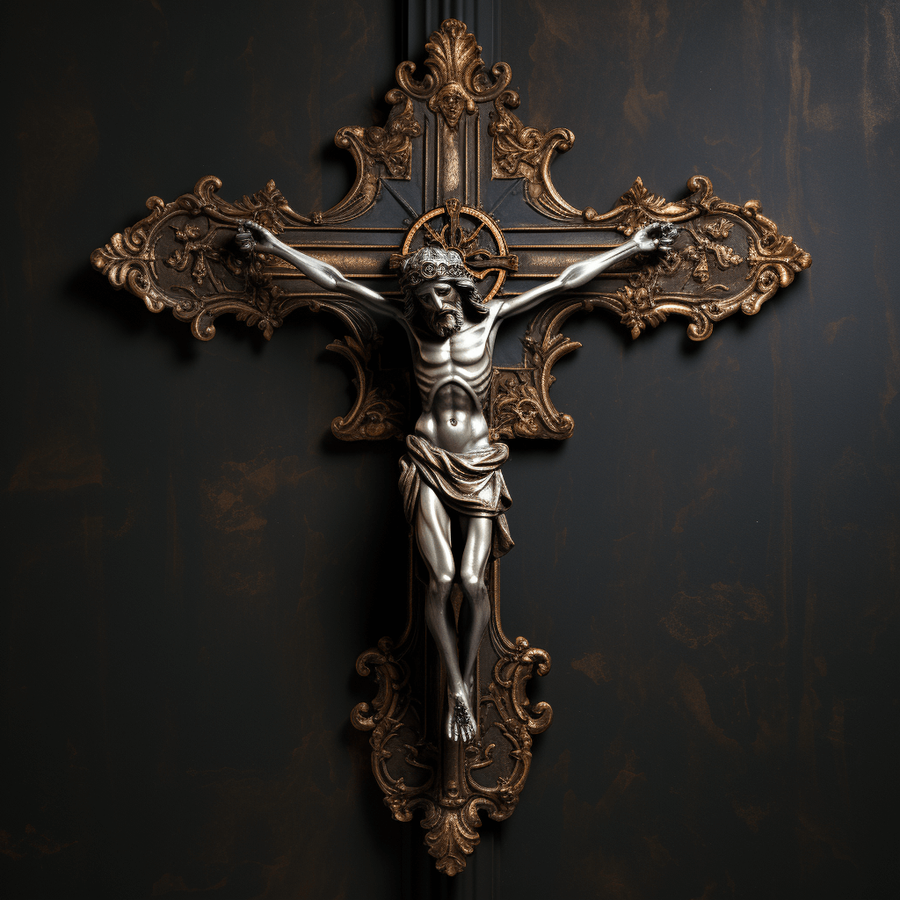
The Crucifix, showing Jesus on the cross, is the most recognized symbol of Catholicism, representing His sacrifice, death, and ultimate resurrection as described in all four Gospels. Unlike a bare cross, the crucifix keeps the image of Christ's body present as a daily reminder of the Passion.
Beyond the crucifix, several cross forms carry distinct histories: the Celtic Cross, which encircles the intersection with a ring symbolizing eternity; the St. Andrew's Cross, an X-shaped cross referencing the apostle's martyrdom; and the Papal Cross, with three horizontal bars denoting the Pope's threefold authority. Our full breakdown of types of crosses covers over a dozen additional variants and their regional origins.
Early Christians often paired the cross with an anchor, drawing on Hebrews 6:19, which calls hope "an anchor for the soul, firm and secure." The combined image let believers profess faith in Christ's cross while signaling hope discreetly during periods of persecution. For more on this pairing, see our guide to anchor symbolism.
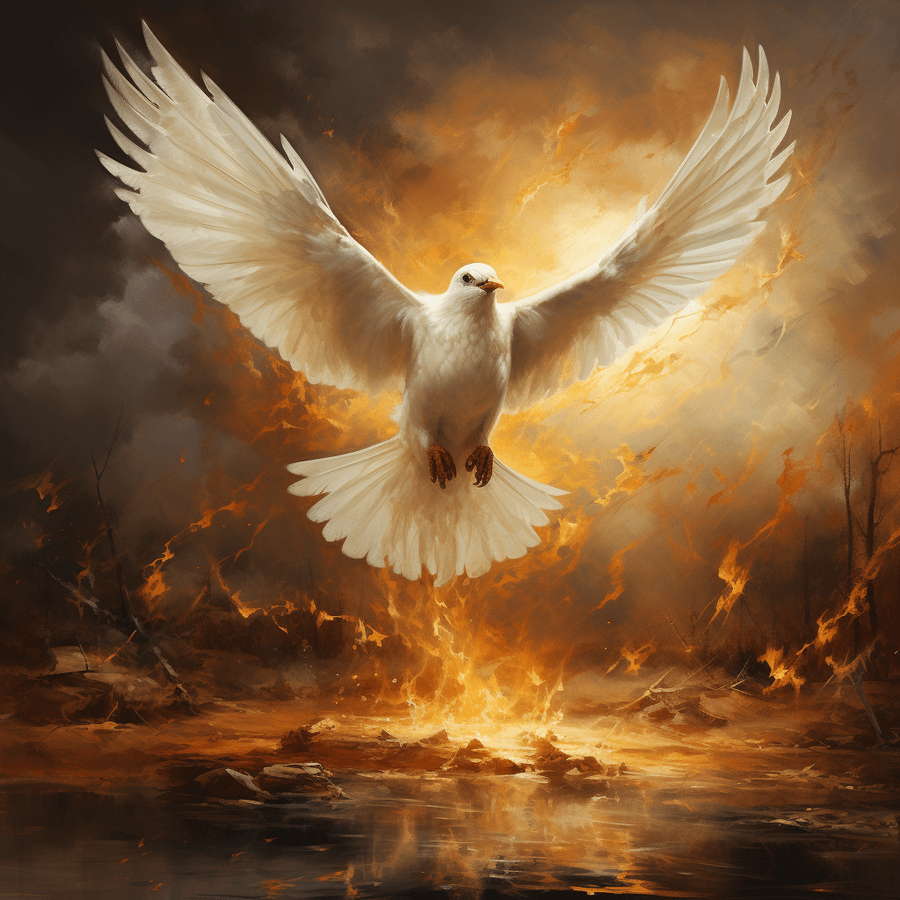
The Dove represents the Holy Spirit, recalling Matthew 3:16, where the Spirit descends on Jesus "like a dove" at his baptism in the Jordan River.
Fire is a second symbol for the Holy Spirit, drawn from Acts 2:3-4, where "tongues as of fire" rested on the apostles at Pentecost, empowering them to preach in many languages.
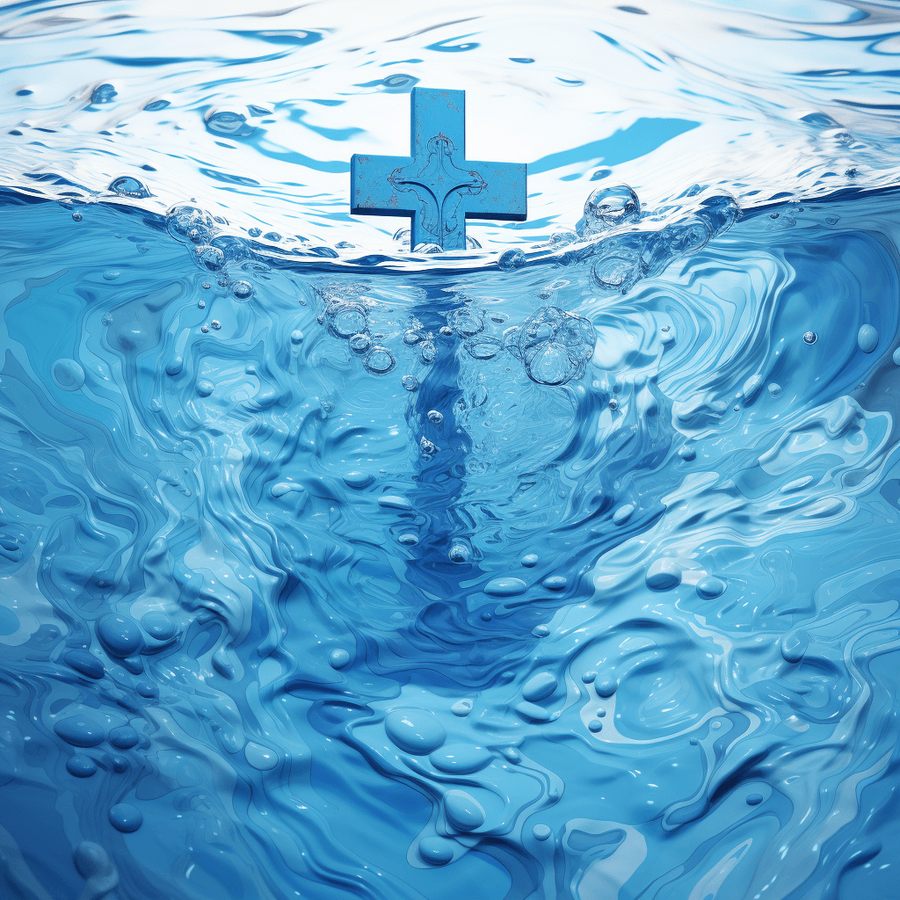
Holy Water is a sacramental blessed by a priest, used in liturgies and personal devotion as a sign of purification linked to Baptism.
The Holy Water Font stands at church entrances so parishioners can bless themselves with the sign of the cross upon entering, a physical reminder of their own baptism each time they attend Mass.
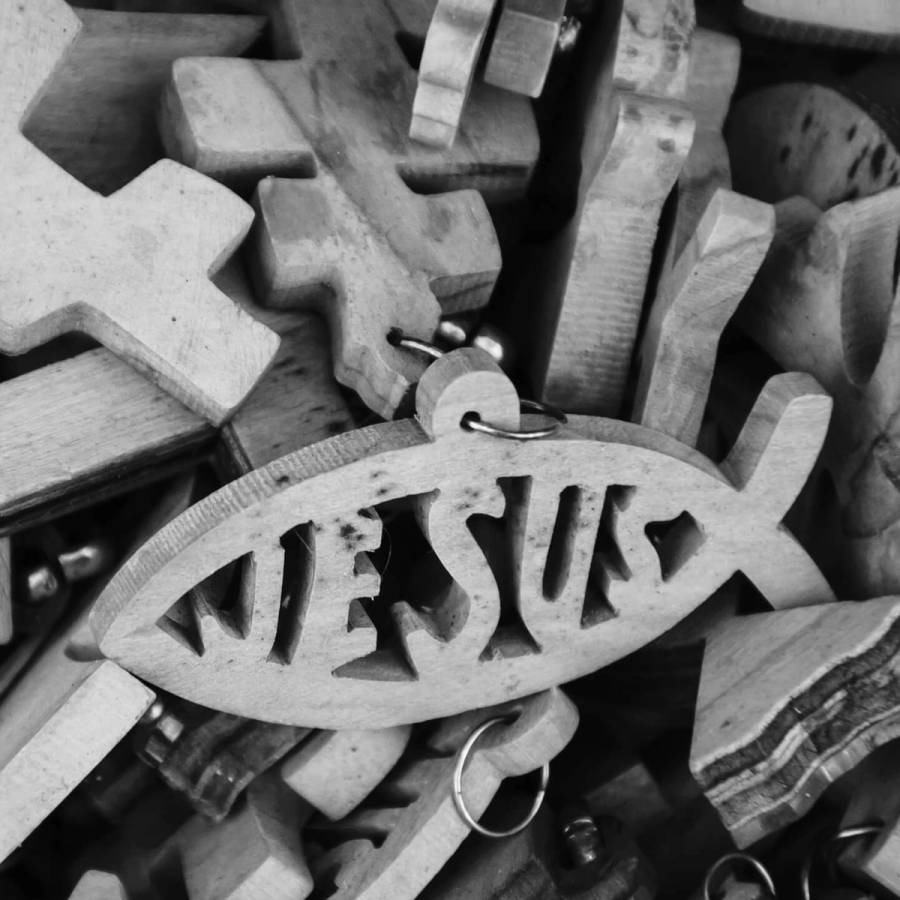
Ichthus is the Greek word for fish, and its letters form an acronym for "Iesous Christos Theou Yios Soter" — "Jesus Christ, God's Son, Savior."
Archaeologists have found the Fish symbol carved into Roman catacombs, where early Christians used it as a covert identifier during periods when practicing the faith openly meant arrest or execution.
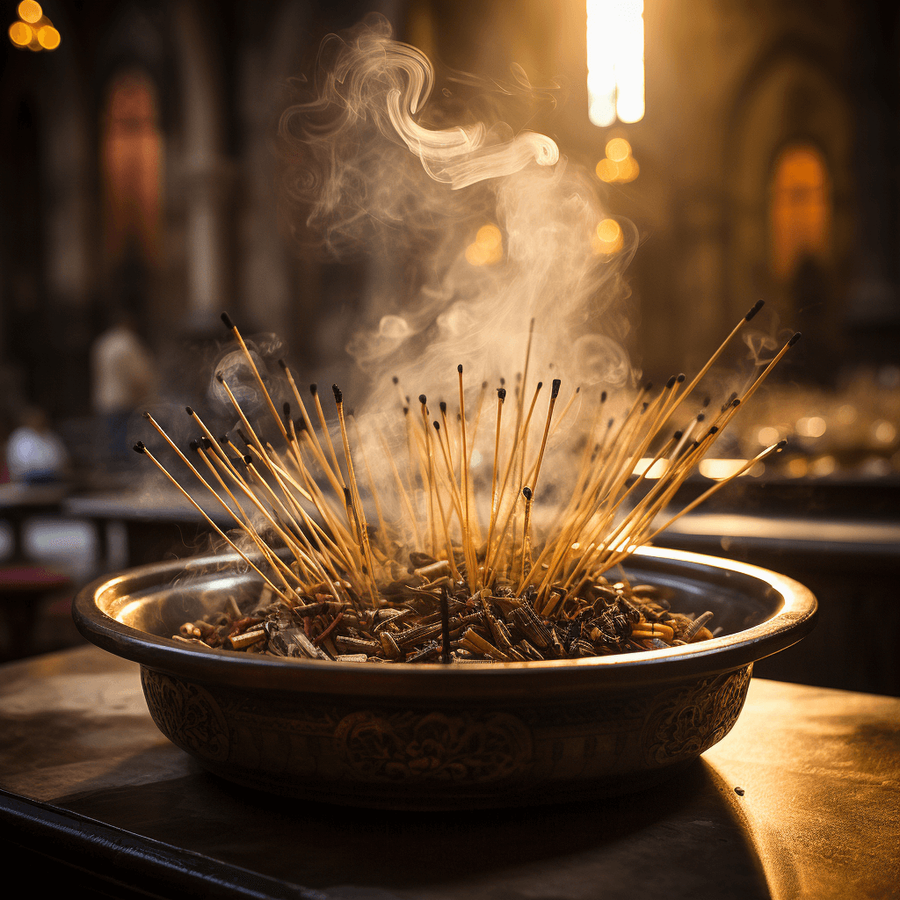
Incense signifies prayer rising to heaven, an image drawn directly from Psalm 141:2: "Let my prayer be counted as incense before you." Its smoke also marks solemn moments during Mass, such as the veneration of the altar and the Gospel procession.
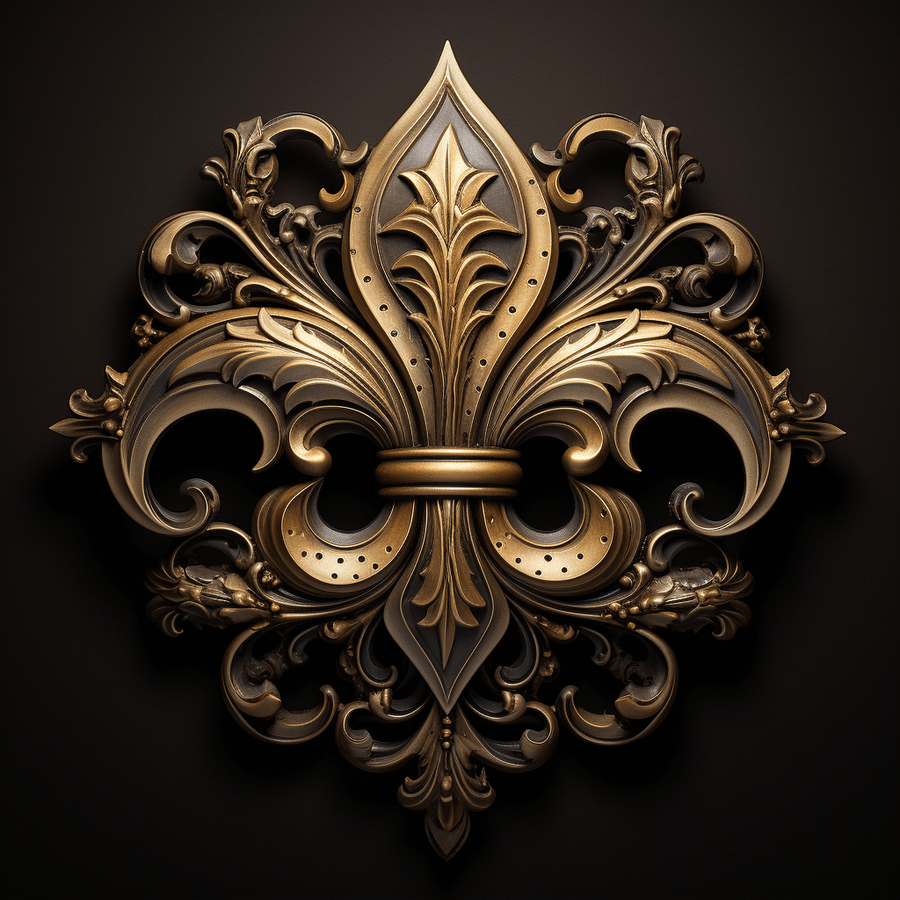
The Lily, particularly the white Madonna lily, represents purity and is closely associated with the Virgin Mary and her Immaculate Conception.
The Fleur de Lis, a stylized lily, carries the same Marian association and has been used in Christian heraldry for centuries to denote purity, French Catholic monarchy, and devotion to Mary.
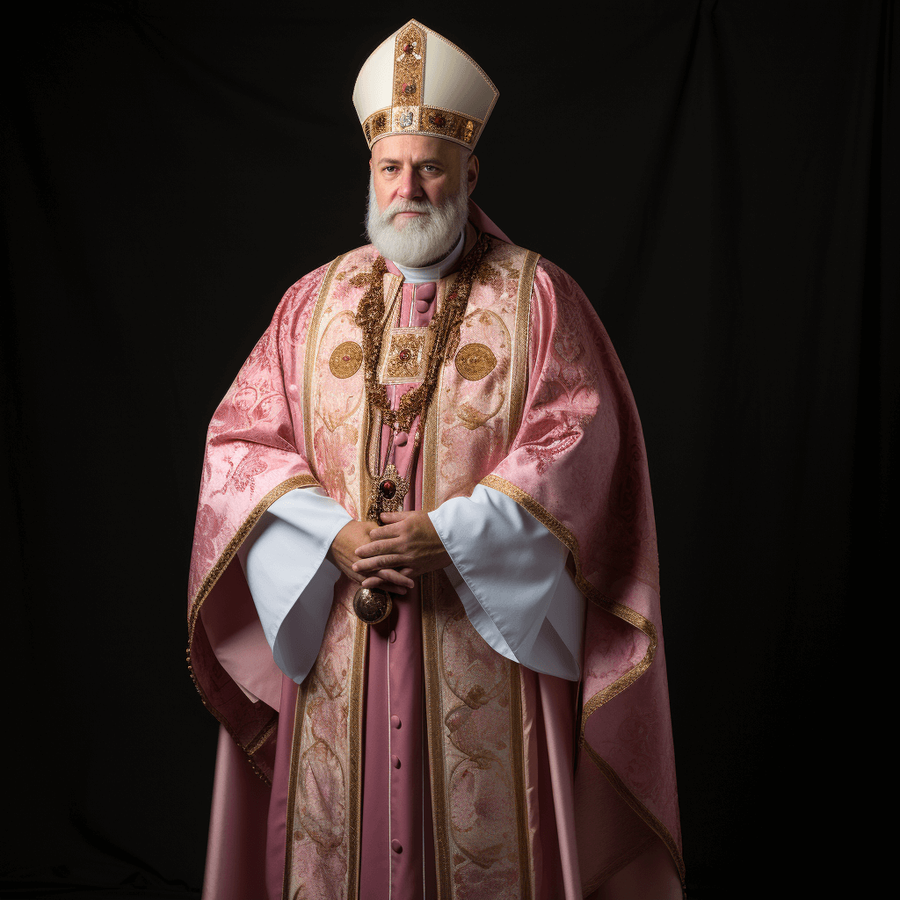
The Miter, the tall, pointed ceremonial hat worn by bishops, symbolizes their teaching authority and apostolic office. Its two peaks are traditionally interpreted as representing the Old and New Testaments.
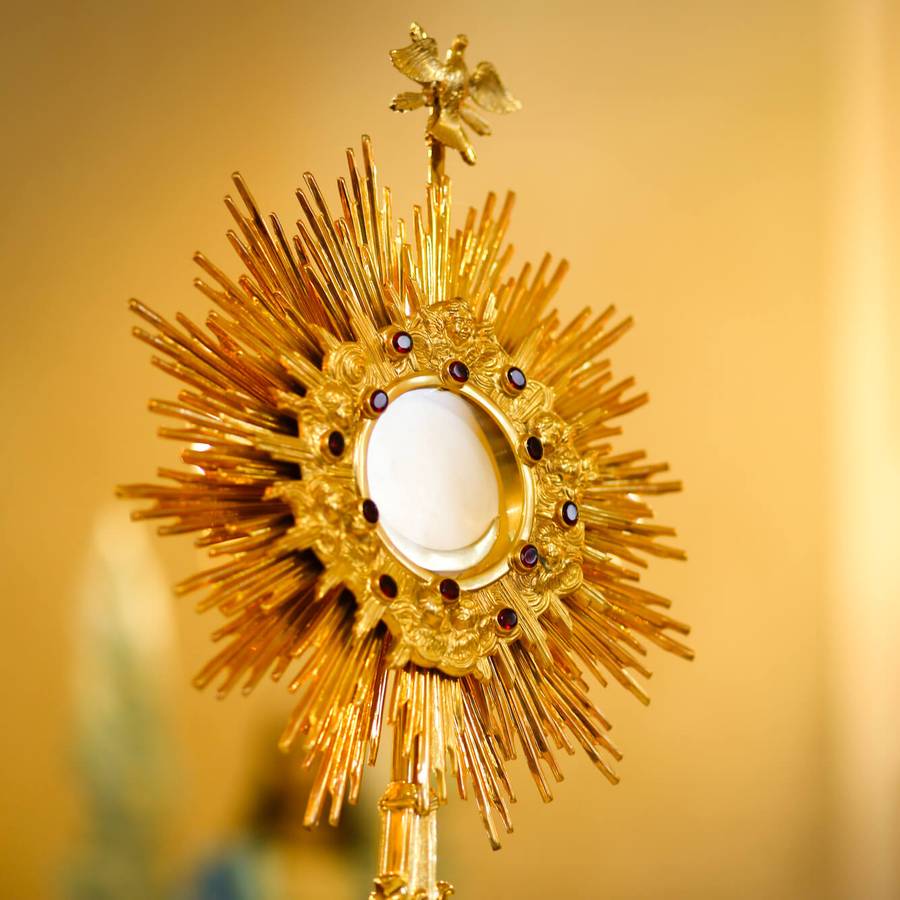
The Monstrance is an ornate vessel, typically gold or gilded, designed to display the consecrated Host during Eucharistic Adoration. Its sunburst design emphasizes the belief that Christ is truly present in the Host at its center.

Palms recall Jesus' triumphant entry into Jerusalem, when crowds laid palm branches on the road before him (John 12:13). On Palm Sunday, Catholics carry blessed palms as a symbol of victory, peace, and welcome to Christ.
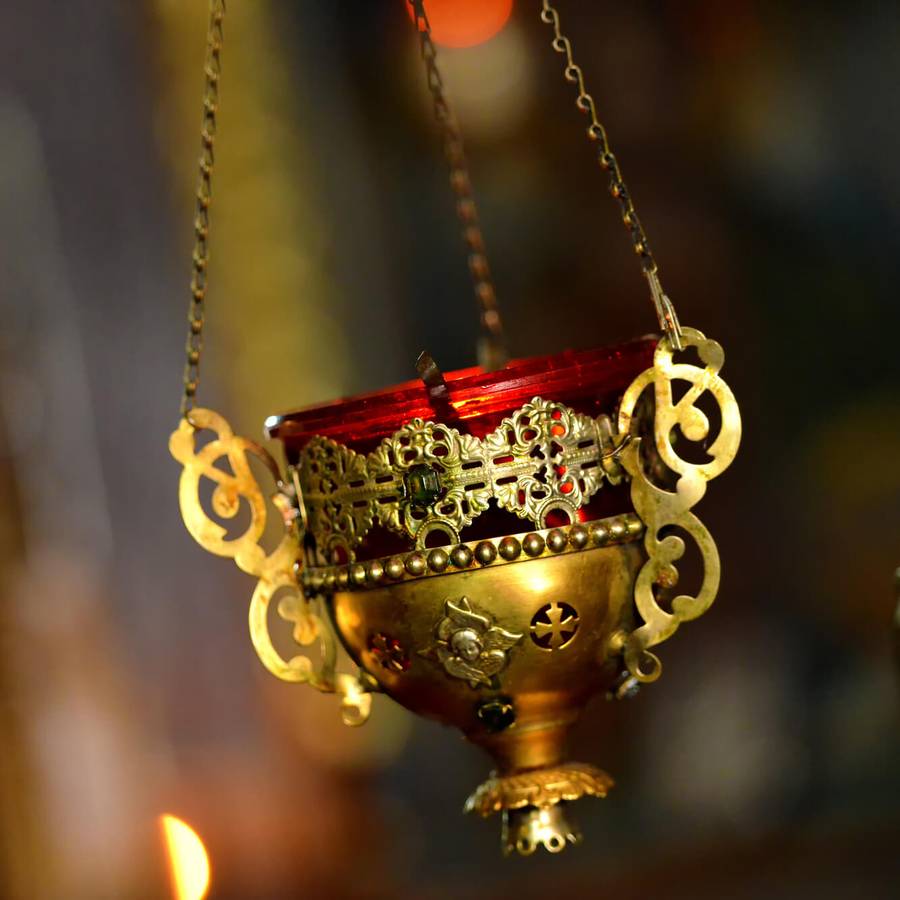
The Sanctuary Light is a candle kept perpetually burning in Catholic churches near the tabernacle. Its steady flame signals that the Blessed Sacrament is present, allowing visitors to recognize Christ's presence even from a distance.
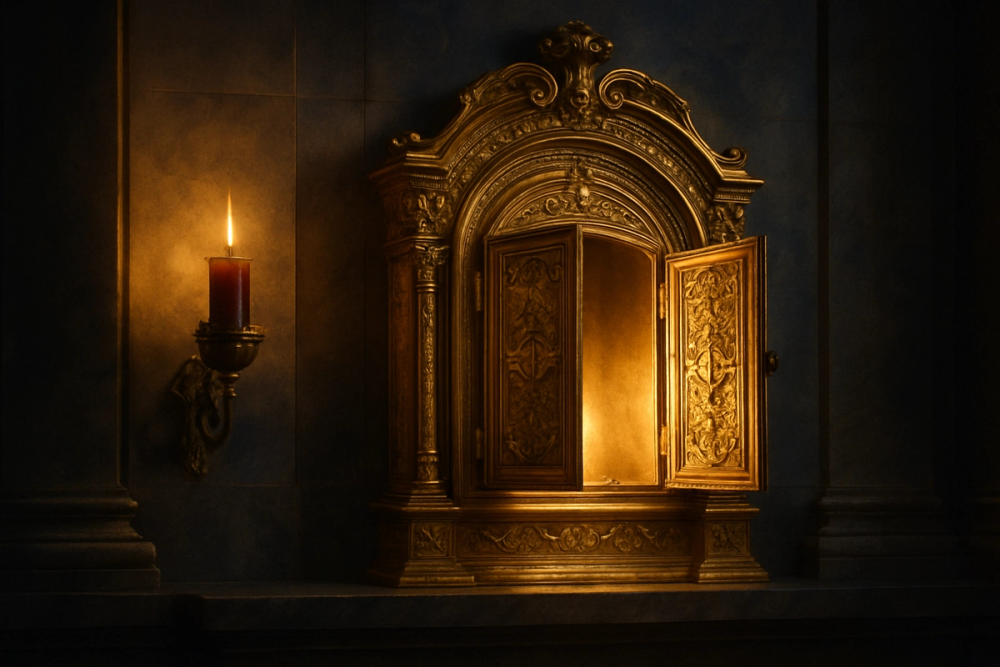
The Tabernacle is the locked, ornate cabinet where the consecrated bread — the Blessed Sacrament — is reserved between Masses. It symbolizes God's dwelling among His people, echoing the Old Testament Ark of the Covenant and the tent of meeting described in Exodus.
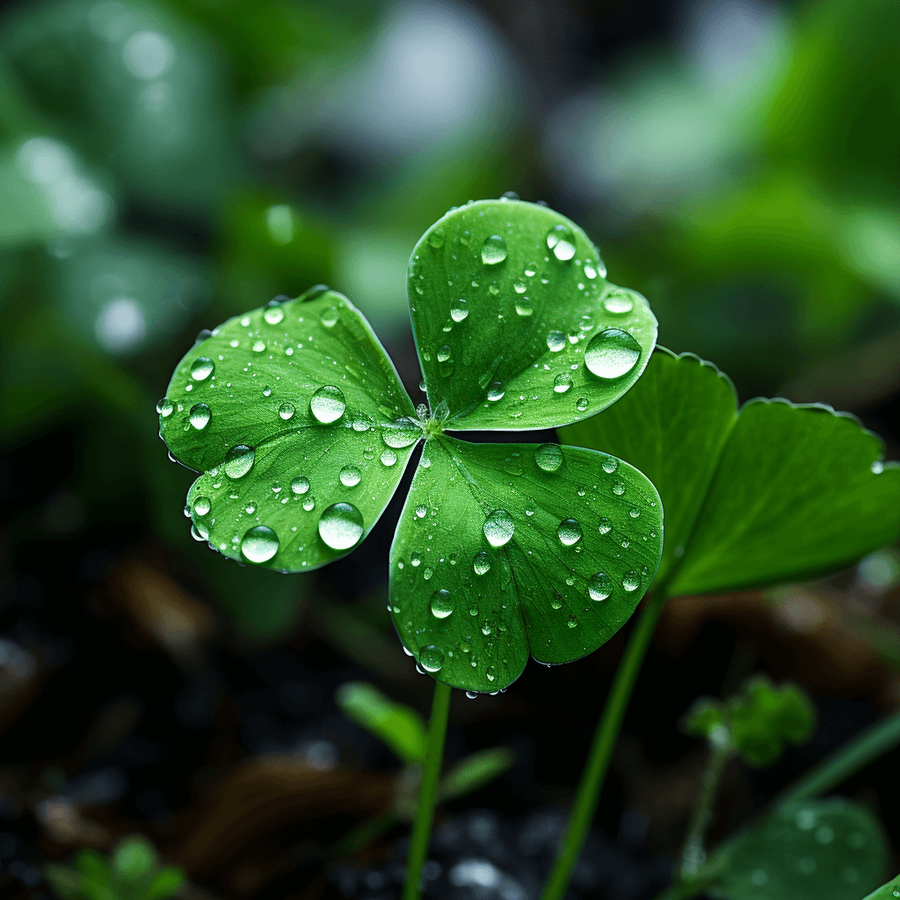
The Trinity — Father, Son, and Holy Spirit as one God — is central to Catholic belief, and several symbols attempt to depict this mystery of three persons in one divine nature.
Interfaith comparison can help clarify what makes the Trinity distinct: unlike the six-pointed Star of David, which represents God's unity and covenant with Israel through interlocking triangles, the Triquetra and Shamrock specifically depict three persons united in one being rather than a single, undivided symbol of divinity.
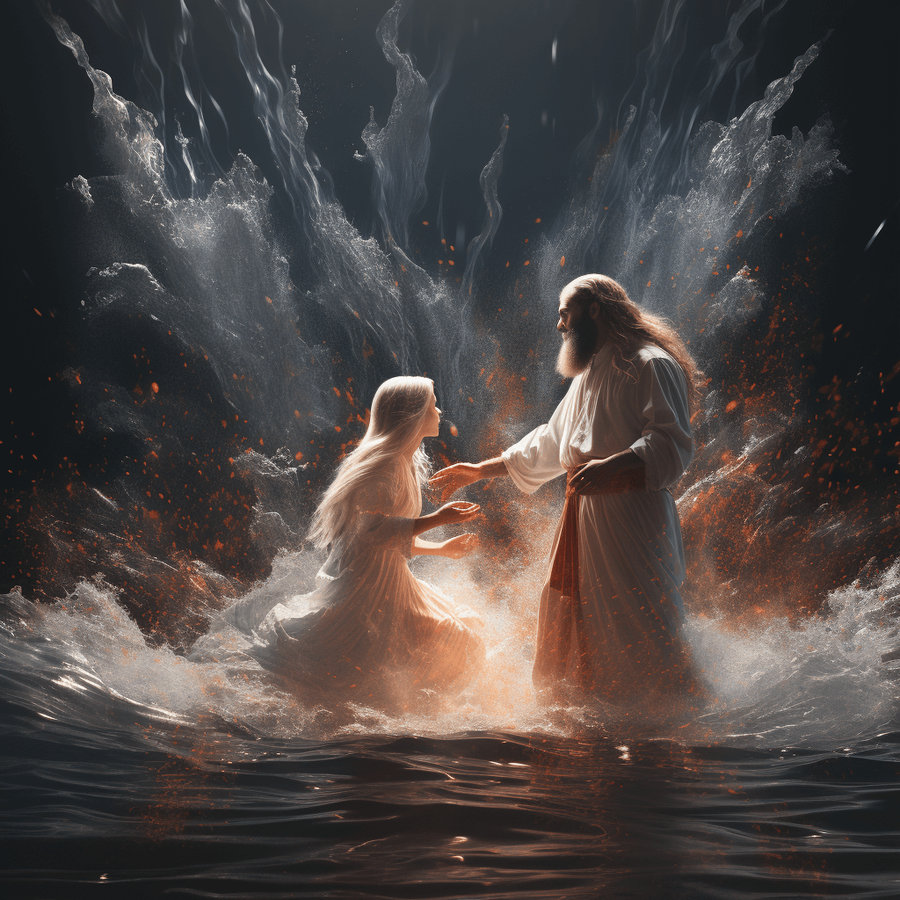
Water symbolizes purification, regeneration, and spiritual rebirth throughout scripture. During Baptism, immersion or pouring signifies dying with Christ and rising to new life, per Romans 6:3-4.
The Shell, often used to pour water during the sacrament, has become a cherished visual shorthand for Baptism itself, appearing frequently on baptismal fonts and fonts' artwork.
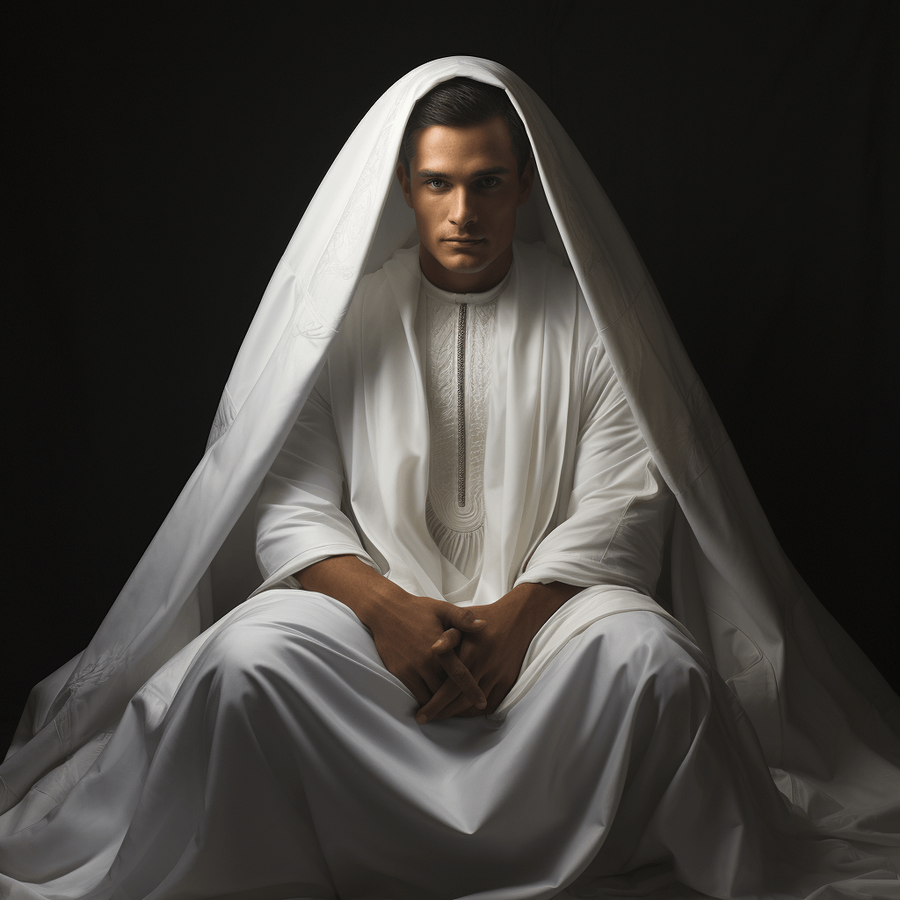
After Baptism, the newly baptized wear a White Garment symbolizing that they have "clothed themselves with Christ" (Galatians 3:27). The white color represents the soul cleansed of original sin and reborn into new life in the Church.
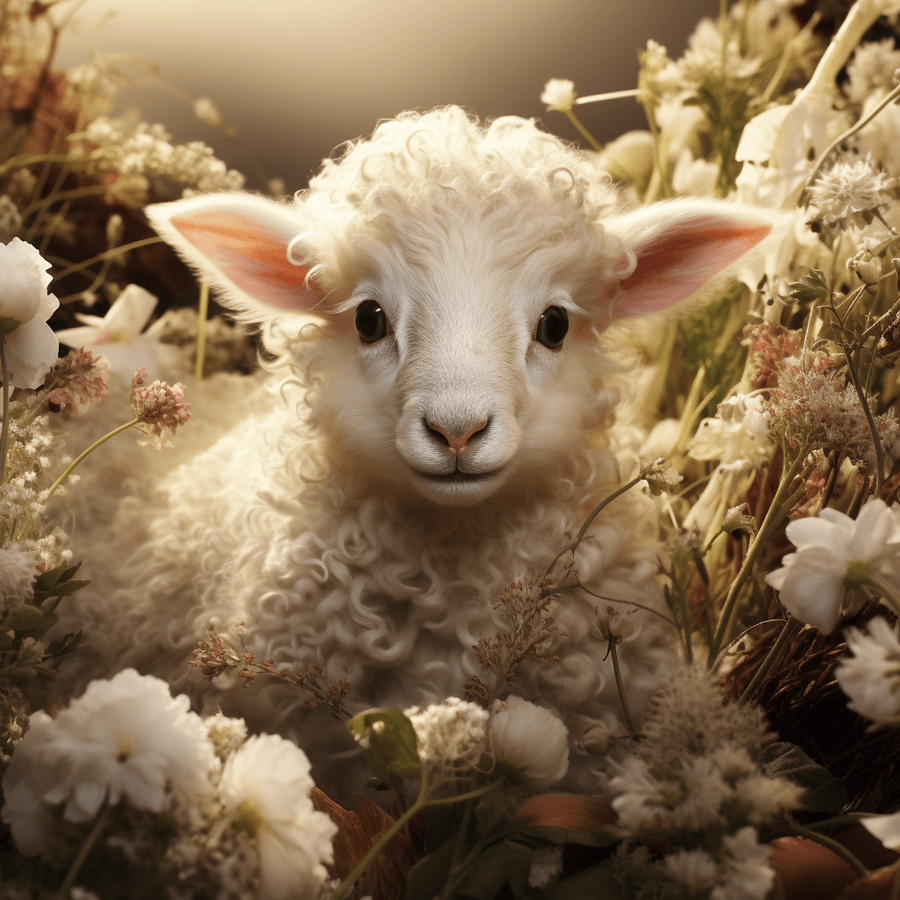
The Lamb represents Jesus as the sacrificial victim, drawn from John 1:29, where John the Baptist calls Jesus "the Lamb of God, who takes away the sin of the world." This title is repeated at every Mass just before Communion.
The Good Shepherd image, based on John 10:11-14, depicts Jesus caring for and protecting his flock, willing to lay down his life for them.
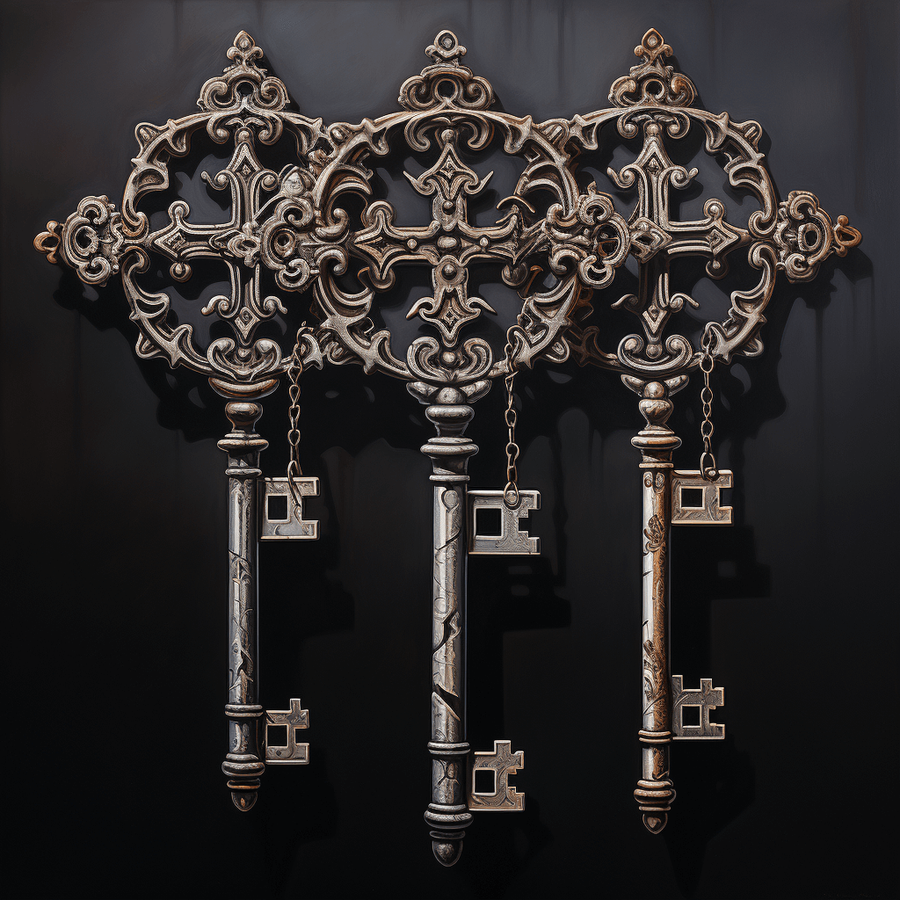
The Crossed Keys reference Matthew 16:19, where Jesus tells Peter, "I will give you the keys of the kingdom of heaven." The gold key represents spiritual authority, and the silver key represents earthly authority, together forming the papal coat of arms.
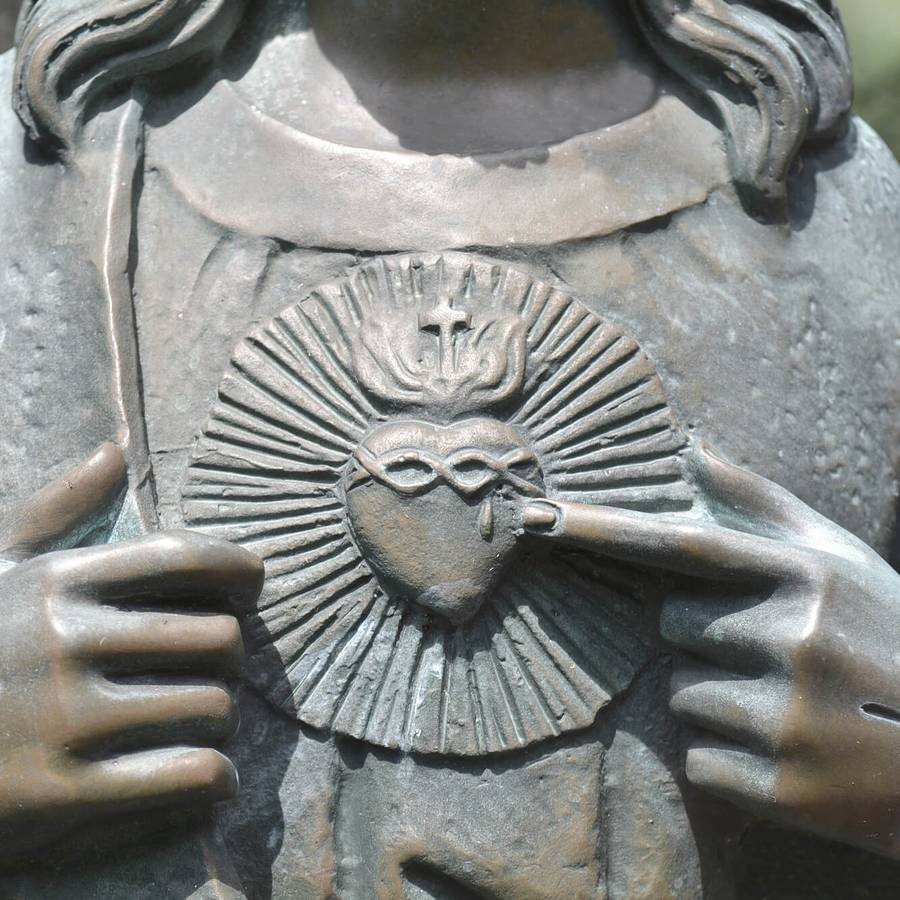
The Sacred Heart depicts Jesus' heart, often encircled by a crown of thorns and topped with a small cross, radiating flames of divine love. Devotion to the Sacred Heart grew significantly after visions reported by St. Margaret Mary Alacoque in the 17th century, and it remains one of the most widely reproduced devotional images in Catholic homes.
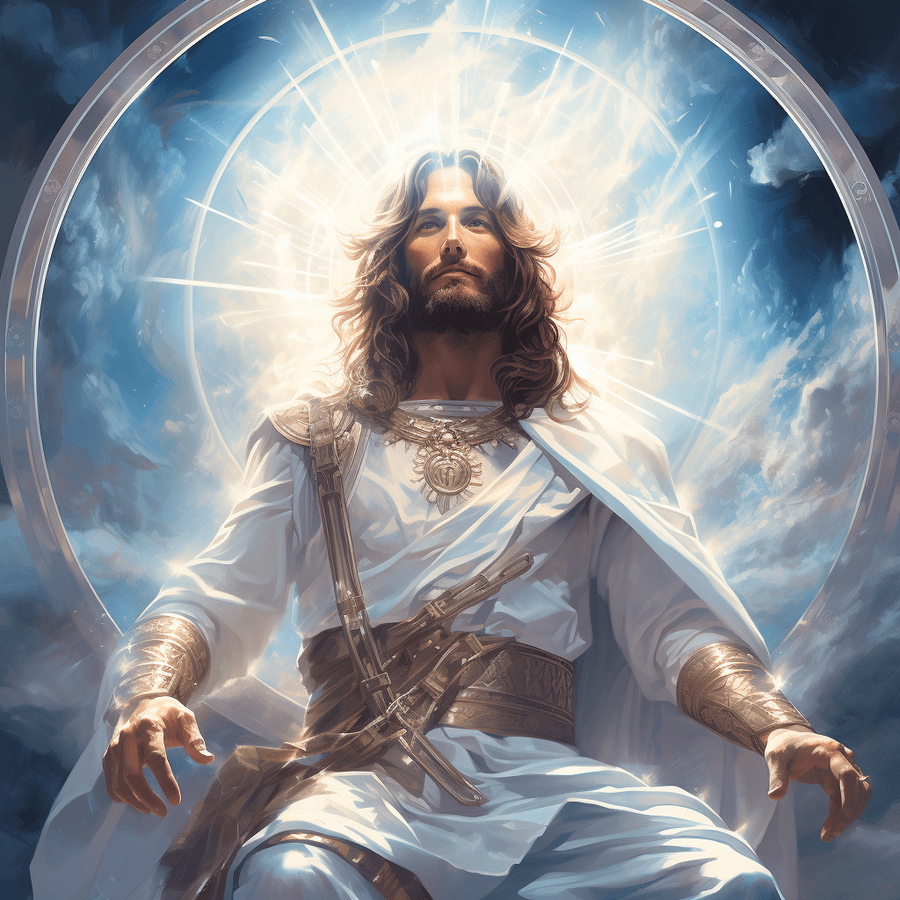
The Halo, a ring of light around the heads of holy figures in Christian art, signifies sanctity and divine grace. The halo convention predates Christianity, with one major strand tracing to Greco-Roman art of sun-gods and emperors, though similar rings of light also appear in earlier Persian, Egyptian, and Buddhist art.
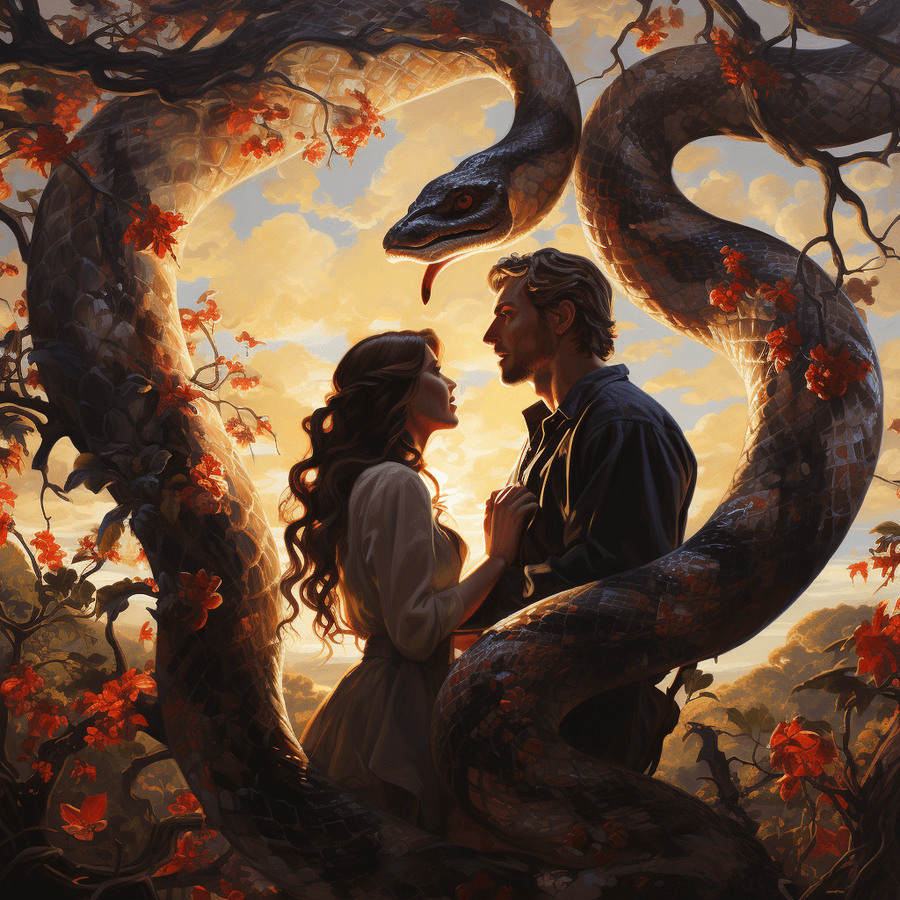
In Catholic imagery, the Snake or Serpent usually symbolizes temptation and evil, tracing back to Genesis 3 and the fall of Adam and Eve. Yet Numbers 21:8-9 offers a contrasting image: Moses raises a bronze serpent on a pole to heal those bitten by venomous snakes, a scene Jesus later references in John 3:14 as a foreshadowing of his own crucifixion.
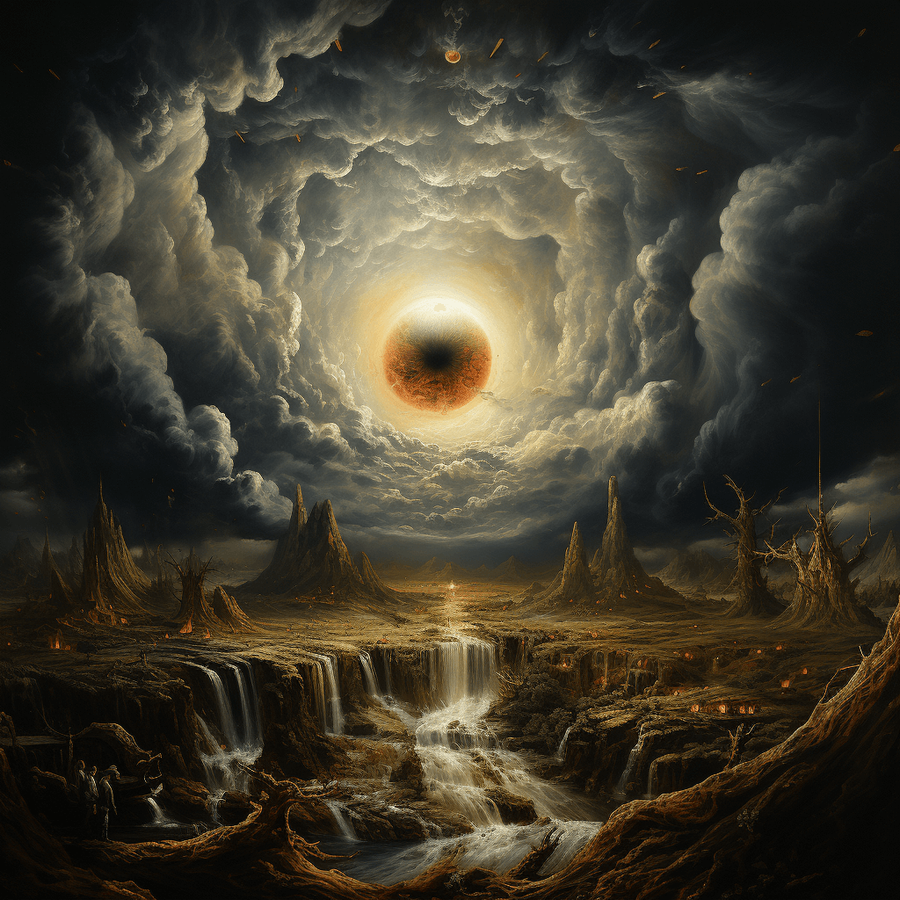
The Eye of God, often set within a triangle representing the Trinity, symbolizes divine omniscience — the belief that God sees every action, thought, and intention. The Eye of God (in a triangle), which first appeared as an explicit Trinity symbol in late Renaissance art, went on to gain popularity in Baroque-era Catholic art of the 17th-18th centuries.
Protective, watchful eye imagery appears across many cultures; for comparison, see how the Hamsa hand functions as a protective symbol in Middle Eastern traditions, distinct in origin but similar in intent to the Eye of God's message of vigilant divine care.
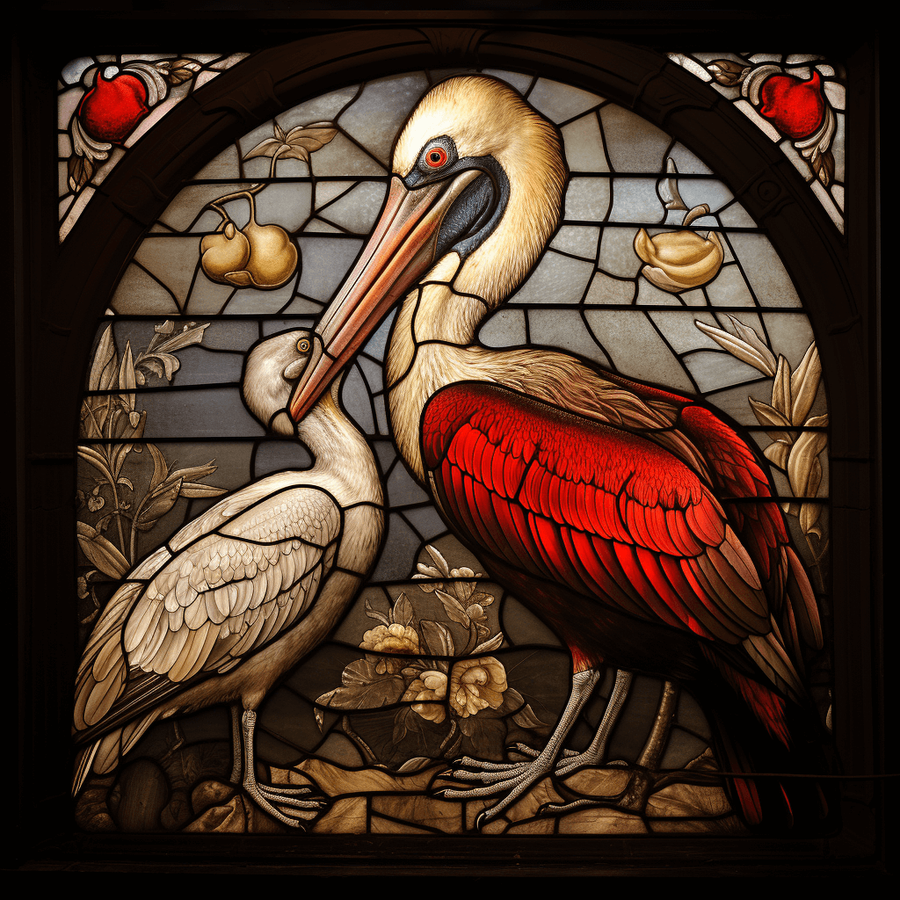
The Pelican appears in medieval bestiaries as a bird that wounds its own chest to feed its young with its blood during famine. Though biologically inaccurate, this legend became a popular medieval metaphor for Christ's self-sacrifice, and the "pelican in her piety" motif still appears on altar cloths and church carvings today.
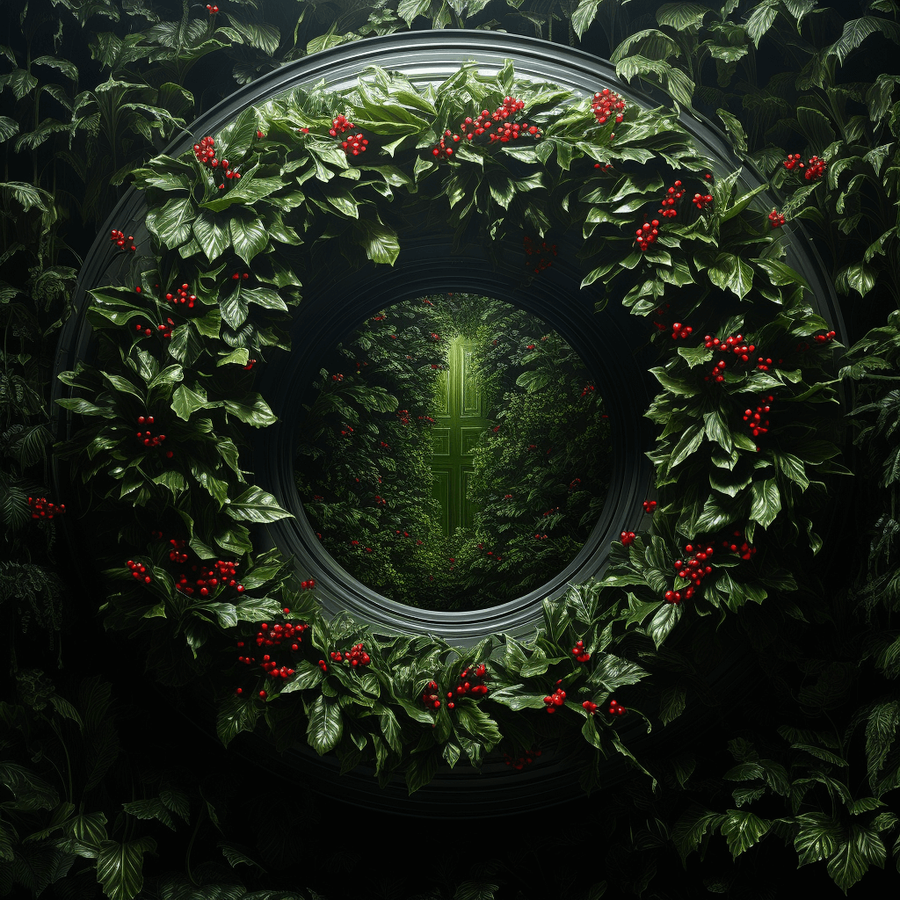
The Circle, having no beginning or end, represents eternity and everlasting life in Christian art. This same idea of a symbol without end appears cross-culturally; the Tree of Life conveys a related concept of unbroken continuity and divine connection, though rooted in different religious traditions.
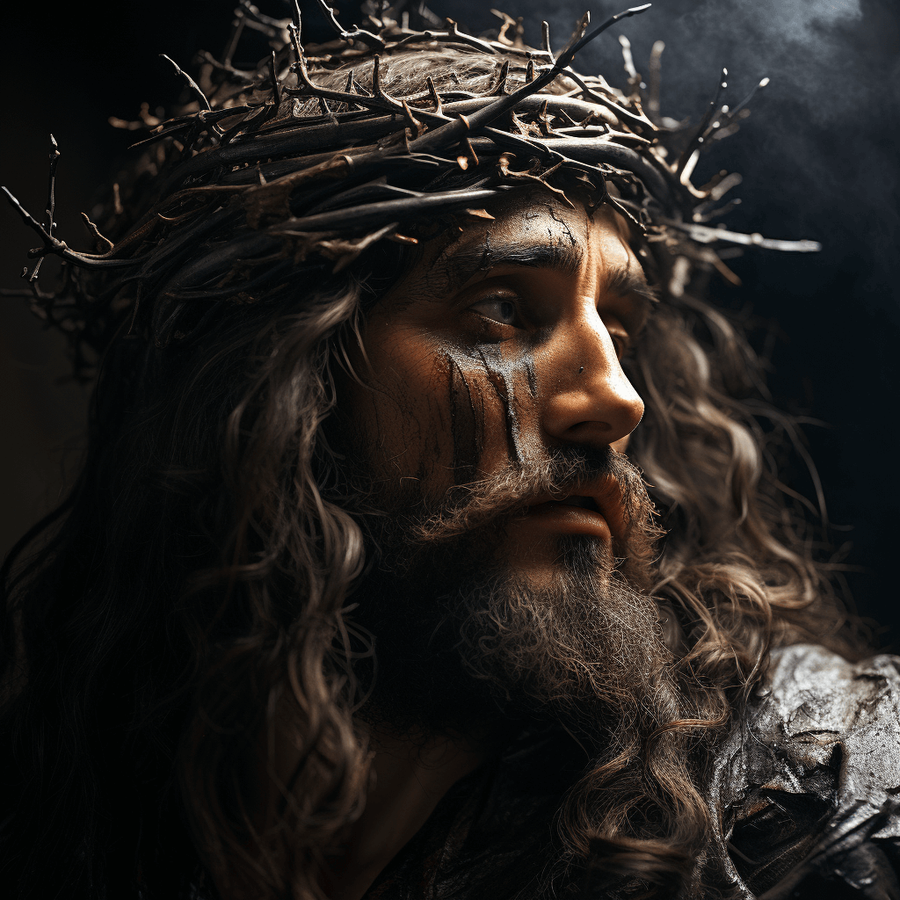
The Crown of Thorns was placed on Jesus' head by Roman soldiers as an act of mockery before his crucifixion, described in Matthew 27:29. It remains a stark visual reminder of his suffering and the price described in Catholic theology as paid for humanity's redemption.
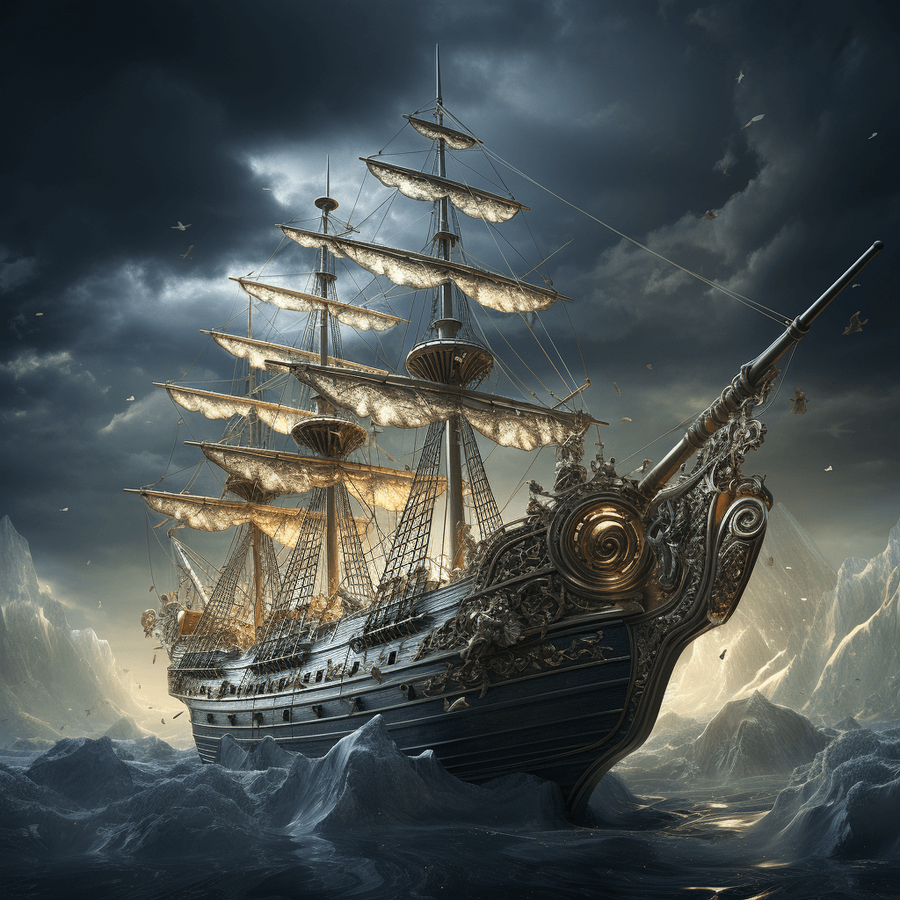
The Ship is a longstanding metaphor for the Church navigating history's storms with Christ as its guide. It reflects Mark 4:35-41, where Jesus calms a storm from a boat, and represents the community of believers united in faith, sailing together toward salvation.
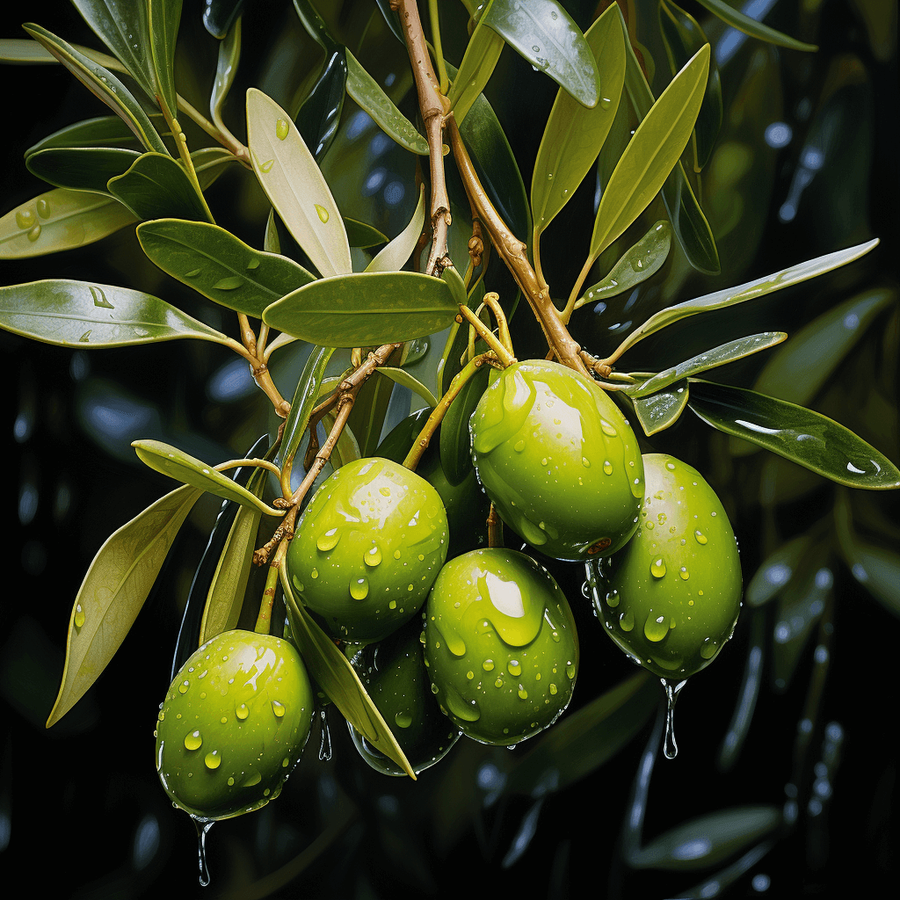
The Olive Branch has represented peace and new beginnings since Genesis 8:11, when a dove returns to Noah's ark carrying an olive leaf, signaling the flood's end. Olive oil, used in several Catholic sacraments, extends this symbolism into the blessing of the Holy Spirit.
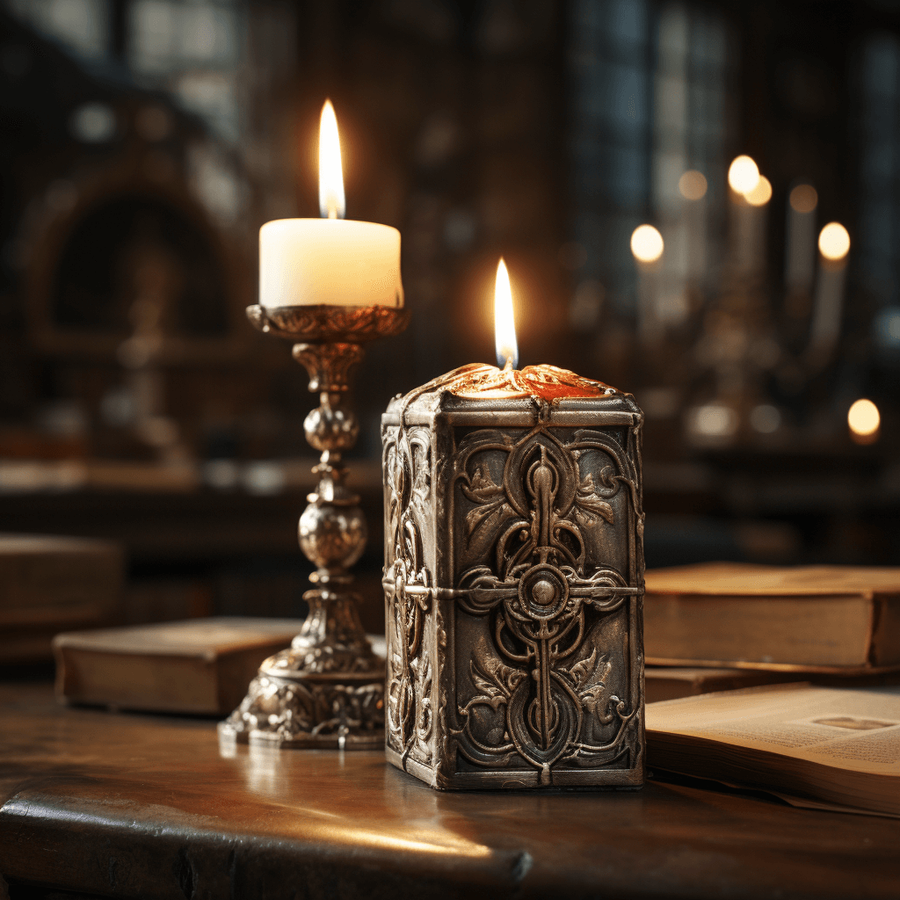
The Candle embodies Christ as "the light of the world" (John 8:12). Its flame guides the darkness and illuminates the path of righteousness, and Catholics are called to carry that same light into their daily lives.
Catholic symbols compress centuries of scripture, tradition, and lived devotion into images that can be recognized in an instant — a candle, a chalice, a crossed pair of keys. Understanding their origins turns familiar church furnishings and devotional art into a deeper, more literate encounter with the faith. Whether studied for personal devotion, art history, or comparative religion, these 36 symbols form the visual vocabulary through which Catholicism has communicated its core beliefs for two thousand years.
The Crucifix is widely considered the most important Catholic symbol because it depicts Christ's sacrifice, death, and resurrection — the central events of Christian salvation. It is present in nearly every Catholic church, home altar, and rosary, making it the most recognizable emblem of the faith.
The crucifix symbolizes Jesus Christ's suffering, death by crucifixion, and ultimate victory over death through the resurrection. Unlike a bare cross, it keeps the corpus (Christ's body) visible, serving as a constant visual reminder of the Passion described in the Gospels.
Within Catholic and broader Christian culture, the Sacred Heart is the primary symbol of devoted, sacrificial love. In Irish Catholic tradition specifically, the Claddagh ring — with its hands, heart, and crown — has also become a popular emblem of loyalty, friendship, and love, often blessed and worn alongside other Catholic devotional items.
The Triquetra, a three-lobed Celtic knot, is one of the most common symbols for the Holy Trinity, representing the Father, Son, and Holy Spirit as three distinct persons united in one eternal, unbroken form. The three-leafed shamrock and the equilateral triangle serve as simpler, widely used alternatives with the same theological meaning.
Discover what prayer beads mean in Christianity, Islam, Hinduism, and Buddhism, plus their symbolism, dream meanings, and how to u…
Learn the most common guardian angel signs—from white feathers to repeating numbers—and what they really mean for your spiritual p…
Archangel Gabriel's true meaning, his role as heaven's messenger, and the signs — feathers, dreams, numbers — that reveal his pres…