 Know
Know
Religion
Prayer Beads Meaning Across Religions: A Complete Guide
Discover what prayer beads mean in Christianity, Islam, Hinduism, and Buddhism, plus their symbolism, dream meanings, and how to u…
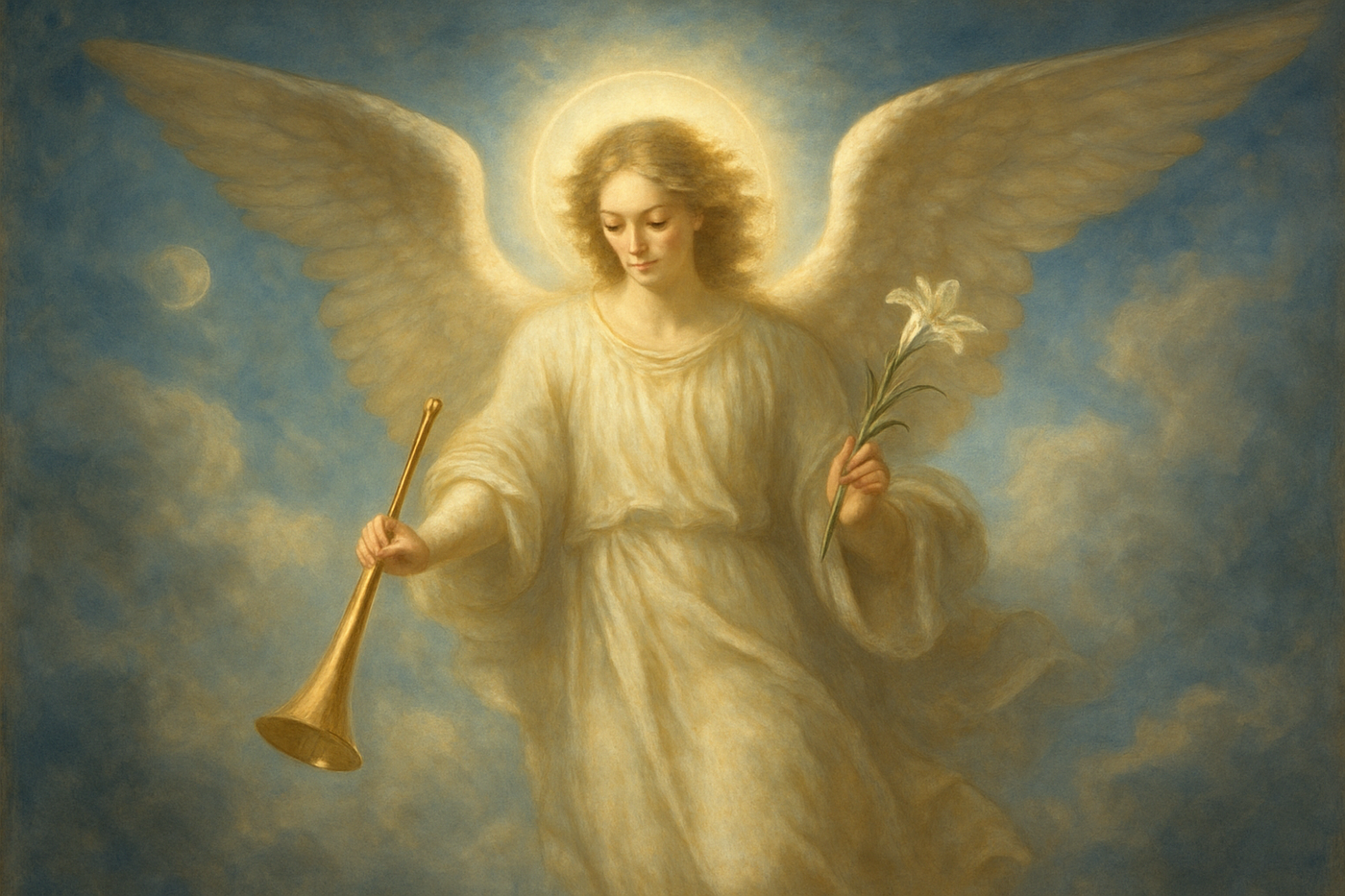
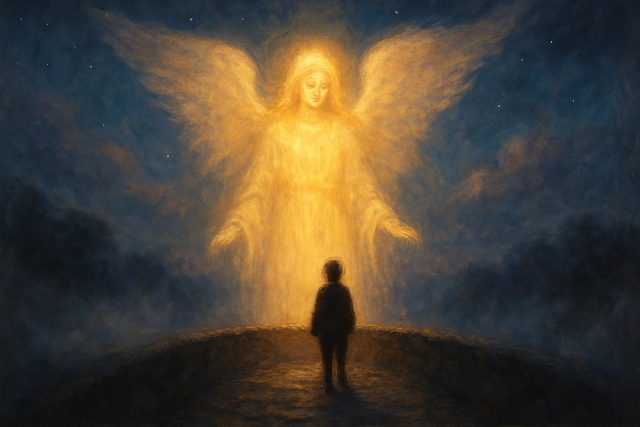
Archangel Gabriel is the divine messenger angel, revered across Judaism, Christianity, and Islam as the one who delivers God's most consequential announcements. His name, from the Hebrew Gavri'el, means "God is my strength." Gabriel is best known for telling the Virgin Mary she would bear Jesus and for revealing the Quran to the Prophet Muhammad verse by verse over 23 years. He governs communication, revelation, creativity, and new beginnings — and his presence is usually felt rather than seen, showing up as sudden clarity, a message that arrives from nowhere, or repeated encounters with white feathers, trumpets, lilies, or the number 4.
There's a particular stillness that falls over a room right before something important is about to be said. Maybe you've felt it before a phone call that changed everything, or in the quiet seconds before you finally spoke a truth you'd been holding in for years.
Tradition holds that stillness belongs to Gabriel. He is the angel who steps into silence and says, "Do not be afraid." He arrives unarmed, carrying words instead of a sword — and those words rearrange the future.
If you've been sensing that a message is coming, or feeling nudged to speak, write, create, or finally listen, this guide explains why — and what to do next.
Gabriel is one of only a few archangels named directly in canonical scripture, appearing in the Book of Daniel, the Gospel of Luke, and the Quran. Unlike Archangel Michael, who is depicted as a warrior and protector, Gabriel is almost always shown unarmed — carrying a lily, a scroll, or a trumpet instead of a blade. His domain is not battle but communication: he is the bridge between the divine and the human, entrusted with messages too significant for ordinary means.
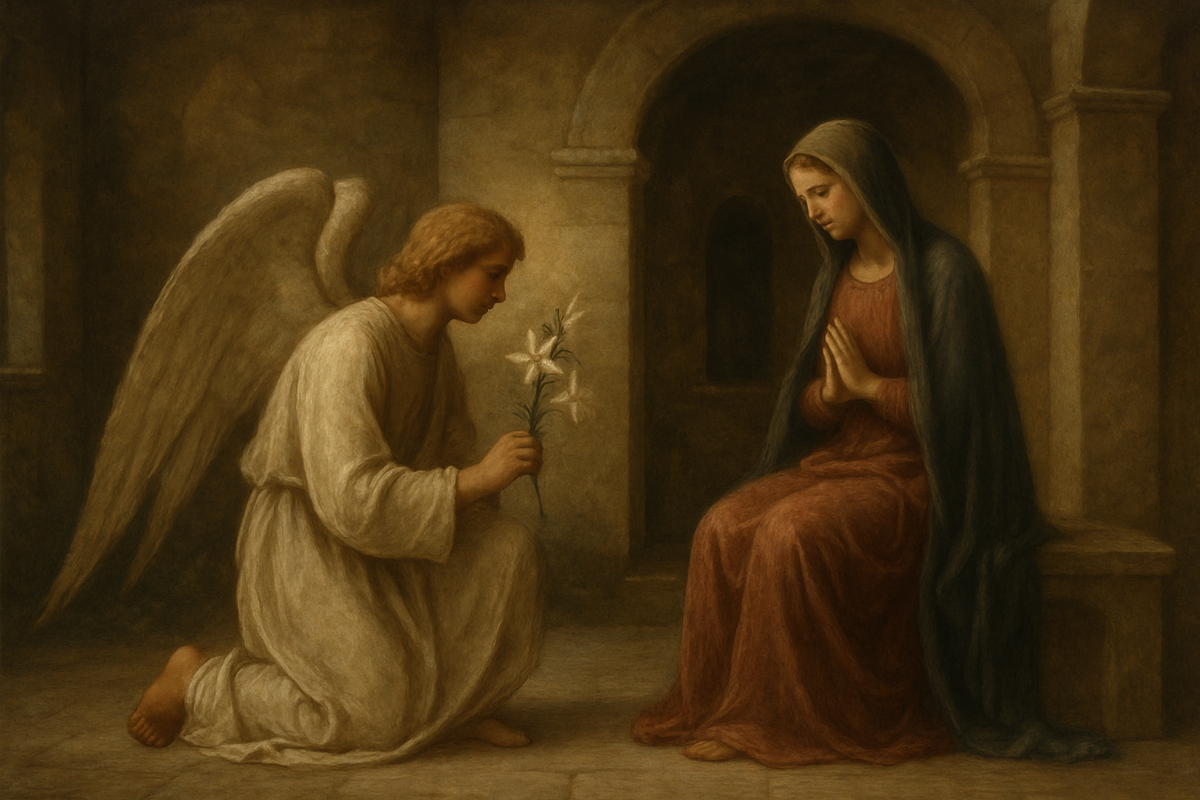
In art, Gabriel is most often shown kneeling before Mary at the Annunciation, wings still mid-motion as though he has just arrived. This single image has shaped Western religious art for over a thousand years, appearing in Byzantine mosaics, Fra Angelico's frescoes at the Convent of San Marco in Florence, and Leonardo da Vinci's early Annunciation panel. In Catholic and Anglican tradition, his feast day falls on September 29, shared with Michael and Raphael; the Eastern Orthodox Church separately commemorates the Synaxis of Archangel Gabriel each March 26.
In Jewish tradition, Gabriel appears in the Book of Daniel as the angel who interprets Daniel's visions, explaining prophetic dreams that foretold the rise and fall of future kingdoms. He is one of only two angels named in the Hebrew Bible, the other being Michael, and later rabbinic literature — including the Talmud and Midrash — expands his role to include acts of destruction against the wicked, comfort for the righteous, and a legendary hand in the burial of Moses on Mount Nebo.
Christian tradition centers Gabriel almost entirely around the Annunciation — his appearance to Mary in the Gospel of Luke to announce that she would conceive Jesus. He also appears earlier in Luke to tell the priest Zechariah that his wife Elizabeth would bear a son, John the Baptist, despite her old age. In both cases, Gabriel's message is met with disbelief, and in both cases, the impossible becomes real. This has cemented his symbolic association with the imagery discussed in our guide to Christian cross symbolism, where the Annunciation lily cross specifically honors his visit to Mary.
In Islam, Gabriel (Jibril) holds arguably his most central role of all three traditions. He is the angel who revealed the Quran to the Prophet Muhammad over 23 years, verse by verse, beginning in the cave of Hira near Mecca. Jibril is described in the Quran as possessing six hundred wings and is considered the greatest of all angels, ranking above even the archangels of Christian and Jewish tradition in spiritual authority. He is also credited with guiding Muhammad during the Isra and Mi'raj, the night journey to Jerusalem and ascension through the seven heavens.
Across traditions, several consistent themes define Gabriel's symbolic meaning:
People who feel a spiritual connection to Gabriel often describe a cluster of recurring experiences rather than a single dramatic event. The signs tend to be quiet but unmistakable once you notice the pattern.
Many describe these moments arriving right before a major life shift — a pregnancy, a career change, a relocation, or a creative breakthrough that had been stalled for months.
Because they are the two most frequently named archangels, Gabriel and Michael are often confused or blended together. Here's how their roles differ:
| Aspect | Archangel Gabriel | Archangel Michael |
|---|---|---|
| Primary role | Messenger, herald of revelation | Protector, warrior against evil |
| Symbol | Lily, trumpet, scroll | Flaming sword, shield |
| Key moment | Annunciation to Mary; Quran revelation | Defeat of Lucifer; protection of Israel |
| Element traditionally linked | Water, the moon | Fire |
| Signs of presence | White feathers, repeated messages, number 4 | Sudden courage, sense of protection, number 1 or 11 |
If you suspect a stronger connection to strength and protection rather than communication, the full breakdown of Archangel Michael's meaning and signs covers that dynamic in depth, including why the two are so often paired in devotional art and prayer.

Dreams featuring Gabriel — or an unnamed radiant figure who delivers a message — are traditionally interpreted as a call to pay attention to something you've been ignoring. Dream analysts working within Christian and folk-Catholic traditions often note a few recurring patterns:
Whether or not you interpret these dreams literally, the consistent thread is reassurance paired with a call to action — Gabriel's message is never meant to leave you paralyzed, only prepared.
If you feel drawn to Gabriel's energy, tradition and modern angelic practice both point toward simple, intentional actions rather than elaborate ritual:
Gabriel's symbolism also intersects with broader traditions of spiritual protection and meaning-making, similar to how the evil eye is used to ward off negative energy, or how the devotional artwork surrounding him connects to the wider collection of Catholic symbols found in churches and homes today. Exploring these adjacent symbols can deepen your understanding of how faith traditions encode protection, communication, and hope into recognizable imagery.
Archangel Gabriel is the angel of communication, revelation, and divine messages. He is best known for announcing major turning points, most famously the birth of Jesus to Mary and the revelation of the Quran to Muhammad.
Common signs include finding white feathers unexpectedly, repeatedly encountering the number 4, sudden clarity about a decision, and vivid dreams that feel like communication rather than random imagery. Many people also notice an unexplained urge to write, speak up, or create right before or after these signs appear.
Traditionally, Gabriel is depicted as male in Christian and Islamic art and referred to with masculine pronouns in scripture. However, angels are generally considered genderless spiritual beings in most theological interpretations, with gendered depictions reflecting human artistic and cultural convention rather than doctrine.
Gabriel is the messenger archangel associated with communication, revelation, and new beginnings, while Michael is the warrior archangel associated with protection and spiritual battle. Both are named directly in scripture, but their symbolic roles and the signs associated with each are distinct, as outlined in the comparison table above.
Discover what prayer beads mean in Christianity, Islam, Hinduism, and Buddhism, plus their symbolism, dream meanings, and how to u…
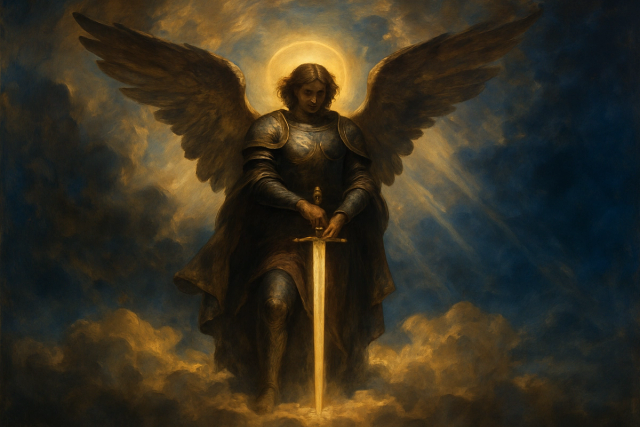
Discover Archangel Michael's true meaning, his role as protector across faiths, and the signs that suggest he's near you right now…
Learn the most common guardian angel signs—from white feathers to repeating numbers—and what they really mean for your spiritual p…