 Know
Know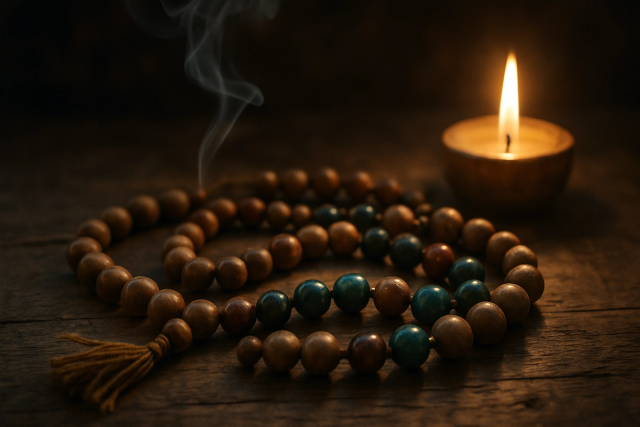
Religion
Prayer Beads Meaning Across Religions: A Complete Guide
Discover what prayer beads mean in Christianity, Islam, Hinduism, and Buddhism, plus their symbolism, dream meanings, and how to u…

In the grand tapestry of history, the concept of the purity ring is relatively new. The idea originated in the United States in the 1990s, riding on the wave of the ‘True Love Waits’ movement. This was a Christian campaign promoting the value of chastity until marriage. The vow to remain pure was often symbolized through the act of wearing a purity ring.
Parents commonly presented these rings to their teenagers as part of abstinence-only sex education programs. Some churches and religious groups also began to host purity ball ceremonies, where daughters would receive a purity ring from their fathers, signifying their pledge to abstain from sex until marriage.
Throughout the years, the use of purity rings has expanded beyond the realms of religious contexts. They’ve come to represent personal promises of abstinence, not always tied to religious vows. Some people prefer to use purity rings as a symbol of their commitment to abstain from specific behaviors or harmful substances.
It’s important to understand that while the term ‘purity ring’ is modern, the practice of using symbolic items or jewelry to represent promises or commitments is as old as human civilization itself. From ancient betrothal rings to modern wedding bands, jewelry has always played a part in signifying promises and commemorating personal milestones.
As the world evolves, so does the interpretation and use of purity rings. From a symbol of chastity within religious circles, these rings now cater to a broader spectrum of personal commitments and vows. They serve as a reminder that symbols are versatile and can evolve with society, reflecting the changing views and values of its wearers.
A purity ring, also known as a promise ring or chastity ring, symbolizes a vow to abstain from sexual activity until marriage. It’s a personal commitment, often encouraged in certain religious groups. The practice gained popularity in the 1990s in the United States, especially among Christian youth groups. While the tradition has sparked controversy and debate, it continues to hold personal significance for many.
Purity rings, like most symbolic items, hold a wide array of meanings. They’re not merely pieces of jewelry, but physical embodiments of abstract concepts and promises. Here are some of the most common symbolisms associated with purity rings:

Wearing a purity ring is a deeply personal decision. For the wearer, it serves as a daily reminder of their promise and conviction. It is an outward declaration of an inward commitment, a promise that they have made to themselves, their future partners, or their faith.
However, it’s essential to remember that choosing to wear a purity ring should be a personal decision, not one influenced by external pressures. The value of the ring lies in the commitment it represents, a commitment that should be willingly and thoughtfully made.
On a broader scale, the practice of wearing a purity ring can evoke varied reactions. Some people appreciate the sentiment and commitment behind these rings, while others may feel it’s an outdated concept. Ultimately, the importance and meaning of the purity ring reside solely in the eyes of its wearer.
Below is a table showcasing the different interpretations of wearing a purity ring:
| Interpretation | Meaning |
|---|---|
| Symbol of Chastity | A vow to maintain sexual purity until marriage. |
| Commitment to Abstinence from Harmful Substances | A promise to oneself to stay away from drugs and alcohol. |
| Personal Promise | Represents a personal pledge or a vow towards self-improvement. |
Purity rings, while primarily associated with Western cultures and the Christian faith, have echoes in different cultures and religious practices around the globe. The universal concept of commitment, promise, and fidelity resonate, albeit with variations in representation and practice.

Celebrities, with their far-reaching influence, have played a significant role in bringing the concept of purity rings into the limelight. Some celebrities have proudly flaunted their purity rings, fueling discussions and at times controversies around the subject.
Among the notable personalities, the Jonas Brothers made headlines in the late 2000s for wearing purity rings as a symbol of their commitment to abstain from sex until marriage. Similarly, pop star Selena Gomez and American Olympic gymnast Lolo Jones have also publicly acknowledged wearing purity rings.
However, the celebrity endorsement of purity rings has been a double-edged sword. While it has helped bring attention to the subject, it has also led to increased scrutiny and criticism. Many argue that the concept of a purity ring promotes a purity culture, which can be harmful and stigmatizing.
Here is a table summarizing the influence of some celebrities who have worn purity rings:
| Celebrity | Influence |
|---|---|
| The Jonas Brothers | Brought the concept of purity rings to the mainstream media attention in the late 2000s. |
| Selena Gomez | Known for wearing a purity ring during her teenage years with the inscription “True Love Waits”. |
| Lolo Jones | Publicly acknowledged her commitment to remain a virgin until marriage. |
The symbolism of purity rings goes beyond a commitment to abstinence. To many wearers, these rings symbolize a broader commitment to live in accordance with their values, making decisions they believe are right for them. Despite common misconceptions, purity rings are not exclusive to any single religion or culture, and they can be worn by anyone who chooses to make this commitment.
As we navigate the complexities of the 21st century, one might wonder about the relevance of purity rings. On one hand, they are seen as a symbol of one’s commitment to a personal choice or a belief system. On the other, they are criticized for perpetuating concepts that some deem outdated or harmful.
However, like any symbol, the meaning of a purity ring is ultimately a personal interpretation. For some, it’s a cherished symbol of their values and commitments. For others, it’s an outdated relic of a bygone era. Some even repurpose the purity ring’s meaning, using it as a symbol for different kinds of commitments, such as a pledge towards self-improvement or a particular life goal.
Some notable points of discussion about purity rings in the modern era include:
Wearing a purity ring is a deeply personal choice that can reflect a range of beliefs and intentions. Some see it as an outward symbol of an inward commitment, while others see it as a helpful reminder of their decision to stay true to their principles. Despite changing societal trends, the practice continues today, with some people choosing to wear purity rings as a symbol of their commitment to themselves.
Despite their initial well-intentioned symbolism, purity rings have sparked their share of controversies and misconceptions. This is primarily due to the diverse interpretations of their meaning, which can vary significantly based on personal, societal, and cultural viewpoints.
Some of the common misconceptions and controversies surrounding purity rings include:
Despite these controversies, it’s essential to remember that the meaning of a purity ring can vary widely among individuals. For many, it remains a personal symbol of commitment and value, irrespective of societal interpretations.
As we navigate the complexities of the 21st century, one might wonder about the relevance of purity rings. On one hand, they are seen as a symbol of one’s commitment to a personal choice or a belief system. On the other, they are criticized for perpetuating concepts that some deem outdated or harmful.
However, like any symbol, the meaning of a purity ring is ultimately a personal interpretation. For some, it’s a cherished symbol of their values and commitments. For others, it’s an outdated relic of a bygone era. Some even repurpose the purity ring’s meaning, using it as a symbol for different kinds of commitments, such as a pledge towards self-improvement or a particular life goal.
Some notable points of discussion about purity rings in the modern era include:
Despite their initial well-intentioned symbolism, purity rings have sparked their share of controversies and misconceptions. This is primarily due to the diverse interpretations of their meaning, which can vary significantly based on personal, societal, and cultural viewpoints.
Some of the common misconceptions and controversies surrounding purity rings include:
Despite these controversies, it’s essential to remember that the meaning of a purity ring can vary widely among individuals. For many, it remains a personal symbol of commitment and value, irrespective of societal interpretations.
As we embark on new societal norms, changes, and evolutions, it’s only natural to question the future of traditional practices such as purity rings. Will they endure as a cultural phenomenon or gradually fade into obscurity?
Let’s analyze some possibilities:
Ultimately, the future of purity rings will be determined by those who choose to wear them. As society continues to evolve, it is crucial to promote understanding, respect, and open dialogue about such personal choices. Regardless of the outcome, one thing remains certain – the conversation surrounding purity rings continues to spark important discussions about personal beliefs, societal norms, and individual autonomy.
Purity rings are typically worn on the left ring finger, the same finger where a wedding ring is traditionally worn. However, some people choose to wear it on a different finger to differentiate it from a wedding or engagement ring.
Purity rings are often given by parents to their children, typically during a ceremony or event focused on abstinence or commitment to purity. However, a girl can also choose to buy a purity ring for herself as a personal symbol of commitment.
Yes, you can still wear a purity ring if it represents a personal commitment or belief that is significant to you. The meaning of the ring is determined by the wearer, and it can evolve over time to match your personal growth and experiences.
Several celebrities have publicly stated they wore purity rings, including Jonas Brothers, Selena Gomez, Jessica Simpson, and Jordin Sparks, amongst others.
As of my knowledge cutoff in September 2021, Selena Gomez no longer wears her purity ring. However, it is essential to respect each individual’s privacy and personal journey, so any changes or decisions about personal symbols such as purity rings are theirs to make.
What to do with a purity ring when you get engaged is a personal decision. Some people choose to continue wearing it on another finger or on a chain around their neck. Others might keep it as a keepsake or pass it down to a younger sibling or family member.
While both rings symbolize a commitment, they differ in their specific meanings. A purity ring is typically a symbol of commitment to sexual abstinence until marriage, whereas a promise ring can symbolize various types of promises, such as a commitment to a relationship, a pre-engagement commitment, or a personal vow to oneself.
Yes, a purity ring can be made of any material, including gold. The choice of material is often a matter of personal preference, budget, and the symbolic significance that the wearer associates with the chosen material.
Purity rings are not exclusive to any one religion or denomination. While the practice has been popularized by certain Christian groups, particularly in the United States, individuals from various cultural and religious backgrounds can and do choose to wear purity rings.
Discover what prayer beads mean in Christianity, Islam, Hinduism, and Buddhism, plus their symbolism, dream meanings, and how to u…

Learn the most common guardian angel signs—from white feathers to repeating numbers—and what they really mean for your spiritual p…

Archangel Gabriel's true meaning, his role as heaven's messenger, and the signs — feathers, dreams, numbers — that reveal his pres…