Know
Know
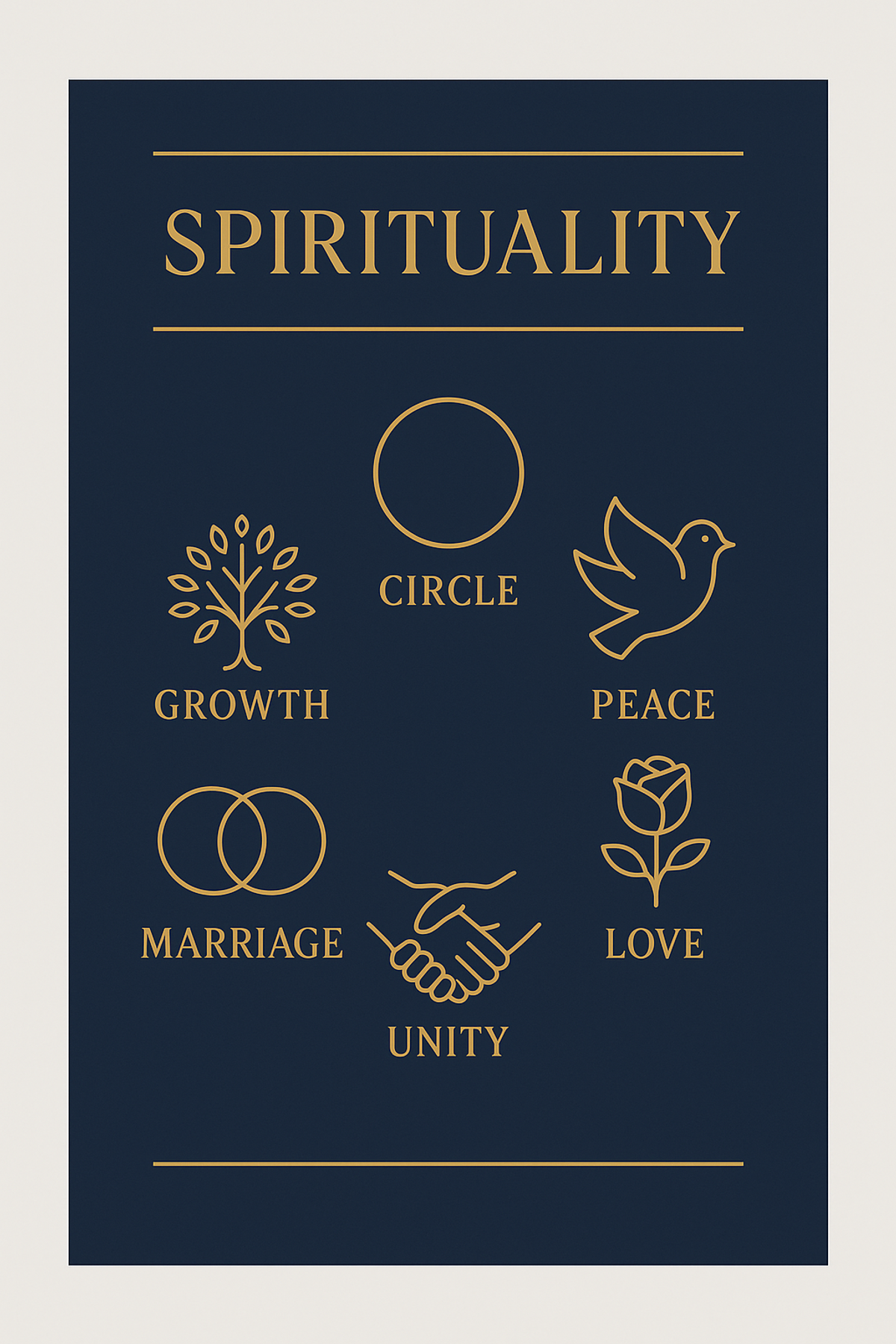
The universal symbol of unity is the circle — an unbroken, continuous form with no beginning or end that represents wholeness, inclusion, and infinite connection. Beyond the circle, dozens of other symbols across history, nature, geometry, and mythology — from the dove and Tudor Rose to clasping hands and the Triquetra — express the same core idea: individual parts coming together to form an unbreakable, harmonious whole.
At a Glance — The 5 Most Iconic Unity Symbols:
- Circle — endless, whole, and inclusive
- Dove — peace, reconciliation, and hope
- Tudor Rose — two rival houses merged into one
- Clasping Hands — trust, partnership, and agreement
- Rainbow — diversity coexisting in harmony
Jump to a section:
- Historical and Political Symbols of Unity
- Geometrical Symbols Representing Unity
- Symbols of Unity in Nature
- Floral Emblems of Unity
- Symbols of Unity in Art and Mythology
- Crystal Symbolizing Unity
- Full Comparison Table
- FAQ
Unity symbols are widely recognized icons that convey the essential principles of oneness and solidarity — a coming together that withstands the test of time and challenges. They appear in social movements, spiritual practices, and cultural rituals to promote peace, collaboration, and belonging. Much like the yin-yang symbol illustrates the unity of opposites, or the Tree of Life shows the interconnectedness of all living things, each symbol below offers its own lens on what it means to be joined as one.
Historical and Political Symbols of Unity
Throughout history, various symbols have emerged that represent unity, solidarity, and collective strength. These symbols often have deep historical roots and have been used in political movements, royal heraldry, and other significant events to convey the message of unity and togetherness. Let’s delve into some of the most prominent historical and political symbols of unity:
1. Tudor Rose (Red and White Roses)
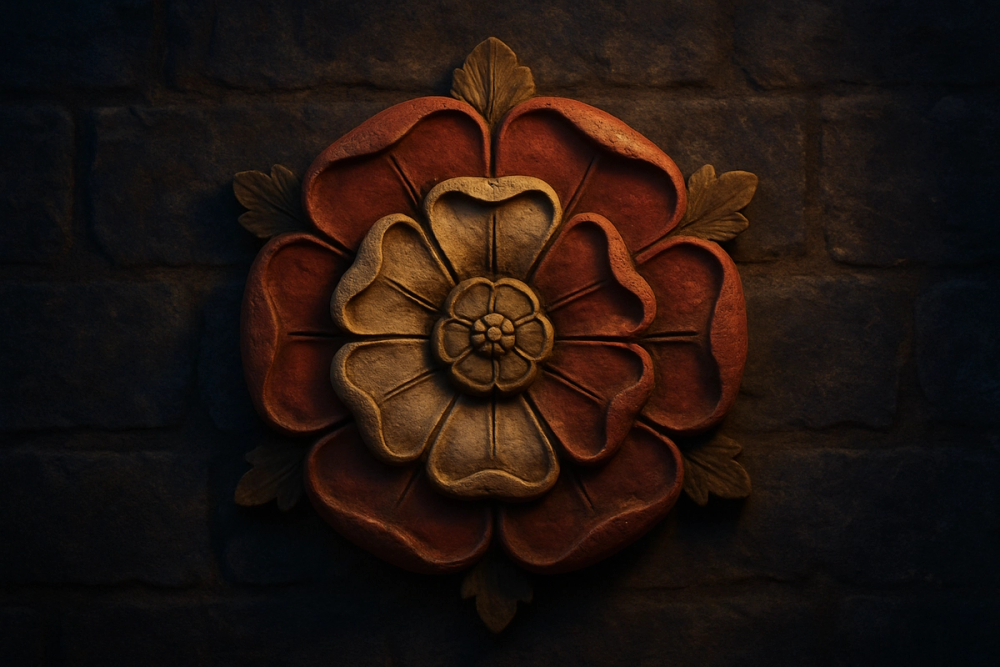
The Tudor Rose, a combination of the red rose of Lancaster and the white rose of York, symbolizes the unity of two warring factions in English history. The Wars of the Roses ended when Henry Tudor defeated Richard III and married Elizabeth of York, and the merging of the two rose symbols into the Tudor Rose became the lasting emblem of that peace.
2. Raised Fist
Often associated with resistance, power, and solidarity, the raised fist has been a universal symbol of unity, especially during political movements. It stands as a sign of defiance against oppression and a call for collective action.
3. Cross of Lorraine
Originating from the historic region of Lorraine in France, the Cross of Lorraine consists of one vertical and two evenly spaced horizontal bars. It has been a symbol of French patriotism and resistance, especially during World War II when it was adopted by the Free French Forces.
4. Masonic Trowel
In Freemasonry, the trowel is used symbolically to spread the cement of brotherly love and affection. It signifies the unity and harmonious relationship among the fraternity members, emphasizing the importance of coming together for a common purpose.
5. Lambda
The Greek letter Lambda has been a symbol of unity and resistance. Historically used by the Spartans as a shield pattern, in modern times, it has been adopted as a symbol of gay rights and the broader LGBTQ+ community, representing liberation and unity.
These symbols, deeply rooted in history and culture, serve as powerful reminders of the strength found in unity and the importance of coming together for a shared cause or purpose.
Geometrical Symbols Representing Unity
Geometry, with its precise and universal language, has long been a source of symbols representing unity. With their simple yet profound forms, these geometrical figures convey the essence of coming together, interconnectedness, and the unbreakable bonds of unity. Below are some of the most recognized geometrical symbols that have been celebrated for their representation of unity:
6. Circle
The circle, a simple and perfect shape, is a universal symbol of unity and wholeness. With no beginning or end, it represents eternity, totality, and the infinite. The circle is seen as protective and inclusive in various cultures, encompassing everything within its boundaries and keeping negativity out.
7. Ouroboros
The Ouroboros, depicted as a serpent or dragon eating its tail, is an ancient symbol representing cyclicality, eternal renewal, and the endless cycle of life, death, and rebirth. It embodies the harmony of opposites and the unity in the existence cycle.
8. Borromean Rings
Comprising three interlocking rings, the Borromean Rings visually represent unity and interconnectedness. None of the rings are linked to each other directly, yet they are inseparably connected, symbolizing strength in unity and the idea that one component is integral to the whole.
9. Möbius Strip
The Möbius Strip is a surface with only one side and one boundary, symboling infinity and unity. Its unique and enigmatic structure represents the idea of continuity and the interconnectedness of all things in the universe.
10. Triquetra
With its roots in Celtic and Nordic traditions, the Triquetra comprises three interlocked arcs. Often used to represent the Holy Trinity in Christian iconography, it also symbolizes the unity of mind, body, and spirit and the interconnectedness of life, death, and rebirth.
These geometrical symbols, with their elegant and timeless forms, encapsulate the profound concept of unity in various dimensions, serving as visual metaphors for the interconnected tapestry of existence.
Symbols of Unity in Nature
Nature, with its intrinsic harmony and balance, offers a plethora of symbols that embody unity. These natural symbols, observed in flora and fauna, encapsulate the essence of togetherness, cooperation, and the seamless web of life. Here are some notable symbols of unity derived from the natural world:
11. Penguin
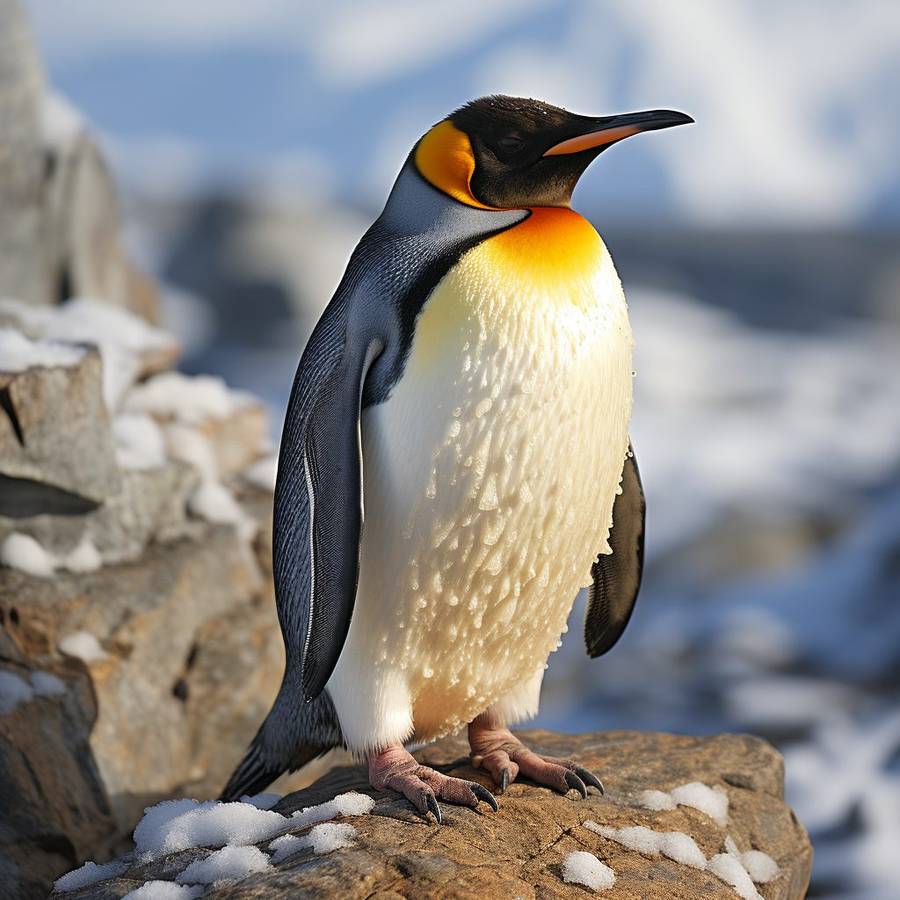
Penguins huddle together in colonies, relying on collective warmth and cooperation to survive.
Penguins are often associated with unity and togetherness due to their social behavior. Living and working together in large colonies, they rely on cooperation and collective effort to survive in harsh environments, symbolizing the power of community and unity.
12. Dove
Universally recognized as a symbol of peace and love, the dove also represents unity. Often depicted with an olive branch, it embodies reconciliation, harmony, and the end of conflict, serving as a powerful symbol of hope and unity in various cultures and religious traditions.
13. Swan
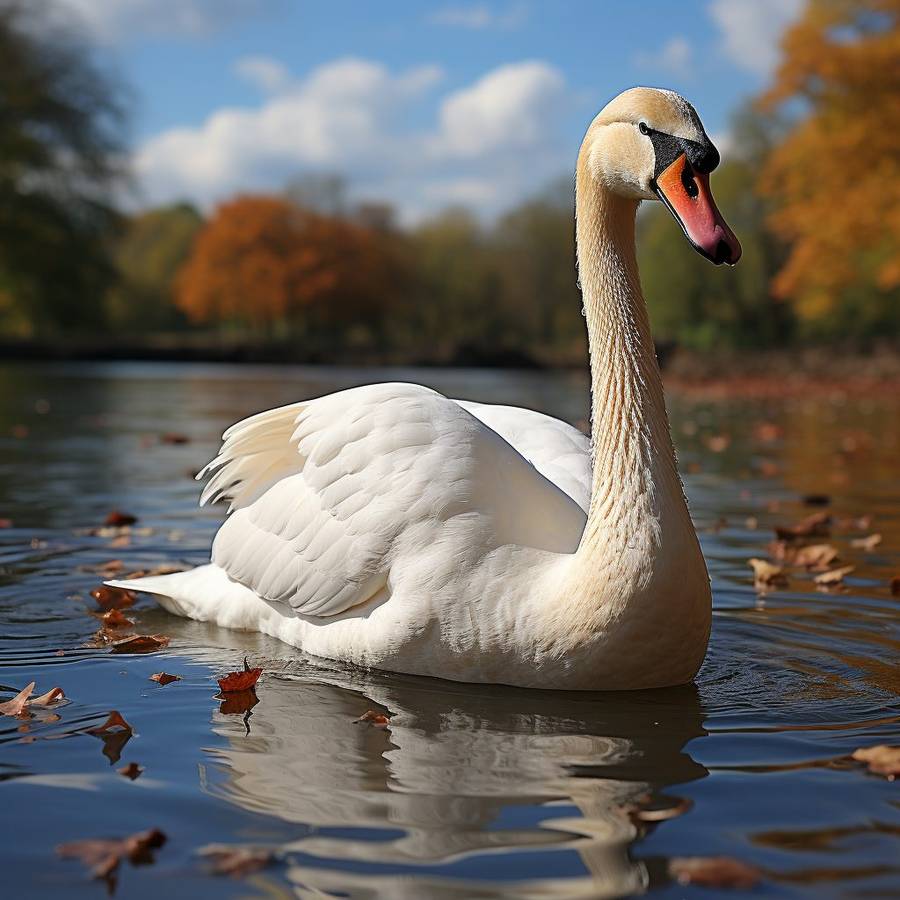
Swans, known for forming lifelong partnerships, symbolize love, grace, and unity. Their enduring bonds and cooperative parenting symbolize commitment, fidelity, and the harmonious blending of masculine and feminine energies.
14. Beaver
Beavers, celebrated for their industriousness and architectural prowess, work together to build dams and lodges, showcasing remarkable teamwork and collaboration. They symbolize the power of community, hard work, and shared goals in creating something enduring and protective.
15. Ficus Plant (Chinese Banyan)
The Ficus Plant, or Chinese Banyan, is revered in various cultures for its expansive canopy and intricate root system, symbolizing shelter, life, and connectivity. It stands as a metaphor for unity, protection, and the interconnected network of life — much like the Tree of Life, whose branching roots represent all of existence bound together.
Through these symbols, nature whispers the timeless wisdom of unity and interconnectedness, inspiring humanity to embrace the spirit of togetherness and harmony in the tapestry of life.
Floral Emblems of Unity
Flowers, with their diverse and captivating beauty, have long been symbols of various sentiments and ideals, including unity. Each flower carries a unique story and significance, subtly conveying messages of unity and togetherness through their growth patterns, arrangements, and cultural associations. Below are some floral emblems that are often associated with unity:
16. Hydrangea
The hydrangea symbolizes unity due to its distinctive characteristic of being a cluster of small flowers that form a larger, round bloom. This unique structure represents individuals coming together to create something beautiful and significant, mirroring the power of collective unity and harmony.
17. Sunflower
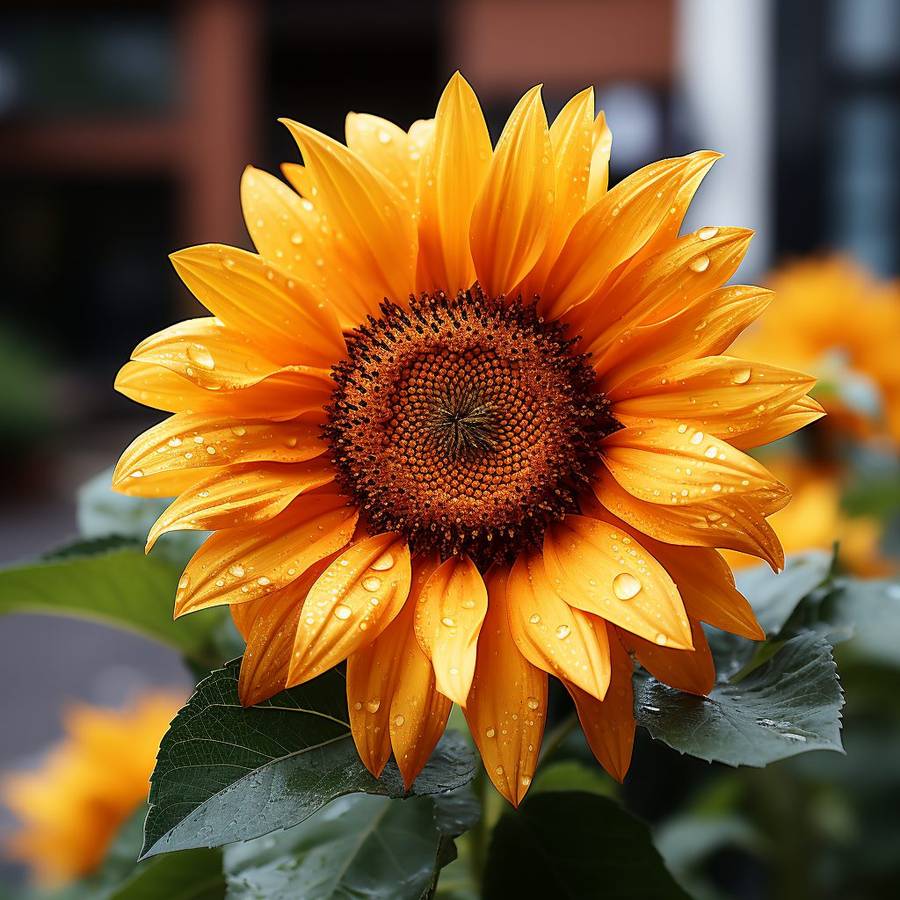
The sunflower's tightly packed seeds mirror a close-knit, unified community.
Sunflowers, with their bright, open faces, symbolize warmth, positivity, and adoration. The myriad of seeds tightly packed at their center is often seen as a symbol of unity and the tight-knit community, reflecting cohesion, sustainability, and the fruitful results of collaboration.
18. Forget-Me-Not
Forget-Me-Nots, with their delicate, tiny blue flowers, are symbols of remembrance, love, and unity in diversity. They often represent true love and the enduring bond between individuals, reminding them of the strength and permanence of relationships built on trust and mutual support.
19. Dandelion
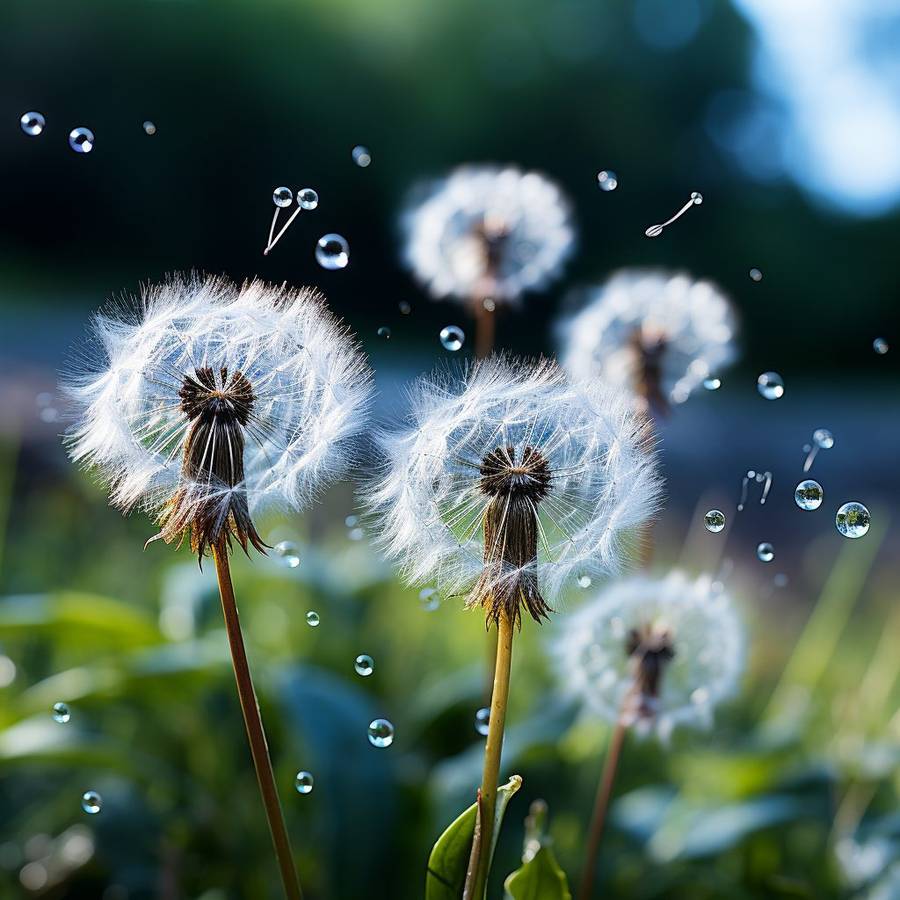
A dandelion's many florets form what appears to be a single flower — unity in diversity.
Dandelions, often associated with hope and perseverance, also symbolize unity. Each dandelion comprises numerous tiny florets, creating a seemingly singular flower head. This structure symbolizes the idea that though we are individuals, we are also part of something larger, emphasizing unity in diversity.
These floral symbols of unity gently remind us of the importance of togetherness, collaboration, and the beauty inherent in standing united with others.
Symbols of Unity in Art and Mythology
Art and mythology have always been reflective of human beliefs, values, and aspirations. Over time, various symbols have been conceived and revered as representations of unity, each carrying unique cultural and historical significance. Here are some of the notable symbols of unity found in art and mythology:
20. Clasping Hands
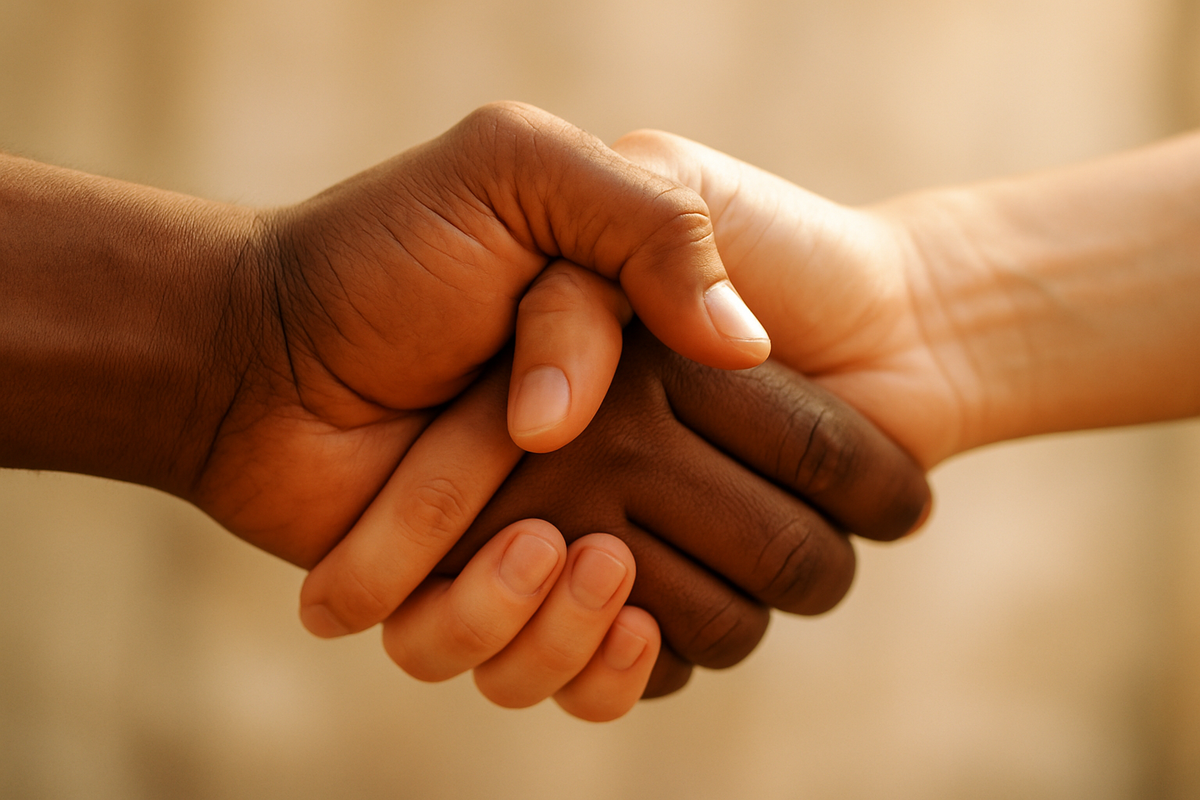
Clasping hands or handshake is a universal symbol of agreement, partnership, and unity. It represents two or more individuals coming together in friendship, trust, and cooperation, signifying a bond formed on mutual respect and understanding. This same idea of unity through connection appears in the Claddagh ring, where two hands clasp a crowned heart to represent love, loyalty, and friendship united in one symbol.
21. Trinity Knot
The Trinity Knot, or Triquetra, is a Celtic symbol consisting of three interlocked arcs. Often used to represent the Holy Trinity in Christian art, it also symbolizes the unity of mind, body, and spirit and the interconnectedness of life, death, and rebirth in pagan traditions.
22. Number 1
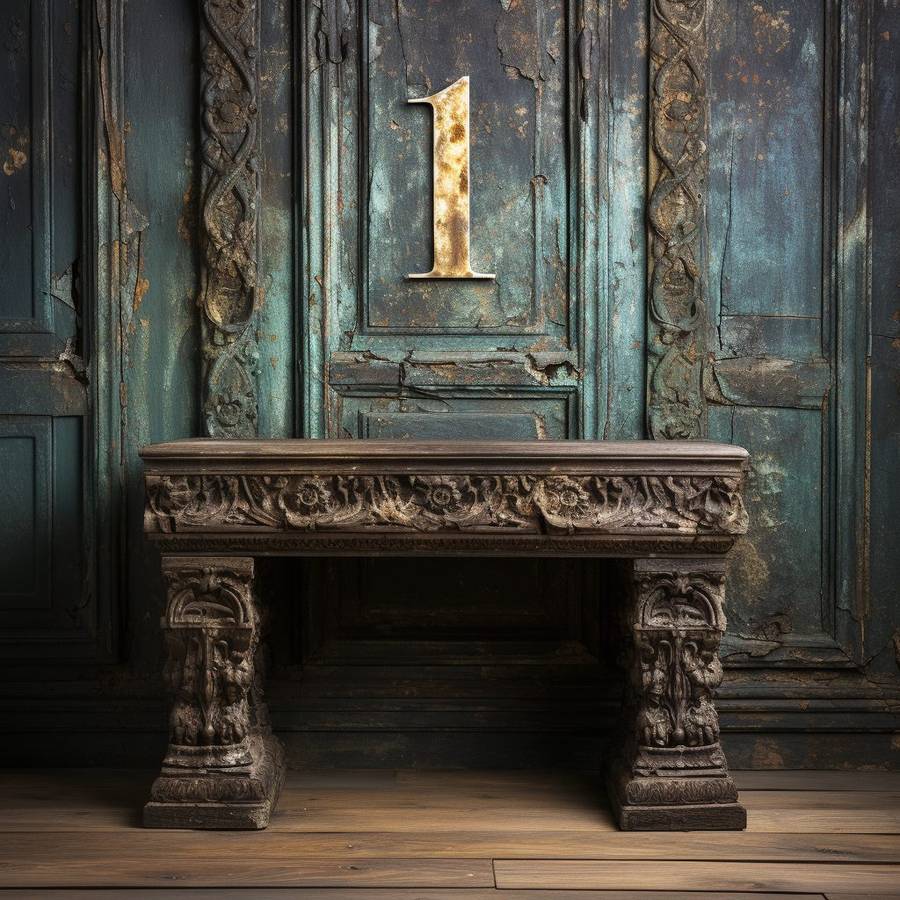
The numeral one represents singularity, wholeness, and the source from which all diversity emerges.
The number one is universally recognized as a symbol of singularity and unity. It signifies beginning, wholeness, and the unity emanating from all diversity. In various cultures and spiritual practices, the number one is revered as the source and center of all existence.
23. Odal Rune (Odal)
The Odal Rune represents heritage and inheritance in Norse mythology, symbolizing the unbreakable bonds and unity within the family and community. It stands for the shared history, values, and traditions that unite groups of people across generations.
24. Iodhadh
Iodhadh, or Yew, is a symbol in Celtic mythology associated with resurrection and eternity. The Yew tree, which is long-living and resilient, symbolizes the everlasting unity of all things in the universe, the cycle of death and rebirth, and the interconnectedness of past, present, and future.
25. Northern Knot
The Northern Knot is a symbol often found in ancient Nordic and Celtic art, representing eternity and the interconnectedness of all things in the universe. Its endless looping design signifies the continuous cycle of life and the enduring bonds of unity and fellowship among people.
26. Braid
The Braid, often seen in various art forms, symbolizes strength, unity, and combining different elements to form a stronger, more beautiful whole. It visually represents the power of collaboration and the unbreakable bonds formed through shared goals and visions.
27. Rainbow

A rainbow's many colors coexist harmoniously — a natural emblem of unity in diversity.
The Rainbow is a universal symbol of hope, promise, and unity. With its spectrum of colors harmoniously coexisting, it represents diversity and inclusion, signifying the beauty and strength found in unity amidst diversity.
28. Bi Nka Bi
Bi Nka Bi is an Adinkra symbol from West Africa for peace and unity. It is a visual representation of the proverb “no one should bite the other”, emphasizing harmony, fairness, and the importance of peaceful coexistence and unity among all people.
These symbols, deeply embedded in art and mythology, continue to inspire and remind us of the timeless and universal value of unity and togetherness.
Crystal Symbolizing Unity
Crystals have been used throughout history for their aesthetic and metaphysical properties, with each crystal believed to possess unique energies and symbolic meanings. Among the myriad of crystals, Chalcedony stands out as a powerful symbol of unity:
29. Chalcedony
In crystal-lore tradition, chalcedony is said to promote brotherhood and goodwill, though this meaning does not appear in mineralogical or historical references. In crystal-healing tradition, chalcedony is believed to absorb negative energy and harmonize mind, body, emotions, and spirit, though this belief has no scientific support. With its translucent, milky appearance, Chalcedony symbolizes transparency, unity, and the soothing and calming energy that fosters community and benevolence. It is often used to promote stability and to enhance the unity within a group or family, making it a crystal that truly embodies the essence of unity and togetherness — a steadying quality also found in the anchor symbol, which represents stability and enduring bonds.
All 29 Unity Symbols at a Glance
Use this quick-reference table to compare every symbol covered in this guide by category and core meaning.
| Unity Symbol | Category | Core Meaning |
|---|---|---|
| Tudor Rose | Historical & Political | Two rival houses merged into peace |
| Raised Fist | Historical & Political | Solidarity and collective resistance |
| Cross of Lorraine | Historical & Political | Patriotism and resistance unified |
| Masonic Trowel | Historical & Political | Brotherly love and harmony |
| Lambda | Historical & Political | Liberation and community unity |
| Circle | Geometrical | Wholeness, eternity, inclusion |
| Ouroboros | Geometrical | Cyclical renewal and harmony |
| Borromean Rings | Geometrical | Inseparable interconnectedness |
| Möbius Strip | Geometrical | Infinite continuity |
| Triquetra | Geometrical | Unity of mind, body, and spirit |
| Penguin | Nature | Community survival through cooperation |
| Dove | Nature | Peace and reconciliation |
| Swan | Nature | Lifelong partnership and fidelity |
| Beaver | Nature | Teamwork and shared purpose |
| Ficus Plant | Nature | Shelter and interconnected life |
| Hydrangea | Floral | Many blooms forming one whole |
| Sunflower | Floral | Cohesion and collaboration |
| Forget-Me-Not | Floral | Enduring bonds and trust |
| Dandelion | Floral | Unity in diversity |
| Clasping Hands | Art & Mythology | Trust, agreement, partnership |
| Trinity Knot | Art & Mythology | Unity of mind, body, spirit |
| Number 1 | Art & Mythology | Singularity and wholeness |
| Odal Rune | Art & Mythology | Family and heritage bonds |
| Iodhadh | Art & Mythology | Everlasting interconnectedness |
| Northern Knot | Art & Mythology | Endless fellowship |
| Braid | Art & Mythology | Strength through combination |
| Rainbow | Art & Mythology | Diversity in harmony |
| Bi Nka Bi | Art & Mythology | Peaceful coexistence |
| Chalcedony | Crystal | Brotherhood and community harmony |
Conclusion: The Significance and Impact of Unity Symbols
Unity symbols hold profound significance because they encapsulate the ideals of harmony, collaboration, and oneness, serving as visual reminders that guide individuals and groups toward mutual understanding and shared purpose. From ancient royal emblems and crystals to modern social movements and brand logos, these symbols continue to appear in art, literature, and public life, inspiring people to come together for common causes. Understanding and appreciating them — much like exploring the balance of the yin-yang or the protective embrace of the Hamsa — allows us to tap into their timeless wisdom, guiding us toward a world where unity and solidarity prevail.
FAQ
What symbolizes loyalty?
Loyalty is often symbolized by the Claddagh ring, dogs, and the color blue, all of which represent steadfast devotion and enduring commitment. In the context of unity, loyalty is the glue that keeps bonds — between friends, partners, or communities — from breaking under pressure.
What symbolizes betrayal or deceit?
Betrayal and deceit are commonly symbolized by the snake, the mask, and the color black in Western tradition, representing hidden intentions and broken trust. These symbols stand in direct contrast to unity symbols like clasping hands or the Tudor Rose, which represent bonds that hold rather than break.
What are symbols of honesty?
Honesty is frequently represented by the color white, the open hand, and the scales of justice, all conveying transparency and truthfulness. Much like Chalcedony's translucent appearance symbolizes clarity and openness, honesty symbols emphasize the trust required to sustain any unified relationship or community.
What symbolizes change?
Change is often symbolized by the butterfly, the phoenix, and the four seasons, each representing transformation and renewal. Just as the Ouroboros unites the cycle of endings and beginnings into one continuous symbol, change symbols remind us that unity can endure even as circumstances evolve.
What symbolizes beauty?
Beauty is traditionally symbolized by flowers such as the rose and lotus, as well as by swans and the golden ratio in geometry. Many of these same symbols — like the sunflower and hydrangea in this guide — also represent unity, showing how beauty and togetherness are often intertwined in nature's designs.
What animals represent integrity?
Animals commonly associated with integrity include the elephant, the wolf, and the horse, prized for their loyalty, honor, and steadfast behavior within their social groups. Like the penguin and swan discussed above, these animals demonstrate that integrity within a community is often what makes lasting unity possible.