Symbols
Pegasus Meaning: Symbolism, Spiritual Meaning & Tattoo Guide
Pegasus meaning explained: freedom, divine inspiration, dreams, tattoos & the constellation. Discover what this winged horse symbo…
 KnowMastery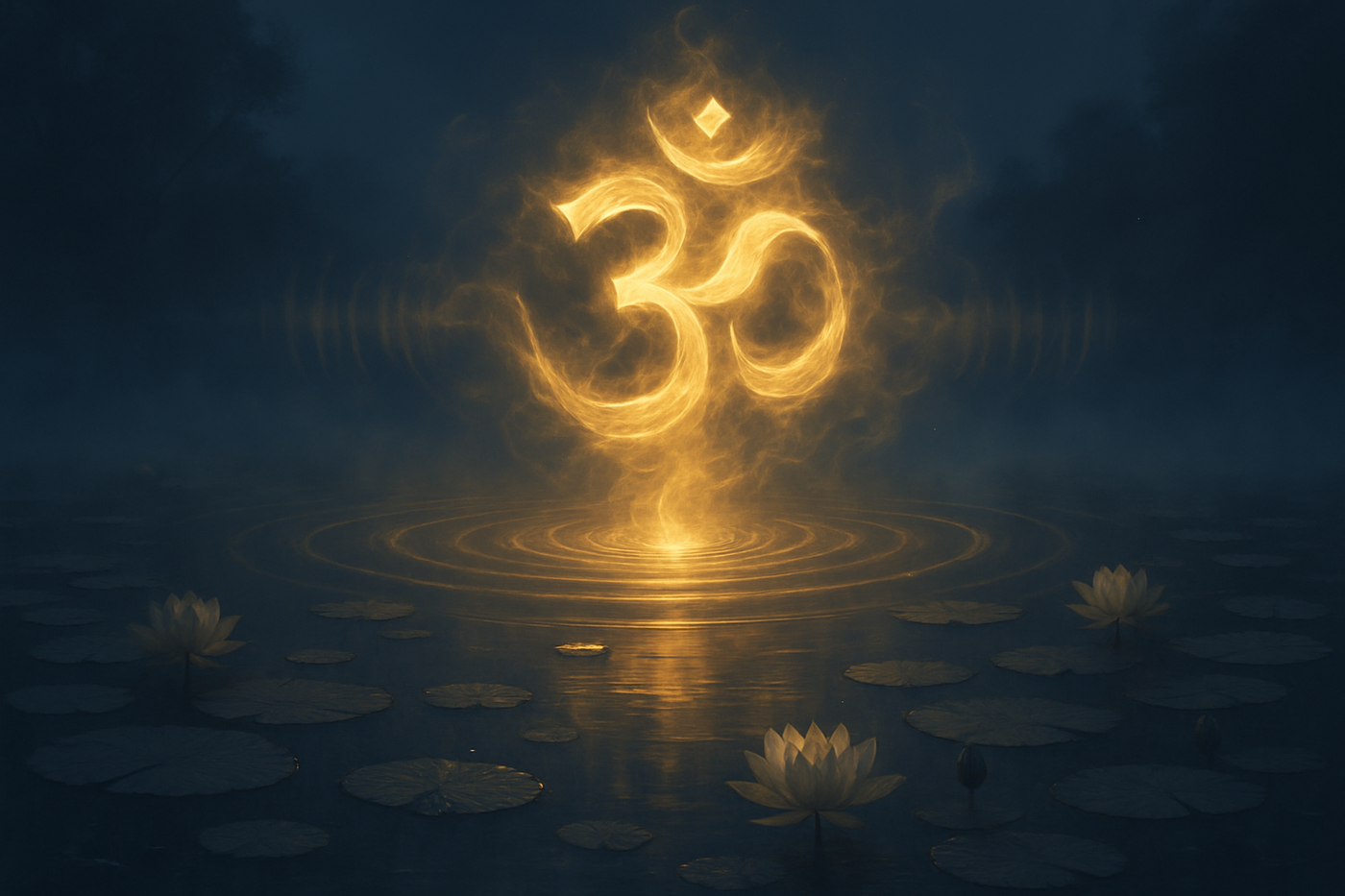
The Om symbol represents the primordial sound of creation—the vibration believed to underlie all existence in Hindu, Buddhist, and Jain traditions. Written as ॐ in Devanagari script, it is composed of three curves, a crescent, and a dot, each element symbolizing a distinct state of consciousness: waking, dreaming, deep sleep, and the transcendent silence beyond them. Chanted as "AUM," it is considered the seed sound from which the entire universe emerged, making it one of the oldest and most sacred symbols still in daily use today.
Close your eyes and imagine the very first sound the universe ever made—not a bang, but a hum. A low, resonant vibration rippling outward before galaxies, before language, before thought itself. That is the promise held inside a single syllable: Om.
For thousands of years, seekers have sat cross-legged in candlelit temples and quiet bedrooms alike, letting this sound roll from the belly through the throat and out into silence. It is deceptively simple—one breath, one word—yet inside it lives an entire cosmology of birth, dream, sleep, and awakening.
Whether you've seen it tattooed on a wrist, painted on a yoga studio wall, or chanted at the start of a meditation class, the Om symbol carries a weight far deeper than decoration. It is, quite literally, considered the sound of everything.
At its core, Om (also spelled Aum) is regarded as the first vibration of creation in Vedic cosmology—the sound from which time, matter, and consciousness unfolded. The Mandukya Upanishad, a foundational Hindu text devoted entirely to this single syllable, describes Om as encompassing the totality of existence: past, present, future, and everything beyond time itself.
The written symbol is not merely an artistic flourish. Each component maps to a specific state of awareness:
Together, these five elements form a complete map of human consciousness, with the goal of moving from illusion toward the silent awareness symbolized by the dot.
The syllable's roots stretch back to the Rigveda, composed roughly 1500–1200 BCE, where early hymns already treat sacred sound as a creative force. By the time the Upanishads were compiled between 800 and 500 BCE, Om had become the central subject of entire philosophical treatises rather than a passing reference. Archaeologists and Sanskrit scholars generally agree this makes Om one of the longest continuously used sacred symbols in human history, predating most world religions by well over a thousand years.
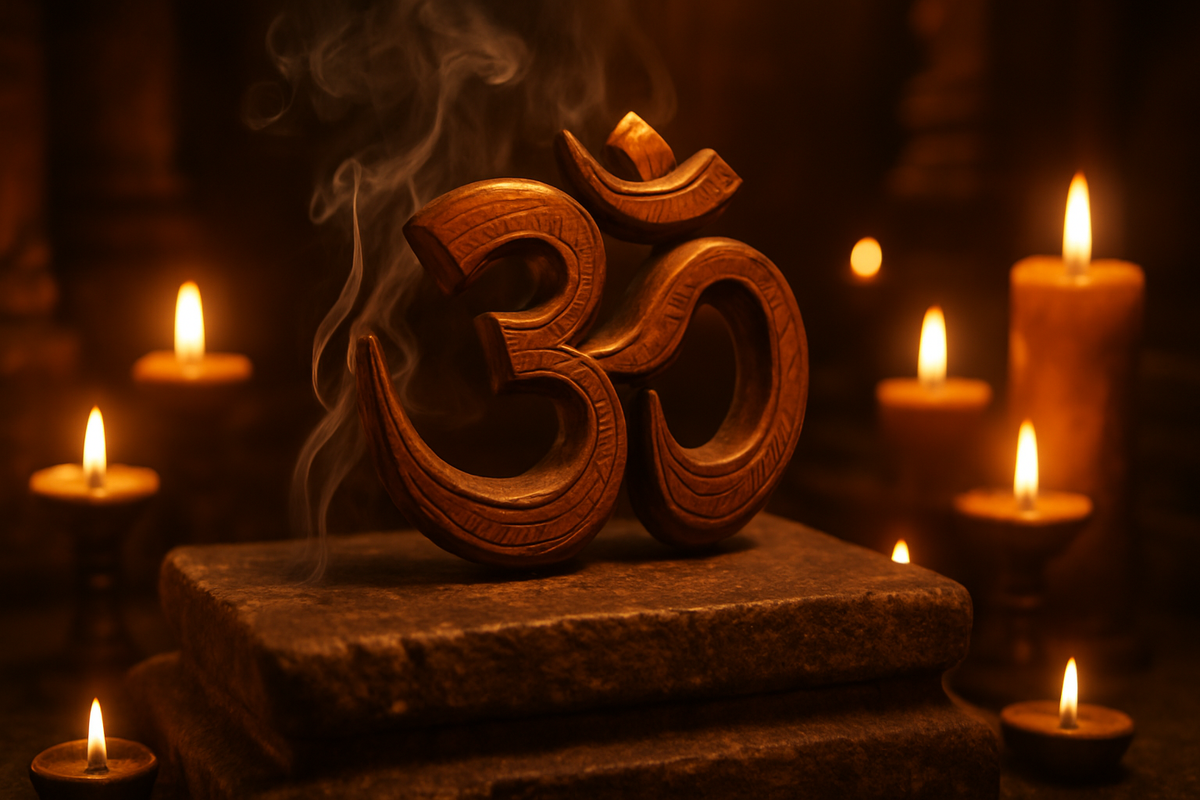
Unlike many sacred symbols meant primarily to be seen, Om is meant to be voiced. Practitioners describe the chant as containing three distinct phonetic parts—A, U, and M—each corresponding to a stage of creation, preservation, and dissolution, mirrored in the Hindu trinity of Brahma (creator), Vishnu (preserver), and Shiva (destroyer). The silence that follows the final hum is considered the fourth and most important part: the return to stillness from which all sound arises and to which it returns.
This structure is similar in spirit to other balance-based symbols across the world. Just as the Yin Yang symbol represents the interplay of opposing forces resolving into unity, Om represents sound and silence merging into a single, whole vibration.
In Hindu philosophy, Om is inseparable from the concept of Brahman, the ultimate, formless reality underlying the universe. The Chandogya Upanishad calls it "Udgitha," the sacred syllable chanted at the beginning of Vedic hymns to invoke divine presence. Hindu rituals, from wedding ceremonies to funeral rites, typically open and close with Om, treating it as a spiritual bookend that sanctifies the space between.
Many Hindu households place the Om symbol at entryways or on home altars, not unlike how other traditions use protective emblems such as the Hamsa hand to guard a threshold. In both cases, the symbol functions as a spiritual filter—inviting positive energy while marking the space as sacred.
Buddhism, which emerged from the same spiritual soil as Hinduism in ancient India, adopted Om but reshaped its meaning. In Tibetan Buddhism, Om appears as the opening syllable of the famous mantra Om Mani Padme Hum, associated with Avalokiteshvara, the bodhisattva of compassion. Here, Om is less about cosmic origin and more about purifying the ego and aligning the practitioner's body, speech, and mind before deeper spiritual work begins.
Tibetan monks often chant Om in deep, resonant tones during morning rituals, using singing bowls tuned to frequencies believed to mirror the syllable's vibration. This use of sound as a spiritual technology has parallels in many contemplative traditions, where the physical act of vocalizing—rather than merely thinking or believing—is considered essential to transformation.
Jainism offers yet another interpretation. Jain tradition holds that Om is actually a condensed acronym formed from the initial sounds of the Panch Parmeshthi, the five supreme spiritual beings: Arihant, Ashiri, Acharya, Upajjhaya, and Sadhu. Reciting Om, in this context, is a way of invoking the qualities of all five simultaneously—a kind of spiritual shorthand passed down through centuries of oral tradition.
This layered, multi-tradition history shows that Om isn't owned by a single religion but rather functions as a shared spiritual inheritance across South Asian philosophy, reshaped by each tradition to fit its own theology while preserving the same essential reverence for sacred sound.
| Tradition | Primary Meaning of Om | Common Usage |
|---|---|---|
| Hinduism | Sound of Brahman; origin of the universe | Ritual chants, temple ceremonies, meditation |
| Buddhism | Purification of body, speech, and mind | Opening syllable of mantras like Om Mani Padme Hum |
| Jainism | Acronym for the five supreme beings | Daily recitation and devotional prayer |
| Modern Yoga (West) | Symbol of mindfulness and inner peace | Yoga class openings/closings, jewelry, décor |
In contemporary yoga studios worldwide, chanting Om at the start and end of class has become nearly universal, even outside strictly religious contexts. Teachers often explain that the vibration of the sound—felt physically in the chest, throat, and skull—helps synchronize breath and attention, easing practitioners into a meditative state before physical postures begin.
Neuroscientific studies on chanting have found that prolonged "mmm" vocalizations, similar to the final part of Om, can activate the vagus nerve and promote parasympathetic nervous system responses—essentially calming the body's stress response. While ancient yogis didn't have this vocabulary, they intuited the same effect through centuries of embodied practice.
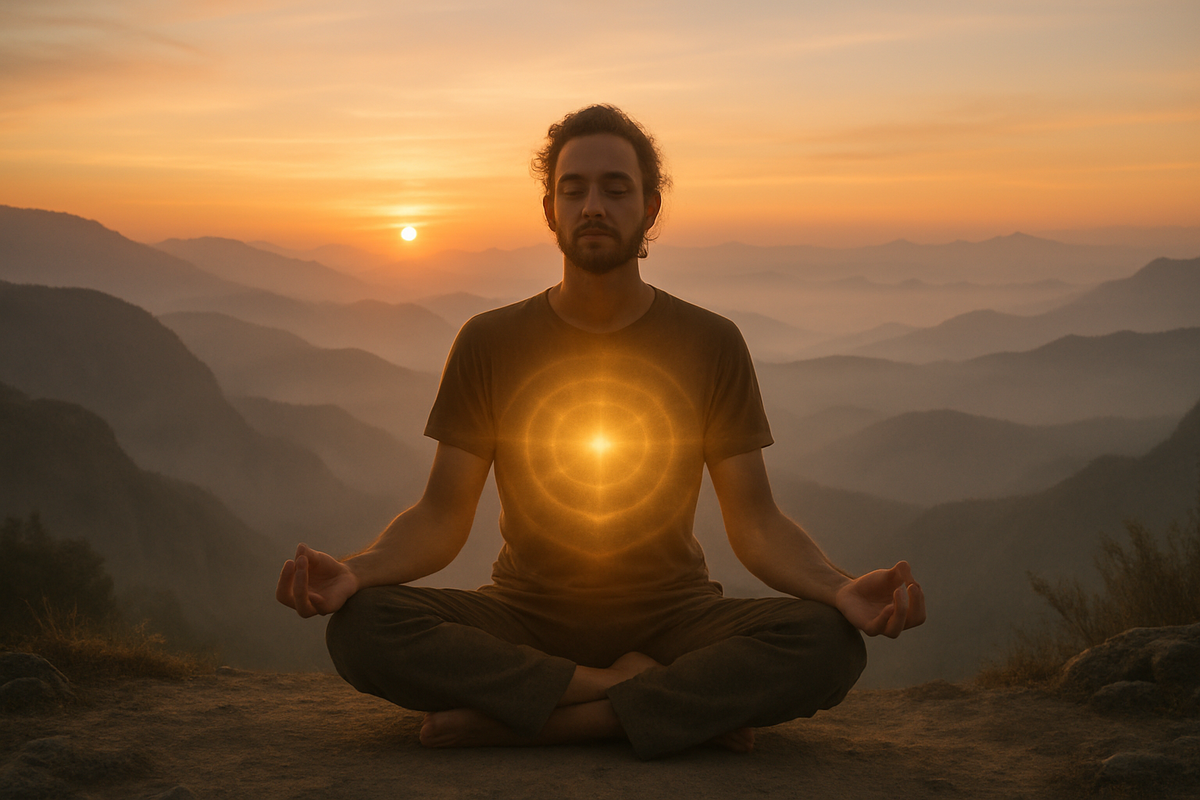
Seeing or hearing the Om symbol in a dream is often interpreted as a sign of spiritual awakening or an invitation to seek deeper balance in waking life. Dream analysts working within spiritual frameworks suggest that:
As with most symbolic dream imagery, personal context matters more than universal rules—much like how symbols such as the dream catcher carry meaning shaped by intention and cultural background rather than fixed formulas.
You don't need to be a monk or lifelong practitioner to incorporate Om meaningfully into your life. Consider these approachable entry points:
This kind of intentional engagement mirrors how other enduring symbols—like the layered branches of the Tree of Life—reward those who look beyond surface imagery into their full historical and spiritual context.
Few symbols have survived unbroken for as long as Om, tracing back over 3,000 years to the earliest Vedic hymns. Its persistence isn't accidental. Unlike symbols tied to a single narrative or figure, Om points to something universally human: the search for meaning behind sound, silence, and consciousness itself. That search hasn't ended, which is likely why the syllable still hums through temples, yoga studios, meditation apps, and quiet bedrooms today, just as it did millennia ago.
Spiritually, Om represents the primordial vibration of the universe and the totality of consciousness—waking, dreaming, deep sleep, and transcendence. It is considered both a sound and a symbol of ultimate reality across Hindu, Buddhist, and Jain traditions.
Wearing an Om symbol is generally welcomed as a sign of respect and interest, provided it's worn with genuine understanding rather than as a purely decorative trend. Taking time to learn its spiritual roots, rather than using it casually or dismissively, is considered the key difference.
Yoga classes chant Om to help synchronize breath, focus attention, and ease the transition into a meditative state. The vibration is also believed to have a calming physiological effect on the nervous system, even outside strictly religious contexts.
Seeing or hearing Om in a dream is often interpreted as a sign of spiritual awakening or an invitation to restore balance in daily life. Many spiritual dream interpreters view it as encouragement to return to meditation or self-reflection practices, especially if the dream felt calming rather than unsettling.
Pegasus meaning explained: freedom, divine inspiration, dreams, tattoos & the constellation. Discover what this winged horse symbo…
Explore the world's most powerful healing symbols—from the Ankh to the Hamsa—and discover what they mean, spiritually and historic…
Discover the owl, Tree of Life, Ganesha, and other symbols of wisdom across cultures—their origins, meanings, and how to use them …