 Know
Know
Symbols
Caduceus Meaning: History of the Winged Staff Symbol
Discover the caduceus meaning: Hermes' winged staff of two serpents, its Greek origins, medical mix-up with Asclepius, and spiritu…
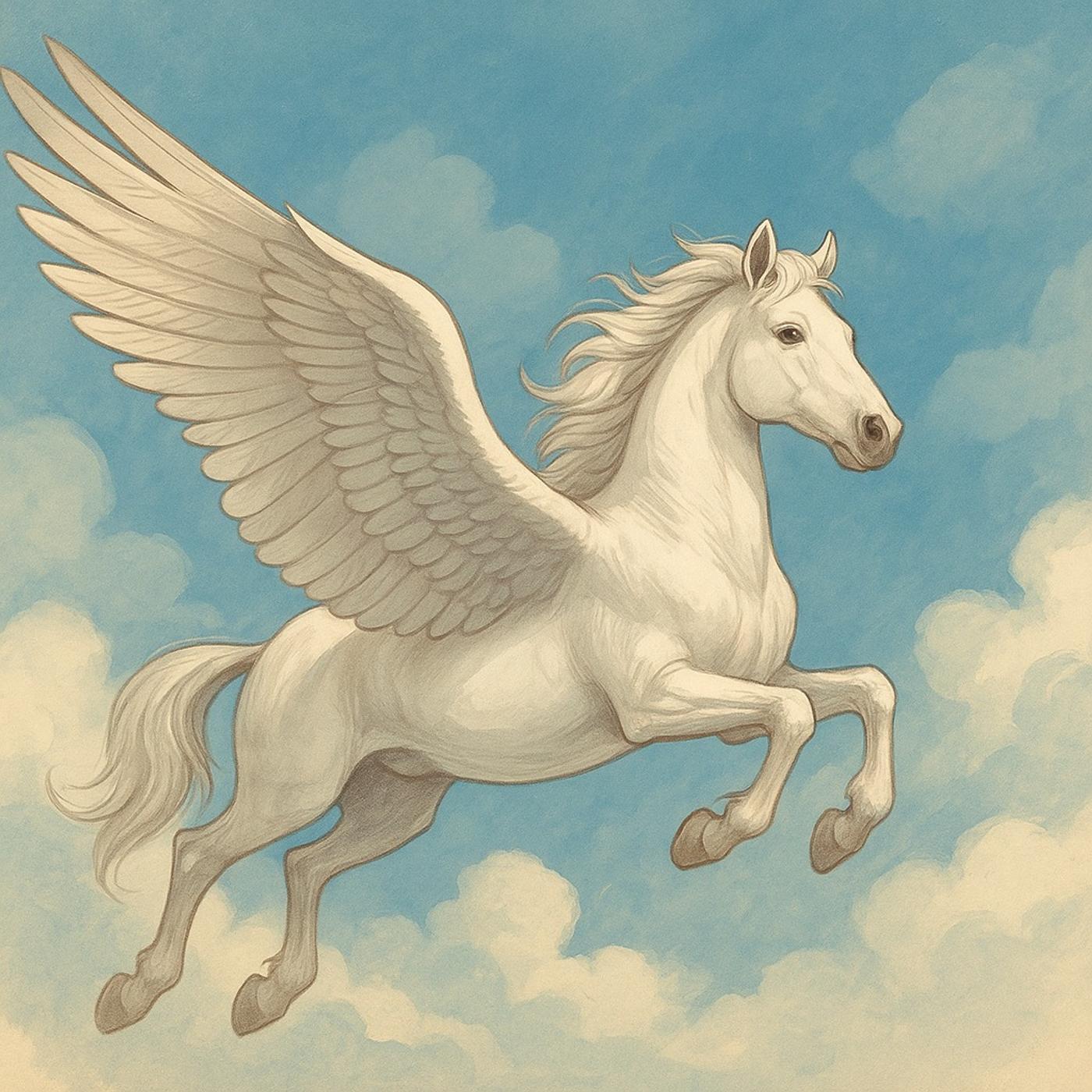
Some symbols don’t walk—they fly. Pegasus, the mythical white winged horse, is one of them. Born from blood, sky, and legend, Pegasus doesn’t just represent freedom. He is freedom. He’s the part of us that refuses to be tethered, even when the world tries to hold us down.
Whether seen in dreams, meditations, or myth, Pegasus invites the soul to rise—to imagine, to ascend, and to trust the invisible wings we sometimes forget we have.
Before we dive into the deeper mythology and spiritual meaning, here’s a glimpse at what Pegasus truly symbolizes.
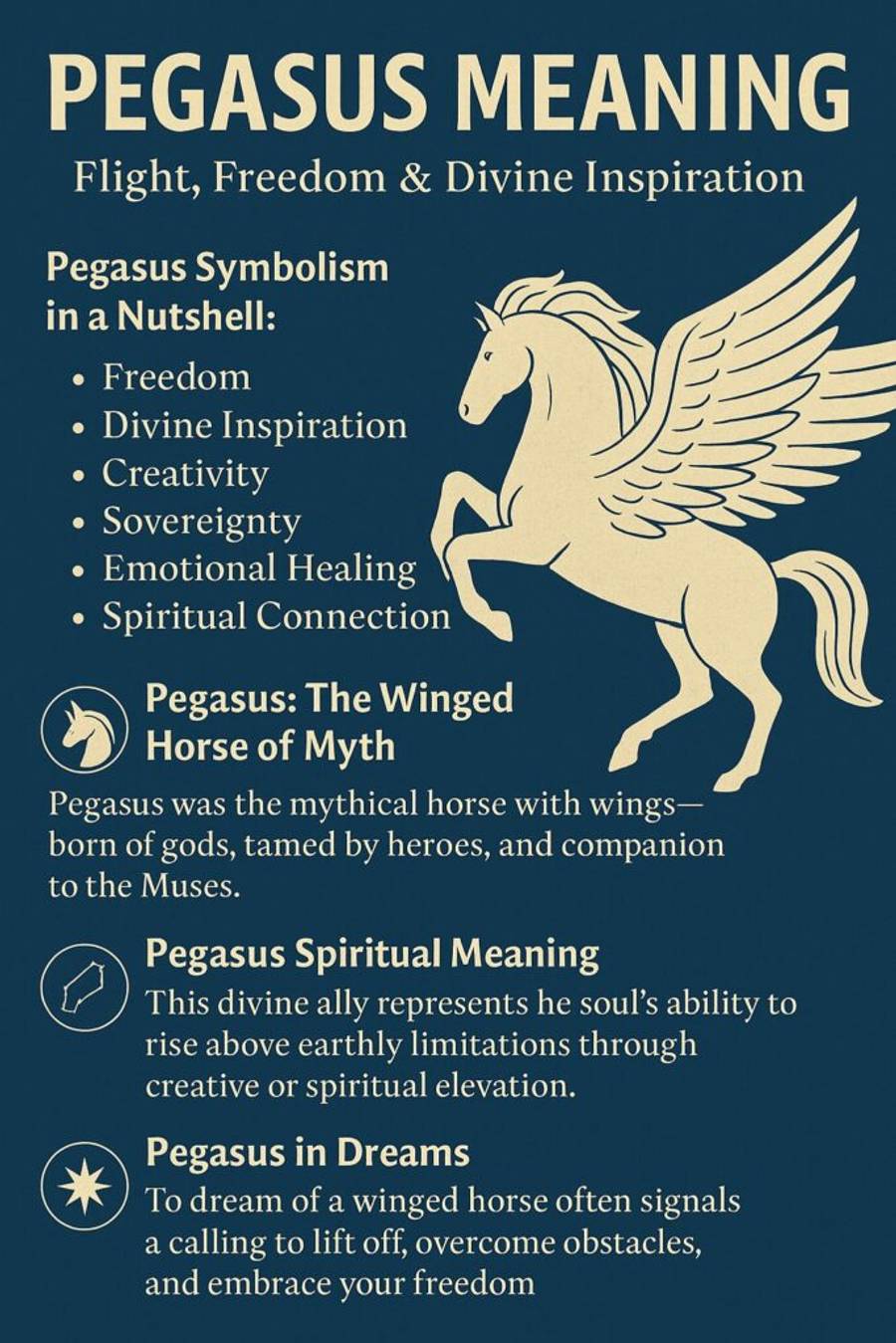
The pegasus spiritual meaning is all about transcending what limits you—not through force, but through grace. Pegasus doesn’t charge forward—he lifts, he floats, he glides. He shows us that real power isn’t heavy. It’s light.
In Greek mythology, Pegasus was born from the blood of Medusa when Perseus cut off her head. He was the child of Poseidon and a creature of both sea and sky. Pegasus later served the hero Bellerophon, helping him defeat the Chimera, before refusing to take the prideful warrior to Olympus. Pegasus ascended alone.
Eventually, the gods gave him a home among the stars, placing him in the heavens as the constellation Pegasus. In this myth, we already see a spiritual narrative: born in violence, used by ego, then transformed into eternal light.
He is the archetype of evolution—rising from shadow into starlight. His journey mirrors our own.
If you feel drawn to Pegasus, it’s not random. Spiritually, he often arrives when:
In many metaphysical traditions, Pegasus is seen as a spirit guide—not one who speaks with words, but with movement. He reminds you to lift your energy, to trust the process, and to stop gripping so tightly to what weighs you down.
“When Pegasus flies through your life, it’s not a call to run. It’s a call to ascend.”
Unlike the unicorn (symbol of purity) or the phoenix (symbol of rebirth), Pegasus speaks to freedom with purpose. He’s what it looks like when you stop resisting your soul’s highest potential.
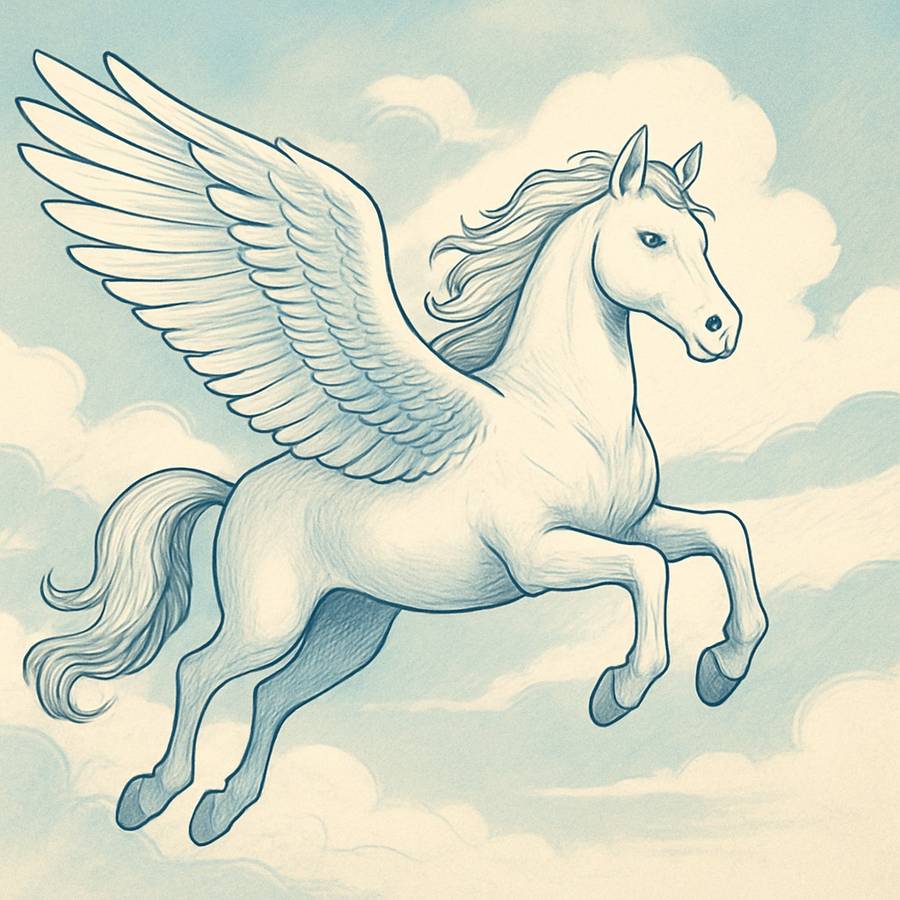
When Pegasus appears in your dreams, he brings more than beauty—he brings a message. His wings don’t just flap; they lift something inside you that’s been waiting to rise.
Dreaming of Pegasus often happens during moments of:
If Pegasus is flying, it’s often a sign that your spirit is seeking elevation—perhaps you’ve outgrown where you are. If he’s carrying you, it may symbolize divine support or a calling to trust your journey, even if the path isn’t visible yet.
Pegasus in dreams means you’re not stuck—you’re simply being invited to take off.
Long after Pegasus left the myth, he found his home in the sky.

The Pegasus constellation is one of the largest and brightest in the northern hemisphere. Found near Andromeda, it becomes most visible in the autumn months—symbolizing harvest, reflection, and letting go of what no longer serves you.
Spiritually, this star pattern represents:
Looking up at Pegasus in the night sky is a reminder: you are already part of something higher. You don’t need to earn your wings—you just have to remember them.
The Pegasus spiritual meaning represents freedom, emotional elevation, divine creativity, and the ability to transcend limitation. It’s the call to rise.
Dreaming of Pegasus often signals that your spirit is seeking expansion. It may indicate a creative breakthrough, a need for freedom, or divine encouragement to trust your journey.
Yes. Pegasus transforms from a creature of earth and struggle into a being of divine flight. He’s the symbol of your evolution—from heaviness into lightness, from fear into inspiration.
Spiritually, the Pegasus constellation symbolizes guidance, purpose, and elevation. It’s a cosmic sign that your soul path is supported by divine alignment.
Absolutely. Pegasus created the sacred Hippocrene spring—source of poetic inspiration. He’s a guide for artists, writers, and anyone channeling messages from a higher realm.
Discover the caduceus meaning: Hermes' winged staff of two serpents, its Greek origins, medical mix-up with Asclepius, and spiritu…
Discover what the Om symbol truly means—its Hindu, Buddhist, and Jain roots, dream symbolism, and how to use it in daily life.

Discover what the compass symbolizes across cultures — from spiritual guidance and moral direction to finding your true life purpo…