 Know
Know
Crystal & Stones
Selenite Meaning: Healing Properties, Uses & Benefits
What selenite crystal really means, its spiritual powers, ancient origins, and simple rituals to cleanse your space and calm your …
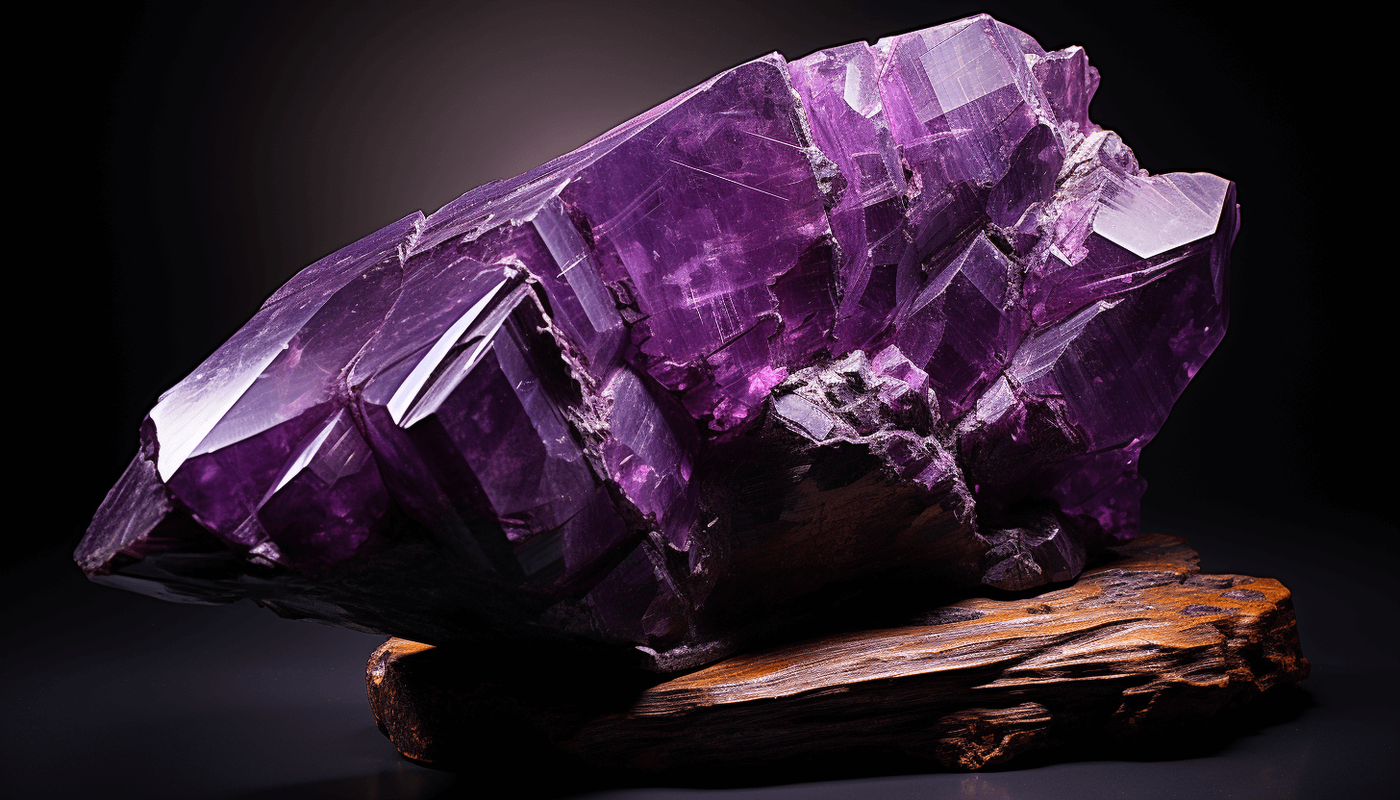
Welcome, fellow gem enthusiast! Today, we’re diving into the enchanting world of Opalite. Don’t let the term ‘synthetic’ put you off – this man-made beauty is every bit as intriguing as its natural counterparts.
With its captivating iridescence and milky hues, Opalite is a treat for the eyes. But what lies beneath its shimmering surface? How is it made, and what are its alleged healing properties? Let’s explore!
So, you’re wondering how Opalite is made? It’s a fascinating process! Unlike most gemstones that take millions of years to form beneath the Earth’s crust, Opalite is a man-made wonder.
Opalite, also known as ‘Sea Opal Glass’, ‘Opal Moonstone’ or ‘Opalised Glass’, is a form of opalescent glass. Its creation involves melting down a mixture of chemicals at high temperatures. This mixture usually contains silicon dioxide and metal oxides. But here’s the magical part – it’s the precise amounts and types of these ingredients that give Opalite its mesmerizing iridescent effect!
One of the reasons we love Opalite is because it’s a testament to human creativity. Its creation process allows for control over the final product’s appearance, making it possible to produce Opalite with a wide variety of different looks.
Opalite is a man-made synthetic glass, also known as ‘sea opal glass’, and is famous for its luminous, glowing quality, particularly when held up to the light. Its milky, opalescent coloration makes it resemble precious opal, hence the name.
Have you ever held a piece of Opalite? If you have, then you know it’s a sight to behold! Its primary allure lies in its visual characteristics.
Opalite is truly enchanting with its soft and gentle glow. It typically displays a range of colors from milky white to a beautiful sky-blue when held up against the light. And here’s a fun fact – you can see different colors depending on the angle and lighting! Isn’t that something?
One distinctive quality that sets Opalite apart is its luminescence. When you see Opalite under the light, you might notice a radiant glow. Some describe it as a ‘dancing aurora.’ It’s a remarkable play-of-color that can even resemble a vibrant rainbow.
Furthermore, the opalescence gives Opalite a ‘milky’ or ‘pearly’ appearance. This opalescent shimmer, coupled with its translucent nature, gives the stone its mystical aura and makes it a unique addition to any jewelry collection or spiritual practice.
Opalite and Opal may sound similar, but they’re quite different. To the untrained eye, they might look alike, but there are key factors that distinguish one from the other. Let’s dive into those differences!
| Property | Opalite | Opal |
|---|---|---|
| Origin | Man-made | Natural |
| Color | Mostly milky white to sky-blue | Varies (white, black, fire, boulder, etc.) |
| Play of Color | Luminescent with a soft glow | Vibrant and varies based on the type of opal |
| Price | Relatively inexpensive | Can be expensive depending on type and quality |
| Hardness (Mohs scale) | 5.5 – 6 | 5.5 – 6.5 |
Although they may seem similar at first glance, it’s clear that Opalite and Opal have distinct characteristics. Now, with this handy table as your guide, you’ll be a pro at spotting the difference!
Even though Opalite is a man-made stone, it doesn’t mean it lacks significance in the world of healing and spirituality. Many crystal enthusiasts and spiritual healers believe in the power of Opalite and use it in their practices. Here are a few common beliefs around Opalite’s healing properties:
Remember, the experiences with healing crystals can be deeply personal and can vary from person to person. So, whether you’re drawn to Opalite for its stunning aesthetic or its symbolic meanings, embrace the journey and see where it takes you!
In the world of crystal healing, stones are often associated with different chakras, or energy centers, in the human body. Now, you might be wondering, “Where does Opalite fit in the chakra system?”
Opalite is commonly believed to have a special connection with the Third Eye and Crown Chakras:
Whether you’re meditating with Opalite placed on these chakra points, or simply wearing it close to your body, the stone is thought to support balance and alignment of these energy centers. Remember, your experience with Opalite, like any other crystal, is a deeply personal journey. So, be open to exploring its impact on your chakras and see where it leads!
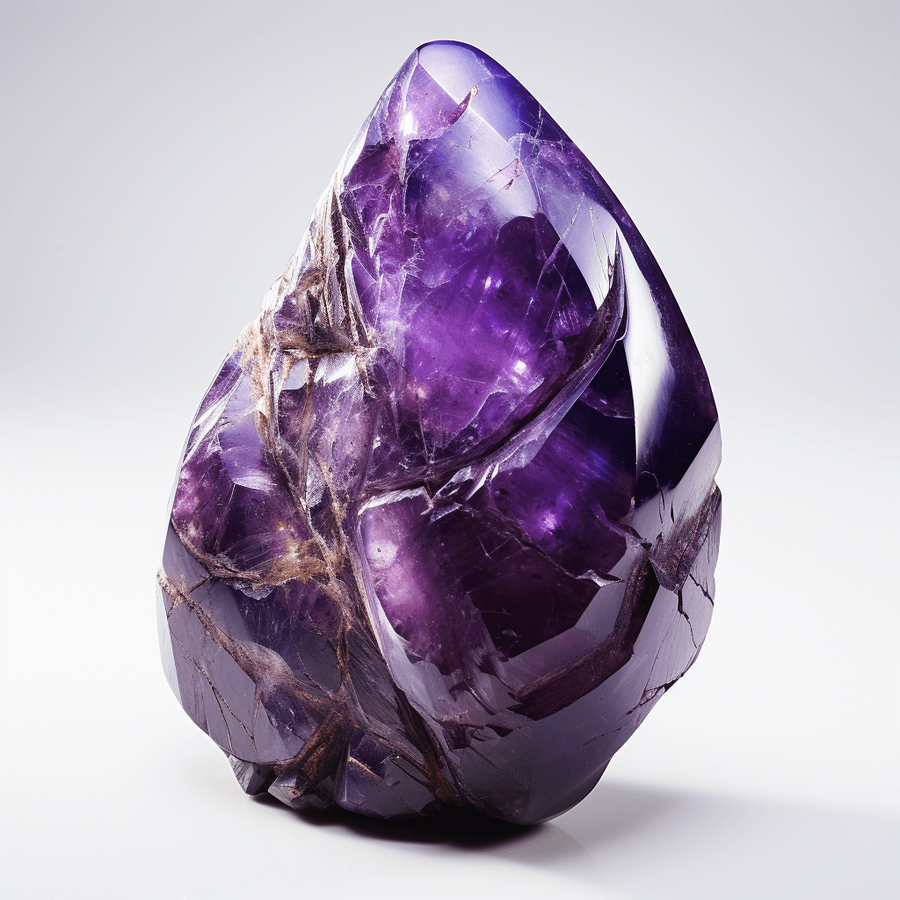
If you’re wondering how to incorporate Opalite into your daily life, you’re in luck! This stone’s beauty and associated benefits make it a versatile gem that can be used in numerous ways. Here are a few suggestions:
Remember, the way you choose to use Opalite will depend on your personal preferences and needs. So, feel free to get creative and find the method that works best for you!
While Opalite may not be a natural gemstone, it still deserves your tender love and care. Proper maintenance can help preserve its luminous glow and ensure it stays with you for a long time. So, here are a few handy tips for taking care of your Opalite pieces:
Caring for your Opalite properly ensures that you’ll be able to enjoy its beauty and benefits for years to come. Remember, every piece of Opalite is unique, just like you!
Although Opalite is a synthetic gemstone, it’s still essential to know what you’re buying and ensure you get quality for your money. So, here are a few pointers that can help you make the right purchase:
Whether you’re buying Opalite for its aesthetic appeal or its associated healing properties, the key is to find a piece that resonates with you. And remember, while Opalite may not be a ‘real’ gemstone, its charm and allure are undeniably real!
And there you have it – our comprehensive guide to the mesmerizing world of Opalite. Despite being man-made, Opalite’s undeniable charm lies in its luminous glow, the mesmerizing play of colors, and its claimed healing properties.
We’ve journeyed together through the creation and appearance of Opalite, understood how it differs from natural Opal, explored the spiritual beliefs surrounding it, and learned how to incorporate this beautiful stone into our daily lives. Whether it’s for personal use or gifting someone special, Opalite is a unique and intriguing addition to any crystal collection.
Remember, whether you’re attracted to Opalite for its aesthetic appeal, its association with chakra balance, or its supposed healing properties, it’s the personal connection that truly matters. So, don’t be deterred by its synthetic nature – let yourself be captivated by its opalescent charm and find a piece that truly resonates with you.
Happy exploring!
Opalite is a versatile gemstone that can be worn by anyone, regardless of zodiac sign or other astrological aspects. However, its benefits might be more pronounced for those who are particularly drawn to its unique energy and aesthetic appeal.
In the context of love, Opalite is often associated with emotional expression and communication. It is believed to help open up the heart and make one more receptive to love and understanding.
While Opalite is not typically classified as a love stone like Rose Quartz, it is often used to enhance emotional clarity and foster positive communications, which are key in any love relationship.
Opalite is a man-made stone and doesn’t have a specific zodiac sign associated with it. However, because of its properties, it could be beneficial to any sign.
Opalite is believed to improve communication and interaction, which can potentially enhance relationships. It’s also said to foster feelings of persistence and strength, helping individuals to express their feelings openly.
Some people believe that Opalite can bring good luck, particularly in situations involving transitions or significant changes. However, like all gemstones, the experience can vary significantly among different individuals.
No, Opalite does not glow in the dark. However, it is often admired for its luminous quality and milky iridescence, particularly when light shines through it.
Opalite is a man-made synthetic glass, intentionally created to simulate the optical effects of opal. While it’s not a naturally occurring crystal, its aesthetic and metaphysical appeal are genuine for many people.
Opalite is relatively durable as it’s made of glass. However, it’s not as hard as natural gemstones, so care should be taken not to scratch or chip it. It also might be affected by extreme temperature changes.
No, Opalite is not a moonstone. Despite some visual similarities, especially in their iridescence, they are distinct. Moonstone is a naturally occurring gemstone, while Opalite is a man-made glass product.
What selenite crystal really means, its spiritual powers, ancient origins, and simple rituals to cleanse your space and calm your …
Uncover citrine's true meaning, spiritual power, and healing uses — the golden crystal for abundance, confidence, and joy.
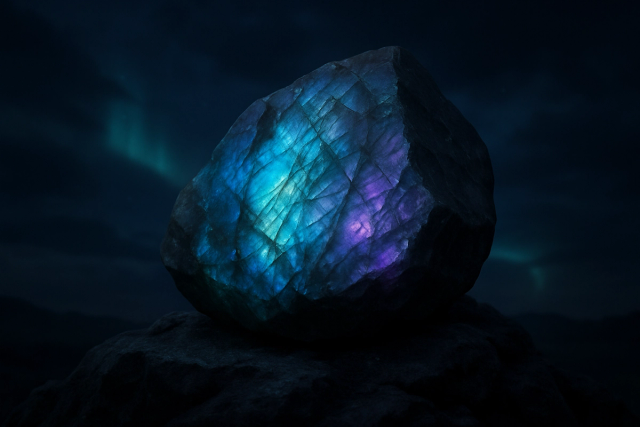
Discover labradorite's meaning, Inuit legend, healing properties, chakra uses, dream symbolism, and how to work with this shimmeri…