 Know
Know
General
Celtic Knot Meaning: Symbols of Eternity, Love & Ancient Wisdom
Endless. Interwoven. Eternal. Celtic knots don’t just decorate—they speak. You’ve probably seen one on a ring, a necklace, a tatto…
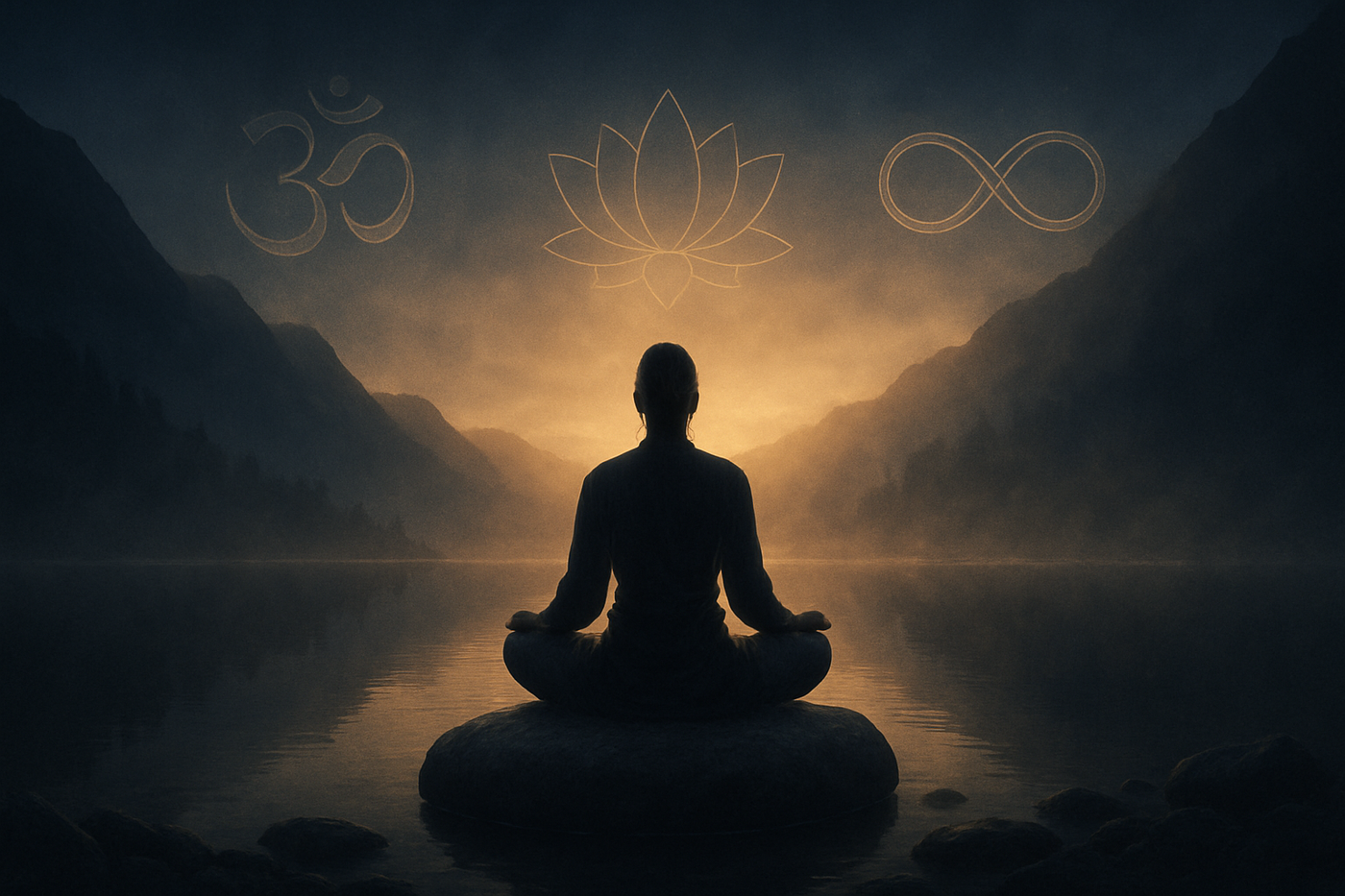
Before diving into the specific symbols, it’s essential to understand why symbols hold such a profound impact on our sense of peace. These simple shapes and designs have the power to reconnect us with our inner selves, providing a sense of stability and calm amidst the chaos of life. But what is it about symbols that makes them so effective in restoring balance?
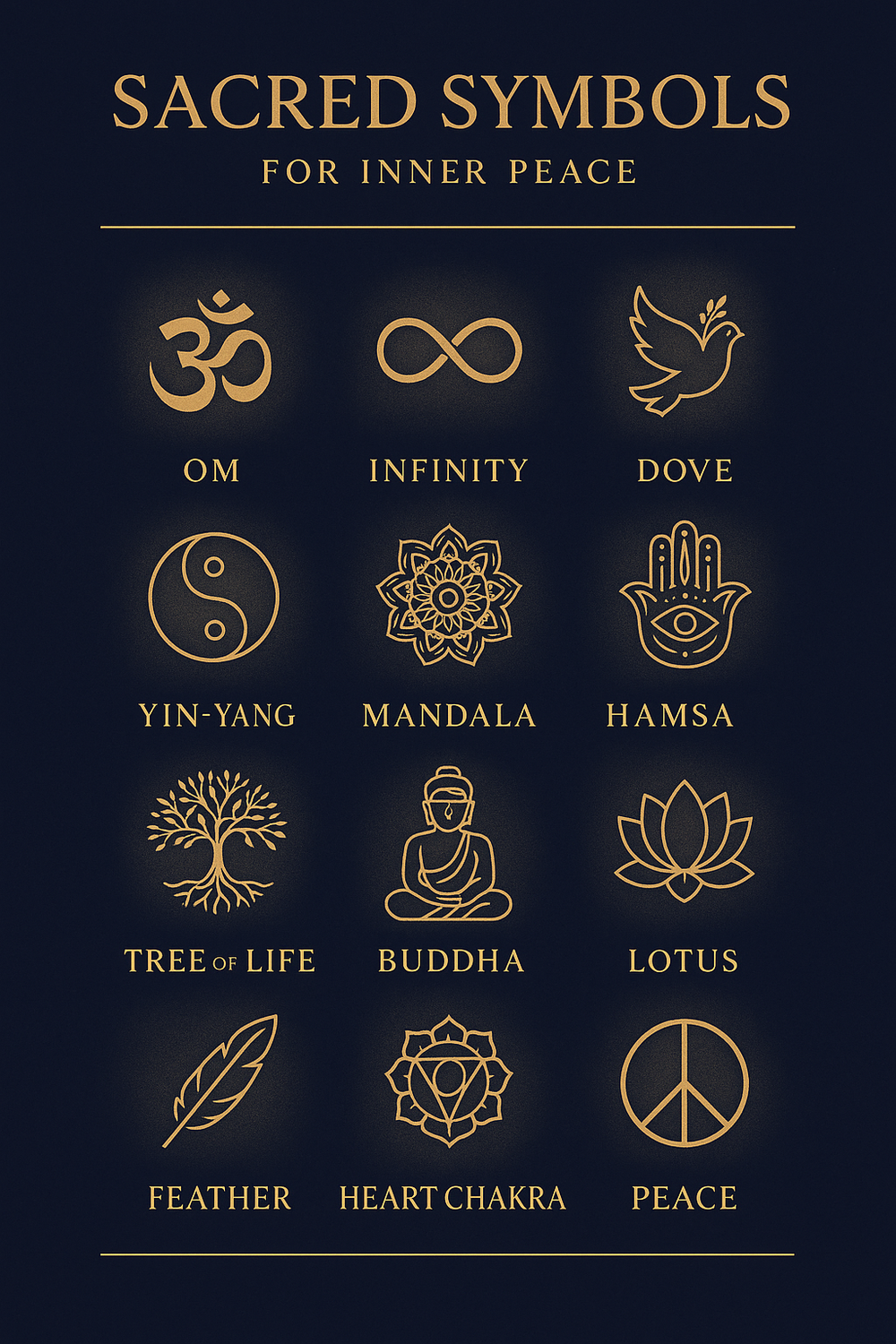
The Om symbol, an ancient representation of the universe’s sound, is a powerful tool for promoting deep tranquility. When chanted or meditated upon, this symbol can help align your inner self with the cosmos, fostering a sense of unity and peace. By focusing on Om, you can tap into the timeless energy that connects all of existence.
“The Om symbol resonates with the sound of the universe, bringing harmony to your mind and soul.”
The infinity symbol, with its flowing loops, is often interpreted as a representation of endless peace and harmony. This elegant design reminds us of the continuous flow of life and the infinite possibilities that lie within a peaceful existence. The never-ending loops symbolize the unbroken cycle of tranquility, encouraging us to embrace a life filled with enduring peace.
“The infinity symbol embodies the concept of endless peace, with its unbroken loops representing the eternal flow of harmony in our lives.”
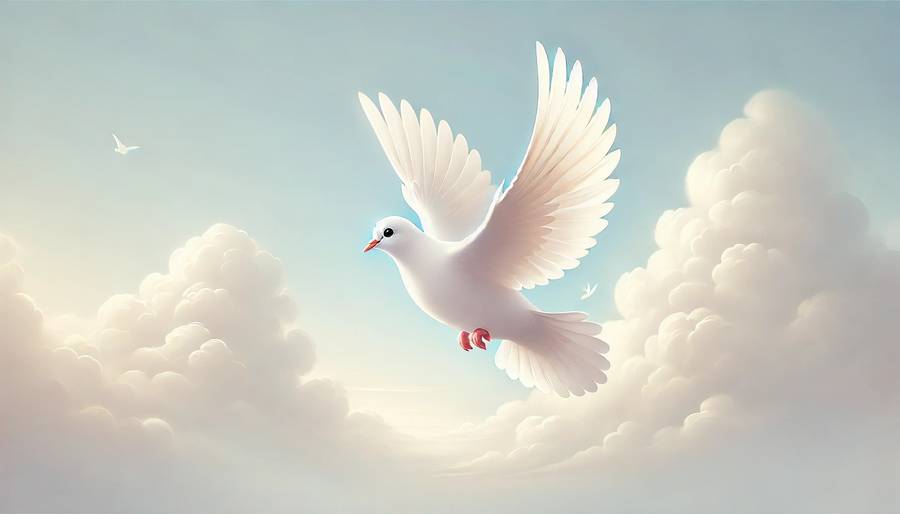
The dove has long been revered as a symbol of peace. With its gentle nature and historical significance, the dove continues to represent hope and serenity in a tumultuous world. This bird’s calm presence reminds us of the power of peace and the importance of maintaining tranquility in our lives.
“In a world full of chaos, the dove remains a timeless symbol of peace and hope.”
The Yin-Yang symbol from Chinese philosophy represents the balance between opposing forces in life. It embodies the duality of existence—light and dark, masculine and feminine, active and passive. By embracing both aspects within ourselves, we can achieve inner peace and harmony. The Yin-Yang reminds us that balance is key to a fulfilling life.
“True peace comes from embracing both the light and dark within us, just as Yin and Yang coexist in harmony.”
Mandalas, with their intricate circular designs, play a vital role in meditative practices. These patterns guide us towards mindfulness and inner calm by encouraging focused attention and contemplation. The repetitive nature of mandala designs helps quiet the mind, making them a powerful tool for achieving inner peace.
“Mandalas offer a path to mindfulness, drawing us into their intricate patterns and leading us to inner tranquility.”
The Hamsa Hand, a symbol deeply rooted in Middle Eastern cultures, represents protection, happiness, and peace. Often depicted with an eye in the center, the Hamsa is believed to ward off negative energy and bring blessings to its bearer. This ancient symbol continues to be cherished for its spiritual significance and its role in promoting a peaceful, protected life.
“The Hamsa Hand serves as a powerful talisman of peace and protection, guiding its bearer through life’s challenges.”
The Tree of Life is a powerful symbol representing the interconnectedness of all living things. Its roots dig deep into the earth while its branches reach towards the sky, symbolizing growth, strength, and a peaceful coexistence with nature. This ancient symbol reminds us of our connection to the world around us and the importance of nurturing our environment and ourselves.
“The Tree of Life symbolizes the balance between growth and connection, reminding us of our place in the natural world.”
The Buddha symbol represents enlightenment, wisdom, and a serene state of mind. Often depicted in peaceful meditation, the image of the Buddha serves as a reminder of the path to spiritual awakening. By focusing on the principles of compassion and mindfulness, the Buddha guides us towards inner peace and a deeper understanding of the self.
“The Buddha symbolizes the journey to enlightenment, offering a path to wisdom and serenity through mindful meditation.”
The Anahata, or Heart Chakra, is symbolized by a green lotus and is deeply associated with love, compassion, and inner peace. Located at the center of the chest, this chakra serves as a bridge between the physical and spiritual realms. Balancing the Heart Chakra helps cultivate harmonious relationships and a deep sense of connection with others, fostering a peaceful and loving existence.
“Anahata, the Heart Chakra, radiates love and compassion, guiding us to a life filled with inner peace and connection.”
Feathers symbolize lightness, freedom, and a peaceful state of mind. Often used in spiritual practices, they represent transcendence and the connection between the earthly and spiritual realms. Whether found in nature or used in rituals, feathers remind us of the importance of rising above challenges and maintaining a sense of freedom and peace within ourselves.
“Feathers carry the essence of lightness and freedom, encouraging us to soar above life’s difficulties with a peaceful heart.”
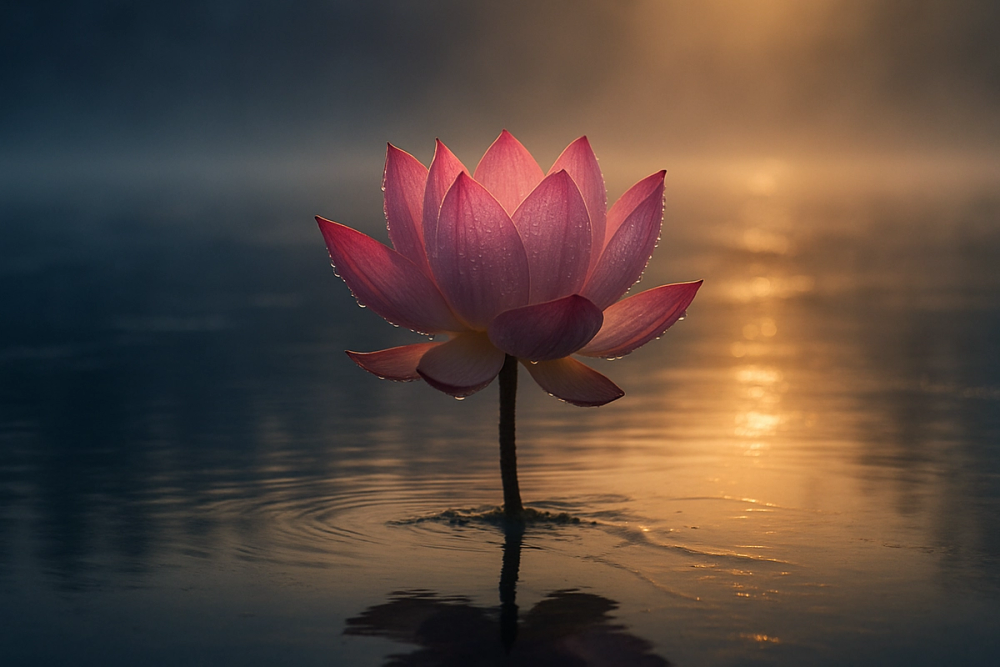
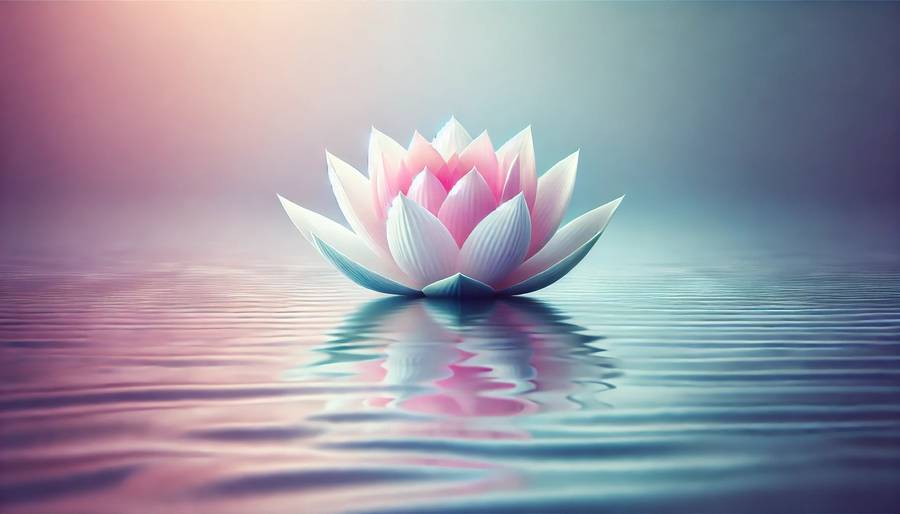
The lotus flower, a symbol of purity, rebirth, and spiritual awakening, holds deep significance in many cultures. This beautiful flower rises from muddy waters, symbolizing the journey from darkness to light. It inspires inner peace and growth, reminding us that even in challenging circumstances, we can emerge stronger and more serene.
“Just as the lotus rises from the mud, we too can find peace and clarity in the midst of life’s challenges.”
Each person’s journey toward inner tranquility is unique, and finding the symbol that resonates most deeply can be a powerful tool in achieving peace. Whether it’s a traditional symbol like the Om or something more personal, this section encourages you to explore different symbols and discover the one that aligns with your path to peace. Your chosen symbol can serve as a daily reminder of your commitment to a serene and harmonious life.
“Discovering your personal symbol for peace is a journey of self-exploration, guiding you toward the tranquility that lies within.”
How can I use symbols for meditation?
Symbols can be powerful focal points in meditation, helping to calm the mind and deepen your practice. Choose a symbol that resonates with you, and visualize or focus on it during your meditation sessions.
What is the best symbol for inner peace?
The best symbol for inner peace varies from person to person. Some find peace in traditional symbols like the Om or Lotus, while others may resonate with more personal or cultural symbols.
Can wearing jewelry with peace symbols help me feel calmer?
Yes, wearing jewelry with peace symbols can serve as a daily reminder of tranquility and can help you stay grounded and calm throughout the day.
Are there any modern symbols for inner peace?
Yes, modern symbols such as the peace sign or even digital symbols like emojis have been adapted to represent inner peace in today’s culture.
How do different cultures view symbols of peace?
Different cultures have unique symbols and interpretations of peace. For example, the dove is widely recognized in the West, while the Hamsa is prominent in Middle Eastern cultures.
Can I create my own symbol for inner peace?
Absolutely! Creating your own symbol for inner peace can be a deeply personal and meaningful way to connect with your inner self.
What is the significance of colors in peace symbols?
Colors play a crucial role in peace symbols. For instance, green is often associated with harmony and balance, while white symbolizes purity and calmness.
Endless. Interwoven. Eternal. Celtic knots don’t just decorate—they speak. You’ve probably seen one on a ring, a necklace, a tatto…
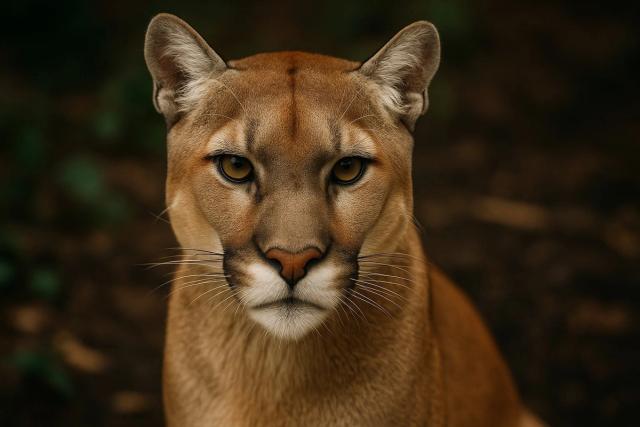
What does the puma represent? More than just a powerful predator, the puma—also known as cougar, mountain lion, or panther—is a pr…
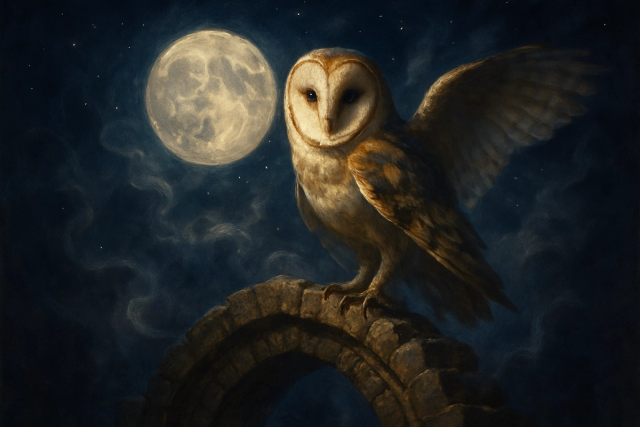
What do owls really symbolize? Explore owl spiritual meaning, totem energy, dream interpretations, colors, and omens across world …