 Know
Know
Jewelry & Fashion
What Is Platinum? Properties, Value & Care Guide
Discover what platinum really is, why it costs more than gold, and how to keep it brilliant for a lifetime of wear.
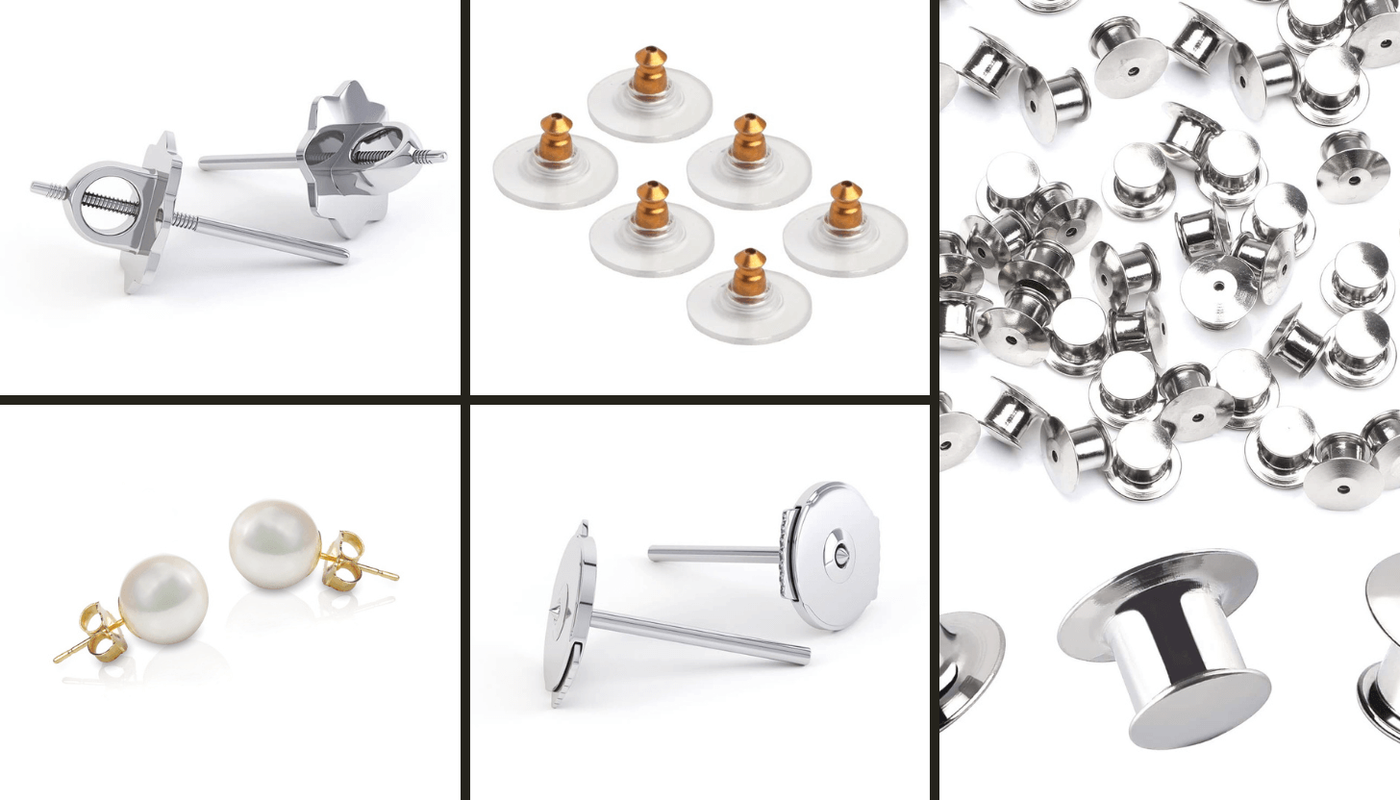
When you step into the glimmering world of jewelry, especially earrings, you might get surprised by the myriad of choices available. It’s not just about the stones, metals, and designs; there’s something often overlooked but incredibly vital – the earring backs. They may be small, but these tiny components play a significant role in your comfort, the security of your adornment, and even impact the overall aesthetic of your earrings.
So, whether you’re a jewelry newbie, a savvy shopper looking to broaden your knowledge, or just someone who lost an earring and wondered why, this comprehensive guide is for you. We’re about to explore the fascinating universe of 24 types of earring backs, each with its unique features and uses. So, grab your magnifying glass and let’s dive in, shall we?
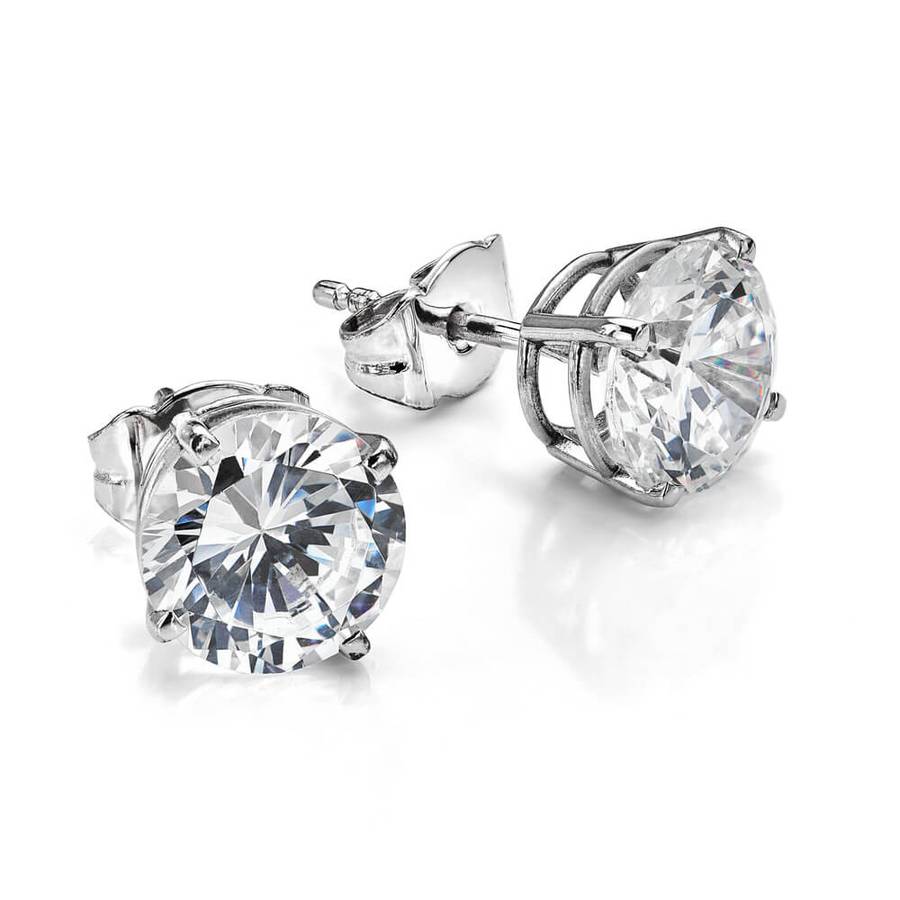
Butterfly Clasp, fondly named for its butterfly-like appearance, is the most common type of earring back you’ll encounter. It’s a breeze to use – you simply push it onto the post until it fits snugly.
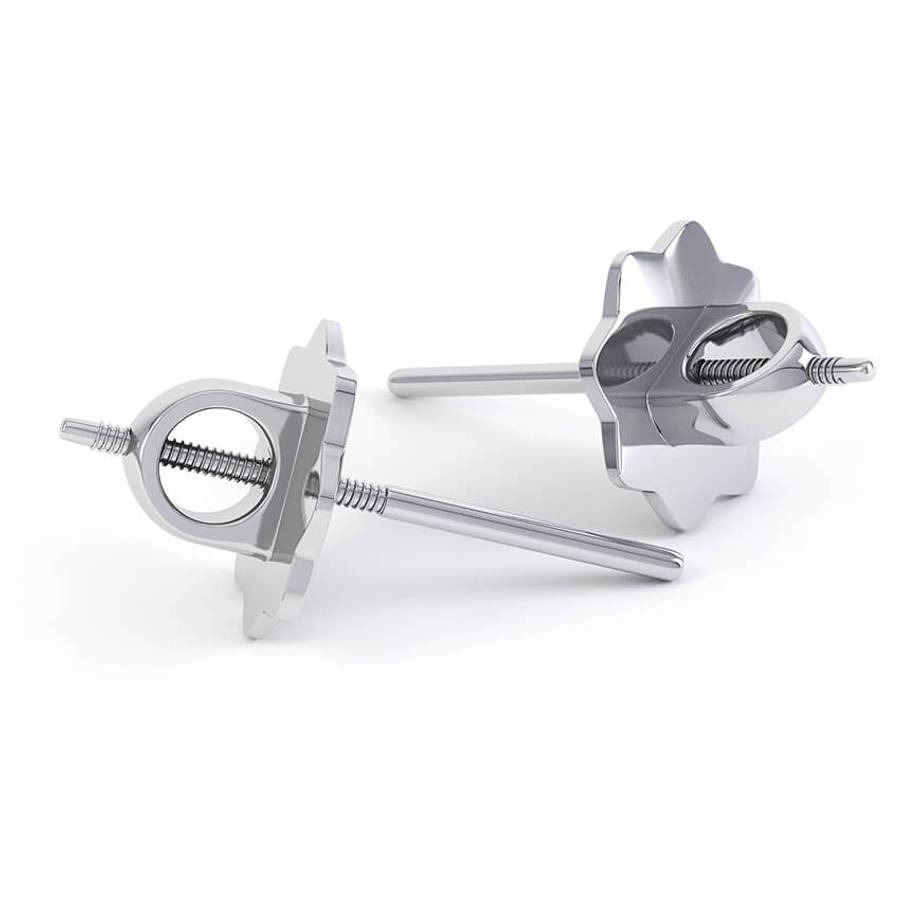
Screw Backs take security up a notch. The earring post is threaded so that the back can be screwed on, providing excellent security. You’ll often find them on pricier earrings or those with precious gemstone settings.
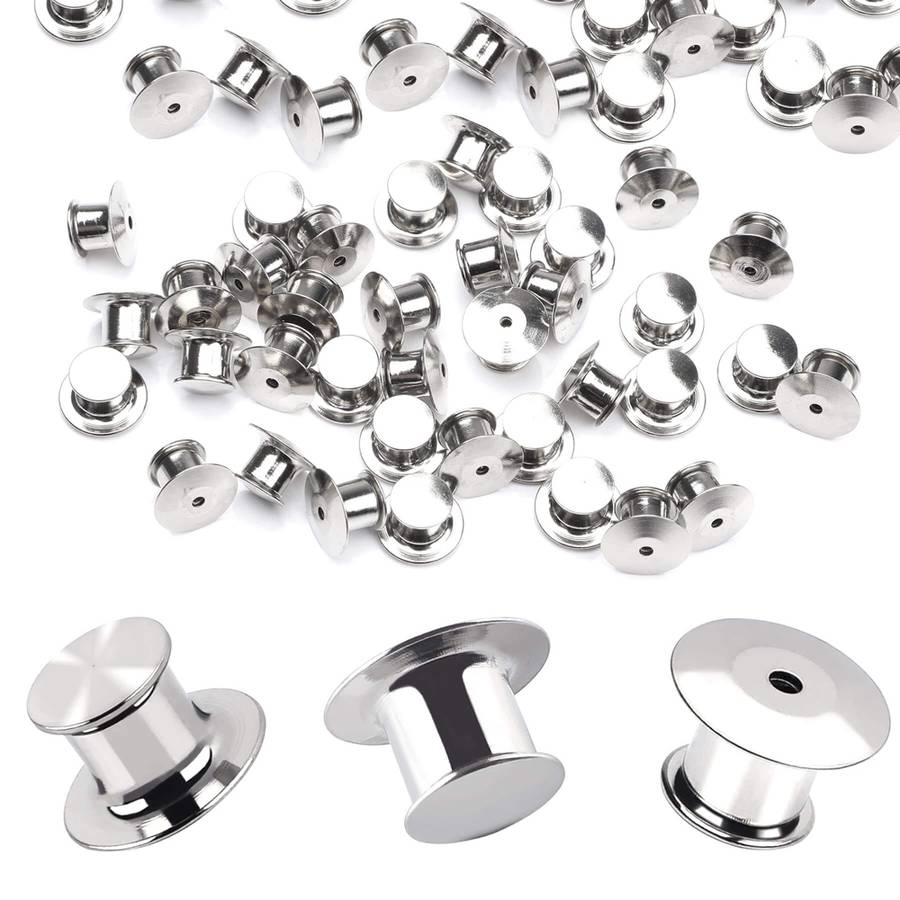
Meet the Locking Backs, the guardians of your treasured danglers. Designed to hold heavier or valuable earrings securely, they use a spring-loaded mechanism that locks the back into place until you manually release it.
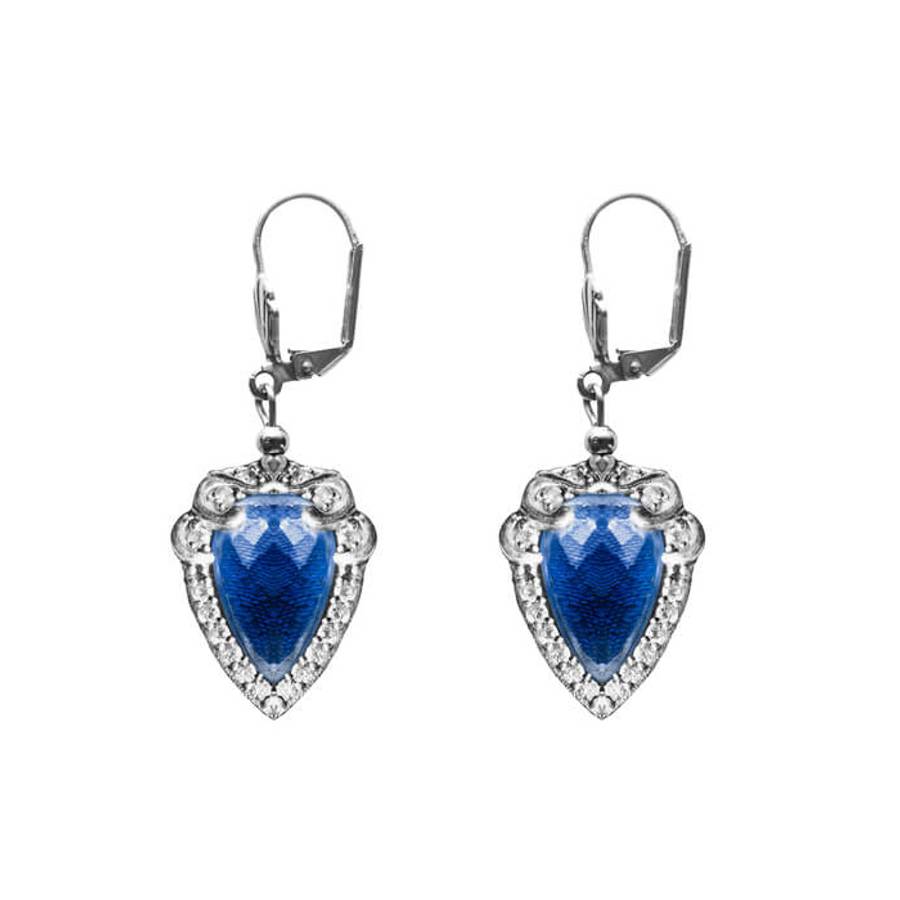
The Lever Back is a favorite among many earring enthusiasts. Its hinged lever loop closure fits into a notch on the post, providing a comfortable and secure fit that’s easier to manage than the Screw Back.
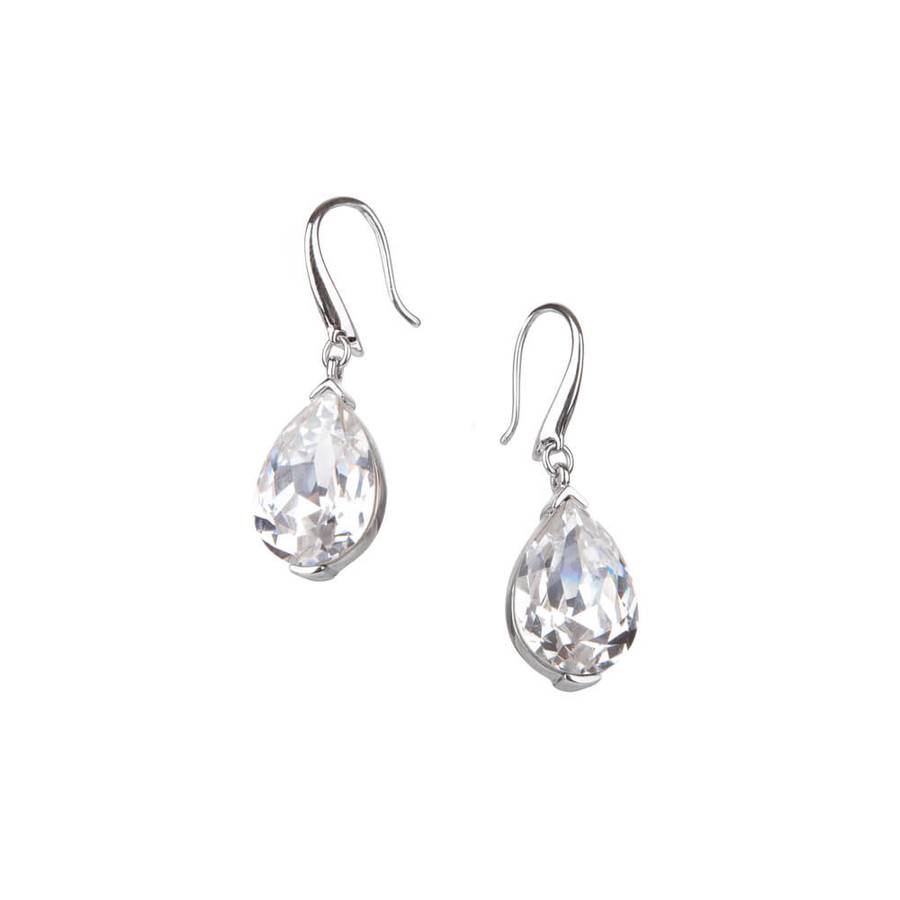
Just like the name suggests, Fish Hook backs have a shape that’s reminiscent of an actual fish hook. These earring backs dangle from your ears and give your earrings a charming drop effect.
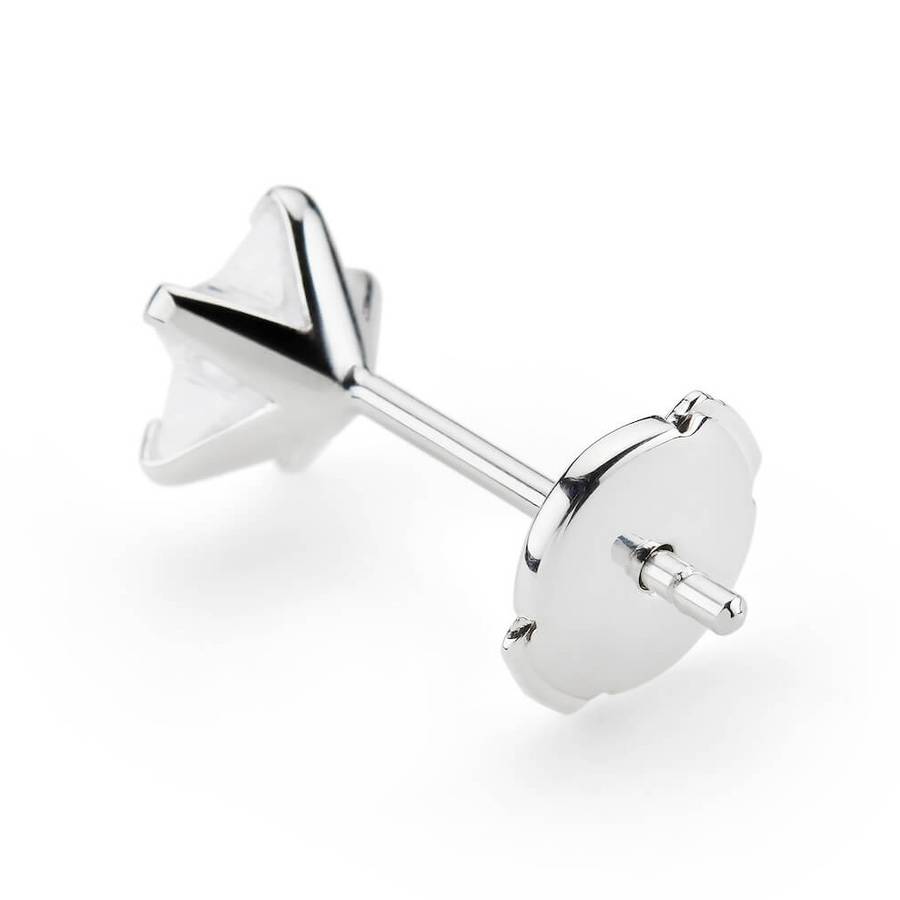
La Pousette Backs are all about secure and comfortable wear. They use a post and a special locking mechanism. You press the two tabs at the side to release the back – hence, a secured yet accessible choice.
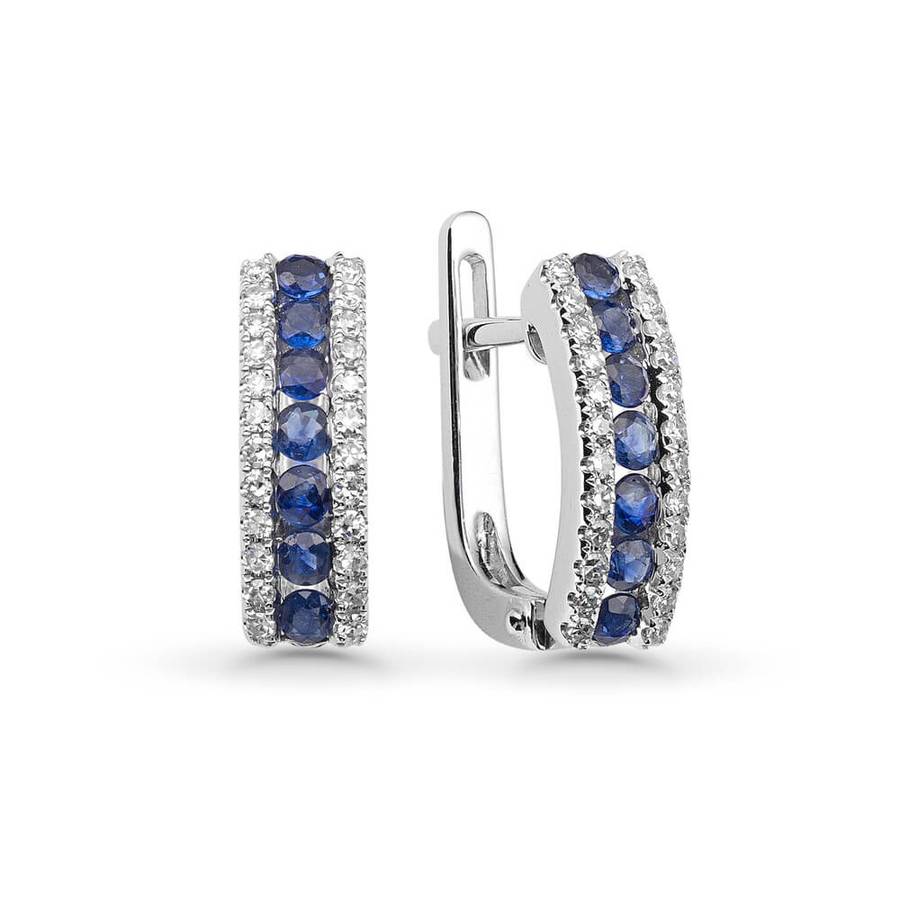
Latch Backs, also known as Huggie earrings, come with a hinged post that penetrates through the earlobe and latches inside the earring, offering both comfort and security.
For those who love the vintage look, the French Clip backs might be your perfect match. They have a hinged clip that snaps onto the post, which means you can wear these even without pierced ears.
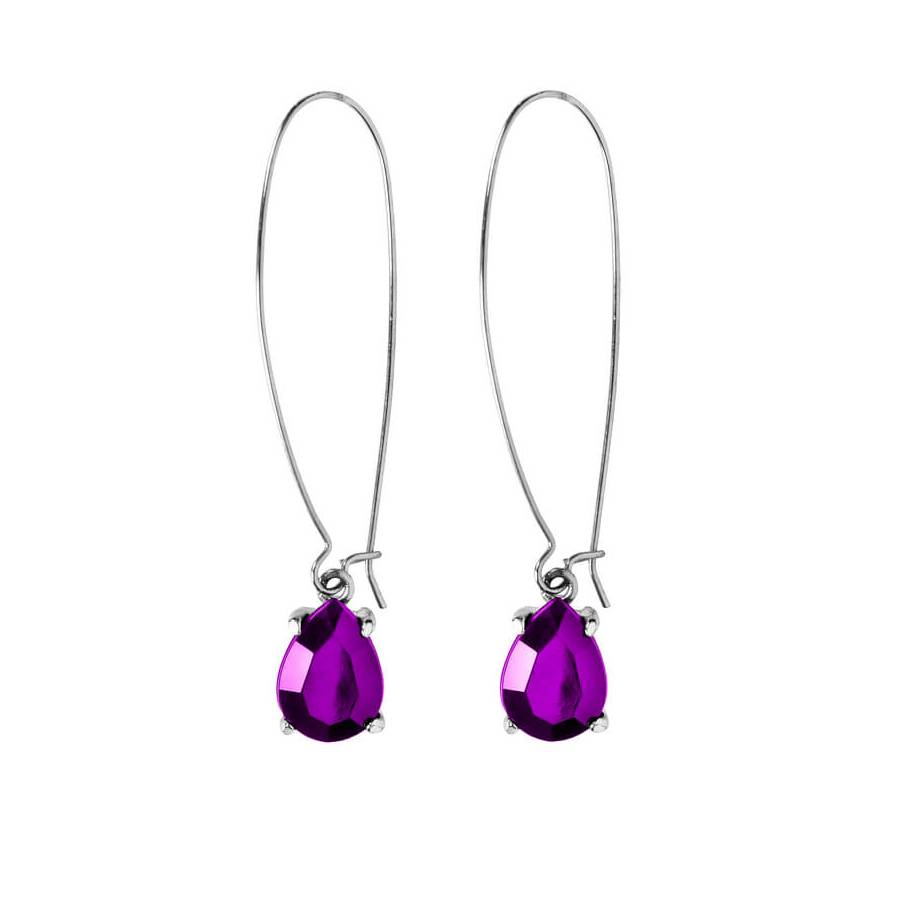
Kidney Wire backs, named for their unique shape that resembles a kidney, are mostly used for drop earrings. These have a secure latch that hooks onto the back of the wire to keep your earrings in place.
Threaded Post backs are for those who appreciate extra security. The post is threaded, allowing the back to screw on. This takes a bit more time, but it’s worth it to keep your earrings firmly in place.
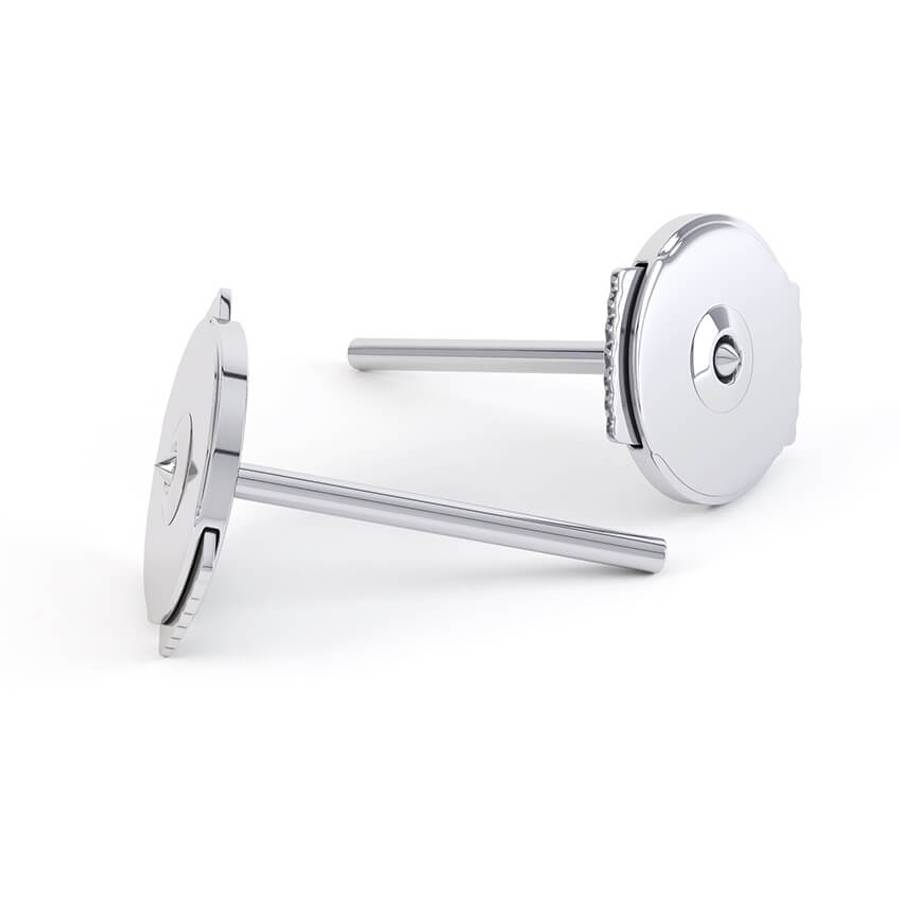
Alpha Backs, also known as Protektor backs, are designed with security and ease of use in mind. They feature a spring mechanism that securely locks the earring in place.
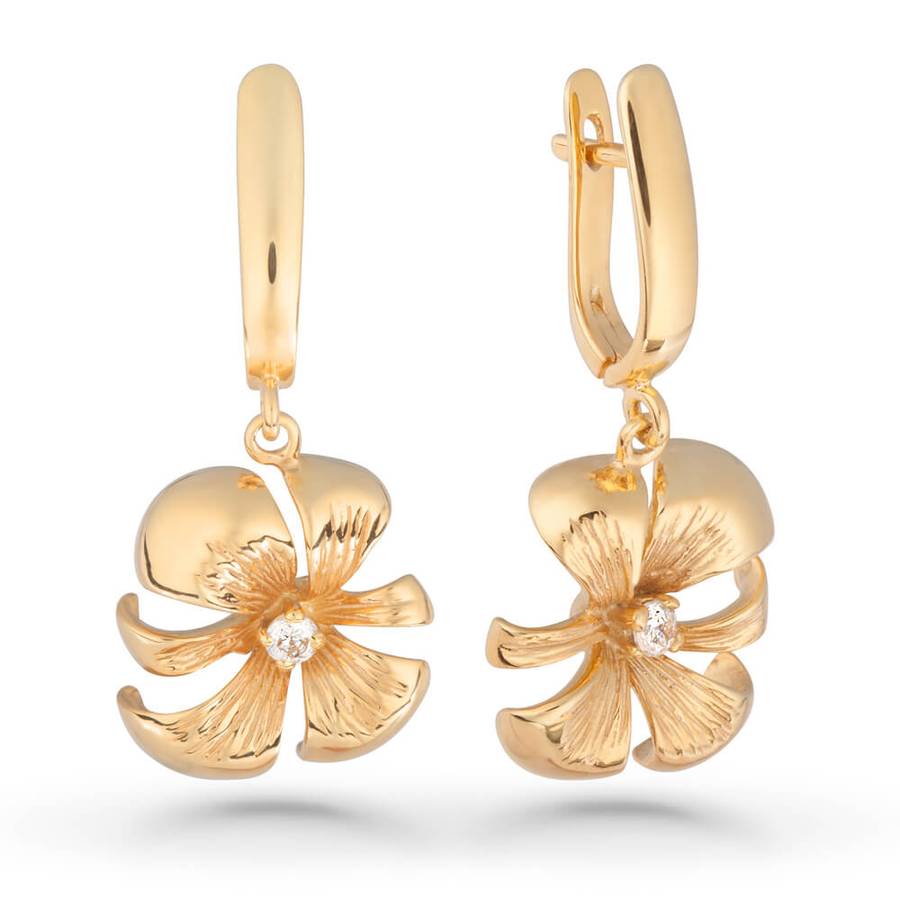
Omega Backs, named for their resemblance to the Greek letter Omega, offer a wonderful blend of comfort and security. They’re hinged at the bottom and snap onto a post at the top, forming a loop that fits around the earlobe.
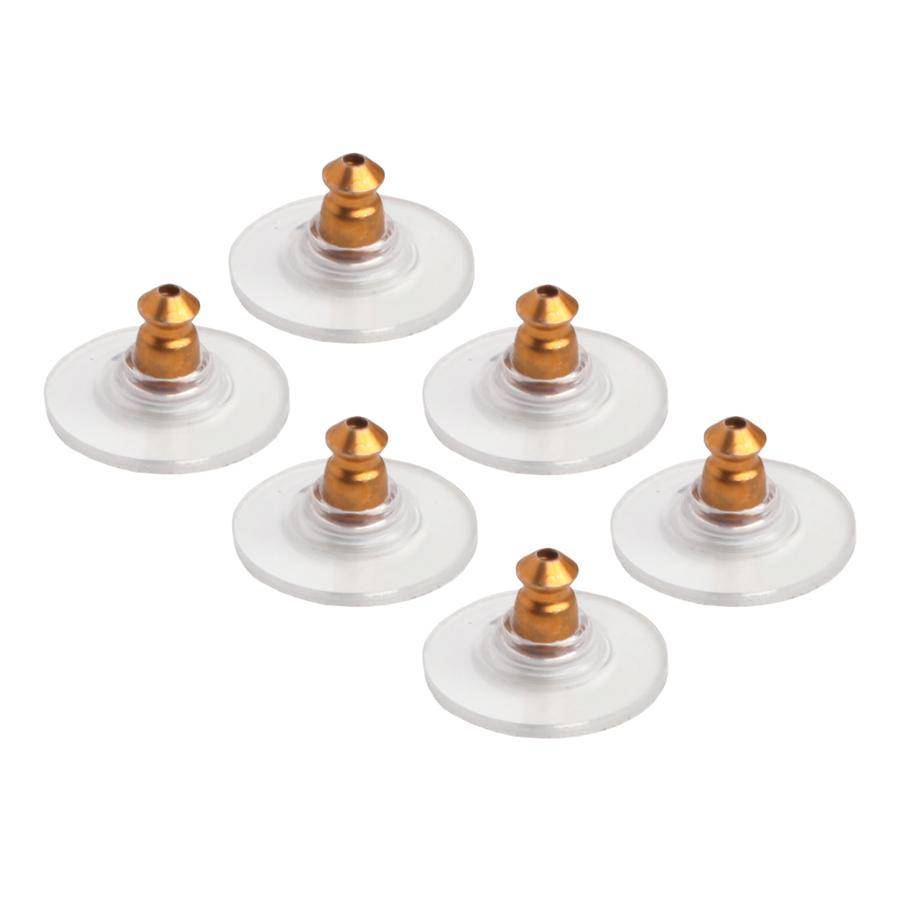
Plastic Disc Backs are a staple in the world of costume jewelry. The plastic disc not only secures the earring in place but also helps larger or heavier earrings sit properly without drooping.
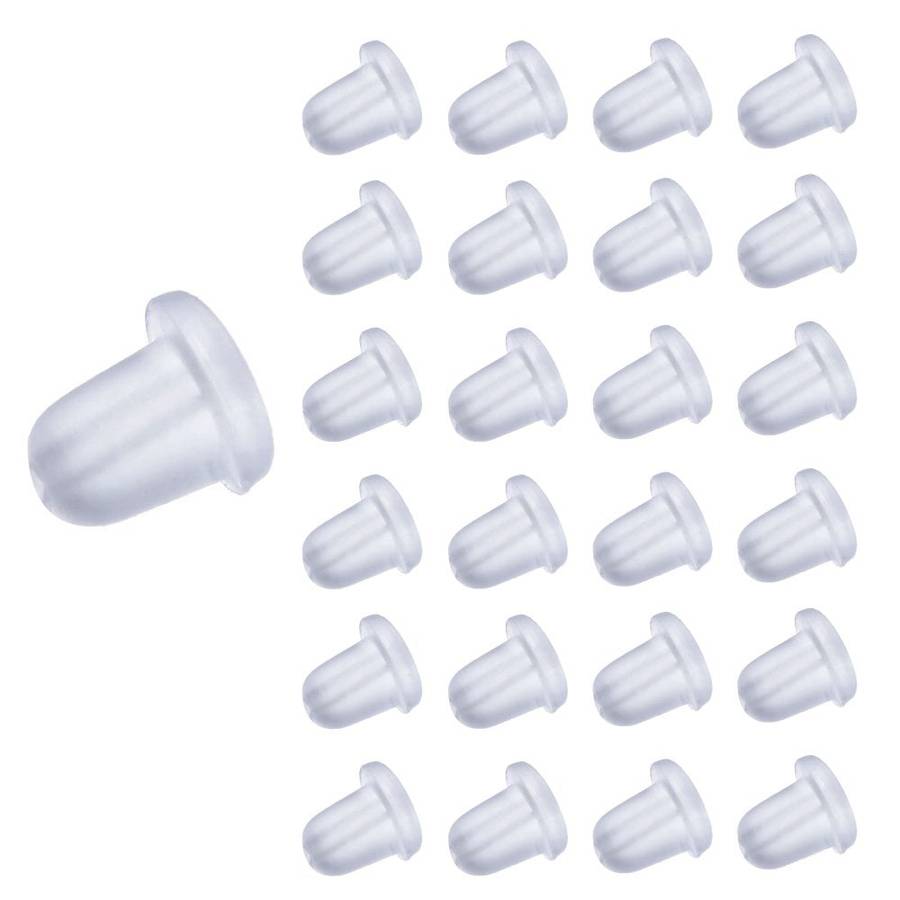
Rubber Stoppers are a simple, lightweight option. These are often used as an additional security measure on other types of earring backs, or for light and small earrings.
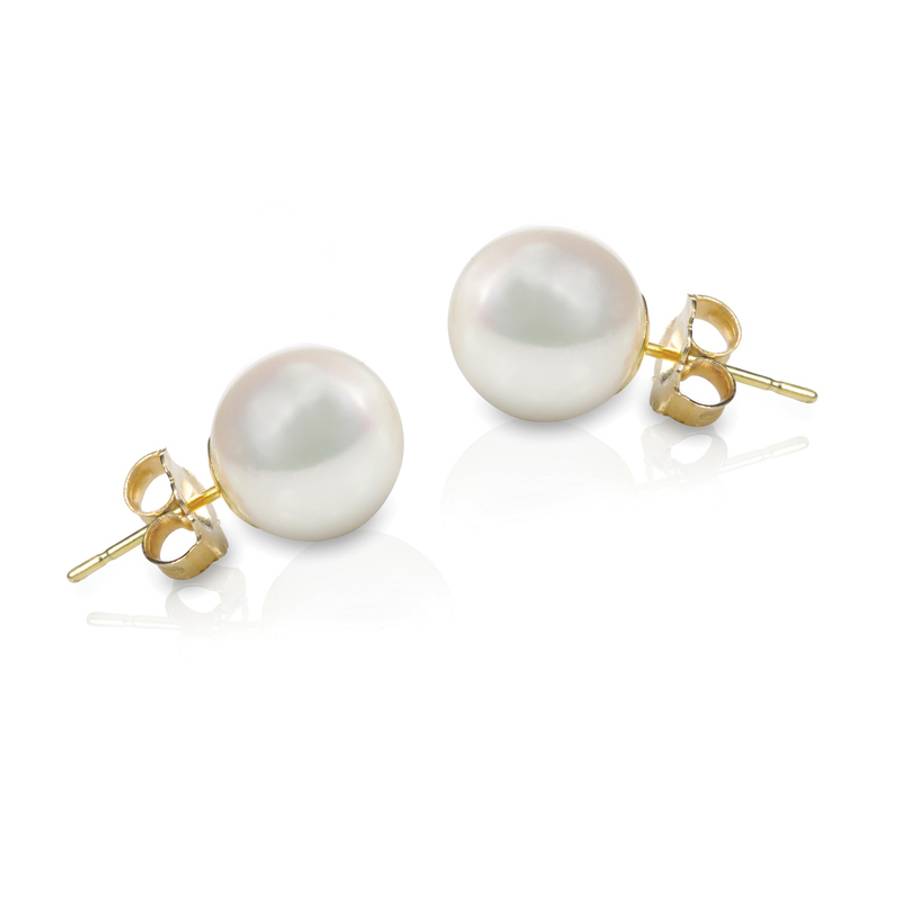
Also known as push backs or butterfly backs, Friction Backs are the most common type of earring back. They work on the principle of friction to hold the earring in place, making them easy to use and widely versatile.
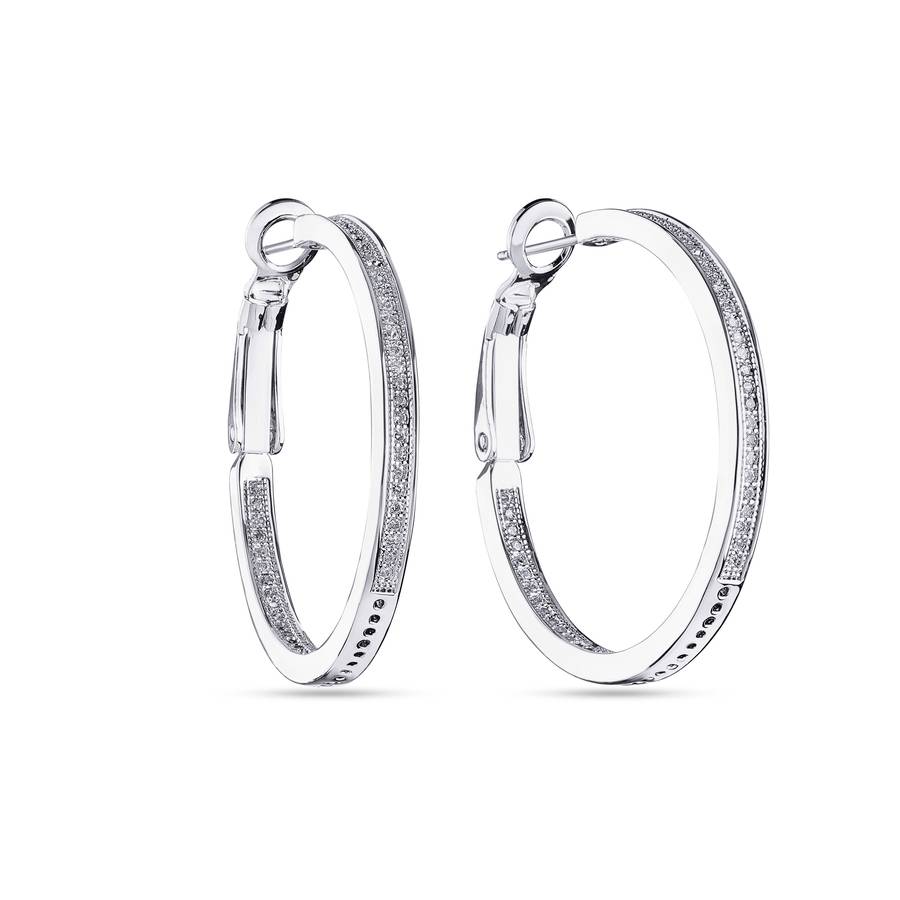
Snap-On backs are typically used with hinged hoop earrings. The post of the earring simply snaps into a hole on the other side of the earring, providing a secure fit.
Clip-On backs are perfect for those who prefer to avoid piercing their ears. As the name suggests, they simply clip onto your earlobe. They’ve been around for decades and come in many decorative styles.
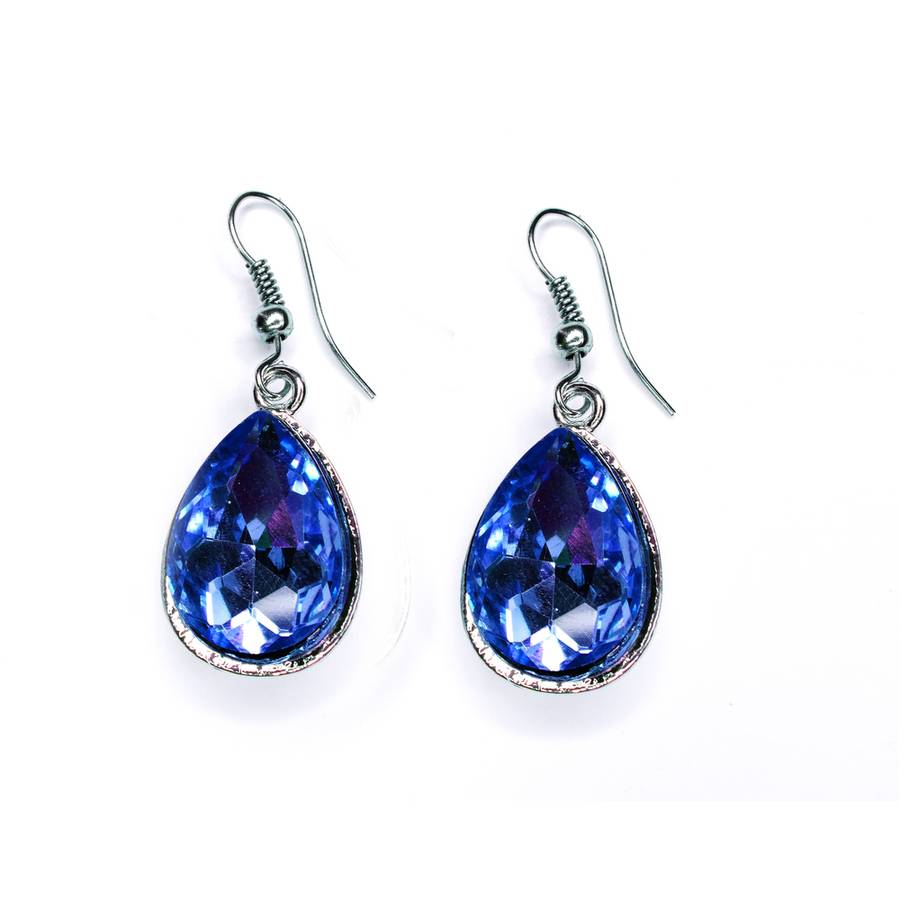
Wire Backs are a classic option, often seen in drop or dangle earrings. The wire passes through the earlobe and is light and comfortable to wear. They can add an elegant touch to your earrings.
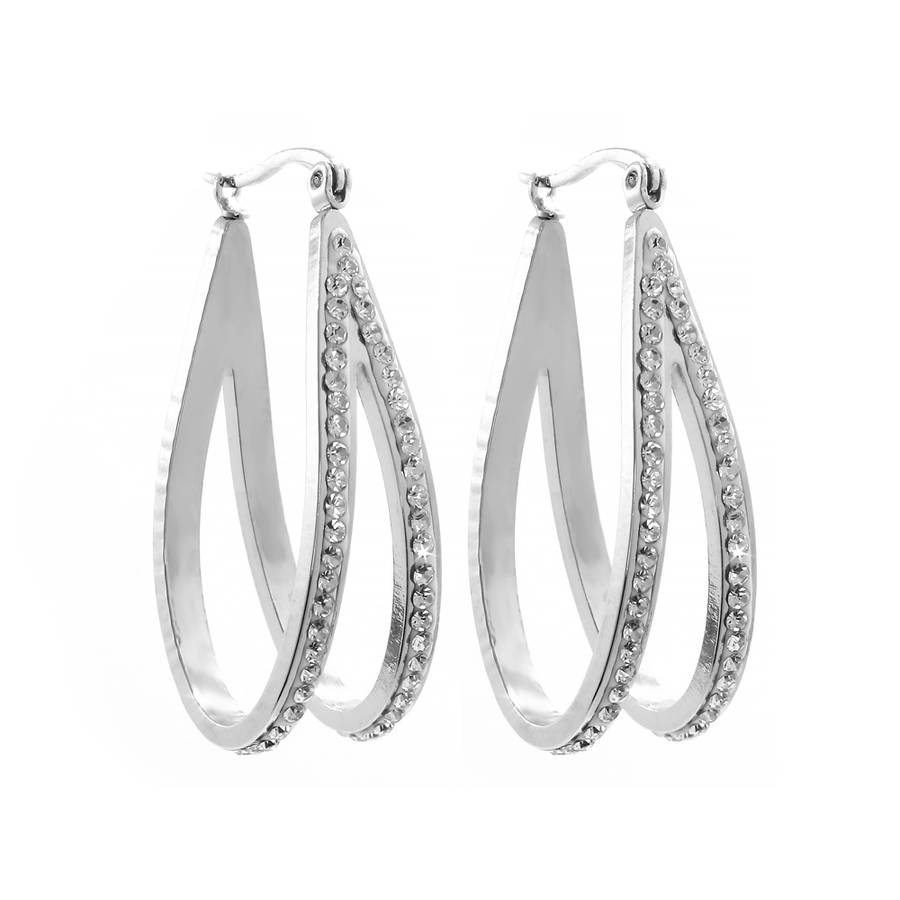
Saddleback backs, also known as European locks, are commonly found on hoop earrings. They have a hinged lever that locks into place in a groove on the post, providing a secure fit and a comfortable experience.
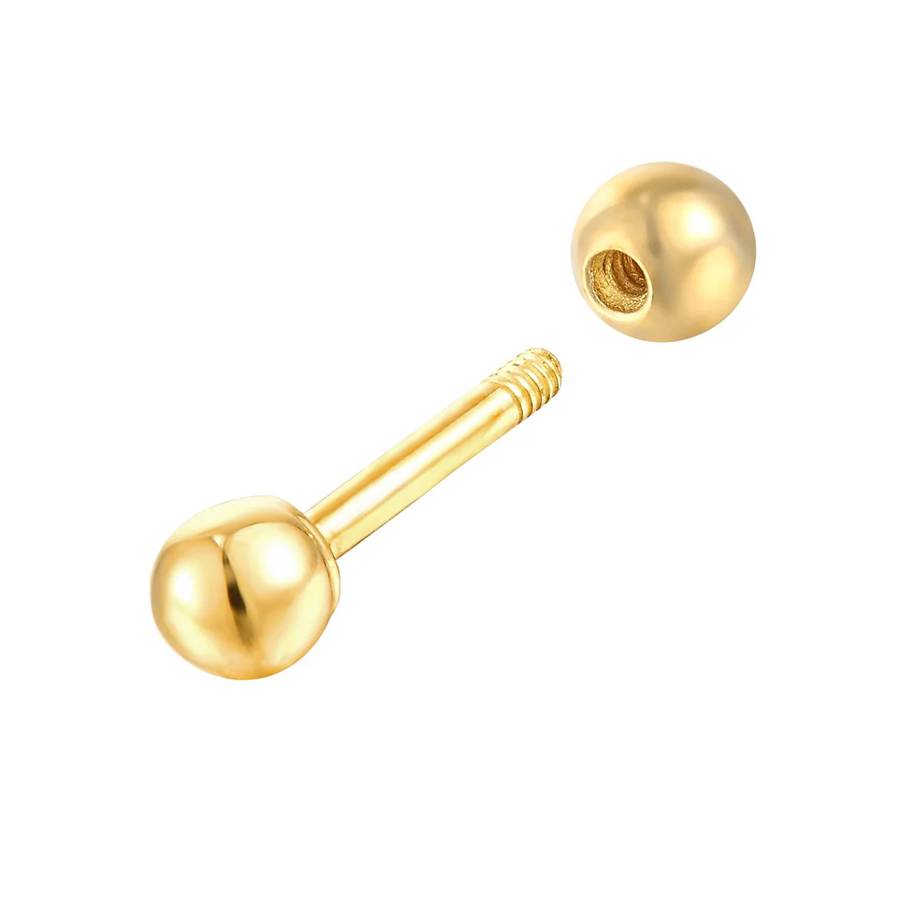
Ball Backs are essentially a variation of the butterfly or push-back, but instead of a flat piece, there’s a decorative ball. This type of back can add an extra aesthetic element to your earring design.
Bezel Backs are typically used for earrings with large stones. They not only secure the earring, but also add to the aesthetic appeal of the earring, making the stones appear larger and more prominent.
Flat Pad backs are most commonly used for stud earrings. They have a flat surface that rests against the back of the earlobe, making them comfortable to wear.
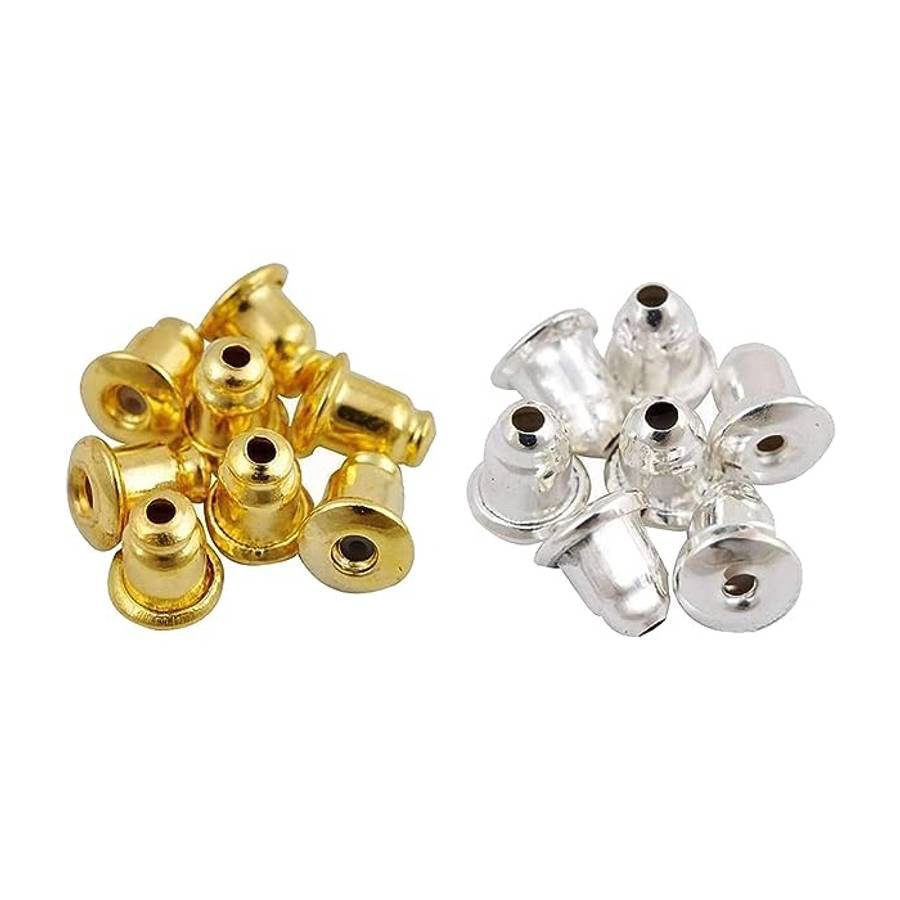
Barrel Clutch backs are designed for security. They’re named after their unique shape, resembling a barrel, and usually come with a safety mechanism to prevent the earring from slipping off.
Cup and Post backs are a great option for heavier earrings or those with larger gems. The ‘cup’ provides support, allowing the earring to sit comfortably without drooping.
And there you have it – a comprehensive rundown of 24 different types of earring backs! It’s clear that there’s an earring back out there for every style, comfort level, and type of earring you could imagine. Remember, the perfect earring back for you depends on a variety of factors: your lifestyle, the type of earrings you wear, and your personal comfort. By understanding the pros and cons of each type, you can make a more informed decision and enjoy your favorite earrings without worry. So, don’t be afraid to explore different options and find the best fit for you. After all, the world of earrings is as vast and varied as the people who wear them!
Locking Backs, Screw Backs, and Barrel Clutches are generally considered the most secure types of earring backs. They provide a sturdy hold and often come with a safety mechanism to prevent the earring from accidentally slipping off.
The back of an earring is generally called an earring back, or more specifically, it can be referred to by its specific type such as Butterfly Clasp, Screw Back, Locking Back, etc.
Push Back earrings, also known as Butterfly Clasps, are put on by simply pushing the back onto the earring post. Screw Back earrings, on the other hand, involve a threaded post that requires the back to be screwed on, offering a more secure fit.
For stud earrings, Screw Backs or Locking Backs are typically the most secure options. They provide a sturdy hold that reduces the risk of the earring accidentally coming loose or falling out.
Screw backs offer a high level of security which can make them a better choice for expensive earrings or for those that hold sentimental value. However, they can be less convenient as they take longer to put on and take off.
No, not all earrings are compatible with Screw Backs. The earring post needs to be threaded for the Screw Back to work. If an earring wasn’t designed with a Screw Back in mind, it might not be possible to modify it without damaging the earring.
In a pinch, you can use eraser tips, small pieces of rubber, or even pencil erasers as temporary earring backs. However, for long-term wear and especially for valuable earrings, it’s best to use the appropriate earring backs.
Both metal and rubber earring backs have their pros and cons. Metal backs are typically more durable and secure, but they can sometimes be less comfortable than rubber backs. Rubber backs are soft and comfortable, but they may not provide as much security and can degrade over time.
Discover what platinum really is, why it costs more than gold, and how to keep it brilliant for a lifetime of wear.
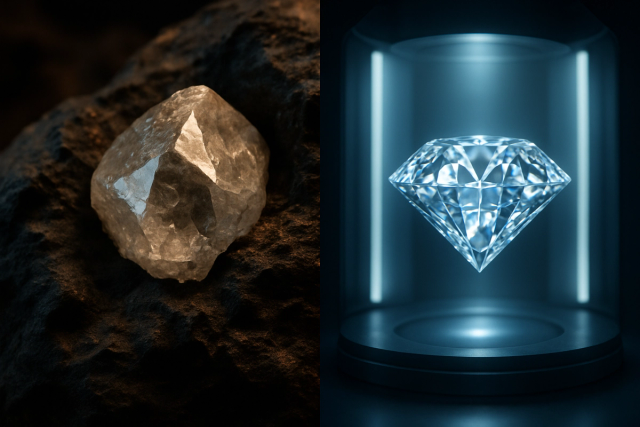
Lab-grown vs natural diamonds compared: origin, price, resale value, ethics, and meaning — choose the right stone with confidence.
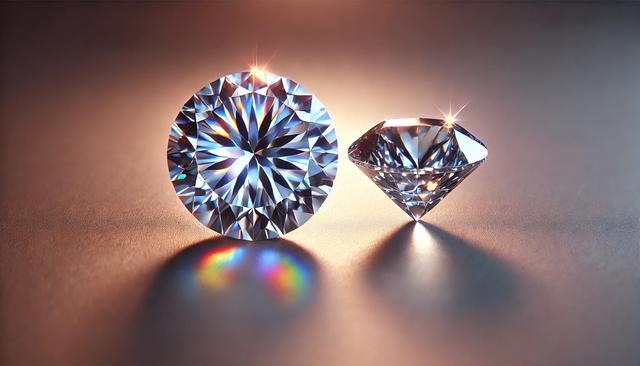
Moissanite, a gemstone lauded for its exceptional brilliance and striking similarity to diamonds, has become an increasingly popul…