 Know
Know
Crystal & Stones
Selenite Meaning: Healing Properties, Uses & Benefits
What selenite crystal really means, its spiritual powers, ancient origins, and simple rituals to cleanse your space and calm your …
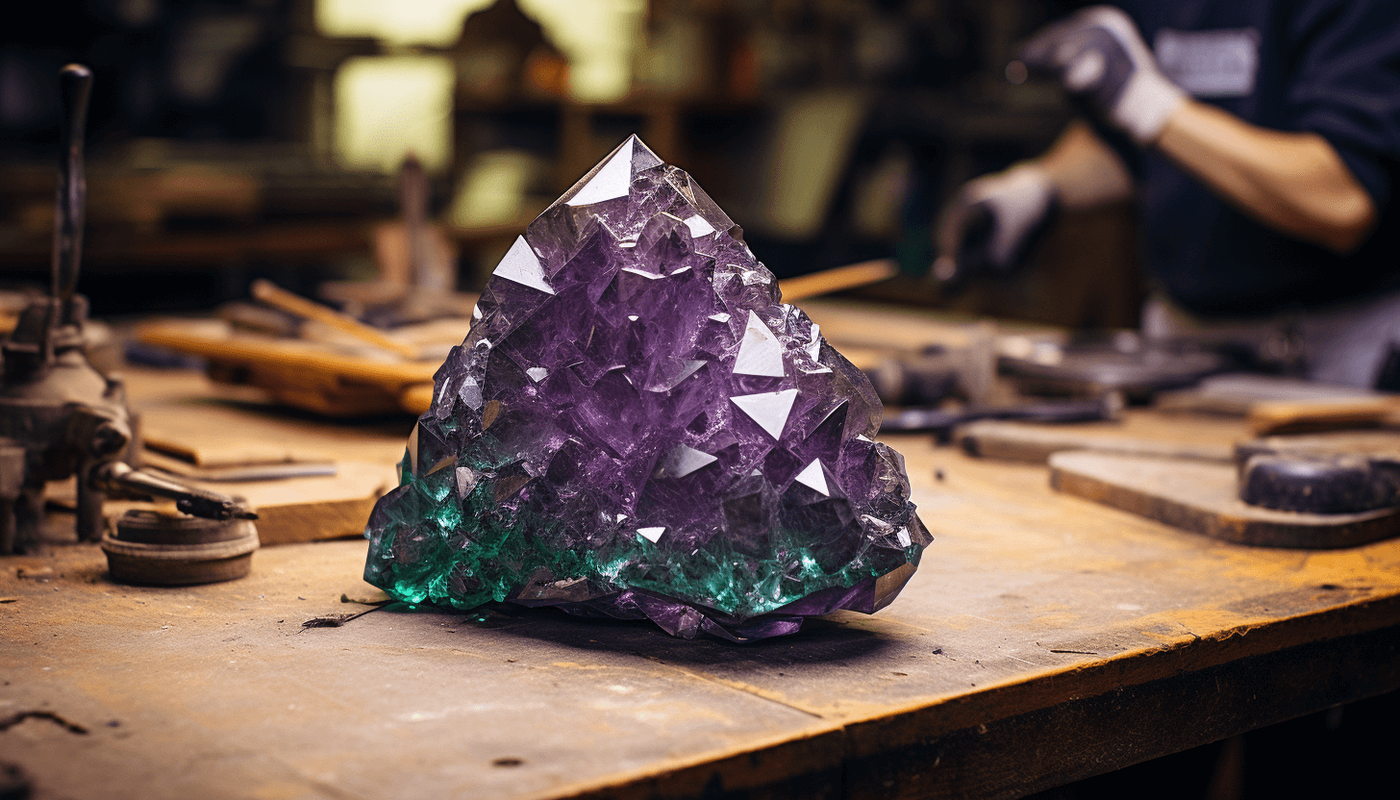
Alexandrite, a unique and captivating gemstone, has fascinated gem enthusiasts and collectors for centuries. Named after Tsar Alexander II of Russia, where it was first discovered, its distinct characteristic is its ability to change colors under different lighting conditions. In daylight, the gem often appears green, while under incandescent light, it takes on a reddish hue.
The tale of Alexandrite’s discovery is closely tied to Russian history. The gemstone was first unearthed in the Ural Mountains of Russia in the early 1830s. It was named in honor of Tsar Alexander II, and its unique color-changing property made it immensely popular in the Russian royal court. The stone’s colors, green and red, closely matched the national military colors of Russia, further deepening its significance.
Over the years, as the initial deposits in Russia started to deplete, new sources were discovered in other parts of the world. Countries like Brazil, Sri Lanka, and Madagascar have since become notable producers of this enthralling gemstone. Despite its global presence, the allure and prestige associated with Alexandrite’s Russian origins persist.
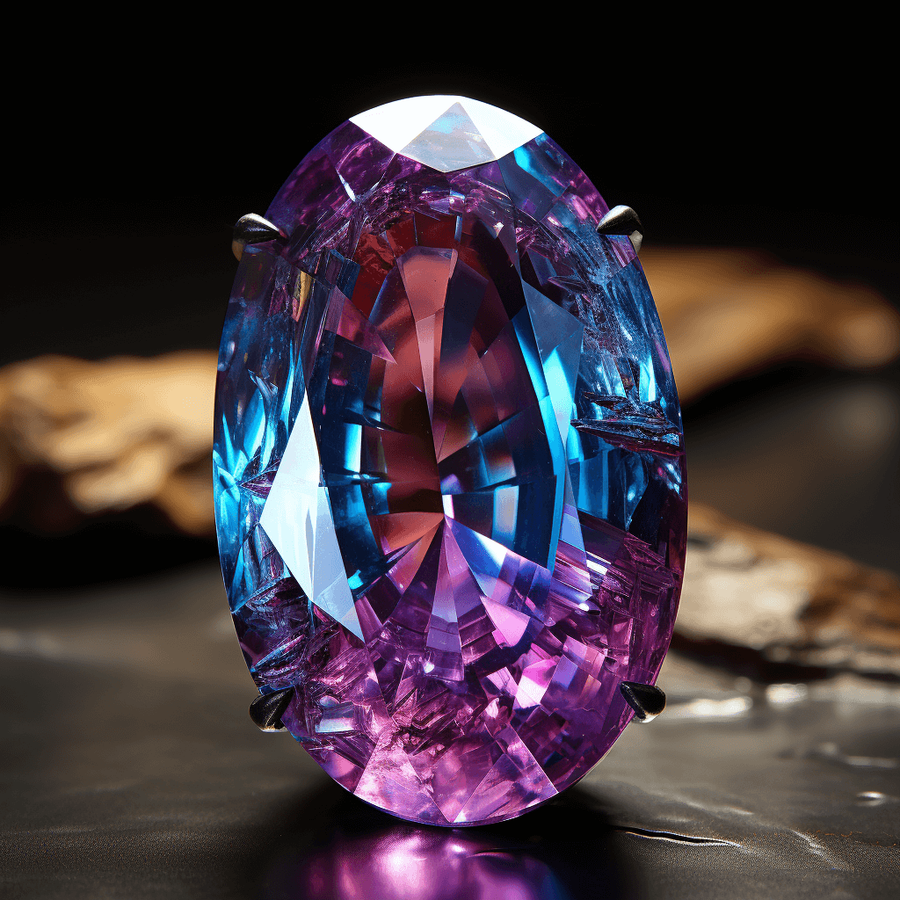
Alexandrite, a member of the chrysoberyl family, boasts a unique set of geological properties that set it apart from other gemstones. Its remarkable ability to change color, often referred to as the “Alexandrite Effect,” is attributed to its specific mineral composition and the way it interacts with light.
| Feature | Description |
|---|---|
| Chemical Formula | BeAl3O12 – A combination of Beryllium, Aluminum, and Oxygen |
| Hardness | 8.5 on the Mohs scale, making it relatively hard and durable |
| Refractive Index | 1.746-1.755 – Contributes to its brilliance and how it reflects light |
| Specific Gravity | 3.73 – This determines its weight in relation to its size |
| Chromium Presence | Trace amounts of chromium are responsible for its unique color-changing ability |
| Cleavage | Imperfect; it has one direction of imperfect cleavage which means it can split along a certain plane, but this is not commonly observed. |
| Luster | Vitreous to Sub-Vitreous; giving it a glassy appearance. |
| Transparency | Transparent to Opaque; depending on the quality and size of the gem. |
| Crystal System | Orthorhombic; characterized by three unequal axes at right angles. |
| Streak | White; the color of the powder when the mineral is dragged on an unglazed porcelain plate. |
| Light Condition | Observed Color |
|---|---|
| Daylight | Green |
| Incandescent Light | Reddish |
| Mixed Light | Bluish-Green to Purple |
Alexandrite’s crystalline structure and the presence of trace elements play a crucial role in its appearance and properties. The gem’s durability combined with its rare and mesmerizing aesthetic features makes it highly sought after by both collectors and jewelers alike.
Alexandrite, with its mesmerizing chromatic shift, has not only intrigued gem enthusiasts but also drawn those who believe in the spiritual and mystical. The tales and symbolism associated with this gem are as multifaceted as its colors.
| Symbolism Aspect | Associated Meaning |
|---|---|
| Color Change | Life’s ever-changing nature, signifying adaptability, transformation, and personal growth. The stone’s fluidity in color resonates with human resilience in ever-changing circumstances. |
| Green Hue | Symbolic of rebirth, renewal, and the continuous cycle of life. The green resonates with nature’s vitality and the fresh start of spring, evoking feelings of hope and rejuvenation. |
| Red Hue | Represents intense emotions, from love and passion to anger and power. The deep red, often associated with the heart, denotes both the fervor of love and the warmth of a fiery spirit. |
Historical anecdotes suggest that Alexandrite was often worn by warriors and kings, believing it to be a talisman of strength and protection. The stone’s ability to shift from green to red was seen as a sign of the wearer’s heightened intuition, helping discern between friend and foe. This uncanny ability was believed to guard against betrayal and harm.
In metaphysical circles, Alexandrite is often referred to as the “Stone of Revival.” It is believed to strengthen the wearer’s willpower, bolstering self-esteem and enhancing the ability to experience joy and pleasure. Its dichromatic nature is also thought to balance the emotional state, harmonizing opposites and fostering unity in diversity.
The allure of Alexandrite, combined with its rarity, has led to a global hunt for this gemstone. Over the years, several deposits have been discovered worldwide, each with its unique characteristics that contribute to the gem’s diverseness in appearance and quality.
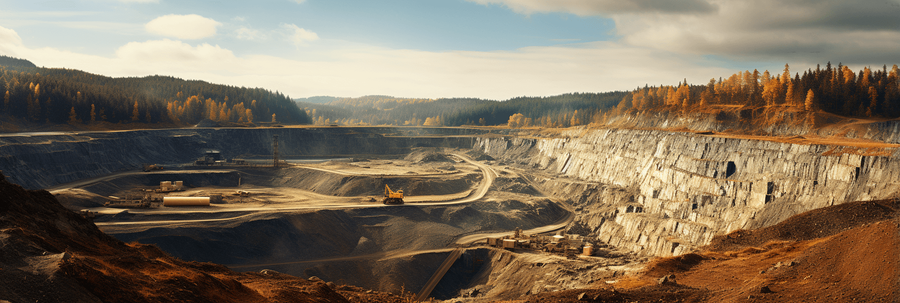
While these regions are the most notable, there are sporadic findings in other parts of the world, highlighting the widespread appeal and relentless quest for this bewitching gemstone.
The value of Alexandrite, like many other gemstones, is influenced by a combination of factors. Its magical color change, combined with its rarity, makes it one of the most valuable gemstones in the world. However, assessing its true worth requires an in-depth understanding of certain key criteria.
It’s essential for potential buyers and collectors to obtain certification from reputable gemological institutes when considering Alexandrite for purchase. This ensures that they are well-informed about the stone’s authenticity and characteristics, ensuring a fair transaction.
Alexandrite, while relatively hard and durable, still requires care to maintain its beauty and integrity, especially when set in jewelry. Proper care ensures that your Alexandrite pieces remain stunning for generations to come.
By adhering to these guidelines and understanding the unique characteristics of Alexandrite, you can ensure that your precious gemstone jewelry retains its splendor for many years.
With the growing popularity and rarity of Alexandrite, there’s been an increase in synthetic or lab-grown versions of this gemstone in the market. While both natural and synthetic Alexandrites possess the iconic color-changing property, there are distinct differences between the two, both in terms of value and characteristics.
| Criteria | Natural Alexandrite | Synthetic Alexandrite |
|---|---|---|
| Origin | Mined from the Earth’s crust in specific geographical regions. | Created in a controlled laboratory environment using specific processes. |
| Price | Significantly more expensive due to its rarity and natural origin. | Generally more affordable as it’s produced in larger quantities and lacks the natural rarity. |
| Inclusions | Often contains natural inclusions, which can be indicators of its authenticity. | Usually cleaner with fewer inclusions, given the controlled conditions of its formation. |
| Color Change | Typically exhibits a more pronounced and vivid color change, especially in high-quality specimens. | While it does showcase color change, it might not be as distinct or vibrant as its natural counterpart. |
| Environmental Impact | Mining can sometimes impact the environment, depending on the practices employed. | Less environmental impact since it’s lab-grown, eliminating the need for mining. |
When considering a purchase, it’s essential to determine whether you’re looking at a natural or synthetic Alexandrite. Certifications from reputable gemological institutes can help verify the gem’s authenticity. Additionally, understanding the intrinsic and market-driven differences between the two can help in making an informed decision based on personal preferences and budget.
Armed with these steps and a keen eye for detail, you’ll be better equipped to discern the genuine allure of natural Alexandrite from its synthetic counterparts.
Apart from its captivating beauty, Alexandrite is also revered for its believed healing properties. Throughout history, many have attributed various physical, emotional, and metaphysical healing attributes to this remarkable gemstone. Here’s a deeper dive into these aspects:
While many hold these beliefs dearly, it’s essential to approach them with an open mind. The experiences can vary among individuals, and Alexandrite’s healing properties should not replace medical treatments or advice.
Alexandrite, with its enchanting color-changing property, has become a favorite choice for jewelry enthusiasts and designers alike. The gemstone’s versatility and mystique offer a unique touch to various jewelry pieces, making it a captivating centerpiece or a complementary gem in diverse designs.
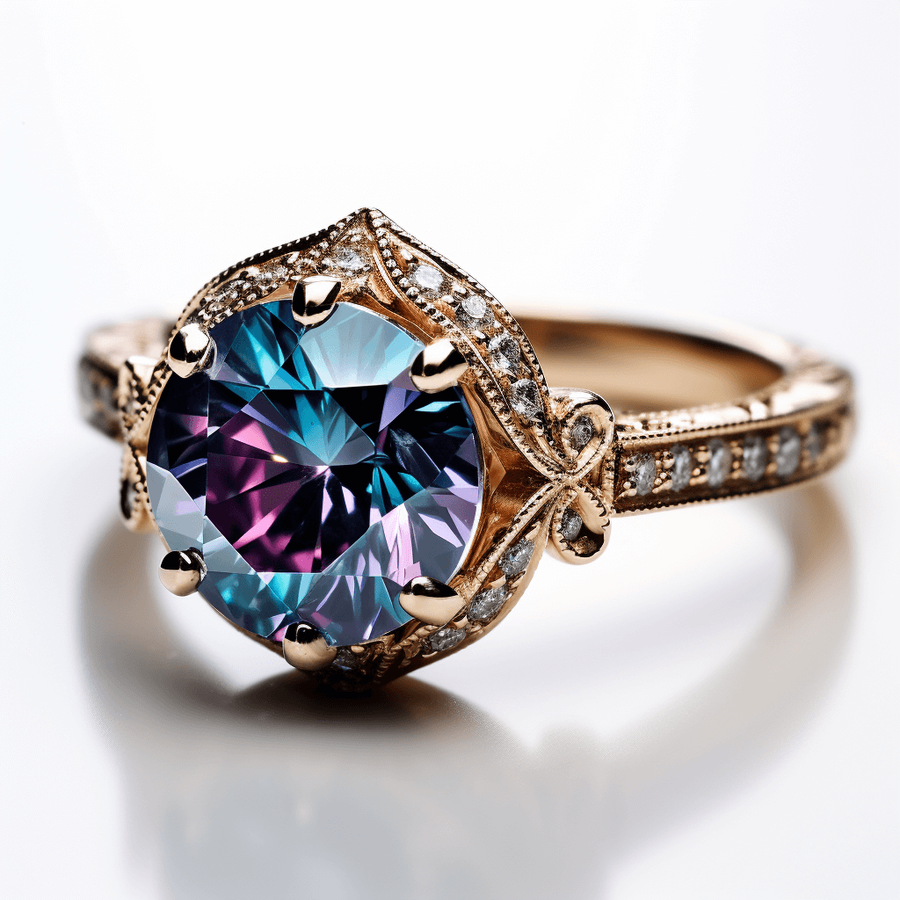
A break from the traditional diamond, Alexandrite engagement rings are gaining traction for those desiring a unique symbol of their love. Its transformative nature symbolizes the evolving journey of a relationship, making it a profound choice for an engagement ring. Paired with either yellow, white, or rose gold, Alexandrite rings provide a striking appearance suitable for this significant commitment.
Alexandrite’s ability to switch between green and red hues not only makes it a favorite among jewelers but also echoes the adage “Emerald by day, ruby by night.” This duality adds a layer of mystique to any jewelry piece, especially engagement rings, symbolizing the multifaceted nature of love.
Whether opting for a vintage allure or a contemporary aesthetic, Alexandrite brings a touch of magic and history, making it an unforgettable choice for any jewelry design.
Alexandrite’s most captivating feature is undoubtedly its ability to change color under different lighting conditions. But what causes this remarkable phenomenon? Delving into the science behind it reveals a combination of mineral composition and light interactions.
The foundation of Alexandrite’s color-changing capability lies in its chemical structure. Chromium ions are responsible for the color of the gem. Depending on the concentration and presence of these ions, the gem can display varying shades of green and red.
When light passes through Alexandrite, different wavelengths of light are absorbed and transmitted by the gem. Daylight, which is richer in blue and green wavelengths, makes the stone appear green. Conversely, incandescent light, which is richer in red wavelengths, will make the gem appear red.
Alexandrite’s unique crystal structure allows it to absorb specific wavelengths of light while reflecting others. The balance between the absorbed and reflected light determines the color perceived by the observer. For Alexandrite, the strong absorption bands lie in the yellow and blue regions of the spectrum, which is why green (a combination of blue and yellow) and red colors are predominantly reflected.
The way Alexandrite is cut and oriented can also influence its color-change property. Facets and angles can either enhance or diminish the color change, making the gem cutter’s skill crucial in bringing out the best of Alexandrite’s unique feature.
In conclusion, Alexandrite’s mesmerizing ability to shift colors is a result of its unique chemical composition and the way it interacts with light. This interplay of science and nature gives birth to one of the most intriguing visual spectacles in the world of gemstones.
Alexandrite’s enigmatic color-changing property and rarity have not only endeared it to jewelry enthusiasts but also ensured its presence in notable collections and pop culture references over the years.
Alexandrite has graced various forms of media and pop culture. Its mystical appearance and backstory make it a popular choice in novels, movies, and TV series, often associated with magic, transformation, or otherworldly powers. The gem’s allure is undeniably intertwined with stories of love, fate, and fortune.
The name ‘Alexandrite’ itself is steeped in history. It was named after the Russian Tsar Alexander II. Legend has it that the gemstone was discovered on the day of his coming of age ceremony, intertwining its fate with royalty from the very beginning.
From eminent museums to modern-day stories, Alexandrite continues to captivate and inspire, leaving an indelible mark on both history and imagination.
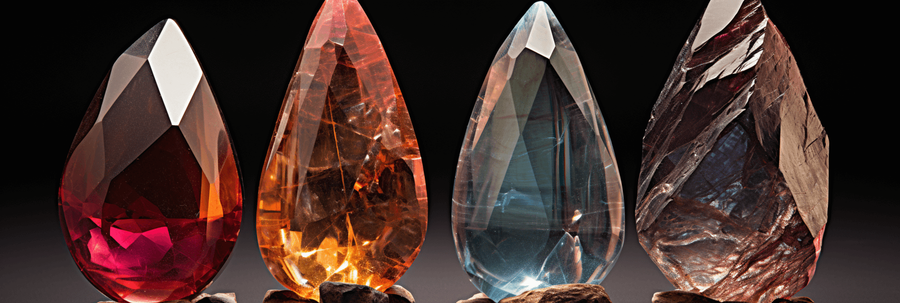
While Alexandrite is perhaps the most famed gemstone known for its color-changing abilities, it is not the sole contender. Several other gemstones exhibit similar phenomena. To understand the distinctions between Alexandrite and these gems, let’s delve into a comparative analysis.
| Gemstone | Color Change | Origin of Color Change | Common Source Regions |
|---|---|---|---|
| Alexandrite | Green in daylight to red in incandescent light | Chromium ions | Russia, Brazil, Sri Lanka |
| Garnet | Greenish-blue to purplish-red | Varied mineral content | Africa, Sri Lanka, Burma |
| Sapphire | Blue to violet | Presence of vanadium | Sri Lanka, Tanzania |
| Diaspore | Green to pinkish-brown | Hydroxyl anions | Turkey |
These gemstones, while exhibiting the magic of color change, differ in their chemical compositions, source regions, and the exact nature of their transformations. Each has its unique allure and story, with Alexandrite often being the most sought after due to its distinct and dramatic color shifts.
One of the fascinating aspects of gemstones is their association with birth months and zodiac signs. Alexandrite, with its enchanting color shifts, is linked with the month of June and carries particular significance for those born under certain star signs.
Alexandrite is one of the three birthstones for June, alongside Pearl and Moonstone. As a birthstone, it’s believed to bring good luck, prosperity, and positivity to those born in this month. Its dual colors represent the balance and duality present in nature and in life, mirroring the transition of seasons from spring to summer.
While Alexandrite is primarily associated with those born in June, its metaphysical properties also resonate with specific zodiac signs:
For those who believe in the mystical and healing properties of gemstones, Alexandrite serves as a beacon of positivity, transformation, and balance, especially for individuals born in June or under the Gemini and Cancer zodiacs.
Alexandrite’s value depends on its quality, size, origin, and color-changing properties. High-quality natural alexandrites with a distinct color change can fetch prices ranging from $10,000 to $30,000 per carat or even more. However, smaller and less distinct stones can be considerably more affordable.
While diamonds have a broad price range based on cut, clarity, carat, and color, high-quality alexandrites with pronounced color changes can sometimes command higher prices than diamonds of a similar weight, especially if the alexandrite is particularly rare or of notable origin.
Alexandrite’s unique ability to change color depending on the light source, shifting from green in daylight to red in incandescent light, sets it apart from other gemstones. Its rarity and historical significance further enhance its appeal and value.
Cheaper alexandrite is often either synthetic or of lower quality with a less pronounced color change. It may also come from less renowned origins or have inclusions that diminish its clarity and overall appeal.
A pure red color under incandescent light and a vivid green in daylight are the rarest and most sought-after colors in alexandrite.
While high-quality pearls, especially South Sea or Tahitian, can be expensive, top-grade alexandrite with a clear color change is generally more valuable per carat than pearls.
Yes, synthetic or lab-created alexandrite can also exhibit color change, mimicking natural alexandrite. However, experts can often distinguish between natural and synthetic alexandrite based on specific characteristics and inclusions.
The choice between silver and gold for alexandrite jewelry largely depends on personal preference. The green hues of alexandrite can be enhanced by silver settings, while gold settings can accentuate the warmer red or purple tones. Both metals can complement the gem beautifully.
Alexandrite is relatively hard and durable, making it suitable for everyday wear. However, it’s essential to care for it and avoid situations where it might get scratched or damaged.
Purple hues in alexandrite usually manifest under mixed lighting conditions, where both daylight and incandescent light are present. This blend of green and red tones can produce a beautiful purplish color in some stones.
What selenite crystal really means, its spiritual powers, ancient origins, and simple rituals to cleanse your space and calm your …
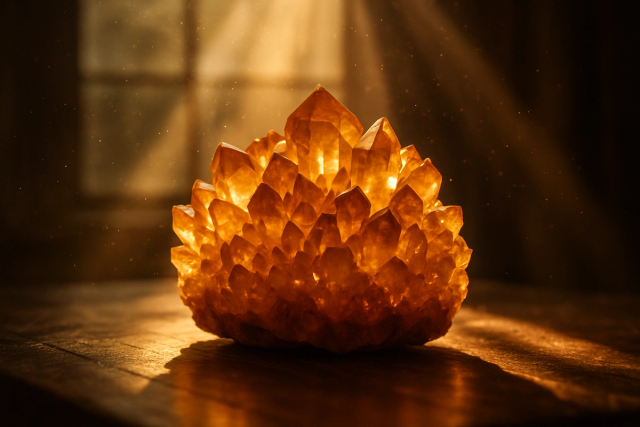
Uncover citrine's true meaning, spiritual power, and healing uses — the golden crystal for abundance, confidence, and joy.
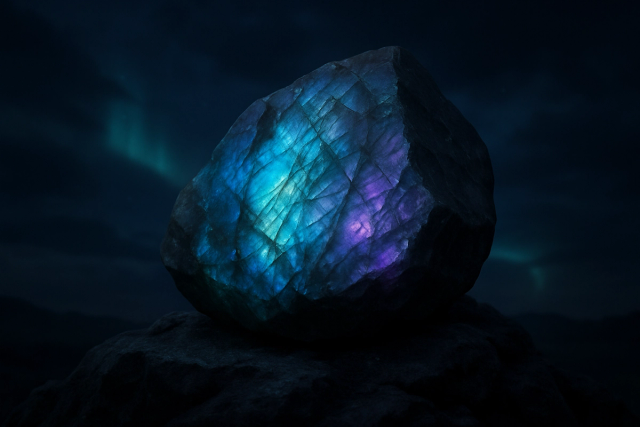
Discover labradorite's meaning, Inuit legend, healing properties, chakra uses, dream symbolism, and how to work with this shimmeri…