 Know
Know
Birth Flowers
December Birth Flowers: Embracing Narcissus, Holly & Poinsettia
As the year draws to a close, December graces us with a trio of enchanting blooms: the Narcissus, the Holly, and the Poinsettia. T…
Have you ever wondered why we associate specific flowers with each month of the year? Much like birthstones, birth flowers are entrenched in history and symbolism. From ancient civilizations to modern times, they’ve held a prominent place in cultures worldwide.
Understanding the history and significance of these botanical wonders provides knowledge and a deeper appreciation for nature’s gifts and their role in our lives.
Now, let’s journey through time and explore how each month got its representative flower and unravel the stories and meanings they hold.
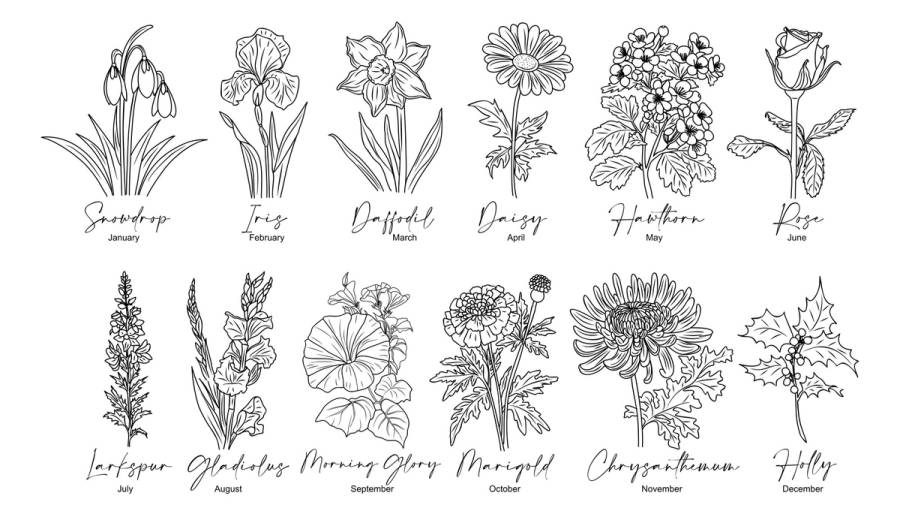
Each month celebrates a distinct flower with a special meaning. From January’s Carnation reflecting hope and admiration to November’s Chrysanthemum symbolizing optimism and affection, Birth Month Flowers offer a colorful insight into one’s personality.
Carnation: Representing January, the elegant Carnation embodies admiration, deep love, and distinction. Derived from the Latin term ‘Dianthus,’ it translates to ‘Flower of the Gods.’ Each hue of the Carnation carries its distinct meaning: red symbolizes deep love, white signifies purity, and pink connotes gratitude. Legend has it that carnations first appeared on Earth from the tears of the Virgin Mary, making them a symbol of a mother’s undying love.
Snowdrop: As another flower linked to January, the delicate Snowdrop symbolizes hope and new beginnings. This hardy blossom, known to push through the snow and announce the arrival of spring, has been a beacon of hope for centuries. Its pristine petals and resilient nature make it a poignant emblem of hope and rebirth amidst adversity.
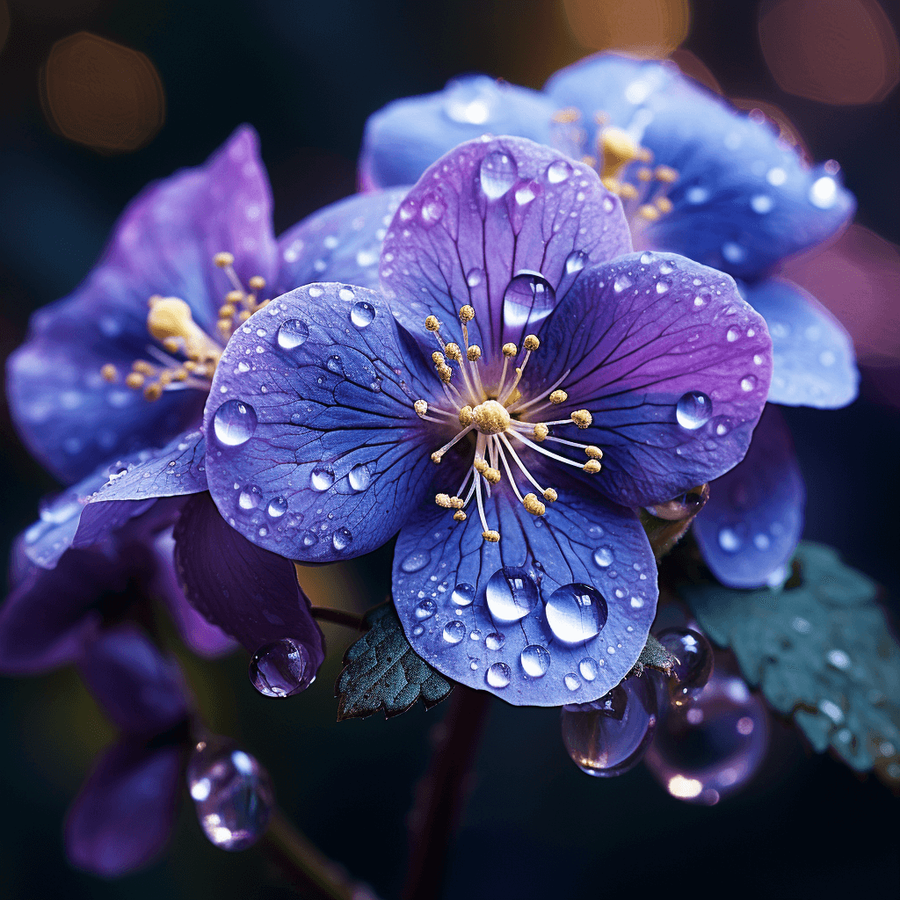
Violet: Representing February, the graceful Violet stands for loyalty, humility, and spiritual wisdom. In Greek mythology, violets emerged from the tragic love tale of Artemis and Orion. Artemis transformed herself into a violet to elude her persistent suitor, Orion. Beyond tales of gods and goddesses, gifting violets essentially translates to the promise, ‘I’ll always stand by your side.’
Primrose: This vibrant bloom is also synonymous with February. Representing young love, it’s believed to have magical qualities. Its name, derived from the Latin word ‘primus,’ means ‘first,’ aligning with its early spring appearance. Gifting Primroses conveys a message of undying affection and admiration, making them a cherished flower for lovebirds.
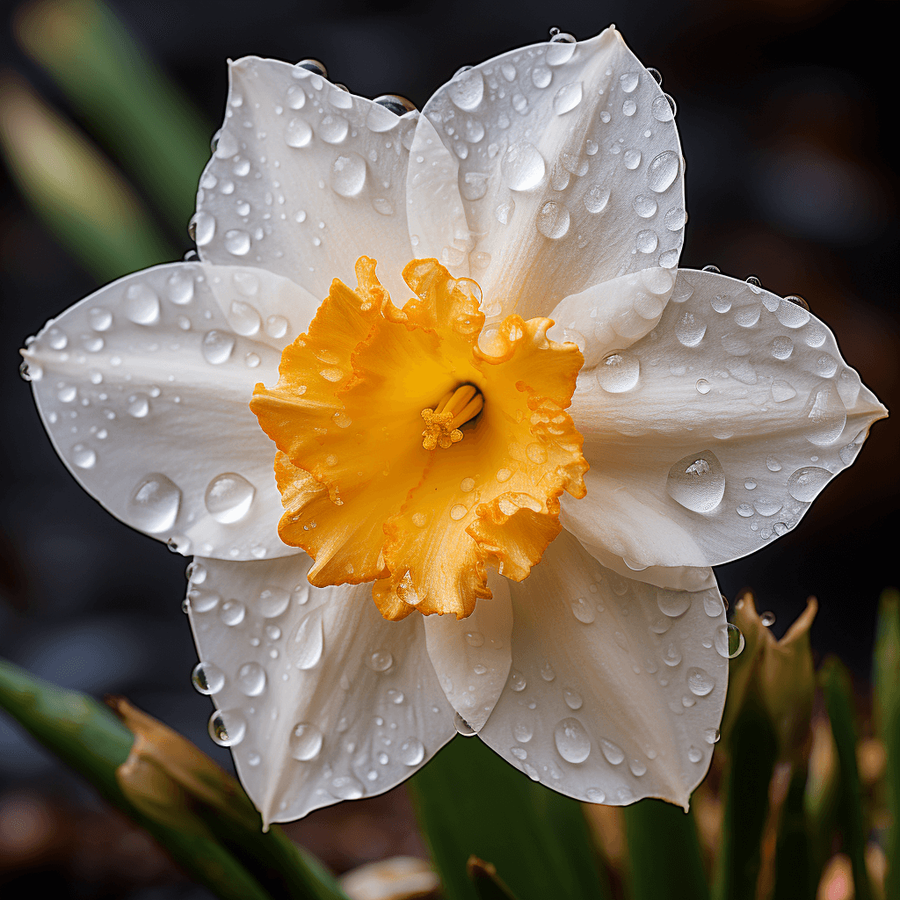
Daffodil: March heralds the true onset of spring, and with it comes the sunny and vibrant Daffodil. Also known as Narcissus, these radiant blooms symbolize rebirth and new beginnings, drawing parallels with the rejuvenating season of spring. Rooted in Greek mythology, the name traces back to a tale of a man named Narcissus, who turned into a flower after falling in love with his reflection. On a more joyful note, presenting daffodils signifies appreciation and ensures happiness.
Jonquil: Often confused with daffodils due to their similar appearance, Jonquils are distinguished by their slender leaves. Jonquils carry a message of desire, affection returned, sympathy, or a desire for affection to be returned. Their delicate fragrance and vibrant hues have made them a springtime favorite for centuries.
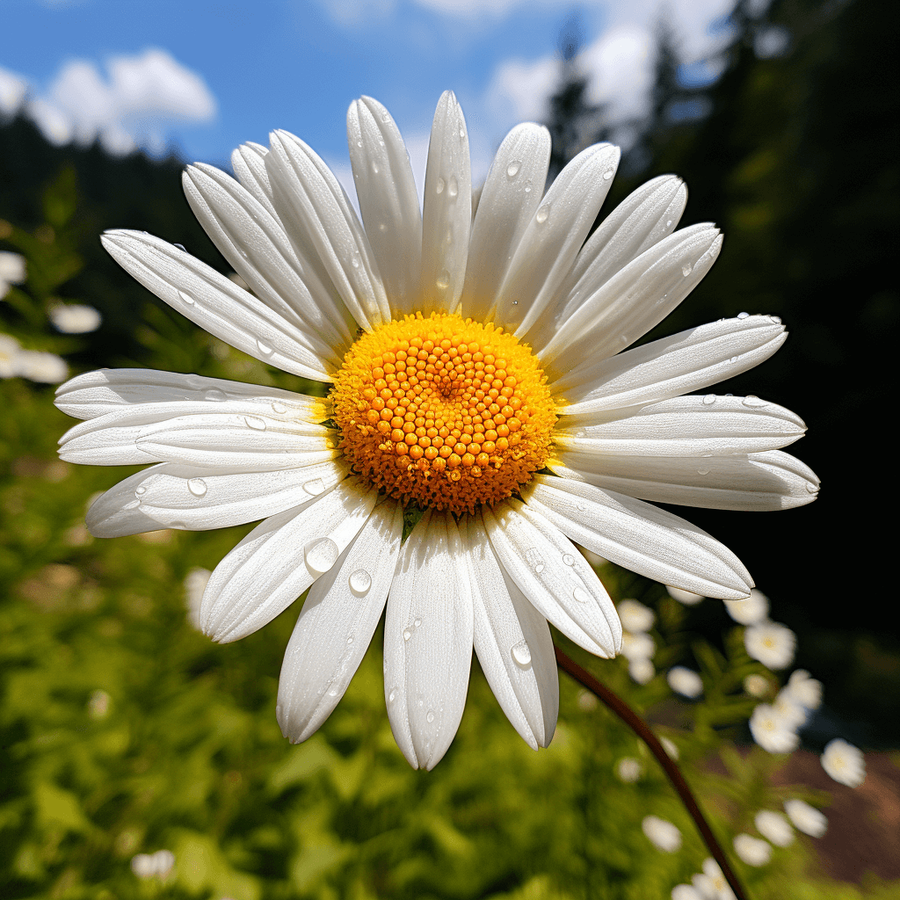
Daisy: The cheerful Daisy, representing April, is synonymous with purity, innocence, and loyal love. The name ‘daisy’ is a contraction of ‘day’s eye,’ referencing how this flower opens and closes with the sun. Roman mythology recounts how the nymph Belides transformed into a daisy to escape unwanted attention, thus symbolizing modesty and simplicity. A bouquet of daisies conveys loyal love and an undying bond.
Sweet Pea: Symbolizing blissful pleasure, the Sweet Pea also stands for April. Its tender petals and enchanting aroma make it an emblem of gratitude and a departure after having had a good time. While delicate to the touch, these blooms make lasting impressions and are often linked with farewells and new adventures.
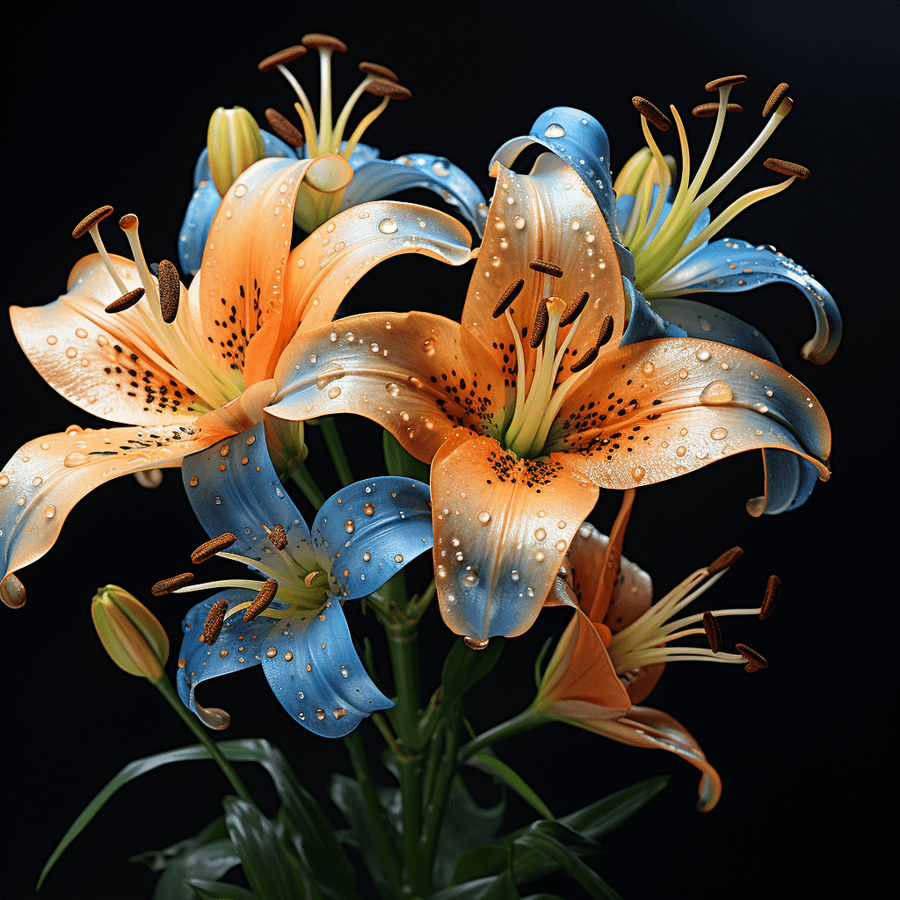
Lily of the Valley: Come May, the delicate Lily of the Valley blooms in hidden spots, releasing a surprisingly powerful fragrance. This dainty flower stands as a symbol of humility due to its downward-facing blooms and represents sweetness and purity. Legend tells of the flower springing from Eve’s tears when she was exiled from the Garden of Eden, emphasizing themes of renewal and hope. Bestowing someone with these bell-shaped blooms means you’re promising happiness.
Hawthorn: The Hawthorn flower, a less common but equally meaningful May birth flower, symbolizes hope and supreme happiness. Hawthorns are often found in hedgerows, and their blossoming signifies the height of spring. An old belief suggests that the Hawthorn wards off evil spirits, making it a protective emblem. Furthermore, its bright white blossoms are often associated with purity and joy.
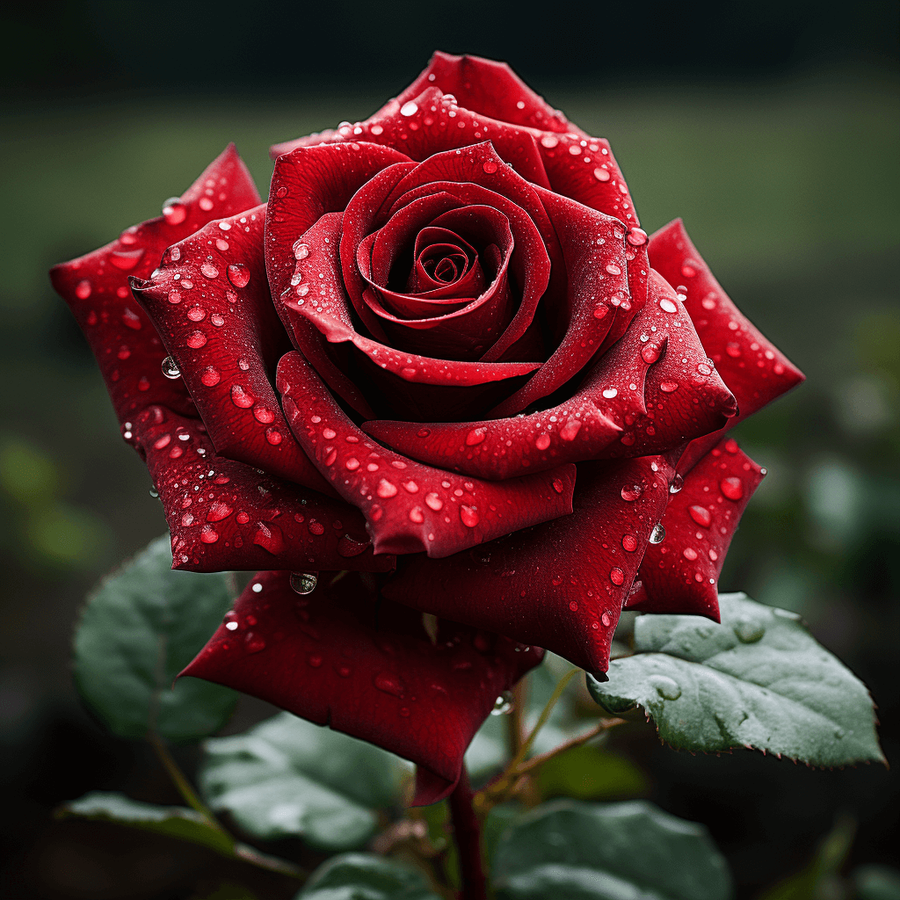
Rose: June is represented by perhaps the most iconic of all flowers, the Rose. The layers of its petals unfold a multitude of meanings, each color symbolizing different sentiments: red for love, white for purity, yellow for friendship, and so on. Ancient Greeks believed roses to be the blood of Aphrodite, the goddess of love. Roses have become an international symbol of love, grace, and appreciation. Their beauty and variety make them a favorite for year-round occasions, especially in June weddings.
Honeysuckle: The intoxicating aroma of the Honeysuckle bloom signifies the bonds of love and the sweetness of life. Representing June, this fragrant flower is often associated with ties of devotion and feelings of affection. In folklore, Honeysuckle was believed to bring dreams of passion when placed under one’s pillow. Presenting these flowers means you’re acknowledging the sweet bond shared with someone.
Larkspur: July’s vibrant and spike-shaped Larkspur is a sight to behold in summer gardens. Each color variation of the Larkspur holds a different meaning. Purple generally speaks of first love, white indicates happiness, while green means a more frivolous nature. Larkspur is also symbolically used to express an open heart and the recipient being light-hearted. Historically, Larkspur was used for its medicinal properties, but caution is advised as many parts of this plant can be toxic.
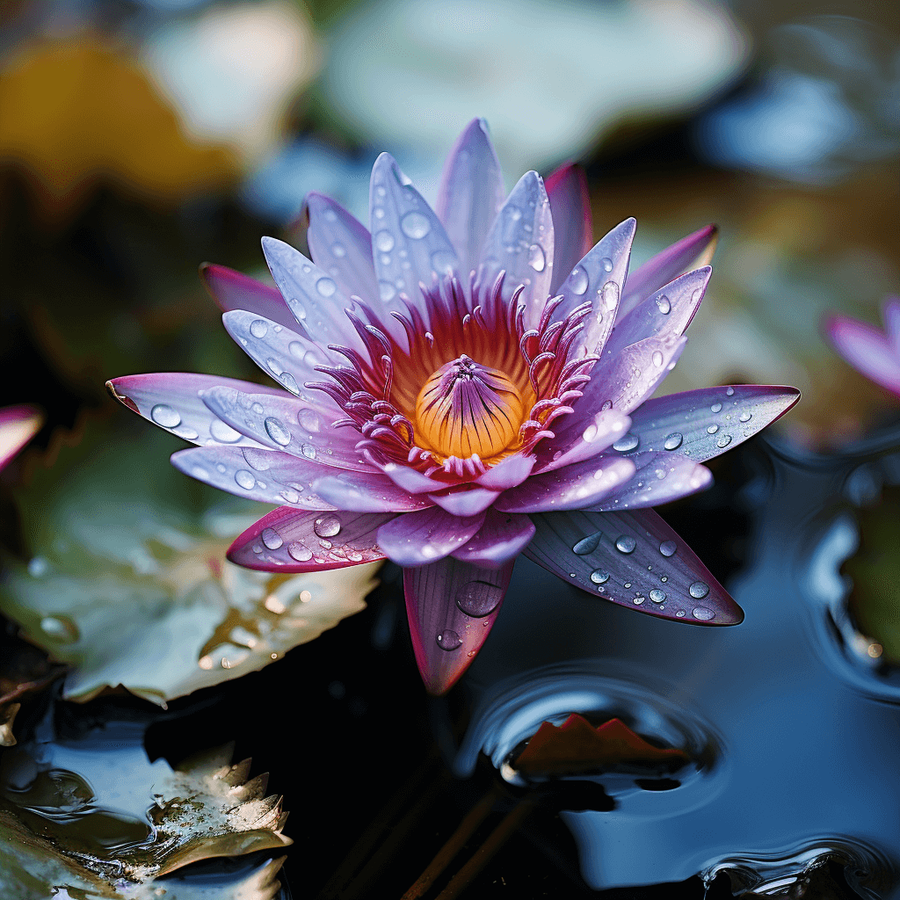
Water Lily: The serene Water Lily, another July flower, floats effortlessly on water surfaces, symbolizing purity of heart, calmness, and rebirth. In many cultures, it’s associated with life and resurrection. For instance, ancient Egyptian art represents rebirth and the sun. Gifting someone a Water Lily implies a wish for peace and serenity.
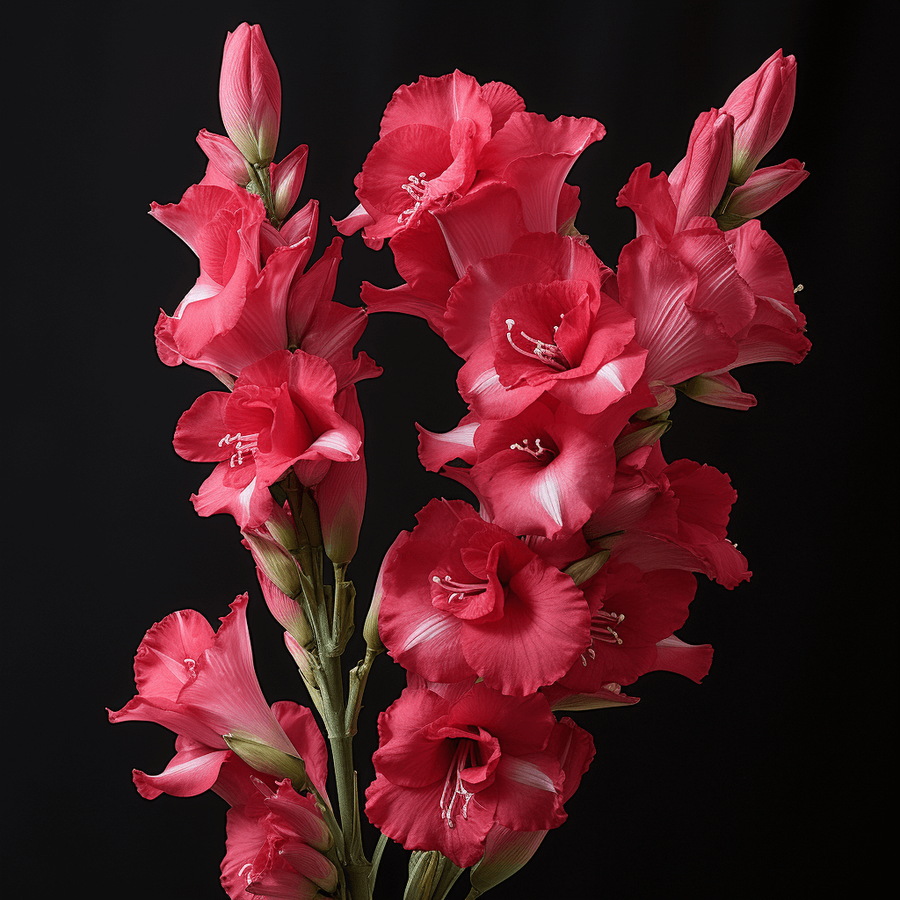
Gladiolus: Known as the ‘sword lily’ due to its sword-shaped leaves, the Gladiolus represents strength, moral integrity, and infatuation. Giving someone this flower communicates that the giver’s heart is “pierced with love.” Native to tropical regions of Africa, the Gladiolus also symbolizes the power to overcome challenges, making it an inspiring flower to gift in times of personal growth or challenge.
Poppy: August’s Poppy comes in various colors, each with its interpretation. Red poppies symbolize pleasure, white poppies are given for consolation, and yellow poppies represent wealth and success. Beyond these meanings, the Poppy, especially the red variety, symbolizes remembrance for soldiers who have died in various wars. They’re both sad and beautiful emblems, evoking deep feelings and memories.
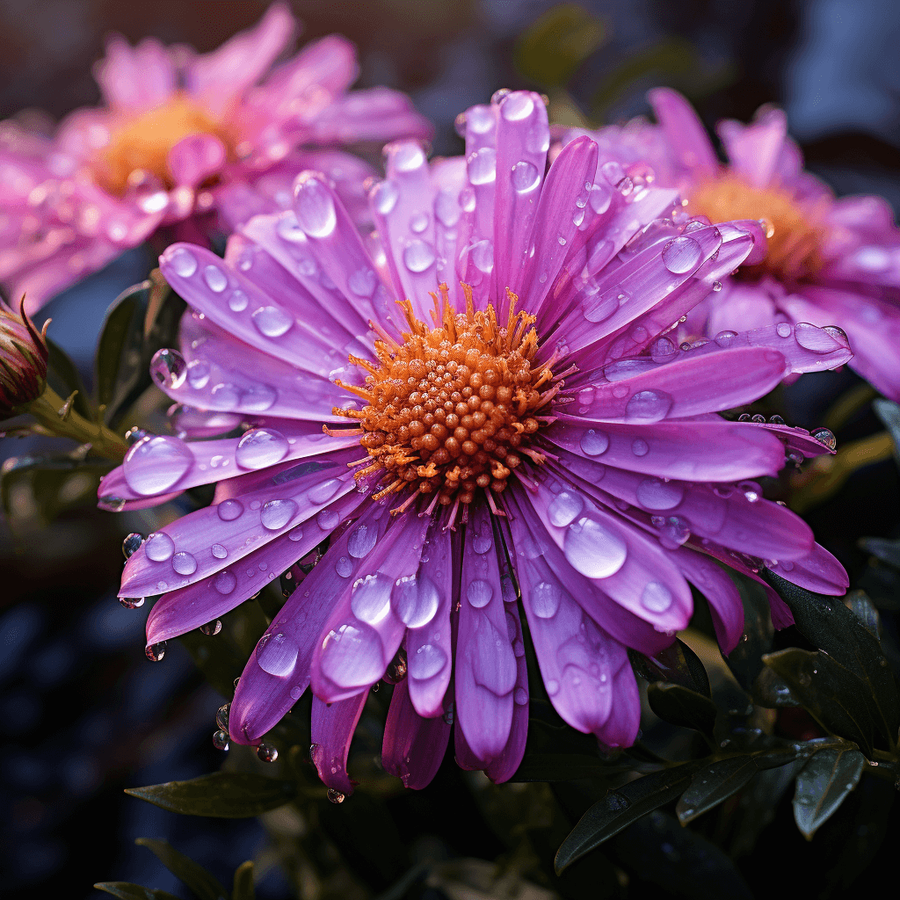
Aster: Resembling a star with its radiant petals, the Aster is often linked to mythology. It’s said that the tears of the Greek goddess Astraea fell from the skies, forming star-shaped flowers. Symbolically, Asters conveys deep emotional love and affection. Their vibrant colors, ranging from red and pink to white and lilac, make them a popular choice for autumn gardens and bouquets. Gifting Asters suggests a deep admiration and love for the recipient.
Morning Glory: The Morning Glory blooms early in the day and wilts by evening, symbolizing unrequited love, mortality, and the fleeting nature of life. These delicate flowers also stand for affection, with their trumpet-like shape often likened to amplifying the love and affection one feels. They come in various hues, including purple, blue, pink, white, and multicolored. The entwining vines of the Morning Glory also denote the binding nature of love and the connections we make in life.
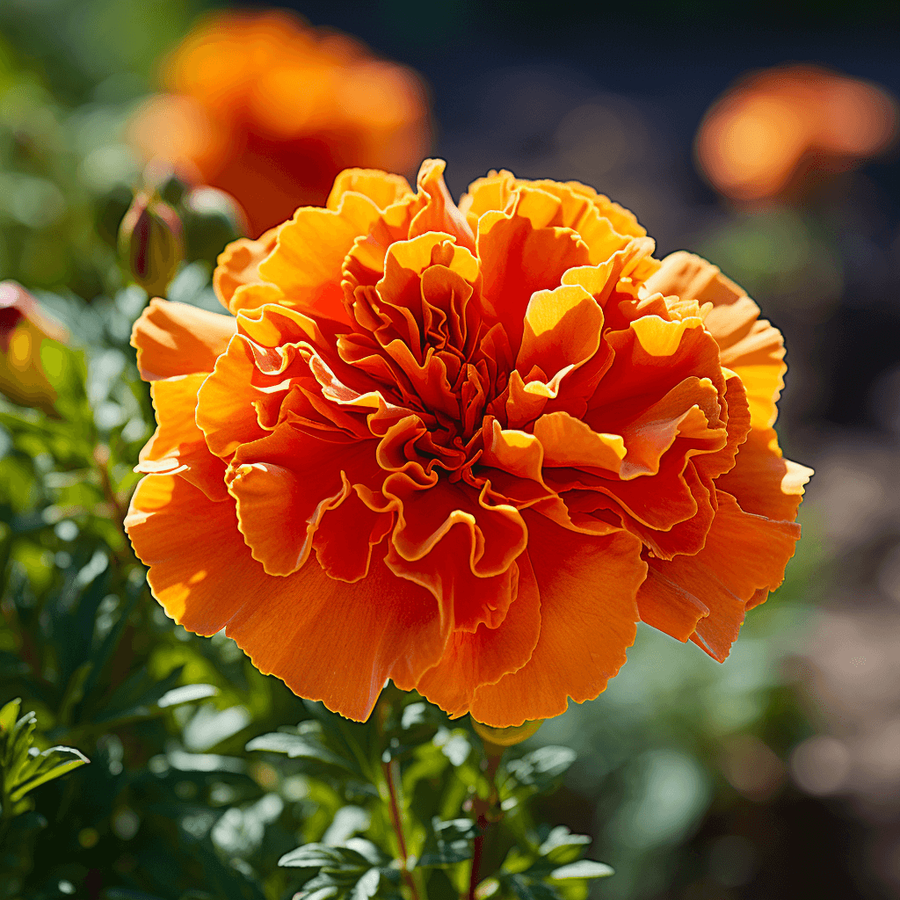
Marigold: Radiating the colors of the sun, Marigolds is often associated with the warmth and fierceness of the sun’s rays. In many cultures, they hold spiritual significance. For instance, in Indian culture, marigolds are essential in festivals, symbolizing a spiritual awakening. Often linked to passion and creativity, the vibrant orange and yellow hues of Marigolds encapsulate the essence of October’s spirit. Gifting Marigolds conveys a message of warmth, fierce love, and passion.
Cosmos: The Cosmos flower, deriving its name from the Greek word for ‘order,’ represents peace, order, and tranquility. Their simplistic beauty is often associated with harmony and love. The gentle sway of the Cosmos in a garden signifies a dance of joy, love, and peace. Available in shades of pink, white, and maroon, these flowers serve as a reminder of the serenity and order in the universe, making them a thoughtful gift for someone seeking peace and balance in their life.
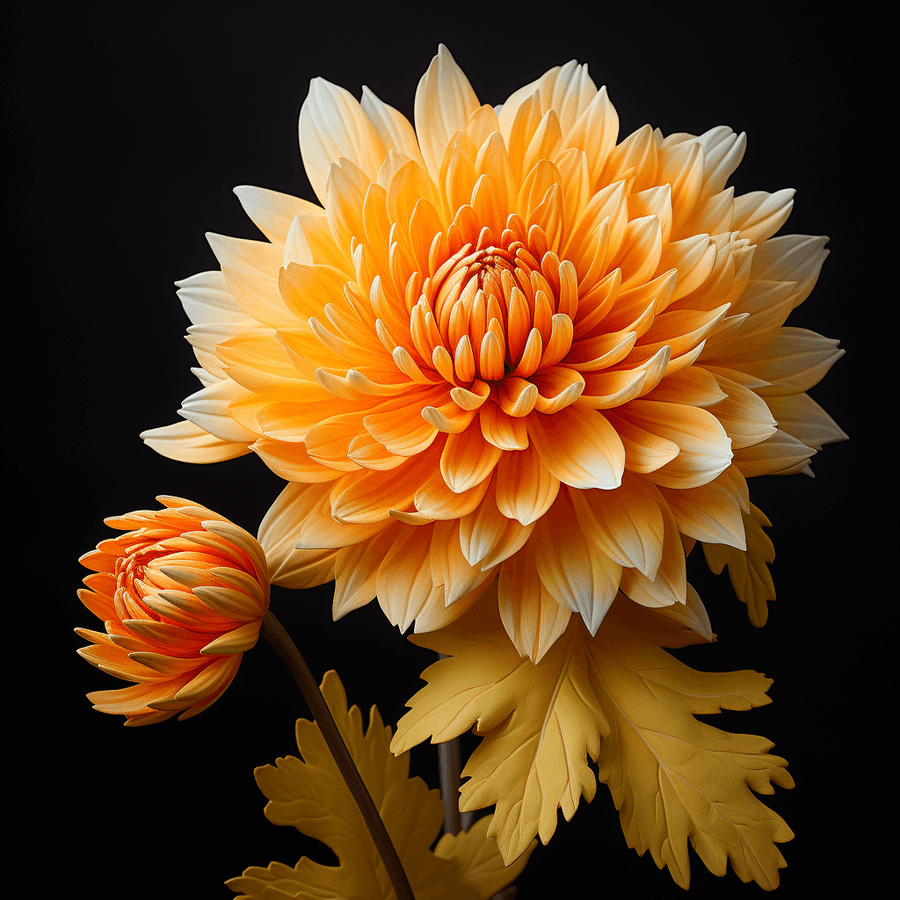
Chrysanthemum: Often simply called ‘mums’, the Chrysanthemum is synonymous with autumn. These flowers bloom into various forms, from spider to pom-pom. Their myriad colors—red, yellow, white, lavender, and more—hold different meanings. While white mums signify loyalty and honesty, the red ones represent love. In some cultures, the Chrysanthemum is a symbol of the sun, with the unfolding of the petals representing perfection. Moreover, this flower symbolizes longevity and robust health in some Asian cultures.
Peony: While not traditionally linked to November, Peonies have found a special place due to their late bloom in some regions. These flowers symbolize romance, prosperity, good fortune, and a happy marriage. They are also regarded as an omen of good fortune and a prosperous marriage. Peonies’ fluffy pink, red, and white petals captivate with their old-world charm and are often used in bridal bouquets and festive arrangements.
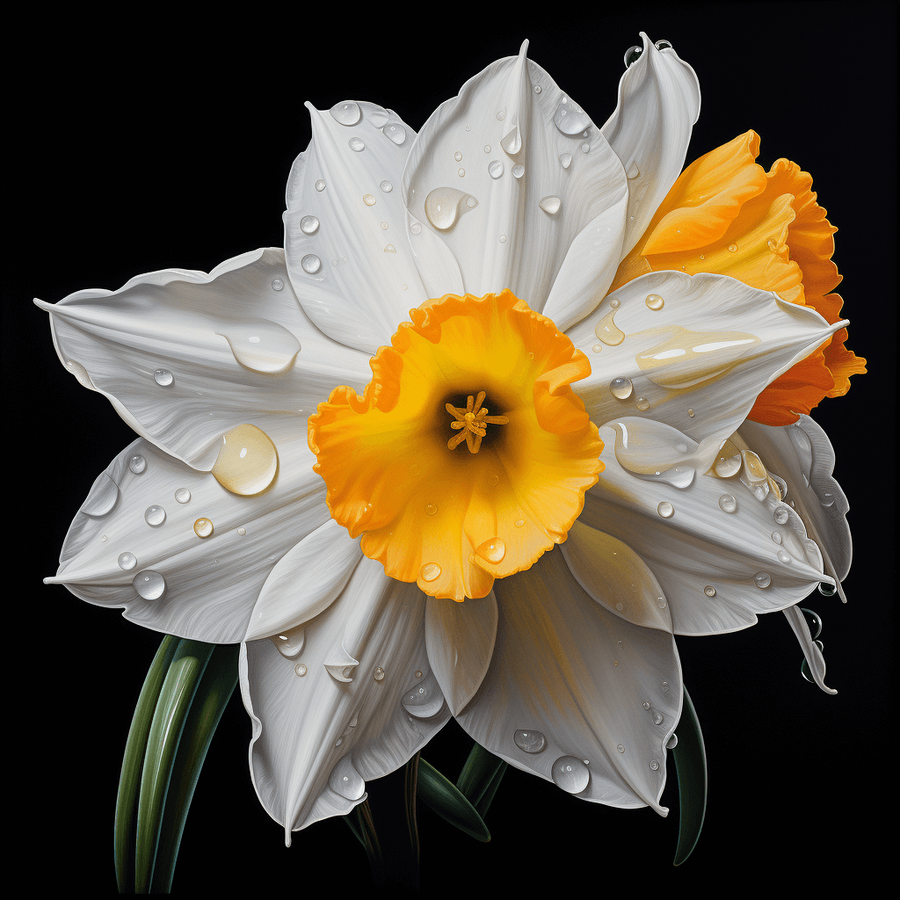
Narcissus: Commonly known as daffodils, Narcissus are linked with December due to their association with early spring. They symbolize rebirth and new beginnings. Their bright yellow and white hues are a nod to the forthcoming spring. The flower’s name hails from Greek mythology, where a beautiful youth named Narcissus falls in love with his reflection, symbolizing self-love and introspection.
Holly: An emblem of the festive season, Holly is synonymous with Christmas. Its sharp leaves and bright red berries symbolize the crown of thorns from Christian lore. Moreover, in pagan traditions, the Holly King rules the waning year, from midsummer to midwinter. Hence, Holly stands for protection, hope, and joyous celebrations.
Poinsettia: Known as the ‘Christmas Star,’ the Poinsettia‘s vibrant red and green foliage is a hallmark of the festive season. Native to Central America, it blooms during the winter months, making it a popular choice for Christmas decor. The shape of the Poinsettia flower and leaves is sometimes thought of as a symbol of the Star of Bethlehem, which led the Wise Men to Jesus. This flower represents pure love and the hope that the festive season brings.
Flowers have been integral to human culture, symbolizing various emotions, events, and attributes. Their hues, forms, and fragrances convey messages that transcend words. Here, we’ll unravel the symbolism woven into each month’s chosen bloom.
| Month | Flower | Symbolism |
|---|---|---|
| January | Carnation & Snowdrop | Love, fascination, and distinction |
| February | Violet & Primrose | Modesty, virtue, and faithfulness |
| March | Daffodil | Rebirth, new beginnings, and respect |
| April | Daisy & Sweet Pea | Innocence, youth, and purity |
| May | Lily of the Valley & Hawthorn | Humility, sweetness, and return of happiness |
| June | Rose & Honeysuckle | Love, gratitude, and appreciation |
| July | Larkspur & Water Lily | Positivity, dignity, and lightness |
| August | Gladiolus & Poppy | Strength, moral integrity, and remembrance |
| September | Aster & Morning Glory | Love, magic, and patience |
| October | Marigold & Cosmos | Passion, grace, and serenity |
| November | Chrysanthemum | Loyalty, love, and longevity |
| December | Narcissus & Holly | Hope, wealth, and protection |
These floral interpretations have deep historical roots, often shaped by mythology, ancient civilizations, and centuries of cultural exchanges. Selecting a flower based on its symbolism can make gift-giving even more thoughtful and personalized.
While today’s culture often equates birth flowers to gemstone birthstones, the association between flowers and birth months has ancient roots that delve deep into human history. Various civilizations have intertwined botanicals with astrological interpretations and mystical beliefs.
Today, birth flowers are a fusion of these ancient traditions, Western astrology, and modern floristry. As global cultures interacted, a consensus began to form, merging diverse botanical traditions into the birth flower associations we recognize today.
Thus, from ancient rituals to modern birthday bouquets, the bond between flowers and birth months has evolved, reflecting humanity’s enduring love and reverence for the natural world.
The concept of birth month flowers, much like birthstones, is steeped in tradition and varies intriguingly across different cultures. The rich tapestry of human civilization has led to diverse interpretations and associations of flowers based on regions, climates, and local myths.
Western interpretations often stem from Victorian times when flowers were used as coded messages. The “language of flowers,” known as floriography, allowed individuals to express feelings that couldn’t be spoken aloud in a conservative society. Certain flowers were tied to specific months based on their availability and symbolic meanings.
In contrast, Eastern cultures, especially countries like Japan and China, have their unique set of birth flowers. For instance, the cherry blossom, celebrated in spring in Japan, is a significant symbol of life’s ephemeral nature. However, its association with birth months varies depending on local customs.
Certain regions have birth flowers influenced by the indigenous flora. In tropical countries, flowers like orchids or frangipanis might be emphasized, while colder regions might focus on hardy blooms that withstand frost, such as snowdrops.
Many birth flowers have their roots in ancient tales and legends. In Greek mythology, the narcissus flower is linked with the tale of Narcissus, a youth who fell in love with his reflection. This tale might influence its association with particular birth months.
With globalization and the blending of cultures, birth flower lists are evolving. Modern interpretations differ slightly from traditional lists, driven by flower availability in global markets and changing cultural narratives.
While the core idea of birth month flowers is universally recognized, regional variations and cultural nuances enrich the tradition. Embracing these differences paints a vibrant picture of how humanity cherishes nature’s blooms.
Just as the stars in the night sky have tales to tell about our personalities and destinies, the flowers assigned to our birth month can offer insights into our character. Whether it’s the resilience of the Daffodil representing the spirit of an Aries or the elegance of the Rose capturing the charm of a Gemini, there’s a delightful parallel between horoscopes and the world of flora.
| Zodiac Sign | Birth Flower | Traits and Association |
|---|---|---|
| Aries (March 21 – April 19) | Daffodil | Bold, ambitious trailblazers. Like the Daffodil, they emerge with strength and shine brightly, heralding the promise of a new season. |
| Taurus (April 20 – May 20) | Daisy | Grounded, practical lovers of beauty. The Daisy, with its simple charm, resonates with Taurus’ appreciation for life’s fundamental joys. |
| Gemini (May 21 – June 20) | Rose | Dynamic, expressive, curious. The multifaceted Rose reflects Gemini’s diverse nature and ever-evolving wonder. |
| Cancer (June 21 – July 22) | Larkspur | Intuitive, emotional, fiercely protective. Larkspur symbolizes Cancer’s nurturing spirit and profound depth of feeling. |
| Leo (July 23 – August 22) | Gladiolus | Vibrant, charismatic, born leaders. The majestic Gladiolus echoes Leo’s royal demeanor and ability to captivate. |
| Virgo (August 23 – September 22) | Aster | Analytical, practical, detail-oriented. The Aster embodies Virgo’s quest for perfection and meticulous nature. |
| Libra (September 23 – October 22) | Marigold | Balanced, charming, harmonious. The Marigold mirrors Libra’s desire for equilibrium and their sociable nature. |
| Scorpio (October 23 – November 21) | Chrysanthemum | Passionate, determined, mysterious. Chrysanthemum symbolizes the depth and intensity of Scorpio’s emotions. |
| Sagittarius (November 22 – December 21) | Narcissus | Adventurous, optimistic, freedom-loving. The Narcissus signifies Sagittarius’s soaring spirit and enthusiasm for life’s journeys. |
| Capricorn (December 22 – January 19) | Carnation | Practical, disciplined, grounded. The Carnation embodies Capricorn’s steadfastness and ability to thrive in varied conditions. |
| Aquarius (January 20 – February 18) | Snowdrop | Innovative, independent, humanitarian. The Snowdrop embodies Aquarius’s resilience and unique approach to life’s challenges. |
| Pisces (February 19 – March 20) | Violet | Dreamy, compassionate, spiritual. The Violet captures Pisces’s deep emotions, empathetic nature, and the serenity they often seek in solitude. |
It’s remarkable how the natural world, including the diverse array of flowers, seamlessly intertwines with human characteristics, as astrology describes. By understanding these parallels, we can further appreciate the nuanced traits that make each individual unique while also marveling at nature’s wisdom.
Traditions mark every significant event in our lives, and flowers play an integral role in many of these. With their myriad colors, forms, and fragrances, flowers can transform any venue and lend a touch of personal significance. And what’s more personal than choosing flowers associated with your birth month? Incorporating birth month flowers in various events adds a layer of meaning and can be a delightful conversation starter.
Many couples seek ways to personalize their wedding ceremonies and receptions. By incorporating birth month flowers into bridal bouquets, centerpieces, or even the groom’s boutonniere, they add a touch of intimacy and a story to their floral arrangements. For instance, a bride born in June could choose roses for her bouquet, while a groom born in February might opt for violets for his boutonniere.
Anticipating the arrival of a new member in the family? Using the expected birth month flower in the shower’s decorations can be a whimsical nod to the baby’s upcoming birth. For a baby due in October, marigold-themed centerpieces and invitations could be a unique way to celebrate.
Going beyond the traditional birthday cake and balloons, you can decorate the party space with the birthday person’s month flower. It not only elevates the ambiance but also makes the birthday person feel uniquely celebrated. A January-born individual might be greeted with carnations scattered around the venue or used as a cake topper.
Anniversaries mark the time spent together by couples, and what better way to celebrate this journey than by blending the birth month flowers of both individuals? This blend can be used in decorations, cakes, or even as a part of gifts, symbolizing the beautiful union of two lives.
By weaving in birth month flowers, events become more memorable, and the floral choices become more than just about aesthetics—they narrate a story, a connection, a personal touch.
In the tapestry of life’s celebrations and milestones, flowers act as threads of vivid colors and emotions. While every bloom holds its own story, incorporating birth month, flowers adds a deeply personal touch to these narratives. By understanding and using these botanical wonders in our special moments, we not only honor ancient traditions but also craft memories that resonate with significance and sentiment. So, the next time you’re planning an event or simply looking to gift someone special, remember the allure of birth month flowers—they are more than just petals and stems; they reflect personalities, passions, and poignant moments.
Yes, every birth month has a designated flower or sometimes even two. These flowers often reflect the character, traits, or essence of individuals born in that month. For instance, January is associated with the Carnation, symbolizing admiration, love, and distinction.
The tradition of having multiple flowers for a single month originates from varying ancient cultures and interpretations. Different regions or traditions might have connected different flowers with a particular month, and over time, both became accepted and recognized.
While birth month flowers are more commonly acknowledged, zodiac flowers also exist, linking specific flowers with astrological signs. For instance, Aries is often linked to Honeysuckle, while Taurus resonates with roses. These zodiac flowers, similar to birth month flowers, are believed to align with the attributes of the sun signs they represent.
As the year draws to a close, December graces us with a trio of enchanting blooms: the Narcissus, the Holly, and the Poinsettia. T…
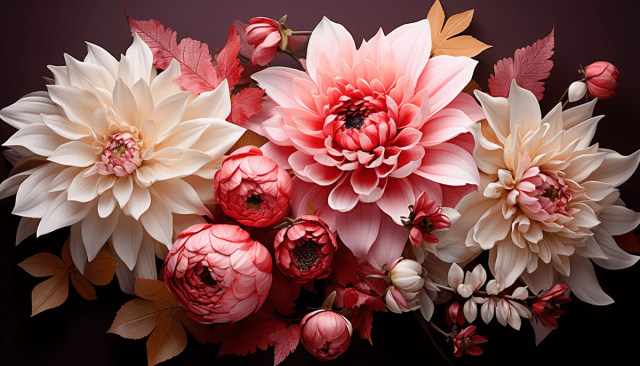
As the vibrant hues of autumn paint the landscape, November introduces us to two of its most cherished blooms: the Chrysanthemum a…
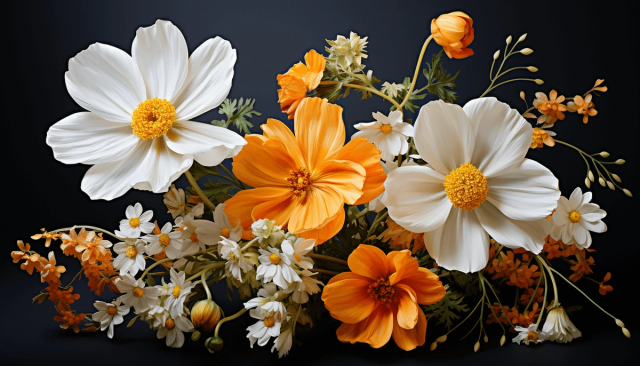
As the vibrant hues of autumn paint the landscape, October introduces us to two enchanting blooms that capture the essence of the …