 Know
Know
Birth Flowers
December Birth Flowers: Embracing Narcissus, Holly & Poinsettia
As the year draws to a close, December graces us with a trio of enchanting blooms: the Narcissus, the Holly, and the Poinsettia. T…
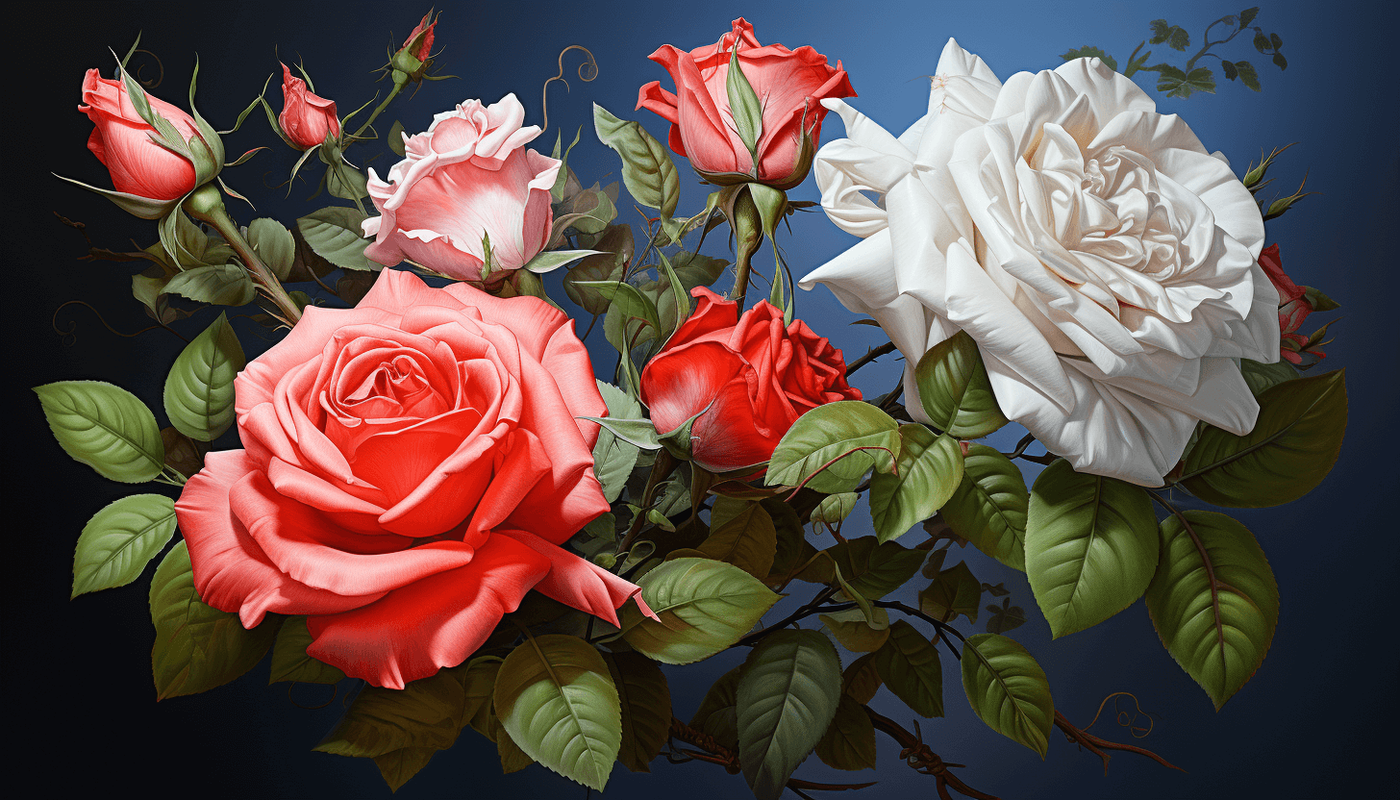
As the gentle warmth of June graces the world, two flowers rise to prominence, capturing the essence of this sun-kissed month: the Rose and the Honeysuckle. The Rose, often dubbed the ‘Queen of Flowers’, is a symbol of love, passion, and elegance. Its myriad of colors and timeless beauty has made it a favorite across millennia. On the other hand, the Honeysuckle, with its intoxicating fragrance, speaks of bonds of love and the sweetness of a summer’s embrace. These two blooms, in their own unique ways, encapsulate the joy, warmth, and romance that June brings. Join us as we embark on a journey to explore the rich narratives, histories, and cultural significances of these enchanting June flowers.
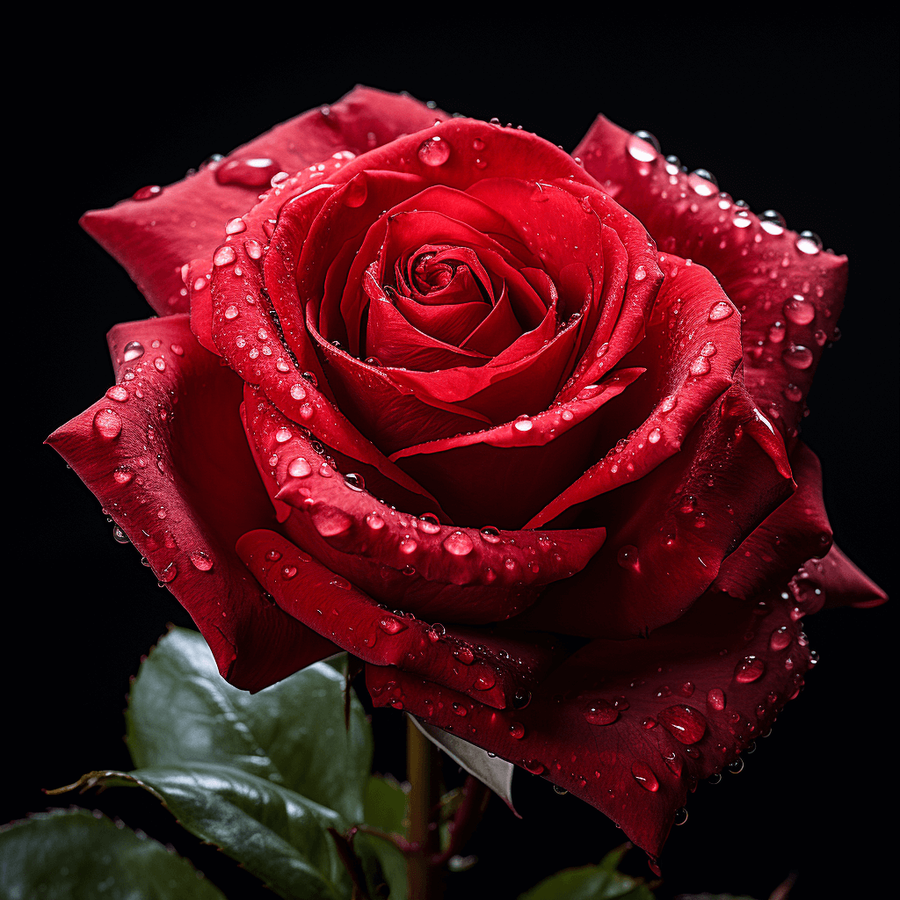
The Rose, with its intricate petals and unmistakable fragrance, has long been a symbol of myriad emotions and sentiments. Its symbolism transcends cultures, eras, and borders, making it one of the most universally recognized flowers.
Moreover, the number of roses gifted also carries significance. A single rose denotes enduring love, while a dozen showcases a myriad of emotions and sentiments. The Rose’s symbolism is further enriched by its appearance in various literary works, songs, and artworks, where it often stands as a metaphor for love, beauty, and the transient nature of life.
| Time Period | Historical Context |
|---|---|
| Ancient Civilizations | The rose was revered in ancient civilizations such as Egypt, where it was used in burial tombs and cosmetics. In Greece, it was associated with the goddess Aphrodite, representing love and beauty. |
| Roman Empire | Roses played a significant role in Roman festivals and were used as confetti at celebrations, as a source of perfume, and even as a medicinal ingredient. The phrase “sub rosa” (under the rose) originated here, indicating secrecy, as roses were hung from the ceilings of banquet halls as a sign that matters discussed should remain confidential. |
| Middle Ages | The rose became a symbol of power and politics during the War of the Roses in England. The white rose represented the House of York, while the red rose symbolized the House of Lancaster. |
| Renaissance | Artists and poets of the Renaissance era frequently incorporated roses into their works, symbolizing both earthly and divine love. The rose also became a popular motif in tapestries, paintings, and literature. |
| Modern Times | Today, the rose continues to be a beloved flower worldwide, celebrated in festivals, gardens, and floral arrangements. It stands as a symbol of love, friendship, and celebration, with each color conveying a unique message. |
From ancient rituals to modern celebrations, the Rose has seamlessly woven itself into the fabric of history, earning its title as the “Queen of Flowers”. Its enduring presence across eras and cultures speaks volumes about its universal appeal and timeless charm.
The Rose, with its myriad of colors and fragrances, has not only captivated our senses but has also held a significant place in the realm of astrology. As the flower of June, the rose is intrinsically linked to the zodiac signs of Gemini and Cancer, offering insights into their characteristics and cosmic energies.
Represented by the Twins, Geminis are known for their dual nature, versatility, and adaptability. The rose, particularly the yellow variant, resonates with Gemini’s lively spirit and communicative nature. Just as the rose has layers of petals, Geminis have multifaceted personalities, making them intriguing and unpredictable.
Cancerians, ruled by the Moon, are deeply intuitive, emotional, and nurturing. The white rose, symbolizing purity and innocence, aligns with Cancer’s protective and caring nature. Just as the rose’s thorns protect its delicate petals, Cancerians are fiercely protective of their loved ones.
Beyond the zodiac, roses are also associated with the planet Venus, the goddess of love and beauty in Roman mythology. This connection amplifies the rose’s symbolism of love, passion, and desire. In astrological charts, Venus’s position can provide insights into one’s approach to love, making the rose a perfect emblem for romantic inclinations and relationships.
Whether you’re a Gemini seeking connection or a Cancer offering comfort, the rose’s astrological ties serve as a reminder of the deeper cosmic forces at play in our lives, guiding our emotions, actions, and destinies.
The Rose, often referred to as the “Queen of Flowers”, is not just admired for its beauty but also for the diverse range of colors it blooms in. Each hue carries a unique message, making roses a favorite choice for expressing sentiments across various occasions.
| Color | Meaning |
|---|---|
| Red | Universally recognized as a symbol of love, passion, and respect. |
| White | Represents purity, innocence, and new beginnings. Often used in weddings and memorial services. |
| Yellow | Symbolizes friendship, joy, and good health. It’s a cheerful choice for celebrating happy moments. |
| Pink | Conveys admiration, gratitude, and sweetness. Light pink shades hint at grace and elegance, while deep pink signifies appreciation and recognition. |
| Orange | Embodies enthusiasm, energy, and fascination. It’s a vibrant choice for expressing admiration and attraction. |
| Lavender | Represents enchantment and mystery. It’s often used to convey love at first sight or admiration for something unique. |
Additionally, the combination of rose colors can further refine the message. For instance, a bouquet of red and white roses symbolizes unity, while red and yellow together signify happiness and excitement. As with any form of expression, context and personal interpretations can influence the message, but the rose, in all its colorful glory, remains a versatile and eloquent messenger of emotions.
The Rose, with its intoxicating aroma and unparalleled beauty, has been a central figure in myths and legends across various cultures. Its presence in tales from ancient civilizations to medieval lore showcases its timeless allure and significance.
From tales of divine love to historical battles, the rose has been a constant, symbolizing various facets of life, love, and transformation. Its deep-rooted presence in folklore and mythology only adds to its enchantment, making it a flower that transcends time and culture.
The Rose, often termed the ‘universal symbol of love’, has found its way into the hearts, rituals, and traditions of various cultures worldwide. Its universal appeal is evident in the myriad ways it has been revered, celebrated, and integrated into daily life across continents.
| Culture | Significance of the Rose |
|---|---|
| Indian | In India, the rose, especially the red one, is a symbol of love and beauty. It’s often used in religious ceremonies and is a key ingredient in Ayurvedic medicine. The famous Indian epic, the Ramayana, mentions the rose as a source of coolness for Lord Rama. |
| Chinese | Roses in Chinese culture symbolize love, beauty, and counteracting evil spirits. The rose is often depicted in traditional Chinese art and poetry, representing the delicate balance of beauty in nature. |
| Egyptian | Ancient Egyptians valued roses for their seductive fragrance. Rose petals were used in funerary wreaths and as offerings to the goddess Isis, symbolizing the resurrection and the afterlife. |
| Native American | The wild rose is native to North America and was used by Native American tribes for medicinal and ceremonial purposes. They believed the rose had healing properties and often incorporated it into rituals to bring peace and harmony. |
| European | In Europe, the rose has been a symbol of love, beauty, and political power. From the Tudor rose, which symbolized the end of the Wars of the Roses, to the roses of French and English gardens, its influence is profound and varied. |
Whether it’s in the form of a single stem given as a token of affection, or vast gardens dedicated to its cultivation, the rose’s global influence is undeniable. Its ability to resonate with diverse cultures, each interpreting its beauty in unique ways, truly makes the rose a flower of the world.
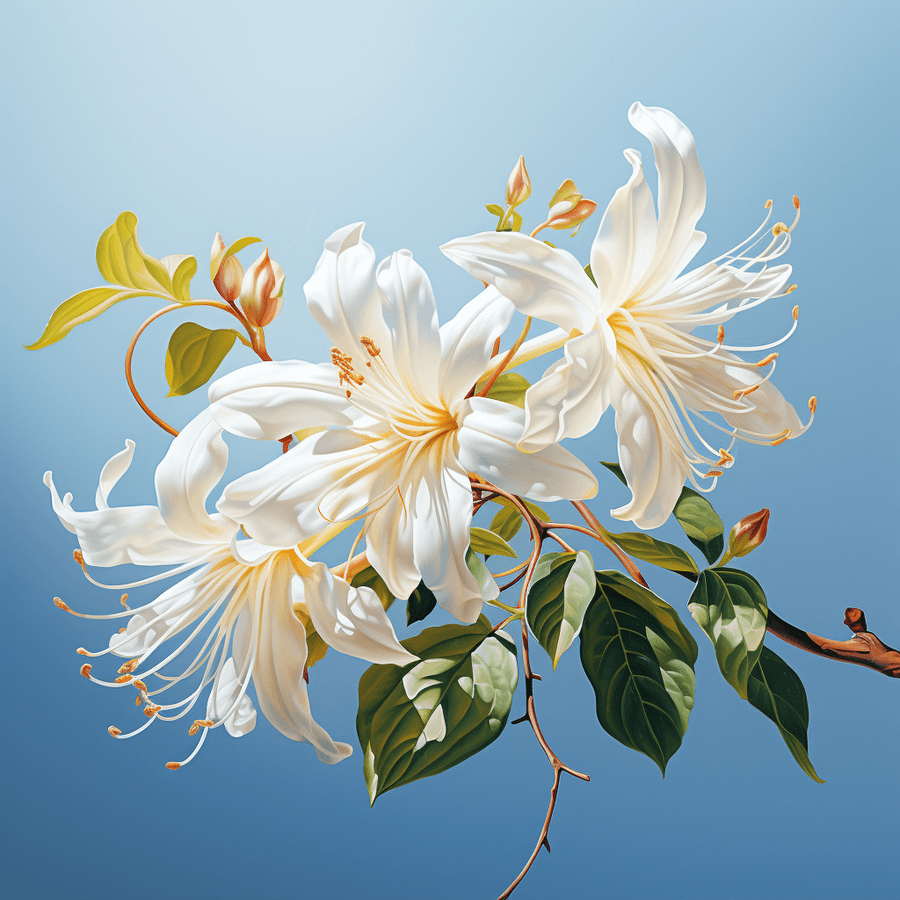
The Honeysuckle, with its intoxicating aroma and cascading blooms, is more than just a visual and olfactory delight. Throughout history, this fragrant climber has been imbued with symbolic meanings, making it a flower of profound significance in various cultures and traditions.
Moreover, the honeysuckle’s nocturnal fragrance, which intensifies as the sun sets, has led to its association with dreams, night-time, and the mysteries of the unseen. Whether it’s the allure of its scent, the beauty of its blooms, or the depth of its symbolic meanings, the honeysuckle remains a cherished flower in the hearts of many.
The Honeysuckle, with its sweet scent and vibrant blooms, has a rich history that spans continents and cultures. Its presence in ancient rituals, medicinal practices, and literary works showcases its deep-rooted significance in human civilization.
| Region/Culture | Historical Role and Significance |
|---|---|
| Roman Empire | The Romans valued the honeysuckle for its medicinal properties. It was also believed to be a favorite of the goddess Venus and was thus associated with love and sensuality. |
| Chinese Tradition | In traditional Chinese medicine, honeysuckle has been used for its cooling and detoxifying properties. It was also a symbol of enduring love, with its intertwined vines representing the bond between two people. |
| Celtic Lore | The Celts viewed the honeysuckle as a symbol of protection. It was believed that bringing honeysuckle into the home would ward off negative energies and evil spirits. |
| Medieval Europe | In medieval times, the honeysuckle was often planted near homes as it was believed to bring good luck. Its sweet aroma was also used to mask unpleasant odors in living quarters. |
Furthermore, the honeysuckle’s appearance in ancient poetry and art underscores its aesthetic and symbolic appeal. From being a muse for poets to its role in age-old customs, the honeysuckle’s historical significance is as rich and varied as its fragrance.
Often referred to as “Woodbine” in older texts, the Honeysuckle has long been associated with the cosmos and its energies. Its blooming period in June aligns with the zodiac signs of Gemini and Cancer, infusing the flower with astrological significance and celestial connections.
In addition to its zodiacal connections, the honeysuckle is often associated with the planet Venus, the goddess of love and beauty. This association amplifies the flower’s symbolism of passion, attraction, and affection. Astrologers often recommend planting honeysuckle or keeping its essence nearby to enhance love and harmony in one’s life.
Throughout history, the honeysuckle’s celestial connections have made it a favorite among astrologers and mystics. Its alignment with the stars and planets offers a deeper understanding of the flower’s spiritual and energetic properties.
The Honeysuckle, with its tubular blossoms and intoxicating fragrance, is a feast for the senses. Beyond its aesthetic appeal, each hue of the honeysuckle carries a unique meaning and sentiment. Let’s explore the various colors of this enchanting flower and the emotions they evoke.
| Color | Significance |
|---|---|
| White | White honeysuckles symbolize purity, innocence, and new beginnings. Their pristine petals are often associated with moments of reflection and renewal. |
| Yellow | Yellow, the most common color of honeysuckle, represents joy, happiness, and the warmth of friendship. Its sunny disposition can brighten any garden or bouquet. |
| Pink | Pink honeysuckles convey feelings of love, affection, and appreciation. They’re often gifted to express admiration or gratitude. |
| Red | Red honeysuckles, though rarer, symbolize passion, desire, and deep emotional bonds. They’re a testament to the intensity and depth of feelings. |
| Orange | Orange honeysuckles are all about energy, enthusiasm, and the spirit of adventure. They inspire action and encourage exploration. |
Beyond their colors, honeysuckles are renowned for their captivating fragrance. This aroma, especially prominent during the evening, is believed to have calming properties, aiding relaxation and promoting sweet dreams. Whether you’re drawn to the honeysuckle for its colors, scent, or both, this flower undoubtedly holds a special place in many hearts and gardens.
The Honeysuckle, often referred to as the “woodbine,” has woven its tendrils deep into the fabric of mythology and folklore. Its sweet scent and delicate blossoms have inspired tales that span across cultures and epochs. Let’s journey through some of the most enchanting stories associated with this fragrant climber.
From tales of romance to protective charms, the honeysuckle’s presence in folklore is as varied as its fragrant blooms. Its stories remind us of the profound connections between nature and human emotions, and how plants have always been intertwined with our shared cultural narratives.
The honeysuckle, with its intoxicating aroma and cascading blossoms, has found a special place in the hearts of many cultures around the world. Its allure transcends borders, making it a cherished plant in various traditions and customs. Let’s embark on a global journey to explore the honeysuckle’s cultural significance.
| Culture | Significance |
|---|---|
| Chinese | In traditional Chinese medicine, honeysuckle is revered for its healing properties. Known as ‘Jin Yin Hua’, it’s often used in herbal remedies to treat ailments like fevers and infections. The flower also symbolizes the bonds of love in Chinese poetry. |
| Native American | For some Native American tribes, honeysuckle had spiritual significance. Its sweet nectar was seen as a gift from the Creator, and its winding growth represented life’s journey, with its twists and turns. |
| European | In various European cultures, honeysuckle was believed to offer protection. Planting it near homes was thought to ward off witches and evil spirits. Its twining nature also made it a symbol of close bonds and unity in relationships. |
| Indian | In India, the honeysuckle is often associated with affection and attachment. Its clinging nature is seen as a representation of love’s enduring grip. It’s also used in traditional Ayurvedic medicine for its therapeutic benefits. |
| Roman | The ancient Romans valued honeysuckle for both its beauty and medicinal properties. It was often included in gardens for its aesthetic appeal, and its extracts were used in various remedies. |
From ancient remedies to poetic inspirations, the honeysuckle’s influence is vast and varied. Its universal appeal is a testament to nature’s ability to resonate with diverse cultures, bridging gaps and fostering shared appreciation.
The rose and the honeysuckle differ in several ways. Roses are typically shrubs or bushes with iconic blooms recognized for their layered petals. They come in a variety of colors and are often associated with love and passion. Honeysuckles, on the other hand, are climbing vines known for their tubular flowers and sweet nectar. They are usually fragrant and attract pollinators like hummingbirds and butterflies.
To ensure your honeysuckle blooms in June, follow these care tips: Provide it with full sun to partial shade, water it regularly but ensure well-drained soil, prune it after flowering to encourage new growth, and protect it from harsh winter conditions. Regularly checking for pests and diseases will also help maintain its health.
The rose is often termed the “Queen of Flowers” due to its unparalleled beauty, diverse range of colors, and its historical and cultural significance across various civilizations. Its timeless appeal, combined with its representation of love, passion, and elegance, has cemented its regal status in the floral kingdom.
Yes, honeysuckle has various traditions associated with it. In some cultures, the honeysuckle’s blooming in June signifies the perfect time to forge bonds and express affection. Its sweet scent, especially in the evenings, is believed to induce dreams of love. In folklore, the honeysuckle is also associated with protection, and hanging it by the entrance was believed to ward off evil spirits.
Different rose colors carry varied meanings across cultures. While red roses universally symbolize love and passion, white roses often represent purity and innocence. Yellow roses can mean friendship in Western cultures but might signify jealousy or infidelity in others. Pink roses generally convey admiration and gratitude. However, it’s essential to be aware of regional and cultural variations when gifting roses to ensure the intended message is conveyed.
Yes, honeysuckle has been used in traditional medicine for centuries. Its flowers, leaves, and stems are often utilized for their anti-inflammatory, antibacterial, and antiviral properties. Honeysuckle can be found in various herbal remedies to treat colds, flu, and infections. However, it’s essential to consult with a healthcare professional before using honeysuckle or any other herbal remedy.
In June, some of the most popular rose varieties for gifting include Hybrid Tea Roses, known for their classic flower form and long stems; Floribunda Roses, appreciated for their vibrant and abundant blooms; and David Austin Roses, renowned for their unique character and fragrance. The choice often depends on personal preferences and the message one wishes to convey.
Yes, honeysuckle nectar is edible and is often enjoyed for its sweet taste. As children, many have cherished the experience of plucking honeysuckle flowers and tasting the tiny drop of nectar. However, it’s crucial to note that while the nectar is edible, not all parts of the honeysuckle plant are safe to consume. Some species have berries that can be toxic if ingested.
To ensure abundant blooms in June, start by choosing a rose variety suitable for your climate. Provide your rose plant with at least 6 hours of direct sunlight daily, water it consistently, and ensure well-draining soil. Regular pruning, especially of old and withered blooms, will encourage new growth. Additionally, feeding the plant with a balanced rose fertilizer can boost its blooming potential.
The honeysuckle’s scent is more potent in the evening to attract pollinators like moths that are active during the night. The strong, sweet aroma guides them to the flowers, facilitating pollination. This nocturnal fragrance release is an evolutionary adaptation of the honeysuckle to ensure its reproductive success.
Uncover the special birth flowers for every month and delve into their symbolism:
| Month | Birth Flowers |
|---|---|
| January | Carnation & Snowdrop |
| February | Violet & Primrose |
| March | Daffodil & Jonquil |
| April | Daisy & Sweet Pea |
| May | Lily of the Valley & Hawthorn |
| June | Rose & Honeysuckle |
| July | Larkspur & Water Lily |
| August | Gladiolus & Poppy |
| September | Aster & Morning Glory |
| October | Marigold & Cosmos |
| November | Chrysanthemum & Peony |
| December | Narcissus & Holly |
As the year draws to a close, December graces us with a trio of enchanting blooms: the Narcissus, the Holly, and the Poinsettia. T…
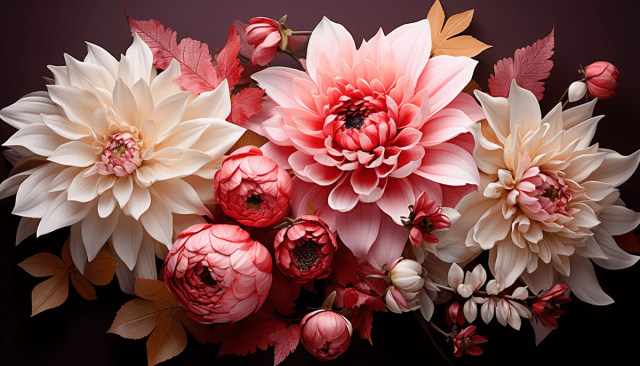
As the vibrant hues of autumn paint the landscape, November introduces us to two of its most cherished blooms: the Chrysanthemum a…
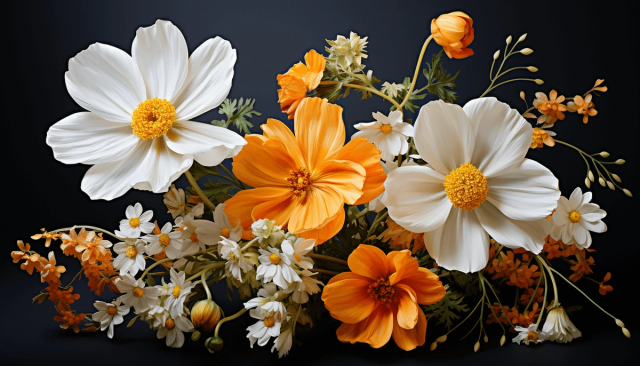
As the vibrant hues of autumn paint the landscape, October introduces us to two enchanting blooms that capture the essence of the …