 Know
Know
Birth Flowers
December Birth Flowers: Embracing Narcissus, Holly & Poinsettia
As the year draws to a close, December graces us with a trio of enchanting blooms: the Narcissus, the Holly, and the Poinsettia. T…
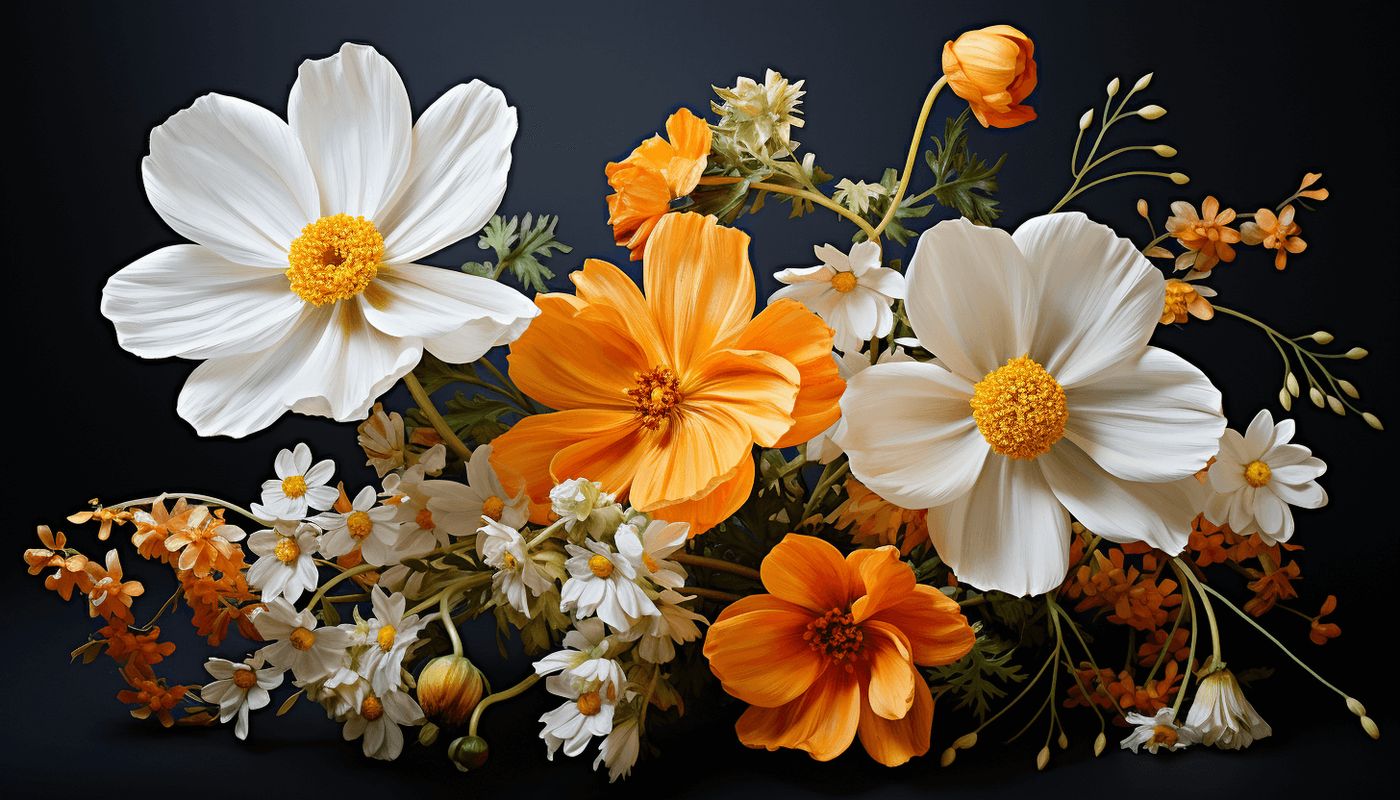
As the vibrant hues of autumn paint the landscape, October introduces us to two enchanting blooms that capture the essence of the season: the Marigold and the Cosmos. The Marigold, with its golden petals, is reminiscent of the warm sun, symbolizing passion, creativity, and the cycle of life. In contrast, the Cosmos, with its delicate and dainty blossoms, mirrors the vastness of the universe, representing harmony, peace, and endless love. Together, these flowers encapsulate the spirit of October, a month of reflection, celebration, and deep connections.
For those eager to delve deeper into the world of flowers, our comprehensive Birth Flowers Guide offers a wealth of knowledge. Additionally, if you’re curious about the gems associated with each month, our Birthstone Article provides intriguing insights into the world of precious stones and their significance.
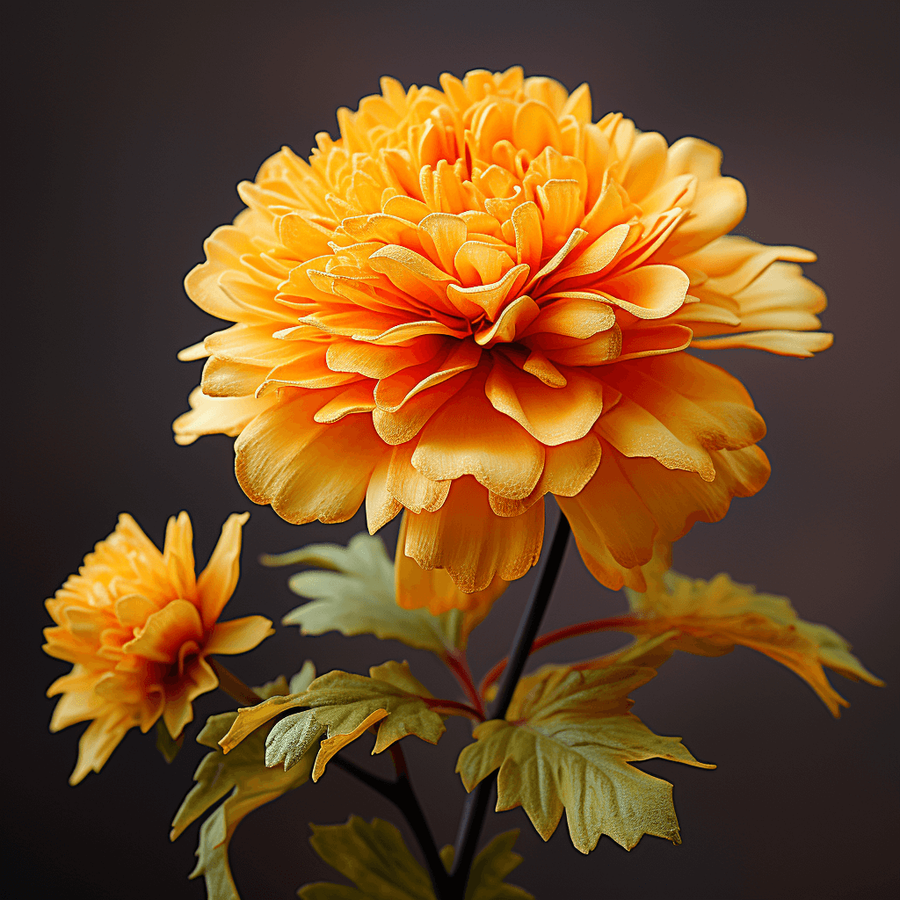
The Marigold, often bathed in shades of gold, orange, and yellow, is a flower that has captivated hearts for centuries. Its vibrant colors are reminiscent of the sun’s golden rays, making it a symbol of warmth, life, and positivity. But beyond its visual appeal, the Marigold holds deep symbolic meanings that have evolved over time.
Whether gracing gardens with their presence or being used in rituals and ceremonies, Marigolds carry a message of hope, love, and transformation. Their symbolism is a testament to their enduring role in human history and the myriad of emotions they evoke.
The Marigold, with its sun-kissed petals, has been a significant flower in various cultures for millennia. Its historical roots are as deep and varied as the shades of its blooms. Let’s journey back in time to explore the Marigold’s storied past.
| Civilization | Usage & Significance |
|---|---|
| Ancient Egypt | Marigolds were revered for their rejuvenating properties. They were often used in rituals to honor the Sun God, Ra, and were believed to possess healing qualities. |
| Roman Empire | Marigolds were a symbol of love and commitment. They were commonly used in wedding ceremonies and were believed to bring happiness and prosperity to newlyweds. |
| India | Marigolds hold a sacred place in Hindu rituals. They are used extensively in festivals like Diwali and Durga Puja, symbolizing purity, prosperity, and positivity. |
| Mesoamerica | In regions like Mexico, Marigolds are synonymous with the Day of the Dead celebrations. They are believed to guide the spirits of the departed back to the world of the living. |
From ancient civilizations to modern-day practices, the Marigold’s historical significance is a testament to its enduring appeal and multifaceted role in human culture. Its presence in rituals, ceremonies, and daily life showcases its profound impact on societies throughout history.

October, dominated by the balanced and harmonious sign of Libra, finds a perfect floral counterpart in the Marigold. Just as Libra seeks equilibrium and beauty in all things, the Marigold stands as a symbol of passion, creativity, and warmth. Let’s delve deeper into the cosmic connection between this radiant bloom and the zodiac sign of the scales.
In the grand tapestry of the cosmos, the Marigold’s attributes beautifully align with the characteristics of Libra. Both the flower and the zodiac sign celebrate beauty, balance, and deep connections, making them a match made in the heavens.
The Marigold, often associated with the sun’s golden glow, comes in a variety of shades, each carrying its unique symbolism and message. These vibrant hues not only add aesthetic beauty to gardens and bouquets but also convey deep emotions and sentiments. Let’s explore the diverse palette of the Marigold and the meanings behind each color.
| Color | Meaning |
|---|---|
| Golden Yellow | Often likened to the sun, golden yellow Marigolds symbolize warmth, positivity, and creativity. They are a beacon of hope and joy. |
| Orange | This vibrant hue stands for enthusiasm, energy, and celebration. Orange Marigolds are often used in festivities and are a sign of lively spirits. |
| Red | Red Marigolds convey deep emotions, passion, and love. They are a testament to strong feelings and intense connections. |
| White | Symbolizing purity, peace, and innocence, white Marigolds are often used in spiritual ceremonies and offer a serene touch to any setting. |
Whether you’re choosing Marigolds for a garden, a bouquet, or a special occasion, understanding the meanings behind their colors can add depth and significance to your choice. These flowers, with their rich hues and even richer symbolism, have a way of speaking directly to the heart.
The Marigold, with its radiant petals and sun-like disposition, has been a subject of fascination and reverence in various cultures. Its presence in myths, legends, and folklore is a testament to its deep-rooted significance in human history. Let’s delve into some of the most captivating tales and traditions associated with this golden bloom.
From guiding souls to symbolizing the sun’s energy, the Marigold’s presence in mythology and folklore is vast and varied. These tales not only highlight the flower’s historical significance but also enrich our understanding of its cultural and spiritual value.
The Marigold, with its vibrant hues and captivating aura, has found its way into the hearts and traditions of various cultures around the world. From spiritual ceremonies to daily life, the Marigold’s influence is both profound and widespread. Let’s embark on a journey across continents, exploring the diverse ways in which different cultures have embraced this golden bloom.
| Culture | Significance & Use of Marigold |
|---|---|
| Mexico | Marigolds play a pivotal role in the Día de los Muertos (Day of the Dead) celebrations. Known as “Flor de Muerto” (Flower of the Dead), they are used to decorate altars and graves, believed to guide the spirits of the deceased with their bright colors and aromatic scent. |
| India | Marigolds hold immense spiritual significance in Hindu rituals. They are used extensively in religious ceremonies, weddings, and festivals like Diwali. Their bright color symbolizes purity and positivity. |
| Nepal | In the Tihar festival, Marigolds are used to make garlands and decorate homes, symbolizing the victory of light over darkness and good over evil. |
| Europe | Marigolds, especially the pot marigold (Calendula), have been used for their medicinal properties, treating skin conditions and wounds. They were also believed to protect against evil spirits. |
| Africa | In some African cultures, Marigolds are planted in vegetable gardens as they are believed to repel harmful pests and insects, showcasing their practical use in agriculture. |
From the bustling streets of India to the serene landscapes of Europe, the Marigold’s presence is a testament to its universal appeal. Its rich cultural tapestry offers a glimpse into the myriad ways in which humanity has cherished and celebrated this radiant flower.
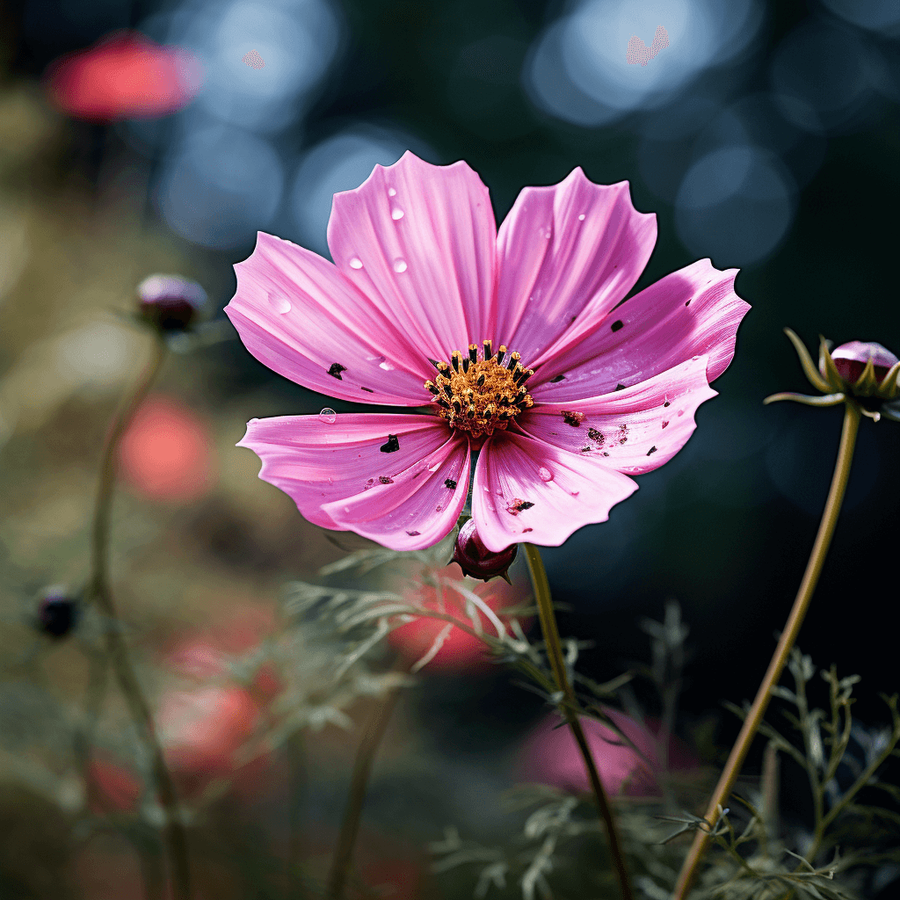
Named after the Greek word for ‘order’ or ‘world’, the Cosmos flower is a symbol of harmony and the universe’s vast expanse. With its delicate petals and feathery foliage, the Cosmos embodies a sense of wonder, balance, and serenity, much like the celestial bodies it’s named after. Let’s journey into the depths of its symbolism and discover the profound meanings this ethereal bloom holds.
The Cosmos flower, with its symmetrical petals and balanced appearance, is often seen as a representation of harmony and equilibrium. In gardens, its presence is believed to bring a sense of order and tranquility, mirroring the universe’s inherent balance.
In various cultures, gifting Cosmos flowers is a gesture of deep love and affection. Their gentle appearance and soft hues convey feelings of warmth, tenderness, and heartfelt emotions.
The Cosmos’s serene demeanor resonates with peace and calmness. In moments of introspection or meditation, the presence of these flowers can enhance feelings of tranquility and inner peace.
With their free-swaying stems and independent growth pattern, Cosmos flowers symbolize freedom, spontaneity, and unrestrained joy. They encourage one to embrace life’s unpredictability and find beauty in every moment.
In the vast tapestry of nature, the Cosmos stands out as a beacon of beauty, balance, and boundless wonder. Its symbolism extends beyond its visual appeal, offering lessons of love, harmony, and the interconnectedness of all things. As we gaze upon this bloom, we’re reminded of the universe’s infinite beauty and the delicate balance that sustains it.
The Cosmos flower, with its starry petals and ethereal beauty, has a rich history that spans continents and cultures. Originating from the sun-drenched landscapes of Mexico, this bloom has traveled far and wide, leaving a trail of stories and traditions in its wake. Let’s embark on a historical journey to trace the roots and global spread of the Cosmos flower.
The native lands of Mexico first saw the Cosmos’s delicate petals unfurl. Ancient civilizations held the flower in high regard, associating it with the sun god due to its radiant appearance. The flower’s name, derived from the Greek word for ‘order’, was perhaps a nod to the ordered pattern of its petals.
Spanish explorers, captivated by the flower’s beauty, brought the Cosmos seeds back to Europe. By the 16th century, it had become a garden staple in Spain and gradually spread to neighboring countries, enchanting European gardeners with its simplicity and charm.
In Victorian England, the language of flowers was a popular way to convey emotions. The Cosmos, representing love and beauty, became a favored gift among lovers and friends. Its presence in English gardens and bouquets was a testament to its widespread appeal.
Today, the Cosmos is a beloved addition to gardens worldwide. Its easy-to-grow nature, coupled with its ability to attract pollinators, makes it a favorite among modern gardeners. From North America to Asia, the Cosmos has found a home in diverse climates and landscapes.
In conclusion, the journey of the Cosmos, from the ancient lands of Mexico to gardens across the globe, is a testament to its timeless beauty and adaptability. As we admire this flower, we’re not just looking at a bloom but a piece of history that has touched countless lives and cultures.
October, a month dominated by the balanced scales of Libra, finds a floral counterpart in the Cosmos. Just as Libra seeks harmony and equilibrium, the Cosmos, with its symmetrical petals, mirrors this cosmic balance on Earth. Let’s delve deeper into the astrological ties and resonances between the Cosmos flower and the starry patterns of October.
Libra, ruled by the planet Venus, is a sign that craves harmony, beauty, and partnerships. The Cosmos, with its evenly spaced petals and harmonious appearance, is a perfect representation of Libra’s intrinsic qualities. The flower’s name, which means ‘order’ in Greek, further emphasizes this connection.
Venus, the planet of love, beauty, and aesthetics, finds a terrestrial echo in the Cosmos flower. The bloom’s delicate and pleasing aesthetics resonate with Venusian energies, making it a flower that embodies love, attraction, and appreciation of beauty.
The star-shaped arrangement of the Cosmos petals is reminiscent of the vast cosmos and the twinkling stars. This celestial pattern aligns with the overarching theme of October, where the nights grow longer, and the skies are adorned with a brilliant tapestry of stars.
Astrologically, those born under the Libra sign are known to thrive in peaceful and balanced environments. Similarly, the Cosmos flower flourishes in well-balanced soil conditions, symbolizing the need for equilibrium both in the heavens and on Earth.
In essence, the Cosmos flower, with its starry petals and harmonious growth, beautifully mirrors the astrological energies of October. It serves as a reminder of the intricate dance between the Earth and the stars, and the cosmic patterns that influence our lives.
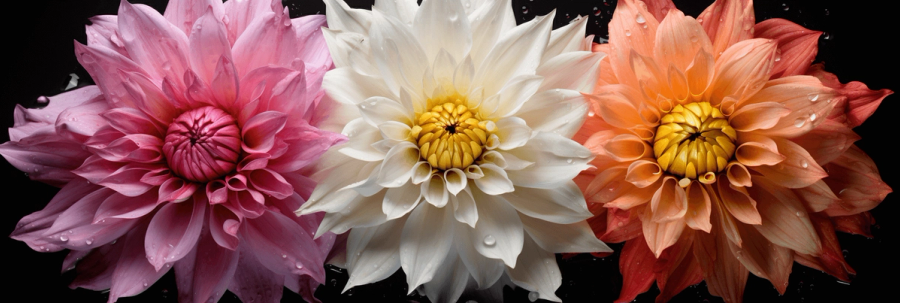
The Cosmos flower, with its dainty petals and feathery foliage, is a visual delight that comes in a spectrum of colors. Each hue carries its own unique symbolism and message, making the Cosmos a versatile flower for various occasions and sentiments. Let’s explore the myriad of colors this bloom offers and the meanings they convey.
| Color | Symbolism |
|---|---|
| White Cosmos | Representing purity, innocence, and peace, white Cosmos are often used in weddings and spiritual ceremonies. |
| Pink Cosmos | Symbolic of romance, tenderness, and femininity, pink Cosmos are perfect for expressing gentle emotions and admiration. |
| Red Cosmos | These fiery blooms stand for passion, strength, and love. They’re ideal for conveying deep emotions and desires. |
| Yellow Cosmos | Yellow Cosmos flowers radiate joy, positivity, and warmth, making them suitable for cheering someone up or celebrating happy occasions. |
| Orange Cosmos | Representing enthusiasm, creativity, and energy, orange Cosmos are a burst of vibrancy and zest for life. |
While these are the most common colors of Cosmos flowers, it’s worth noting that the flower’s hues can vary based on factors like soil quality, sunlight, and cultivation practices. Regardless of the shade, Cosmos flowers remain a favorite among gardeners and flower enthusiasts for their beauty and the depth of emotions they represent.
Whether you’re gifting a bouquet or planting them in your garden, understanding the significance of Cosmos colors can add a layer of meaning to your floral choices.
The Cosmos flower, with its ethereal beauty and delicate form, has been a source of inspiration and wonder for many cultures throughout history. Its name, derived from the Greek word for ‘order’ or ‘world,’ hints at its deep-rooted significance in various mythologies and folktales. Let’s delve into some of the enchanting stories and legends associated with this mesmerizing bloom.
In ancient Greek mythology, the Cosmos represented order, peace, and the universe’s harmonious arrangement. The flower was believed to be a manifestation of love and beauty, often associated with the goddess Aphrodite. Its symmetrical petals symbolized the balance and harmony inherent in the universe.
Originating from Mexico, the Cosmos flower holds a special place in local folklore. It is often linked to the celebration of the Day of the Dead, where its vibrant colors are believed to guide the spirits of the departed back to their loved ones. The flower also symbolizes the cycle of life, death, and rebirth.
For some Native American tribes, the Cosmos flower was seen as a symbol of universal love and unity. It was believed that planting Cosmos in one’s garden would bring harmony and positive energy to the household.
Today, the Cosmos flower is often associated with serenity, tranquility, and a deep connection to the universe. Its presence in gardens and bouquets is not just for its aesthetic appeal but also for the sense of peace and balance it brings to its surroundings.
In conclusion, the Cosmos flower, with its rich tapestry of stories and meanings, serves as a beautiful reminder of the interconnectedness of all things and the universal love that binds us all. Whether you come across it in a garden, a story, or a piece of art, the Cosmos never fails to inspire awe and wonder.
The Cosmos, with its dainty petals and graceful stature, has captured the hearts of many across the globe. From its native lands in Mexico to gardens in distant continents, the Cosmos has woven its way into various cultures, each attributing its own unique significance and value to this enchanting flower. Let’s embark on a journey to explore the global adoration for the Cosmos.
In its native land, the Cosmos is deeply rooted in cultural and religious practices. As mentioned earlier, it plays a significant role in the Day of the Dead celebrations. Beyond that, it’s seen as a symbol of joy and love, often used in local festivals and ceremonies.
In Japan, the Cosmos, known as “Akizakura,” which translates to “autumn cherry blossoms,” is celebrated as an emblem of the fall season. The flower’s blooming coincides with autumn festivals, and its sight evokes feelings of nostalgia and the transient nature of life.
While the Cosmos is admired for its beauty in India, it’s also valued for its medicinal properties. Traditional Ayurvedic practices use the flower to treat various ailments, emphasizing its healing and rejuvenating qualities.
European gardeners and florists have long cherished the Cosmos for its easy cultivation and long-lasting blooms. It’s a popular choice for gardens, bouquets, and floral arrangements, symbolizing harmony and deep appreciation for nature’s beauty.
In the U.S., the Cosmos is often planted in memory gardens as a tribute to loved ones. Its resilient nature and ability to thrive in diverse conditions make it a symbol of hope, perseverance, and the enduring spirit of life.
In essence, the Cosmos, with its universal appeal, transcends borders and cultures. Its delicate beauty, combined with its deep-rooted significance in various traditions, makes it a truly global flower, celebrated and revered by many.
Marigold: Known for its vibrant golden hues, Marigold is a compact flower with dense petals. It’s often associated with the sun due to its bright color and is commonly used in religious and cultural ceremonies. Marigolds prefer full sun and well-draining soil.
Cosmos: Cosmos flowers are dainty with a more spread-out petal arrangement. They come in various colors, including white, pink, and purple. Cosmos plants are taller with feathery foliage and thrive in a variety of soil conditions.
Marigold: Water them regularly, but avoid overwatering. They thrive in full sun and appreciate well-draining soil. Regular deadheading can promote more blooms.
Cosmos: These plants are drought-tolerant and prefer slightly dry soil. They love full sun and can grow in poorer soil conditions. Deadhead spent flowers to encourage continuous blooming.
Yes, both flowers are edible. Marigold petals are often used as a saffron substitute in cooking, offering a slightly tangy flavor. Cosmos petals can be used in salads and have a mild, lettuce-like taste.
Marigold: Traditionally, Marigold has been used for its anti-inflammatory and antiseptic properties. It’s often found in ointments and creams intended for wound healing and skin irritations.
Cosmos: While not as widely recognized for medicinal use as Marigold, some cultures use Cosmos for its mild analgesic properties.
Marigold: Marigolds are robust and can adapt to various climates, though they prefer warmer temperatures. They are frost-sensitive and thrive in full sun.
Cosmos: Cosmos are heat-loving plants and can tolerate dry conditions. They are adaptable to various climates but perform best in warmer temperatures with full sun exposure.
Marigold: While Marigolds are typically outdoor plants, they can be grown indoors with adequate light. Ensure they receive at least 6 hours of direct sunlight, preferably from a south-facing window. Regularly check the soil moisture to avoid overwatering.
Cosmos: Cosmos can also be grown indoors, especially when started from seeds. They require a good amount of sunlight, so placing them near a window that receives ample light is crucial. Ensure the soil remains moderately moist.
Marigold: Marigolds are generally considered deer-resistant due to their strong scent, which is not favored by deer. However, in areas with high deer populations, they might still nibble on them.
Cosmos: Cosmos are not particularly known to be deer-resistant. If deer are prevalent in your area, they might be attracted to Cosmos.
Marigold: Marigolds prefer slightly dry conditions. Water them when the top inch of the soil feels dry to the touch. Overwatering can lead to root rot.
Cosmos: Cosmos are drought-tolerant. Water them when the soil feels dry about two inches down. They prefer deep, infrequent watering to shallow, frequent watering.
Marigold: Marigolds can be affected by spider mites, aphids, and whiteflies. However, they are also known to repel certain pests and are often used as companion plants in gardens.
Cosmos: Cosmos can attract aphids and thrips. Regularly check the undersides of leaves and treat with insecticidal soap or neem oil if needed.
Marigold: Yes, Marigolds are often used in bouquets and floral arrangements due to their vibrant colors and longevity. They can act as a focal point or complementary flower in various designs.
Cosmos: Absolutely! Cosmos, with their delicate and dainty appearance, are perfect for adding a touch of elegance to floral arrangements. Their long stems make them ideal for tall vases and centerpieces.
Discover the characteristic birth flowers of each month and their symbolic representations:
| Month | Birth Flowers |
|---|---|
| January | Carnation & Snowdrop |
| February | Violet & Primrose |
| March | Daffodil & Jonquil |
| April | Daisy & Sweet Pea |
| May | Lily of the Valley & Hawthorn |
| June | Rose & Honeysuckle |
| July | Larkspur & Water Lily |
| August | Gladiolus & Poppy |
| September | Aster & Morning Glory |
| October | Marigold & Cosmos |
| November | Chrysanthemum & Peony |
| December | Narcissus & Holly |
As the year draws to a close, December graces us with a trio of enchanting blooms: the Narcissus, the Holly, and the Poinsettia. T…
As the vibrant hues of autumn paint the landscape, November introduces us to two of its most cherished blooms: the Chrysanthemum a…
As the golden hues of summer start to fade, giving way to the crisp air of autumn, September introduces us to two enchanting bloom…