 Know
Know
Birth Flowers
December Birth Flowers: Embracing Narcissus, Holly & Poinsettia
As the year draws to a close, December graces us with a trio of enchanting blooms: the Narcissus, the Holly, and the Poinsettia. T…
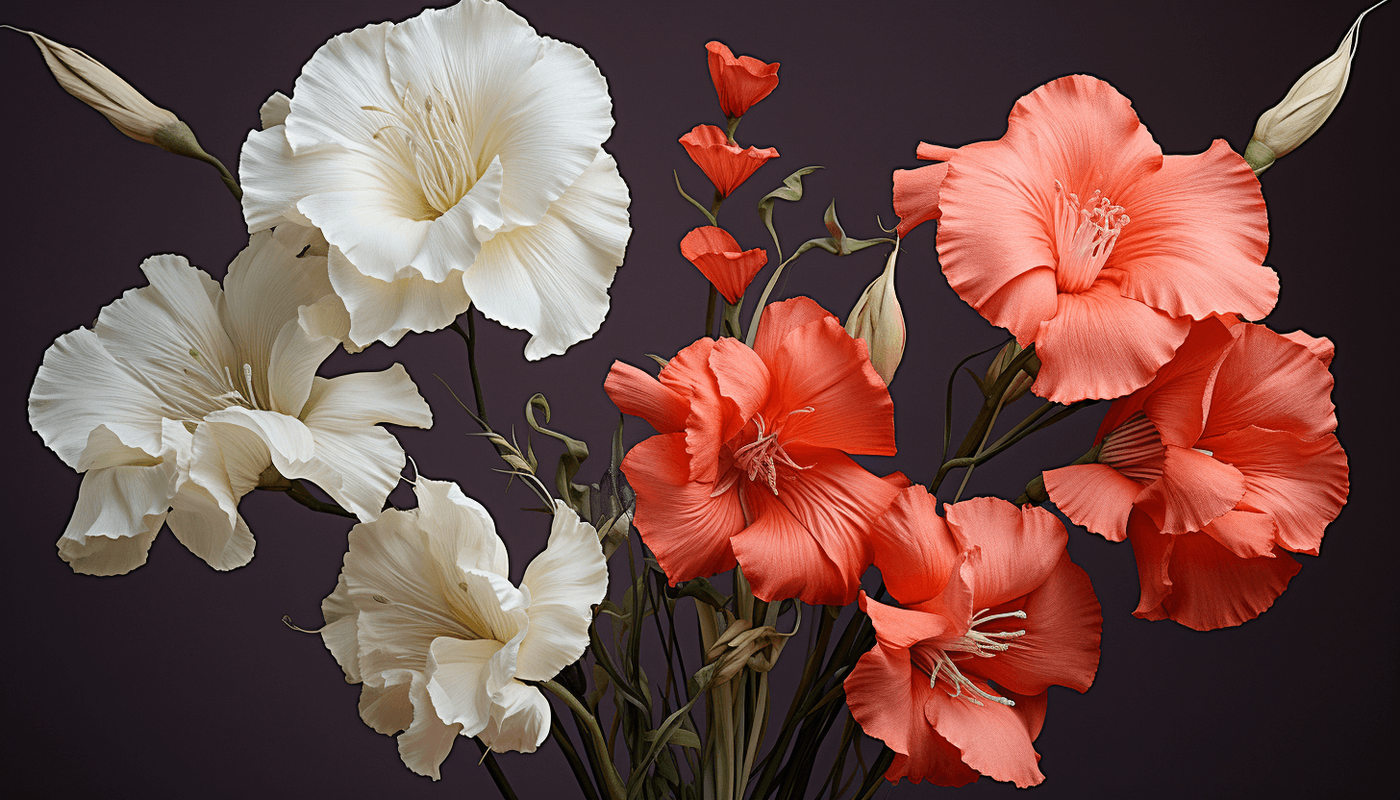
As the warmth of summer reaches its zenith, August graces us with two captivating blooms: the Gladiolus and the Poppy. The Gladiolus, often referred to as the “Sword Lily,” stands tall and proud, symbolizing strength, integrity, and passion. In contrast, the delicate Poppy, with its paper-thin petals, whispers tales of dreams, remembrance, and the ephemeral nature of life. Both flowers, with their distinct characteristics and stories, beautifully encapsulate the spirit of August—a month of abundance, reflection, and transitions.
Every month is graced with a unique birth flower, offering a natural and symbolic representation of its character and essence. Just as gemstones have been cherished for their association with birth months, flowers too have been celebrated for the sentiments they encapsulate. This age-old tradition provides a beautiful way to understand and connect with the changing seasons and the qualities they usher in. For those keen on immersing themselves further in the fascinating lore of birth flowers, our detailed birth flowers article awaits your exploration. Dive with us into the enchanting world of these flowers, exploring their rich histories, varied meanings, and cultural significance.
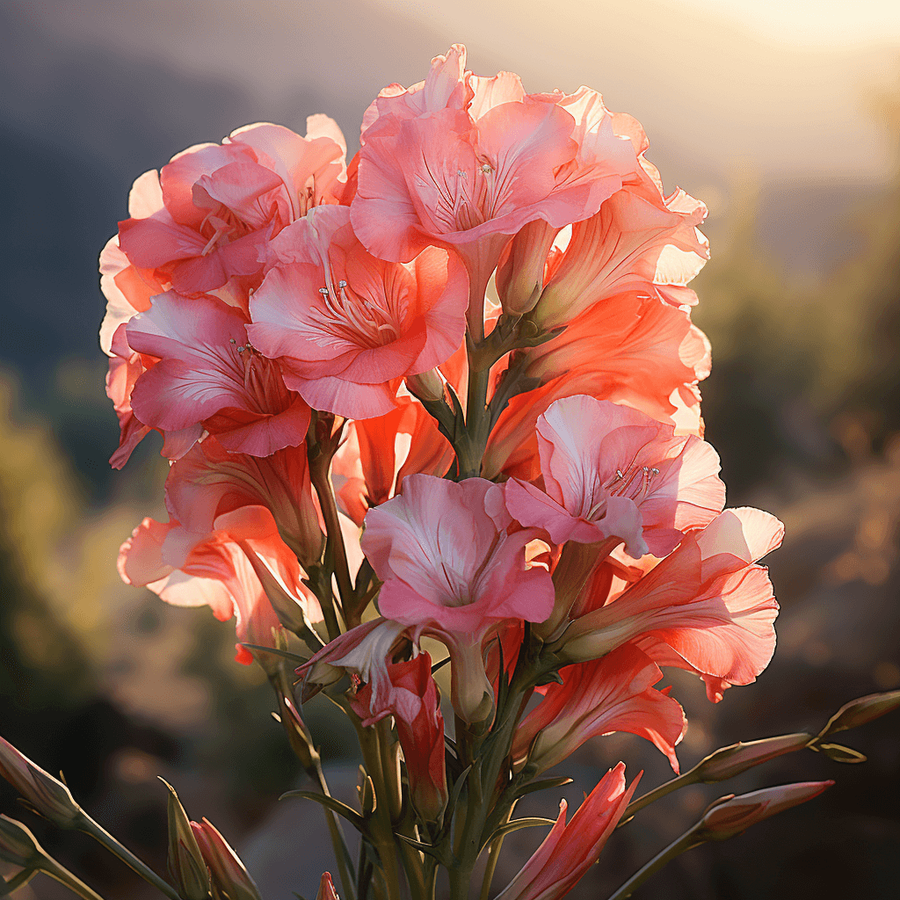
The Gladiolus, with its striking height and vibrant blossoms, is more than just a visual delight. Its name, derived from the Latin word ‘gladius,’ means ‘sword,’ and true to its name, the Gladiolus carries with it symbols of strength and moral integrity. But there’s more to this flower than meets the eye.
Whether standing tall in a garden or gracing a vase indoors, the Gladiolus speaks a language of dignity, honor, and deep emotions, making it a fitting emblem for the sun-soaked days of August.
The Gladiolus, often referred to as the “Sword Lily” due to its sword-shaped leaves, boasts a rich history that intertwines with various cultures and eras. Its presence has been felt from the sands of Africa to the ancient arenas of Rome, and its significance has evolved over time.
| Time Period | Significance |
|---|---|
| Ancient Africa | The Gladiolus is native to Africa, where it was used for its medicinal properties. The bulbs of the plant were ground into a powder and used as a poultice for wounds or mixed with goat’s milk to treat ailments. |
| Roman Era | During the Roman times, Gladioli were associated with gladiators. The flowers were often presented to victorious gladiators, symbolizing victory and pride in the arena. |
| Victorian Era | In the language of flowers, popularized during the Victorian era, the Gladiolus conveyed messages of strength, moral integrity, and infatuation. It was a popular choice in bouquets meant to pierce the heart of a beloved. |
| Modern Day | Today, the Gladiolus stands as a symbol of August birthdays and 40th wedding anniversaries. Its vibrant colors and towering presence make it a favorite in summer gardens and floral arrangements. |
From its humble beginnings in the wild terrains of Africa to its revered status in modern gardens, the Gladiolus has journeyed through time, leaving an indelible mark on history and the hearts of flower enthusiasts.
August, a month ruled by the sun sign Leo, is synonymous with warmth, vitality, and leadership. The Gladiolus, with its towering presence and vibrant hues, perfectly mirrors these Leo traits, making it a fitting emblem for those born under this fiery sign.
Furthermore, the Gladiolus also finds resonance with the planet Mars, which is associated with drive, determination, and desires. This connection further amplifies the flower’s association with strength and passion.
In the cosmic dance of the stars, the Gladiolus finds its rhythm and resonance, making it not just a flower of beauty but also of profound astrological significance.
The Gladiolus, often referred to as the “Sword Lily” due to its sword-shaped leaves, boasts a spectrum of colors, each carrying its own unique symbolism. These colors not only enhance the beauty of gardens and bouquets but also convey deep emotions and messages.
| Color | Meaning |
|---|---|
| Red | Symbolizes love, passion, and romance. A bouquet of red Gladiolus expresses deep affection and admiration. |
| White | Represents purity, innocence, and tranquility. White Gladiolus are often used in weddings and memorial services. |
| Yellow | Stands for joy, friendship, and positivity. Gifting yellow Gladiolus can uplift someone’s spirits and signify a bond of friendship. |
| Pink | Denotes compassion, grace, and admiration. Pink Gladiolus are perfect for showing appreciation and fondness without the intensity of love. |
| Purple | Symbolizes mystery, charm, and grace. Purple Gladiolus add a touch of elegance and intrigue to any setting. |
When choosing a Gladiolus for a particular occasion or sentiment, it’s essential to consider its color. The hues of this magnificent flower speak volumes, allowing one to convey feelings and emotions without uttering a single word.
The Gladiolus, with its majestic stature and vibrant blooms, has been a subject of fascination in various cultures, finding its way into numerous myths and legends. These tales not only highlight the flower’s beauty but also its symbolic significance.
These myths and legends, passed down through generations, add layers of depth to the Gladiolus’s symbolism. Whether representing strength, protection, or love, the Gladiolus stands as a testament to the enduring power of stories and the human imagination.
The Gladiolus, often referred to as the “sword lily” due to its sword-shaped leaves, has captivated hearts across continents. Its striking appearance and rich symbolism have made it a cherished flower in various cultures. Let’s embark on a journey around the world to understand the diverse interpretations and uses of this august bloom.
| Culture | Significance |
|---|---|
| Roman | The Gladiolus was a symbol of strength and integrity, often associated with gladiators. It was believed that wearing this flower would bring power and protection in battles. |
| African | In various African traditions, the Gladiolus is seen as a guardian against evil. Planting it around one’s home was thought to shield the inhabitants from harm. |
| European | European cultures have long associated the Gladiolus with romance and infatuation. Gifting a bouquet of these flowers was a silent declaration of love. |
| Asian | In certain Asian cultures, the Gladiolus represents calmness and integrity. It’s often used in religious ceremonies to invoke peace and harmony. |
From the ancient arenas of Rome to the serene temples of Asia, the Gladiolus has woven its way into the fabric of societies, embodying values of strength, love, and protection. Its global appeal is a testament to its timeless beauty and profound symbolism.
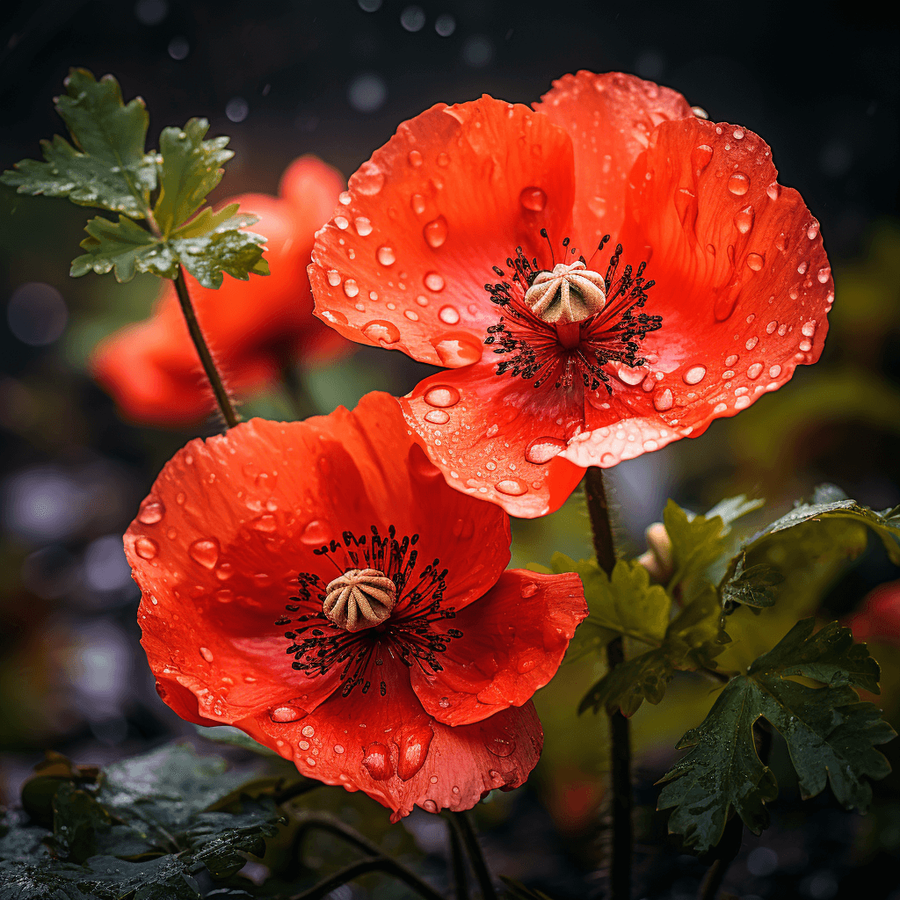
The Poppy, with its delicate petals and bold center, is a paradoxical flower. It embodies both fragility and strength, making it a subject of fascination and reverence across cultures. This bloom, often seen swaying gently in fields, carries a depth of meaning that goes beyond its visual appeal.
Whether it’s the poignant fields of red poppies commemorating fallen soldiers or the golden poppies adorning California’s landscapes, this flower holds a special place in the hearts of many. Its multifaceted symbolism makes it a versatile and meaningful flower, resonating with diverse emotions and stories.
The Poppy, with its vibrant petals and distinctive seed pods, has been intertwined with human history for millennia. Its presence in ancient texts, art, and rituals underscores its profound influence on various civilizations.
| Time Period | Significance |
|---|---|
| Ancient Egypt | Poppies were often depicted in tomb paintings, symbolizing resurrection and eternal life. |
| Greek Mythology | Associated with the goddess Demeter, poppies represented fertility and agriculture. Additionally, the god of sleep, Hypnos, and his family were often portrayed with poppies, highlighting the flower’s sedative properties. |
| Roman Empire | Poppies were linked to Somnus, the god of sleep, and were used in various rituals and medicines. |
| World War I | After the war, the red poppy became a symbol of remembrance for soldiers who lost their lives. Inspired by the poem “In Flanders Fields,” the poppy is now worn to commemorate fallen heroes. |
| Traditional Medicine | Throughout history, various cultures have harnessed the medicinal properties of the poppy, especially its seeds, for pain relief and sedation. |
From ancient civilizations to modern times, the poppy’s historical significance is vast and varied. Its roles in rituals, medicine, and remembrance showcase its enduring impact on human culture and society.
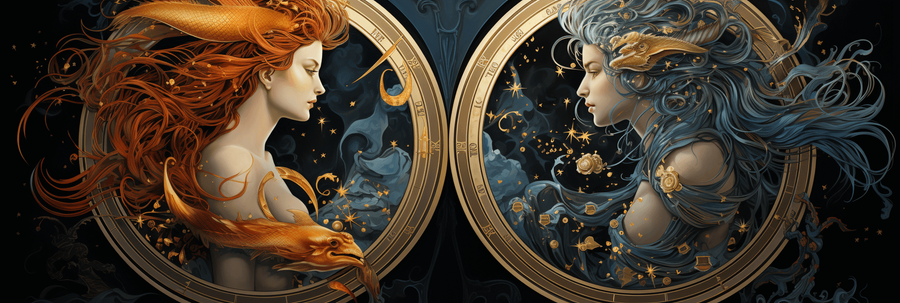
The Poppy, often referred to as the “Flower of Sleep,” has deep-rooted connections with the cosmos. Its delicate petals and mesmerizing hues resonate with certain astrological signs and planetary energies, revealing a celestial dance that has been celebrated for ages.
Whether it’s the gentle pull of the Moon or the dreamy vibes of Neptune, the Poppy’s astrological connections offer a deeper understanding of this flower’s place in the cosmic tapestry. Its celestial associations remind us of the interconnectedness of all things and the timeless dance between the earth and the stars.
The Poppy, with its delicate petals and diverse color palette, is not just a visual delight but also a symbol of a myriad of emotions and sentiments. Each hue of the Poppy carries a unique message, making it a versatile flower for various occasions and sentiments.
| Color | Significance |
|---|---|
| Red | Often associated with remembrance, especially in relation to fallen soldiers. It also symbolizes love and passion. |
| White | Represents peace, consolation, and purity. It’s often used in funerals and memorials as a gesture of comfort and hope. |
| Yellow | Symbolizes wealth, success, and happiness. It’s a color that brings a touch of sunshine and positivity. |
| Orange | Stands for fascination, warmth, and enthusiasm. It captures the essence of fiery passion and attraction. |
| Purple | Represents imagination, luxury, and royalty. It’s a hue that adds a touch of elegance and mystery. |
Choosing the right color of Poppy can convey a specific emotion or message, making it a thoughtful gesture for various occasions. Whether you’re commemorating a loved one, expressing love, or simply bringing a touch of joy, the Poppy’s vibrant hues offer a beautiful way to communicate your feelings.
The Poppy, with its delicate petals and dreamy appearance, has been a subject of fascination and reverence in various cultures and mythologies. Its presence in ancient tales and folklore offers a glimpse into its profound significance and the emotions it evokes.
From tales of gods and goddesses to poignant stories of war and sacrifice, the Poppy’s presence in mythology and folklore underscores its deep-rooted significance in human history. Its vibrant hues and delicate form continue to inspire tales of love, loss, dreams, and hope.
The Poppy, with its vibrant colors and delicate petals, has captured the hearts and imaginations of various cultures around the world. Its symbolism, uses, and significance vary, painting a rich tapestry of stories and traditions.
| Culture | Significance |
|---|---|
| European | Associated with remembrance, especially in the UK, where the red Poppy commemorates soldiers who have died in war. It’s also linked to sleep and peace, stemming from its sedative properties. |
| Chinese | While the Poppy is often associated with rest and peace, it also symbolizes loyalty and love between couples. |
| Middle Eastern | In some regions, the Poppy is a symbol of both love and death, representing the deep emotions and the transient nature of life. |
| Greek | Linked to sleep, dreams, and Morpheus, the god of dreams. The Poppy was also associated with Demeter, the goddess of agriculture and fertility. |
| American | In Native American cultures, the Poppy was used for its medicinal properties and also symbolized the spirit of dreams. |
Regardless of its varied interpretations, the Poppy remains a universally admired flower. Its ability to thrive in diverse climates and settings mirrors its adaptability in cultural narratives, making it a truly global emblem of beauty, resilience, and meaning.
The Poppy is used as a symbol of remembrance due to its association with World War I. The flower grew in abundance on the battlefields of Flanders, and its bright red color was reminiscent of the blood spilled during the war. The poem “In Flanders Fields” by John McCrae further solidified the Poppy’s symbolism, leading to its adoption as a remembrance symbol for soldiers who have died in conflict.
Different colors of Poppies carry varied meanings. The red Poppy is a symbol of remembrance and sacrifice. White Poppies signify peace and are used to remember non-military casualties of war. Purple Poppies remember animals that were victims of war. Yellow Poppies, on the other hand, are often associated with wealth and success.
The Poppy, particularly the opium poppy, has been used for medicinal purposes for centuries. It contains alkaloids like morphine and codeine, which have pain-relieving properties. Historically, it was used to treat pain, insomnia, and diarrhea. However, due to the potential for addiction and misuse, the medicinal use of poppy derivatives is now strictly regulated.
In Greek mythology, the Poppy is associated with the gods Hypnos (sleep), Nyx (night), and Thanatos (death). The flower was believed to have the power to induce sleep and was often depicted with these deities. The goddess Demeter, associated with agriculture, also had connections with the Poppy, symbolizing her fertility and the cycles of life and death.
The Poppy is often referred to as the “Flower of Sleep” due to its sedative properties and its association with the Greek god Hypnos. The seeds of the Poppy were used by ancient civilizations to induce sleep and alleviate pain. Its soporific effects, combined with its mythological connections, earned it this poetic title.
The Gladiolus holds a special place in Roman history. Its name is derived from the Latin word “gladius,” meaning sword, due to its sword-shaped leaves. Gladiators in ancient Rome were often associated with this flower. After a gladiator match, the victor was showered with Gladiolus flowers as a symbol of strength, victory, and pride.
Caring for a Gladiolus plant requires a few specific steps. Firstly, plant the corms in well-draining soil during spring. Ensure they receive full sunlight and water them moderately. As they grow taller, staking might be necessary to support the stems. After the blooming season, it’s advisable to remove the spent flowers and leaves, allowing the plant to focus its energy on the corms for the next season.
The Water Lily is naturally adapted to thrive in still waters, such as ponds and lakes. Its leaves, or pads, have a broad surface and air pockets, allowing them to float effortlessly on water surfaces. The roots anchor the plant in the mud at the bottom, while the flowers rise above the water, attracting pollinators. This unique growth habit makes them a quintessential feature of calm water bodies.
Water Lilies hold varied symbolism across cultures. In ancient Egypt, they symbolized rebirth and the sun, as they close at night and reopen with the morning sun. In Buddhism, they represent purity, enlightenment, and rebirth. The unfolding of its petals is often likened to the unfolding of the soul. In many cultures, Water Lilies also symbolize beauty, tranquility, and grace.
Both Gladiolus and Poppy flowers are popular choices in modern floral arrangements. The tall, striking spikes of Gladiolus make them ideal as focal points in large arrangements, adding height and drama. They are often used in bouquets for special occasions like weddings. Poppies, with their delicate, papery petals, add a touch of elegance and whimsy to bouquets and centerpieces. Their vibrant colors make them stand out, and they are often paired with complementary flowers to create visually appealing arrangements.
Unveil the unique birth flowers assigned to each month and comprehend their symbolism:
| Month | Birth Flowers |
|---|---|
| January | Carnation & Snowdrop |
| February | Violet & Primrose |
| March | Daffodil & Jonquil |
| April | Daisy & Sweet Pea |
| May | Lily of the Valley & Hawthorn |
| June | Rose & Honeysuckle |
| July | Larkspur & Water Lily |
| August | Gladiolus & Poppy |
| September | Aster & Morning Glory |
| October | Marigold & Cosmos |
| November | Chrysanthemum & Peony |
| December | Narcissus & Holly |
As the year draws to a close, December graces us with a trio of enchanting blooms: the Narcissus, the Holly, and the Poinsettia. T…
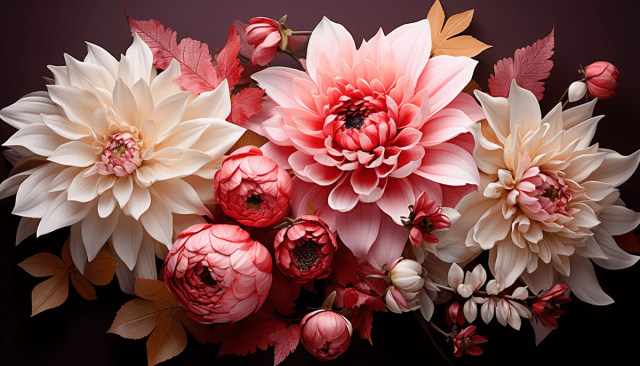
As the vibrant hues of autumn paint the landscape, November introduces us to two of its most cherished blooms: the Chrysanthemum a…
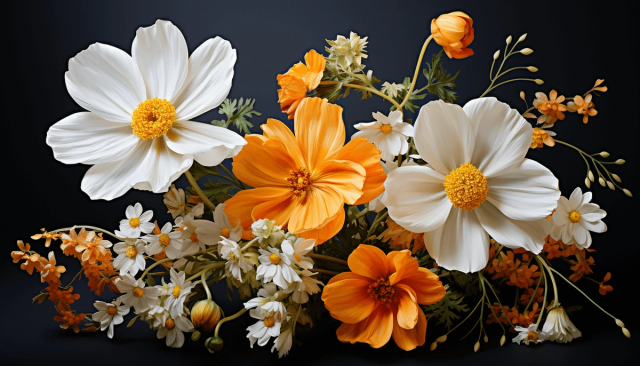
As the vibrant hues of autumn paint the landscape, October introduces us to two enchanting blooms that capture the essence of the …