 Know
Know
Birth Flowers
December Birth Flowers: Embracing Narcissus, Holly & Poinsettia
As the year draws to a close, December graces us with a trio of enchanting blooms: the Narcissus, the Holly, and the Poinsettia. T…
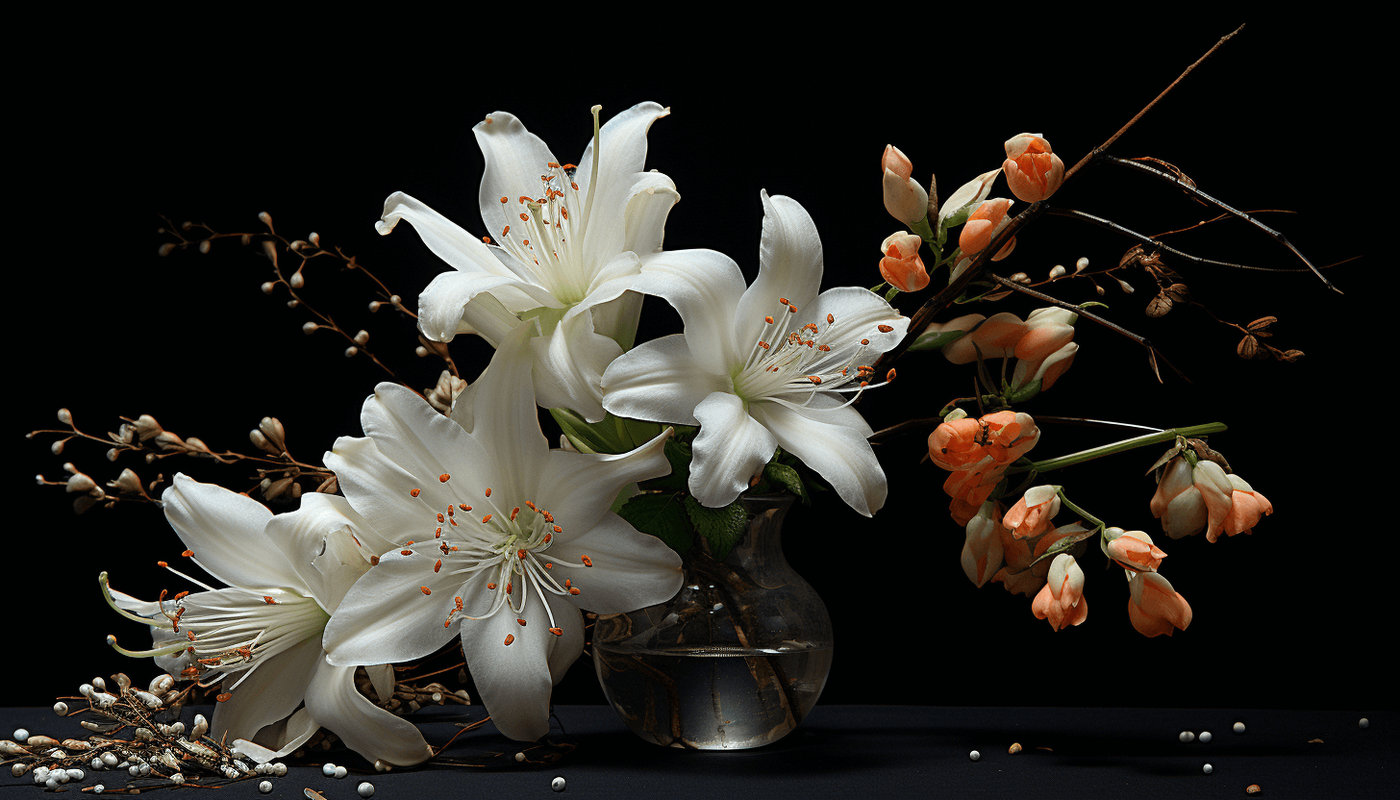
As the gentle warmth of May caresses the earth, two distinct flowers emerge to symbolize the month’s essence: the Lily of the Valley and the Hawthorn. The former, with its dainty bell-shaped flowers, exudes a fragrance that seems to capture the very soul of spring. The latter, a tree adorned with clusters of white blossoms, stands as a testament to resilience and protection. Both these blooms, though contrasting in appearance, hold deep-rooted significance that has been celebrated for centuries. Join us on a journey as we explore the myriad tales, traditions, and treasures associated with May’s cherished flowers.
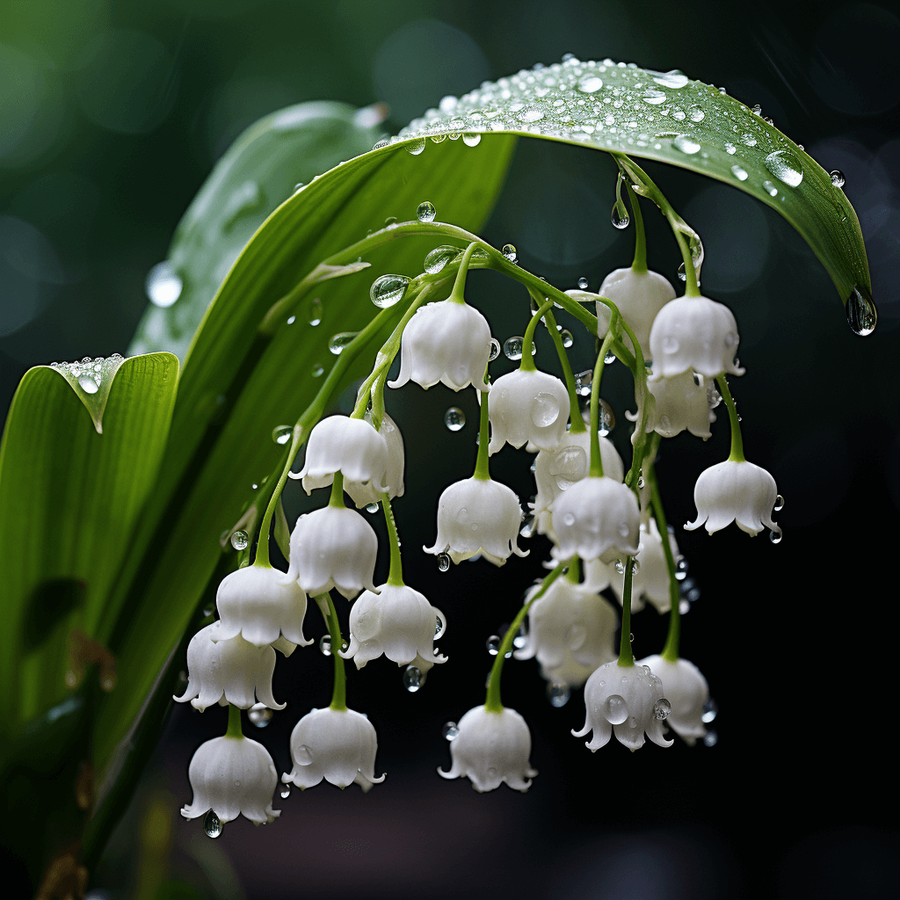
The Lily of the Valley, with its tender white bells bowing gracefully on slender stems, is more than just a visual delight. This flower, often hidden amongst lush green leaves, carries a weight of symbolism that has been recognized and revered for ages.
Furthermore, its intoxicating fragrance, which fills the air during May, is often associated with rekindled romances and the renewal of bonds. It’s no wonder that poets and artists have been enamored by the Lily of the Valley, using it as a metaphor for emotions that words often fail to capture fully.
Whether it’s a symbol of returning joy, purity, or the magic of new beginnings, the Lily of the Valley, in its quiet elegance, speaks volumes.
The Lily of the Valley, often referred to as the “Ladder to Heaven” or “May Bells”, has a rich tapestry of history that intertwines with legends, medicinal uses, and royal traditions.
| Time Period | Historical Significance |
|---|---|
| Ancient Times | The flower was often associated with the Norse goddess Frigg, who believed it to be a symbol of motherhood and rebirth. |
| Medieval Europe | Known as “Our Lady’s Tears”, Christian lore suggests that the Lily of the Valley sprang from the Virgin Mary’s tears during the crucifixion of Jesus. |
| Renaissance Era | It was widely used in medicinal concoctions, believed to strengthen memory, restore speech, and act as a heart tonic. |
| 19th Century | The flower gained royal recognition when it became a favorite of King Charles IX of France, who started the tradition of offering it as a token of good luck. |
Beyond these historical markers, the Lily of the Valley has been a recurrent motif in art, music, and literature. Its delicate appearance, coupled with its profound symbolism, made it a favorite subject for painters during the Renaissance. Moreover, its enchanting scent led to its widespread use in perfumery, a trend that continues to this day.
From ancient myths to royal courts, the Lily of the Valley has left an indelible mark, proving that sometimes, the most unassuming of flowers can have the most impactful stories.
The Lily of the Valley, with its delicate white bells, is not only a symbol of earthly beauty but also holds significant astrological resonance. As May’s birth flower, it is intrinsically linked to the zodiac sign of Taurus, which dominates most of the month.
Taurus, represented by the bull, is an earth sign known for its steadfastness, practicality, and love for nature’s beauty. The Lily of the Valley, with its grounded green foliage and heavenly white blooms, perfectly embodies the Taurian balance of earthly roots and aesthetic appreciation.
While the primary association of the Lily of the Valley is with Taurus, its early spring bloom also resonates with Aries’ fiery energy, symbolizing new beginnings and the rejuvenation of life.
In the realm of lunar astrology, the flower is often associated with the New Moon, a time of fresh starts and intentions. Its white petals reflect the moon’s luminous glow, symbolizing clarity, purity, and the potential for growth.
Whether viewed through the lens of sun signs or the broader celestial canvas, the Lily of the Valley stands as a testament to the intricate dance between the earth and the stars, reminding us of the cosmic beauty in nature’s every detail.
The Lily of the Valley is renowned for its iconic bell-shaped flowers, predominantly in a pristine shade of white. This color, combined with the flower’s delicate structure, imparts specific meanings and emotions.
White, in the language of flowers and in many cultures, often symbolizes purity, innocence, and new beginnings. The Lily of the Valley’s white hue encapsulates these sentiments:
While the most common color for the Lily of the Valley is white, there are rare variations in pale pink or rose. These shades add an extra layer of meaning:
| Color | Meaning |
|---|---|
| Pale Pink | Represents love, admiration, and a gentle appreciation. |
| Rose | Denotes grace, elegance, and a deeper affection. |
Regardless of its shade, the Lily of the Valley remains a cherished flower, with its colors adding depth to its already rich tapestry of meanings. Whether given as a gift or grown in a garden, this flower communicates messages of purity, innocence, and the beauty of new beginnings.
The Lily of the Valley, with its delicate white bells and fragrant scent, has been a subject of fascination and reverence in various cultures. Its presence in myths and folklore paints a vivid picture of its significance throughout history.
In many European legends, the Lily of the Valley is said to be born from the tears of the Virgin Mary during the crucifixion of Jesus, symbolizing humility and purity. Another tale from France tells of Saint Leonard, who fought a dragon in the woods. Wherever his blood or the dragon’s blood fell, Lilies of the Valley sprouted, symbolizing the triumph of good over evil.
In Nordic tales, the flower is linked to Ostara, the goddess of dawn and spring. It’s believed that these blooms are her tears, and when they touch the ground, they turn into the fragrant flowers, heralding the arrival of spring.
Many ancient communities believed that the Lily of the Valley had protective qualities. Planting them in gardens was thought to ward off evil spirits and bring good fortune to the household. In some parts of Europe, it’s a tradition to gift these flowers on May 1st, wishing happiness and luck for the year ahead.
The flower’s sweet scent and nodding bells have made it a symbol of the return of happiness. Legends tell of the power of the Lily of the Valley to bring happiness back to those who had lost it, making it a popular motif in romantic tales and songs.
Given its springtime bloom, the Lily of the Valley also symbolizes renewal and the cyclical nature of life. In many cultures, it’s seen as a reminder that even after the harshest of winters, life returns and beauty prevails.
From tales of divine tears to symbols of protection, the Lily of the Valley’s presence in mythology and folklore showcases its timeless allure and the deep meanings it has held for people across ages and cultures.
The Lily of the Valley, known for its delicate white bells and enchanting fragrance, has captured the admiration of various cultures around the world. Its universal appeal is evident in the myriad of traditions, celebrations, and beliefs associated with this beloved bloom.
| Region/Culture | Significance and Traditions |
|---|---|
| France | In France, the flower is celebrated on May 1st, known as La Fête du Muguet. It’s a tradition to gift bouquets of Lily of the Valley to loved ones, wishing them happiness and good luck. |
| Finland | Known as Kielo in Finnish, the Lily of the Valley is the national flower of Finland. It symbolizes purity and is cherished for its brief but beautiful bloom during spring. |
| Japan | In Japanese culture, the flower, called Suzuran, is often associated with the return of happiness and is a popular motif in art and poetry. |
| Christianity | The flower is often linked to the Virgin Mary and is seen as a symbol of humility in religious art. It’s believed to have sprung from the tears of Mary during Christ’s crucifixion. |
| Slavic Traditions | In certain Slavic traditions, the Lily of the Valley is associated with spring rituals and is believed to protect against evil spirits, ensuring a prosperous year ahead. |
Across continents and cultures, the Lily of the Valley has been revered not just for its aesthetic beauty but also for its symbolic meanings. Whether it’s a token of love in France or a symbol of national pride in Finland, this fragrant flower continues to enchant and inspire people globally.
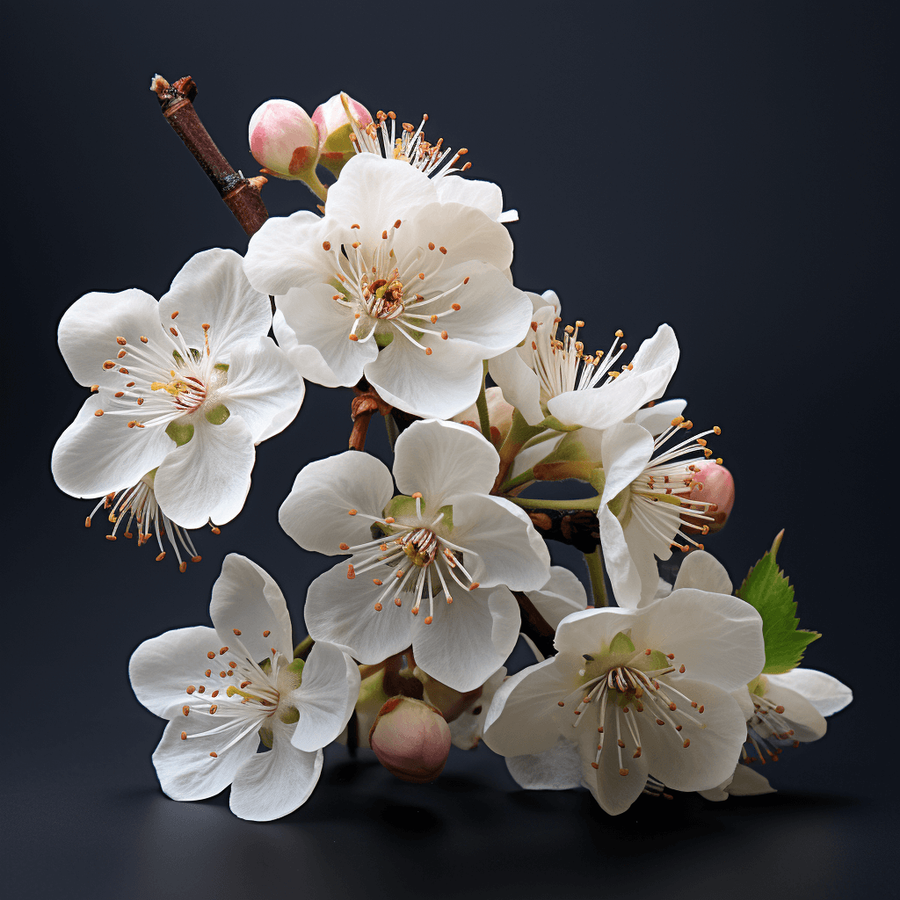
While the delicate Lily of the Valley might be the first flower that comes to mind when thinking of May, the robust and resilient Hawthorn stands as its contrasting counterpart. This hardy shrub, with its thorny branches and fragrant blossoms, carries a wealth of symbolism that has been woven into the fabric of various cultures and traditions.
From its protective thorns to its fragrant blossoms, every aspect of the Hawthorn is steeped in meaning. As May’s thorny guardian, it stands as a testament to the duality of nature – offering both protection and beauty, warning and invitation.
The Hawthorn, with its intertwining branches and fragrant blossoms, has been a significant figure in various cultures throughout history. Its presence is felt not just in nature but also in the annals of human civilization, where it has played diverse roles ranging from sacred rituals to medicinal uses.
| Time Period | Cultural Significance |
|---|---|
| Ancient Celtic Traditions | The Hawthorn was revered in Celtic traditions, especially during the festival of Beltane. It was considered a portal to the fairy realm, and it was believed that sitting under a Hawthorn on May 1st would allow one to see the fairies. |
| Medieval Europe | In medieval times, the Hawthorn was often associated with witchcraft and was believed to ward off evil spirits. Its wood was used to make protective amulets, while its blossoms were used in various rituals. |
| Renaissance Era | The Hawthorn’s medicinal properties were documented extensively during the Renaissance. It was used to treat heart ailments, digestive issues, and skin disorders. Its berries, leaves, and flowers were all utilized for various remedies. |
| Modern Day | Today, the Hawthorn is still used in herbal medicine, especially for its benefits to heart health. Additionally, its historical and cultural significance is celebrated in festivals and literature, keeping its legends alive. |
From ancient rituals to modern medicine, the Hawthorn’s historical significance is vast and varied. Its intertwining branches tell tales of magic, medicine, and myth, making it one of the most storied plants in history.
The Hawthorn, commonly referred to as the “May Tree”, has deep-rooted connections with the cosmos. Its blossoming in May aligns with the sun’s transit through the zodiac signs of Taurus and Gemini, imbuing the tree with unique astrological significance.
The Hawthorn’s astrological connections extend beyond the sun signs. In lunar astrology, the Hawthorn Moon (typically falling in May) is a time of purification, growth, and protection. This phase encourages introspection, making it an ideal time to set intentions and seek guidance from the Hawthorn’s protective spirit.
Furthermore, ancient druids believed that the Hawthorn tree was a conduit for psychic energies, allowing one to tap into the wisdom of the universe. This belief aligns with the tree’s association with the third eye chakra, which governs intuition and spiritual insight.
In essence, the Hawthorn’s astrological connections offer a deeper understanding of its spiritual significance, bridging the gap between the earthly realm and the cosmos.
The Hawthorn tree, with its varied palette, paints a vivid picture of life’s dualities. Each color, from its blossoms to its berries, carries a unique message, reflecting the tree’s multifaceted nature.
| Color | Significance |
|---|---|
| White Blossoms | White, the predominant color of Hawthorn blossoms, symbolizes purity, innocence, and new beginnings. In many cultures, white is seen as a color of protection and is often associated with spiritual realms, making the Hawthorn a bridge between the earthly and the ethereal. |
| Red Berries | The vibrant red berries of the Hawthorn come to prominence later in the year, representing caution and alertness due to their thorny protection. Red, as a color, also signifies passion, vitality, and the life force, reminding us of the heart’s strength and resilience. |
| Green Leaves | Green, the color of the Hawthorn’s leaves, embodies growth, renewal, and the continuous cycle of life. It resonates with the heart chakra, emphasizing the tree’s role in emotional healing and balance. |
Together, the colors of the Hawthorn weave a tale of hope and caution. While its white blossoms inspire optimism and spiritual connection, its red berries serve as a reminder of life’s challenges and the need for protection. The green leaves, ever-present, symbolize the tree’s enduring nature, offering solace and strength in all seasons.
Thus, the Hawthorn stands as a testament to life’s complexities, urging us to embrace both its joys and adversities with an open heart.
The Hawthorn, with its thorny branches and delicate blossoms, has long been a subject of fascination and reverence in various cultures. Its presence in ancient tales and rituals reveals a deep-rooted connection between the tree and the mystical realms.
For the Celts, the Hawthorn was considered one of the most sacred trees. It was believed to possess both protective and healing properties. Druids, the spiritual leaders of the Celts, often used Hawthorn in their rituals, especially during the festival of Beltane, which marks the beginning of summer.
In Irish and British folklore, the Hawthorn is closely associated with the fae or faeries. It’s often believed that faeries live under the Hawthorn tree, and it’s considered bad luck to cut one down or harm it in any way. Many tales caution against sleeping under a Hawthorn on May eve, lest one be taken to the faerie realm.
The Hawthorn, particularly when found growing alongside an Oak and an Ash, is said to mark a place where one can access the Otherworld. These triads of trees are considered magical gateways in Celtic mythology, and the Hawthorn, with its dual nature of protection and enchantment, plays a crucial role in this trio.
One of the most famous Hawthorn legends is that of the Holy Thorn of Glastonbury. According to Christian lore, Joseph of Arimathea visited Glastonbury and planted his staff, which miraculously blossomed into a Hawthorn tree. This tree was said to bloom twice a year: once in spring and once near Christmas.
In Ancient Greece, the Hawthorn was dedicated to Hymen, the god of weddings, and its blossoms were used in wedding ceremonies as a symbol of hope and new beginnings.
From protective barriers against malevolent spirits to gateways into enchanting realms, the Hawthorn’s place in mythology and folklore is as multifaceted as its physical attributes. Its tales span cultures and eras, solidifying its status as a tree of profound spiritual significance.
The Hawthorn, with its intricate web of thorns and fragrant blossoms, has found its way into the hearts and traditions of various cultures around the world. Its universal appeal lies not just in its beauty, but also in the myriad of meanings and uses attributed to it across different civilizations.
| Culture | Significance |
|---|---|
| Celtic | The Hawthorn is revered as a sacred tree, believed to be a portal to the Otherworld. It plays a significant role in Beltane celebrations, marking the start of summer. |
| English | Associated with May Day celebrations, the tree’s blossoms are used to make May crowns. The Glastonbury Thorn legend also ties the Hawthorn to Christian traditions in England. |
| Chinese | In traditional Chinese medicine, the Hawthorn berry, known as ‘Shan Zha’, is used for its digestive benefits and to improve heart health. |
| Greek | The Hawthorn was dedicated to Hymen, the god of weddings. Its blossoms symbolized hope and were often incorporated into wedding ceremonies. |
| Roman | The Romans viewed the Hawthorn as a protective entity. They believed planting it near one’s home would safeguard the inhabitants from harm. |
From the mystical landscapes of ancient Celtic realms to the bustling streets of modern-day China, the Hawthorn’s influence is vast and varied. Whether it’s seen as a guardian against evil, a symbol of love and hope, or a medicinal powerhouse, the Hawthorn’s legacy is a testament to its enduring charm and versatility.
The Lily of the Valley is a delicate, fragrant flower with small, bell-shaped blooms, while the Hawthorn is a tree or shrub known for its thorny branches and clusters of pink or white flowers. Additionally, the Lily of the Valley is often associated with purity and sweetness, whereas the Hawthorn carries symbolism of protection and hope.
The Hawthorn is commonly called the “May Tree” because it typically blooms in May. Its blossoms are often associated with the month of May and are a staple in May Day celebrations in various cultures.
Yes, both plants have been used in traditional medicine. The Lily of the Valley has been used for its cardiotonic properties, while the Hawthorn has been employed for heart-related conditions, including heart failure and circulatory issues. However, it’s essential to consult with a healthcare professional before using any plant for medicinal purposes.
The Lily of the Valley, with its delicate and fragrant blooms, is often used in bouquets, especially for weddings. Its slender stems and drooping flowers add elegance to arrangements. On the other hand, Hawthorn branches, with their vibrant blossoms, are used to add height and structure to larger floral displays, and their berries can provide a pop of color in autumn arrangements.
The Lily of the Valley symbolizes purity, humility, and the return of happiness. Its delicate and fragrant blooms are seen as emblematic of love and commitment, making it a popular choice for wedding bouquets and arrangements.
No, the Lily of the Valley is toxic to both cats and dogs. If ingested, it can cause symptoms like vomiting, diarrhea, and cardiac arrhythmias. If you suspect your pet has consumed any part of this plant, it’s crucial to seek veterinary care immediately.
In Celtic traditions, the Hawthorn is considered sacred and is believed to house faeries and spirits. It’s often associated with Beltane, a spring festival celebrated on May 1st. Cutting down a Hawthorn tree was thought to bring bad luck, emphasizing its protective and spiritual significance in Celtic lore.
The Lily of the Valley boasts small, white, bell-shaped flowers that dangle from slender stems, creating a drooping effect. In contrast, the Hawthorn has clusters of small, pink or white blossoms that appear along its thorny branches.
The Hawthorn has earned the nickname “bread and cheese tree” because, in the past, its young leaves and buds were eaten as a springtime snack, often described as having a taste reminiscent of bread and cheese.
Yes, in France, there’s a tradition called “La Fête du Muguet” celebrated on May 1st. People gift each other small bouquets of Lily of the Valley as a token of appreciation and to welcome spring. The tradition dates back to the Renaissance and symbolizes happiness and good luck.
Explore the individual birth flowers of each month and grasp their symbolic meanings:
| Month | Birth Flowers |
|---|---|
| January | Carnation & Snowdrop |
| February | Violet & Primrose |
| March | Daffodil & Jonquil |
| April | Daisy & Sweet Pea |
| May | Lily of the Valley & Hawthorn |
| June | Rose & Honeysuckle |
| July | Larkspur & Water Lily |
| August | Gladiolus & Poppy |
| September | Aster & Morning Glory |
| October | Marigold & Cosmos |
| November | Chrysanthemum & Peony |
| December | Narcissus & Holly |
As the year draws to a close, December graces us with a trio of enchanting blooms: the Narcissus, the Holly, and the Poinsettia. T…
As the vibrant hues of autumn paint the landscape, November introduces us to two of its most cherished blooms: the Chrysanthemum a…
As the vibrant hues of autumn paint the landscape, October introduces us to two enchanting blooms that capture the essence of the …