 Know
Know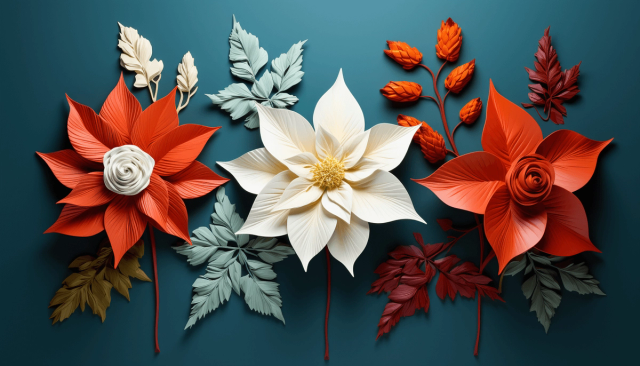
Birth Flowers
December Birth Flowers: Embracing Narcissus, Holly & Poinsettia
As the year draws to a close, December graces us with a trio of enchanting blooms: the Narcissus, the Holly, and the Poinsettia. T…
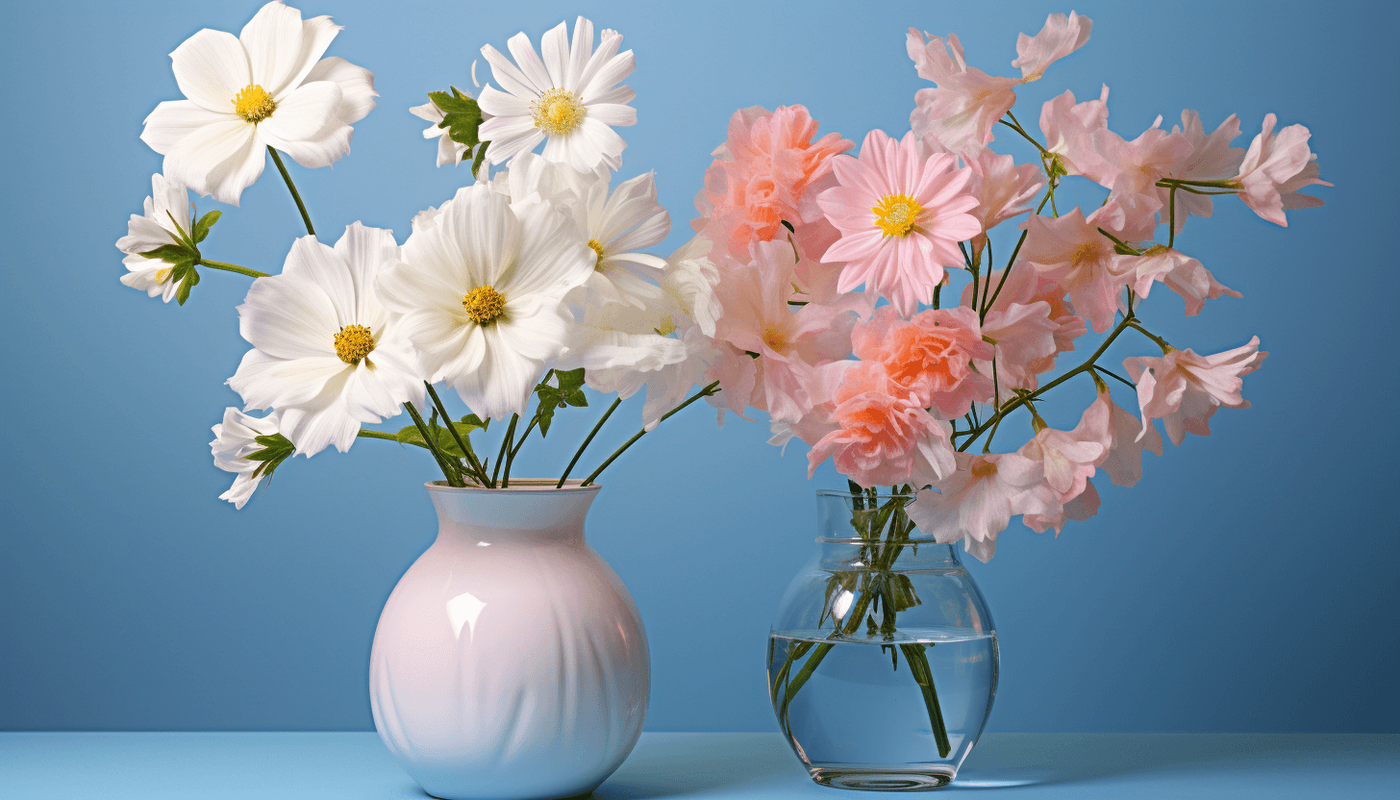
As April showers bring forth the promise of May flowers, two blossoms stand out with their distinctive charm and allure: the Daisy and the Sweet Pea. The Daisy, with its radiant petals radiating like sunbeams, symbolizes innocence, purity, and new beginnings. On the other hand, the Sweet Pea, with its delicate tendrils and fragrant blossoms, speaks of gratitude, pleasure, and the ephemeral nature of life. These flowers, each with their unique stories and symbolism, have been cherished across cultures and eras. Join us on a journey as we explore the rich tapestry of meanings, histories, and tales associated with April’s treasured blooms.
For those interested in delving deeper, you can explore comprehensive information about all birth flowers or delve into the fascinating world of birthstones by months.
You can replace `link-to-birthflowers-article` and `link-to-birthstones-article` with the actual URLs where readers can find more information on the respective topics.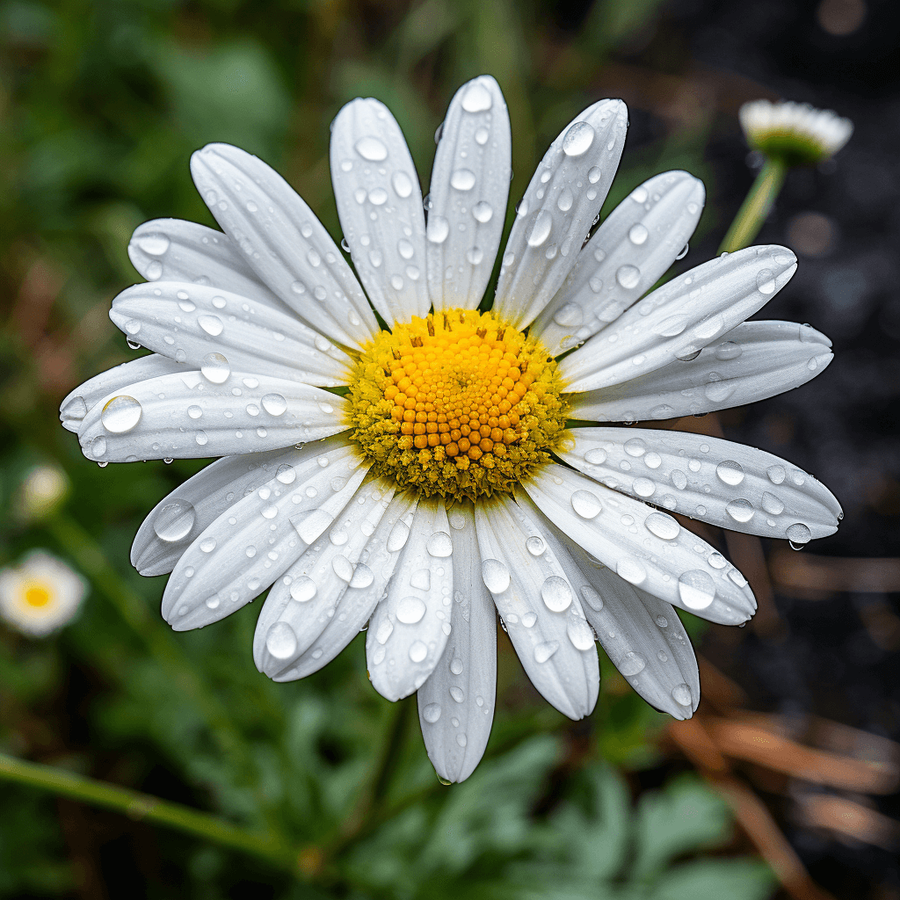
The Daisy, with its simple yet captivating beauty, has long been a symbol of purity, innocence, and true love. Its name, derived from the Old English “day’s eye,” reflects its nature as a herald of the dawn, opening its petals with the first light of day and closing them at dusk.
Whether gracing a meadow, featured in a bouquet, or worn as a garland, the Daisy’s symbolism remains deeply rooted in its natural beauty and the emotions it evokes. Its timeless appeal ensures that it continues to inspire and captivate hearts worldwide.
The Daisy, with its cheerful appearance and widespread presence, has woven its way into the tapestry of human history, leaving an indelible mark across various cultures and epochs.
| Time Period | Historical Significance |
|---|---|
| Ancient Rome | Romans believed the Daisy was sacred to the goddess Venus and often used it in rituals related to love and fertility. Its Latin name, Bellis perennis, translates to “everlasting beauty,” reflecting its association with the goddess of love and beauty. |
| Medieval Europe | In medieval times, Daisies were often used in medicinal remedies. They were believed to have healing properties, especially for ailments related to the eyes. The flower also found its way into romantic traditions, with the “he loves me, he loves me not” petal-picking ritual. |
| Renaissance | Artists of the Renaissance period frequently incorporated Daisies into their paintings, symbolizing purity and innocence. The flower’s simple beauty made it a favorite among painters like Botticelli and Orazio Gentileschi. |
| Victorian Era | In the language of flowers, popularized during the Victorian era, the Daisy symbolized innocence and loyal love. It was a common feature in bouquets and floral arrangements, often used to convey unspoken emotions. |
From ancient rituals to art and literature, the Daisy’s historical significance is as varied as it is profound. Its enduring presence across the ages stands testament to its universal appeal and the myriad of ways in which it has touched human lives.
The cosmos, with its vast expanse and celestial bodies, has always influenced the beliefs and traditions of humankind. Just as stars and planets have their significance in astrology, so do flowers, and the Daisy is no exception.
Whether you’re an ardent believer in astrology or simply appreciate the poetic connections between nature and the cosmos, the Daisy’s astrological associations offer a deeper understanding of this beloved bloom. Its ties to the celestial realm add another layer to its rich tapestry of meanings and significance.
The Daisy, though often recognized by its classic white petals and golden center, comes in a variety of colors, each carrying its unique symbolism and message. Let’s explore the spectrum of emotions and sentiments conveyed by the different hues of this delightful bloom.
| Color | Meaning |
|---|---|
| White Daisy | White Daisies are synonymous with purity, innocence, and new beginnings. They often symbolize a fresh start or a clean slate, making them popular in bouquets for weddings and christenings. |
| Yellow Daisy | Yellow, the color of sunshine and joy, represents happiness, cheerfulness, and positivity. A bouquet of yellow Daisies can brighten up any room and lift spirits instantly. |
| Pink Daisy | Pink Daisies convey gentleness, love, and harmony. They’re often gifted as a token of admiration and appreciation, making them a favorite for anniversaries and special occasions. |
| Red Daisy | Red, a color of passion and intensity, symbolizes deep love and affection when seen in a Daisy. Red Daisies are a bold choice, often used to convey strong emotions and desires. |
| Blue Daisy | Though rarer, blue Daisies symbolize tranquility, peace, and openness. They can also represent new opportunities and are believed to bring good luck. |
Understanding the meanings behind the Daisy’s colors allows us to appreciate the depth and versatility of this flower. Whether expressing love, gratitude, or simply bringing a smile to someone’s face, the Daisy, in all its hues, remains a timeless and cherished choice.
The Daisy, with its unassuming beauty, has been a muse for storytellers, poets, and mythologists for centuries. Its presence in various tales and legends has cemented its place in cultural lore, making it more than just a simple flower.
From ancient myths to modern narratives, the Daisy’s rich tapestry of stories showcases its timeless appeal and significance. Its presence in folklore and mythology serves as a testament to its deep-rooted impact on human imagination and emotion.
The Daisy, with its universal charm, has found its way into the hearts, gardens, and traditions of various cultures around the world. Its simplicity, combined with its profound symbolism, has made it a revered flower in many regions. Let’s embark on a journey to explore the Daisy’s cultural footprints across the globe.
From continent to continent, the Daisy’s influence is undeniable. Its universal themes of purity, love, and new beginnings resonate deeply, transcending borders and bridging cultural divides. The Daisy’s global journey is a testament to its enduring appeal and the universal language of flowers.
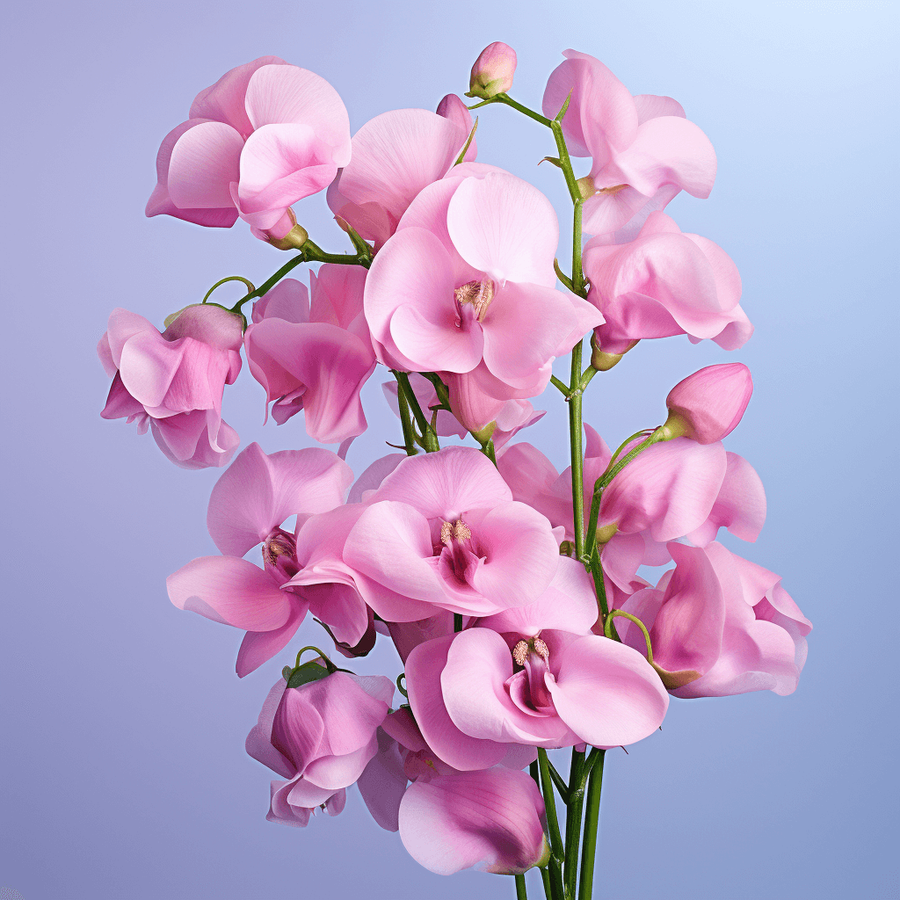
The Sweet Pea, with its delicate tendrils and intoxicating aroma, is a flower that has captured the imaginations of many. Beyond its aesthetic allure, the Sweet Pea carries with it a wealth of symbolism that has evolved over time.
Whether it’s expressing gratitude, marking a farewell, or simply celebrating the joys of life, the Sweet Pea’s rich symbolism ensures it remains a cherished flower in various occasions. Its multifaceted meanings make it a versatile and deeply expressive bloom, resonating with emotions that are both universal and deeply personal.
The Sweet Pea, with its cascading blooms and enchanting fragrance, has a history as rich and varied as its colors. From ancient gardens to modern-day celebrations, the Sweet Pea has journeyed through time, leaving an indelible mark on various cultures and traditions.
The Sweet Pea’s journey through time is a testament to its enduring appeal and significance. From ancient gardens to contemporary celebrations, its historical tapestry is rich, diverse, and continues to inspire generations.
The Sweet Pea, as April’s birth flower, shares its month with the zodiac signs of Aries and Taurus. This alignment with the stars and planets offers a unique perspective on the Sweet Pea’s astrological connections and influences.
Through the lens of astrology, the Sweet Pea’s significance is magnified, intertwining its earthly beauty with the mysteries of the cosmos. Its celestial connections offer deeper insights into its symbolism, making it a flower that truly resonates with the universe’s rhythms.
The Sweet Pea, with its myriad of colors, is not just a feast for the eyes but also a messenger of emotions. Each hue of the Sweet Pea carries a distinct meaning, allowing it to communicate a range of sentiments and feelings.
| Color | Significance |
|---|---|
| White | Symbolizing purity, innocence, and clarity, white Sweet Peas are often used in weddings and christenings to convey pure love and new beginnings. |
| Pink | Representing tenderness, romance, and admiration, pink Sweet Peas are perfect for expressing gentle emotions and heartfelt appreciation. |
| Red | Red Sweet Peas, with their fiery hue, stand for passion, deep love, and courage. They’re a bold choice for expressing intense feelings. |
| Purple | Connoting mystery, charm, and fantasy, purple Sweet Peas are often associated with enchantment and the allure of the unknown. |
| Blue | Blue Sweet Peas resonate with calmness, trust, and serenity. They’re ideal for conveying peace, understanding, and tranquility. |
Understanding the language of Sweet Pea colors allows one to choose the perfect hue for every occasion. Whether it’s expressing love, admiration, or simply sending a message of peace, the Sweet Pea, with its spectrum of colors, offers a unique way to communicate the heart’s deepest sentiments.
The Sweet Pea, with its delicate tendrils and fragrant blossoms, has been the muse of many tales and legends throughout history. From ancient myths to contemporary narratives, the Sweet Pea has woven its way into the fabric of human storytelling.
The Sweet Pea’s rich tapestry of myths and stories underscores its timeless appeal. Whether serving as a symbol of love in ancient myths or evoking memories in modern tales, the Sweet Pea continues to inspire and enchant with its beauty and lore.
The Sweet Pea, with its graceful form and captivating fragrance, has found its way into the hearts and gardens of many cultures around the world. Its universal appeal transcends borders, making it a beloved bloom in various traditions and customs.
From continent to continent, the Sweet Pea’s allure remains unwavering. Its ability to resonate with diverse cultures and traditions speaks to its universal charm and timeless beauty. As we celebrate the Sweet Pea, we also celebrate the shared human experiences that bring us all together.
The name “Sweet Pea” is derived from the flower’s sweet and fragrant scent. The botanical name for Sweet Pea is “Lathyrus odoratus,” with “odoratus” meaning “fragrant” in Latin, reflecting the flower’s delightful aroma.
Sweet Peas thrive in cool, temperate climates and prefer full sun to partial shade. It’s essential to provide them with well-draining soil, regular watering, and support structures like trellises or stakes for their climbing vines. Regularly removing spent flowers can also encourage prolonged blooming.
While Sweet Peas are visually appealing, they are not edible and can be toxic if ingested. It’s crucial to differentiate between Sweet Peas and garden peas. Only the latter is safe for consumption.
Sweet Pea plants typically bloom from late spring to early summer. With proper care and under ideal conditions, they can produce flowers for several weeks, offering a continuous display of vibrant colors and fragrances.
Sweet Peas prefer cool temperatures and well-draining soil enriched with organic matter. They benefit from regular watering, especially during dry spells, and appreciate a location with full sun to partial shade. Providing them with a support structure and protecting them from strong winds will also ensure healthy growth.
The association of Sweet Peas with goodbyes and farewells is rooted in their ephemeral beauty and short-lived blooms. Their fleeting presence serves as a poignant reminder of transient moments and the impermanence of life, making them symbolic of partings and temporary separations.
While the Sweet Pea is primarily known for its ornamental value, it is not typically used for medicinal purposes. It’s essential to note that the plant can be toxic if ingested, so it should not be consumed or used as a remedy.
The Sweet Pea’s delicate and sweet fragrance has made it a popular choice in perfumery. Its light, floral scent is often used as a middle note in perfumes, adding a fresh and airy quality to fragrances. Many body lotions, bath products, and candles also feature the enchanting aroma of Sweet Pea.
While both Sweet Peas and garden peas belong to the legume family, they are different species. Sweet Peas (Lathyrus odoratus) are ornamental flowers known for their fragrance and are not edible. In contrast, garden peas (Pisum sativum) are cultivated for their edible seeds and are commonly consumed in various dishes.
Yes, several regions celebrate the Sweet Pea, often during spring festivals or flower shows. For instance, the UK has hosted annual Sweet Pea shows and competitions for over a century, celebrating the flower’s beauty and diverse varieties.
Embark on an exploration of the unique birth flowers for each month and understand their symbolism:
| Month | Birth Flowers |
|---|---|
| January | Carnation & Snowdrop |
| February | Violet & Primrose |
| March | Daffodil & Jonquil |
| April | Daisy & Sweet Pea |
| May | Lily of the Valley & Hawthorn |
| June | Rose & Honeysuckle |
| July | Larkspur & Water Lily |
| August | Gladiolus & Poppy |
| September | Aster & Morning Glory |
| October | Marigold & Cosmos |
| November | Chrysanthemum & Peony |
| December | Narcissus & Holly |
As the year draws to a close, December graces us with a trio of enchanting blooms: the Narcissus, the Holly, and the Poinsettia. T…
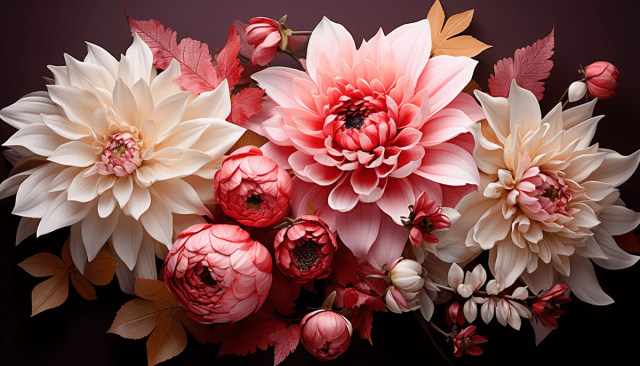
As the vibrant hues of autumn paint the landscape, November introduces us to two of its most cherished blooms: the Chrysanthemum a…
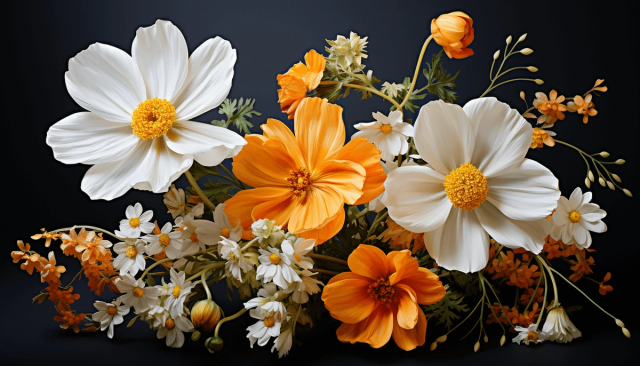
As the vibrant hues of autumn paint the landscape, October introduces us to two enchanting blooms that capture the essence of the …