 Know
Know
Symbols
Caduceus Meaning: History of the Winged Staff Symbol
Discover the caduceus meaning: Hermes' winged staff of two serpents, its Greek origins, medical mix-up with Asclepius, and spiritu…
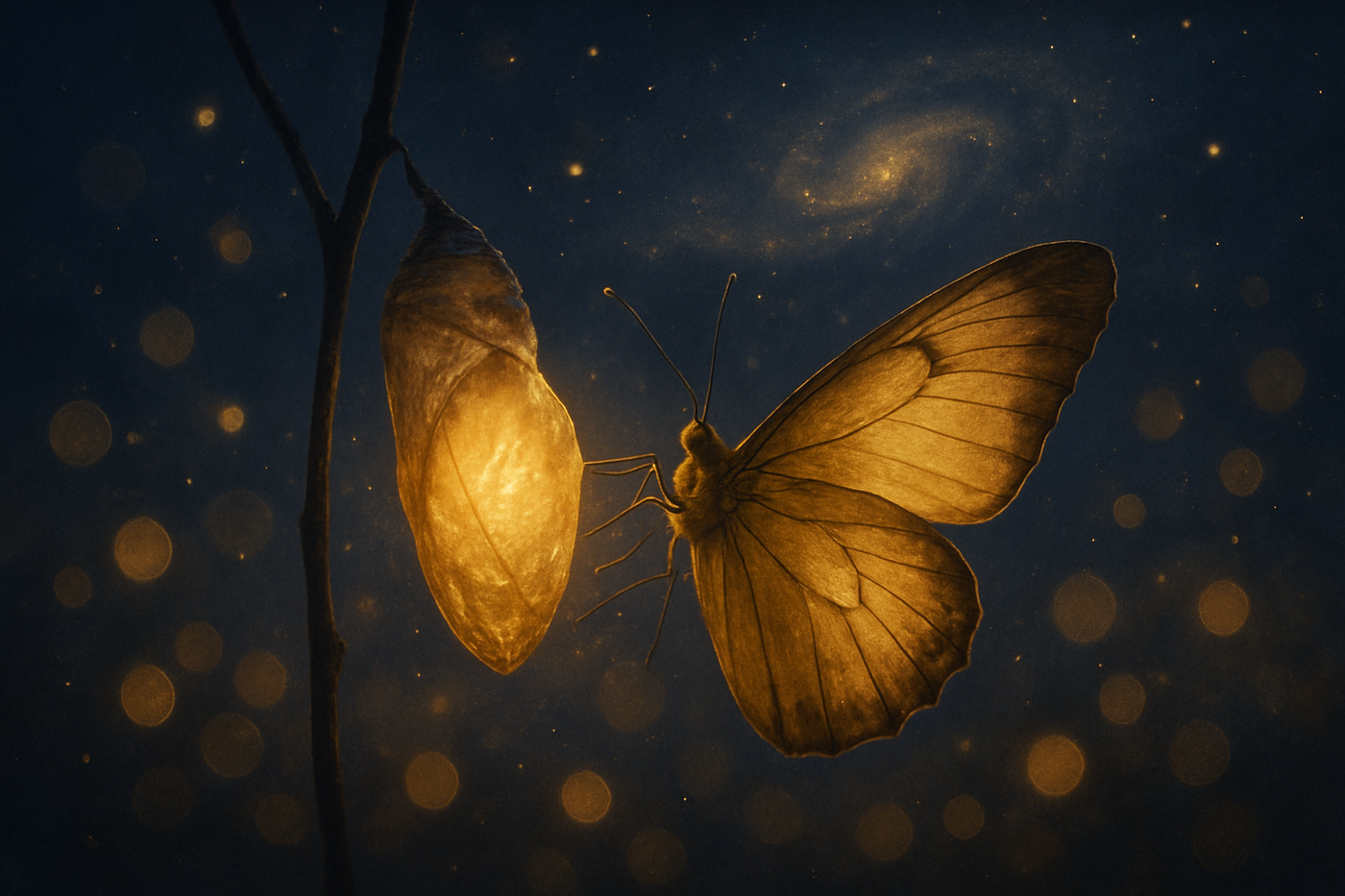
Symbols of transformation represent change, growth, and rebirth — the visual language cultures have used for centuries to make sense of life's turning points. Common examples include the butterfly, phoenix, lotus flower, snake, and the Ouroboros, each capturing a different facet of the process of becoming something new. Below, you'll find more than 70 symbols drawn from flora, fauna, mythology, celestial bodies, and numerology, along with what each one means and how it can guide personal change.
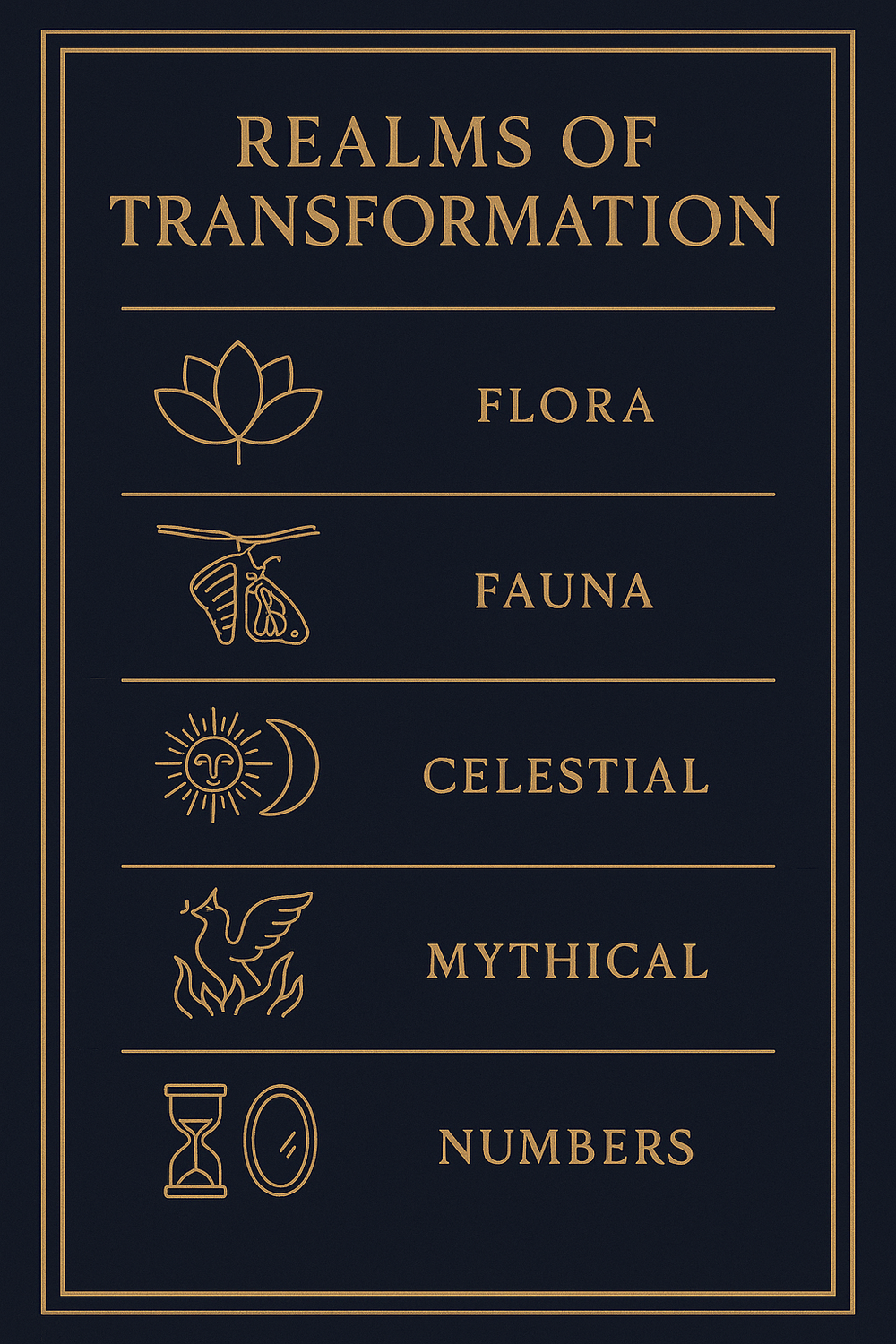
Throughout history, different cultures and philosophies have embraced a rich array of symbols that encapsulate the essence of transformation. These symbols, whether in nature, dreams, or art, serve as reminders of the potential for renewal that lies within us all. From the vibrant blossoms that herald the arrival of spring to the mystical creatures that inhabit the realms of mythology, they offer a rich tapestry of narratives that inspire us to face change with grace and wisdom.
| Category | Symbol | Core Meaning |
|---|---|---|
| Flora | Lotus Flower | Enlightenment rising above hardship |
| Flora | Cherry Blossom | Beauty of transience and impermanence |
| Flora | Daffodil | New beginnings and hope |
| Fauna | Butterfly | Complete personal metamorphosis |
| Fauna | Snake | Shedding the old self |
| Fauna | Dragonfly | Adaptability and inner light |
| Fauna | Koi Fish | Perseverance through obstacles |
| Celestial | Moon | Cyclical, ongoing change |
| Celestial | Sunrise | Fresh starts and daily renewal |
| Celestial | Uranus | Sudden, disruptive transformation |
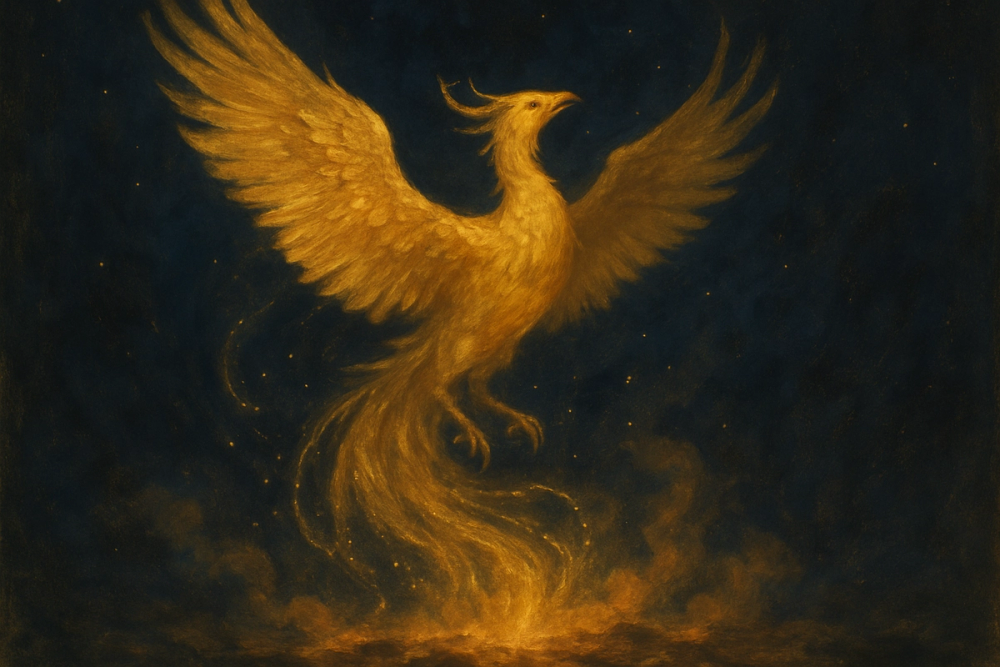
| Mythical | Phoenix | Rebirth from destruction |
| Mythical | Janus | Transitions between past and future |
| Mythical | Thunderbird | Sudden, storm-like change |
| Objects | Ouroboros | Endless cycle of life and death |
| Objects | Egg | Untapped potential |
| Objects | Hourglass | The passage of time and inevitability of change |
| Objects | Tree | Rooted growth and evolution |
| Objects | Diamond | Beauty forged under pressure |
| Numerology | Angel Number 555 | Major change on the horizon |
| Numerology | Angel Number 9999 | Completion before a new cycle |
"Transformation" and "change" overlap heavily, but they aren't identical. Symbols of transformation usually point to deep, often irreversible shifts in identity or being — think of a caterpillar becoming a butterfly, or the Phoenix rising renewed from ash. Symbols of change tend to cover a broader spectrum, including small shifts, transitions, and external circumstances that come and go. If you're specifically researching everyday change, seasonal shifts, or transitional symbolism rather than deep metamorphosis, our dedicated guide to symbols of change covers that ground in more detail. This page focuses on the deeper, transformative end of that spectrum.
Flowers and trees embody life, death, and rebirth cycles more visibly than almost any other natural symbol. Each botanical example below carries its own transformative lesson, from resilience to renewal.
The Daffodil's bright yellow petals herald spring and new beginnings. Its cheerful color makes it a natural stand-in for fresh starts and renewed hope after a difficult season.
Often depicted in blue and purple, the iris is said to bridge heaven and earth, representing spiritual communication and a search for higher understanding.
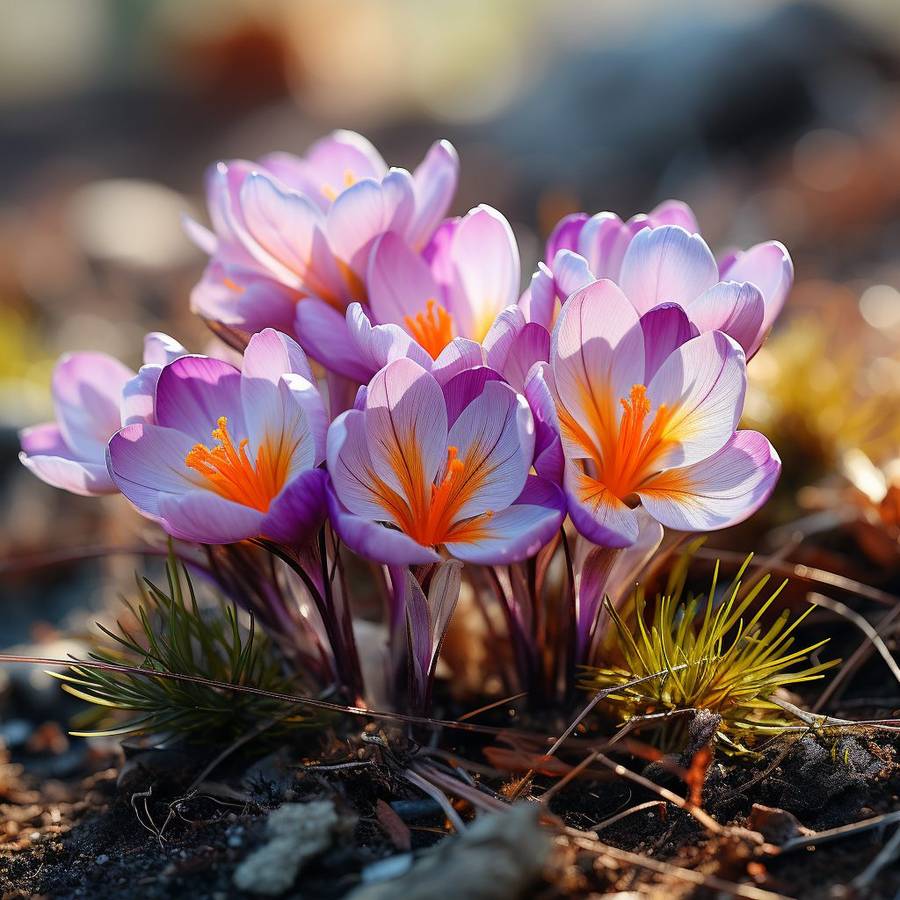
One of the first flowers to bloom each year, the crocus marks nature's awakening — a small but unmistakable sign that transformation is already in motion.
With pristine white petals, the Lily represents purity and spiritual growth, often linked to graceful transitions through life's major changes.
The Daisy stands for innocence and renewal, a gentle nudge to approach change with curiosity rather than fear.
Cherry blossoms bloom brilliantly and fall within days. That brevity is the point: this tree is a lesson in impermanence and cherishing the present moment.
Many of these flowers have not only been symbols of transformation but also have held significant roles in various cultural ceremonies and traditions, often used to mark important life transitions and celebrations.
Emerging pristine from murky water, the lotus flower is one of the most cited symbols of spiritual transformation. It represents purity of heart and mind achieved by rising above difficulty rather than avoiding it.
Linked to the third eye in several traditions, the pine cone's intricate, spiraling structure has come to represent enlightenment and deeper awareness of life's interconnected patterns.
Rare and mysterious, the black rose signals profound inner change — the kind that happens quietly, in the depths of the soul, before it ever shows on the surface.
Animals model transformation through their biology and behavior, making them some of the most intuitive symbols of change. Below are the creatures most closely tied to metamorphosis, renewal, and adaptation.
Elegant and composed, the swan represents transformation carried out with dignity — change that happens gradually and gracefully rather than abruptly.
An ancient survivor, the alligator taps into deep, primal instincts. It's a reminder that raw resilience often underlies successful transformation.
Bears retreat into hibernation and emerge renewed. That cycle of withdrawal and return makes the bear a symbol of regeneration through rest, not just action.
Few life cycles illustrate change as vividly as the butterfly's. Crawling caterpillar, dormant chrysalis, winged adult — it's the textbook image of metamorphosis, used across cultures to represent personal growth.
By shedding its skin, the snake becomes a natural metaphor for letting go — of old habits, outdated beliefs, or past versions of ourselves — to make room for what's next.
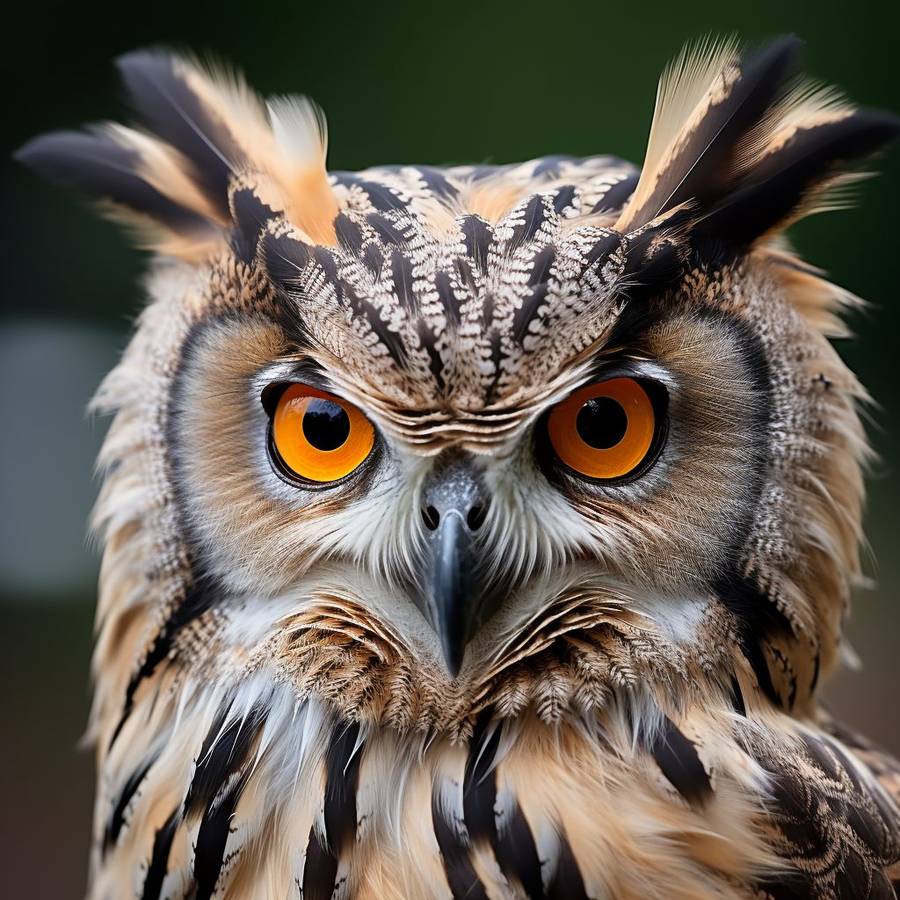
Nocturnal and sharp-eyed, the owl is often called upon to guide transitions. It represents the kind of wisdom that sees clearly even when circumstances are uncertain.
Tied closely to water, the frog signifies emotional cleansing. Its life cycle — egg, tadpole, adult — mirrors the same renewal themes seen in the butterfly, just underwater.
Revered across cultures, the dragon represents mastery over one's self. Its fierce power suggests that real transformation takes courage, not just hope.
In East Asian traditions, a koi swimming upstream symbolizes perseverance against strong odds — transformation earned through sustained effort rather than luck.
Quick, iridescent, and always in motion, the dragonfly stands for adaptability. It reflects how nimbly life shifts once we stop resisting it.
The sky has always offered humanity a working model of cyclical change — day becomes night, seasons turn, and planets move in predictable yet powerful patterns. These celestial symbols capture transformation on a cosmic scale.

Every sunrise is proof that a new start is always available. It's one of the simplest, most reliable symbols of transformation because it repeats daily without fail.
Waxing, full, waning, dark — the moon's phases model transformation as an ongoing process rather than a single event. Its balance of opposites echoes the same duality explored in yin and yang symbolism, where change flows from the interplay of light and dark.
Astrologically, Uranus is associated with sudden, disruptive shifts. Its energy is less about gentle growth and more about the jolt that forces reinvention.
As the center of our solar system, the sun's daily arc across the sky has long stood in for the broader cycle of life, death, and rebirth that underlies most transformation symbolism.
Mythology gives transformation a face and a story. These figures and creatures don't just represent change abstractly — they enact it, offering narratives we can map onto our own lives.
Depicted with two faces, the Roman god Janus watches both the past and the future at once, making him a fitting emblem for any moment of transition.
In Greek mythology, Persephone's myth is most commonly told as ruling the underworld in winter and returning to the surface in spring, though some scholars argue the seasonal correspondence may instead reflect the dry summer months. Her seasonal descent and return is one of mythology's clearest death-and-rebirth stories.
The Phoenix bird and the regenerative Phoenix tree share the same core message: total destruction isn't necessarily the end. Both suggest that renewal is possible even from complete loss.
Found in various Indigenous traditions and often linked to storms, the Thunderbird represents the sudden, forceful side of change — similar in spirit to protective spiritual objects like the dream catcher, which is meant to filter out negative energy so renewal can take root.
Many of these mythical and spiritual symbols have been revered for centuries, transcending cultural boundaries and resonating with people from various walks of life. They serve as a testament to humanity’s innate connection to the transformative forces of the universe.
In Mayan cosmology, Lamat is tied to the planet Venus and represents balanced, harmonic change — transformation that unfolds in step with natural rhythms rather than against them.
Beyond nature and mythology, everyday objects and elements have picked up transformative meaning through ritual, craft, and repeated use across cultures.
Simple and universal, the egg represents pure potential — life that hasn't yet unfolded but is fully capable of it.
Depicted as a serpent eating its own tail, the Ouroboros is one of the oldest symbols of transformation on record. It frames endings and beginnings as the same continuous motion.
Central to celebrations and rituals across cultures, wine marks the more joyful side of transformation — the toast to a change already made.
A fountain's continuous flow mirrors the ongoing nature of renewal, suggesting that transformation isn't a one-time event but a source we can keep returning to.
With no clear beginning or end, the Celtic Knot visually represents life as an interconnected loop, where every ending feeds directly into a new beginning.
Rooted in alchemical tradition, this symbol reflects the idea of refining something raw into something valuable — a process alchemists applied to metals and, symbolically, to the self.
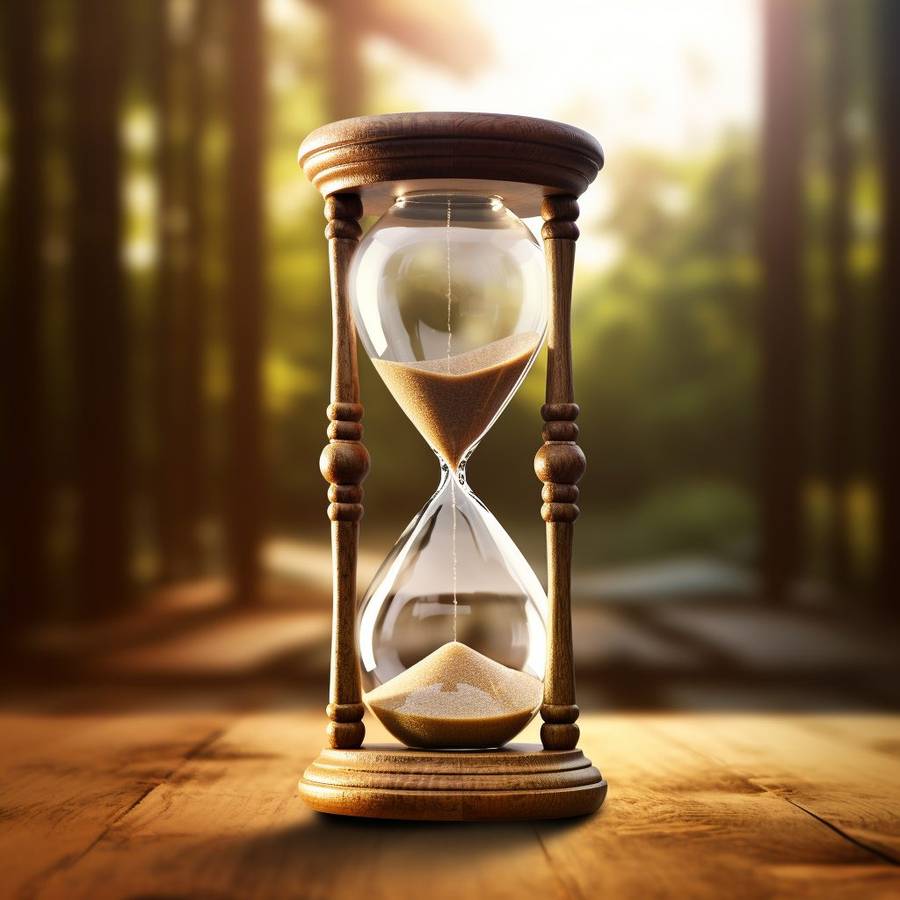
Sand falling steadily through glass is a blunt but effective reminder: time keeps moving, and so does change, whether we're ready or not.
The tree is a universal symbol of growth, rooted firmly in the ground while still reaching upward. That dual motion — grounded and growing — closely echoes the concept explored in Tree of Life symbolism, where roots and branches represent the full arc of transformation.
Water encourages us to move with life's currents rather than against them. As the element most tied to change, it fits naturally alongside emotional and psychological transformation.
The cross marks the meeting point of the spiritual and the material, often used to signify a transformation that touches both realms at once.
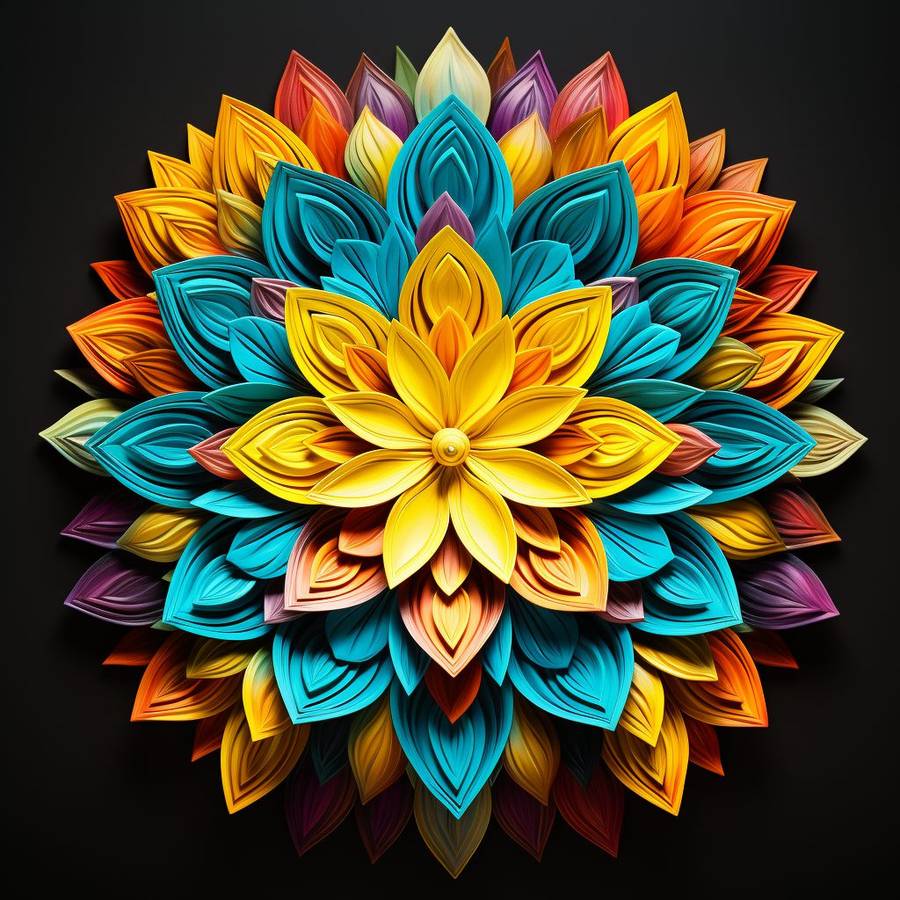
Used in meditation across several traditions, the mandala's circular patterns invite reflection on life as an ongoing, connected cycle rather than a straight line.
Winding and complex, the labyrinth stands in for the often nonlinear path of personal transformation — one that requires patience more than speed.
Typically shown as a triangle intertwined with a circle, this symbol distills alchemy's core idea: turning something base into something precious through deliberate effort.

Before change can happen outwardly, it often starts with honest self-reflection. The mirror represents that first, sometimes uncomfortable, step.
Fire, hammer, and repetition — the blacksmith shapes raw material into something useful. It's a hands-on metaphor for transformation achieved through deliberate effort.
Unlike a straight ladder, a spiral staircase suggests that growth often circles back on itself even as it moves upward — progress that isn't always a straight line.
Small and unassuming, a seed contains everything needed for major change. Its germination is a quiet reminder that transformation often starts invisibly, underground.
A thunderbolt represents the flash-of-insight kind of transformation — sudden clarity that reshapes perspective almost instantly.
Formed under extreme heat and pressure, the diamond proves that difficult circumstances can produce something beautiful and enduring.
Bright and energetic, orange is often associated with creative reinvention — the kind of transformation that comes from playful experimentation rather than crisis.
Numerology assigns specific meanings to recurring numbers, and several of them are strongly tied to transformation and change. If you're new to the practice, our guide to what numerology is explains how these numbers are interpreted more broadly.
The angel number 9999 signals the close of a major cycle and readiness for what comes next. It's a reminder that endings are simply the setup for a new beginning.
The angel number 2121 points to equilibrium — a signal to harmonize different parts of life so that change unfolds more smoothly.
Seeing angel number 555 repeatedly is widely interpreted as a heads-up that major change is already in motion. It encourages releasing the old rather than resisting what's coming.
Many cultures and traditions around the world have unique symbols representing transformation. These symbols often carry deep meanings intertwined with the beliefs and philosophies of the respective cultures. From ancient civilizations to modern societies, transformation has always held a central place, guiding individuals in their journey of personal growth and enlightenment.
Transformation is a constant companion throughout life, guiding us through phases of growth and change. The symbols above — rooted in nature, mythology, and spirituality — serve as reminders to embrace change with an open heart. By recognizing these symbols in daily life, we can build a deeper connection to our own ongoing process of becoming.
The Phoenix is widely considered the most powerful symbol of transformation because it represents total destruction followed by complete rebirth. The butterfly is a close second, illustrating a gradual, biological version of the same idea.
The butterfly and the snake are the two animals most closely associated with transformation. The butterfly represents full metamorphosis through its life cycle, while the snake symbolizes renewal through shedding its skin.
The lotus flower is the clearest floral symbol of change and renewal, rising clean from murky water to represent enlightenment achieved through struggle. The cherry blossom is also frequently used to symbolize the beauty of transient, temporary change.
The Ouroboros — a serpent depicted eating its own tail — is one of the oldest known symbols of transformation, dating back to ancient Egypt and later appearing in Greek and alchemical traditions. It represents the endless cycle of life, death, and rebirth.
The number 5, and particularly the angel number 555, is most associated with transformation in numerology, signaling that significant change is already underway. The number 9 is also linked to transformation, representing the completion of a cycle before a new one begins.
Discover the caduceus meaning: Hermes' winged staff of two serpents, its Greek origins, medical mix-up with Asclepius, and spiritu…
Discover what the Om symbol truly means—its Hindu, Buddhist, and Jain roots, dream symbolism, and how to use it in daily life.
Discover what the compass symbolizes across cultures — from spiritual guidance and moral direction to finding your true life purpo…