 Know
Know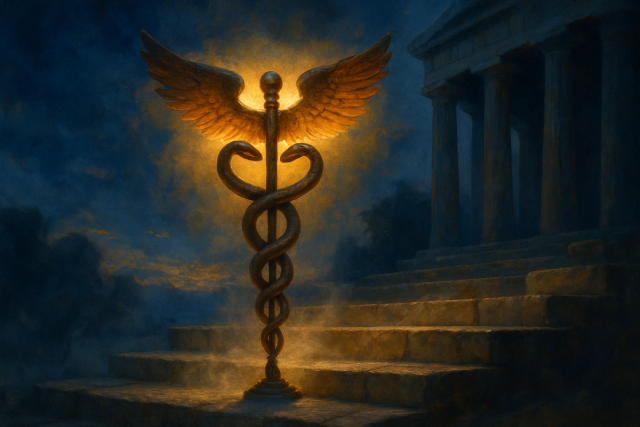
Symbols
Caduceus Meaning: History of the Winged Staff Symbol
Discover the caduceus meaning: Hermes' winged staff of two serpents, its Greek origins, medical mix-up with Asclepius, and spiritu…

Embarking on a journey through the myriad symbols of growth, one quickly realizes the depth and breadth of these iconic images and their intrinsic connections to human life and nature. Growth symbols are not merely representations; they are the silent narrators of stories, encapsulating the essence of expansion, development, and progress.
These symbols, deeply embedded in various cultures and philosophies worldwide, serve as a universal language, communicating ideas and beliefs related to growth and prosperity. They are timeless, crossing generational and geographical boundaries to convey their potent messages.
The emblem of growth is not a single fixed image but a multifaceted symbol — expressed through nature, animals, celestial bodies, and mystical icons alike. Each variation, from the Lotus to the Phoenix to the Nautilus Shell, represents a different facet of the same universal idea: transformation, expansion, and progress. Together, these diverse emblems form a rich, layered language for understanding growth in all its dimensions.
The essence of growth symbols lies in their ability to convey complex ideas and concepts in a simple and understandable manner. Each symbol is a visual metaphor, embodying the principles and values associated with growth and development. They inspire, motivate, and guide individuals and communities, providing a sense of direction and purpose.
Growth symbols are universally recognized, resonating with people from different cultures and walks of life. They are versatile, finding their place in various fields such as art, literature, religion, and even business. These symbols are powerful tools for communication, bridging gaps and fostering a deeper understanding of growth and its multifaceted nature.
Nature, with its boundless beauty and relentless resilience, has long been a source of inspiration for symbols representing growth. These symbols, derived from various elements of nature, encapsulate the essence of life, transformation, and progress, serving as powerful reminders of the potential for growth inherent in all living things.
The Lotus symbol is a remarkable representation of triumph over adversity. Despite growing in muddy waters, the Lotus flower emerges pristine and untainted, symbolizing purity, enlightenment, and rebirth. Its journey from the mud to the surface encapsulates the idea of growth through challenges, making it a revered symbol in various cultures, especially within Eastern philosophies and religions.
Representing energy, vitality, and the perpetual cycle of life, the Sun is a universal symbol of growth. It nurtures and sustains life on Earth, driving the process of photosynthesis in plants and providing warmth and light essential for the survival of all living organisms. The Sun is often associated with new beginnings, enlightenment, and the promise of a bright future, making it a potent symbol of growth and development.
The Tree of Life is a timeless and universal symbol that illustrates the interconnectedness of all life. With its roots firmly in the ground and branches reaching towards the sky, it represents stability and growth, drawing parallels with the human journey of learning and expanding. The Tree of Life is a symbol of wisdom, protection, strength, bounty, beauty, and redemption, found in various cultures and religious traditions around the world.
Both the Seed and the Acorn are profound symbols of potential and growth. A seed, though small, contains the blueprint for life, holding within it the promise of a plant or tree. Similarly, an acorn, the seed of an oak tree, symbolizes strength, potential, and growth from humble beginnings. These symbols remind us that greatness can sprout from small, unassuming origins, inspiring hope and perseverance.
The Bamboo and Oak Tree are both symbols of strength and resilience. Bamboo is flexible and fast-growing, able to thrive in various conditions; it represents endurance and adaptability. The Oak Tree, with its robust and sturdy trunk, symbolizes strength, morale, resistance, and knowledge, often considered a sacred symbol in various cultures.
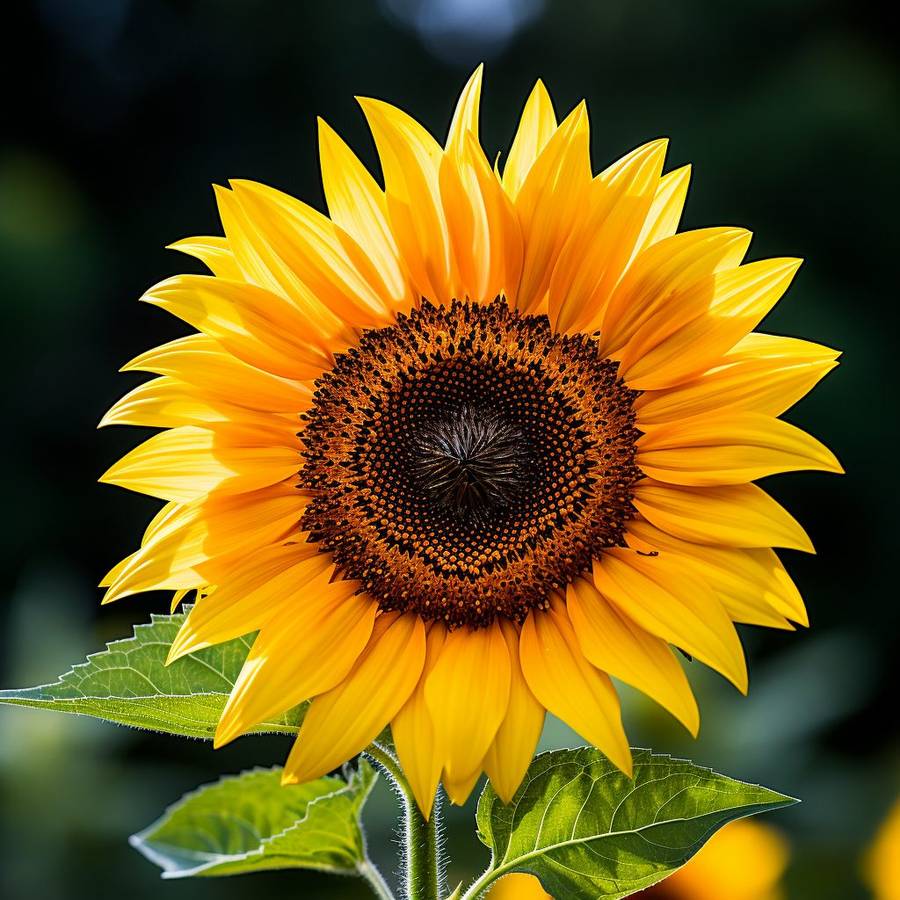
Cherry Blossoms and Sunflowers are vibrant symbols of beauty and renewal. Cherry Blossoms, with their short-lived blooming period, represent the transient nature of life, reminding us to appreciate the beauty in every moment. Sunflowers, turning towards the sun, symbolize adoration, loyalty, and longevity, embodying the joy and warmth of the sunlight they follow.
The Pinecone and Vine are symbols of potential and prosperity. Pinecones, with their unique structure, represent enlightenment and spiritual growth. Vines, with their ability to spread and cover ground quickly, symbolize expansion, growth, and connection, often used to represent relationships and strong bonds.
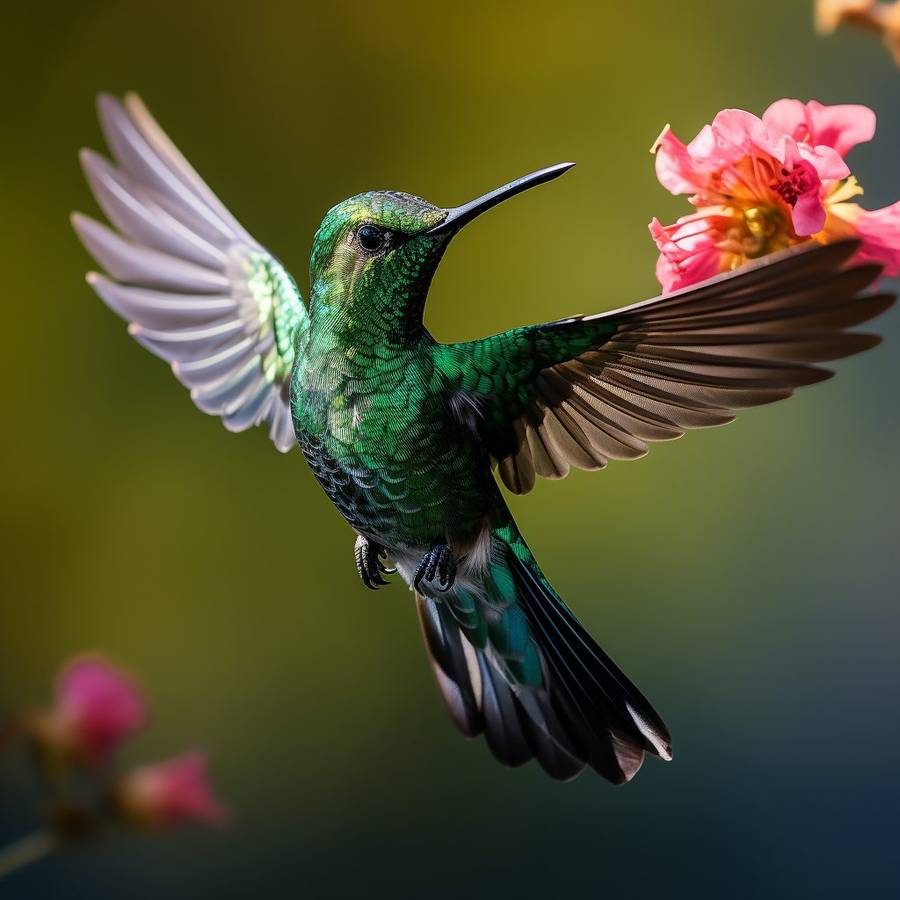
The Green Hummingbird and Robin are delightful symbols of joy and new beginnings. The agile and vibrant hummingbird symbolizes enjoyment of life and lightness of being, while the Robin, often one of the first birds to appear in spring, is a sign of renewal, rebirth, and the arrival of new opportunities.
The Garden and Willow Tree are nurturing symbols that also embody flexibility. A garden, with its diverse and harmonious ecosystem, represents the nurturing and cultivation of life. The Willow Tree, known for its flexibility and grace, symbolizes the ability to adapt and yield, embodying harmony and balance in the face of life’s challenges.
Animal totems have been revered across various cultures as powerful symbols of growth and transformation. These creatures, each with their unique life cycles and behaviors, embody the essence of growth in nature. They serve as spiritual guides, offering insights and reflections of our inner selves and life journeys. From the resilient Koi Fish to the transformative Butterfly, these animal totems encapsulate the myriad ways growth can manifest, providing inspiration and guidance for those seeking to navigate and embrace their personal development paths.
The Koi Fish is a potent symbol of perseverance leading to transformation. In various cultures, it represents overcoming adversity as it swims upstream, symbolizing the ability to fight through obstacles to achieve greatness. The Koi Fish is often associated with personal development and spiritual growth due to its transformative journey.
Butterflies and Dragonflies are both emblematic of metamorphosis and change. The Butterfly, with its transformative life cycle from caterpillar to winged beauty, symbolizes personal growth, change, and the ability to move through different life stages with grace. Similarly, the Dragonfly, with its agile flight and iridescent colors, represents change, adaptability, and a deeper understanding of life.
The mythical Phoenix is a universal symbol of rising from the ashes, embodying renewal, resurrection, and eternal life. It represents the cyclical nature of life, the possibility of growth and rebirth from the ashes of the past, inspiring hope and courage in the face of adversity.
The majestic Stag is a symbol of leadership and independence. With its impressive antlers, the Stag represents pride, strength, and sovereignty, often associated with spiritual authority and the regenerative powers of nature. It is a guide for individuals on their personal journeys, encouraging them to lead with grace and dignity.
The Spider, with its intricate webs, is a symbol of creativity and progress. It represents the weaving of destiny, the interconnectedness of all life, and the careful, deliberate progress made when creating something of value. The Spider encourages individuals to craft their lives with intention and focus, mirroring its meticulous web-building process.
The Egyptian Scarab is a symbol of regeneration and protection. In ancient Egyptian mythology, the scarab was associated with the divine manifestation of the early morning sun and the ideas of transformation and rebirth. It serves as a reminder of the infinite cycle of regeneration and the protective energies that accompany growth and change.
Celestial and atmospheric symbols serve as powerful metaphors for growth, change, and potential in various cultures. These symbols, often observed in the sky, not only inspire wonder and awe but also encapsulate deep wisdom about the cycles and phases of life, offering guidance and insight into the journey of personal and collective growth.
The Moon Phases symbolize the cyclical nature of life, with each phase representing different stages of growth and development. From the new moon, symbolizing new beginnings, to the full moon, representing fruition and completion, the Moon Phases offer a celestial mirror reflecting the ebb and flow of life’s journey.
Shooting Stars are seen as carriers of wishes and heralds of new opportunities. They symbolize fleeting moments that hold immense potential, encouraging individuals to seize chances and pursue their dreams with determination and hope.
The Rainbow is a universal symbol of hope and promise. Appearing after storms, it signifies renewal and the possibility of a fresh start. Its vibrant colors represent the diversity and beauty of life, inspiring individuals to embrace growth with optimism and joy.
Mystical and spiritual symbols offer profound insights into the journey of growth from a transcendent perspective. These symbols encapsulate the essence of life’s spiritual dimension, highlighting the continuous process of unfolding and awakening that marks the path of personal and collective evolution.
The Dharma Wheel, or Dharmachakra, is a potent symbol of spiritual progress in Buddhism. It represents the cycle of birth, life, death, and rebirth, guiding individuals towards enlightenment and liberation from suffering.
The Celtic Spiral and Triskelion are ancient symbols depicting the idea of motion and progress. With their continuous lines and curves, they symbolize the eternal rhythm of life and the universe, embodying the principles of perpetual growth and development.
Chakras and Merkaba are symbols deeply rooted in the spiritual traditions of the East. Chakras represent the energy centers within the body, each correlating with specific physical, emotional, and spiritual states. The Merkaba, a star tetrahedron, is seen as a vehicle of light that aids spiritual awakening and ascension.
The Infinity Symbol represents endless possibilities and eternity, while the Labyrinth is a path of wisdom and journey. Both symbols guide individuals through the intricate dance of life, offering insights into the limitless potential and the maze-like journey of personal growth.
Yggdrasil, the World Tree in Norse mythology, and the Green Man, a symbol often found in ancient European architecture, are powerful mythical symbols of life, renewal, and the interconnectedness of all living beings, reflecting the deep wisdom and mysteries of nature and life.
Geographical symbols are deeply connected with the natural environment, embodying the dynamic processes and stable structures found in the physical world. These symbols often represent the flow of life, the pursuit of stability, and the guiding light that leads the way towards growth and development.

Waterfalls and rivers are powerful geographical symbols representing the continuous flow and movement of life. With their relentless motion, they embody the idea of progress and the unstoppable force of nature, inspiring individuals to move forward with grace and determination amidst life’s challenges.
Mountains stand as symbols of stability, strength, and elevation. They signify the lofty heights individuals can reach through perseverance and effort, offering a sense of achievement and the pursuit of higher goals and aspirations in life.

The lighthouse is a geographical symbol that represents guidance, hope, and safe navigation through turbulent seas. It stands as a beacon illuminating the path for travelers, symbolizing the light of wisdom and guidance that helps individuals navigate through the darkness towards growth and enlightenment.
Some symbols of growth don’t fit neatly into categories but are equally powerful. These unique icons encompass various aspects of life and time, each telling a different story of development, momentum, and transformation.
The snake, with its ability to shed its skin, is a potent symbol of renewal and transformation. This process metaphorically illustrates the idea of letting go of the old to make way for new growth and opportunities, embodying personal development and change.
The hourglass is a timeless symbol that represents the transience and inevitability of time. It reminds us of life’s fleeting moments, urging individuals to make the most of their time, seize opportunities, and continually grow and evolve with each passing second.
The Nautilus Shell, with its spiral structure, represents proportional and steady growth. Each chamber of the shell is larger than the previous one, symbolizing gradual development and expansion, mirroring an individual’s journey of continuous learning and growing.
Arrows symbolize direction, force, movement, and power. Their flight represents momentum and the pursuit of objectives, embodying the journey towards personal and professional growth with focus and determination.
As we navigate through life’s intricate tapestry, growth symbols serve as beacons of hope, inspiration, and understanding. These timeless icons, steeped in history and diverse cultures, offer valuable insights into the various facets of growth, development, and transformation. Whether it’s personal, professional, or spiritual growth, these symbols resonate with our collective consciousness, providing guidance and reflection for individuals on their unique journeys.
Integrate growth symbols into your environment, personal items, or meditation practices. Use them as tattoos, jewelry, or artwork to serve as constant reminders and sources of inspiration for personal development and progress.
While many growth symbols have meanings that are recognized globally, interpretations can vary between different cultures and individuals. It’s essential to understand and respect these diverse perspectives and engage with the symbols in a way that is meaningful and personal to you.
Absolutely! Combining different symbols can create a powerful and personal emblem of growth that resonates with your individual journey and aspirations. Be creative and intuitive in bringing together symbols that align with your vision of growth and development.
Growth symbols are not only prevalent in various cultures around the world, but they also appear in nature, with many plants and animals embodying the essence of growth and transformation. These natural symbols serve as living reminders of the beauty and potential inherent in growth and change.
Discover the caduceus meaning: Hermes' winged staff of two serpents, its Greek origins, medical mix-up with Asclepius, and spiritu…
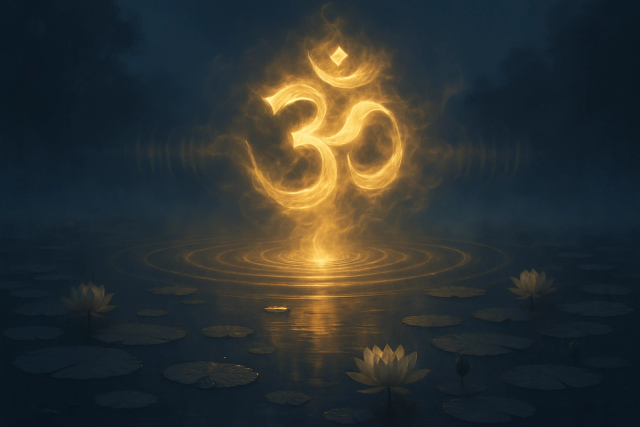
Discover what the Om symbol truly means—its Hindu, Buddhist, and Jain roots, dream symbolism, and how to use it in daily life.
Discover what the compass symbolizes across cultures — from spiritual guidance and moral direction to finding your true life purpo…