 Know
Know
Symbols
Caduceus Meaning: History of the Winged Staff Symbol
Discover the caduceus meaning: Hermes' winged staff of two serpents, its Greek origins, medical mix-up with Asclepius, and spiritu…
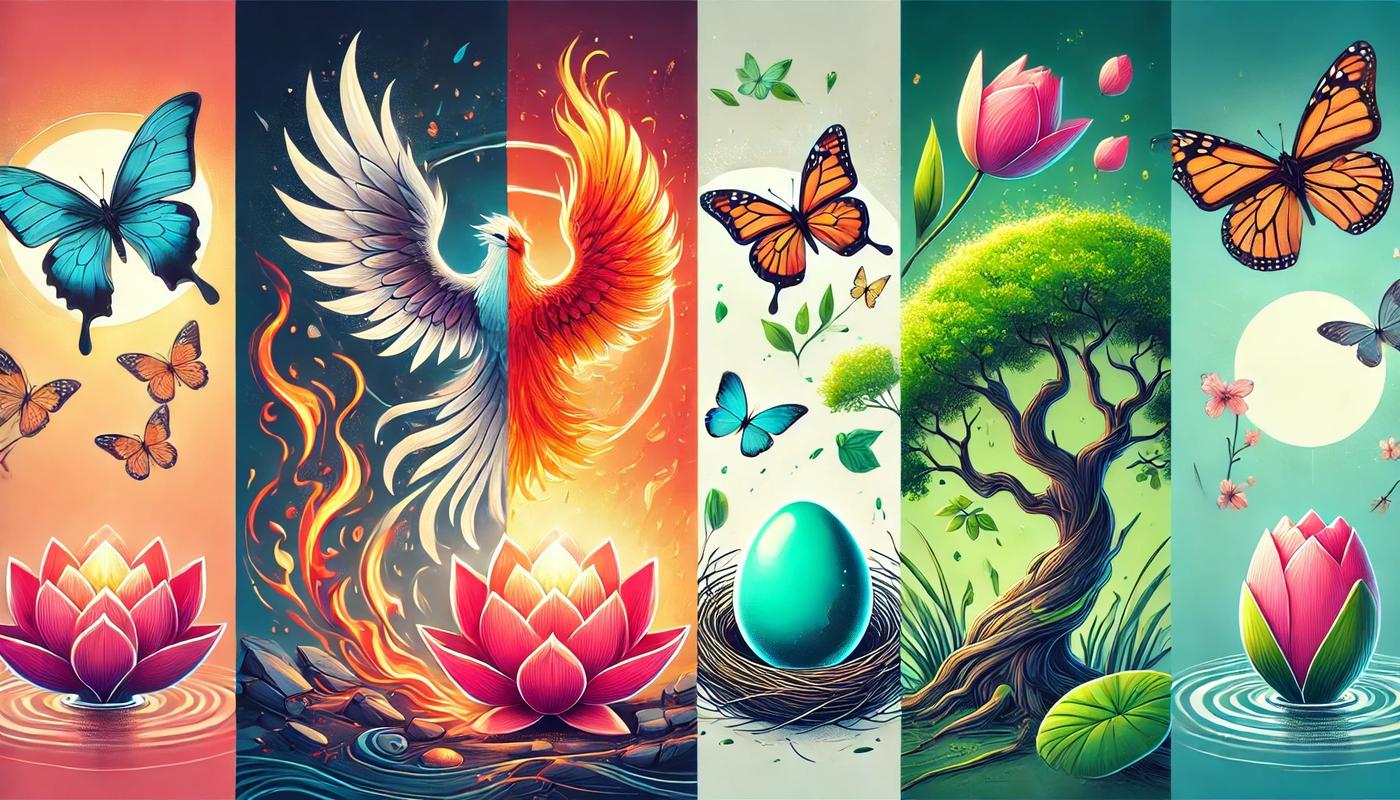
The most powerful symbols of new life and rebirth include the Phoenix, Lotus, Butterfly, Egg, and Tree of Life — each representing renewal, transformation, and the cycle of death and rebirth found in nature and mythology. Across cultures and centuries, these images have helped people process endings, embrace change, and trust that growth follows even the darkest seasons. Whether rooted in ancient religion, folklore, or the natural world, symbols of new life speak to a universal human need: the hope that after loss comes renewal.
Through the ages, new beginnings, rebirth, and promises for new starts have been embraced by cultures worldwide through the use of certain symbols. These symbols remind people of change, transformation, and life and death in circular motions and are deeply meaningful in spiritual, cultural, and personal contexts. Symbols of new life and rebirth remind us, in today’s fast-paced world, of renewal, resilience, and change. Be it pulling through with personal challenging situations or mere transitions in life, these symbols represent that with every ending, a fresh restart might just be possible.
Below, we look at some of the most iconic symbols of new life, exploring rich histories, meanings, and connections to human experiences.
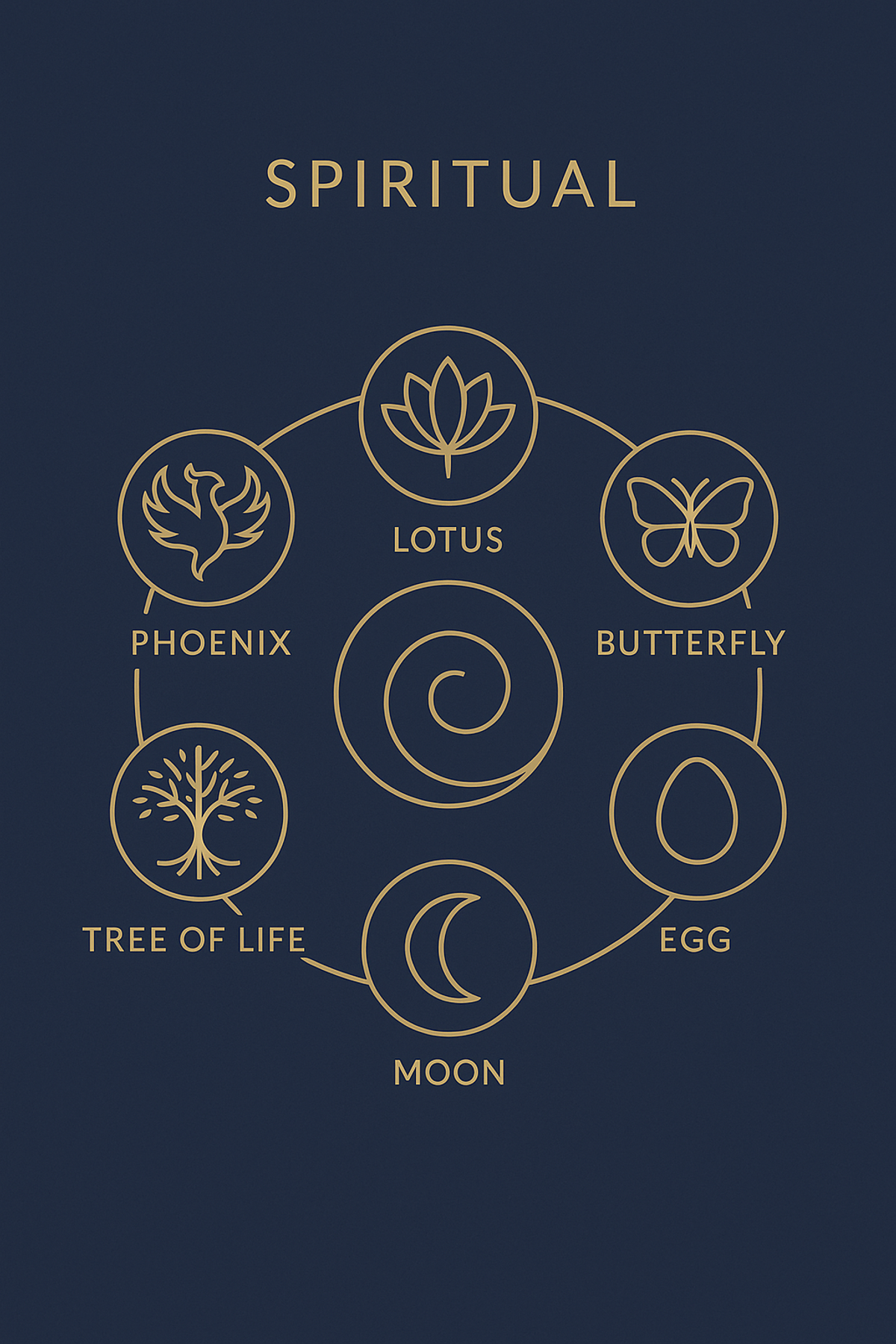
| Symbol | Core Meaning | Cultural Origin |
|---|---|---|
| Phoenix | Death and resurrection, resilience | Egyptian, Greek, Persian mythology |
| Lotus Flower | Purity, enlightenment, spiritual rebirth | Hinduism, Buddhism |
| Butterfly | Transformation, personal growth | Native American, Christian, Japanese traditions |
| Egg | Fertility, creation, potential | Christianity (Easter), ancient Egypt |
| Spring | Seasonal renewal, hope | Roman (Floralia), Japanese cherry blossom festivals |
| Ouroboros | Eternal cycle, self-renewal | Egyptian, Greek, Norse mythology |
| Tree of Life | Growth, interconnection, abundance | Norse, Celtic, Christian, Kabbalistic traditions |
| Green Man | Nature's life-death-rebirth cycle | European folklore |
| Acorn | Potential, strength, growth | Celtic and Druidic tradition |
| Dawn | New beginnings, hope over darkness | Hindu (Ushas), Greek (Eos) mythology |
| Crescent Moon | Growth, manifestation, cycles | Islamic and lunar-based traditions worldwide |
| Water | Purification, cleansing, renewal | Christianity (baptism), Hinduism (the Ganges) |
| Cicada | Patience, delayed transformation | Ancient Greek, Japanese traditions |
| Fire | Destruction that enables renewal | Hindu Yajna rituals, Native American ceremonies |
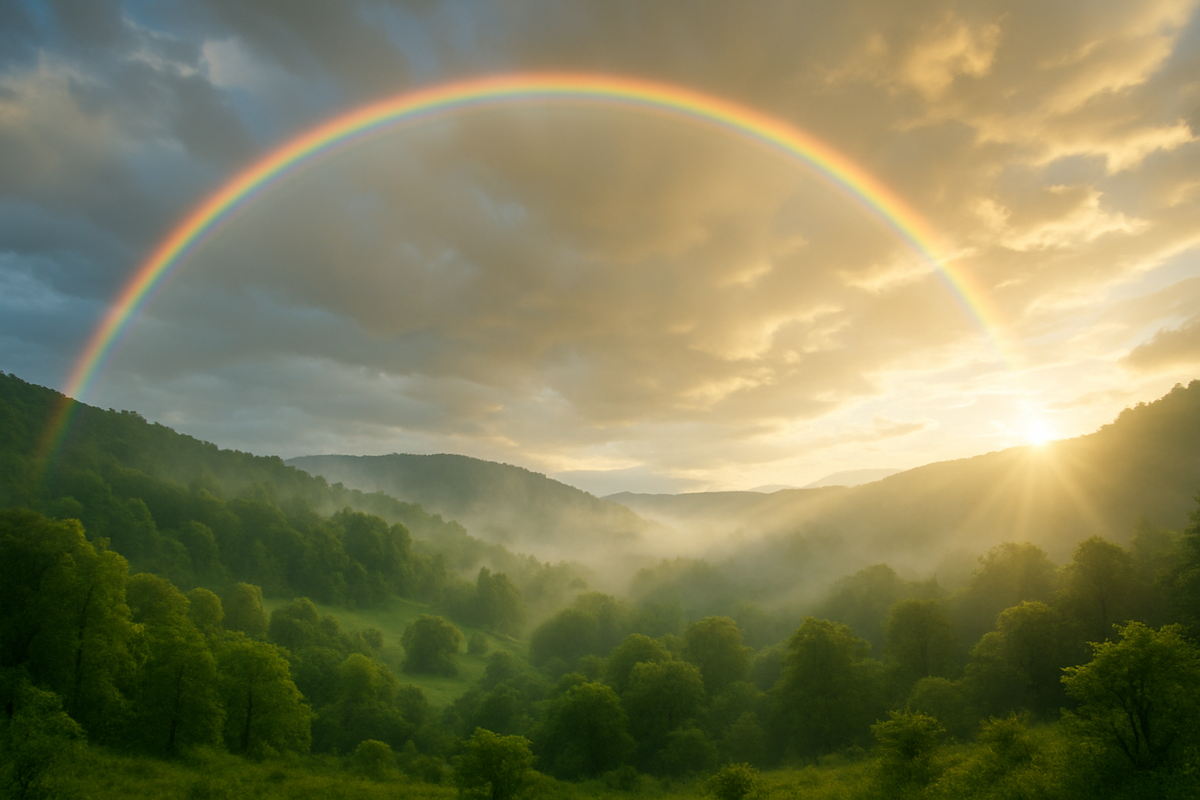
| Rainbow | Hope, promise, protection | Biblical tradition, Irish folklore |
| Seeds | Latent potential, patience | Global agricultural and spiritual traditions |
| Spiral | Cyclic growth, infinite development | Celtic symbolism, indigenous traditions |
Symbolism and Meaning
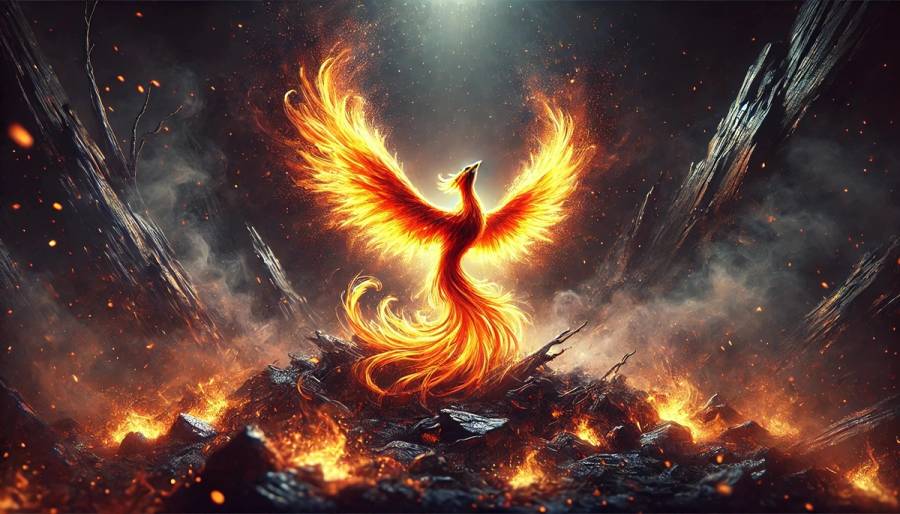
The Phoenix is arguably one of the best-known symbols in the world for rebirth and renewal. This mythological bird, which lives for hundreds or thousands of years, finally dies in a fire, again to be reborn from its ashes. The Phoenix can be understood to symbolize resilience, change, and an unending life that outlasts even the destruction of itself.
Cultural Significance
The Phoenix myth is generally traced to Greek mythology, though many scholars link it to the Egyptian bennu bird, said to embody the soul of the sun god Ra. Through Greek, Roman, and Persian mythologies, it developed into a somewhat more recognizable beast. Nowadays, in modern culture, the phoenix has become a sign of overcoming adversity, thus becoming an emblem of hope for all those who have undergone great calamities and have emerged stronger.
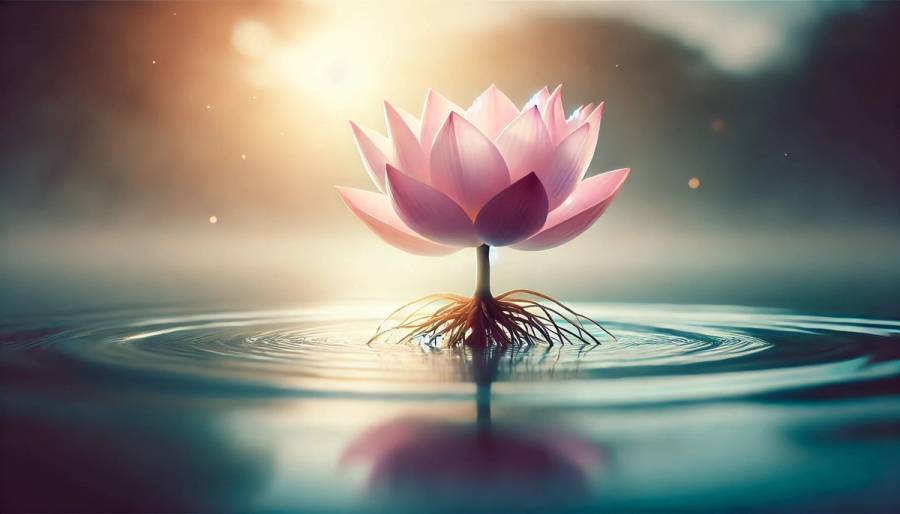
Symbolism and Meaning
The lotus flower, born so sophisticatedly in muddy waters, means purity, enlightenment, and spiritual rebirth. It blossoms in beauty on the surface of the water, untutored by surroundings, though its roots touch furthermost bottoms. From mud to magnificence, it characterizes the capability to transcend hardship and open up one’s heart for new beginnings.
Cultural Significance
In both Hinduism and Buddhism, the lotus symbolizes divine beauty and purity. Hindus connect it with gods like Brahma and Vishnu, while in Buddhism, it represents enlightenment. The lotus resonates with practitioners of yoga and meditation, symbolizing inner peace and clarity of the mind.
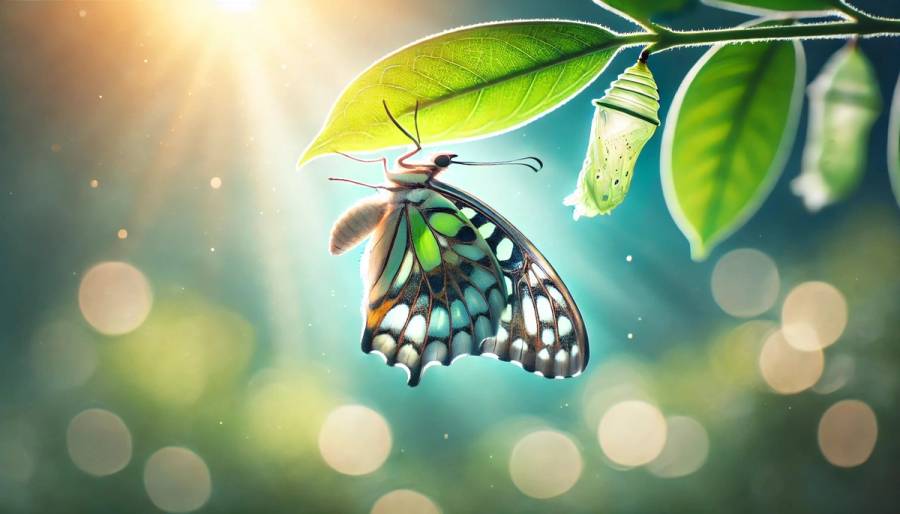
Symbolism and Meaning
The butterfly is a potent symbol of change and transformation. Coming out of its cocoon as a new creature, the butterfly encompasses personal growth, evolution, and the idea of starting anew. It represents the potential for transformation that lies within each individual.
Cultural Significance
In Native American culture, the butterfly symbolizes transformation, joy, and new beginnings. In Christianity, it represents resurrection and eternal life, while in Japan, butterflies are considered symbols of the soul and metamorphosis. Many look to the butterfly as a guide for embracing change throughout life.
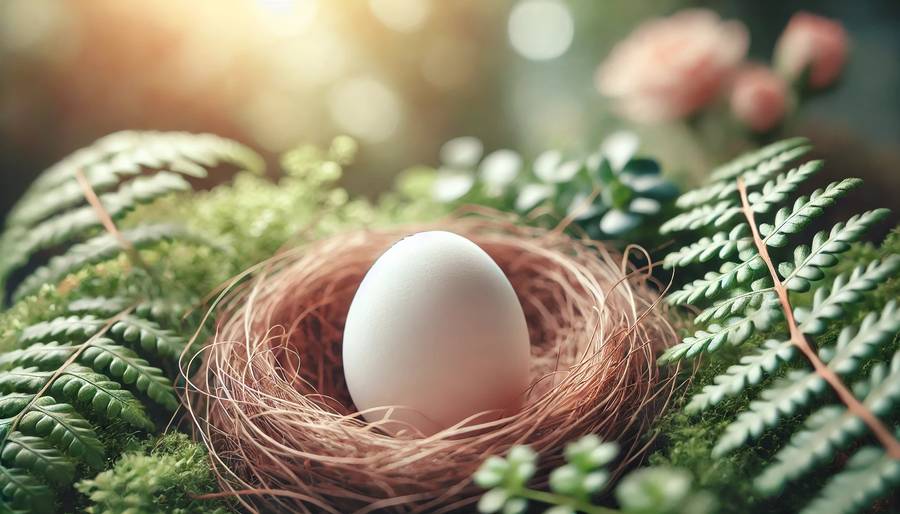
Symbolism and Meaning
The egg universally represents fertility, birth, and creation. Within its fragile shell, it holds promises of new life yet to sprout, symbolizing potential, nurturing, and new life.
Cultural Significance
Eggs play an essential role in springtime rituals across cultures, such as Easter in Christianity, symbolizing resurrection. This connection runs deep in Catholic symbolism, where the decorated egg mirrors the resurrection story itself. In ancient Egypt, eggs were symbols of the origin of life and the universe. Today, the egg is associated with rebirth and the potential for growth in the new season.
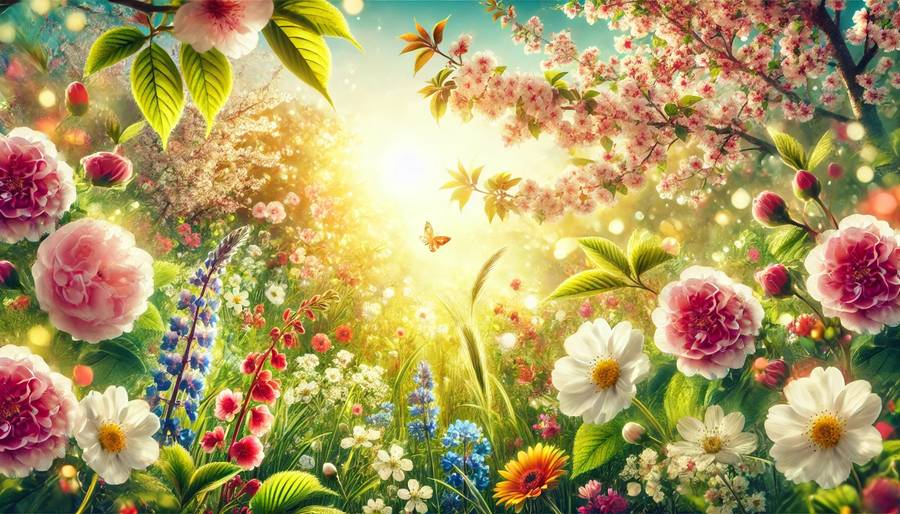
Symbolism and Meaning
Spring is the time of birth and renewal. As winter chill gives way to warmer days, life bursts forth in plants, hibernation ends among animals, and the world blooms with color. Spring embodies hope, new beginnings, and the energy of returning life.
Cultural Importance
Festivals and rituals mark this period of renewal. In ancient Rome, Floralia honored Flora, the goddess of flowers and fertility. Cherry blossom festivals in Japan celebrate beauty and the impermanence of life. Spring reminds us that just as nature renews itself, so can we find fresh starts and new beginnings.
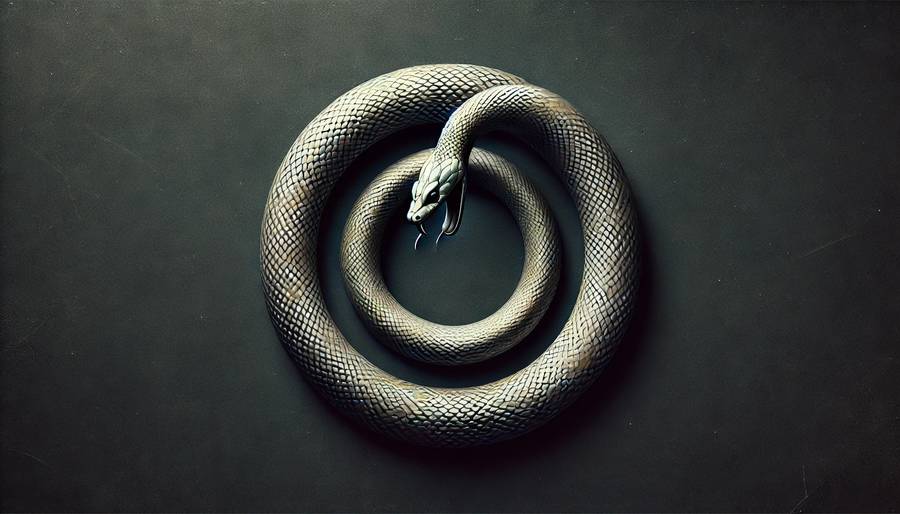
Symbolism and Meaning
The Ouroboros is an ancient symbol showing a snake or dragon swallowing its tail, signifying eternity and cyclicality. It represents the perpetual cycle of death and rebirth, embodying the concept that endings lead to new beginnings. This idea of two opposing forces feeding into one continuous whole echoes the yin-yang symbol, another ancient image built on cyclical duality and balance.
Cultural Significance
The Ouroboros appears in ancient Egyptian, Greek, and Norse mythology. It symbolizes the unity of all material and spiritual things, which never disappear but transform. It teaches that life is a process of self-renewal, where every ending directly leads to new beginnings.
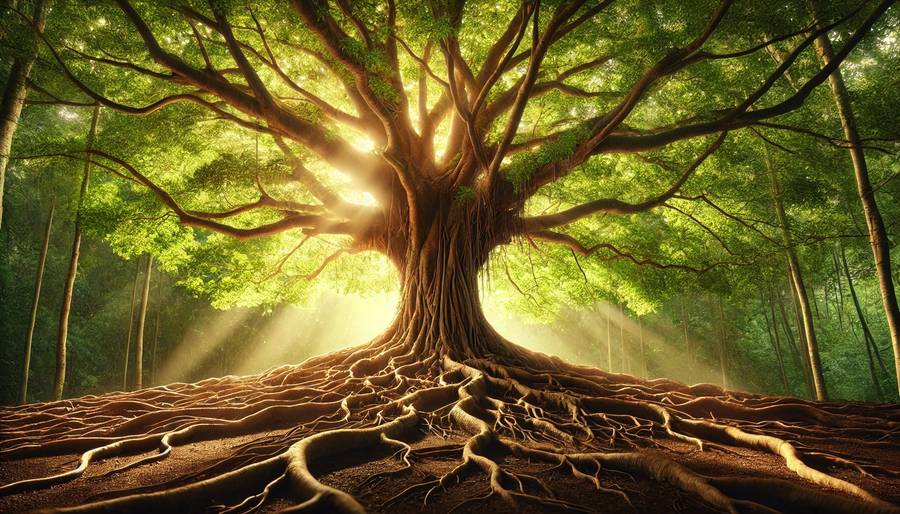
Symbolism and Meaning
The Tree of Life symbolizes growth, strength, and the interconnectedness of all life. Its roots represent the past, its branches the future, and its fruit fertility and abundance.
Cultural Significance
The Tree of Life is significant in many cultures, from Norse mythology's Yggdrasil to the Tree of Eternal Life in Christianity. In Celtic, Aboriginal, and Kabbalistic beliefs, the Tree of Life is a path to divine understanding. It reminds us that life is a continuous process of growth and renewal, interconnected across all its parts.
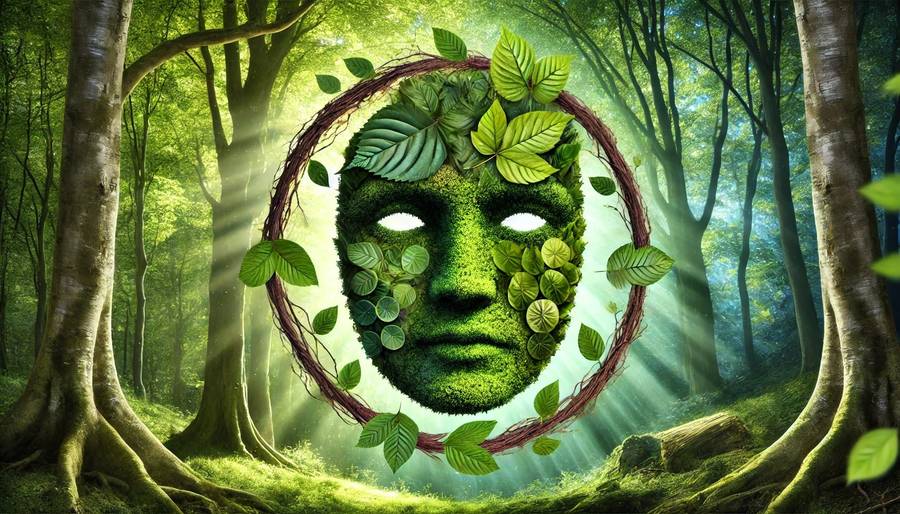
Symbolism and Meaning
The Green Man represents nature's cycle of life and death. Often depicted as a face with leaves, he embodies the forces of nature, rebirth, and seasonal renewal.
Cultural Significance
The Green Man is a figure common to European folklore and often symbolizes spring and vegetation renewal. His imagery, found in carvings and architecture, reflects humanity's relationship with nature, symbolizing that death in nature is always followed by renewal.
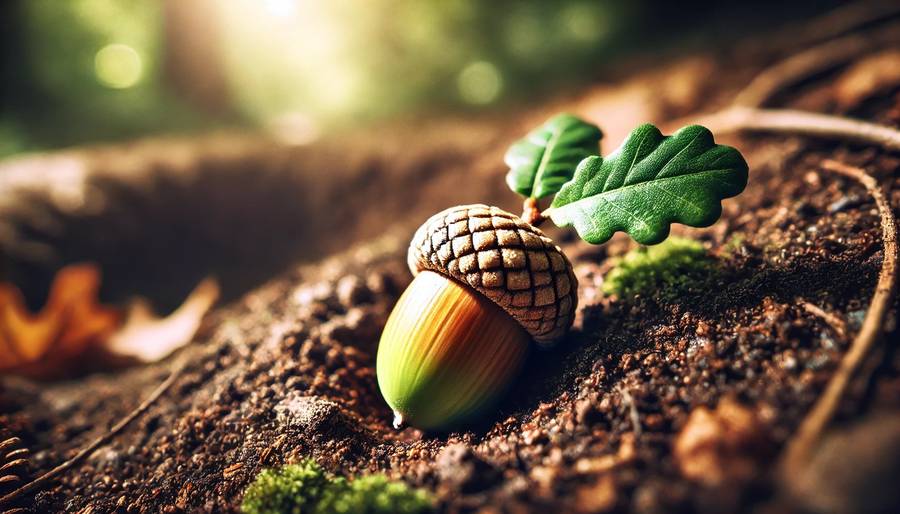
Symbolism and Meaning
The acorn, though small, holds the potential to grow into a mighty oak, symbolizing strength, growth, and new life.
Cultural Importance
In Celtic culture, the oak tree and acorn symbolize strength and wisdom. Druids regarded the oak as sacred, and an acorn was believed to bring luck and prosperity. The acorn represents the growth potential within each of us, urging us to pursue our greatness.
Symbolism and Meaning
Dawn, the first light of day, signifies new beginnings, hope, and the end of darkness. Each morning offers a fresh start, a chance to leave the past behind and embrace the future. This same sense of hope after darkness is why symbols like the anchor are often paired with dawn imagery — both point toward stability and a fresh start on the horizon.
Cultural Significance
In Hindu mythology, Ushas is the goddess of dawn, symbolizing the dispelling of darkness. In ancient Greek culture, Eos personified dawn. Dawn universally represents hope and renewal, reminding us that light follows even the darkest times.
Symbolism and Meaning
The crescent moon, especially the waxing crescent, symbolizes growth, manifestation, and new beginnings. It represents the cycles of life, from birth to growth, continuously in motion.
Cultural Significance
In many cultures, the moon is associated with feminine energy, intuition, and emotional cycles. In Islamic tradition, the crescent moon symbolizes new beginnings and marks the start of Ramadan. The lunar cycle reminds us that life is a continuous ebb and flow.
Symbolism and Meaning
Water is universally seen as a symbol of purification, renewal, and life. It represents the cleansing of old energies and the welcoming of new beginnings.
Cultural Significance
In Christianity, water is used in baptism for spiritual cleansing and rebirth. In Hinduism, the Ganges River is sacred and believed to wash away evil. Water ceremonies around the world serve for healing and preparation for new life phases.
Symbolism and Meaning
The cicada, a creature that hibernates underground for years before emerging, symbolizes patience, transformation, and beauty in delayed gratification. Its life cycle of dormancy followed by a brief life above ground reflects the idea of rebirth after long preparation.
Cultural Significance
In ancient Greece, cicadas symbolized immortality and resurrection, often appearing in poetry as symbols of renewal. In Japanese culture, the cicada represents rebirth and transformation, embodying hope and the importance of patience.
Symbolism and Meaning
Fire symbolizes both destruction and renewal. Though it can be frightening and destructive, fire also has purifying qualities, clearing the way for new growth, just as natural ecosystems use fire to renew soil and promote new vegetation.
Cultural Significance
Yajna is a Hindu ritual of offerings made before a sacred fire (agni), and in tradition this fire is often seen as a symbol of purification and transformation. Native American fire ceremonies view fire as an agent of spiritual cleansing, not unlike the protective, renewing role a dream catcher plays in filtering out negative energy while a person sleeps. Fire reminds us that sometimes, to make room for new growth, we must let go of what no longer serves us.
Symbolism and Meaning
The rainbow is a symbol of hope, promise, and new beginnings. It appears after a storm as a reminder that behind challenges lies beauty and the potential for rebuilding.
Cultural Significance
In the Bible, the rainbow is God's covenant with humanity after the flood, symbolizing hope and protection. In Irish folklore, the rainbow is linked with leprechauns and pots of gold, representing good luck and reward. To many, the rainbow is a beacon of hope, encouraging resilience and optimism.
Beyond these classic symbols, numerous others represent rebirth and new beginnings. Each additional symbol offers unique insights and significance from life, nature, and mythology.
Symbolism and Meaning
Seeds symbolize the origin of life, carrying within them the potential to grow into something much larger. They represent latent potential, hope, and the patience required for growth.
Cultural Significance
In spiritual practices, seeds often symbolize creation and growth. Many cultures perform planting rituals in spring to celebrate life's renewal. In Christianity, the mustard seed parable symbolizes faith and growth, showing the power of small beginnings.
Symbolism and Meaning
The spiral represents growth, expansion, and life's cycles. Seen in nature, from seashells to galaxies, it symbolizes infinite development and cyclic progress.
Cultural Significance
In Celtic symbolism, the spiral represents spiritual growth and enlightenment. In indigenous cultures, it signifies evolution and change, teaching us that life is not linear but a continuum of growth, reflection, and renewal.
These symbols of renewal and new life can be incorporated into daily life as reminders to inspire and guide us in our personal journeys.
Symbols of rebirth and new life have deep meanings across cultures and history. From the mythical rise of the Phoenix to the serene bloom of a lotus, these symbols remind us that life is a continuous cycle of growth, transformation, and renewal. They inspire us to accept change, overcome adversity, and embrace fresh starts. Which of these symbols resonates most with you? And in times of difficulty, remember that every ending holds the seed of a new beginning, as night turns to morning, and seasons renew.
Take a deep breath and embrace the beauty of transformation. Let these symbols inspire you to welcome fresh starts with an open heart.
The Phoenix is the most iconic animal symbol of rebirth, rising from its own ashes to represent resilience and renewal. Other animals carry similar meaning, including the butterfly, which transforms from caterpillar to winged creature, and the cicada, which emerges from years underground to symbolize patience and transformation.
The lotus flower is the most widely recognized flower symbol of new beginnings, prized for blooming beautifully out of muddy water as a metaphor for spiritual rebirth. Cherry blossoms are another popular choice, especially in Japanese culture, where their brief but vivid bloom each spring represents renewal and the beauty of new starts.
Green is the color most commonly associated with new life, representing fresh growth, nature, and spring's renewal. White and gold are also frequently used to symbolize purity, new light, and the dawn of a fresh beginning in many spiritual and cultural traditions.
The Phoenix is widely considered the most powerful symbol of rebirth because its myth directly enacts the entire cycle of death and renewal — it dies in flame and is reborn from its own ashes. Its story resonates across many cultures and eras precisely because it offers a complete, dramatic metaphor for resilience and transformation rather than just a single stage of the process.
Discover the caduceus meaning: Hermes' winged staff of two serpents, its Greek origins, medical mix-up with Asclepius, and spiritu…
Discover what the Om symbol truly means—its Hindu, Buddhist, and Jain roots, dream symbolism, and how to use it in daily life.
Discover what the compass symbolizes across cultures — from spiritual guidance and moral direction to finding your true life purpo…