 Know
Know
Crystal & Stones
Selenite Meaning: Healing Properties, Uses & Benefits
What selenite crystal really means, its spiritual powers, ancient origins, and simple rituals to cleanse your space and calm your …
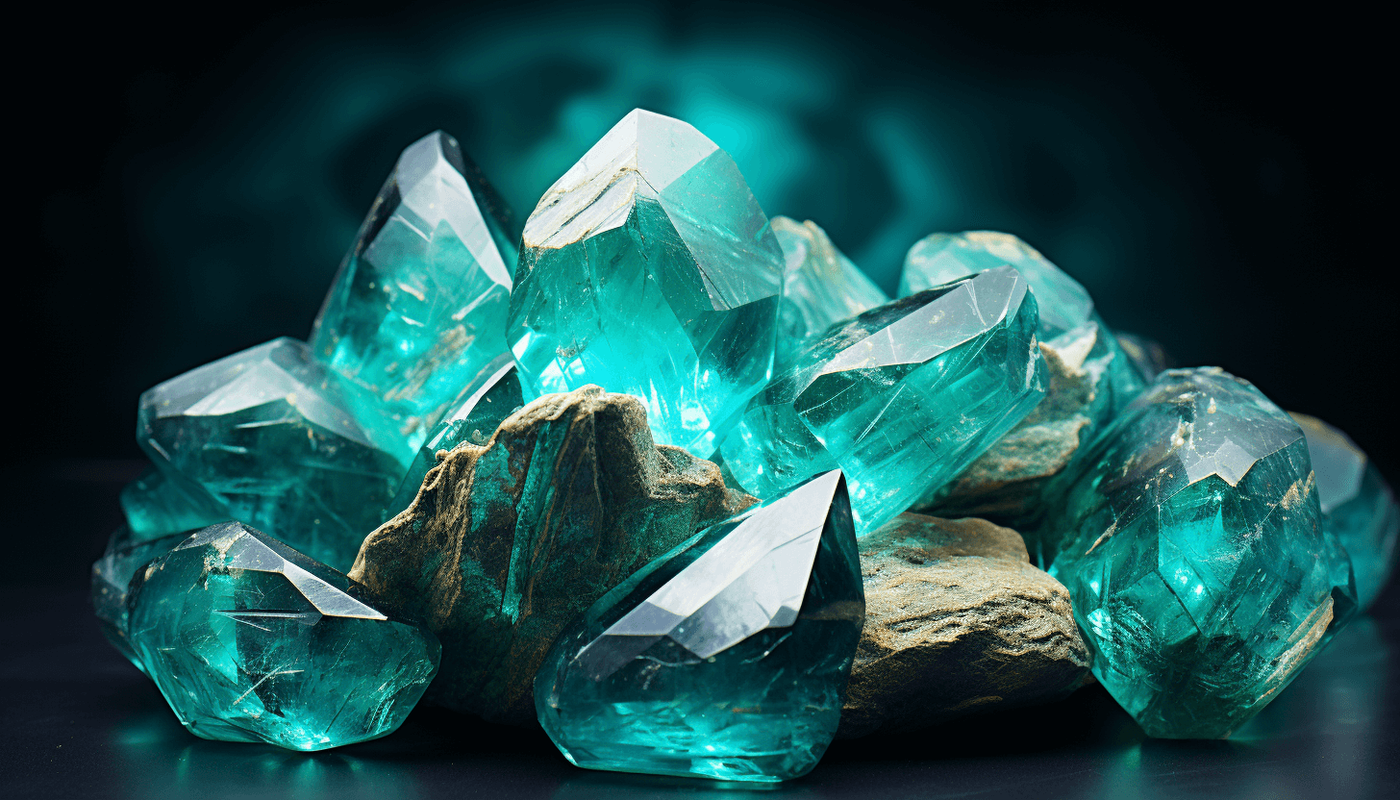
Amazonite, often referred to as the Stone of Courage and the Stone of Truth, is a captivating green to blue-green variety of microcline, a feldspar mineral. Its vibrant color and intriguing patterns have made it a favorite among gem enthusiasts and jewelry designers alike. Beyond its aesthetic appeal, amazonite has been cherished for its purported metaphysical properties and its association with clarity, communication, and balance.
Amazonite empowers one to search the self and discover one’s own truths and integrity, and to move beyond fear of judgment or confrontation with others to live in alignment with those beliefs and values.
Historically, amazonite has been linked to ancient civilizations like the Egyptians, who adorned themselves with amazonite jewelry and incorporated it into their amulets. The stone’s name is derived from the Amazon River, though interestingly, no deposits have been found near this river. The lore of the Amazonian warrior women, who were believed to have used amazonite stones to heal wounds and illnesses, further ties the stone to notions of bravery and resilience.
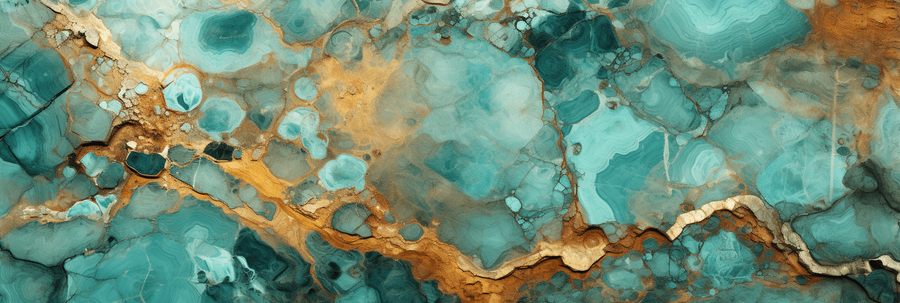
Amazonite, a member of the feldspar family, is primarily formed in granite pegmatites and sometimes in sedimentary rocks. Its characteristic color, ranging from verdant green to turquoise blue, is due to the presence of lead and water within the mineral. Understanding the geological properties of amazonite provides insights into its formation, durability, and value.
| Property | Description |
|---|---|
| Chemical Composition | KAlSi3O8 – Potassium aluminum silicate |
| Color | Green to blue-green |
| Crystal System | Triclinic |
| Hardness | 6 – 6.5 (Mohs scale) |
| Luster | Vitreous |
| Transparency | Opaque to translucent |
| Refractive Index | 1.522 – 1.530 |
| Specific Gravity | 2.56 – 2.58 |
| Cleavage | Perfect in two directions |
The unique combination of these geological properties gives amazonite its distinct appearance and makes it a sought-after gemstone for various applications, from jewelry to ornamental pieces.
Amazonite’s palette, reminiscent of tropical waters and lush forests, is one of its most captivating features. The gemstone’s hues can vary based on its mineral inclusions and the geological conditions under which it formed. Let’s delve into the spectrum of colors that amazonite can exhibit.
| Color | Description |
|---|---|
| Turquoise Blue | Reminiscent of tropical seas, this shade is often associated with the calming energies of the ocean. |
| Jungle Green | A deep, verdant hue that evokes the richness of dense forests and the vitality of nature. |
| Teal | A harmonious blend of blue and green, teal amazonite is both refreshing and serene. |
| Mint Green | A light, cool shade that exudes tranquility and peace. |
| Aquamarine | With a gentle blue-green tint, this color is reminiscent of shallow, sunlit waters. |
| Earthy Green | This shade is grounded and nurturing, echoing the hues of moss-covered stones and forest floors. |
These diverse shades of amazonite not only make it a versatile gem for jewelry and decorative items but also contribute to its metaphysical attributes, with each color resonating with different energies and chakras.
Amazonite’s allure is not a recent phenomenon; its charm has been recognized for millennia. Historically, various cultures have revered this gemstone for both its aesthetic beauty and its perceived spiritual properties.
In ancient Egypt, amazonite was a favored gemstone, often used in jewelry and amulets. It is believed that the famous gold mask of Tutankhamun was inlaid with amazonite, showcasing its significance in royal adornments. The stone was also associated with Tefnut, the Egyptian goddess of moisture, dew, and rain.
Amazonite beads dating back to the 3rd millennium BC have been discovered in Mesopotamia (modern-day Iraq). This attests to the stone’s widespread appeal and its importance in ancient trade routes.
Amazonite’s historical significance is not limited to the Old World. In the Americas, pre-Columbian cultures in Central and South America held the stone in high esteem, using it in various ornaments and ritualistic items. Its name, derived from the Amazon River, hints at legends of Amazonian warrior women who revered the stone, although no significant deposits have been found near this river.
Throughout history, amazonite’s vibrant color and unique patterns have made it a gem of choice for various applications, from sacred objects to trade items and personal adornments.
Amazonite, with its tranquil shades of blue and green, has long been associated with the metaphysical realm. Its energies are believed to resonate with certain chakras and zodiac signs, making it a cherished stone among spiritual practitioners and astrologers.
Amazonite is primarily associated with the Heart and Throat chakras:
Amazonite’s energies are believed to resonate particularly well with certain zodiac signs:
While amazonite may have specific affinities with certain chakras and zodiac signs, its harmonizing and balancing energies can benefit anyone, regardless of their astrological chart or spiritual beliefs.

Amazonite, often referred to as the “Stone of Hope,” is believed to possess a myriad of healing qualities that can benefit both the mind and body. Its calming shades of blue and green reflect its soothing nature, making it a popular choice among those seeking emotional balance and mental clarity.
Amazonite’s energies are said to be particularly potent in healing emotional traumas and dispelling negative energies. Here are some of its key emotional healing attributes:
Amazonite is not just about emotional healing; it’s also about clarity of thought. Here’s how it can aid in mental well-being:
In addition to these qualities, many also believe that amazonite has physical healing properties, such as aiding in cell regeneration and balancing the metabolic processes. While these metaphysical properties are cherished by many, it’s always essential to consult with healthcare professionals for physical ailments.
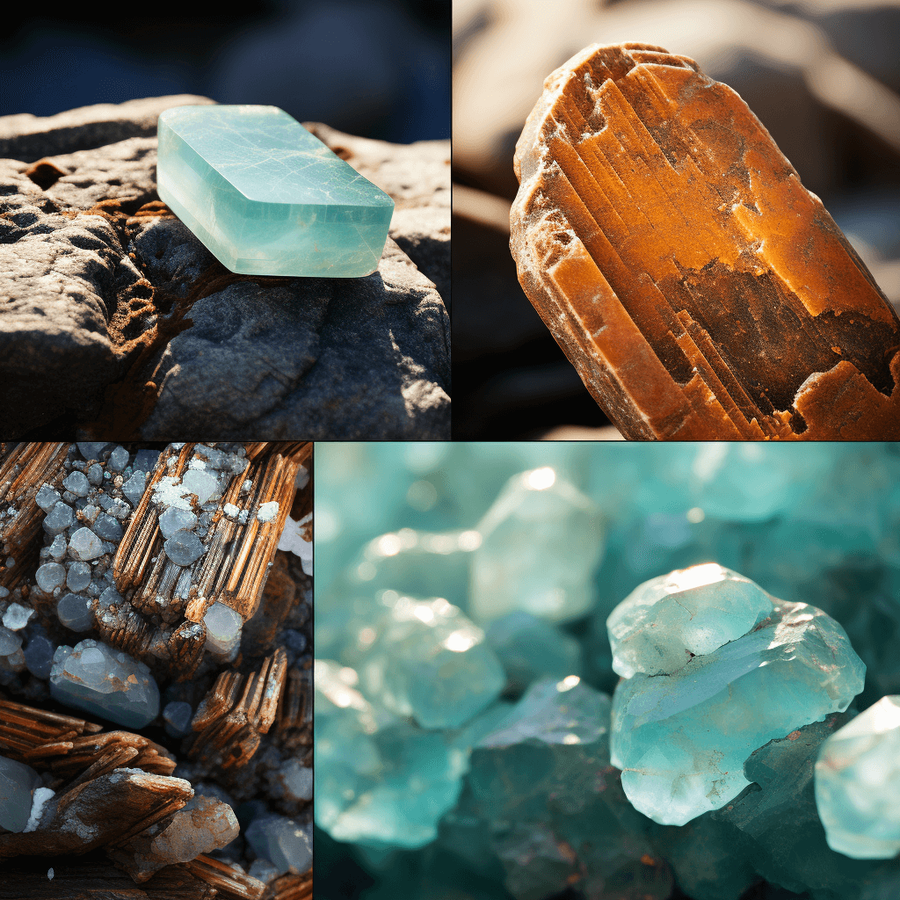
Amazonite’s captivating hues and patterns have made it a favorite not just among spiritual practitioners, but also among artisans, designers, and homeowners. Its versatility extends beyond metaphysical uses, finding its way into various everyday applications.
One of the most common uses of amazonite is in jewelry. Its vibrant color makes it a popular choice for:
Amazonite’s appeal isn’t limited to personal adornment. Its serene vibes make it a sought-after material for home décor items such as:
Amazonite’s durability and resistance to fading make it an excellent choice for outdoor décor elements, such as garden ornaments or patio tabletops, where it can retain its vibrant color even when exposed to the elements.
Whether you’re wearing it or using it to beautify your living space, amazonite brings a touch of nature’s serenity to your everyday life.
Amazonite, with its captivating hues and patterns, deserves proper care to maintain its beauty and integrity. Whether you own an amazonite necklace, ring, or a decorative artifact, understanding the right care practices can ensure its longevity and luster.
By following these care guidelines, you can ensure that your amazonite pieces remain as vibrant and captivating as the day you acquired them.
Amazonite, with its distinctive blue-green hue, often gets compared to other gemstones that share a similar color palette. Understanding the differences between these stones can help in making informed decisions, whether for jewelry, healing practices, or décor.
| Stone | Characteristics | Benefits |
|---|---|---|
| Amazonite | Blue-green feldspar mineral with a vitreous luster. | Known for promoting communication and soothing energies. |
| Turquoise | Opaque blue to green mineral that’s often veined or mottled. | Revered as a protective stone and symbol of wisdom. |
| Aventurine | Translucent quartz with shimmering inclusions, typically green. | Believed to bring luck and enhance creativity. |
| Jade | Either nephrite or jadeite, comes in various colors but commonly green. | Associated with purity, serenity, and attracting love. |
| Chrysocolla | Blue-green mineral with a vitreous to dull luster. | Known for encouraging compassion and strengthening emotional bonds. |
While these stones may appear similar in color, each has its unique properties, benefits, and uses. Whether you’re drawn to the protective nature of turquoise, the luck-bringing properties of aventurine, or the soothing energies of amazonite, understanding these differences can help you choose the stone that aligns best with your needs and preferences.
Amazonite’s increasing popularity has led to a surge in its demand. However, as with many gemstones, there’s a risk of encountering imitations or lower-quality stones. If you’re considering purchasing amazonite, it’s crucial to arm yourself with knowledge to ensure you’re getting genuine, high-quality pieces.
Begin with a close examination of the stone:
When purchasing from a seller, especially online:
While amazonite is relatively affordable, prices can vary based on the stone’s quality and size. It’s wise to compare prices from multiple sellers and consider the stone’s clarity, color depth, and size.
If you’re making a significant investment or are unsure about a piece’s authenticity, consider seeking a gemologist’s opinion. They can provide insights into the stone’s quality and authenticity.
By being informed and vigilant, you can ensure that your amazonite acquisition is genuine, allowing you to enjoy the stone’s beauty and benefits to the fullest.
Amazonite is renowned for its soothing energies, promoting communication, and balancing emotions. It’s also believed to dispel negative energies and help in emotional healing.
Amazonite carries a calming and harmonizing energy, often associated with the Heart and Throat chakras. It aids in promoting clear communication and emotional balance.
While amazonite is primarily known for its calming energies and promoting communication, it can also help in opening the heart, potentially attracting love and fostering existing relationships.
Amazonite is often associated with feminine energies due to its nurturing and calming properties. However, anyone, regardless of gender, can benefit from its energies.
No, amazonite and moonstone are distinct minerals. While both may have a similar blue-green hue, moonstone is known for its adularescence – a unique play of light – which amazonite does not possess.
Amazonite is relatively common, with significant deposits found in places like Russia, Madagascar, Brazil, and the USA. However, high-quality amazonite with deep, clear colors can be rarer and more valuable.
No, amazonite does not naturally glow in the dark. Some minerals exhibit fluorescence under UV light, but amazonite is not known for this property.
Many believe that sleeping with amazonite can promote calmness and soothe restlessness, making it beneficial for a peaceful night’s sleep. However, individual experiences may vary.
Activating a stone typically involves setting an intention for it. Hold the amazonite in your hand, close your eyes, and focus on your intention or what you want the stone to help you with. Some also cleanse the stone using smudging or moonlight before activation.
While occasional contact with water won’t harm amazonite, it’s best to avoid prolonged exposure. Over time, water can affect the stone’s luster and quality.
Amazonite can be placed in spaces where calmness is desired, like bedrooms or meditation areas. If used for its communication properties, placing it near spaces of dialogue, like living rooms, can be beneficial.
Amazonite is considered a medium to high vibration stone, known for its harmonizing and balancing energies.
While short exposure to sunlight won’t harm amazonite, prolonged exposure can fade its color. It’s best to keep it away from direct sunlight for extended periods.
What selenite crystal really means, its spiritual powers, ancient origins, and simple rituals to cleanse your space and calm your …
Uncover citrine's true meaning, spiritual power, and healing uses — the golden crystal for abundance, confidence, and joy.
Discover labradorite's meaning, Inuit legend, healing properties, chakra uses, dream symbolism, and how to work with this shimmeri…