 Know
Know
Jewelry & Fashion
What Is Platinum? Properties, Value & Care Guide
Discover what platinum really is, why it costs more than gold, and how to keep it brilliant for a lifetime of wear.
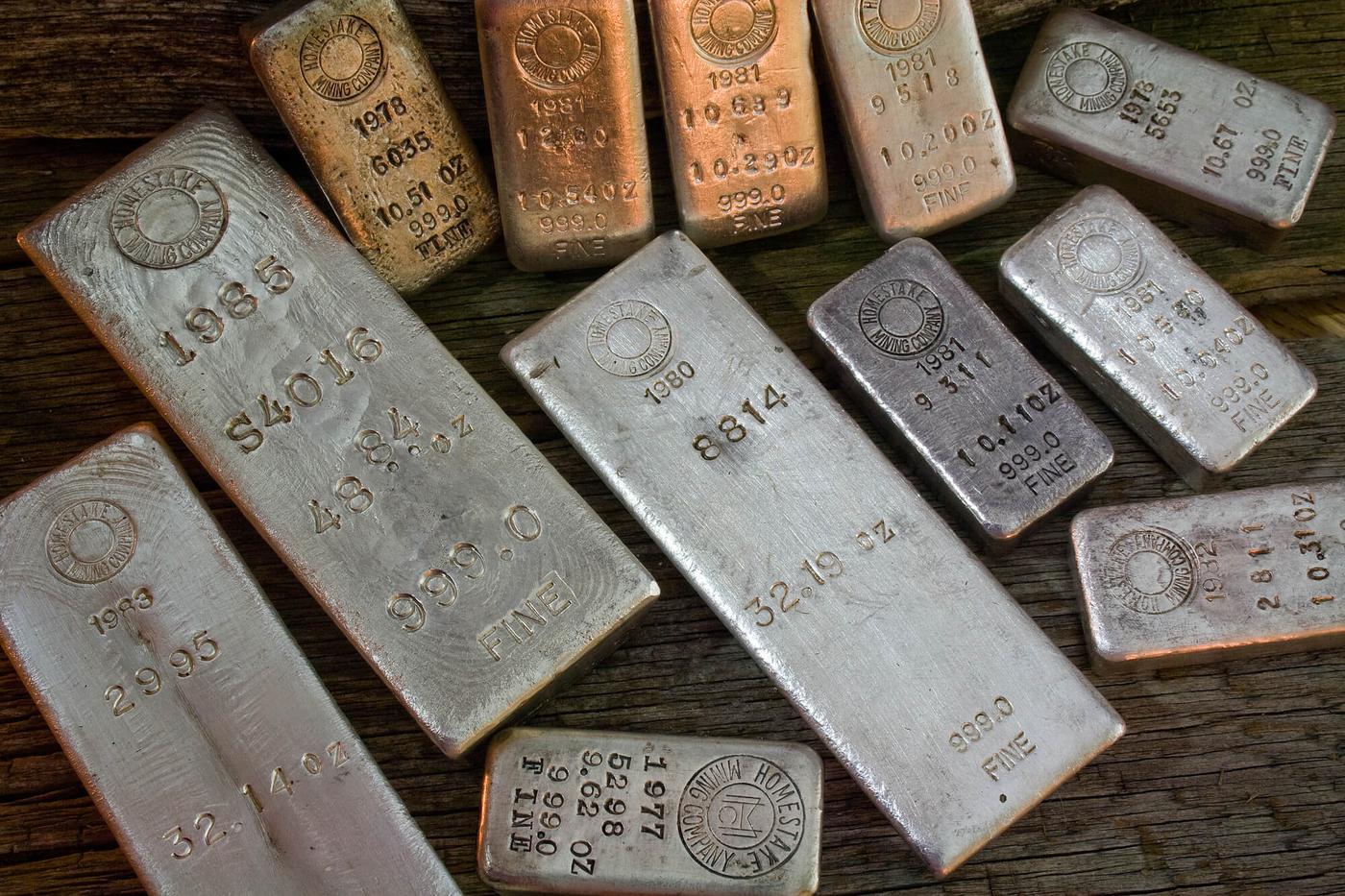
Silver, a white and shiny in appearance precious metal has been known to mankind for over five thousand years. Its reputation as an elite matter actually goes back to the early civilizations of the Near East and Asia Minor. Since at that time silver was being extracted with lead, it was closely related to a mining process since usually it is found in ores for this particular metal.
By 3000 b.c., there were already established processes for the refinement of silver metal in ancient Mesopotamia, one of the cradles of human civilization. As human societies and trading networks continued to evolve, the rarity, beauty, and malleability of silver products as well as its antibacterial characteristics contributed to its increasing demand. The rising demand for the precious commodity and the unique traits made the use of silver as a common medium of exchange in various forms of coins in ancient economies like those of the Greeks, Romans, as well as Chinese.
During the Middle Ages and into the Modern period, new deposits of silver were discovered and tapped in Central Europe, Mexico, Peru, and the United States, assuring an ample and well-distributed supply. Those large, culturally rich deposits enabled European and later global commerce, making silver a foundation stone of the world trading system.
From ornate decorations and religious artifacts to coins and the finest quality of utensils, silver has found usage in wide and varied ways over centuries. Its application as a precious metal in jewelry remains the same while its excellent conductivity has seen it being used extensively for electronics in the last century.
Thus the various grades and types of silver as we know today have been in development over the centuries that include sterling, coin, and the fine silver that serve a different purpose at various domain. The versatility of the metal has therefore fueled continuous technology-driven developments aiming to create novel forms of silver, such as Argentium and silver-filled products, thereby opening up possibilities for its practical use.
Today, silver continues to assume a singular place of importance for our society – testament of its everlasting allure and utility. Whether in the form of sophisticated jewelry or valuable antiques, or through new formulations for innovative industrial applications, the legacy of silver shines bright as ever.
Silver, known for its lustrous color and conductivity, is a precious metal used for many things such as jewelry, silverware, electronics and so much more. Silvers are often alloys with other metals to give them strength and durability. Depending on the amount of silver and the metal used for alloying, creates various types of silver with each set endowed with unique properties and uses.
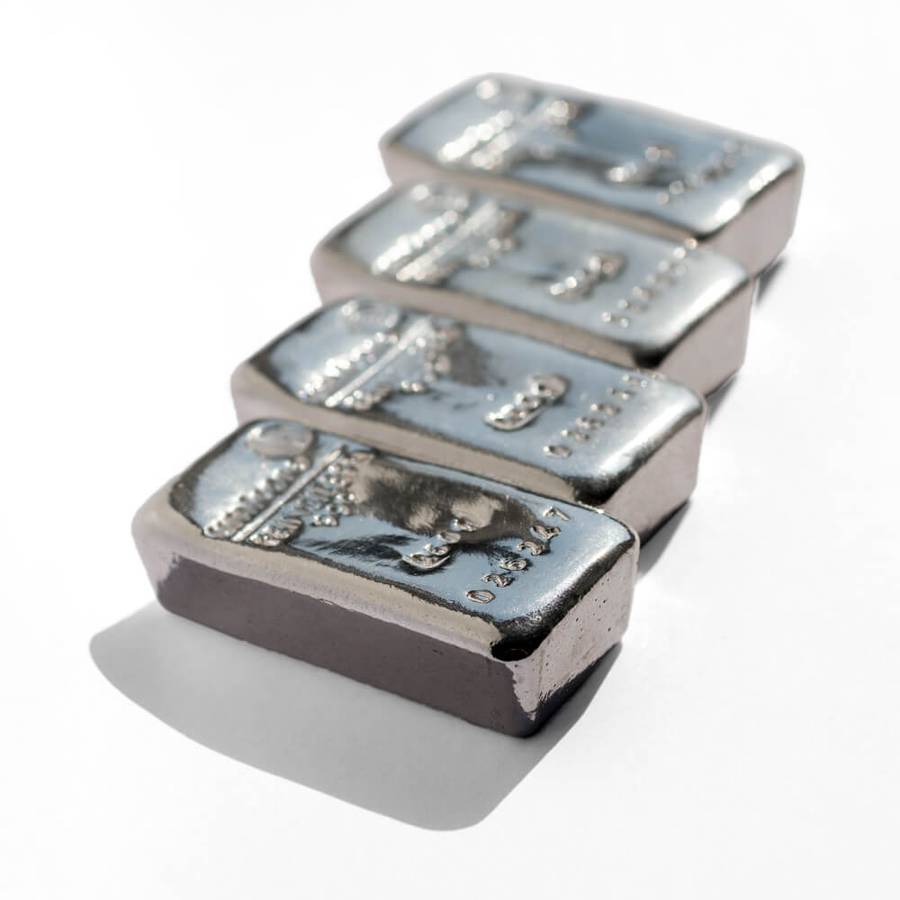
These are ten kinds of silver, differently pure, durable as well as applicable:
This is composed of 92.5% silver and 7.5% other metals like copper.
This blend increases its hardness making it suitable for a wide range of uses, from jewelry to flatware, at a more affordable price than fine silver. Sterling silver, perhaps the most popular type of silver in general use found all over the world and with a history going back to around the 12th century.
Understanding these variances can help the consumer make a more-educated decision as to the type of silver that best meets their needs-whether in the purchase of jewelry or investment pieces or other products featuring the use of silver.
Silver grades usually refer to the composition of pure silver and other metals in an alloy. Some of the common grades, together with their compositions and a brief history of their use, are briefly discussed in this section:
| Grade | Composition | Popularity | History | Uses |
|---|---|---|---|---|
| Fine Silver | 99.9% silver, 0.1% other metals | Less popular due to softness | In use for millennia | Decoration, investment |
| Sterling Silver | 92.5% silver, 7.5% copper | Very popular | In use since about the 12th century | Jewelry, utensils, musical instruments |
| Argentium Silver | 93.5%, 96% silver, balance germanium and copper | Increasing popularity | Invented in the 20th century | Bijouterie |
| Coin Silver | 90% silver, 10% copper | Less popular today | Formerly for US coins | Antique coins, vintage coins |
| Silver 800 | 80% silver, 20% other metals | Less popular | Extensively in the 19th and 20th centuries | Utensils, antiques |
| Britannia Silver | 95.84% silver, 4.16% copper | Less popular due to higher cost | Brought in Britain in 1697 | Special functions, collectibles |
| Mexican Silver | 92.5% to 95% silver, balance copper | Fairly popular | Mexico traditional | Jewelry, decoratives |
| Tibetan Silver | Minimal silver content, mostly copper, nickel, zinc | Less popular due to minimal silver content | Tibet traditional | Beads, cheap jewelry |
| Nickel Silver | 0%, a mix of copper, nickel, zinc | Purely for appearance, not value | Also called German silver | Dress jewelry, modeler items |
| Silver-Plated | Minuscule silver content, base metal core | Popular due to affordability | Developed by electroplating technology | Crude jewelry, decoratives |
Which is better 925 or 950 silver? The numbers 925 and 950 are indicating the amount of silver to other metals in an alloy out of 1000 parts.
So, 925 means that the alloy is close to sterling silver with 92.5% part being silver while in 950 it’s something like Britannia Silver with 95% part comprising of silver.
While 950 silver is higher in silver content and hence more valuable, it is softer and has less potential for damage and wear than compared to 925 silver.
925 silver holds the recommendation for most applications due to beauty and durability.
What kind of silver is the best?
The “best” kind of silver depends on its use.
When it comes to jewelry that needs to deal with daily wear, such as rings or bracelets, sterling silver (925) is a great choice because it is very durable and shiny.
Fine silver (999) is believed to be often the best for investment purposes due to its high purity.
Argentium silver, known for its extreme tarnish resistance, is making inways in the high-end jewelry.
Discover what platinum really is, why it costs more than gold, and how to keep it brilliant for a lifetime of wear.
Lab-grown vs natural diamonds compared: origin, price, resale value, ethics, and meaning — choose the right stone with confidence.
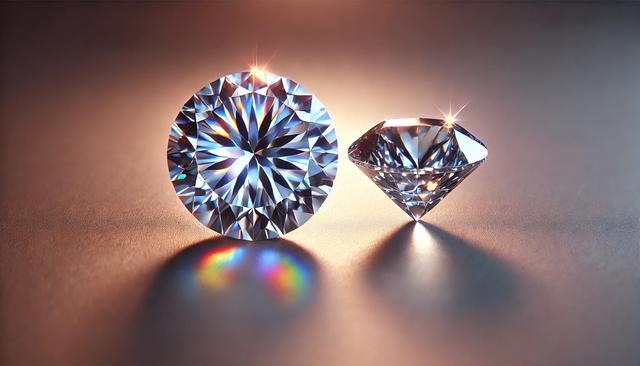
Moissanite, a gemstone lauded for its exceptional brilliance and striking similarity to diamonds, has become an increasingly popul…