 Know
Know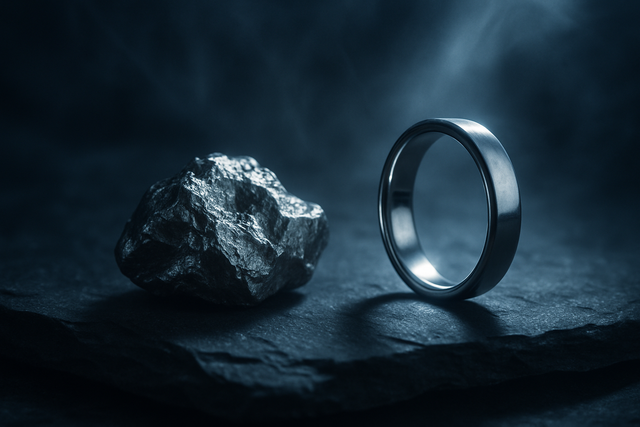
Jewelry & Fashion
What Is Platinum? Properties, Value & Care Guide
Discover what platinum really is, why it costs more than gold, and how to keep it brilliant for a lifetime of wear.
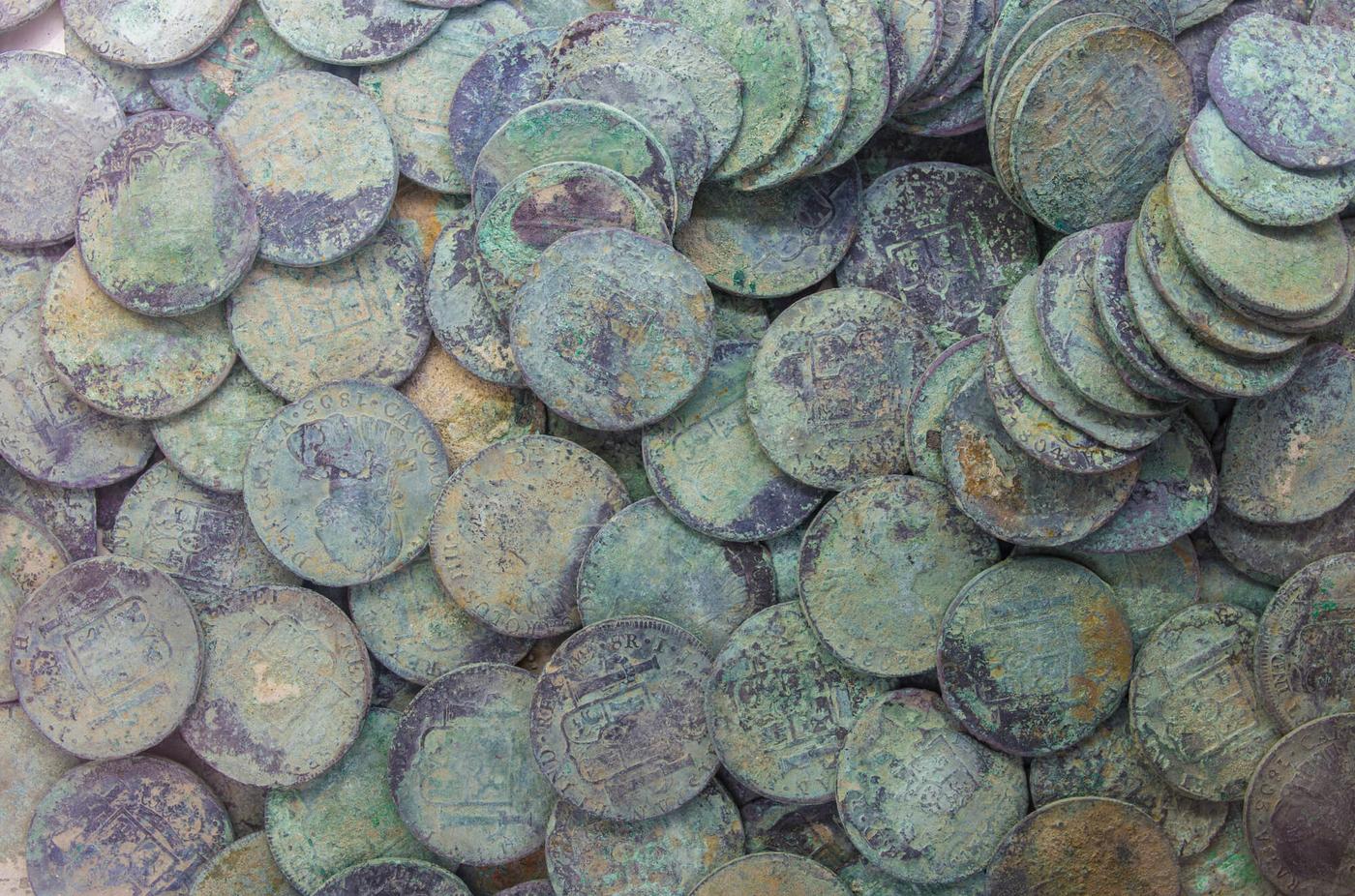
Above all precious metals stands the sterling silver, an alloy predominantly composed of pure silver, which has enamored the world with its luminous beauty and versatile application. This cherished metal, utilized across various industries from jewelry to utensils to musical instruments, owes its robustness and durability to the added metals in its composition.
But what is sterling silver, as well as how does it differ from pure silver? Silver in its pure form is a malleable metal that damages easily. It is not suitable for products entailing resilience since its softness makes it perfect for crafting intricate designs, but also makes it prone to damage. Hence enters sterling silver, an alloy of which pure silver takes 92.5%, and the rest of the 7.5% mostly comprises other metals, chiefly copper. The addition of copper adds strength and durability to the metal without this resilience detracting from its inherent beautiful luster, and thus is born the robust and radiant sterling silver we know and love.
In our journey of discovery in the world of sterling silver, the word ‘tarnish’ is sure to have come up. Tarnishing, or oxidization, is a natural process going on when the metal reacts with certain elements in the air or with the chemicals present in our skin. It results in a layer of corrosion on the surface of the metal, often giving it a dull and discolored appearance.
Though, tarnishing takes place on all the metals but, it appears to take place swift on sterling silver because of contributed copper in it. When the sterling silver exposed to air with different chemicals or gases present in it or any other chemical, it react over a passage of time to form silver sulfate, which will be black color known as tarnish.
The reason why sterling silver has the propensity to tarnish is due to its composition. Copper – which is mixed with pure silver to give us sterling silver – is a highly reactive metal, and thus, it tends to oxidize quite easily. This oxidation process creates copper oxide, which manifests as a usually black, dull film on the outer layer of sterling silver piece in question.
Understanding these elements is really essential in maintaining the beauty of sterling silver. By managing
these factors and apply proper care routines one can slow down the tarnishing process and advance significantly his or her sterling silver items longevity.
Paying a close look at the early symptoms and signs of tarnishing is very crucial in the maintenance of sterling silver. First, new tarnished sterling silver may show little tint that comprises of yellow. Afterward, with time, it will darken to colours such as deep brown or even black unless it is cleansed. Often, the initial occurrence of discolouration is found in hard-to-reach cracks and fine detailing while it usually grows from there on and covers the rest of the surface.
However, the rate of tarnish for sterling silver may range a great deal based on factors such as the moisture content in the air, exposure to some chemicals, the degree of usage, among others, and also personal skin chemistry. Some may experience no evidence of tarnishing but appear polished for even weeks or months.
Tarnishing, basically, is a chemical reaction. It occurs when sterling silver interacts with things that contain sulfur within the air, releasing silver sulfide, hence the darkness which people generally refer to as tarnish. This process of corrosion is much alike to the rusting of iron after exposure to moisture.
Sulphur sets a big role in this process. In most of the urban environments, sulphur is found in the atmosphere as a result of burning the fossil fuel. It can also be found in various day to day products such as wool, rubber, certain types of food and even the skincare products. Whenever sulfur comes into contact with sterling silver, a chemical reaction is then encouraged that then proceeds to produce silver sulfide and therefore causes the surface of the sterling silver to tarnish or discolor.
But just because sterling silver naturally tarnishes doesn’t mean that’s it’s fate! With some savvy care, you can keep that gleam going strong. Let’s dive into how.
With a sprinkling of prevention and touch of care, your sterling silver will year after year, shimmer and shine.
Interestingly enough, not all tarnish is unwanted.
In some cases, these defects that cause the tarnishing can lend to the character and unique nature of a piece, adding that vintage charm that so many are seeking. This is especially the case when it comes to any kind of antique or vintage sterling silver, where tarnish can even bring out delicate detailing instead of obscuring it, thereby enlivening the depth and complexity in which the design was originally intended.
Meanwhile, a balance should be observed so as not to let the tarnish go overboard and blur the design and eventually damage the piece. Should you wish to authenticate your antique silver items but you are unsure of just how much tarnish must be present on it, consulting from a professional is deemed wise.
Gold particularly in higher karats tarnishes poorly as it is a relatively inert material. Platinum has similar tarnish resistance levels and it remains its appealing white nature.
Stainless steel is another metal that does not tarnish well owing to its chromium content, which forms a protective layer on the surface preventing oxidization.
While it might take a bit more care to prevent the tarnish, sterling silver offers a combination of beauty, versatility, and affordability that have made this material popular with consumers around the world.
With proper care and maintenance, one can be able to maintain sterling silver shine through time. So if you want to read more about the types of silver, then here you go – types of silver.
| Metal | Tarnish Resistance | Notes |
|---|---|---|
| Sterling Silver | Low | Tarnishes due to the reaction with sulfur in the environment. Regular tarnish can be cleaned off through maintenance and cleaning practice. |
| Gold | High | The higher karat, the more resistant to tarnishing. No reaction exists between gold with components in the air. |
| Platinum | High | Platinum maintains color and luster charges excellently over time with a high resistance to tarnish. |
| Stainless Steel | High | The existence of chromium elements on stainless steel well resists tarnish due to the formation of a layer that protects its surface from corrosion. |
Sterling silver, with all its shining power and durability, has become quite a contender among the precious metals. However, its susceptibility to tarnish due to its component and environmental factors is something the users should be aware of. This comes in form of tarnishing, a natural oxidization process that produces a dull or discolored layer surface of the pure sterling silver caused mainly by reaction of copper content of the alloy with sulfur in the atmosphere.
Though tarnishing can be a setback in any way, with regular cleaning and precautionary measures, it is a challenge that well can be looked after. Proper storage, routine cleaning, and use of anti-tarnish products can significantly slow down the process. And if your sterling silver tarnishes, there are a variety of cleaning methods from home remedies to professional services that can help return it to its original shine.
While the popularity of sterling silver may tarnish more quickly as compared to the other popular jewelry metals like gold, platinum or stainless steel, its unique beauty, versatility and affordability still make it an endearing choice for many a most people. If taken a proper care of and with attention, then your sterling silver can remain shining bright as you fell in love on first day.
Discover what platinum really is, why it costs more than gold, and how to keep it brilliant for a lifetime of wear.
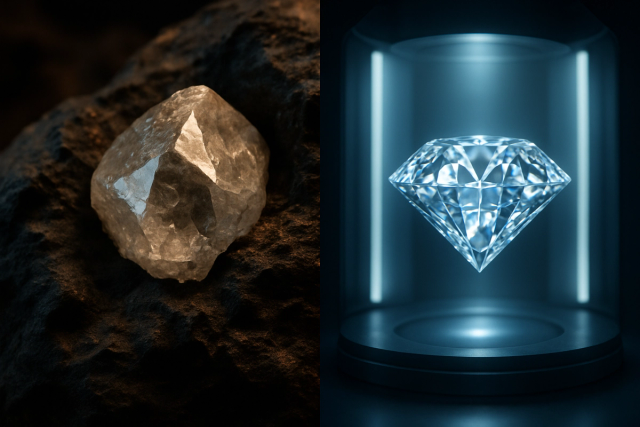
Lab-grown vs natural diamonds compared: origin, price, resale value, ethics, and meaning — choose the right stone with confidence.
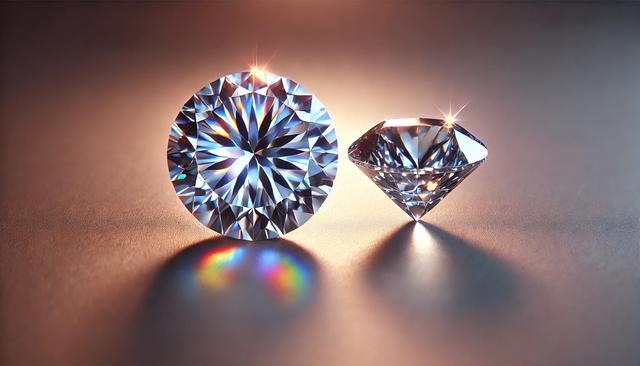
Moissanite, a gemstone lauded for its exceptional brilliance and striking similarity to diamonds, has become an increasingly popul…