 Know
Know
Jewelry & Fashion
What Is Platinum? Properties, Value & Care Guide
Discover what platinum really is, why it costs more than gold, and how to keep it brilliant for a lifetime of wear.

When choosing jewelry, the choice between silver and white gold often stumps many. Both metals have their unique appeal and uses, which makes it important to understand their differences to make an informed decision. This article aims to provide a comprehensive comparison of silver and white gold, discussing their composition, physical properties, uses in jewelry, pricing, and more.
Silver, a precious metal, has been used for centuries in various cultures for its luster and malleability. It’s often used in jewelry, tableware, and various industrial applications. Its purity is usually denoted in ‘sterling’, with sterling silver being 92.5% pure silver mixed with other metals for durability.
White Gold is an alloy created by combining pure gold with white metals such as palladium or silver, and often coated with a layer of rhodium for durability and shine. Its purity is measured in karats, similar to yellow gold, with 14K and 18K being popular choices for jewelry.
| Aspect | Silver | White Gold |
|---|---|---|
| Purity | Sterling Silver (92.5% Silver) | Typically 14K or 18K (58.3% or 75% Gold) |
| Color | White with a greyish tone | White with a yellowish or greyish tone, often plated with rhodium for a whiter appearance |
| Common Uses | Jewelry, Tableware, Coins, Industrial uses | Jewelry |
In the following sections, we will delve deeper into the aspects of these metals, helping you determine which one might be a better fit for your needs.
At a glance, silver and white gold might appear similar due to their white metallic sheen. However, their composition and properties set them apart in significant ways. Here, we explore the unique elements that make up silver and white gold.
Silver is a pure elemental metal known for its brilliance and versatility. The silver used in jewelry and tableware is usually ‘sterling silver’, composed of 92.5% silver and 7.5% other metals, usually copper. The addition of copper gives the silver increased durability while maintaining its desirable attributes. Other types of silver include fine silver (99.9% pure) and argentium silver (93.5% or 96% silver with germanium for increased tarnish resistance).
Unlike silver, white gold is not a naturally occurring metal but an alloy. It’s created by mixing pure gold with other white metals like palladium, nickel, silver, or zinc. This process gives the gold a white hue, but it’s usually not white enough to resemble silver or platinum. Therefore, most white gold jewelry is rhodium-plated to enhance its whiteness and provide a protective layer.
While both silver and white gold contain other metals for added strength, the choice between the two often comes down to personal preference, budget, and the intended use of the piece.
Though they might look similar, silver and white gold have distinct physical properties that influence their appearance, durability, and suitability for different types of jewelry. The table below presents a comparison of their key characteristics.
| Property | Silver | White Gold |
|---|---|---|
| Color | Silver has a bright white color, but can tarnish over time, developing a blackish hue due to oxidation. | White gold has a pale yellow undertone, and is often rhodium-plated for a whiter appearance. |
| Hardness | Silver is softer and less durable, making it prone to scratches and wear over time. | White gold is harder and more scratch-resistant, especially in higher karats. |
| Maintenance | Silver requires regular cleaning to maintain its luster and prevent tarnish. | White gold requires re-plating over time to maintain its white sheen. |
| Price | Silver is generally more affordable due to its abundance. | White gold is more expensive due to the presence of gold and the rhodium plating process. |
| Allergenic Potential | Silver is generally hypoallergenic, making it suitable for sensitive skin. | White gold can sometimes cause allergic reactions, particularly if it contains nickel. |
Understanding these properties can help you make an informed decision based on your lifestyle, budget, and aesthetic preferences.
Durability and longevity are crucial factors to consider when choosing between silver and white gold. These materials behave differently over time, affecting how your jewelry looks and lasts. Let’s compare their durability and longevity in the table below.
| Aspect | Silver | White Gold |
|---|---|---|
| Scratch Resistance | Being softer, silver is more susceptible to scratches and dents. | White gold is more resistant to scratches due to its hardness. |
| Tarnish Resistance | Silver tends to tarnish over time, requiring regular cleaning and polishing. | White gold does not tarnish, but it may yellow over time and require re-plating. |
| Longevity | While durable, silver might show signs of wear more quickly. | With proper care, white gold can maintain its luster and structural integrity for a longer time. |
Both silver and white gold have their strengths and weaknesses in terms of durability and longevity. Your choice depends on your personal preferences, the type of jewelry, and how often you intend to wear it.
While both silver and white gold have a similar white-grayish color, there are subtle differences in their aesthetics that might influence your choice:
The choice between white gold and silver often comes down to personal preference and the specific design and style of the jewelry piece.
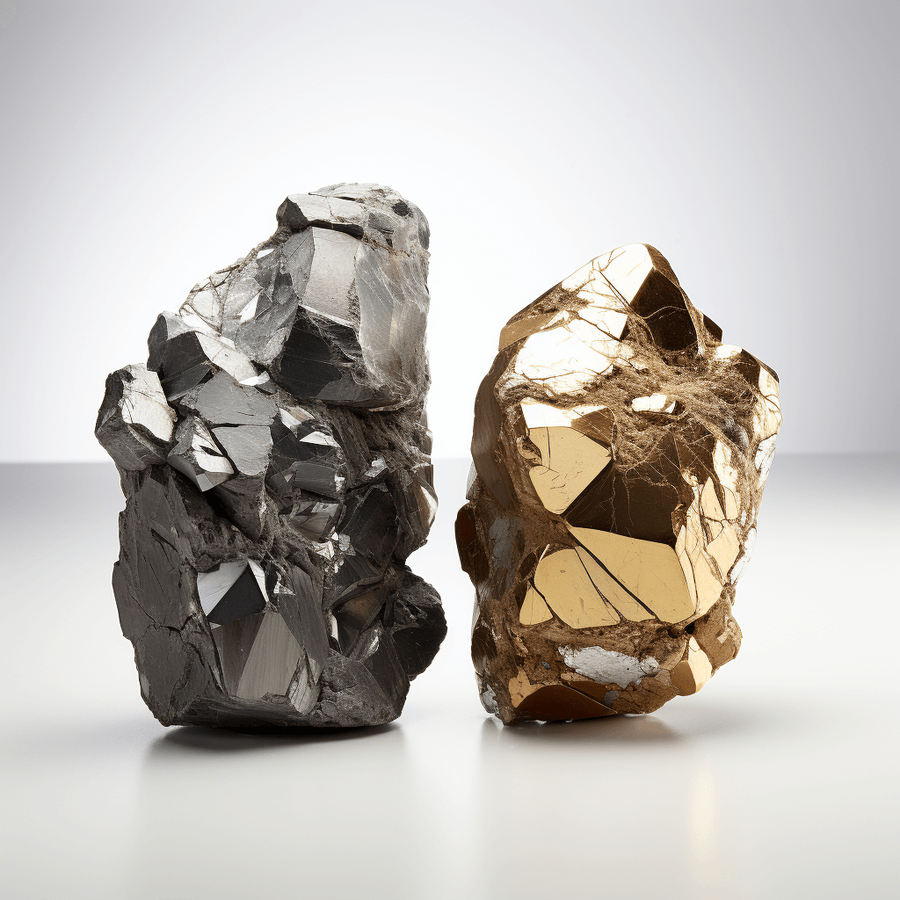
Price is another significant factor when choosing between silver and white gold. Let’s break it down:
Ultimately, whether silver or white gold is better for you will depend on your budget, the importance and usage of the jewelry piece, and your personal style preferences.
Proper maintenance and care can prolong the life and beauty of your jewelry, whether it’s silver or white gold:
For both metals, it’s recommended to remove your jewelry during manual tasks to prevent physical damage. Furthermore, try to avoid contact with harsh chemicals, including cleaning products or beauty products, as they can damage the metal and stones.
People with sensitive skin might be curious about the allergenic potential of both silver and white gold:
Always consult with your jeweler to understand the composition of your chosen piece if you have known allergies to specific metals.
Both silver and white gold hold significant value in the market, but they differ in certain aspects:
However, the market value of your jewelry will also be influenced by factors like brand, craftsmanship, and the presence of gemstones.
Both silver and white gold have been ascribed various symbolic meanings across different cultures and times:
White gold was first created in the 1920s as a more affordable alternative to platinum, which was highly sought after during the Art Deco period. Today, it’s appreciated for its own unique properties and aesthetics.

The mining processes for both silver and white gold can have substantial environmental impacts:
It’s crucial to support companies that prioritize responsible mining practices and recycling when purchasing jewelry.
Silver and white gold have rich histories that have influenced their use and value over time:
Choosing between silver and white gold depends on various factors, such as budget, personal style, and maintenance preferences. Here’s a comparison to guide your decision:
| Silver | White Gold | |
|---|---|---|
| Budget | Generally less expensive. A good option for those on a tight budget. | More expensive due to its gold content and the complex process of creating white gold. |
| Style | Offers a vintage and casual look. Ideal for everyday wear. | Provides a sleek and modern appearance. Often chosen for engagement rings and other formal jewelry. |
| Maintenance | Requires regular polishing to maintain its shine as it tarnishes over time. | Needs occasional rhodium plating to maintain its white sheen. However, it doesn’t tarnish like silver. |
| Longevity | Softer and more prone to scratching. However, with proper care, it can last a long time. | Durable and resistant to scratches. Excellent for jewelry that will be worn daily. |
| Allergenic Potential | Silver jewelry is usually hypoallergenic, unless mixed with nickel in some alloys. | White gold can cause allergies due to the presence of nickel, though newer alloys use other metals to mitigate this issue. |
Both silver and white gold have their unique advantages. The choice between them ultimately comes down to your personal preferences and needs.
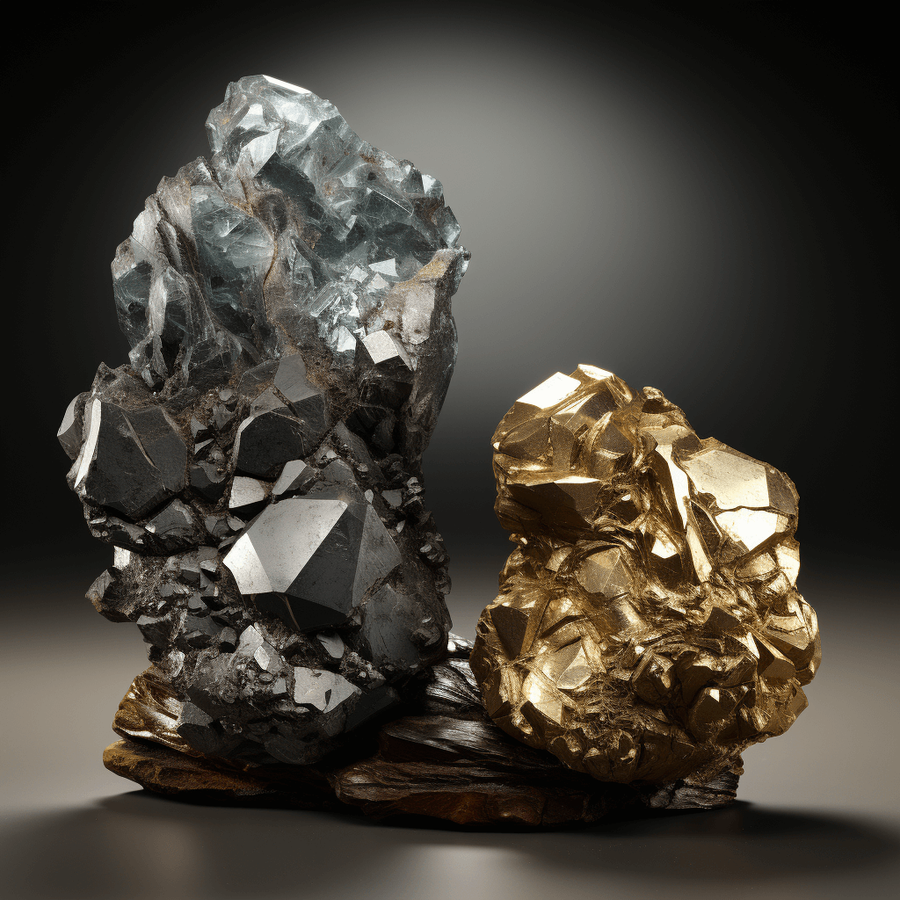
Let’s examine how silver and white gold are used in popular types of jewelry to further illuminate their differences and unique advantages.
When it comes to engagement rings, white gold is the more popular choice due to its durability and luxurious appearance. Its resistance to wear and tear makes it ideal for a piece of jewelry that’s meant to last a lifetime. Silver, while beautiful, can be prone to scratching and may not withstand everyday use as well.
Both silver and white gold can be excellent choices for earrings. Silver is a good option for casual, everyday earrings due to its affordability. White gold, on the other hand, adds a touch of elegance and sophistication, making it a popular choice for formal earrings or those studded with precious stones.
White gold is often used for high-end necklaces and pendants, particularly those that feature diamonds or other gemstones. Silver can be a great option for trendy, fashion-forward designs or more casual styles, thanks to its cool, versatile sheen and lower cost.
Silver is frequently used in charm bracelets and casual bangle designs, whereas white gold is more commonly seen in formal and fine jewelry bracelets. The choice between silver and white gold for bracelets often comes down to the occasion and the wearer’s personal style.
Regardless of the type of jewelry, the choice between silver and white gold is often a matter of personal preference, budget, and the piece’s intended use.
The choice between silver and white gold ultimately comes down to your personal preference, budget, and the specific requirements of the jewelry piece. Each has its own distinct advantages and unique beauty.
Consider the wear and tear the jewelry will endure, the symbolism you wish to convey, your budget, and your personal style. Remember, the value of a piece of jewelry is not only in its material but also in its meaning and the joy it brings to the wearer. Whether you choose silver or white gold, your jewelry can serve as a cherished keepsake for years to come.
White gold is generally more expensive than silver due to its composition. It’s often mixed with other precious metals, and it contains a higher percentage of gold compared to silver.
10k white gold is more durable than sterling silver due to its higher gold content. However, whether it’s “better” will depend on personal preferences and the specific use of the jewelry piece.
No, sterling silver and white gold are not the same. Sterling silver is an alloy made of 92.5% silver and 7.5% other metals, usually copper. White gold is an alloy of gold and at least one white metal, often palladium or nickel, and is often plated with rhodium.
No, pure gold is generally more expensive than pure silver due to its rarity and higher demand in various industries.
Choosing white gold over silver could be due to several reasons, including durability, desiring a different color, and preference for a higher value metal. It’s also less likely to tarnish compared to silver.
It’s generally recommended to remove white gold jewelry when showering to prevent potential damage from soap and chemicals.
One way to differentiate white gold from silver is through hallmarks or stamps on the jewelry. You can also look at the color – silver has a cooler tone, while white gold tends to have a slight yellow hue due to the gold content.
Discover what platinum really is, why it costs more than gold, and how to keep it brilliant for a lifetime of wear.
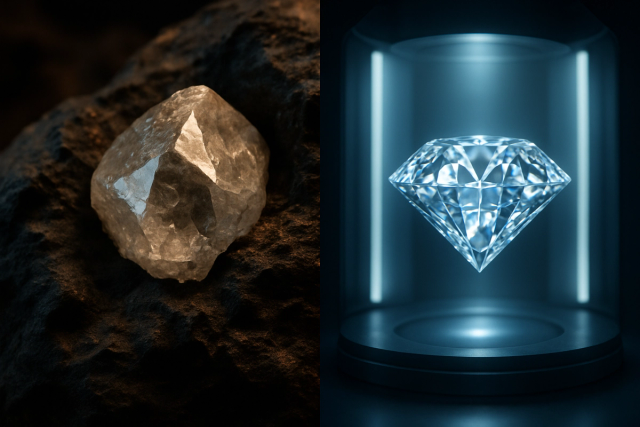
Lab-grown vs natural diamonds compared: origin, price, resale value, ethics, and meaning — choose the right stone with confidence.
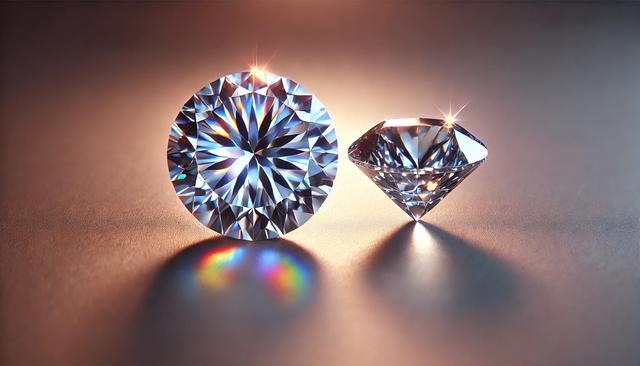
Moissanite, a gemstone lauded for its exceptional brilliance and striking similarity to diamonds, has become an increasingly popul…