Not just romantic fluff—discover the layered emotion behind one of today’s most misunderstood emojis.
What Is the Double Heart, Really?
You’ve probably seen it before—two hearts floating together in pink, trailing slightly apart like they’re dancing mid-air. At first glance, the 💕 emoji seems like just another romantic icon, the kind you toss into a flirty message or slap on an Instagram comment. But there’s more to it.
The double heart is soft and intentional. It’s more than loud passion. It’s the emotional equivalent of lingering eye contact, of checking in at the right moment, or of letting someone know, without words, that they matter.
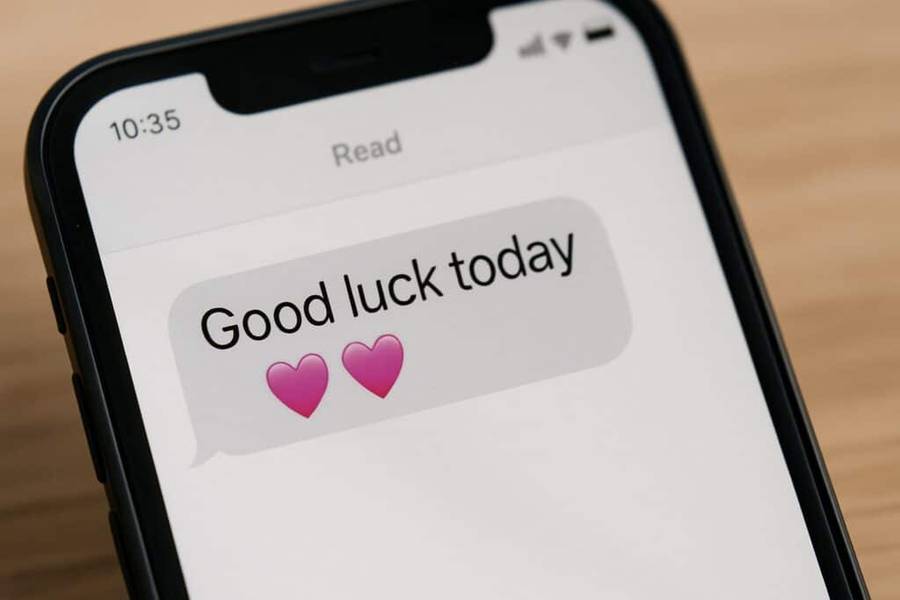
“When Jenna texted ‘Good luck today 💕💕,’ I felt instantly calmer. Somehow, those hearts hit different.”
Let’s explore why this little symbol has such a big emotional footprint.
A Closer Look: What the Double Heart Actually Looks Like
Officially, the symbol is called “Two Hearts” and was introduced in Unicode 6.0 back in 2010. Visually, it usually shows one larger heart followed by a smaller one, or two hearts of equal size, trailing together in gentle harmony. On most platforms, they’re pink—symbolic of warmth, affection, and care that isn’t overpowering.
But the real message often comes from how and where it’s used. A double heart in a caption reads differently than the same emoji in a late-night text, doesn’t it?
Official Unicode Name:
💞 Two Hearts
Introduced:
2010 (Unicode 6.0)
Visual Themes:
Soft, romantic, supportive, warm
The key to the double heart isn’t its design—it’s its timing. Used well, it can feel more intimate than a thousand words.
What It Really Means When Someone Sends You 💕
There’s no single interpretation for the double heart, which is exactly what makes it so powerful. Its meaning bends slightly to fit the context, the relationship, and even the moment.
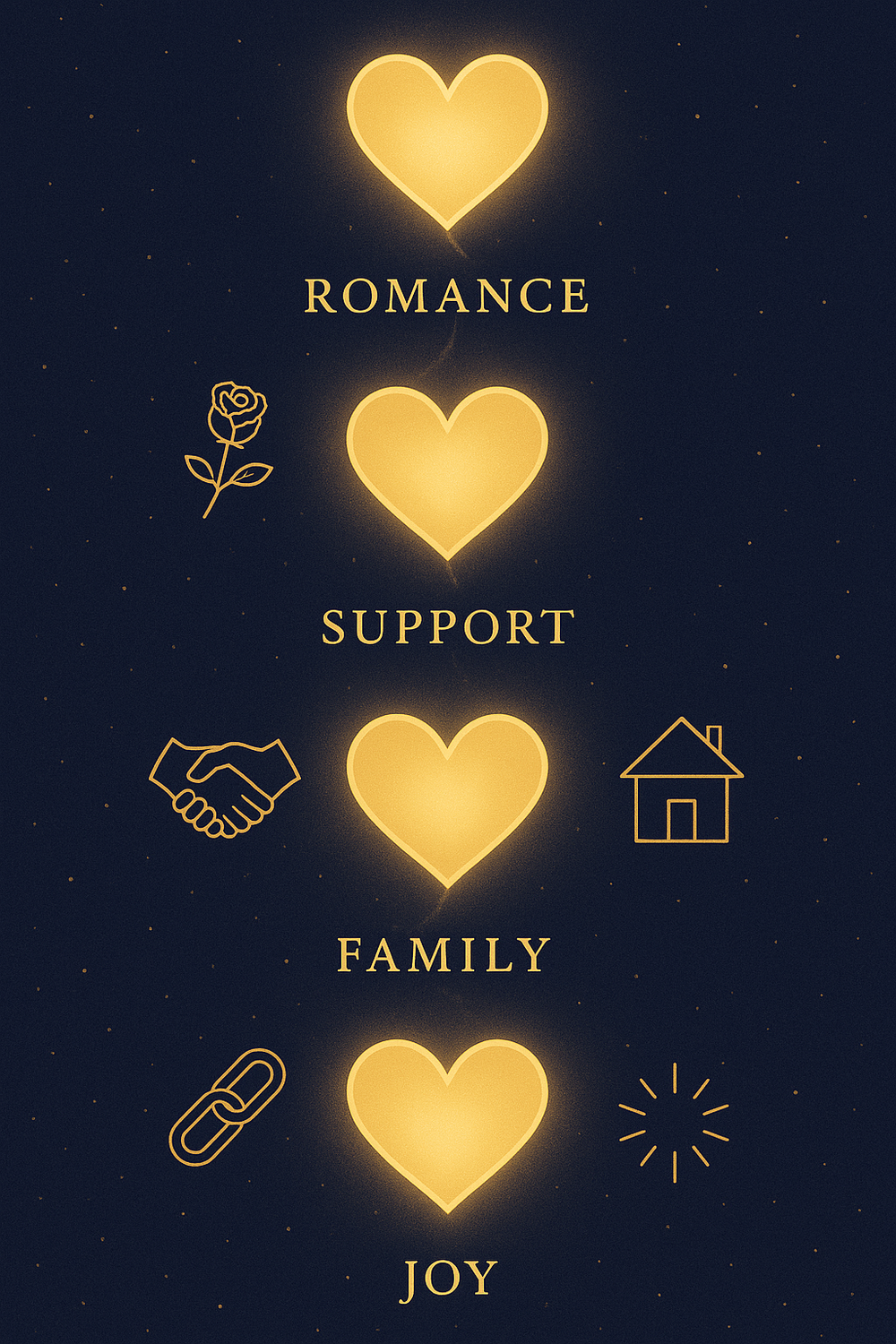
The five emotional meanings behind the double heart symbol.
Here’s what people are often trying to say with 💕:
1. Quiet Romance
It’s often a subtle form of affection—less dramatic than a red heart, less flashy than a sparkling one. It might say, “I like you,” or, “You make my heart flutter a little.”
3. Family Love
Not every heart is romantic. Parents and siblings often send 💕 to one another. It says, “I love you, and I’m here.”
4. Closeness That’s Unspoken
Sometimes it means “we’re connected” without defining how. It can live in the in-between space of romance, friendship, and history.
5. Joyful Energy
Occasionally, people use 💕 just to show they’re excited. Think: “That dress is everything 💕” or “So happy for you 💕💞💖!”
What does the double heart mean?
It often symbolizes warmth, romantic affection, or emotional closeness. Depending on context, it might mean “I love you,” “I’m proud of you,” or simply, “I care.”
Why Platform Matters: Snapchat Isn’t Instagram
One of the quirks of digital language is that the same emoji doesn’t always say the same thing everywhere. On Snapchat, for example, double hearts aren’t something you send—they’re a status badge. If you and someone else are each other’s #1 best friends for two months, Snapchat rewards you with 💕 next to their name.
That’s wildly different from sending the same symbol to someone on Instagram DMs after a vulnerable conversation.
Platform
Meaning of 💕
Snapchat
Indicates #1 Best Friend for two months or more
Instagram
Usually part of a flirty or stylish caption
WhatsApp
Often used to show support, love, or closeness in private chats
iMessage
Feels personal—used in place of deeper emotional language
Just like with words, tone and platform matter. A double heart is a versatile little shape, but it changes meaning depending on where it lands.
Is 💕 Just Another Pretty Heart? Let’s Compare
Not even close. Though it looks simple, 💕 stands apart from other heart emojis. Each heart has its own emotional fingerprint.
💓 Beating Heart: Full of energy and passion—used when love is loud.
💖 Sparkling Heart: Glamorous, sometimes a little performative—perfect for posts.
💞 Revolving Hearts: Shows love that’s mutual, ongoing, or spinning with joy.
❤️🔥 Heart on Fire: Intense, urgent, and sometimes tied to heartbreak.
💕 lives in the quiet space between. It doesn’t shout; it doesn’t flash. It’s the heart that lingers.
Why We Feel So Much From Just Two Little Hearts
There’s a reason why people respond so strongly to emojis—especially heart-based ones. Researchers in digital communication suggest that symbols like 💕 carry the weight of tone, gesture, and nuance that text alone can’t deliver.
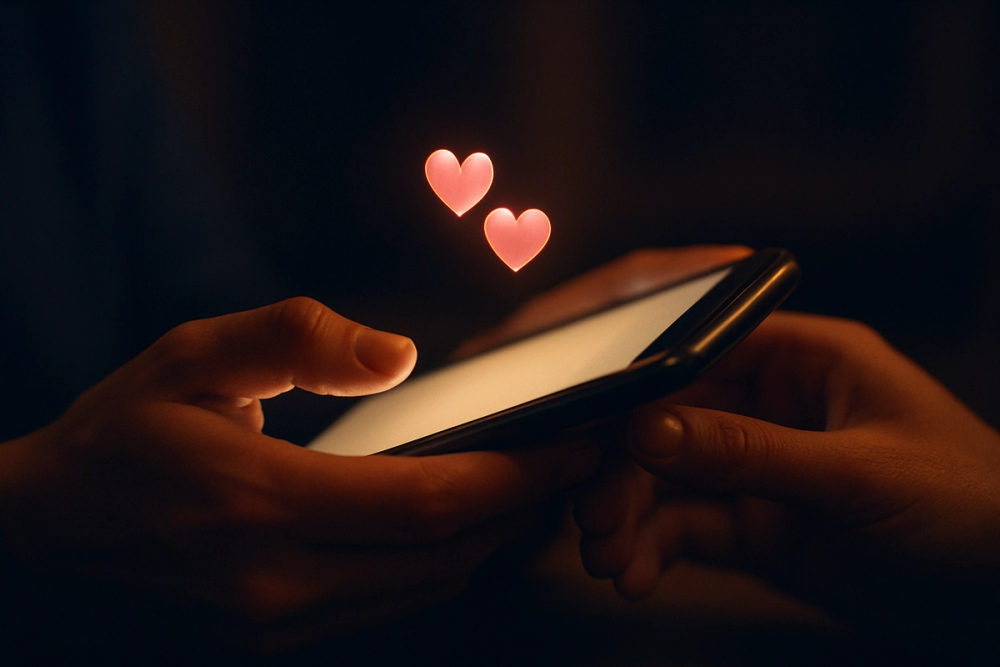
A simple double heart can carry more emotional weight than words.
Think about it: how many times have you reworded a message just to make it sound less cold? A single emoji can thaw the edges. Double hearts? They add something more—emotional layering.
“Emojis give digital communication soul. The double heart feels like quiet reassurance—you’re still on their mind.”
So the next time someone drops 💕 into your chat, pause before brushing it off. It might just be the most human message you receive all day.
The Meaning Behind the Double Heart Symbol 💕
The Meaning Behind the Double Heart Symbol 💕
Not just romantic fluff—discover the layered emotion behind one of today’s most misunderstood emojis.
What Is the Double Heart, Really?
You’ve probably seen it before—two hearts floating together in pink, trailing slightly apart like they’re dancing mid-air. At first glance, the 💕 emoji seems like just another romantic icon, the kind you toss into a flirty message or slap on an Instagram comment. But there’s more to it.
The double heart is soft and intentional. It’s more than loud passion. It’s the emotional equivalent of lingering eye contact, of checking in at the right moment, or of letting someone know, without words, that they matter.
“When Jenna texted ‘Good luck today 💕💕,’ I felt instantly calmer. Somehow, those hearts hit different.”
Let’s explore why this little symbol has such a big emotional footprint.
A Closer Look: What the Double Heart Actually Looks Like
Officially, the symbol is called “Two Hearts” and was introduced in Unicode 6.0 back in 2010. Visually, it usually shows one larger heart followed by a smaller one, or two hearts of equal size, trailing together in gentle harmony. On most platforms, they’re pink—symbolic of warmth, affection, and care that isn’t overpowering.
But the real message often comes from how and where it’s used. A double heart in a caption reads differently than the same emoji in a late-night text, doesn’t it?
Official Unicode Name:
💞 Two Hearts
Introduced:
2010 (Unicode 6.0)
Visual Themes:
Soft, romantic, supportive, warm
The key to the double heart isn’t its design—it’s its timing. Used well, it can feel more intimate than a thousand words.
What It Really Means When Someone Sends You 💕
There’s no single interpretation for the double heart, which is exactly what makes it so powerful. Its meaning bends slightly to fit the context, the relationship, and even the moment.
Here’s what people are often trying to say with 💕:
1. Quiet Romance
It’s often a subtle form of affection—less dramatic than a red heart, less flashy than a sparkling one. It might say, “I like you,” or, “You make my heart flutter a little.”
2. Genuine Support
Friends use it to say, “I’ve got your back,” or “Thinking of you.” It adds softness to a message of encouragement, like a hug in emoji form.
3. Family Love
Not every heart is romantic. Parents and siblings often send 💕 to one another. It says, “I love you, and I’m here.”
4. Closeness That’s Unspoken
Sometimes it means “we’re connected” without defining how. It can live in the in-between space of romance, friendship, and history.
5. Joyful Energy
Occasionally, people use 💕 just to show they’re excited. Think: “That dress is everything 💕” or “So happy for you 💕💞💖!”
What does the double heart mean?
It often symbolizes warmth, romantic affection, or emotional closeness. Depending on context, it might mean “I love you,” “I’m proud of you,” or simply, “I care.”
Why Platform Matters: Snapchat Isn’t Instagram
One of the quirks of digital language is that the same emoji doesn’t always say the same thing everywhere. On Snapchat, for example, double hearts aren’t something you send—they’re a status badge. If you and someone else are each other’s #1 best friends for two months, Snapchat rewards you with 💕 next to their name.
That’s wildly different from sending the same symbol to someone on Instagram DMs after a vulnerable conversation.
Platform
Meaning of 💕
Snapchat
Indicates #1 Best Friend for two months or more
Instagram
Usually part of a flirty or stylish caption
WhatsApp
Often used to show support, love, or closeness in private chats
iMessage
Feels personal—used in place of deeper emotional language
Just like with words, tone and platform matter. A double heart is a versatile little shape, but it changes meaning depending on where it lands.
Is 💕 Just Another Pretty Heart? Let’s Compare
Not even close. Though it looks simple, 💕 stands apart from other heart emojis. Each heart has its own emotional fingerprint.
💓 Beating Heart: Full of energy and passion—used when love is loud.
💖 Sparkling Heart: Glamorous, sometimes a little performative—perfect for posts.
💞 Revolving Hearts: Shows love that’s mutual, ongoing, or spinning with joy.
❤️🔥 Heart on Fire: Intense, urgent, and sometimes tied to heartbreak.
💕 lives in the quiet space between. It doesn’t shout; it doesn’t flash. It’s the heart that lingers.
Why We Feel So Much From Just Two Little Hearts
There’s a reason why people respond so strongly to emojis—especially heart-based ones. Researchers in digital communication suggest that symbols like 💕 carry the weight of tone, gesture, and nuance that text alone can’t deliver.
Think about it: how many times have you reworded a message just to make it sound less cold? A single emoji can thaw the edges. Double hearts? They add something more—emotional layering.
“Emojis give digital communication soul. The double heart feels like quiet reassurance—you’re still on their mind.”
So the next time someone drops 💕 into your chat, pause before brushing it off. It might just be the most human message you receive all day.
 Know
Know