 Know
Know
Jewelry & Fashion
How to Clean Gold Jewelry at Home: Safe, Easy Methods
Learn how to clean gold jewelry at home safely using warm water, mild soap, and gentle tools—restoring shine without damaging ston…
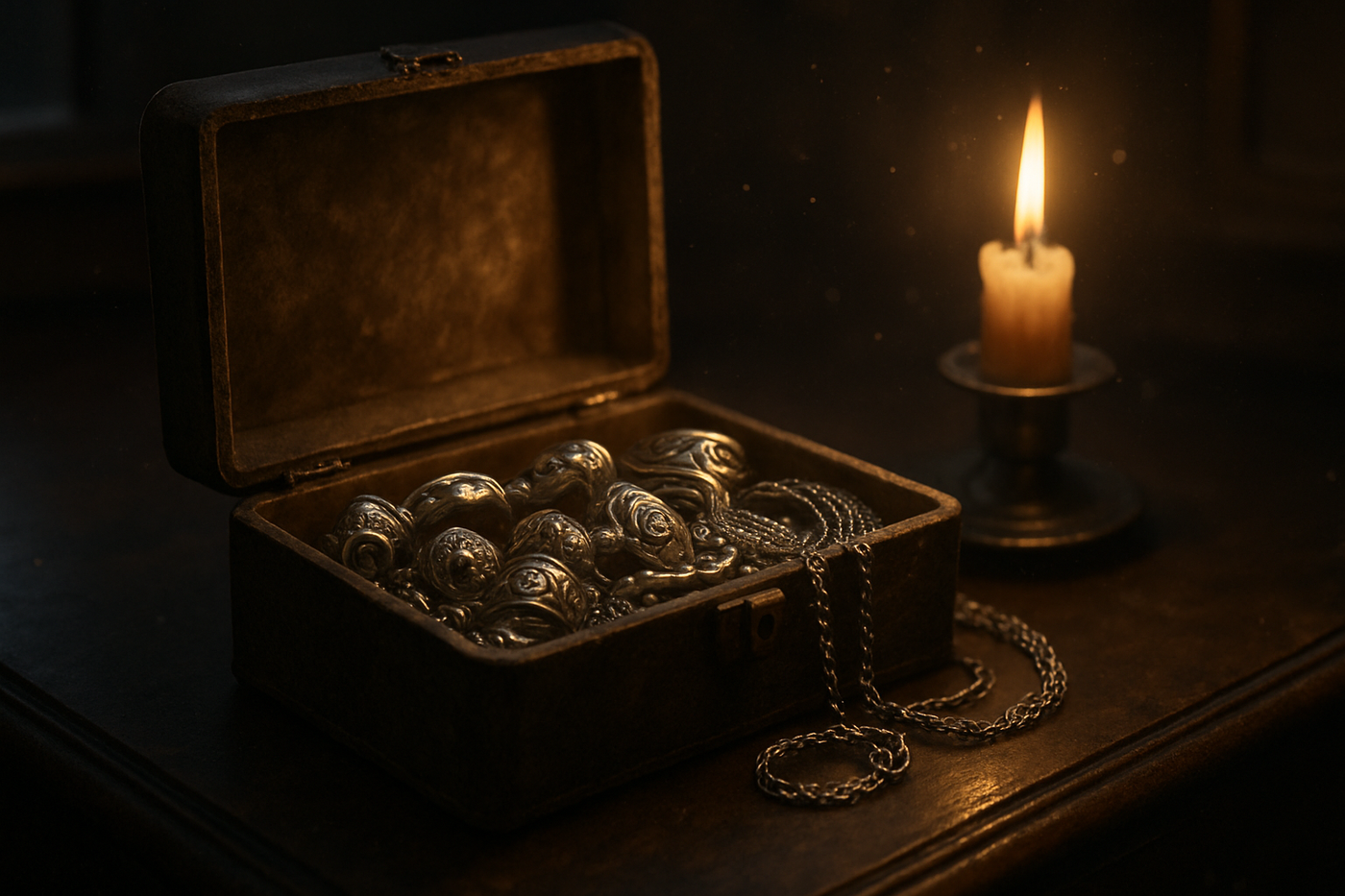
To clean silver jewelry at home, wash it in warm water with a few drops of mild dish soap, gently scrub with a soft cloth or baby toothbrush, rinse thoroughly, and buff dry with a lint-free cloth. For heavier tarnish, soak the piece in a solution of warm water, baking soda, and aluminum foil for two to five minutes, then rinse and dry immediately. Always avoid abrasive materials, chlorine, and prolonged soaking on pieces with gemstones or pearls.
There is something quietly heartbreaking about opening a jewelry box and finding your grandmother's silver ring dulled to a smoky gray, or your favorite bracelet looking like it belongs to another decade. Tarnish creeps in slowly, thief-like, stealing the shine from pieces that once caught candlelight at a wedding or glinted on your wrist during a first date.
The good news is that silver almost never forgets how to shine. Beneath the dark film lies the same lustrous metal that has adorned queens, brides, and pilgrims for thousands of years. With a few household ingredients and a little patience, you can bring that brilliance back tonight, without a trip to the jeweler.
Pure silver is too soft for jewelry, so most pieces are sterling silver—92.5% silver alloyed with 7.5% copper or other metals for strength. That copper reacts with sulfur compounds in the air, humidity, perfume, and even the natural oils on your skin, forming silver sulfide, the dark layer we call tarnish. It is not rust and it is not permanent damage; it is a surface reaction that can be reversed with the right cleaning method.
Understanding this chemistry matters because it explains why some "cleaning hacks" work brilliantly while others can scratch or discolor your jewelry permanently. If you are also weighing metals for a new purchase, our comparison of silver vs white gold breaks down how each holds up over time.
Long before commercial polish existed, cultures developed their own rituals for keeping silver bright—because for many, tarnish-free silver meant more than tidy housekeeping. In Victorian England, ladies' maids used a chalky whiting paste and ammonia water to restore the mourning jewelry and flatware that filled every proper household, a ritual repeated weekly by hand. Among Diné (Navajo) silversmiths of the American Southwest, hand-forged squash blossom necklaces and concha belts were traditionally buffed with a soft cloth and cornmeal, a gentle method that avoided harsh chemicals while honoring the metal's ties to protection and status.
In India, tamarind pulp—rich in the same natural acids found in citrus fruit—has cleaned silver pooja vessels and bridal jewelry for generations, since silver is considered auspicious and linked to the moon god Chandra. Amazigh (Berber) communities in Morocco's Atlas Mountains similarly prize heavily engraved silver believed to ward off the evil eye, restoring its shine with olive oil and wool rather than store-bought polish. Each tradition points to the same idea: keeping silver bright was never purely cosmetic, it preserved what the metal represented, whether family status, spiritual protection, or a connection to the moon.
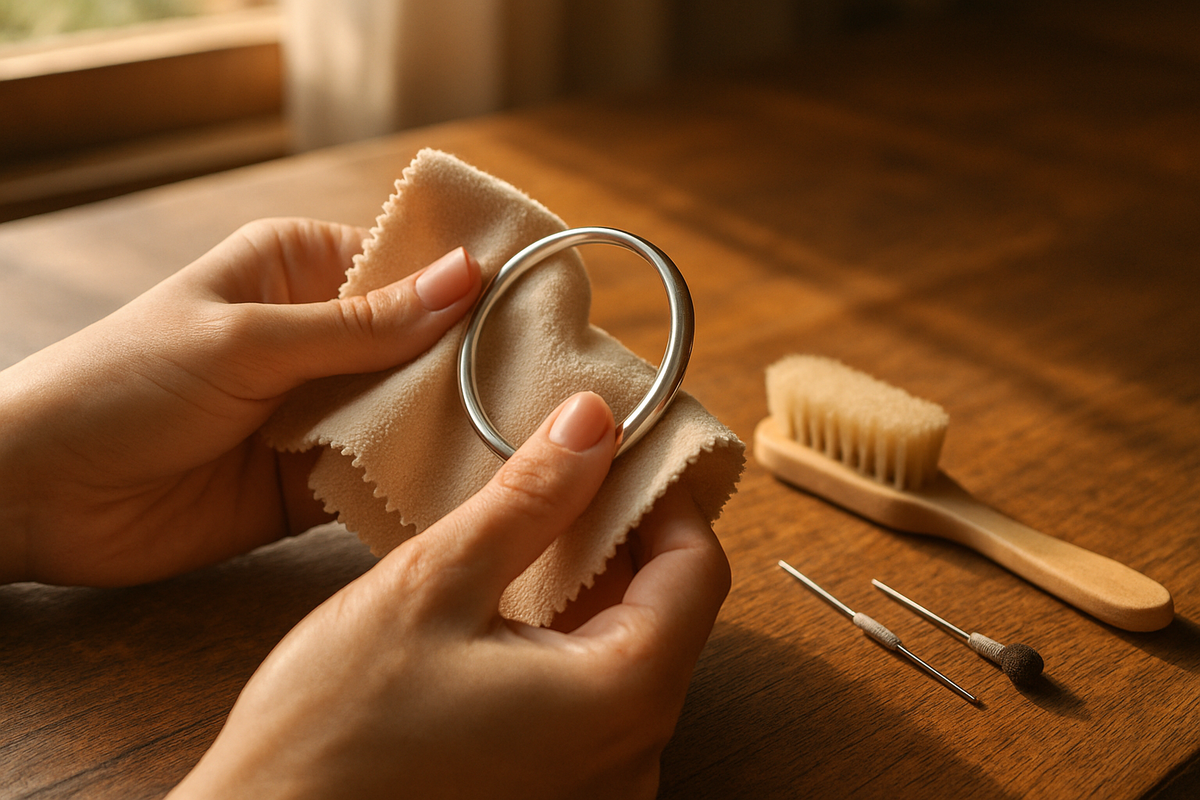
This is the gentlest method and the best first step for lightly tarnished or gemstone-set pieces. Mix a few drops of phosphate-free dish soap into warm (not hot) water, soak the jewelry for 10-15 minutes, then gently scrub with a soft-bristled toothbrush along engravings and settings. Rinse under running water and pat dry immediately with a soft cloth—silver left to air-dry can spot.
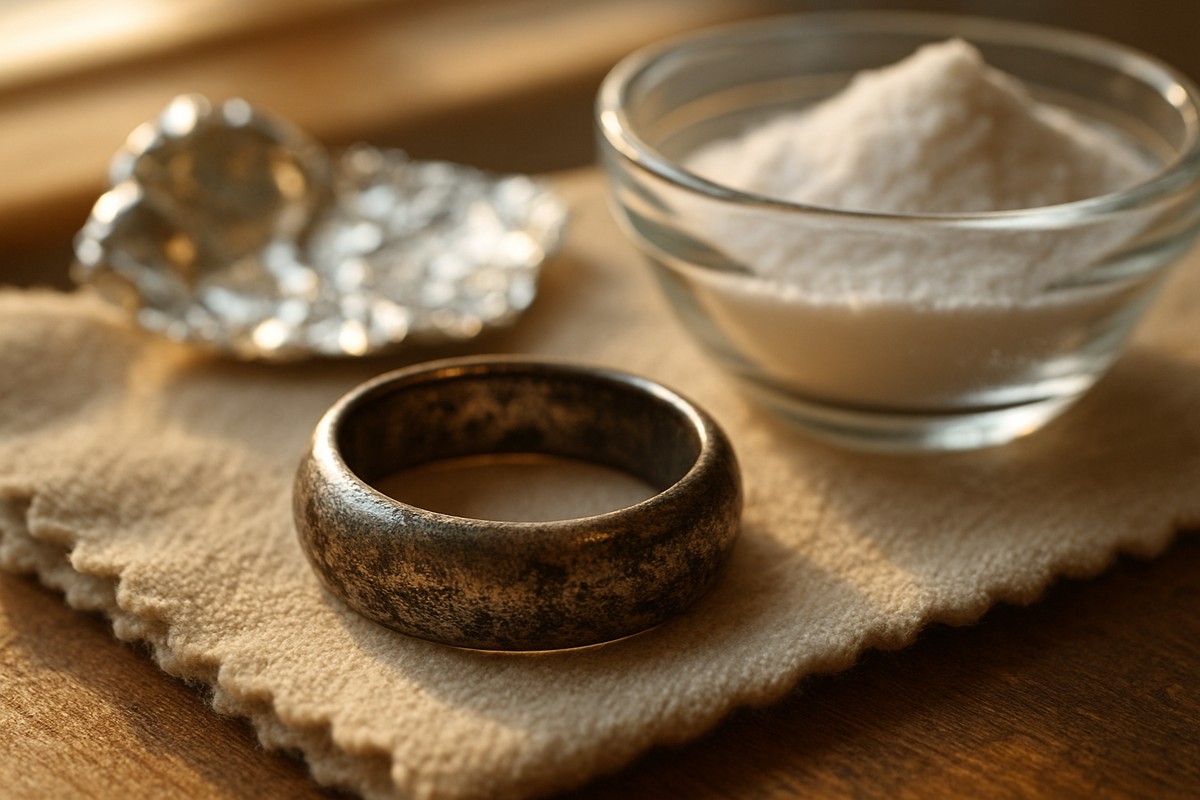
This classic trick uses a chemical reaction called ion exchange to lift tarnish without any rubbing. Line a glass or ceramic bowl with aluminum foil, shiny side up, and add hot water plus one tablespoon of baking soda per cup of water. Submerge the silver so it touches the foil, and watch the tarnish transfer to the foil within two to five minutes. This method is excellent for chains, filigree, and detailed engravings that are hard to reach with a brush, but avoid it for pieces with pearls, opals, turquoise, or glued stones, as the alkaline solution and heat can loosen settings or damage porous gems.
For solid silver pieces without stones, mix baking soda with a few drops of water to form a thick paste. Apply with a soft cloth in gentle circular motions, focusing on tarnished areas, then rinse thoroughly and dry. This method offers slightly more abrasive power than soap and water, making it ideal for rings or bangles with moderate tarnish, including everyday pieces like the rings people wear on each finger as a personal statement.
Combine half a cup of white vinegar with two tablespoons of baking soda in a bowl (it will fizz) and soak silver items for two to three hours. Rinse well and buff dry. This method works particularly well on heavily tarnished flatware and chunky statement jewelry, though the acidity means it should be avoided on anything with pearls or soft gemstones.
A small dab of plain white toothpaste—never gel or whitening formulas with microbeads—can polish smooth silver surfaces. Rub gently with a soft cloth, rinse completely, and dry. Test on a small hidden area first, as toothpaste can be mildly abrasive on softer sterling finishes and matte textures.
Pre-treated polishing cloths, impregnated with jeweler's rouge or a mild polish, are the safest no-water option for antique or heirloom pieces. Simply rub the silver until the cloth stops picking up dark residue. These are especially useful for pieces you clean often, like a favorite pinky ring worn daily as a signature accessory.
An unconventional but effective trick: the citric acid in clear lemon-lime soda can dissolve light tarnish, similar to how tamarind pulp works in traditional South Asian silver care. Soak silver for two to three hours, rinse well, and dry thoroughly. This works best as an occasional touch-up rather than a primary method, since prolonged acid exposure isn't ideal for antique patinas.
| Method | Best For | Avoid If | Time Needed |
|---|---|---|---|
| Soap & Water | Gemstones, pearls, daily wear | Never—always safe | 10-15 min |
| Foil & Baking Soda | Chains, filigree, engravings | Pearls, opals, glued stones | 2-5 min |
| Baking Soda Paste | Solid rings, bangles | Soft or textured surfaces | 5-10 min |
| Vinegar & Baking Soda | Flatware, heavy tarnish | Pearls, porous gems | 2-3 hrs |
| Toothpaste | Smooth surfaces | Matte or brushed finishes | 2-3 min |
| Polishing Cloth | Antiques, frequent touch-ups | Never—gentle for most pieces | 2-5 min |
| Lemon-Lime Soda | Light tarnish touch-ups | Long-term antique patina | 2-3 hrs |
Pieces with softer or porous gemstones—pearls, opals, turquoise, coral, or emeralds—require extra caution because chemical baths and soaking can dull or crack them. For these, stick to the soap-and-water method, using a barely damp cloth for the stones themselves and reserving any scrubbing for the metal only. If you're building a collection of statement rings, our guide to the Claddagh ring's meaning and history also touches on how traditional Irish silverwork should be cared for to preserve its symbolic hands, heart, and crown detailing.
Prevention is far easier than restoration. Store silver jewelry in an airtight bag or a tarnish-resistant cloth pouch, away from direct sunlight and humidity. Anti-tarnish strips, available at most jewelry supply stores, absorb sulfur compounds from the air inside your storage box. Wearing your silver often actually helps too—the natural oils on skin create a light barrier, which is why frequently worn pieces often tarnish more slowly than those left untouched in a drawer.
Removing jewelry before swimming, showering, applying lotion, or using cleaning products also extends the time between polishes significantly. If you regularly change earring styles, understanding the different types of earring backs can help you choose designs that are easier to clean around, since some backings trap moisture and product residue more than others.
For pieces worn daily, a light soap-and-water clean every one to two weeks keeps tarnish from building up before it becomes visible. Occasional-wear heirlooms and special-occasion pieces benefit from a deeper baking soda and foil treatment every two to three months, paired with proper anti-tarnish storage in between wears.
No, toothpaste should only be used occasionally on smooth, solid silver surfaces because its mild abrasiveness can wear down detailed engravings over time. For daily maintenance, a soft polishing cloth or simple soap-and-water rinse is gentler and just as effective.
The foil and baking soda method is safe for solid sterling silver chains, rings, and bangles without gemstones, but it should be avoided on pieces with pearls, opals, turquoise, or glued stones. The chemical reaction and warm water can loosen settings or damage porous, delicate materials.
Rapid tarnishing usually means your jewelry is exposed to high humidity, sulfur-containing products like lotions or hairspray, or is stored in a rubber-lined box. Switching to airtight storage with anti-tarnish strips and wiping jewelry after each wear can dramatically slow the process.
Gentle home cleaning methods like soap and water or a polishing cloth do not reduce value and are recommended by most jewelers for routine care. However, aggressive scrubbing, abrasive pastes, or chemical baths used too frequently can wear down engravings and antique patina on valuable heirloom pieces, so it's best to use the mildest effective method.
Learn how to clean gold jewelry at home safely using warm water, mild soap, and gentle tools—restoring shine without damaging ston…

Discover every type of pearl—Akoya, Tahitian, South Sea, freshwater and more—plus their meanings, history, and how to choose the r…
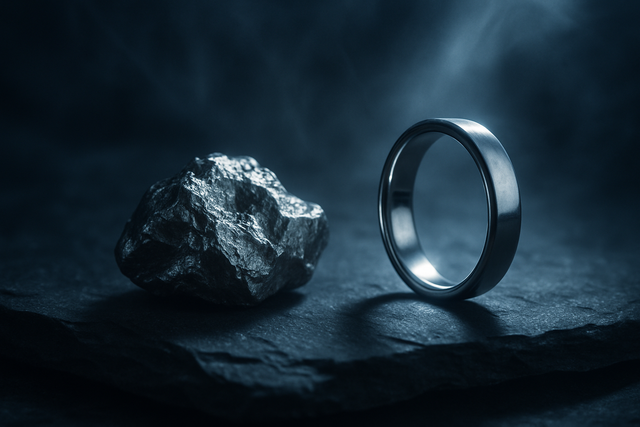
Discover what platinum really is, why it costs more than gold, and how to keep it brilliant for a lifetime of wear.