 Know
Know
Crystal & Stones
Selenite Meaning: Healing Properties, Uses & Benefits
What selenite crystal really means, its spiritual powers, ancient origins, and simple rituals to cleanse your space and calm your …
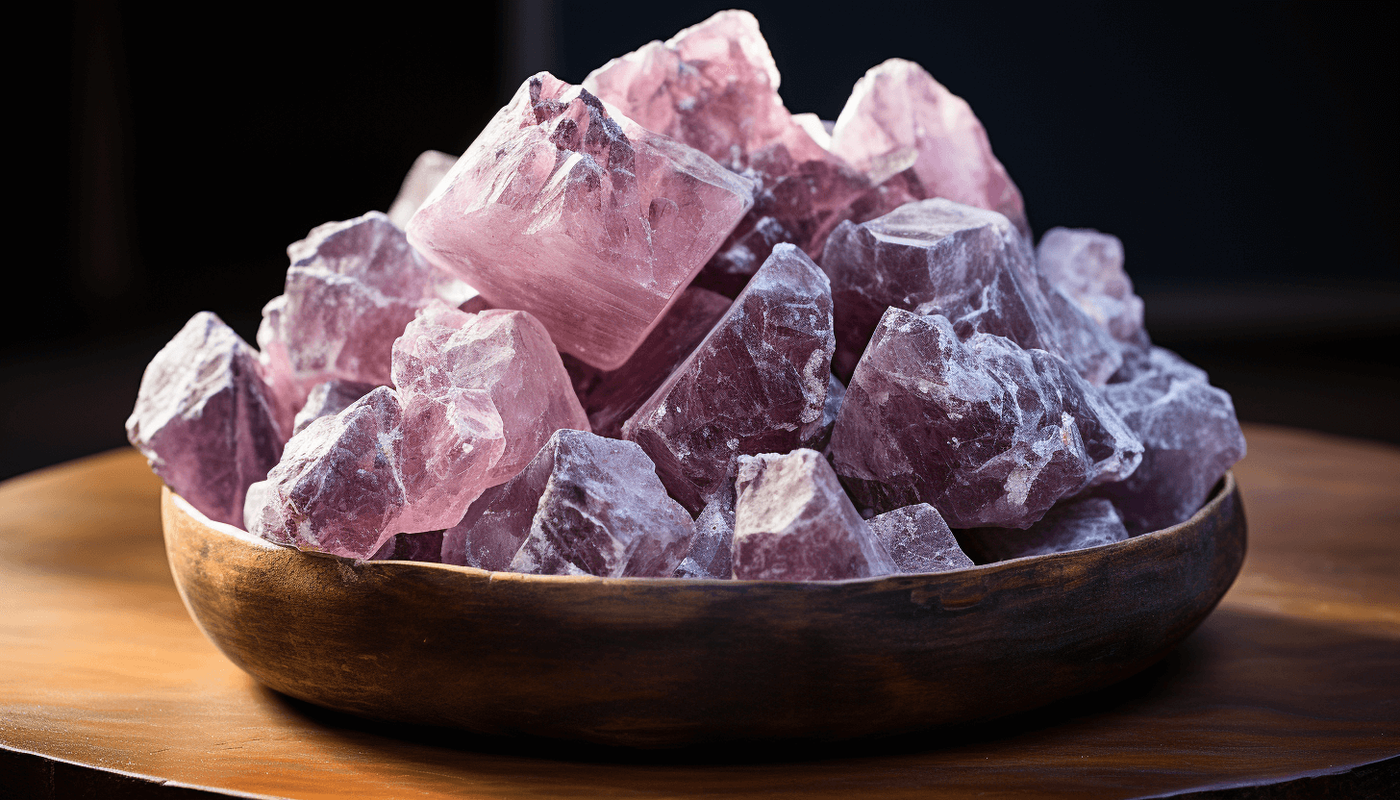
Enchanting in both its gentle lilac hues and its calming energies, lepidolite is a gemstone that captivates both the eye and the spirit. If you’ve ever felt an immediate sense of peace while holding a piece of lepidolite, you’ve experienced the harmonizing influence of this unique stone.
First discovered in the 18th century, lepidolite gets its name from the Greek ‘lepidos,’ meaning ‘scale,’ reflecting its typical formation in flakey, scale-like masses. Known as a stone of transition, lepidolite is said to assist in the release and reorganization of old behavioral and psychological patterns, gently inducing change.
Often used in the realm of crystal healing, lepidolite is lauded for its supposed ability to bring balance, reduce anxiety, and foster a sense of calm. Whether or not you subscribe to these beliefs, there’s no denying the soothing beauty of this soft purple mineral.
Let’s explore more about lepidolite, from its fascinating geological formation to its symbolism in the world of crystal healing.
Lepidolite is a lilac-gray or rose-colored member of the mica group of minerals. Renowned for its high lithium content, it’s a valuable crystal in the realm of alternative healing. Known as the ‘Peace Stone’, Lepidolite aids in calming the mind, reducing stress, and promoting restful sleep. Its subtle color palette and shimmering surface are visually appealing, making it popular in both jewelry and home décor.
Derived from two Greek words, ‘lepidos’ and ‘lithos’, the term ‘lepidolite’ has an intriguing etymology. ‘Lepidos’ translates to ‘scale’ and ‘lithos’ means ‘stone’, reflecting the scaly appearance of the mineral due to the flaky, plate-like structure of the lithium within it.
The name ‘lepidolite’ was first established by Martin Heinrich Klaproth, a renowned German chemist, in 1792. Before Klaproth’s intervention, the mineral was commonly referred to as ‘lilalite’, derived from the Hindu word ‘lila’ meaning ‘play, amusement’. ‘Lilalite’ was considered a reference to the mineral’s beautiful lavender color, which tends to play and amuse the eyes of its beholder.
Today, lepidolite continues to charm gem enthusiasts with its layered structure and soothing hues. Its name is a fitting tribute to its captivating visual appeal.
Belonging to the mica group of phyllosilicate minerals, lepidolite is a form of lithium mica. In fact, it is the most abundant lithium-bearing mineral and is a significant source of this light metal. The mineral composition of lepidolite includes potassium, lithium, and aluminum, with a rich purple color that comes from trace amounts of manganese.
Lepidolite forms in granitic pegmatites, a type of igneous rock rich in silica and low in iron and magnesium. These pegmatites provide the perfect environment for large crystal formation, which is why lepidolite crystals, though rare, can be quite substantial. It’s often associated with other minerals such as tourmaline and quartz, and can be found alongside them in the veins of these pegmatites.
The largest deposits of lepidolite can be found in Brazil, but it’s also mined in the United States, Canada, Madagascar, the Czech Republic, and more. Each location produces lepidolite with slightly different color variations and qualities.
| Mineral Class | Phyllosilicate |
|---|---|
| Chemical Composition | K(Li,Al)3(Al,Si,Rb)4O10(F,OH)2 |
| Color | Light to dark purple, violet, pale pink |
| Crystal System | Monoclinic |
| Hardness (Mohs scale) | 2.5-3 |
| Transparency | Transparent to translucent |
| Luster | Vitreous, pearly |
| Cleavage | Perfect |
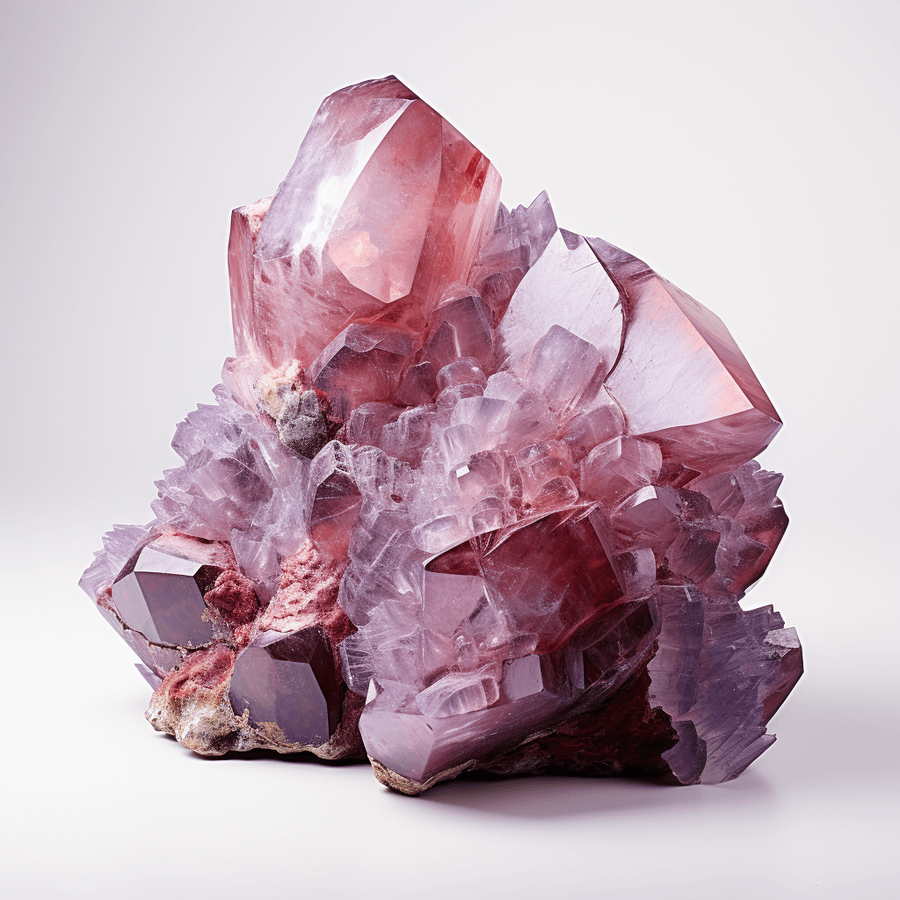
Lepidolite is loved for its rich violet color which can range from pink to purple and is sometimes even a greyish purple. These variations in color result from the varying quantities of manganese in the stone. The stone has a pearly luster, and its transparency can vary from transparent to translucent depending on the specific piece.
In terms of hardness, lepidolite ranks at a 2.5 to 3 on the Mohs scale. This makes it a relatively soft mineral, so care should be taken when handling or wearing lepidolite jewelry to prevent scratches or other damage. Because of its perfect cleavage, it can be easily split into thin plates.
Lepidolite is typically found in its raw mineral state, displaying a flaky, layered structure reminiscent of pages in a book. When used in jewelry or as decorative pieces, lepidolite is often tumbled and polished to bring out its delicate color and shine. Its softness, however, means it is less commonly faceted for use in jewelry compared to harder gemstones.
| Color | Violet, Pink, Greyish Purple |
|---|---|
| Hardness (Mohs scale) | 2.5-3 |
| Transparency | Transparent to Translucent |
| Luster | Pearly |
| Common Forms | Tumbled stones, raw mineral specimens, cabochons, beads |
Often referred to as the “stone of transition”, lepidolite is prized in the world of crystal healing for its ability to ease and support during times of change or stress. It is believed to bring balance and inner peace, helping one to see and respond to situations with calmness rather than through the lens of emotional upheaval.
Emotionally, lepidolite is used for reducing anxiety and depression. It is said to soothe and release emotional traumas and fears, fostering emotional healing. Its energy is thought to stimulate positivity, self-love, and patience.
Physically, crystal healers use lepidolite for its purifying properties and consider it useful for detoxification and the recovery of addictive behavior. It’s also often associated with the alleviation of allergies, strengthening the immune system, and providing relief from electromagnetic pollution.
In the realm of spiritual and energy healing, lepidolite is closely associated with the higher chakras, particularly the Heart (Anahata), Third Eye (Ajna), and Crown (Sahasrara) Chakras. The strong resonance with these chakras is due to lepidolite’s spiritual properties and its beautiful violet and pink hues, which match the colors associated with these energy centers.
By balancing the Heart Chakra, lepidolite is believed to aid in promoting love and understanding towards oneself and others. It’s also known to open the Third Eye Chakra, enhancing intuition and spiritual awareness. Lastly, by stimulating the Crown Chakra, lepidolite is said to create a strong connection to the divine, leading to deeper spiritual growth and self-realization.
| Chakra | Associated Properties |
|---|---|
| Heart Chakra (Anahata) | Promotes love and understanding, fosters emotional healing |
| Third Eye Chakra (Ajna) | Enhances intuition and spiritual awareness |
| Crown Chakra (Sahasrara) | Stimulates divine connection and spiritual growth |
Integrating lepidolite into your daily routine can be as simple as wearing it as jewelry or carrying a small piece in your pocket. Here are a few suggestions on how to use this beautiful mineral:
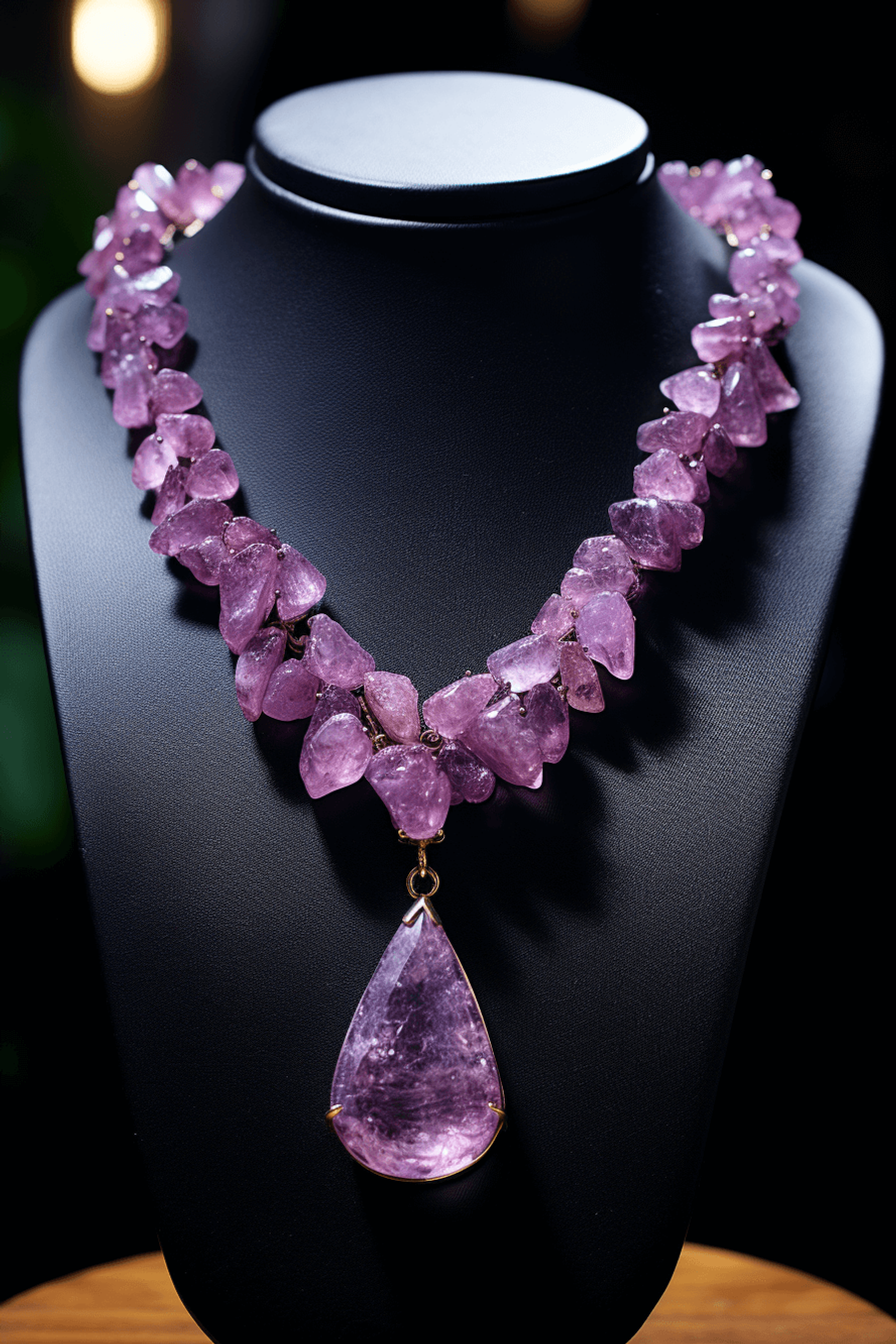
Remember, the key to working with crystals is intention. When you use lepidolite, focus on the change or healing you wish to facilitate.
Lepidolite, like most minerals, requires proper care to maintain its lustrous appearance and energetic properties. Here are some tips on how to care for your lepidolite:
By taking care of your lepidolite, you ensure its longevity and the preservation of its healing properties.
Purchasing a crystal like lepidolite involves more than just choosing a piece that catches your eye. Here are some tips on what to look for when buying lepidolite:
Wherever you choose to buy your lepidolite, make sure it’s a reputable dealer. Ask questions about the stone’s origin and treatment, and trust your intuition. If a stone resonates with you and brings you a sense of peace, it might be the one for you!
Lepidolite is often used in the realm of crystal healing, where it’s believed to bring tranquility and balance, helping to cope with stress and anxiety. It’s also used in making jewelry due to its beautiful violet-lilac color. In the industrial world, it’s a source of lithium, an element used in making batteries and metal alloys.
Yes, you can wear lepidolite every day. Many people believe that wearing lepidolite helps reduce stress and anxiety, promotes emotional healing, and brings a sense of peace and tranquility. However, it’s essential to remember that lepidolite is a relatively soft mineral and can scratch or chip easily. Therefore, care should be taken when wearing it.
Due to its delicate nature, lepidolite should be cleaned gently. It’s best to avoid ultrasonic or steam cleaners. Instead, use a soft cloth and warm soapy water to clean your lepidolite jewelry. Rinse it thoroughly to remove any soap residue, and dry it completely before storing it.
Lepidolite is found in various locations worldwide, but significant deposits are in Australia, Brazil, Canada, Japan, Madagascar, Russia, and the United States. It typically forms in granitic pegmatites rich in lithium.
Yes, lepidolite is generally safe to handle. However, it’s always a good idea to wash your hands after handling minerals and crystals, especially before eating or touching your face. If you’re working with raw lepidolite (cutting or polishing), it’s advisable to wear a protective mask to avoid inhaling any dust.
Lepidolite is associated with the Heart Chakra, but it is also known to resonate with the Third Eye and Crown Chakras. It is believed to provide emotional healing, promote feelings of peace and serenity, and enhance spiritual growth and self-love.
In the realm of crystal healing, lepidolite is believed to alleviate stress, anxiety, and depression. It’s considered an excellent stone for promoting emotional balance, self-awareness, and tranquility. Wearing lepidolite jewelry or carrying a small piece of lepidolite can serve as a reminder to remain calm and centered throughout the day.
Yes, lepidolite is often used in meditation. Its calming energies are believed to help deepen meditative states, promoting peace, acceptance, and trust. Some people also use it to open and balance the Third Eye and Crown Chakras, which are associated with intuition and spiritual connection.
Lepidolite is a mica mineral and has perfect cleavage in one direction. This means it can easily separate into thin sheets, and prolonged exposure to water may damage it. Therefore, it’s generally not recommended to place lepidolite in water, especially for long periods of time.
Yes, lepidolite can be worn as jewelry and is often made into pendants, beads, or cabochons for rings or bracelets. However, due to its relative softness on the Mohs scale, it can scratch or chip easily. Therefore, jewelry made from lepidolite should be worn with care and not subjected to harsh conditions.
What selenite crystal really means, its spiritual powers, ancient origins, and simple rituals to cleanse your space and calm your …
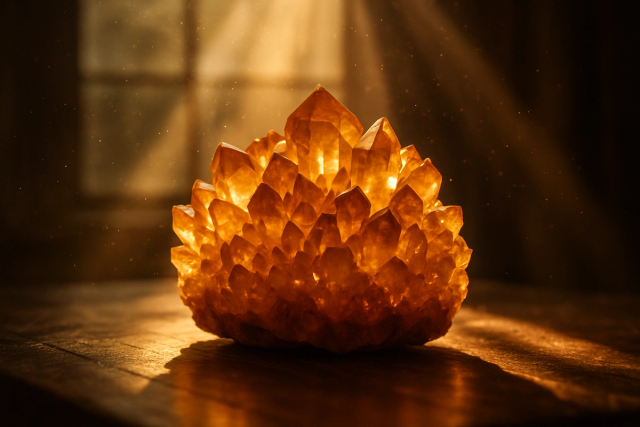
Uncover citrine's true meaning, spiritual power, and healing uses — the golden crystal for abundance, confidence, and joy.
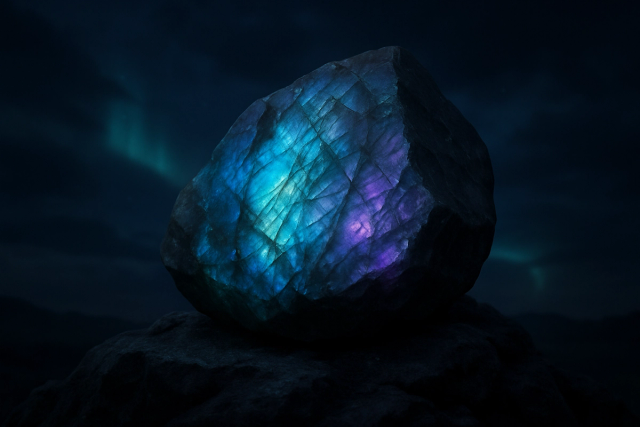
Discover labradorite's meaning, Inuit legend, healing properties, chakra uses, dream symbolism, and how to work with this shimmeri…