 Know
Know
Animal Symbolism
Snake Symbolism: Spiritual Meaning & Significance
Discover what snakes truly symbolize spiritually—transformation, healing, danger, and rebirth—across cultures, dreams, and everyda…
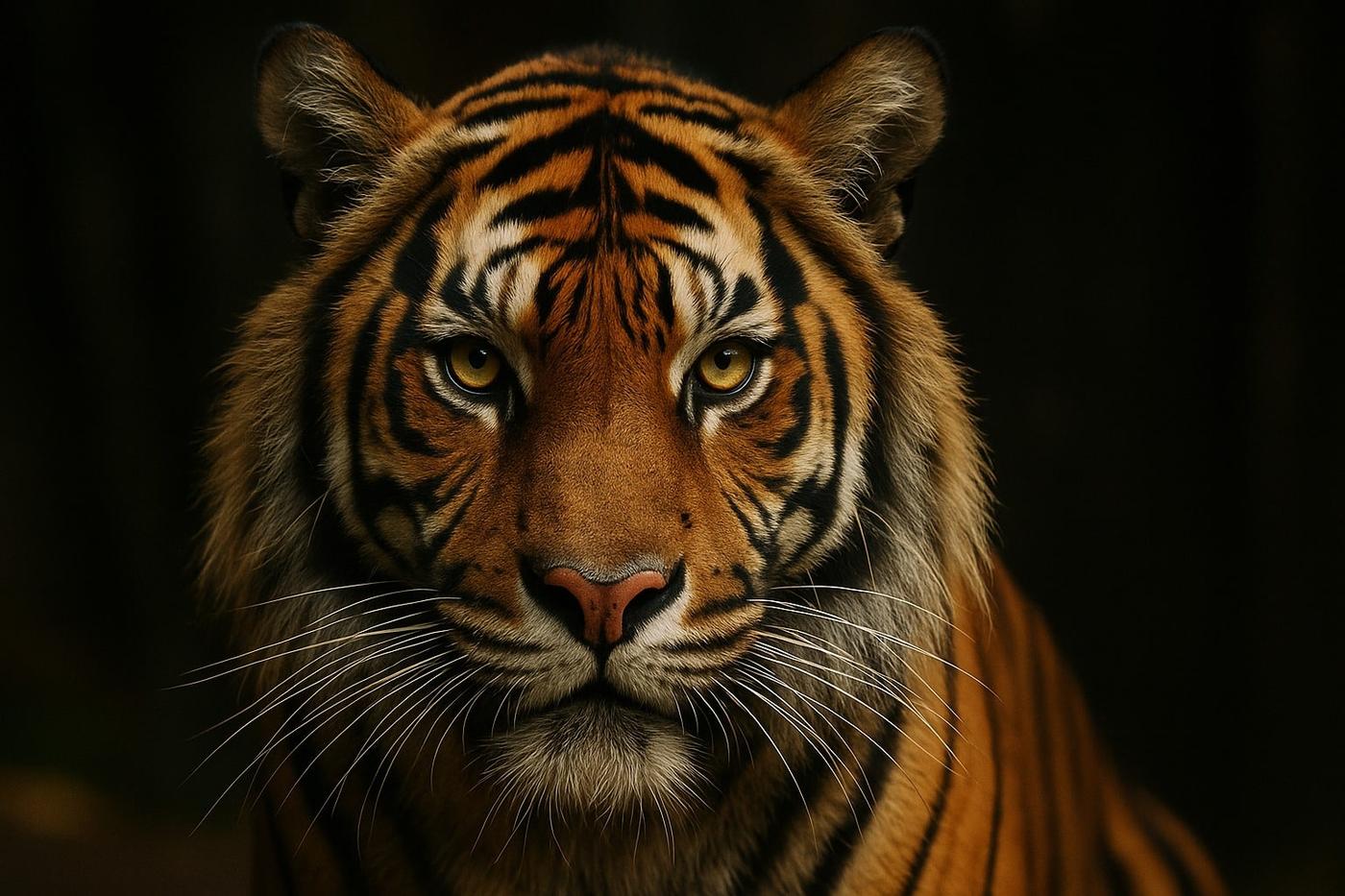
Have you ever felt the intense gaze of a tiger, even if only in a dream? The tiger, with its majestic presence and fierce demeanor, has captivated human imagination for centuries. But beyond its physical prowess lies a tapestry of symbolic meanings that span cultures and spiritual beliefs. Let’s delve into the world of tiger symbolism and uncover the messages this powerful creature brings.
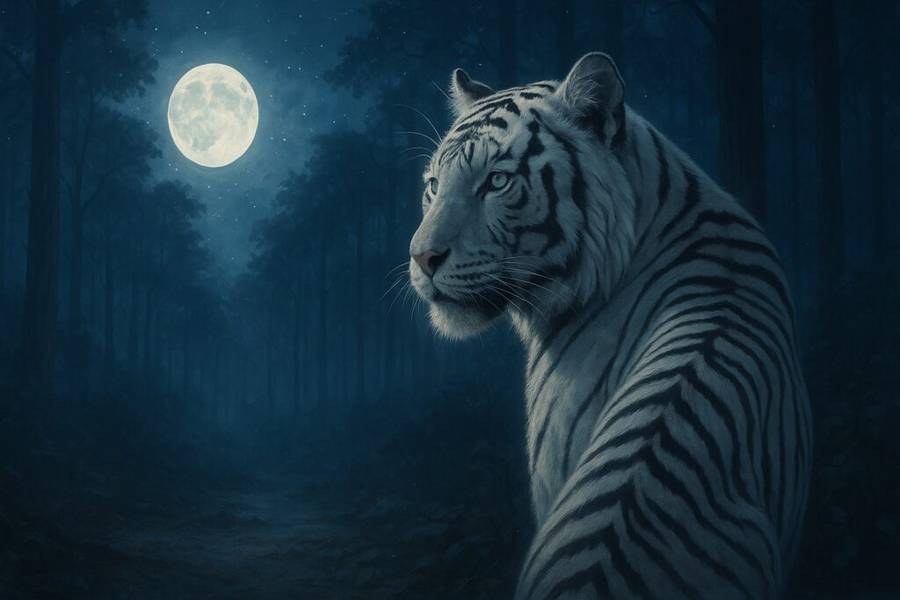
The tiger embodies raw power, courage, and personal strength. In the spiritual realm, it serves as a reminder to trust our instincts and embrace our inner strength. The tiger’s solitary nature teaches us the value of independence and self-reliance.
Embracing the tiger’s energy can lead to personal growth and transformation, urging us to step into our power and live authentically.
The tiger’s symbolism varies across cultures, each attributing unique meanings to this majestic creature.
In Chinese culture, the tiger is revered as a symbol of power, courage, and protection. It’s often associated with the military and is believed to ward off evil spirits. The White Tiger is one of the Four Symbols in Chinese constellations, representing the west and autumn season.
In Hindu mythology, the goddess Durga rides a tiger, symbolizing the destruction of evil and the protection of righteousness. The tiger represents divine power and the ability to overcome obstacles.
Tigers are seen as guardians and symbols of courage in Korean folklore. They are believed to protect against evil spirits and bring good fortune.
In Vietnamese culture, the tiger symbolizes strength and is often associated with deities and spiritual protection.
Across these cultures, the tiger stands as a powerful emblem of strength, protection, and spiritual significance.
Dreaming of a tiger can be a profound experience, often reflecting our inner emotions and challenges.
| Dream Scenario | Interpretation |
|---|---|
| Being chased by a tiger | Indicates running from fears or unresolved issues. |
| Seeing a calm tiger | Represents inner peace and confidence in one’s strength. |
| Fighting a tiger | Symbolizes confronting challenges and asserting oneself. |
| White tiger appearance | Signifies spiritual awakening and purity of intent. |
These dreams often serve as messages from our subconscious, urging us to acknowledge and harness our inner power.
If the tiger is your spirit animal, it means you are a natural leader, a protector of truth, and a fearless seeker of passion and purpose.
The tiger as a spirit guide reminds you to trust your instincts, defend your peace, and live with undiluted passion.
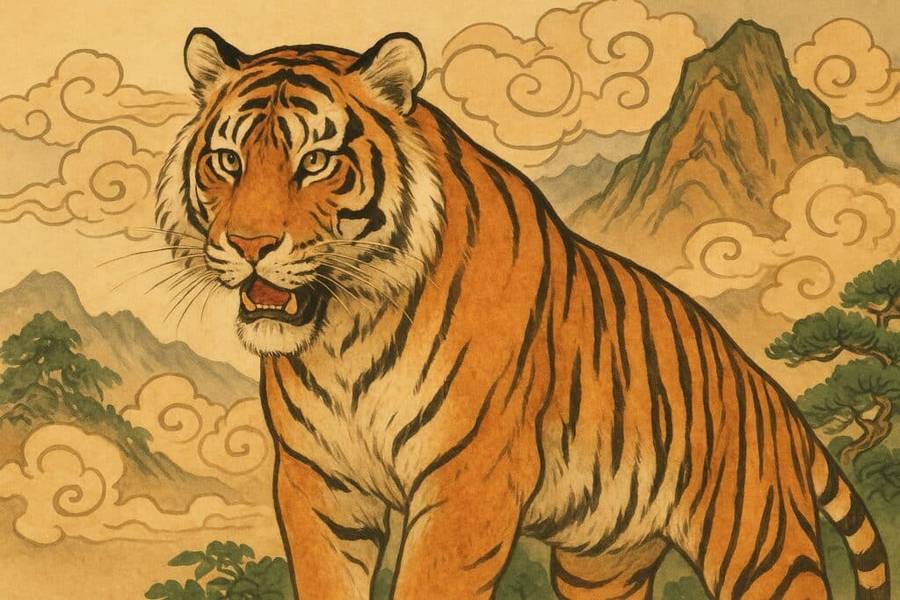
In Chinese astrology, the tiger symbolizes courage, ambition, and unpredictability. It’s the third sign in the 12-year Chinese zodiac cycle and governs people born in years such as 1926, 1938, 1950, 1962, 1974, 1986, 1998, 2010, and 2022.
The year of the tiger is marked by bold decisions, upheaval, and progress. It’s a time of leaping forward into uncharted territory.
A tiger symbolizes spiritual strength, raw emotion, power, and fearlessness. It encourages you to step into your purpose with full force, guided by instinct and courage.
Dreaming about a tiger often reflects your relationship with power, fear, or personal boundaries. It could be a sign to face a suppressed emotion or to claim your authority.
Yes, the white tiger is considered a rare and powerful spirit guide symbolizing purity, protection, and divine insight. It often appears to people undergoing a spiritual awakening.
In Chinese culture, the tiger symbolizes courage, strength, and protection against evil spirits. It is also a zodiac animal that signifies power and leadership.
It means you possess strong inner power, emotional intensity, and a natural leadership ability. You are called to live boldly, fiercely, and with authentic passion.
The tiger doesn’t ask for attention—it commands it. And when its energy enters your world, it’s never by accident.
Discover what snakes truly symbolize spiritually—transformation, healing, danger, and rebirth—across cultures, dreams, and everyda…
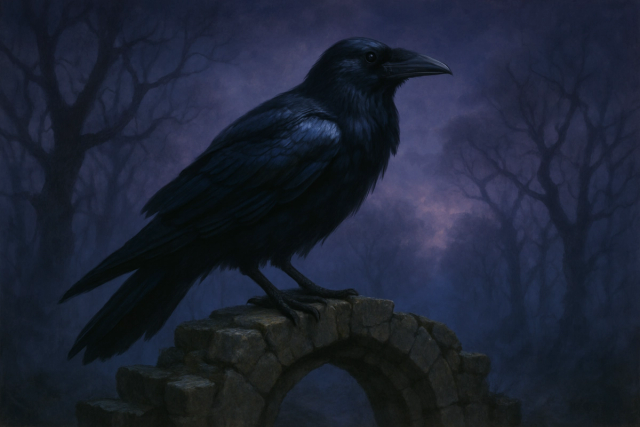
Discover what raven symbolism means - from Norse gods to Native creator myths, dreams, omens, and how to respond when one crosses …
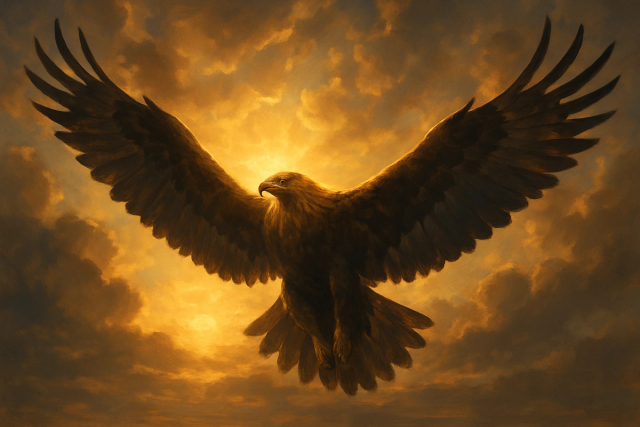
Discover what the eagle truly symbolizes spiritually — vision, freedom, divine messages, myth, and dream meaning explained.