 Know
Know
Animal Symbolism
Dragonfly Symbolism: Spiritual Meaning & Significance
Discover what dragonflies symbolize spiritually - transformation, self-realization, and light - across cultures, dreams, and daily…
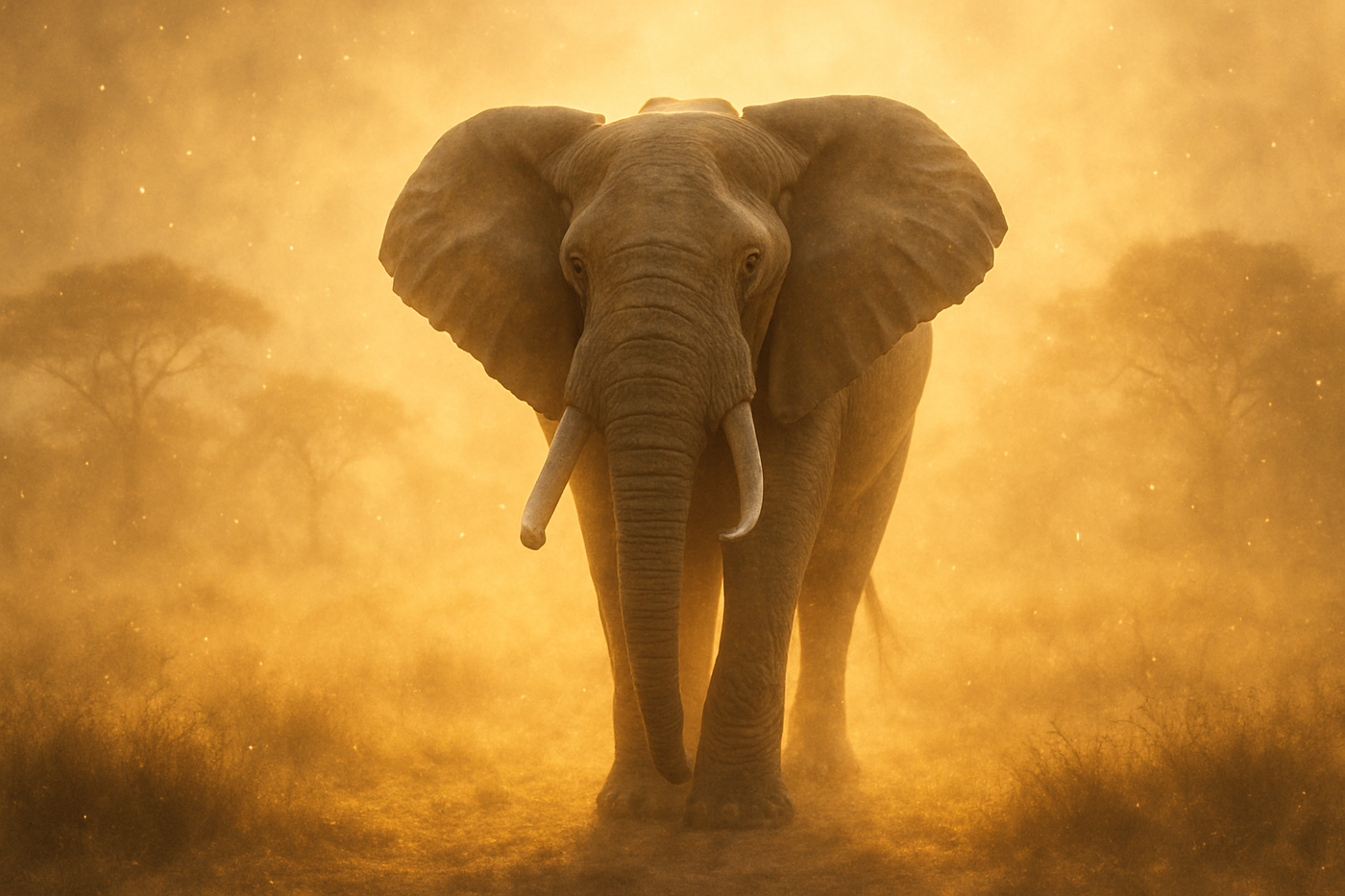
Elephants symbolize wisdom, strength, loyalty, patience, and good fortune in most spiritual traditions. Because of their long memory, close family bonds, and quiet power, elephants are seen as guardians of ancient knowledge and gentle reminders to move through life with grounded confidence rather than force. Seeing an elephant—physically, in a dream, or as a repeating image—often signals that it's time to trust your inner strength and lean on the people who support you, rather than rushing toward a solution alone.
There is a moment every elephant encounter shares, whether you're standing at a safari fence or staring at a carved figurine on a shelf: a strange, immediate hush. Something about the size, the slow blink, the impossibly gentle trunk reaching toward a calf, makes the noise in your head go quiet.
Maybe that's why elephants have wandered so deeply into our myths and prayers. They are the animal we turn to when we feel small against a large problem, when we need proof that gentleness and power can live in the same body, and when we need reassurance that some bonds—between a mother and her calf, between memory and identity—simply do not break.
Across continents and centuries, the elephant has become a living metaphor for the qualities humans admire most and struggle hardest to embody. Its symbolism clusters around a few core themes:
In Hindu mythology, the elephant-headed god Ganesha is revered as the remover of obstacles and the patron of wisdom, new beginnings, and intellect. His elephant head symbolizes sagacity, while his large ears represent the importance of listening more than speaking. Statues of Ganesha are placed at the entrance of homes and businesses across India to invite success and ward off misfortune before any important venture begins.
Among several West African cultures, including the Ashanti people of Ghana, the elephant is associated with royalty, leadership, and ancestral strength. Chiefs historically wore elephant tail hair or ivory ornaments as symbols of authority, believing the animal's power could be transferred to the wearer. In East African folklore, the elephant is also seen as a peacemaker—an animal that settles disputes among smaller creatures simply through its calm, imposing presence.
Buddhist tradition holds that Queen Maya, mother of Siddhartha Gautama (the Buddha), dreamed of a white elephant entering her side before his birth—a vision interpreted as a sign of a great, enlightened soul entering the world. The white elephant remains one of the most sacred symbols in Thai and Southeast Asian Buddhism, representing purity, mental strength, and spiritual awakening.
In Chinese folklore, the elephant's name (xiang) sounds almost identical to the word for "auspicious," making it a favorite motif in decorative art. An elephant carrying a vase on its back is a common design pun meaning "peace throughout the household," since the word for vase also echoes the word for peace. Elephant figurines are traditionally gifted to new homeowners as a wish for calm, stable prosperity.
In the West, elephants entered symbolism largely through military history—most famously Hannibal's crossing of the Alps with war elephants during the Second Punic War. This cemented the elephant in Western imagination as a symbol of overwhelming, almost mythic strength. Later, Victorian-era decor embraced elephant figurines as symbols of good luck, provided the trunk faced the doorway to "scoop in" positive energy.
Depictions of elephants in art, jewelry, and folklore often vary by color, each carrying a slightly different spiritual nuance.
| Color | Symbolic Meaning | Common Cultural Context |
|---|---|---|
| Gray (natural) | Grounded wisdom, humility, ancestral connection | African and general folk symbolism |
| White | Purity, enlightenment, sacred birth | Buddhist and Southeast Asian tradition |
| Gold | Prosperity, royalty, abundance | Hindu and Thai decorative art |
| Pink | Playfulness, imagination, childlike joy | Modern Western nursery and pop symbolism |
| Black | Hidden strength, protection, mystery | Contemporary spiritual and tattoo symbolism |
If the elephant is your spirit animal or totem, it typically points to a season of life where steady, patient strength matters more than speed. People with an elephant totem tend to be natural caretakers—reliable, protective, and deeply loyal to family and close friends. They rarely forget a kindness or a wrong, and they carry lessons from the past into every decision they make.
An elephant totem can also appear when you're being called to slow down. Just as elephants move at a deliberate pace despite their size, this spirit animal suggests that rushing will cost you more than patience will. It's a reminder that true power doesn't need to prove itself loudly—much like the quiet confidence explored in hawk symbolism, where clarity comes from stillness rather than speed.
Dreaming of an elephant is generally considered a positive omen, though the specific meaning shifts with the dream's details:
Many dream interpreters view the elephant, much like the transformative imagery found in swan symbolism, as a signal that the dreamer is being asked to trust an emotional or spiritual transition already in motion.
Elephants aren't directly named in most biblical texts, though scholars note that the "behemoth" described in the Book of Job is frequently interpreted as an elephant-like creature representing God's untamable, awe-inspiring creation. In this context, the elephant becomes a symbol of divine power that dwarfs human control—a reminder of humility before something far greater than ourselves. Some later Christian bestiaries also described elephants as devoted, monogamous animals, using their loyalty as a moral lesson about faithfulness within marriage and community.
Repeated elephant sightings—whether in nature, art, dreams, or even casual conversation—are often interpreted as gentle spiritual nudges rather than coincidences. Here's how to work with the symbolism practically:
This same principle of turning outward signs into inward growth appears across animal symbolism—much like how owl symbolism encourages trusting intuition, or how crow symbolism asks us to face change directly rather than avoid it.
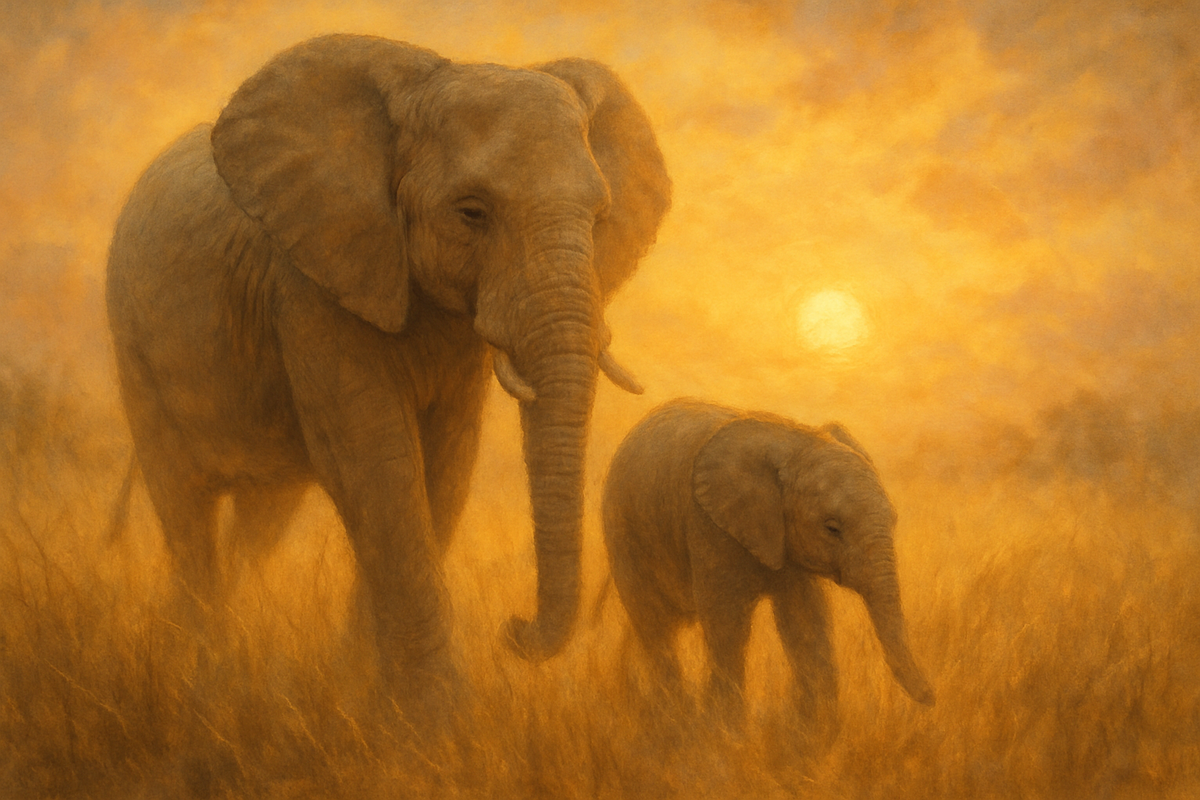
Elephant tattoos are popular precisely because the symbolism is so rich and flexible. A trunk-up elephant is often chosen to represent good luck and optimism, while a mother-and-calf design symbolizes unconditional love and protection. Geometric or mandala-style elephant tattoos, especially popular in yoga and mindfulness communities, tend to represent Ganesha's association with obstacle-removal and inner clarity.
Spiritually, seeing an elephant is usually interpreted as a sign of strength, patience, and good fortune arriving in your life. It often suggests that you already possess the inner resources needed to handle a current challenge calmly rather than reactively.
In Hinduism, the elephant is closely tied to Ganesha, the god of wisdom and remover of obstacles. It symbolizes intellect, prosperity, and the ability to overcome life's difficulties through patience and thoughtful action rather than force.
Yes, in most dream interpretation traditions, an elephant dream is considered a positive omen linked to stability, family support, and emotional strength. The specific meaning can shift based on the elephant's behavior in the dream, such as calm walking versus charging.
This practice comes from Vastu Shastra and feng shui traditions, which hold that an elephant figurine with its trunk raised toward the entrance invites good luck, protection, and prosperity into the home. It's believed the raised trunk symbolically "pulls in" positive energy from outside.
Discover what dragonflies symbolize spiritually - transformation, self-realization, and light - across cultures, dreams, and daily…
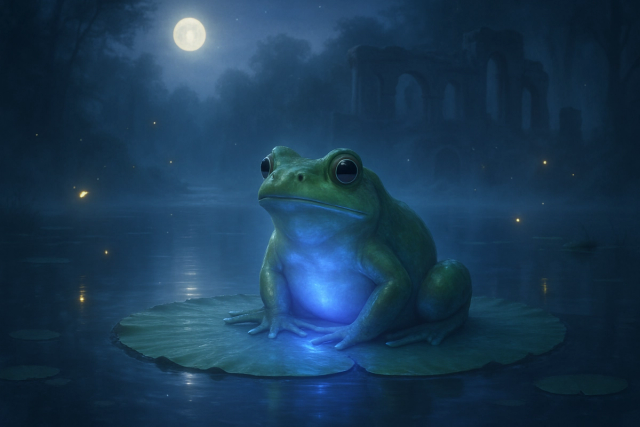
Discover what frogs symbolize spiritually—transformation, fertility, cleansing, and luck—across cultures, dreams, and everyday enc…
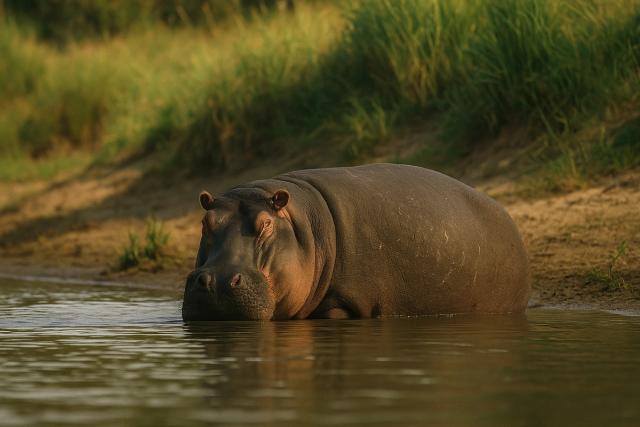
Few animals are as underestimated as the hippopotamus. It looks calm—almost sluggish—lounging in rivers beneath the African sun. B…