Animal Symbolism
Lynx Symbolism: Spiritual Meaning & Significance
Discover what the lynx symbolizes spiritually—secrecy, intuition, and hidden truth—plus its meaning in dreams, myth, and as a tote…
 KnowMastery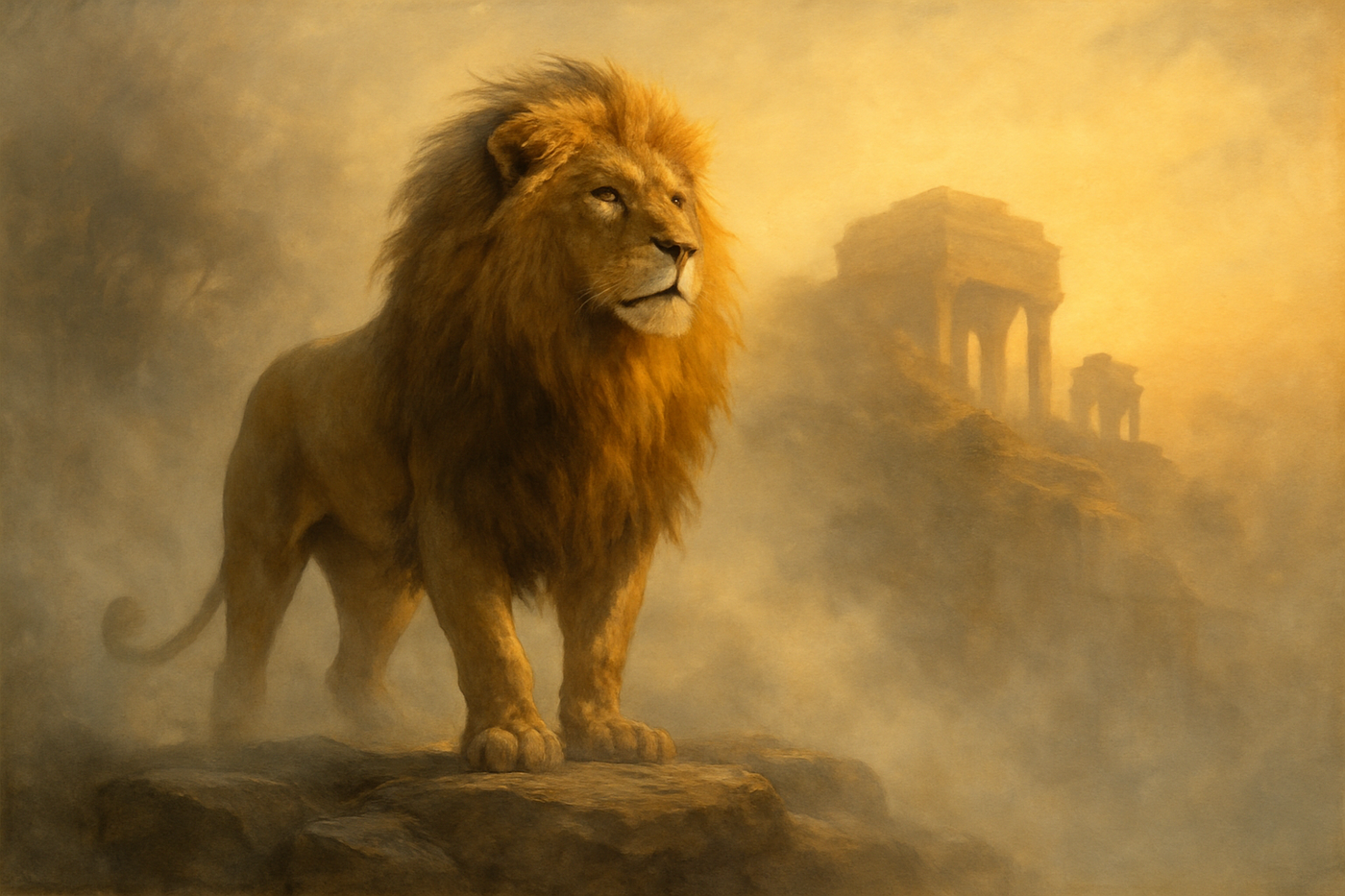
The lion symbolizes courage, sovereignty, strength, and protection. Across nearly every major civilization, this apex predator represents mastery of one's own domain—the ability to lead with confidence while guarding those who depend on you. Spiritually, encountering a lion (in waking life, dreams, or meditation) often signals that you are being called to step into your personal power, confront a fear you've been avoiding, or claim authority over your own life.
There is a reason the lion's roar can be heard up to five miles away. It doesn't need to chase you down to make its presence known—it simply announces itself, and the world listens. That kind of quiet, unshakable authority is rare in human life. Most of us whisper our worth, apologize for taking up space, or wait for permission to lead.
Maybe that's why the lion has haunted our myths, our thrones, and our dreams for thousands of years. It appears when we are being asked to stop shrinking. Whether carved into ancient temple gates or padding silently through a dream at 3 a.m., the lion arrives as a mirror, showing us the courage we've buried beneath politeness and doubt.
At its root, lion symbolism centers on three interlocking ideas: power, protection, and pride (in both senses of the word). Lions live in tightly bonded family units called prides, where lionesses hunt cooperatively and males defend territory fiercely. This social structure has made the lion a universal symbol of both individual dominance and collective loyalty.
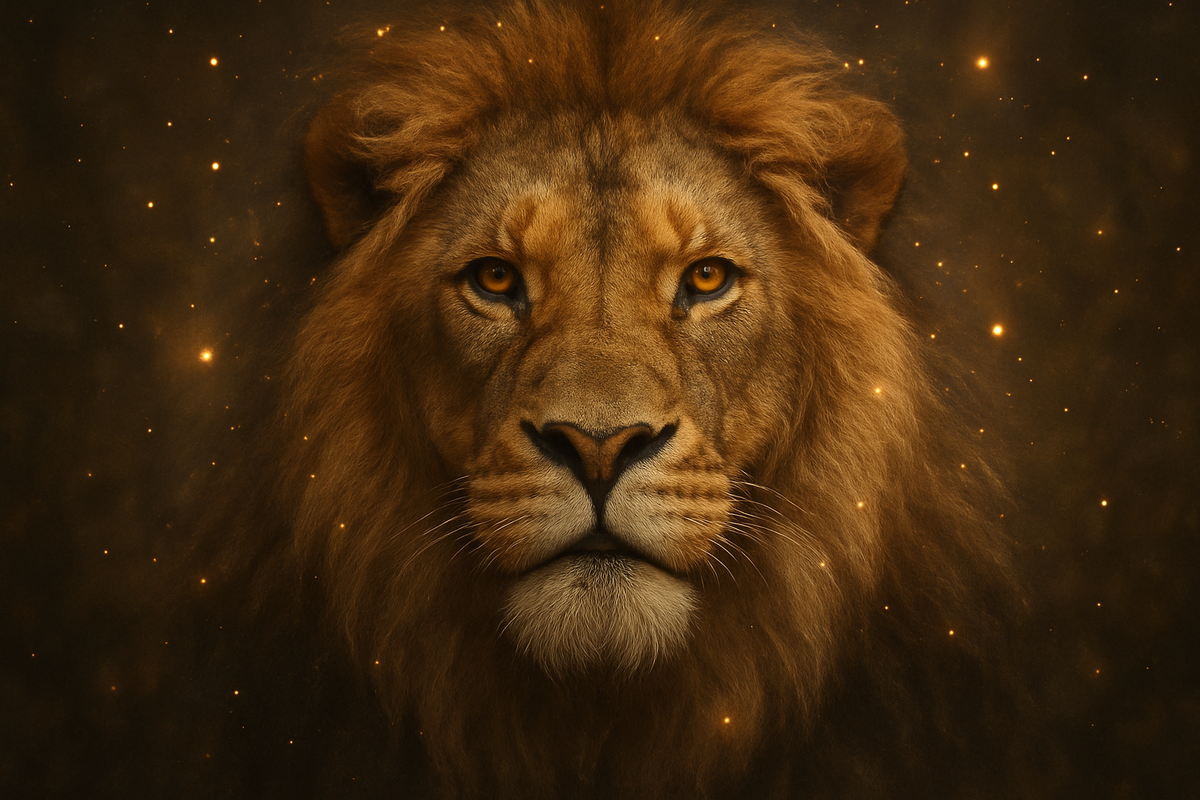
In spiritual traditions that focus on energy and self-mastery, the lion is seen as a totem of the solar plexus—the energy center governing willpower, identity, and confidence. When lion energy appears strongly in your life, it often suggests you're being nudged to stop seeking outside validation and instead trust your own instincts and leadership.
Many spiritual practitioners regard the lion as a guardian spirit that appears during periods of vulnerability. Much like how the hawk's appearance signals heightened awareness, a lion showing up in your awareness may indicate that unseen protective forces are rallying around you as you navigate a difficult transition.
Because lions are both nurturing and fiercely predatory, they represent the integration of gentleness and ferocity within one person. Spiritually, this suggests that true strength isn't the absence of softness—it's the ability to hold both without contradiction.
Lion symbolism is remarkably consistent across civilizations that had little to no contact with one another, which speaks to something archetypal in the human psyche.
The Egyptians associated lions with solar deities and protection. The goddess Sekhmet, depicted with a lioness head, embodied both destructive fury and healing power—she could unleash plagues or cure them. The Great Sphinx of Giza, with its lion body and human head, fused animal power with human intellect to guard sacred sites for eternity.
In Babylon, glazed-brick lions guarded the Ishtar Gate, symbolizing the might of the goddess Ishtar and the protection of the city. Persian kings used lion imagery on their thrones and seals to project divine right to rule, a tradition later echoed in Persian carpets and royal standards still woven today.
The Bible references lions over 150 times. Jesus is called the "Lion of Judah" in Revelation 5:5, symbolizing triumphant kingship and victory over death. Yet 1 Peter 5:8 warns that "your adversary the devil prowls around like a roaring lion," showing the lion's duality as both savior-symbol and warning of danger.
Across many West and Southern African cultures, the lion is tied directly to chieftainship and ancestral spirits. Among the Zulu, the lion (ingonyama) is reserved as a royal emblem, and lion imagery appears in praise poetry recited for kings, linking earthly rule to spiritual legitimacy.
Though lions are not native to China, stone guardian lions (shi) have flanked palace and temple entrances for over 2,000 years, believed to ward off evil spirits. The Lion Dance, performed during Chinese New Year, is thought to bring good fortune and drive away misfortune from the coming year.
| Culture | Lion Symbol | Core Meaning |
|---|---|---|
| Ancient Egypt | Sekhmet, the Sphinx | Protection, solar power, healing/destruction |
| Mesopotamia/Persia | Ishtar Gate lions | Royal authority, divine protection |
| Christianity | Lion of Judah | Victory, kingship, spiritual triumph |
| Zulu (Southern Africa) | Ingonyama | Chieftainship, ancestral legitimacy |
| China | Guardian lions, Lion Dance | Protection from evil, good fortune |
Dreaming of a lion often reflects unresolved feelings about power—either your own or someone else's influence over you. Context matters enormously in dream interpretation.
Just as the sudden, shimmering visit of a hummingbird in symbolism can signal joy breaking through hardship, a lion in dreams tends to arrive precisely when your subconscious senses you're ready—or overdue—to reclaim authority somewhere in your waking life.
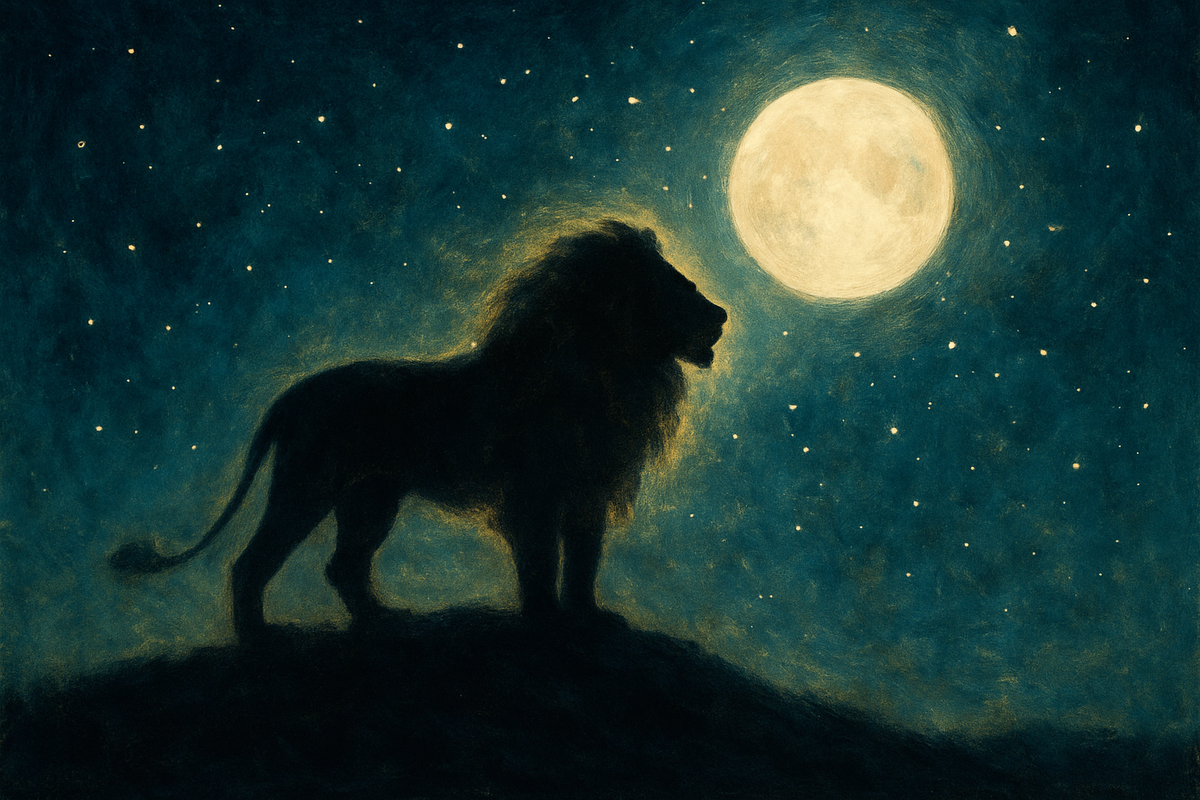
If the lion feels like your spirit animal, you likely possess (or are being called to develop) natural leadership qualities, a magnetic presence, and deep loyalty to those you consider your "pride." People with lion energy tend to struggle less with self-doubt once they align with their purpose, but they can also wrestle with pride, stubbornness, or an unwillingness to ask for help.
Unlike smaller totem animals that teach through subtlety and patience—much like the quiet lessons found in spider symbolism around patience and creativity—the lion teaches through direct confrontation. It doesn't whisper its lessons; it demands you meet life eye to eye.
Encountering repeated lion symbolism—through dreams, sightings, art, or even random conversations—is rarely coincidental from a spiritual perspective. Here's how to respond intentionally:
The lion's message becomes clearer when compared to other symbolically "powerful" creatures. Where the owl represents wisdom gained through quiet observation, the lion represents wisdom expressed through decisive, visible action. Where the crow signals transformation through mystery and omen, the lion signals transformation through direct confrontation with fear. Both animals ask something of you, but only the lion insists you answer immediately.
Seeing a lion in a dream typically reflects your relationship with personal power, confidence, or authority in waking life. A calm lion suggests growing self-mastery, while an aggressive one may point to suppressed anger or an unresolved confrontation you're avoiding.
Yes, in most traditions the lion is considered a positive and protective sign, symbolizing courage, leadership, and guardianship. However, its appearance can also serve as a warning to confront fear or reclaim strength you've been neglecting.
In the Bible, the lion represents both triumphant kingship—as in the "Lion of Judah" referring to Christ's victory—and danger, as seen in warnings about "a roaring lion" seeking to devour. This duality reflects the lion's broader symbolic role as both protector and threat.
The male lion is traditionally associated with visible authority, territorial protection, and sovereignty, while the lioness symbolizes strategic strength, cooperative leadership, and nurturing power, since lionesses do the majority of hunting and pride-raising. Together they represent a balanced model of leadership that combines strength with strategy.
Discover what the lynx symbolizes spiritually—secrecy, intuition, and hidden truth—plus its meaning in dreams, myth, and as a tote…

Manta ray as your spirit animal? Discover what it means, the traits it reveals about you, and how to recognize its call in your li…
Discover the spiritual meaning of the octopus—adaptability, intelligence, mystery, and shapeshifting—across myth, dreams, and dail…