 Know
Know
History
The History of Crowns: Power on the Head
Discover why crowns have symbolized power for 5,000 years, from Egyptian pharaohs to modern monarchs, and what they truly mean.
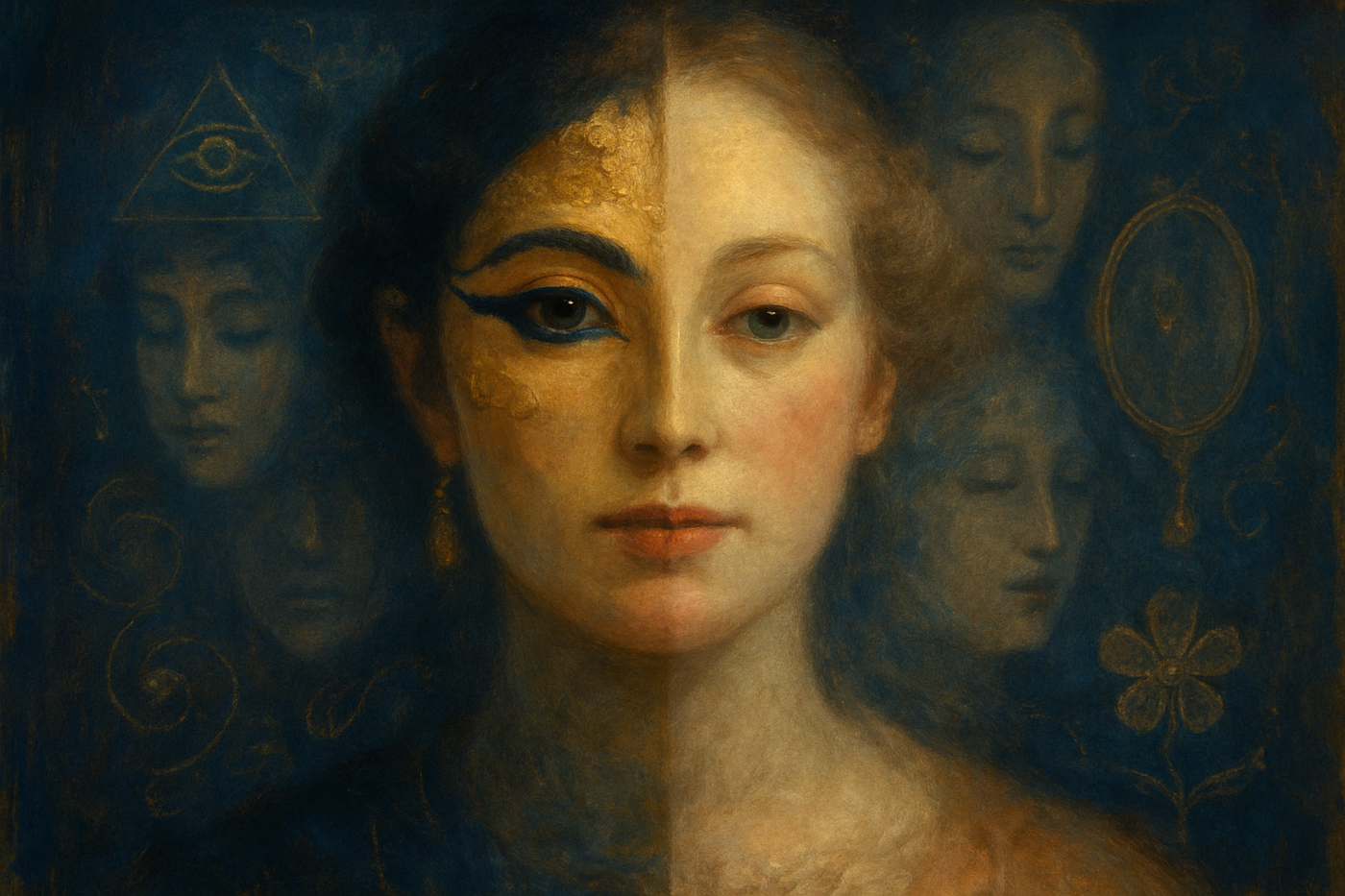
Makeup is an ancient art that has evolved dramatically through the millennia, shaped by cultural, social, and even spiritual forces. From its humble origins in prehistoric societies to the multimillion-dollar global industry it is today, the history of makeup reflects the evolving standards of beauty, status, and self-expression. This exploration dives deeper into the fascinating and often surprising history of makeup, tracing its development through the ages and uncovering how it has shaped and been shaped by human civilization.
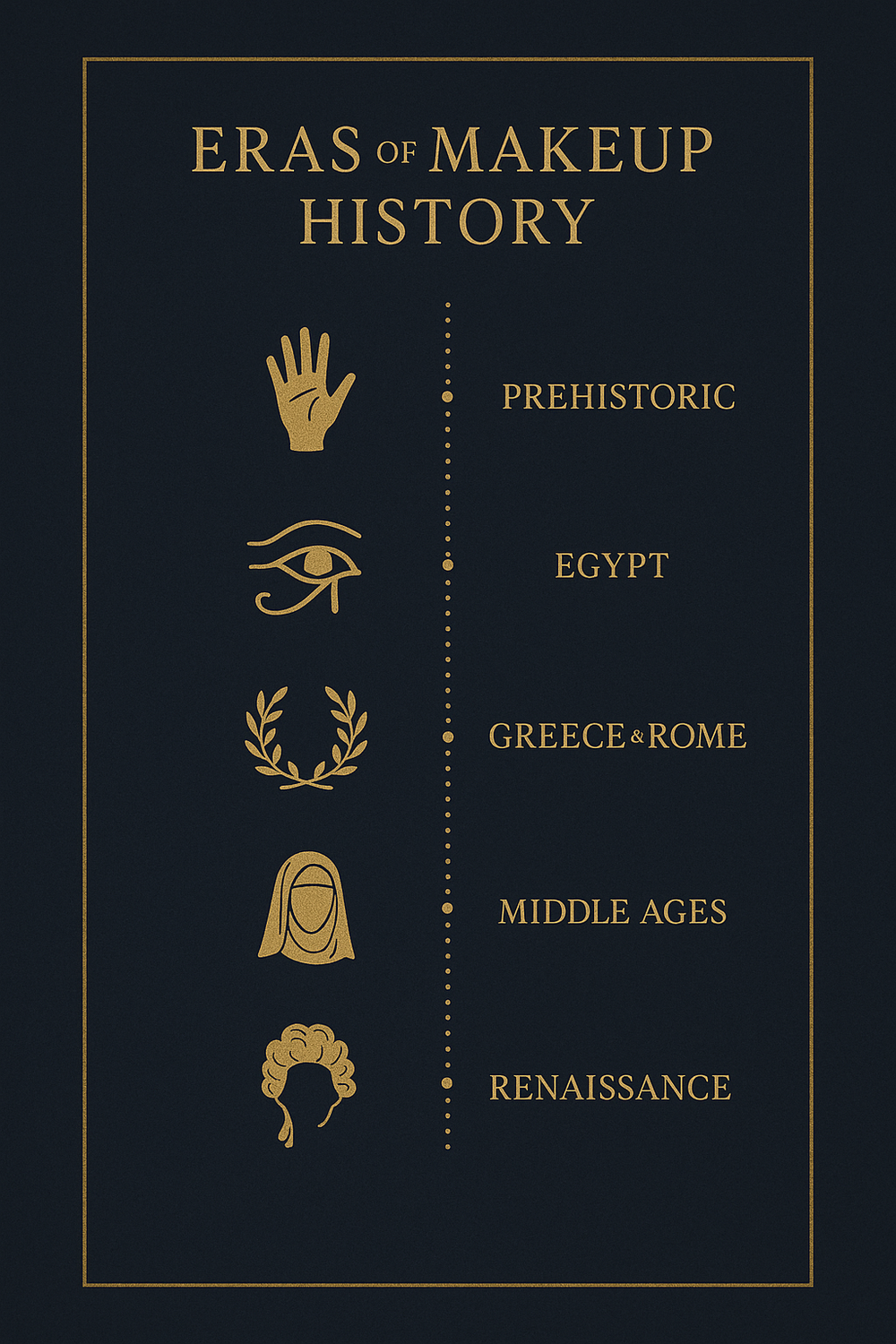
The earliest signs of humans using cosmetics date back to prehistoric times, when early people used natural pigments and clays to decorate their bodies for rituals, ceremonies, and even hunting. Archaeological evidence suggests that Neanderthals in Europe used pigments like ochre and manganese for body adornment as far back as 50,000 years ago. This early form of body art wasn’t just about aesthetics—it likely had deep social and spiritual meanings, such as signifying tribal affiliation, protection, or hunting prowess.
The use of plant-based oils, mud, and natural dyes may also have served functional purposes, such as protecting the skin from the elements. These early cosmetic practices laid the groundwork for what would later become a more sophisticated approach to beauty and body modification.
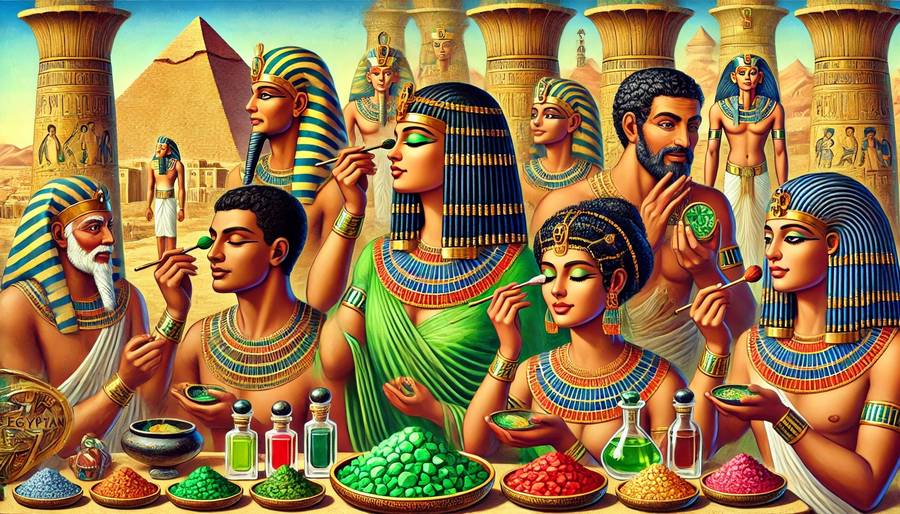
In ancient Egypt, makeup was not only about enhancing one’s beauty—it was a symbol of wealth, status, and even religious devotion. Around 4000 BCE, both men and women of high status would apply kohl, a mixture of ground-up lead sulfide or soot, around their eyes to create the signature almond-shaped outline. This dark eyeliner was believed to invoke the protection of the gods, particularly the god Horus, whose eye symbol represented healing and protection. Egyptians also used green malachite as eyeshadow and red ochre to stain their lips and cheeks, creating vibrant contrasts that emphasized facial features.
Egyptians were pioneers in developing skincare, using balms and creams made from animal fats, oils, and herbs to soften the skin and protect it from the sun. Cleopatra, one of the most famous beauty icons of the ancient world, was said to have bathed in milk and honey to preserve her legendary beauty. Perfumes made from myrrh, frankincense, and flowers were also used to mask body odors and for ceremonial purposes.
Interestingly, the Egyptians were also among the first to recognize the potential dangers of certain cosmetic ingredients. They believed that makeup could protect against illness, but they also knew that certain compounds, such as lead-based kohl, could have negative health effects, foreshadowing the long history of balancing beauty with safety.
The civilizations of ancient Greece and Rome placed a high value on appearance, associating physical beauty with moral virtue and social standing. In Greece, the ideal of beauty was natural, but this didn’t stop people from using cosmetics. Women would lighten their complexions using white lead, a dangerous practice that could lead to poisoning. They also used red ochre for blush and lip coloring. Greek men and women also applied oils and perfumes, many of which were derived from exotic plants and herbs, such as iris and rose.
In Rome, the beauty regime was even more elaborate. Roman women used chalk and white lead powder to lighten their skin and cochineal for red lips and cheeks. Like the Greeks, they valued pale skin as a sign of wealth and aristocracy, reflecting the fact that noblewomen stayed indoors while slaves and laborers worked outside, exposed to the sun.
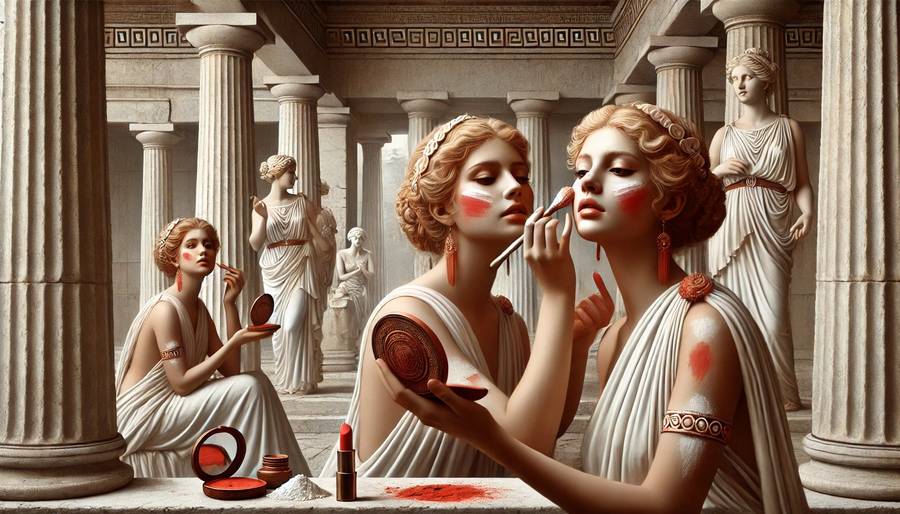
However, Roman society was somewhat divided over makeup. Some writers, such as the philosopher Seneca, condemned the use of cosmetics as vain and deceitful. Nevertheless, makeup remained a key part of the Roman beauty standard, often seen as a way for women to enhance their attractiveness to potential suitors or to maintain their social standing.
Ancient China also developed sophisticated cosmetic practices, often linked to dynastic traditions. As early as the Shang Dynasty (1600–1046 BCE), women used rice powder to whiten their skin, as pale skin was associated with aristocracy and refinement. By the Tang Dynasty (618–907 CE), the use of makeup became widespread, with women using crushed flowers for rouge, and bats’ blood to stain their lips. Beauty rituals in China were deeply connected to Confucian ideals of respectability and virtue. Makeup trends often reflected the political and cultural climate, with each dynasty imposing its own aesthetic values.
In Japan, the Heian period (794–1185) saw the rise of a distinctive makeup style, especially among court women. They painted their faces stark white with rice powder, a sign of elegance and high status. The practice of ohaguro, blackening the teeth with a lacquer made from iron filings and vinegar, became common, symbolizing both beauty and maturity. Women also shaved off their natural eyebrows and drew in thin, dark lines higher up on their foreheads, a practice known as hikimayu.
These cosmetic practices were often tied to spiritual beliefs. In both China and Japan, makeup was seen as a way to enhance one’s inner beauty and moral standing, aligning the wearer with ideals of purity and virtue.
In medieval Europe, the influence of the Christian Church led to a more reserved approach to beauty and cosmetics. Heavy use of makeup was discouraged, as it was seen as a sign of vanity, which was considered a sin. The Church’s influence meant that modesty and natural beauty were highly valued, especially for women. However, pale skin was still a sign of wealth and nobility, so women applied lead-based powders to achieve a fair complexion.
Despite the Church’s disapproval, many women of status secretly used cosmetics. They relied on herbal concoctions and natural pigments to lightly color their lips and cheeks. The use of cosmetics was seen as a way to enhance, rather than drastically alter, one’s appearance.
Interestingly, while makeup was often viewed with suspicion in Christian Europe, it continued to flourish in the Islamic world during the Middle Ages. Islamic scholars made significant advancements in the field of chemistry, contributing to the development of perfumes, oils, and makeup. The use of henna to dye hair and skin was widespread, and kohl continued to be used to define the eyes.
The Renaissance brought about a renewed interest in art, beauty, and personal expression. This cultural shift led to a resurgence of cosmetic use, especially in Italy and France. Venetian women were known for their elaborate beauty routines, using vinegar and lead to whiten their skin and create a flawless, pale appearance. Bright red lips and cheeks became fashionable, achieved using dyes like vermillion (a toxic mercury compound) or carmine (derived from cochineal insects).
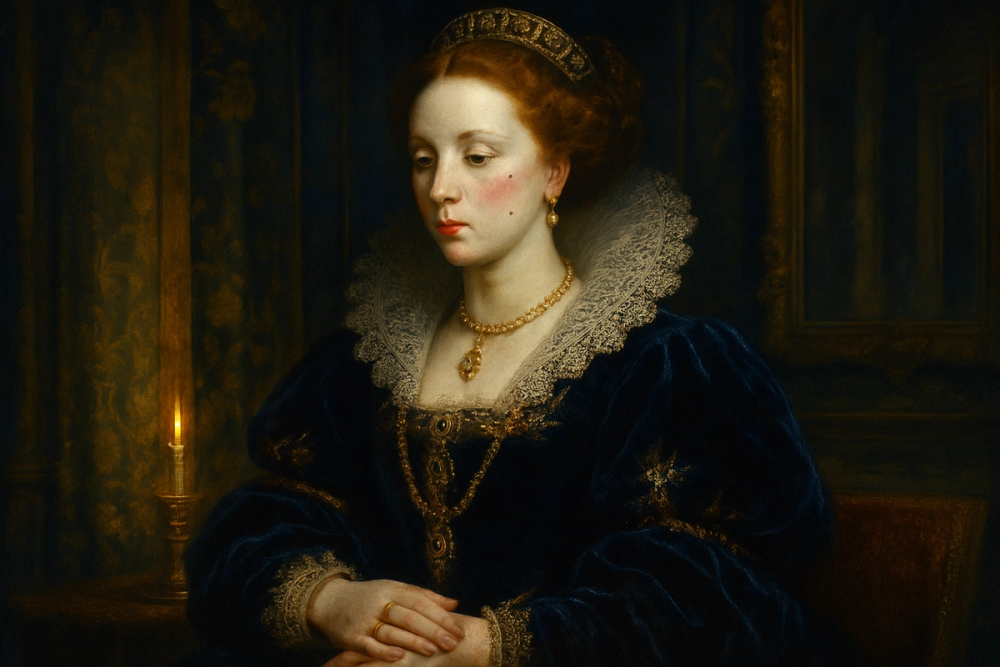
In Elizabethan England, Queen Elizabeth I herself set beauty standards with her pale, powdered face and bright red lips, known as the “mask of youth”. The queen used a concoction of white lead and vinegar to create her signature look, which became highly fashionable among noblewomen. Unfortunately, the use of toxic substances like lead often led to severe skin problems and even death, but this did little to deter women from following these beauty trends.
During this period, cosmetics were also used as a form of deception in a courtly society where appearances were of utmost importance. Women and men alike used powders, paints, and perfumes to mask imperfections, maintain a youthful appearance, and project an image of vitality and wealth.
The 18th century, particularly in France under the reign of Louis XV and Louis XVI, saw an explosion of extravagant makeup and fashion. Both men and women wore heavy white face powder made from lead or starch, along with brightly colored rouge and lipstick. The aristocracy adopted the use of mouches, small artificial beauty marks made of silk or velvet, which were placed strategically on the face to signify different meanings—flirtation, mystery, or aristocratic status.
Wigs, perfumes, and elaborate cosmetics became symbols of the elite, particularly at the French court. However, the use of makeup was not without its critics. The philosopher Jean-Jacques Rousseau decried the excessive use of cosmetics, arguing that it obscured natural beauty and created a false, artificial appearance.
After the French Revolution in 1789, makeup fell out of favor as it became associated with the excesses of the aristocracy. The trend for pale skin and heavy makeup gave way to a more natural, modest look that reflected the new social order.
During the Victorian Era in Britain (1837–1901), makeup was considered inappropriate for respectable women. Queen Victoria’s influence led to a more conservative attitude toward beauty, where heavy cosmetics were seen as vulgar and morally suspect. Women were expected to maintain a natural appearance, with any use of makeup being done discreetly.
Despite the societal disdain for cosmetics, women still sought ways to enhance their appearance. Beet juice and rose petals were used to subtly tint the cheeks and lips, and women resorted to natural skincare remedies like cucumber juice and rose water to achieve a clear complexion.
Victorian beauty ideals also emphasized health and hygiene. Women were encouraged to follow strict skincare routines to maintain a natural glow, as pale skin remained a sign of gentility and status. However, the use of makeup was largely confined to actresses, courtesans, and women on the fringes of society, who were often looked down upon for their overt use of cosmetics.
The 20th century marked the birth of the modern makeup industry, driven by technological advancements, cultural shifts, and the rise of mass media. Makeup became more accessible, safer, and socially acceptable for all women, regardless of class or profession.
The advent of film and photography revolutionized the makeup industry. Early film stars like Theda Bara and Clara Bow set beauty trends with their dramatic, dark eyes and bold lips. This period saw the creation of the first major makeup brands, including Max Factor, which supplied cosmetics to the film industry and later brought them to the general public.
By the 1920s, the flapper look became fashionable, characterized by thin eyebrows, heavily lined eyes, and dark lips. Women embraced a new sense of independence and self-expression, with makeup playing a key role in defining the modern woman.
The 1930s and 1940s were dominated by the glamour of Hollywood stars like Greta Garbo and Marlene Dietrich, whose perfectly arched eyebrows, deep red lips, and immaculate complexions influenced beauty trends around the world. During World War II, makeup became a symbol of resilience, with brands like Elizabeth Arden creating patriotic lipsticks for women working in factories.
By the 1950s, Marilyn Monroe and Audrey Hepburn epitomized beauty with their red lips, bold brows, and elegant eye makeup. The post-war boom saw the makeup industry expand, with new products like mascara, foundation, and powder becoming household staples.
The 1960s saw a break from traditional beauty standards, with Twiggy popularizing the mod look—pale lips, bold eyes, and false lashes. Makeup became an expression of individuality, with bright colors, shimmery eyeshadows, and experimental looks defining the era.
The 1970s embraced both the natural look of the hippie movement and the rise of disco glam, while the 1980s were all about excess. Bright eyeshadows, heavy blush, and dramatic contouring became popular, reflecting the exuberant pop culture of the time.
Today, makeup is more inclusive, diverse, and innovative than ever before. The beauty industry has evolved to celebrate all skin tones, genders, and personal styles. Brands like Fenty Beauty, launched by Rihanna in 2017, revolutionized the industry by offering an extensive range of foundation shades, sparking a conversation about diversity and representation.
The rise of beauty influencers and platforms like YouTube and Instagram has democratized makeup, allowing for greater experimentation and creativity. Consumers now have access to tutorials, reviews, and trends from around the world, shaping the future of beauty in real-time.
Moreover, the demand for sustainable and ethical beauty has led to a rise in clean beauty products, which prioritize natural ingredients and eco-friendly practices. As technology advances, the beauty industry continues to innovate, with AI-driven skincare, virtual makeup try-ons, and personalized beauty routines becoming more mainstream.
The history of makeup is a testament to humanity’s enduring fascination with beauty, self-expression, and transformation. From ancient Egypt to the modern-day, makeup has evolved from a symbol of status and spirituality to a form of art, creativity, and personal identity. As the world becomes more inclusive and diverse, the future of makeup promises to be one of even greater innovation and empowerment, reflecting the ever-changing ideals of beauty across cultures and generations.
Discover why crowns have symbolized power for 5,000 years, from Egyptian pharaohs to modern monarchs, and what they truly mean.
Discover why wedding rings are worn on the fourth finger, their ancient origins in Egypt and Rome, and what they truly symbolize t…
From Ötzi's 5,300-year-old ink to Polynesian rites and Japanese irezumi - discover how tattoos evolved from sacred ritual to self-…