Know
Know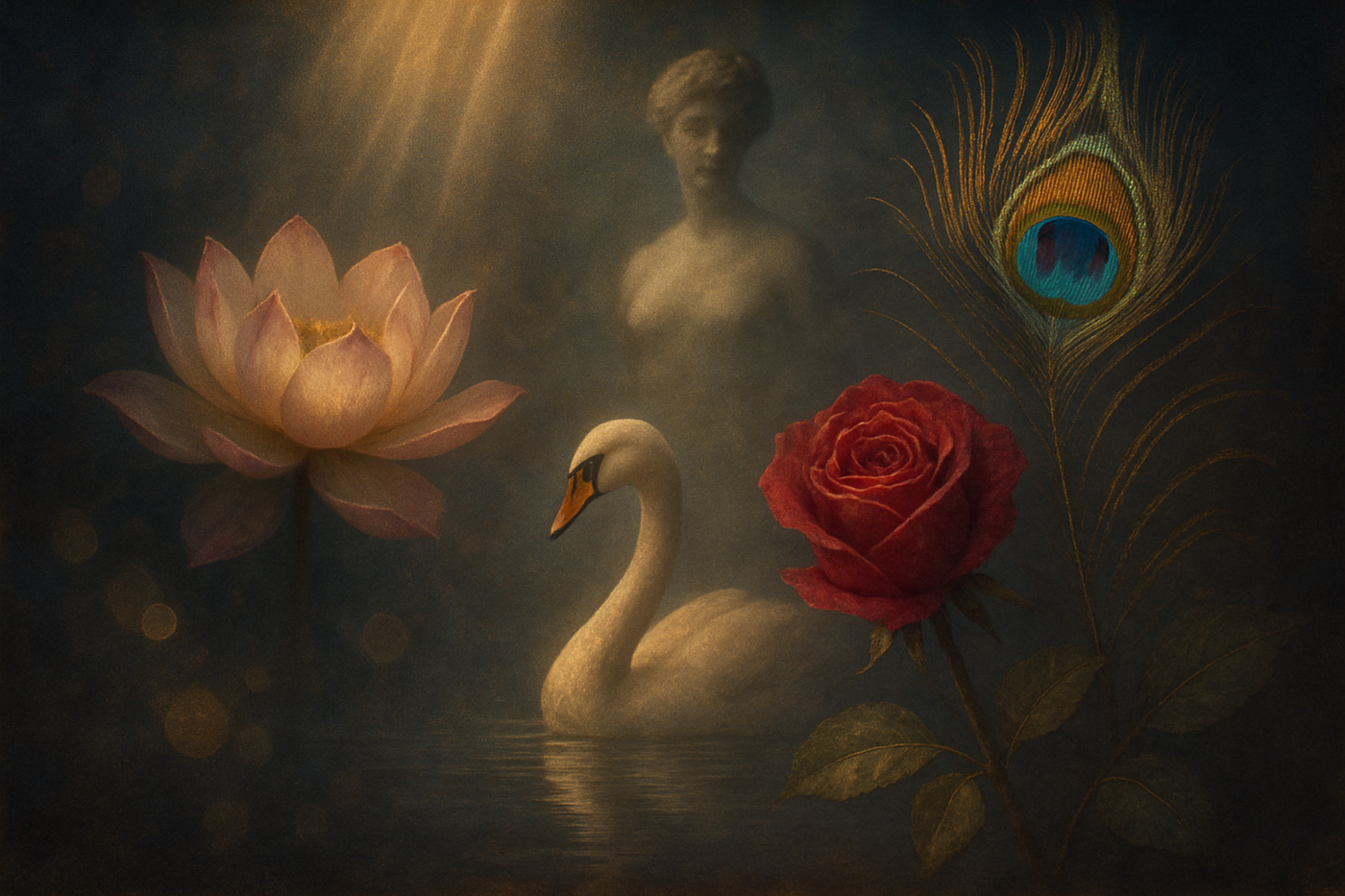
Symbols of beauty are the recurring images, creatures, and objects—such as the rose, lotus, swan, gold, diamond, and the goddess Venus—that cultures around the world use to represent grace, purity, allure, and aesthetic perfection. Each carries layered meaning, from transformation and purity to love and divine radiance, making these icons a timeless shorthand for how humanity understands and expresses beauty. Below, we break down 31 of the most enduring symbols of beauty, organized by nature, animals, flowers, gems, culture, and mythology.
- Key takeaway: The rose, lotus, and Venus are the three most universally recognized symbols of beauty across cultures.
- Key takeaway: Beauty symbolism falls into six broad categories: nature, animals, flora, gems, daily culture, and mythology.
- Key takeaway: Many beauty symbols—like the lotus and butterfly—also represent transformation, not just appearance.
- Key takeaway: Colors (red), gems (diamond, gold), and celestial bodies (the Venus star) carry beauty symbolism just as strongly as flowers or animals.
| Symbol | Core Meaning | Origin / Culture |
|---|---|---|
| Lotus | Purity rising from adversity | Egyptian, Buddhist, Hindu |
| Rose | Love, passion, romance | Greco-Roman, Global |
| Swan | Grace, elegance, devotion | European folklore |
| Peacock | Vibrant confidence, self-expression | South Asian, Greek |
| Gold | Timeless value and radiance | Global, Ancient Egypt |
| Diamond | Resilient, unbreakable beauty | Global |
| Venus | Divine feminine beauty and allure | Roman mythology |
| Butterfly | Transformation, delicate beauty | Global, Chinese folklore |
| Pearl | Beauty born from adversity | Global, Ocean cultures |
| Jade | Beauty, purity, protection | Chinese culture |
What Are the Symbols of Beauty?
Beauty, in its many forms, has always captivated the human eye and heart. But defining and expressing it requires something more concrete than feeling alone—that's where symbols step in. From the delicate rose to the radiant sun, humanity has long used tangible images to represent an intangible experience.
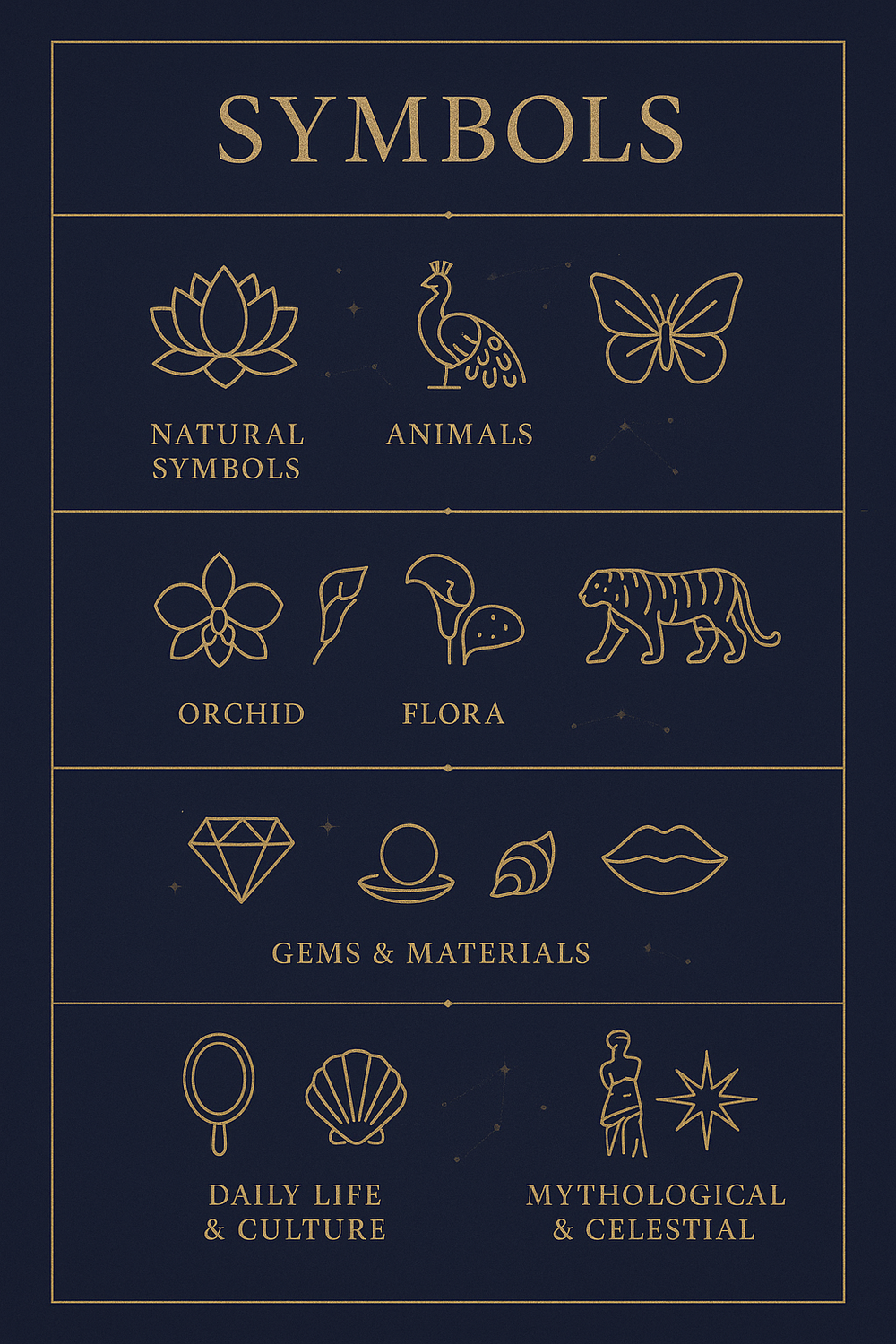
- Lotus — purity rising from adversity
- Rose — love, passion, and romance
- Swan — grace, elegance, and devotion
- Peacock — vibrant confidence and self-expression
- Gold — timeless value and radiance
- Diamond — resilient, unbreakable beauty
- Venus — divine feminine beauty and allure
- Butterfly — transformation and delicate beauty
The Universal Language of Beauty
Beauty, in its very essence, is a universal language. From the delicate blossoms that greet the morning sun to the mesmerizing hues of sunsets that bid adieu to a day well-lived, nature speaks beauty in a language understood by all. That inexplicable sense of awe as you stand atop a hill, witnessing the sprawling beauty of the landscape below, or the heart-fluttering sensation as you behold a piece of art that resonates deep within—this language, innate and timeless, transcends borders, cultures, and even eras.
The Role of Symbols in Representing Beauty
How do we communicate this ethereal language to others? Symbols become our words, our messengers. They encapsulate vast meanings, emotions, and narratives, delivering them in bite-sized packages that are instantly recognizable. Think of the red rose. Even without uttering a single word, it speaks volumes of love, passion, and beauty. Such symbols become cultural touchpoints, rites of passage, or even daily affirmations. Much like the way a claddagh ring communicates love and loyalty without a single word, beauty symbols remind us of the grace that exists around us and within us.
Natural Symbols of Beauty
The natural world teems with symbols that echo the ethereal essence of beauty. These symbols, often subtle in their messages, resonate deeply with our innate understanding of aesthetic grace. Each, in its own unique way, paints a tale of wonder, strength, change, or passion. Let's embark on a journey through some of these enchanting emblems.
1. Lotus: Purity Emerging from Murkiness
In the heart of murky waters, the lotus rises, its petals untouched by the mire below. This resilient flower symbolizes purity, rebirth, and spiritual awakening. Its journey from the muddy depths to the sunlight mirrors our own journey of personal growth and enlightenment. Just as the lotus remains unstained, it encourages us to rise above challenges, emerging more beautiful and stronger—a theme it shares with the purity ring, another symbol built entirely around the idea of staying untouched by outside corruption.
2. Swan: Grace on Water
The swan, with its long neck, pristine white feathers, and serene demeanor, epitomizes grace and elegance. Gliding effortlessly on water, it represents poise and tranquility. Swans are widely seen across cultures as symbols of enduring love and fidelity because of their lifelong pair bonds, and their curved necks have inspired the popular image of two swans meeting to form a heart shape. Their graceful presence on serene lakes paints a picture of peace and majesty.
3. Butterfly: Metamorphosis and Delicate Beauty
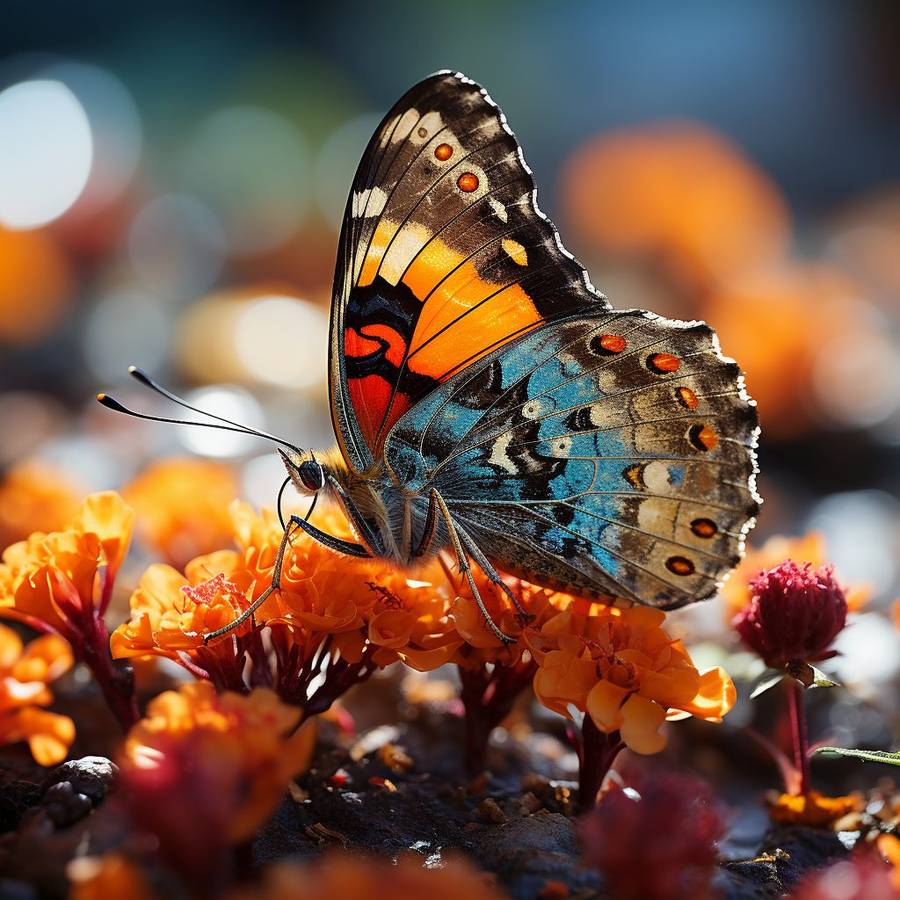
Butterflies, with their delicate wings adorned with intricate patterns, are a marvel of nature. They symbolize transformation, hope, and life's fleeting nature. From a humble caterpillar to a chrysalis and then emerging as a beautiful butterfly, they tell a tale of growth, change, and rebirth. Their dance from one flower to another adds vibrancy to gardens, reminding us of the transient beauty in every stage of life.
4. Rose: Classic Emblem of Love and Beauty
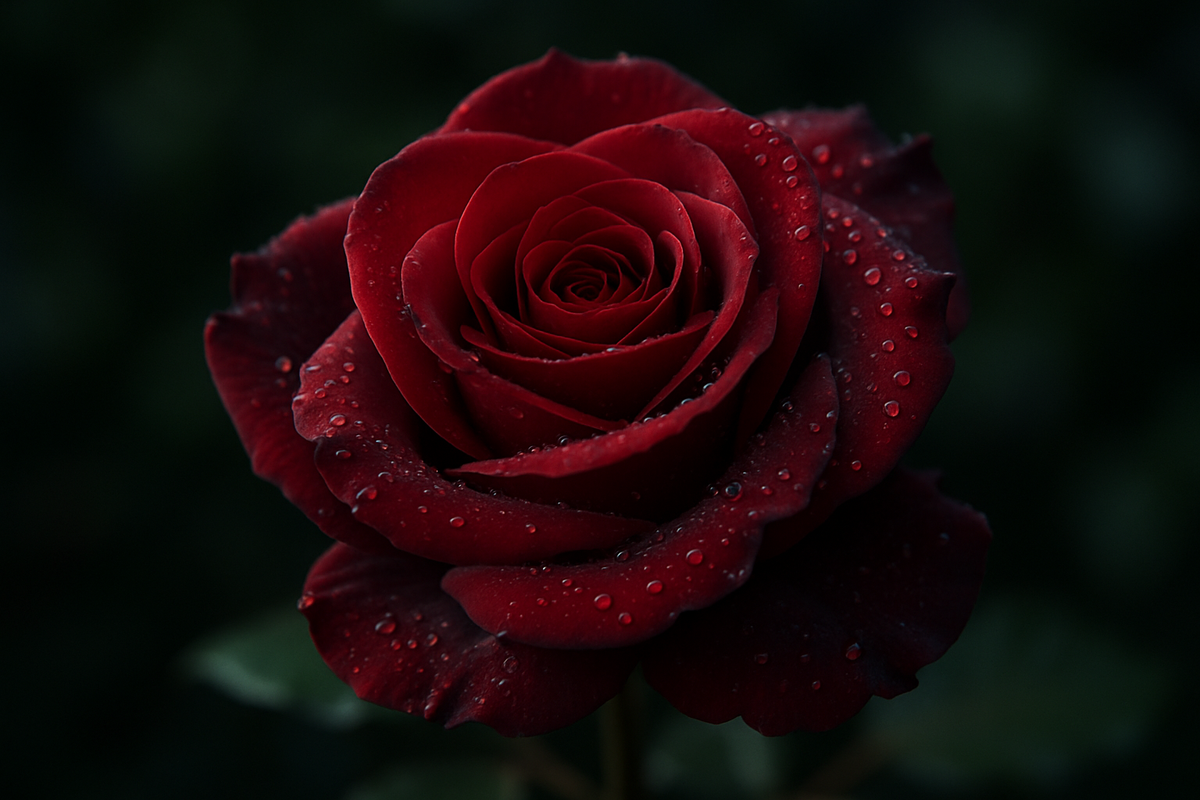
A symbol universally recognized, the rose stands tall as an emblem of love, beauty, and passion. With its velvety petals and alluring scent, it captures hearts and evokes deep emotions. Each color tells a different story – red for love, white for purity, yellow for friendship, and so on. The rose, with its thorns, also speaks of the duality of life: beauty and pain coexisting, an idea echoed in the balancing forces of the yin yang symbol, where opposing qualities complete rather than cancel each other out.
5. Cherry Blossom: Transient Beauty and Renewal
The delicate cherry blossoms, with their soft pink petals, epitomize the ephemeral nature of life. In many cultures, especially in Japan, they are revered symbols of renewal, new beginnings, and the fleeting nature of existence. Their brief bloom reminds us to cherish life's transient moments and to appreciate beauty in its many forms, no matter how short-lived.
6. Sky: Vastness and Limitless Beauty
The sky, with its infinite expanse, evokes a sense of wonder and vastness. From the clear azure of a sunny day to the dramatic hues of a sunset, the sky presents a canvas of limitless beauty. It reminds us of the boundless possibilities and the infinite nature of our universe, urging us to look up, dream big, and to always reach for the stars.
7. Rainbow: Diversity and Hope
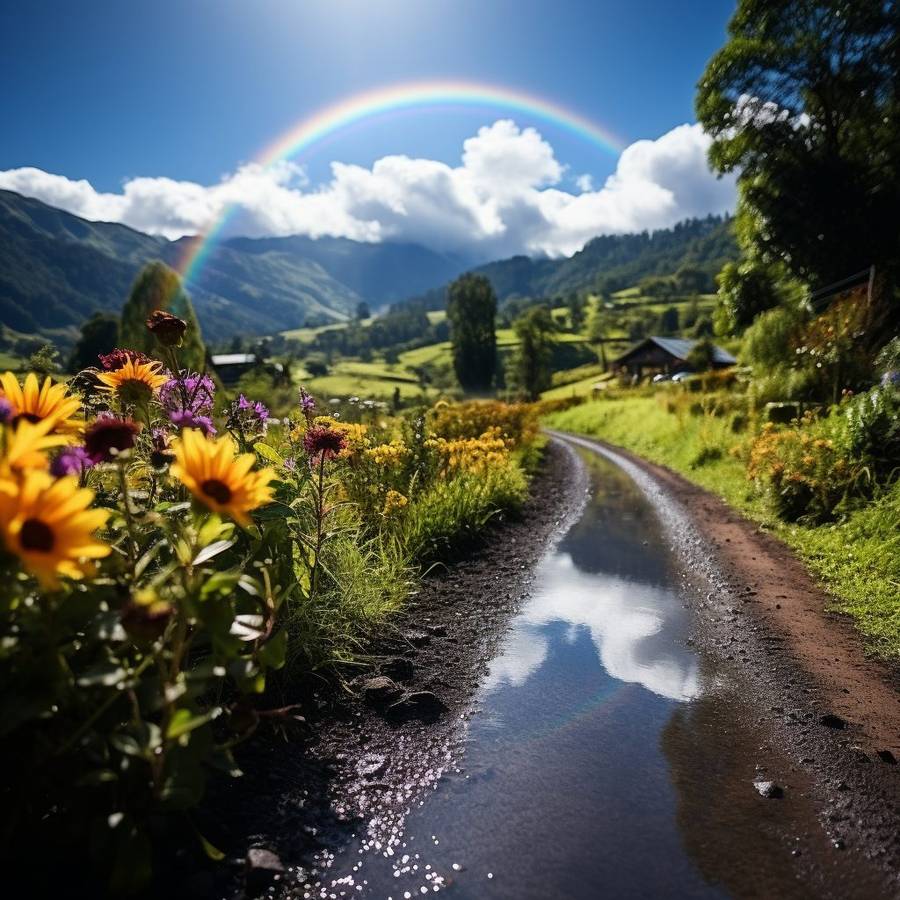
Emerging after a rain, the rainbow paints the sky with its vibrant arc of colors. It serves as a symbol of hope, promise, and diversity. Each color, harmoniously coexisting, represents unity in diversity. The ephemeral nature of rainbows reminds us that even after the darkest storms, there is beauty and hope to be found.
8. Snowflake: Unique and Delicate Beauty
Every snowflake that graces our world is unique, with its intricate patterns and delicate structure. These tiny marvels symbolize individuality, perfection, and the fleeting nature of life. Their transient existence, as they melt upon contact, serves as a poignant reminder of the importance of treasuring every moment and recognizing the unique beauty in each individual.
9. Sunsets: Endings Can Be Beautiful Too
The mesmerizing hues of a sunset, painting the horizon with shades of orange, pink, and purple, evoke feelings of serenity and reflection. Sunsets symbolize endings, but also beauty in those endings. They remind us that every day, every phase, every chapter has its own unique beauty – and that there's a promise of a new dawn after every dusk.
Animals and Beauty
The animal kingdom brims with stunning examples of beauty, each creature portraying its own unique form of aesthetic allure. These beings not only captivate us with their physical attributes but also inspire us with their behaviors, movements, and innate qualities. Let's dive deeper into the symbolism of a few of these magnificent animals.
10. Peacock: Vibrancy and Display
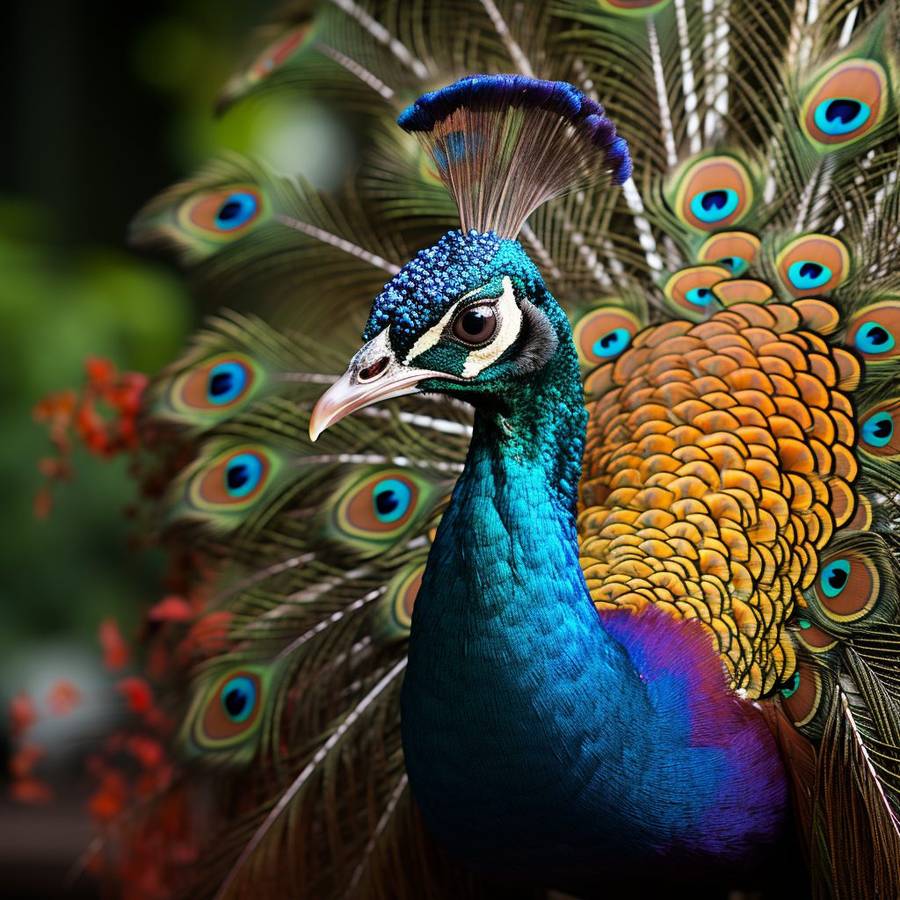
The peacock, with its dazzling array of iridescent feathers, stands as a testament to nature's grandeur. Symbolizing vibrancy, nobility, and self-expression, the peacock proudly displays its tail, showcasing the intricacy of its design. This bird teaches us about the beauty of confidently expressing oneself and embracing our unique attributes.
11. Dolphin: Playfulness in the Waves
Gliding through the oceans with grace, the dolphin embodies joy, intelligence, and playfulness. Their acrobatic leaps and joyful chatters convey a sense of freedom and delight in the present moment. Dolphins remind us to find joy in life's simple pleasures and to approach challenges with a playful spirit.
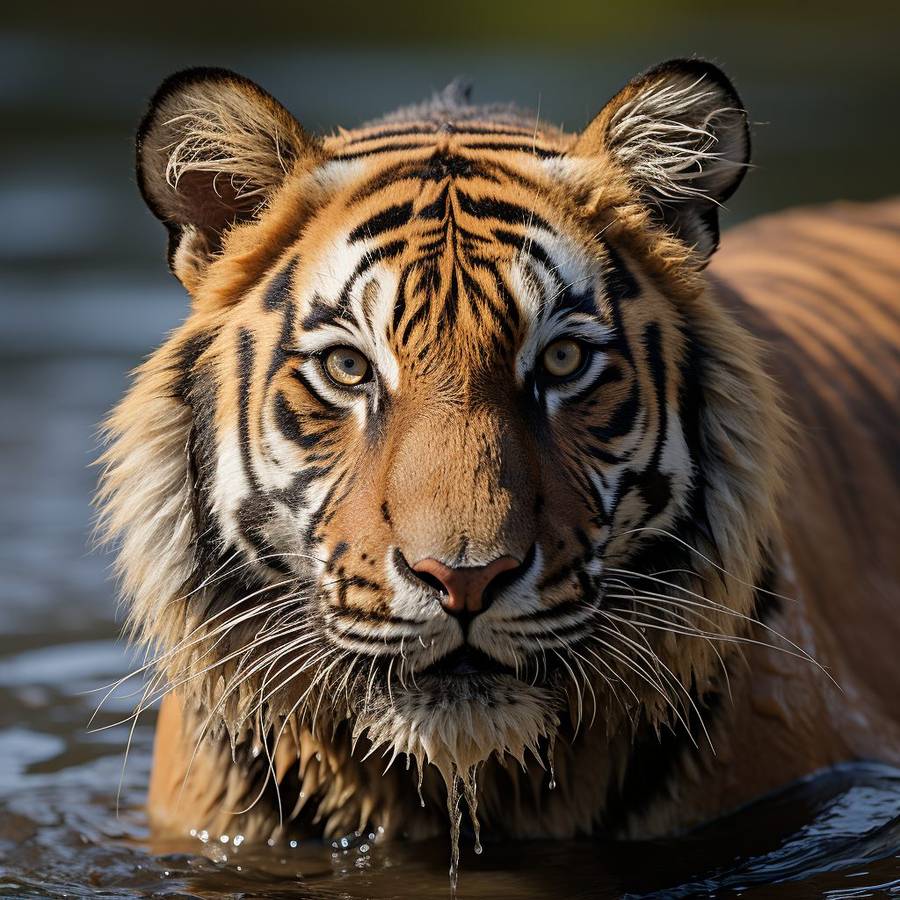
12. Tiger: Fierce Beauty and Strength
Roaming the forests with quiet confidence, the tiger represents power, ferocity, and beauty in its most primal form. With its striking stripes and penetrating gaze, the tiger captures the essence of wild beauty. It stands as a symbol of strength, courage, and determination, reminding us to face life's challenges head-on with grace and resilience.
13. Angel: Ethereal and Divine Beauty
Though not an animal in the traditional sense, the angel evokes images of ethereal beauty, transcending the earthly realm. Representing purity, divinity, and protection, angels are often depicted with elegant wings, symbolizing freedom and guidance. They remind us of the unseen beauty in acts of kindness and the divine presence that watches over us, bringing hope and comfort during trying times.
Flora Representing Beauty
Plants and flowers have long been admired for their aesthetic appeal, offering a myriad of colors, shapes, and fragrances. Beyond their obvious beauty, they often carry profound symbolic meanings, reflecting human emotions, experiences, and aspirations. Let's explore the deeper significance of some of these botanical wonders.
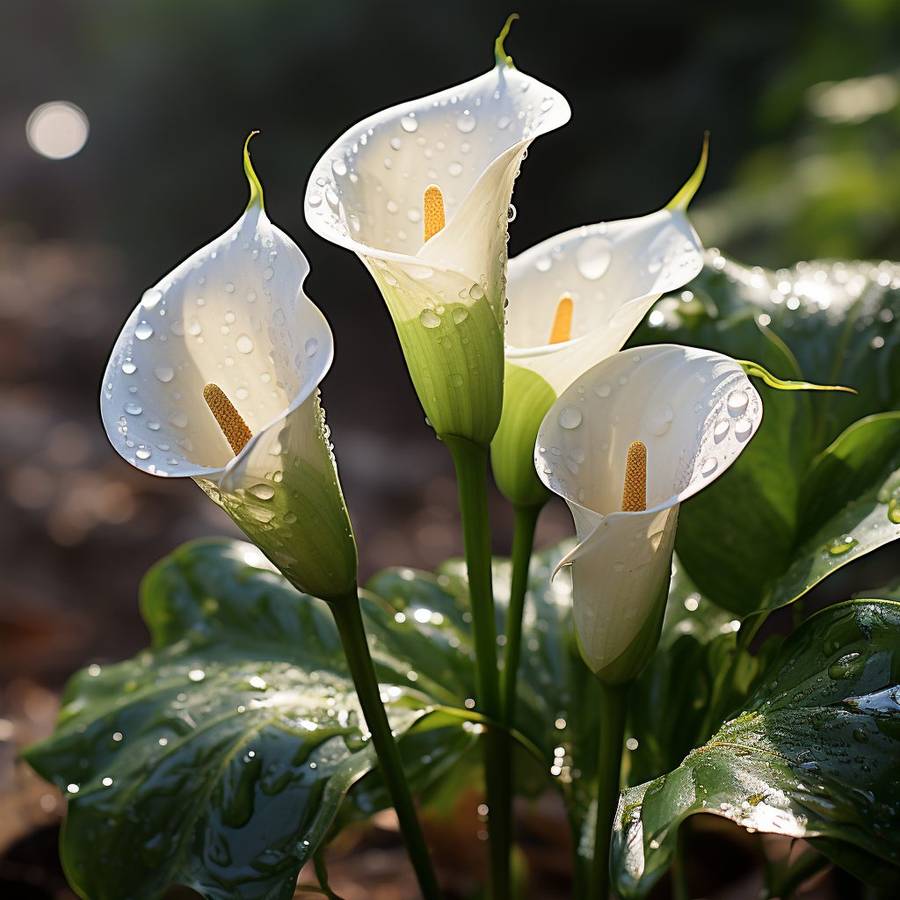
14. Calla Lily: Elegance and Simplicity
The Calla Lily, characterized by its smooth, trumpet-shaped bloom and elongated stem, epitomizes elegance and simplicity. Often associated with purity and rebirth—much like the symbolism behind a purity ring—its graceful form stands as a testament to the idea that true beauty can be found in the simplest of things.
15. Heather: Wild Beauty
Thriving in the rugged landscapes of moors and heathlands, Heather represents resilience and wild beauty. Its dense clusters of small, bell-shaped flowers, typically in shades of purple, pink, or white, symbolize admiration, solitude, and protection.
16. Orchids: Exotic and Refined Beauty
Orchids, with their intricate patterns and vibrant colors, are often considered symbols of luxury, refinement, and exotic beauty. Native to diverse habitats across the globe, they symbolize love, fertility, and elegance. Their unique shapes and captivating fragrances have captivated humans for centuries, making them a favorite in horticultural circles.
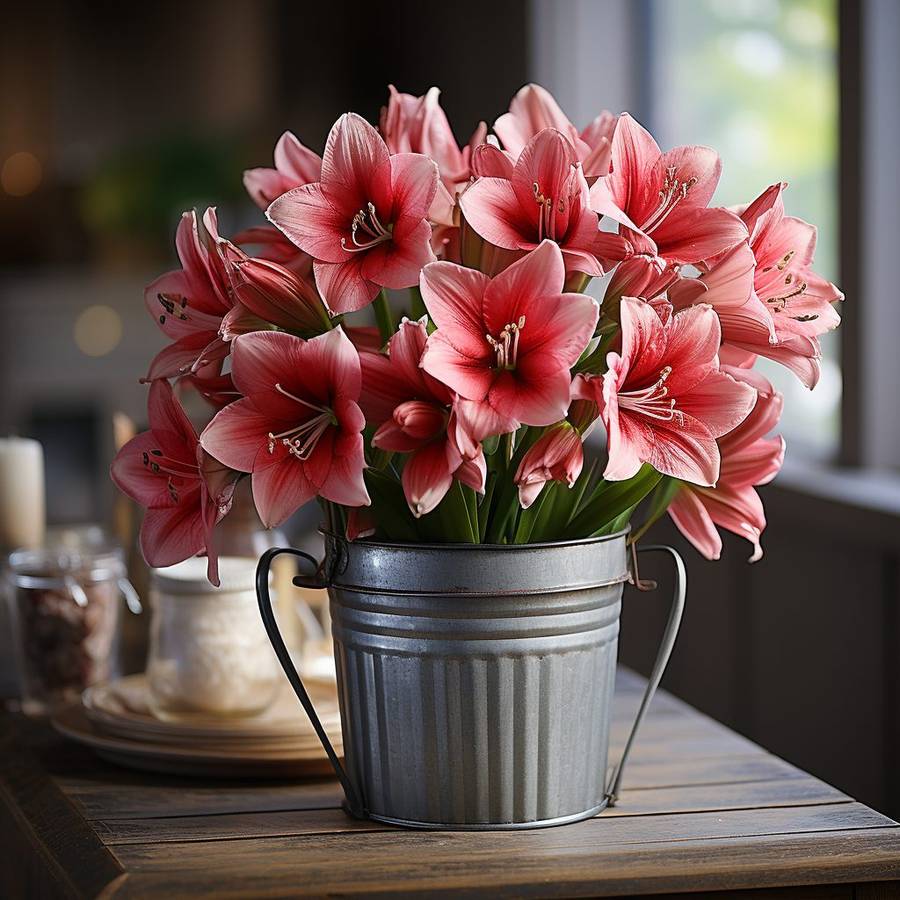
17. Amaryllis: Splendid Beauty and Determination
The bold, trumpet-shaped flowers of the Amaryllis convey messages of splendid beauty, pride, and determination. Often gifted during the winter holidays, they serve as a reminder of the beauty that persists even during the coldest times, symbolizing hope and resilience.
18. Pomegranate: Fruitfulness and Regeneration
The Pomegranate, laden with juicy, ruby-red seeds, stands as a symbol of fruitfulness, fertility, and regeneration. Its rich history and presence in various mythologies and religious texts underscore its significance. The act of opening a pomegranate to reveal its bountiful seeds can be likened to uncovering the hidden beauties and potentialities within oneself and the world around.
Gems and Precious Materials
Have you ever stopped to think about why we're so captivated by shiny rocks and metals? It's not just the sparkle – it's the stories, symbolism, and deep-rooted meanings behind them. Let's embark on a glittering journey through some of the world's most beloved treasures!
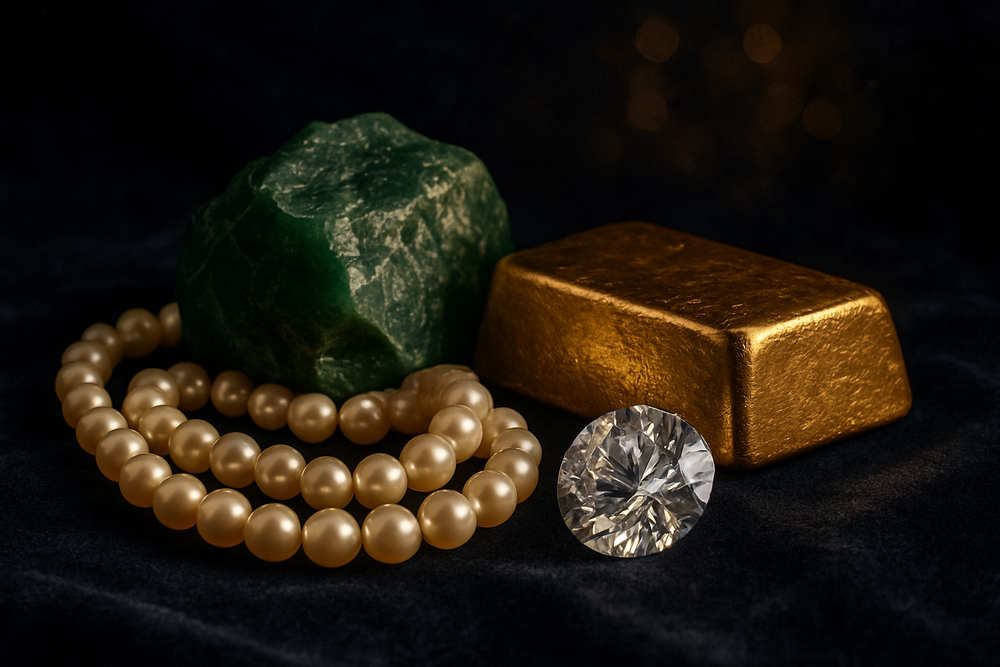
19. Jade: Beauty, Purity, and Protection
First stop, the enigmatic Jade. Revered especially in Asian cultures, this cool-to-the-touch stone isn't just a pretty face. In traditional Chinese belief, jade was regarded as possessing mystical powers to ward off evil, a quality modern crystal-healing tradition describes as warding off negativity. Much like the hamsa, another ancient talisman worn to guard against harm, jade is a top pick for amulets and jewelry because of its dual role as ornament and protector.
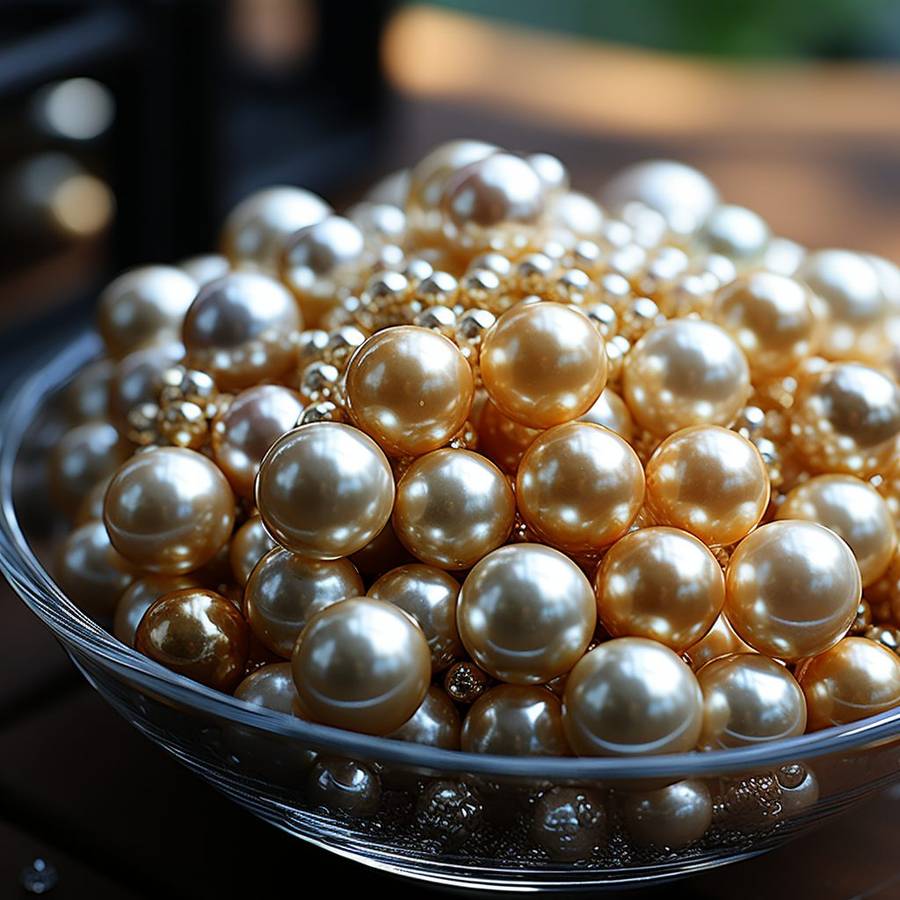
20. Pearls: Lustrous Beauty from the Depths
Ah, Pearls! These beauties have a bit of magic in them. Formed in the depths of the ocean, they're like nature's little miracles. Their lustrous glow tells tales of mystery and elegance. Pearls remind us that even through adversity (you know, the whole irritating grain of sand thing), something beautiful can emerge.
21. Gold: Timeless Beauty and Wealth
Next up, the ever-glorious Gold. Since ancient times, this metal has been synonymous with wealth, power, and divinity. But let's not forget its sheer beauty! That unmistakable shine doesn't tarnish, making it a perfect metaphor for timeless beauty and enduring value. Whether in a pharaoh's tomb or your favorite piece of jewelry, gold's appeal is, well… timeless.
22. Diamond: Unbreakable and Radiant Beauty
And then, the pièce de résistance, the Diamond. Talk about sparkle and strength! These gems, formed deep within the Earth under extreme heat and pressure, embody resilience. They're not just a girl's best friend; they're a symbol of unbreakable beauty. Their radiant sparkle reminds us that, sometimes, pressure creates the most stunning results.
Symbols in Daily Life and Culture
We're surrounded by symbols every day, each bearing its own tale. Some are as old as time, while others have acquired meaning through cultural evolution. Let's unwrap the beauty and depth behind some of these everyday symbols!
23. Mirror: Reflection of Beauty and Truth
The Mirror, more than just a tool for checking our appearance, serves as a powerful symbol. In literature and lore, mirrors often reflect not just our physical selves but our true essence, the soul within. It prompts introspection, urging us to look deeper and find our authentic selves amidst the noise of the world. A moment in front of a mirror can be a profound reminder that beauty isn't just skin deep—it's also about the truth and authenticity that lies within.
24. Red (color): Passion and Attraction
Ever noticed how the color Red catches your attention? There's a reason it's the color of stop signs, red carpets, and those iconic roses. Red symbolizes passion, love, and attraction. It's bold, vibrant, and unapologetic. In many cultures, it's also linked with luck and prosperity. So, whether it's that fiery lipstick or the crimson dress, red is all about making a statement and capturing the essence of life's fervor.
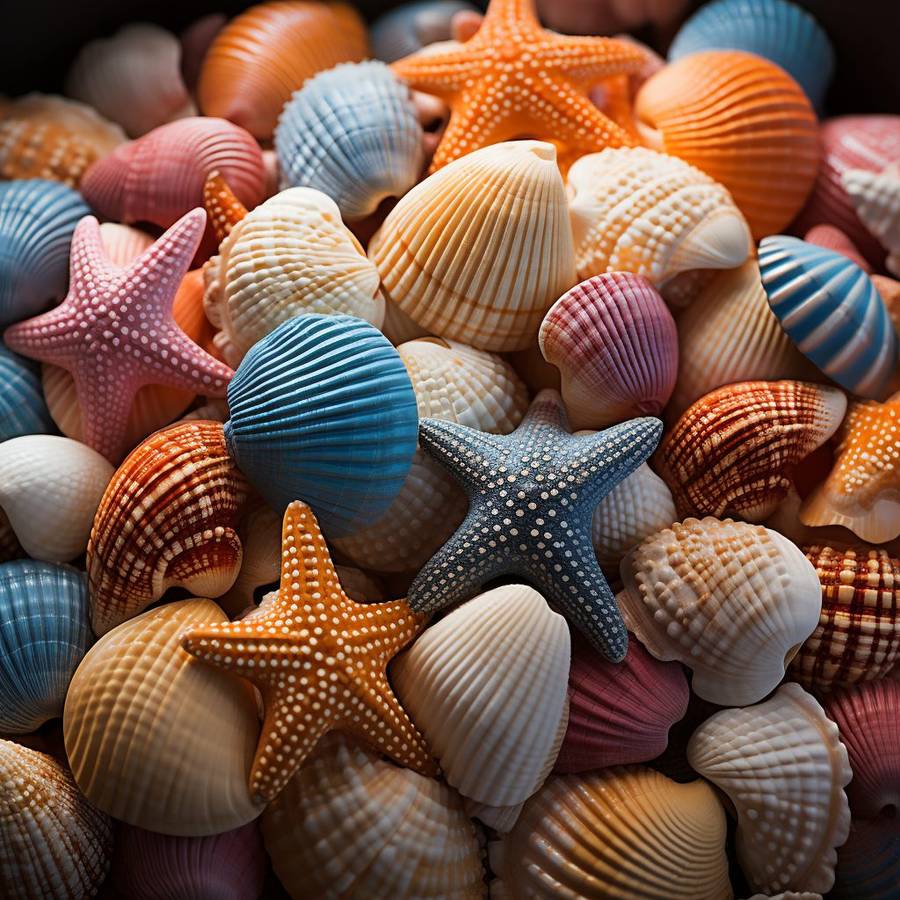
25. Seashells: Treasures from the Ocean
Seashells, with their intricate designs and patterns, are nature's little masterpieces. But beyond their beauty, they represent life's journey. Just think about it: each shell, shaped and molded by the ocean's currents, tells a unique story. They remind us of the vastness of the world, the mysteries of the deep, and the treasures that await when we're brave enough to explore.
26. Fireworks: Celebratory and Fleeting Beauty
Who doesn't love the magic of Fireworks? Lighting up the night sky, they epitomize celebration, marking special moments in our lives. But they also symbolize the fleeting nature of beauty and time. As they burst in radiant colors only to fade moments later, they're a vivid reminder to seize the moment, to embrace the now, and to find joy in life's transient beauty.
27. Girdle: Beauty and Femininity
The Girdle, often seen as a symbol of femininity and allure, has a history deeply rooted in ancient cultures. Worn by goddesses in myths and tales, it represented power, beauty, and the mystique of the female form. Over time, while its form and function have evolved, its essence remains a celebration of womanhood and the divine grace of femininity. Today, it stands as a testament to the elegance, strength, and complexity of women throughout ages and cultures.
28. Lips: Expression and Sensuality
Lips, aside from their obvious sensual allure, play a pivotal role in our expressions, communications, and connections. They are often the focus of art and beauty standards, symbolizing both verbal and non-verbal communication. A simple curve of the lips can convey an array of emotions, from joy to sorrow, love to indifference. Lips, painted or bare, are gateways to one's inner world, revealing more than words often can.
29. Tribal Tattoos: Beauty in Traditions and Stories
Tribal Tattoos are more than just ink on skin—they are a legacy, a tradition, and a story passed down through generations. Originating from various indigenous cultures around the world, each design and pattern carries with it a distinct narrative, a piece of history, or a symbolic meaning. They celebrate not just individual beauty but the collective memory of communities, encapsulating traditions, tales, and tribulations. In wearing them, one doesn't just adorn their body but also honors the ancient wisdom and artistry of bygone eras.
Mythological and Celestial Symbols
Beyond nature and culture, some of the most enduring beauty symbols come from mythology and the night sky itself. These emblems connect our everyday appreciation of beauty to something far older and more universal—much like the way the tree of life connects nature symbolism to spiritual meaning across cultures.
30. Venus: Goddess of Love and Beauty
The name Venus evokes images of divine beauty and ethereal charm. In Roman mythology, Venus was the goddess of love, beauty, and fertility. Her allure was unparalleled, and she was revered and celebrated for her radiant beauty and power to inspire love and passion. She symbolized the ideal form of feminine beauty and grace, often depicted as emerging from the sea, a birth that signifies her deep connection to love's primal forces. Today, Venus stands as an epitome of timeless beauty that transcends cultures and epochs.
31. Star (especially the 8-pointed star of Venus): Guiding Beauty in the Night Sky
Stars have always been symbols of guidance, hope, and wonder. The 8-pointed star of Venus, in particular, holds a special place in various cultures. Associated with the goddess Venus, this star symbolizes the light of beauty shining brightly in the vast expanse of the night sky. It serves as a reminder that beauty can be a guiding light, a constant amidst change, and a beacon of hope even in darkness. Such celestial emblems are timeless, connecting us to the infinite universe and its mesmerizing beauty.
Conclusion: The Timeless Pursuit of Beauty
From the ethereal beauty of celestial bodies to the tangible symbols found in nature and everyday life, humanity's quest for beauty remains a constant. These symbols, be they of nature, culture, or mythology, are not just representations but are intertwined with our perception and appreciation of beauty. They serve as reflections of our shared aspirations, desires, and understanding of what beauty truly means. Whether through a flower, a gem, or a mythological deity, our pursuit of beauty underscores a universal truth: beauty is not just what meets the eye, but a feeling, an experience, and a timeless connection that binds us all.
FAQ
What flower symbolizes beauty?
The rose is the flower most universally recognized as a symbol of beauty, representing love, passion, and romance across countless cultures. The lotus is a close second, symbolizing purity and beauty that rises above adversity, while the calla lily represents elegance and simplicity.
What animal represents beauty?
The swan and the peacock are the two animals most associated with beauty—the swan for its serene grace and elegance, and the peacock for its vibrant, confident display. The butterfly is also widely used to represent delicate, transformative beauty.
What color symbolizes beauty?
Red is the color most strongly linked to beauty, passion, and attraction, from red roses to red lipstick and red carpets. Gold is a close counterpart, symbolizing radiant, timeless, and luxurious beauty rather than fleeting allure.
What is the ultimate symbol of feminine beauty?
Venus, the Roman goddess of love and beauty, is widely considered the ultimate symbol of feminine beauty, often depicted emerging from the sea as the embodiment of divine grace. The rose and the swan are frequently paired with her imagery as complementary symbols of feminine allure and elegance.