 Know
Know
History
History of Mirrors: Timeline From Obsidian to Glass
A full timeline of mirror history—from 6000 BCE obsidian to Venetian glass—plus the myths, superstitions, and dream meanings behin…
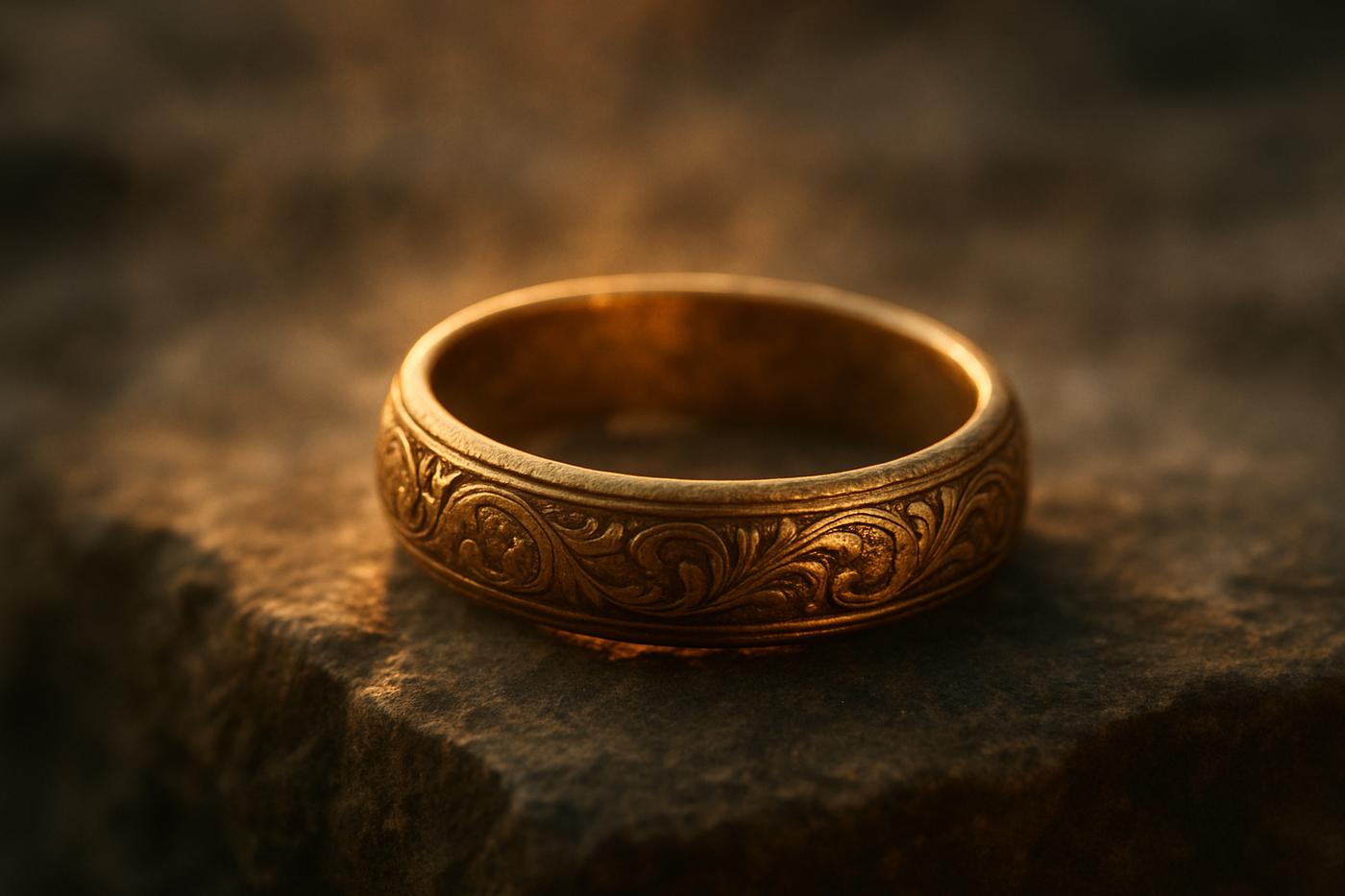
Wedding rings began as a symbol of eternal love, with the unbroken circle representing infinity and permanence. The earliest known examples date back roughly 4,800 years to ancient Egypt, where couples exchanged braided reeds worn on the fourth finger of the left hand, a spot believed to hold the "vena amoris," or vein of love, running directly to the heart. From there the tradition evolved through Roman iron betrothal bands, medieval gimmel rings, and Victorian sentimental jewelry into the diamond-centered gold and platinum bands common today.
There is something quietly miraculous about a small circle of metal that has traveled across millennia, empires, and love stories to end up on your own hand. Every scratch and worn edge on an old wedding band carries decades of shared breakfasts, arguments, apologies, and quiet devotion.
Long before diamonds sparkled in jewelry store windows, lovers in ancient river valleys were already slipping woven grass loops onto each other's fingers, whispering the same promise humans still make today: forever. This article traces that promise across cultures, centuries, and materials to show how a humble circle became the most emotionally loaded piece of jewelry in the world.
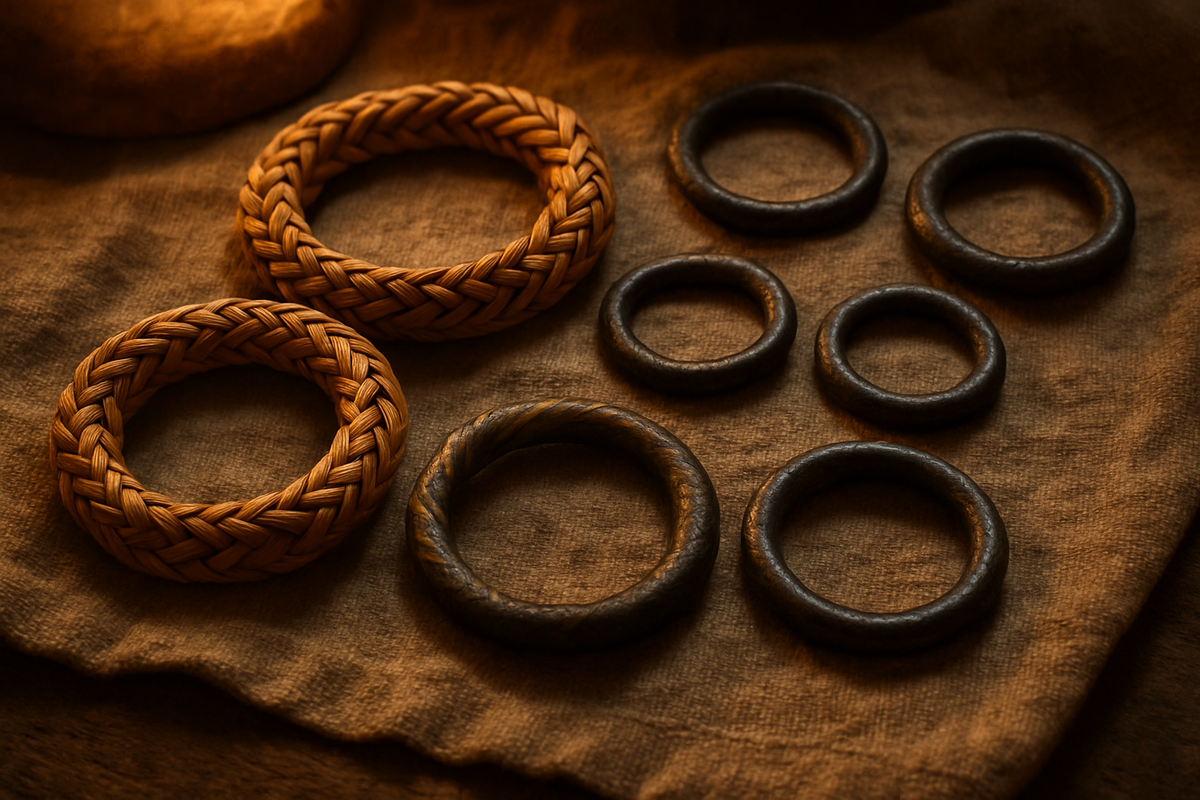
The earliest documented wedding rings appear in ancient Egypt around 2800 BCE. Egyptians fashioned rings from reeds, hemp, or leather, exchanging them as symbols of eternity since a circle has no beginning and no end. Egyptian brides and grooms wore these rings on the left hand's fourth finger, believing the vena amoris connected directly to the heart. Though anatomically inaccurate by modern medical understanding, this romantic belief shaped ring-wearing customs for thousands of years across the Mediterranean and later Europe, embedding itself so deeply that most Western couples never question it today.
The Romans adopted Egyptian symbolism but added a legal dimension. Roman betrothal rings, called anulus pronubus, were often made of iron rather than gold, signifying strength and permanence rather than mere decoration. Wealthier Romans later introduced gold rings, sometimes carved with clasped hands, a motif known as "fede" rings, symbolizing trust and partnership. Roman law even treated the ring as a public declaration of a binding marriage contract, an early legal precursor to today's marriage certificates and one of the first times jewelry carried official, documented weight.
By the Middle Ages, European craftsmen developed the gimmel ring, made of two or three interlocking bands that separated during the engagement period, with each partner wearing one half until the wedding day, when the pieces were reunited on the bride's finger. Posy rings also became popular, engraved inside the band with short romantic verses in French or Latin, such as "tout a toy" (all yours), turning the ring itself into a whispered love letter worn permanently against the skin.
Beyond its documented history, the wedding ring carries layered spiritual meaning across traditions. Its unbroken circular form represents eternity and wholeness, an idea echoed across countless mythologies where circular symbols mark endless cycles of life, season, and devotion. The empty center of the ring is often interpreted as a gateway or portal, representing the couple's shared future rather than a closed, static object.
In traditional Jewish weddings, the ring given during the ceremony must be a plain, unbroken band without gemstones or engravings, symbolizing a simple, honest, and complete commitment free of distraction. It is placed on the bride's index finger during the ceremony under the chuppah, since Jewish law requires witnesses to clearly see the exchange, and is later moved to the ring finger, reflecting the biblical importance of visibility and an unbroken circle.
While Western-style engagement rings have become common in modern Indian ceremonies, traditional Hindu weddings emphasize the "bichiya," toe rings worn by married women, alongside the "mangalsutra," a sacred necklace tied by the groom. Toe rings are believed in Ayurvedic tradition to affect nerve pathways connecting to the uterus, linking jewelry placement to fertility and marital wellbeing, and showing how symbolic jewelry extends far beyond the finger in world traditions.
In Chinese culture, gold wedding jewelry historically served as both a spiritual symbol and portable family wealth, gifted during the tea ceremony to bless the couple with prosperity. The number and design of gold pieces exchanged, often including bangles and rings alongside a dragon-and-phoenix motif, reflect Confucian values of family duty and mutual respect between two households joining through marriage.
Dreaming of a wedding ring often reflects the dreamer's subconscious feelings about commitment, security, or transformation, rather than a literal prediction of marriage. Losing a ring in a dream may signal fear of losing connection or control, while receiving one can represent readiness for a deeper bond, whether romantic or personal, such as a new career commitment. A broken ring in a dream frequently points to anxiety about a relationship's stability, while a shining, new ring suggests renewal and hope.
| Era | Common Material | Symbolic Meaning |
|---|---|---|
| Ancient Egypt (2800 BCE) | Braided reeds, leather | Eternity, natural cycle of life |
| Roman Empire | Iron | Strength, legal contract |
| Medieval Europe | Gold, gimmel bands | Union, unity of two halves |
| Victorian Era | Gold with gemstones | Sentiment, mourning, devotion |
| Modern Era | Platinum, diamond, tungsten | Luxury, permanence, individuality |
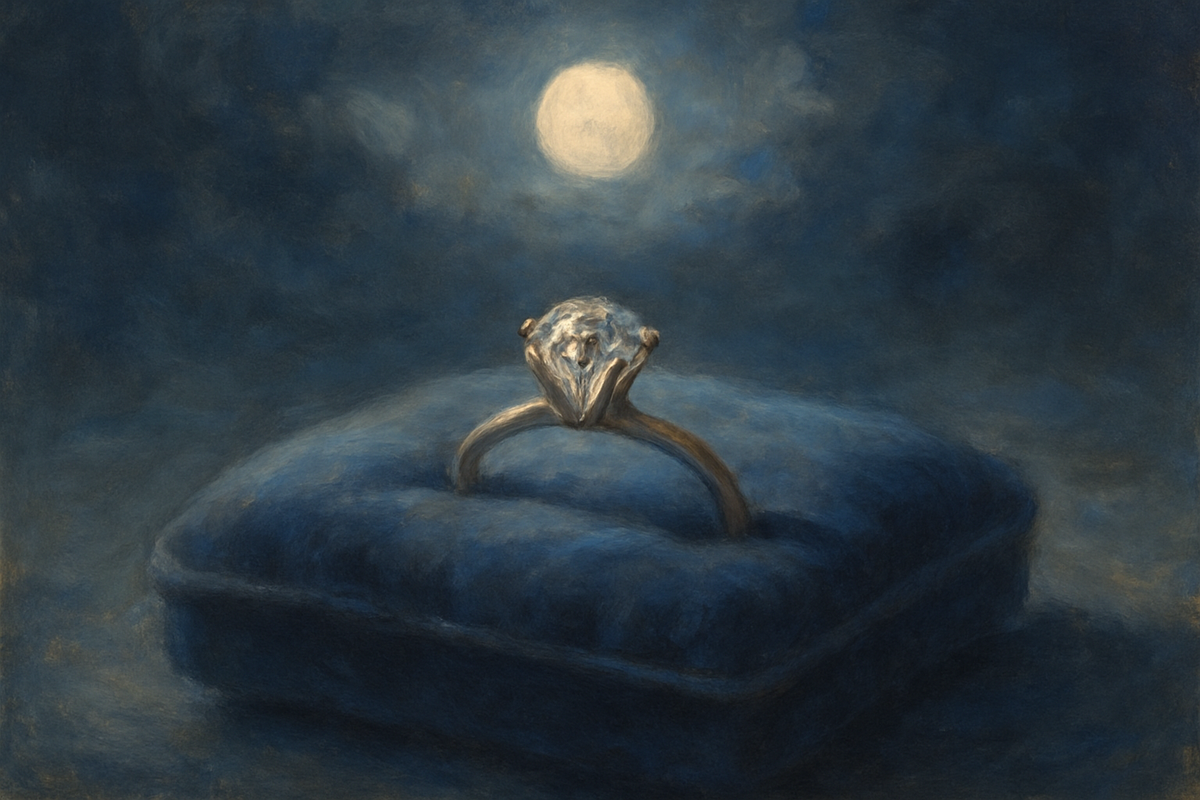
Diamonds only became the default engagement stone in the 20th century, largely thanks to a 1947 De Beers advertising campaign coining the phrase "A Diamond Is Forever." Before then, sapphires, rubies, and simple gold bands were far more common choices for engagement jewelry among European and American couples. This marketing shift transformed personal adornment much like historical shifts in beauty rituals and fragrance traditions, where cultural symbolism intertwined with commercial innovation to shape modern expectations of romance.
Understanding this history can deepen how you choose, wear, or gift a wedding ring today.
The wedding ring's journey mirrors the broader story of personal adornment found throughout human history, alongside the evolution of timekeeping devices and even body art traditions, all reflecting humanity's need to mark meaningful moments permanently on the body.
The tradition comes from the ancient Egyptian and later Roman belief in the vena amoris, a vein believed to run directly from the fourth finger to the heart. While modern anatomy disproves this exact vein, the romantic symbolism stuck and became standard across Western wedding customs.
The oldest known wedding rings date back to around 2800 BCE in ancient Egypt, made from braided reeds, hemp, or leather rather than metal. These early rings symbolized eternity through their unbroken circular shape, a concept that still defines wedding ring design today.
No, men's wedding bands only became widespread in Western culture during and after World War II, when soldiers wanted a tangible reminder of their spouses while deployed overseas. Before that era, wedding rings were almost exclusively worn by women in most Western societies.
Dreaming about a wedding ring usually reflects your subconscious feelings about commitment, security, or a major life transition rather than a literal marriage prediction. The dream's details, such as losing, finding, or receiving the ring, shape whether it points to anxiety, readiness, or renewal.
A full timeline of mirror history—from 6000 BCE obsidian to Venetian glass—plus the myths, superstitions, and dream meanings behin…

The Legacy and Influence of “Plan 9 from Outer Space”: From Flop to Cult Classic Every so often, a film emerges that, despite its …
12 key milestones in shoe history, from 40,000-year-old prehistoric footwear to Crocs and smart sneakers. See the full timeline an…