 Know
Know
History
The History of Crowns: Power on the Head
Discover why crowns have symbolized power for 5,000 years, from Egyptian pharaohs to modern monarchs, and what they truly mean.
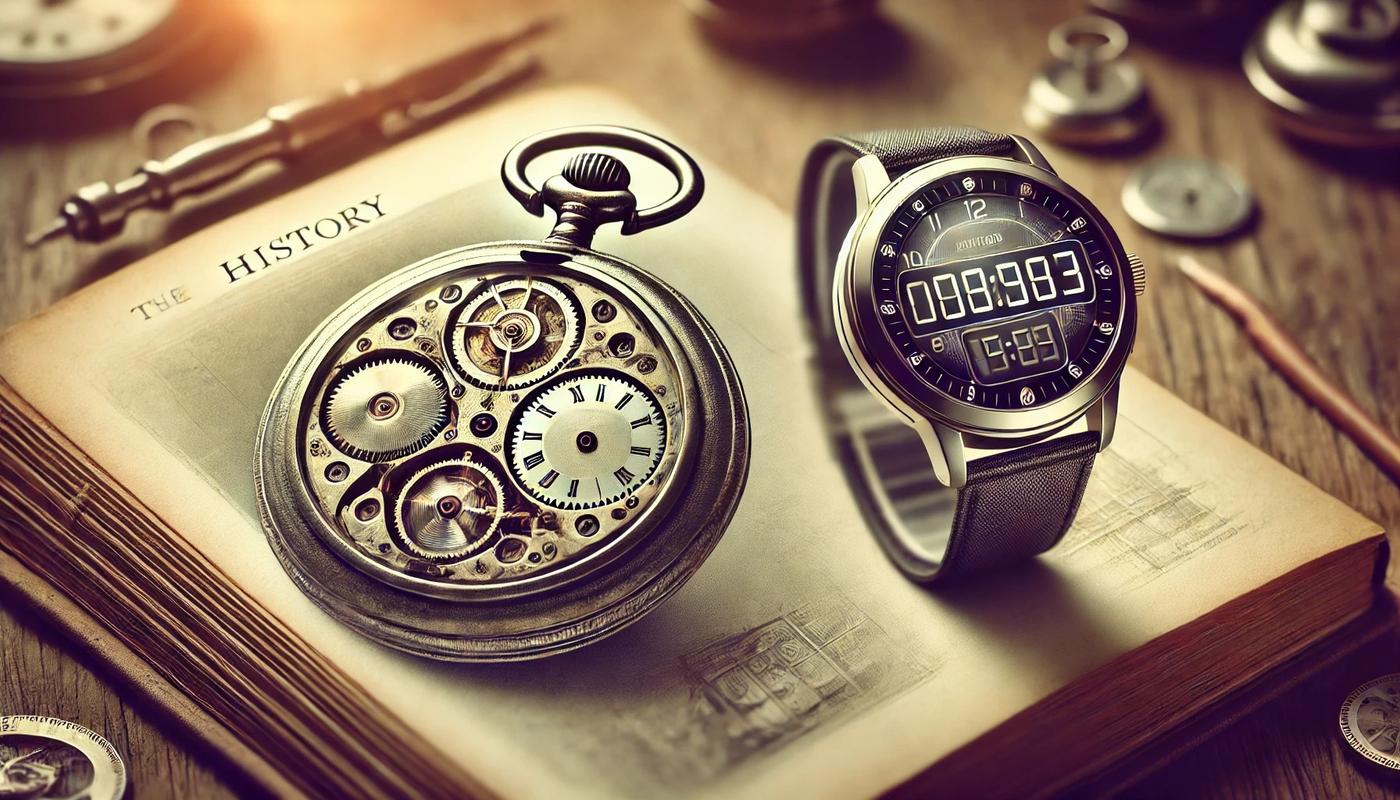
| Year/Period | Event/Innovation | Significance |
|---|---|---|
| 3500 BCE | Sundials | Ancient Egyptians invent the first device for timekeeping using the shadow of the sun. |
| 1400 BCE | Water Clocks | Water clocks, used in Egypt and Babylon, allowed for more regular time measurement than sundials. |
| 13th Century | Mechanical Clocks | Developed in European monasteries, marking the invention of gear-driven timekeeping. |
| 16th Century | Pocket Watches | The first portable timepieces: gadgets of status and prosperity. |
| 1675 | Balance Spring | Christiaan Huygens’ invention improves accuracy in pocket watches. |
| 19th Century | Early Wristwatches | Wristwatches were initially fashion accessories for women, later used as military gadgets during WWI. |
| 1969 | Quartz Movement | Seiko introduces quartz watches, revolutionizing accuracy and affordability in timekeeping. |
| 1970s-1980s | Digital Watches | The rise of digital displays, with brands like Pulsar leading the trend. |
| 2010s-Present | Smartwatches | Combining digital technology with traditional wristwatch devices, smartwatches redefine functionality. |
From the very modest functions that watches have performed to evolve through the ages due to innovation and technological advancement, timepieces keep abreast with everything. What began as a straightforward means of measuring time has developed into an intelligent accessory—a symbol of precision, luxury, and style.
We take you through a brief history of the watch, starting from the first time-keeping devices to the modern wristwatch. Whether you are a timepiece enthusiast or have a curious interest in timekeeping history, this journey through time casts light on the detailed story behind one of humanity’s oldest and most enduring inventions. Watches have evolved from a humble beginning through years of innovation and technological change.
What was originally a device to measure time has evolved into a symbol of precision, luxury, and style. The history of timepieces is captivating, from the earliest mechanisms to the present-day wristwatch.
For the connoisseur of watches or the history enthusiast, this journey into time illuminates the complex tale behind one of humanity’s most resilient creations.
The concept of time measurement can be traced back to the early ages, before watches were invented. Early methods of keeping time depended on nature and the environment.
These early devices laid the foundation for the mechanical clocks that would follow, setting timekeeping on its path to becoming an intrinsic part of everyday life.
As civilization developed, so did the need for more precise devices to display time. This led to the development of mechanical clocks, which revolutionized time measurement.
Mechanical clocks ushered in an era of more accurate timekeeping, spreading throughout Europe.
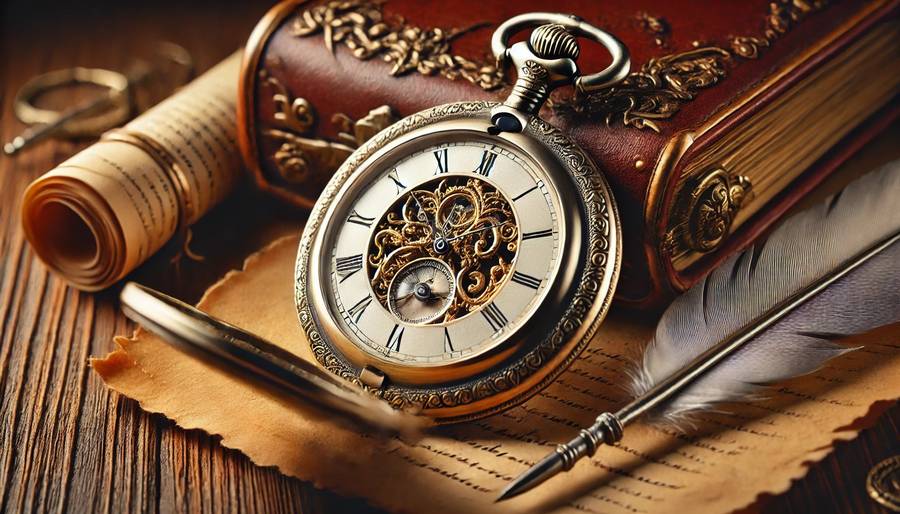
The pocket watch marked a significant evolution from its predecessor, the mechanical clock, becoming a stylish accessory throughout the late 16th century. It was the first time-keeping gadget that could be carried around, making time more personal.
The balance spring, or hairspring, was a crucial invention in watch history, greatly improving the accuracy of timekeeping.
The wristwatch, as we know it today, originated from a combination of military necessity and the desire for easier timekeeping.
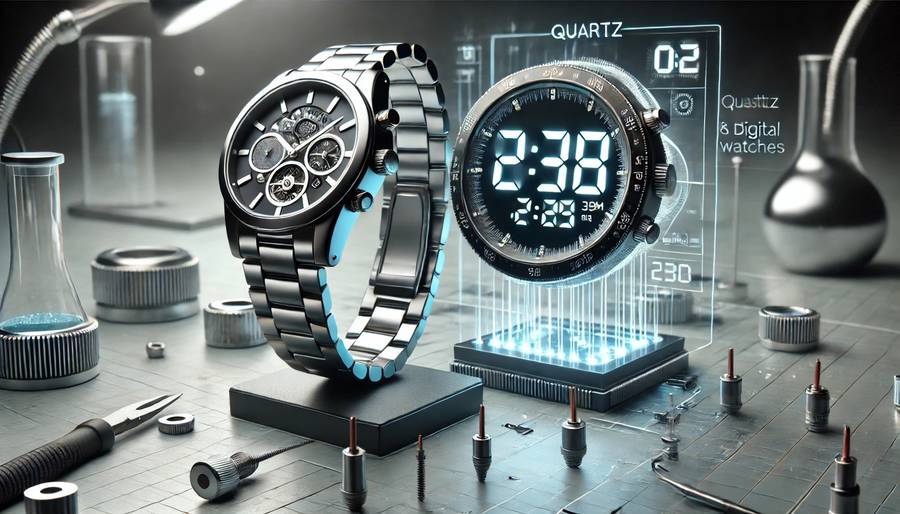
The 20th century saw major technological advancements in watchmaking, from quartz movement to digital displays, reshaping the industry.
Today, the watch industry blends tradition with technology, offering a range from high-end luxury timepieces to advanced smartwatches.
From tradition to cutting-edge technology, today’s watch market is diverse, catering to various tastes and lifestyles. Whether you prefer a classic mechanical timepiece or a feature-rich smartwatch, there’s a watch for every need.
The history of the watch reflects humanity’s desire to control time and integrate it into daily life. From ancient sundials and water clocks to mechanical, quartz, and digital watches, timekeeping devices have evolved to meet the demands of each era.
Watches have transitioned from essential tools to symbols of luxury, fashion statements, and status symbols. With the watch industry continuing to innovate, blending tradition with modern technology, the future looks bright.
Whether it’s a beautifully crafted Swiss watch or the latest smartwatch, the magic of timepieces lies in their ability to adapt, evolve, and remain relevant in a fast-changing world. Watches continue to hold a special place on our wrists, symbolizing the enduring connection between humanity and time.
For collectors, enthusiasts, and those who appreciate the art of timekeeping, watches remain timeless—a tribute to heritage, a mark of personal style, and a bridge between past and present.
Discover why crowns have symbolized power for 5,000 years, from Egyptian pharaohs to modern monarchs, and what they truly mean.
Discover why wedding rings are worn on the fourth finger, their ancient origins in Egypt and Rome, and what they truly symbolize t…

From Ötzi's 5,300-year-old ink to Polynesian rites and Japanese irezumi - discover how tattoos evolved from sacred ritual to self-…