 Know
Know
Symbols
Caduceus Meaning: History of the Winged Staff Symbol
Discover the caduceus meaning: Hermes' winged staff of two serpents, its Greek origins, medical mix-up with Asclepius, and spiritu…

The sun has always been at the heart of human civilization, not merely as a provider of light and warmth but as a symbol embodying myriad meanings. In the context of summer, its bright and unyielding presence stands as an emblem of rejuvenation, vitality, and the effervescence of life.
Historically, various cultures held the sun in great reverence. The Egyptians worshipped Ra, the sun god, associating his daily rise and set with creation and rebirth. Similarly, the Native Americans perceived the sun as a force of continuity and growth, which is prominently reflected in their Sun Dance rituals.
In agrarian societies, the sun’s significance was tied to its role in ensuring a fruitful harvest. Its bright rays were seen as nourishing, breathing life into crops and ensuring sustenance. Summer, with its clear skies and abundant sunlight, marked a period of abundance and gratitude.
Yet, it’s not just about the physical attributes of the sun; it’s about the emotional and spiritual impact it has on our lives. Have you ever pondered why sunny days uplift our spirits? Or why summer often feels like a fresh chapter, bursting with possibilities? It’s the sun, with its profound symbolism, that makes summer a season of hope, dreams, and boundless energy.
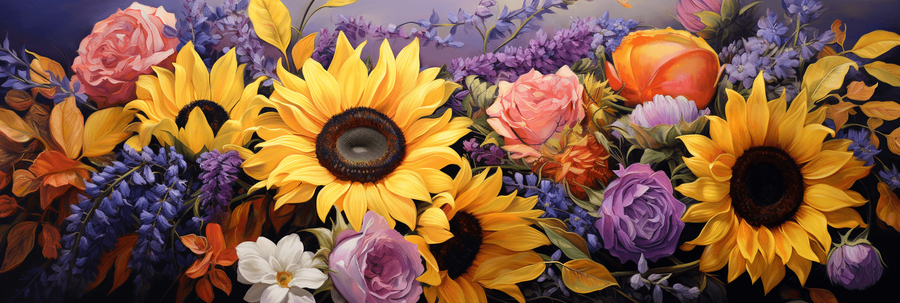
Summer, with its warm days and mild nights, brings forth a profusion of life that stands testament to the Earth’s bounty. Nature seems to awaken from its springtime slumber, bursting into a cacophony of colors, sounds, and movement. This vivid tableau of life is symbolized by a plethora of flowers, animals, and insects, each carrying its unique significance.
| Animal | Symbolism |
|---|---|
| Butterflies | With their delicate wings and enchanting flight patterns, butterflies epitomize transformation, hope, and the ephemeral nature of life. |
| Fireflies | These luminous insects, lighting up the twilight hours, are symbols of guidance, inspiration, and the magic of everyday life. |
| Robins | Often considered harbingers of joy and renewal, robins remind us of the cyclical nature of life and the consistent return of brighter days. |
Bees, tirelessly buzzing from flower to flower, are more than just symbols of hard work. They embody the very essence of collaboration, unity, and the sweet rewards that come from dedication. Meanwhile, the dragonfly, with its iridescent wings and agile flight, stands for change, adaptability, and the deeper understanding of life’s meanings.
Every element of nature, from the grandest animals to the tiniest insects, paints a vivid picture of summer’s richness. Their symbolism, deeply ingrained in our psyche, resonates with our own life experiences, aspirations, and dreams. Embracing these symbols, we can better appreciate the mosaic of life that unfolds in the glorious season of summer.
As the sun climbs higher and the days grow longer, summer unfurls its magic, turning fields into verdant canvases dotted with a myriad of colors. This season isn’t just about the warmth of the sun or the songs of the birds; it’s a time when nature offers its generous bounty, a testament to the cycles of growth, harvest, and renewal.
From the earliest days of civilization, summer has been a time of harvesting crops, ensuring sustenance for communities, and setting the stage for celebrations of plenty. This robust yield, year after year, becomes emblematic of prosperity, abundance, and the rewards of hard work and patience.
The sight of fields of wheat, swaying with the gentle breeze, is a hallmark image of summer. Wheat, with its golden hues, symbolizes not only sustenance but also wealth and rebirth. It is the promise that nature always keeps: after every sowing season, there is a reaping one.
Have you ever wandered into a summer market? The riot of colors, the fragrance of fresh produce, and the chatter of sellers and buyers is nothing less than a festival. These markets, brimming with the best of summer’s yield, are a symbol of communal prosperity, collaboration, and the sheer joy of nature’s generosity.
When we talk about summer, we’re not just celebrating the sun and the sea. We’re honoring the Earth’s endless cycle of giving, the rhythms that have sustained humanity for millennia. As you bite into a juicy fruit or walk past a field of gold, take a moment to appreciate the symbols of abundance and prosperity that summer so generously bestows upon us.
As summer graces us with its presence, the world seemingly awakens, bathed in a vibrant mosaic of colors. Each hue resonates with its own symbolism, echoing the essence and energy of this radiant season. But what do these colors truly signify? Let’s embark on a chromatic journey, delving into the depths of summer’s palette and the stories they weave.
The clear blue sky, vast and infinite, is a testament to the boundless possibilities summer brings. Similarly, the deep blue sea mirrors tranquility, depth, and mystery. This shade symbolizes calmness, stability, and trustworthiness. When we think of blue, we are reminded of relaxed beach days, picnics under the cloudless sky, and a sense of expansive freedom.
Yellow, the most luminous color in the spectrum, is the epitome of summer. It captures the warmth of sun-drenched days, the joy of sunflowers turning towards the sun, and the vitality of life in full swing. Yellow stands for happiness, enlightenment, and positivity. Can there be anything more summer-like than the feel of sunshine on your skin or the sight of fields blanketed in gold?
From the emerald canopies of trees to the soft grass beneath our feet, green is summer’s dominant hue. It signifies growth, harmony, and fertility. Every verdant leaf and blade of grass whispers tales of life, renewal, and nature’s persistent dance of creation.
| Color | Symbolism |
|---|---|
| Blue | Tranquility, Depth, Stability |
| Yellow | Happiness, Enlightenment, Positivity |
| Green | Growth, Harmony, Fertility |
As summer unfolds, its rich tapestry of colors paints our world, each hue singing its own song. These colors don’t merely please our eyes; they touch our souls, reminding us of the beauty, depth, and richness of life. As you bask in the summer sun, take a moment to truly see and feel the colors around you, letting them enrich your days with their vibrant stories.
Every culture, with its rich tapestry of myths and legends, has interwoven narratives about summer. These stories often center around powerful deities and epic tales that capture the essence and vibrancy of the season. Let’s journey through time, across different civilizations, unveiling the gods, goddesses, and myths that celebrate summer’s significance.
In the heart of ancient Egypt, Ra was revered as the mighty sun god. Every day, it was believed he would voyage across the sky in his sun barque, casting light and warmth upon the earth. His importance wasn’t merely celestial; he was a symbol of creation, life, and the cyclical nature of existence, epitomizing the relentless sun of the Egyptian summer.
A deity with many facets, Apollo was among the most worshipped in ancient Greece. As the god of light, music, and prophecy, he represented the radiant energy of summer. Festivals, known as Apollonian festivals, celebrated his might, usually marked by music, singing, and poetic contests.
The Celts, deeply connected to nature, celebrated Litha, a midsummer festival honoring the zenith of the sun. It was a time for feasting, dancing around bonfires, and reveling in the sun’s peak power. Symbolically, it represented the balance between light and dark, as after the summer solstice, days would begin to shorten.
| Deity | Culture | Association |
|---|---|---|
| Ra | Egyptian | Sun, Creation, Life |
| Apollo | Greek | Light, Music, Prophecy |
| Litha | Celtic | Midsummer, Balance of Light and Dark |
While today’s world has evolved considerably, the legends of yore still resonate deeply. Summer, with its blazing sun and long days, has inspired civilizations past and present. These gods, goddesses, and myths are more than just tales; they’re reflections of humanity’s eternal reverence for the bounteous warmth and vitality that summer ushers in.
The balmy embrace of summer is often incomplete without the gentle caress of sea breezes and the rhythmic lullaby of waves crashing ashore. For countless cultures and generations, the ocean has symbolized summer in its full grandeur. Beyond just a destination for sun-seekers, the vast blue expanse and its treasures hold deeper symbolic significance.
Who hasn’t strolled along a sun-kissed beach, eyes peeled for the perfect seashell? But did you know that these intricate structures, discarded by marine life, are laden with symbolism? To many, they represent birth, fortune, and resurrection. The spiral formation seen in many shells is reminiscent of life’s cyclical journey and the universe’s expansive nature.
The relentless motion of the waves, ebbing and flowing, is a testament to nature’s eternal rhythm. In literature and philosophy, waves often epitomize emotions, challenges, and the transient nature of life. What can be more meditative than watching waves retreat, only to return with renewed vigor, reminding us of resilience and continuity?
From ancient mariner tales to modern-day literature, the sea has been a backdrop against which countless stories have unfolded. Whether it’s the siren’s song luring sailors or tales of hidden treasures in Davy Jones’s locker, the ocean has been a muse, captivating and inspiring generations.
In essence, the sea, with its vastness, treasures, and mysteries, is not merely a physical space. It is a symbol of life’s journey, challenges, and the beauty that lies therein. As the waves kiss the shores this summer, may we all find a deeper connection, not just to the ocean, but to the myriad tales and symbols it embodies.

The longest day of the year, when the sun seems to stand still in its zenith, holds a special place in the human psyche. The summer solstice, marking the onset of this sun-drenched season, has been celebrated with diverse rituals and traditions around the world. Delving into these rituals provides a glimpse into human history, nature’s profound influence on cultures, and the deep-seated symbolism associated with summer’s grand entrance.
Many ancient civilizations recognized the summer solstice as a pivotal juncture. From Stonehenge in England to the Pyramids of Egypt, architectural wonders have been aligned with this astronomical event, pointing to its historical significance. But why was this day so crucial?
In today’s globalized world, many of these ancient traditions have blended and evolved. Modern solstice celebrations, while rooted in history, often incorporate contemporary elements. Yoga enthusiasts worldwide, for example, practice 108 sun salutations to honor the sun’s journey. Community gatherings, music festivals, and art installations also find their place in solstice celebrations, making it a universally revered day that transcends boundaries and bridges past with present.
Regardless of how it’s celebrated, the summer solstice stands as a testament to nature’s rhythms and the human spirit’s intrinsic connection to these cycles. It’s a day of reflection, celebration, and looking forward to the promises the summer holds.
As the days grow longer and the nights become balmy, the summer sky offers a celestial spectacle that has inspired poets, sailors, and stargazers for millennia. From meteor showers that illuminate the night to constellations that have stories as old as time, the summer sky is a tapestry of wonder and mythology.
While there are meteor showers throughout the year, summer boasts some of the most impressive. The Perseid meteor shower, for instance, reaches its peak around mid-August. This cosmic event is often referred to as the “tears of St. Lawrence”, a martyr whose feast day coincides with the shower’s peak. But have you ever wondered why these meteors seem more vibrant and numerous during the summer?
| Constellation | Mythological Origin | Primary Stars |
|---|---|---|
| Lyra | Often associated with the Greek myth of Orpheus, the musician with a harp. | Vega |
| Cygnus | Representing the swan, it’s tied to several myths, one of which involves Zeus transforming into a swan. | Deneb |
| Aquila | Symbolizing the eagle that carried Zeus’ thunderbolts. | Altair |
The Summer Triangle, though not a constellation in itself, is a prominent asterism formed by the brightest stars from the aforementioned constellations: Vega from Lyra, Deneb from Cygnus, and Altair from Aquila. Serving as a beacon, it has guided travelers and sailors for ages, reminding us that even in the vast expanse of the universe, there are familiar patterns and stories that ground us.
As summer unfolds, remember that amidst the barbecues, beach trips, and lazy afternoons, the skies above are playing out age-old tales of heroes, lovers, beasts, and gods. All you need to do is look up and let your imagination soar.
The Perseid meteor shower is one of the most prolific and best-known meteor showers. It originates from the comet Swift-Tuttle and is known for producing a large number of bright meteors. Furthermore, its peak occurs during warm August nights, making it a favorite for stargazers.
Constellations are visible in specific seasons due to Earth’s orbit around the sun. As Earth orbits the sun, the night sky changes, revealing different star patterns. During summer, we are oriented in a direction where certain constellations become prominent, while others are hidden by the sun’s glare.
The Summer Triangle is composed of three bright stars: Vega, Deneb, and Altair. To view it, find a dark location away from city lights. Look straight up during a summer evening, and you’ll spot these three stars forming a large triangle in the sky. Vega is typically the brightest and is almost directly overhead.
Yes, summer hosts a variety of celestial events. Aside from the Summer Triangle and the Perseid meteor shower, you can also observe the Milky Way’s densest region, the center of our galaxy. The solstice in June, marking the longest day of the year, is another significant astronomical event during summer.
Yes, many cultures have attached significance to meteor showers. For example, in some traditions, falling stars are seen as omens or messages from the gods. Historically, meteor showers have been interpreted as heralding important events or changes. Over time, they’ve also inspired numerous myths and legends across different cultures.
The summer solstice, which typically occurs around June 21st, is the longest day of the year in the Northern Hemisphere. It’s when the North Pole is tilted closest to the sun. After the solstice, days gradually become shorter and nights longer as we move towards autumn.
During the summer months in the Northern Hemisphere, prominent constellations include Cygnus, Lyra, and Aquila. These constellations are part of the Summer Triangle. Scorpius, Sagittarius, and Hercules are also quite visible. Remember, visibility can vary based on your location and light pollution in your area.
The ocean is often linked with summer because of the tendency for people to flock to beaches during the warmer months. Ocean waves, seashells, and marine life become more accessible and observable, cementing the connection between the vast blue sea and the summer season.
Ancient civilizations held various rituals and celebrations in honor of the summer solstice. For instance, the ancient Egyptians aligned the Great Pyramids with the solstice sun. The ancient Druids celebrated Midsummer with bonfires. Similarly, Stonehenge in England is famously aligned with the solstice sunrise, indicating its significance to the people who constructed it.
Yes, there’s a difference. A “shooting star” is a colloquial term for a meteor, which is a space rock that burns up upon entering Earth’s atmosphere. A meteor shower, on the other hand, is a celestial event where multiple meteors, originating from a common source (usually a comet), appear in the sky over a specific period, resulting in an increased number of shooting stars.
Discover the caduceus meaning: Hermes' winged staff of two serpents, its Greek origins, medical mix-up with Asclepius, and spiritu…

Discover what the Om symbol truly means—its Hindu, Buddhist, and Jain roots, dream symbolism, and how to use it in daily life.

Discover what the compass symbolizes across cultures — from spiritual guidance and moral direction to finding your true life purpo…