 Know
Know
Symbols
Caduceus Meaning: History of the Winged Staff Symbol
Discover the caduceus meaning: Hermes' winged staff of two serpents, its Greek origins, medical mix-up with Asclepius, and spiritu…

When the crisp air of autumn breezes through, a hush falls over the natural world. As trees don their fiery apparel, we are reminded that even in decay, there is a mesmerizing beauty. The falling leaves, each one an artist’s palette of reds, oranges, and yellows, tell a tale as old as time itself.
But why do these leaves, which once flourished in the bright summer sun, captivate us so when they wither and fall? Is there a deeper symbolism hidden in their graceful descent?
Autumn, often regarded as a season of introspection, carries profound symbolism. It represents the impermanence of life with falling leaves illustrating the beauty in endings and transitions. Vibrant colors of red, orange, and yellow evoke feelings of passion, abundance, and optimism respectively. This season emphasizes the cyclic nature of life, encouraging reflection on change, release, and renewal.
The lifecycle of a leaf is a testament to the broader cycles of life and nature. In spring, the young leaves emerge, brimming with potential and vitality. By summer, they’ve reached their peak, providing shade and participating in the essential process of photosynthesis. But when autumn arrives, they begin their final, elegant dance to the ground.
The vibrant colors of autumn leaves are not just a visual treat but also a symbolic manifestation of nature’s processes. As chlorophyll recedes, other pigments come forth, presenting a spectacle of hues that evoke deep emotions.
As we walk on a carpet of fallen leaves, let’s take a moment to reflect on their silent tales of life, change, and renewal. They whisper the secrets of time, urging us to appreciate the fleeting beauty in every phase of life.
Autumn, a mesmerizing canvas of golden hues and crisp air, heralds the time of harvest—a period integral to human civilization. From the lush fields to the bustling markets, the season pulsates with a unique rhythm, celebrating the culmination of a year’s hard work and nature’s abundant generosity.
Historically, harvest festivals have been the backbone of many cultures. They offered a moment of gratitude, not just for the bountiful produce but also for the community’s cohesion and resilience. These gatherings, often marked with music, dance, and feasts, were ways to strengthen bonds and honor the Earth.
The word “harvest” stems from the Old Norse word “haust”, which means “to gather or pluck.” As time progressed, it became synonymous with the act of reaping and the season itself.
In essence, autumnal gatherings are a tribute to the symbiotic relationship between humanity and nature. As leaves fall, they set the stage for new growth, echoing the eternal cycle of life, death, and rebirth. And amidst this cycle, the harvest stands as a testament to man’s perseverance and nature’s endless grace.
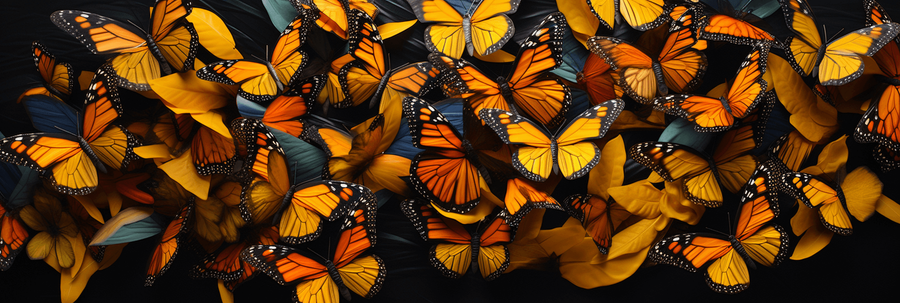
As the sun mellows and the days shorten, the animal kingdom gears up for the challenges and changes autumn brings. The brilliance of the season isn’t just confined to the canopy above; it’s mirrored in the incredible adaptability and instincts of the creatures below.
Come fall, the skies are painted with the patterns of migrating birds. From the iconic V-shaped formations of geese to the swift movements of hummingbirds, these creatures traverse thousands of miles in search of warmer climates and abundant food sources.
Some birds, like the Bar-tailed Godwit, can fly for eight days straight during migration without stopping for food or rest!
While some animals take to the skies, others burrow deep into the earth. Animals such as hedgehogs, bats, and certain species of frogs retreat into a state of torpor or hibernation. This strategy helps them conserve energy, as food becomes scarce in colder months.
Adapting to the changing landscape, certain animals like the snowshoe hare and the Arctic fox alter their fur color. They transition from brown or gray in the summer to a pristine white in winter, providing them with effective camouflage against predators.
Autumn, thus, stands as a testament to the resilience and adaptability of the animal kingdom. It’s a time of preparation, of survival, of ensuring the continuity of life in the face of the impending winter.
The crisp air, the amber hues, and the gentle rustle of leaves underfoot all signal the arrival of autumn. As nature adorns herself in a vibrant tapestry, communities worldwide gather to celebrate the season’s bounties. These autumnal festivities, deeply rooted in tradition, not only pay homage to the land’s harvest but also reflect gratitude and unity.
The Thanksgiving holiday, particularly celebrated in the United States and Canada, stands as one of the most iconic autumn celebrations. Stemming from historical feasts shared between Native Americans and Pilgrims, it’s a day to express gratitude for the year’s harvest and blessings. Families gather around tables laden with turkey, pumpkin pie, cranberries, and other traditional dishes, creating memories that last a lifetime.
Also known as the Moon Festival, this enchanting celebration falls on the 15th day of the 8th lunar month. It’s a time to admire the full moon’s beauty, signify union and express gratitude for a bountiful harvest. Mooncakes, a traditional delicacy, take center stage, often shared among family and friends while recounting legends like that of Chang’e, the moon goddess.
While it starts in late September, Oktoberfest encapsulates the spirit of autumn festivities. Originally marking the royal wedding between King Ludwig I and Princess Therese in 1810, it has since evolved into a globally recognized beer festival. Amidst the lively oompah bands and traditional Bavarian costumes, attendees relish in sausages, pretzels, and, of course, mugs of frothy beer.
Known as the Festival of Lights, Diwali illuminates India with vibrant colors and gleaming lights. Although primarily a religious festival for Hindus, it resonates with the themes of harvest and gratitude as people offer thanks to Lakshmi, the goddess of wealth and prosperity. The aroma of sweet treats, the dazzle of fireworks, and the spirit of togetherness make Diwali a memorable autumn event.
The name ‘Oktoberfest’ can be slightly misleading to those unfamiliar with the festival’s origin? Despite its October namesake, most of the event actually occurs in September, ending on the first weekend of October.
“Autumn is the mellower season, and what we lose in flowers we more than gain in fruits.” – Samuel Butler
Autumn, with its ethereal beauty and transitory nature, has always been a rich source of inspiration for storytellers and mythmakers across cultures. The fall of leaves, the shift in the air, and the anticipation of the looming winter have given rise to countless tales, both of reverence and forewarning. Let’s take a journey through some of the most captivating myths and legends that echo the essence of autumn.
In one of the most poignant tales from Ancient Greece, Persephone, the daughter of Demeter, goddess of the harvest, is abducted by Hades and taken to the Underworld. Distraught, Demeter withholds her blessings from the earth, leading to barren landscapes. A deal is struck for Persephone’s return, but since she ate pomegranate seeds from the Underworld, she must spend a portion of each year there. This duration, where she’s absent from the world, results in the autumn and winter months, symbolizing decay and dormancy.
In the British Isles, the spectral figure of the white hare is a harbinger of autumn. Legend has it that the spirit is a transformed maiden who roams the fields during the fall, watching over the creatures as they prepare for winter. Sightings of this ethereal creature are considered omens of change and transformation.
In Japan, the Jorōgumo, translating to “binding bride” or “whore spider”, is a mythical creature often associated with autumn. She’s depicted as a beautiful woman who can transform into a giant spider, luring victims and entrapping them in her silken threads. Beyond its eerie nature, the legend cautions against the seductive yet transient beauty of autumn, much like a spider’s delicate, dew-laden web on a crisp morning.
The figure of the white hare isn’t just limited to British folklore? Variations of hare legends, signifying change and transformation, can be found in numerous cultures worldwide, from Native American tribes to Chinese myths.
A chilling tale from Scandinavia tells of the Wild Hunt, a ghostly procession led by the Norse god Odin. During autumn nights, especially when storms brew, the sky resonates with the galloping of spectral riders. To witness the hunt is an omen of disaster or even death. This legend, tied with the unpredictable nature of autumn transitioning into the harshness of winter, serves as a reminder of the cyclical and transient nature of life.
“Legends are born in the whispers of rustling leaves, carried forth by the winds of change.” – Anonymous
Autumn paints the world in a palette of warm and evocative colors. The transformation from the lush greens of summer to the russets, golds, and oranges of autumn isn’t just a visual delight but also serves as a profound reminder of nature’s cyclical dance. Let’s dive deep into the vivid hues of fall and understand the symbolism and sentiments they evoke.
The appearance of golden yellows in the canopy marks the onset of autumn. This hue, reminiscent of the sun at its zenith, symbolizes transition and adaptation. As deciduous trees prepare for the coming cold, their chlorophyll breaks down, revealing the innate yellows and golds of carotenes. This yellow is nature’s way of ensuring that the transition from the warm embrace of summer to the crisp chill of fall is a gentle and gradual one.
Reds and oranges, often the most dominant shades during peak autumn, embody the very essence of the season. Anthocyanin compounds, responding to light and temperature changes, gift leaves with these fiery shades. Red signifies energy, passion, and the urgency to prepare for winter, while orange, a blend of red’s intensity and yellow’s cheer, evokes feelings of warmth, abundance, and harvest.
The rarer shades of purple, appearing occasionally amidst the more common autumnal colors, bring a touch of mystery and depth to the landscape. They remind us of the impending cold, of twilight evenings, and the deepening mood of the season. On the other hand, bronzed browns signify maturity, the end of the growth cycle, and the ground’s preparation to embrace the fallen leaves, turning them into nourishment for the next cycle.
Colors do more than please the eye; they stir emotions and evoke moods. Autumn’s colors, rich and varied, mirror our innermost feelings as we navigate the season. The exhilarating reds and oranges lift our spirits, encouraging us to make the most of the moment. The deep purples and browns, on the other hand, prompt introspection, making us value the impermanence of life and the importance of cycles in nature and our lives.
As we wrap up this exploration of autumn’s hues, it’s worth pausing and reflecting on how intricately nature communicates with us, teaching lessons and evoking emotions with every changing shade.
Autumn, in many spiritual and cultural traditions, signifies a time of introspection, harvest, and preparation. It embodies the concept of letting go, much like the trees shedding their leaves, reminding us of the impermanence of life. The season is often seen as a period of reflection, gratitude, and transition into a phase of rest and rejuvenation, as evident in the natural world.
Autumn often symbolizes the maturity or later stages of life. Just as leaves change colors and eventually fall, representing the beauty and inevitability of aging, life too transitions through phases. Autumn reminds us to appreciate the present moments, embrace change, and prepare for a new beginning, even as one chapter closes.
Autumn leaves, with their vibrant hues and eventual descent, symbolize the beauty in change and the cyclical nature of life. They stand as a poignant reminder of the impermanence of everything, urging us to appreciate the transient beauty around us. The falling leaves also represent release, letting go, and clearing out the old to make way for new growth and opportunities.
Autumn energy is often characterized by a slowing down, a time for inner reflection and gratitude. As the days get shorter and nights grow longer, there’s a natural inclination to retreat, introspect, and gather our resources. This energy resonates with preparing for the colder months, celebrating the harvest, and finding balance in the ebb and flow of life’s cycles.
Autumn is often referred to as the ‘season of the soul’ due to its profound symbolic nature. The transformative process of leaves changing colors and eventually falling is akin to the human journey of growth, change, and eventual introspection. The season encourages a deeper understanding of life, mortality, and the importance of cherishing every moment, making it a spiritually resonant time for many.
Spiritually, autumn holds a distinct energy of reflection and preparation. While spring represents rebirth and new beginnings, summer embodies growth and vibrancy, and winter symbolizes rest and introspection, autumn stands for the balance of harvest and release. It’s a time to reap what has been sown, both literally and metaphorically, and to let go of what no longer serves, preparing for the inward journey of winter.
Many cultures celebrate harvest festivals during autumn as it’s the time when most crops are gathered from the fields. These festivals are not just about the physical act of harvesting, but they’re a time of gratitude for the abundance the Earth provides. They bring communities together to celebrate the fruits of their labor, share with those less fortunate, and prepare for the colder months ahead.
Autumn often evokes a mix of emotions. The vibrant colors and crisp air bring about feelings of warmth, nostalgia, and appreciation. At the same time, the shedding of leaves and shorter days can evoke feelings of melancholy, introspection, and a recognition of life’s fleeting nature. Many people also find solace and comfort in the predictable rhythm of nature’s cycles during this season.
During autumn, nature undergoes a series of preparations for the coming winter. Trees shed their leaves to conserve water and energy. Animals gather food and store it to sustain themselves through the cold months. Many birds migrate to warmer regions, and certain mammals go into hibernation. The entire natural world shifts its behavior to ensure survival in the colder and resource-scarce winter period.
Yes, the phases of the moon hold significance in every season, but during autumn, they often align with harvest cycles and festivals. The Harvest Moon, the full moon closest to the autumn equinox, is particularly notable. Historically, it provided farmers with extra moonlight to work by, allowing them to gather crops even after sunset. Many cultures and traditions also have specific rituals and celebrations associated with moon phases during the autumn months.
Discover the caduceus meaning: Hermes' winged staff of two serpents, its Greek origins, medical mix-up with Asclepius, and spiritu…
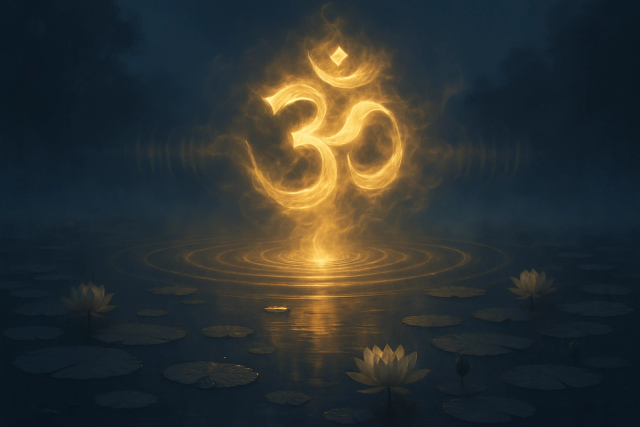
Discover what the Om symbol truly means—its Hindu, Buddhist, and Jain roots, dream symbolism, and how to use it in daily life.

Discover what the compass symbolizes across cultures — from spiritual guidance and moral direction to finding your true life purpo…