 Know
Know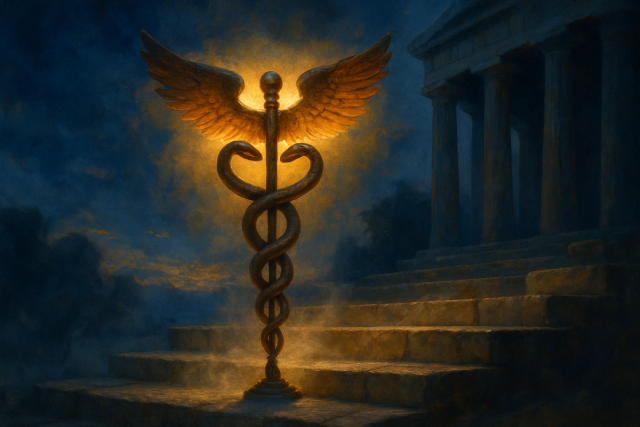
Symbols
Caduceus Meaning: History of the Winged Staff Symbol
Discover the caduceus meaning: Hermes' winged staff of two serpents, its Greek origins, medical mix-up with Asclepius, and spiritu…
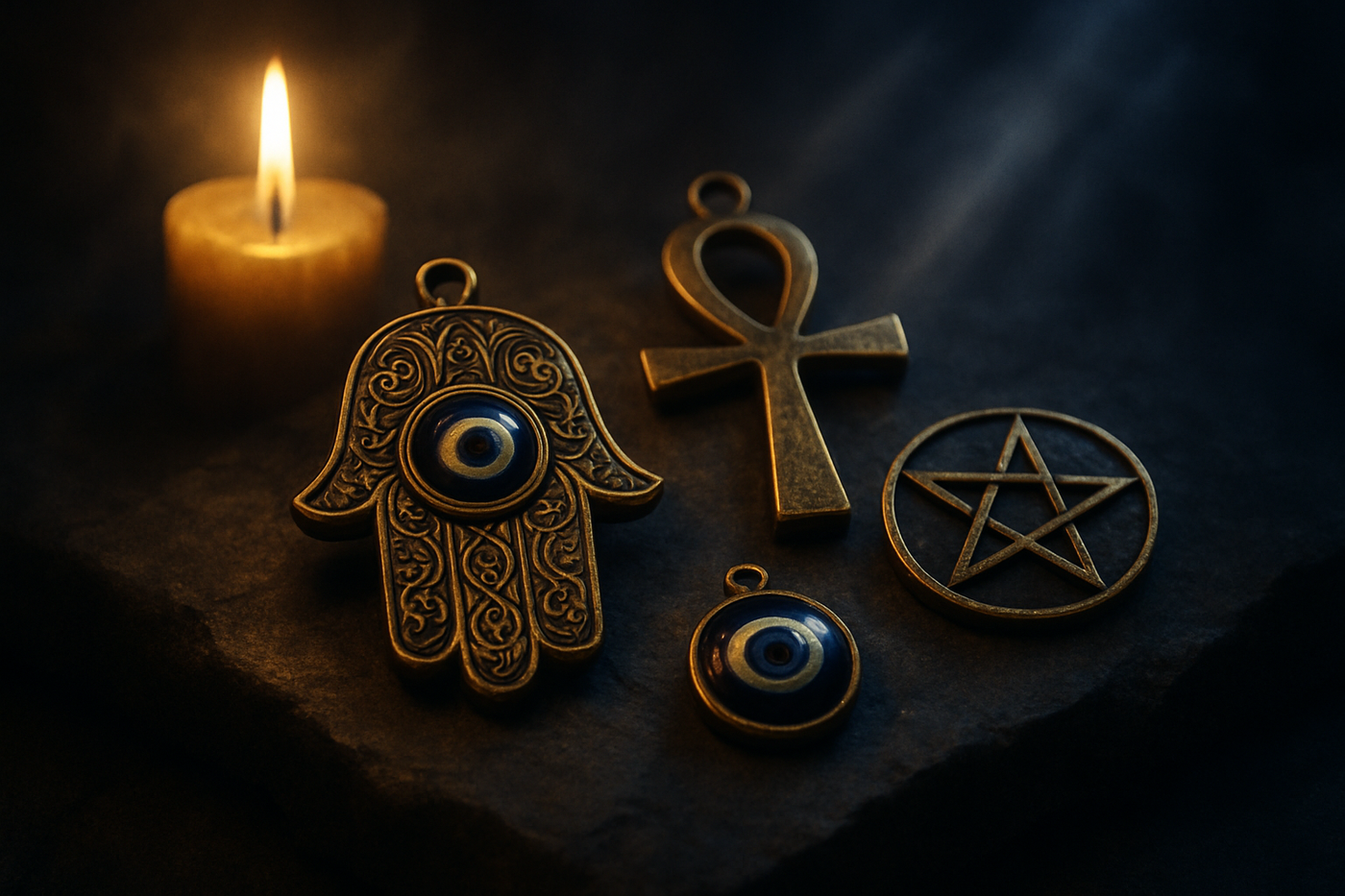
In the intricate tapestry of human history, symbols have always held a prominent place, weaving complex narratives that encapsulate both the divine and the profane. As we embark on this journey, we delve into the fascinating world of symbols, often revered for their protective qualities yet harboring shadows that tell tales of betrayal and caution.
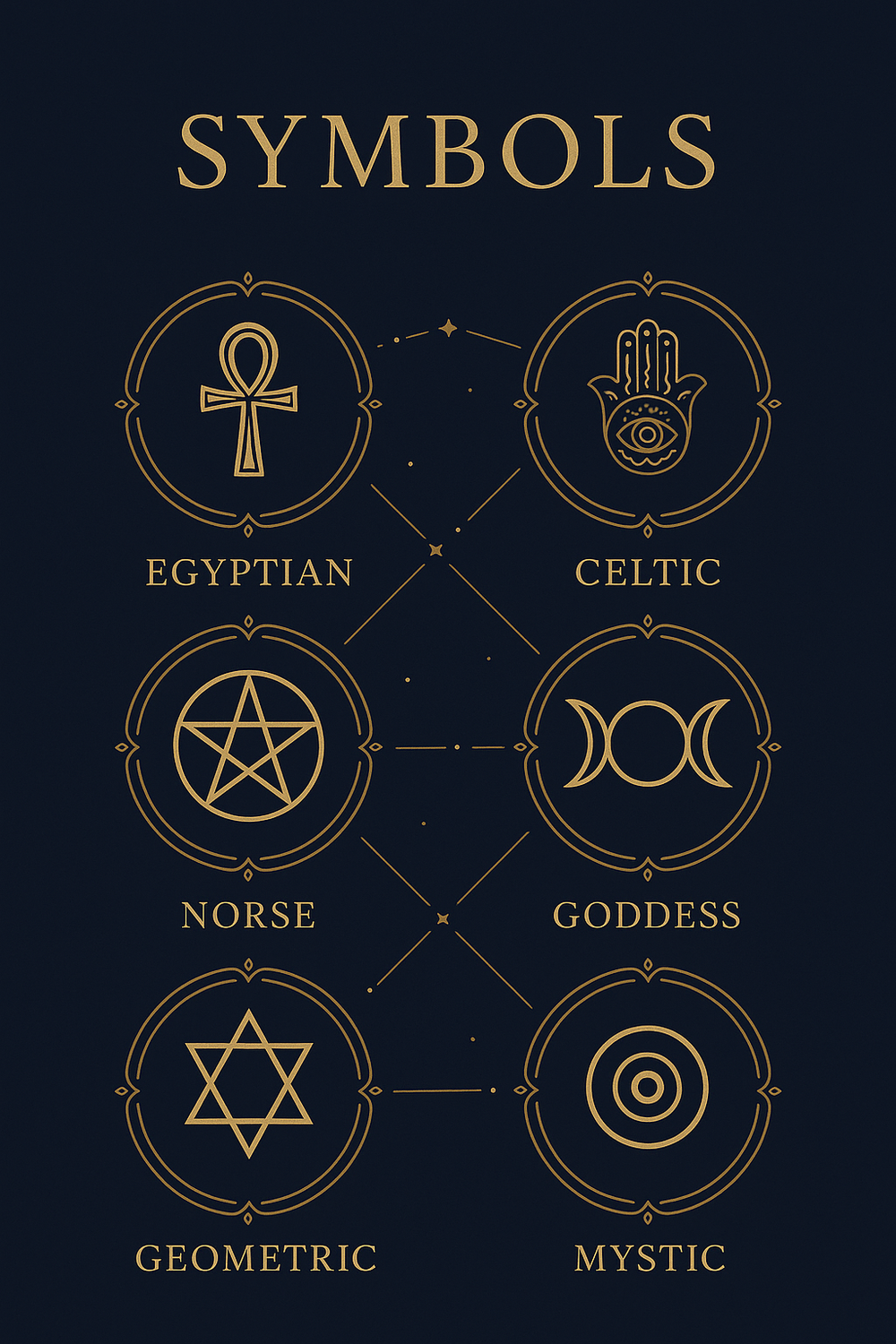
At the very core of human expression, symbols emerge as powerful tools that convey a spectrum of meanings and emotions. These enigmatic representations, often steeped in ancient traditions, embody a dual nature that is as captivating as it is mysterious. On one hand, they offer protection and sanctity, while on the other, they may harbor secrets that hint at deceit and betrayal.
Many symbols originated in ancient civilizations, carrying forward a rich tapestry of narratives that encompass both protective and cautionary tales.
As we venture further, we find ourselves stepping into the lesser-known realms of popular symbols, where the lines between protection and betrayal blur. This journey invites us to explore the intricate facets of symbols like the Hamsa Hand, the Eye of Horus, and many others, unveiling the complex narratives beneath their surface. Through this exploration, we aim to foster a deeper understanding and appreciation for these symbols’ rich complexity.
As we traverse back in time, we encounter symbols that have stood the test of time, echoing tales of protection and hidden narratives that hint at darker undertones. Let’s unravel the mysteries within these ancient symbols, unveiling the duality that makes them both revered and feared in various cultures.
The Hamsa Hand, a symbol often associated with protection and good fortune, carries with it a darker side that is less explored. While it is predominantly seen as a shield against negative energies, it is also believed to harbor the power to invoke shadows, revealing a complex narrative that intertwines protection with potential betrayal.
The Hamsa Hand is a prominent symbol in many cultures, often seen as a powerful talisman that wards off evil forces, yet its origins hint at a deeper complexity that encompasses both light and shadow.
The Eye of Horus, a symbol steeped in Egyptian mythology, embodies a rich tapestry of narratives that span protection and betrayal. Often revered as a symbol of royal power and protection, it also harbors tales of deceit and power struggles, offering a glimpse into the complex dynamics of ancient Egyptian society.
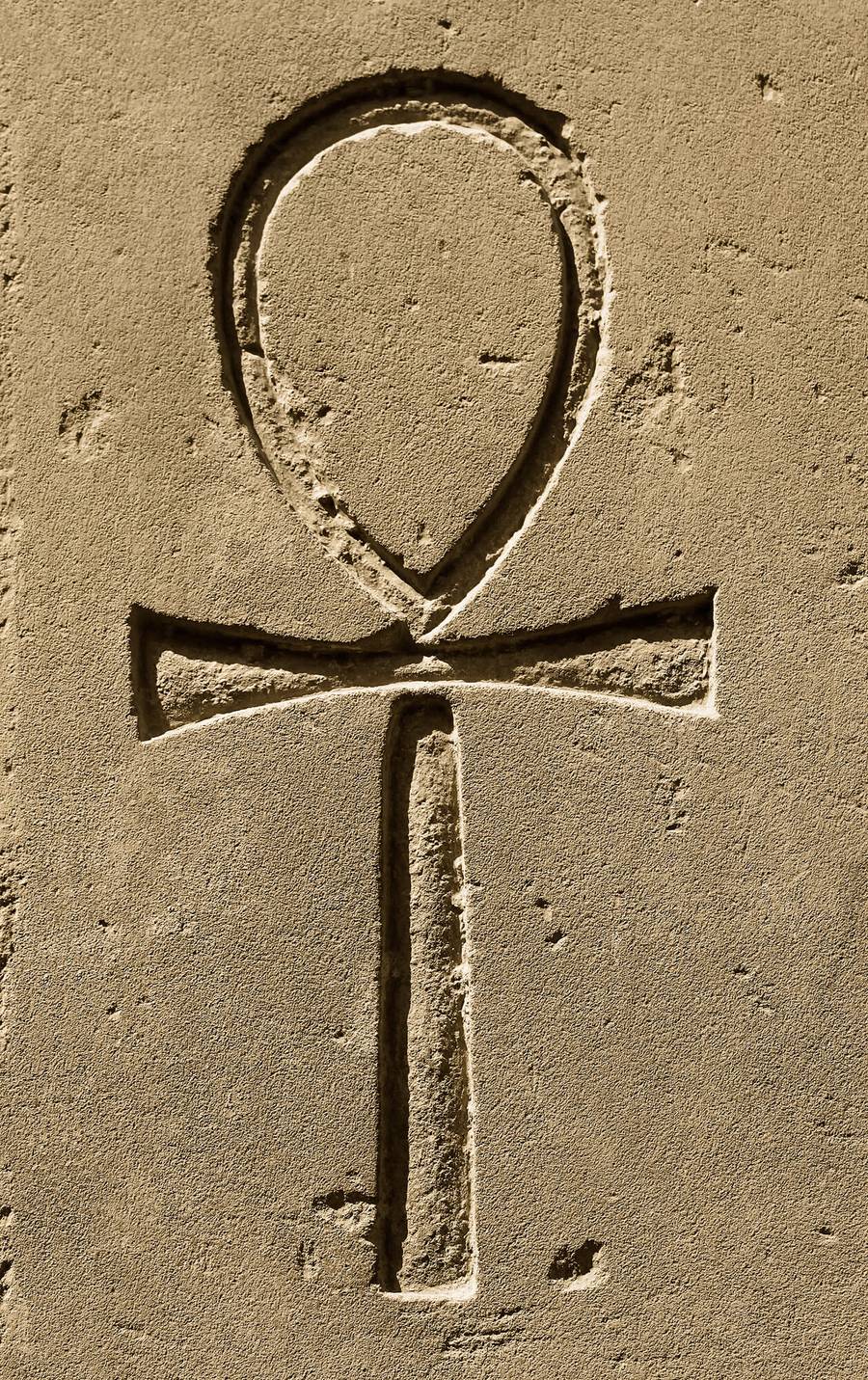
Delving into the mysteries of the Ankh, we find a symbol that represents life and immortality yet holds secrets that are less known. This ancient Egyptian hieroglyph, often associated with the gods, carries with it tales of power dynamics and the intricate balance between life and death, revealing a darker facet that complements its life-affirming qualities.
As we venture into Norse mythology, we encounter Mjolnir, the hammer of Thor, a symbol of power and might. Yet, within its narratives, we find hints of deception and power struggles, revealing a complex character that embodies both the protector and the deceiver, showcasing the intricate dynamics of Norse mythology.
The origins of the Hamsa Hand are somewhat debated, but it is known to be a prominent symbol in many Middle Eastern and North African cultures, representing protection and good fortune.
In modern times, the Eye of Horus continues to be a popular symbol, often used in jewelry and tattoos as a symbol of protection, wisdom, and health.
In the rich tapestry of ancient narratives, goddess symbols emerge as potent emblems, embodying both nurturing and destructive forces. As we delve deeper, we uncover the complex layers that define these symbols, revealing a fascinating interplay of light and shadow. Let’s embark on a journey to explore the dark phases and hidden aspects of these revered goddess symbols.
The symbol of the Triple Goddess is a powerful representation of the feminine divine in its threefold aspect: the Maiden, the Mother, and the Crone. While often celebrated for its representation of growth and nurturing, it also encompasses the dark phase of the moon, a time associated with introspection, mystery, and the unknown. This phase invites us to explore the deeper realms of the psyche, where secrets and hidden truths reside.
The Crone aspect of the Triple Goddess, often associated with the waning moon, embodies wisdom but also harbors the mysteries of death and transformation, showcasing the cyclical nature of life and its inherent duality.
As we traverse the pathways of ancient lore, we encounter Hecate’s Wheel, a symbol intricately linked to the goddess of magic, moon, and night. Hecate, often revered as a protector, also governs the realms of the night, a time when shadows play and secrets are unveiled. Her wheel, representing her dominion over the three realms—earth, sea, and sky—also hints at the darker aspects of magic and the mysteries that lie in the depths of the night.
Delving into the enigmatic world of Egyptian mythology, we find the Tyet, also known as the Knot of Isis. This ancient symbol, resembling an ankh with outstretched arms, is often associated with protection and the sustaining forces of life. Yet, within its folds, it harbors shadows that speak of the intricate balance between life and death, revealing a deeper complexity that pays homage to the cyclical nature of existence.
As we continue our journey, we find ourselves at the crossroads where the natural meets the supernatural. Here, symbols take on a life of their own, embodying a rich tapestry of narratives that span protection, fear, and the intricate dance between light and shadow. Let’s delve deeper into these realms, unveiling the secrets and stories that lie within these potent symbols.
In the labyrinthine corridors of ancient mythology, we encounter the Horned God, a symbol that embodies the masculine divine in its most primal form. Often associated with nature, fertility, and the cycle of life, the Horned God also harbors a dual nature that hints at both creation and destruction, revealing a complex deity that governs the forces of nature with a stern yet nurturing hand.
The Horned God is a prominent figure in various pagan traditions, often seen as the counterpart to the feminine divine, embodying the wild and untamed forces of nature.
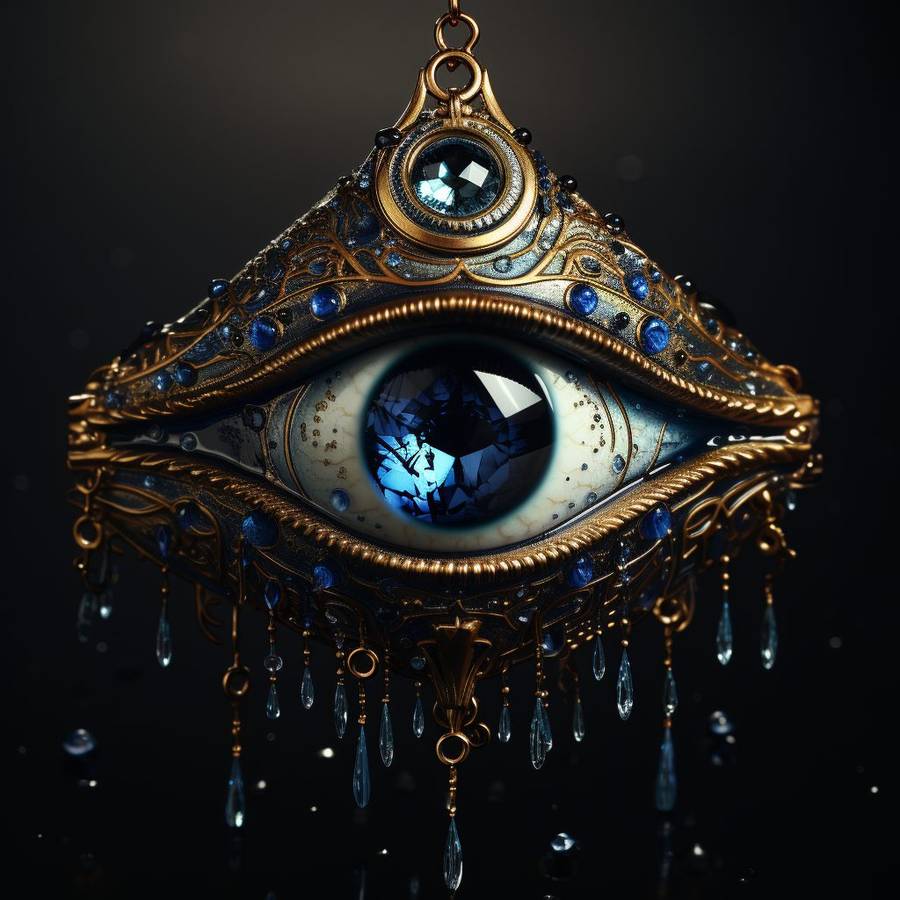
As we navigate the intricate world of symbols, we come across the Nazar Boncugu, or the Evil Eye, a symbol steeped in mystery and intrigue. While commonly used as a protective talisman to ward off negative energies, it also embodies the curse that it seeks to protect against, hinting at a deeper narrative that explores the complexities of protection and malevolence.
Venturing into the rugged landscapes of Norse mythology, we encounter the Aegishjalmur, also known as the Helm of Awe, a powerful Viking symbol that embodies both protection and fear. This intricate symbol, often used in battle to instill fear in enemies, also serves as a protective emblem, showcasing the Vikings’ fierce nature and deep connection to the forces of the cosmos.
As we traverse the realms of sacred geometry, we find ourselves immersed in the mysteries of the Flower of Life. This symbol encapsulates the harmonious patterns of creation. Yet, within its symmetrical beauty lies secrets that transcend the boundaries of time and space, inviting us to explore the deeper layers of existence and the hidden narratives within its intricate patterns.
In the fascinating world of geometric symbols, we find a rich repository of narratives that encapsulate both the mystical and the tangible. These symbols, with their intricate patterns and designs, hold secrets that span the realms of unity, mysticism, and the cyclical nature of life. Let’s embark on a journey to uncover the hidden aspects of these captivating geometric symbols.
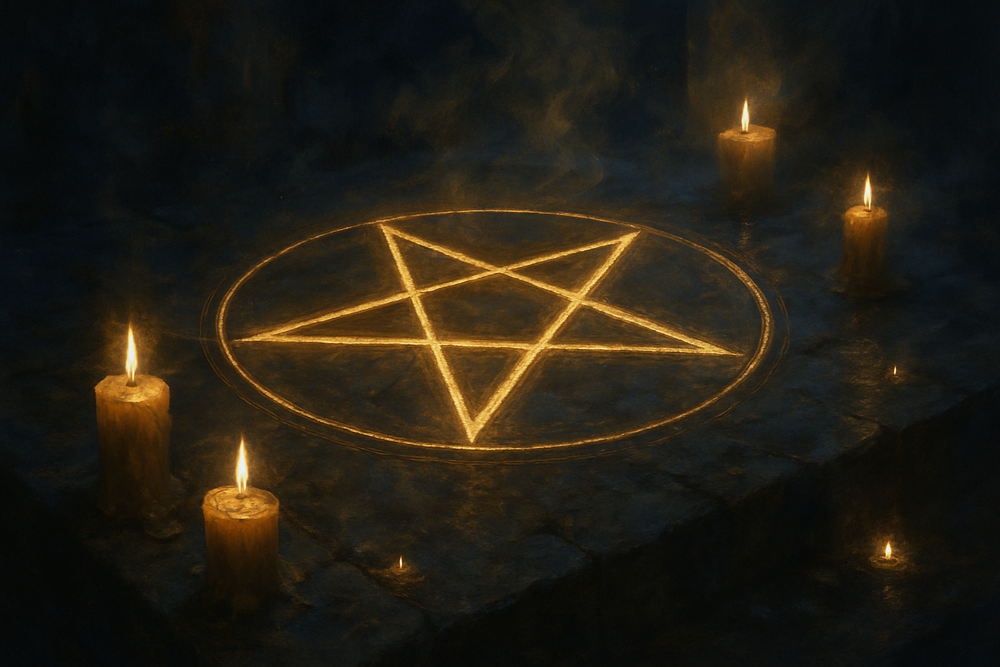
The Unicursal Hexagram, a geometric figure that is drawn in a single, continuous line, embodies a complex narrative that explores the themes of unity and separation. As a symbol that intertwines two equilateral triangles, it represents the harmonious balance between opposing forces, yet hints at the inherent complexity that lies within the pursuit of unity.
The Unicursal Hexagram is often associated with occult practices. It is seen as a symbol that encapsulates the complexities of love, duality, and the intertwining of opposing forces.
As we delve deeper, we encounter the Pentagram, a star-shaped symbol that has been revered across various cultures for its mystical properties. Often seen as a protective emblem, the Pentagram also harbors a rich tapestry of narratives that explore the realms of mysticism, magic, and the intricate dance between light and shadow.
Stepping into the lush landscapes of Celtic mythology, we find the Triquetra, a complex knot that embodies the trinity of life, death, and rebirth. This intricate symbol, with its interwoven loops, invites us to explore the cyclical nature of existence, unveiling a rich narrative that encompasses both creation and transformation.
The Triskele, also known as the triple spiral, takes us on a journey through the spirals of life, where growth and deception intertwine in a complex dance. This ancient symbol, often associated with progress and development, also hints at the darker aspects of life, where deception and betrayal lurk in the shadows, revealing a dual narrative that is both captivating and cautionary.
As we venture further, we encounter the Spiral, a symbol that embodies the dual nature of growth and destruction. This geometric figure, often seen as a representation of life’s unfolding journey, also harbors secrets that hint at the cyclical nature of existence, where growth and decay exist in a delicate balance, showcasing the intricate dance of creation and dissolution.
In various cultures, the Pentagram has been seen as a symbol of protection, a representation of the human body, and even a symbol of the five elements. Its meanings can vary greatly depending on the context and the culture in which it is used.
In modern times, the Triquetra has found its way into jewelry designs, tattoos, and even television shows as a symbol of complexity, unity, and the interconnectedness of life’s various phases.
As we venture further into the realm of symbols, we stumble upon emblems with origins shrouded in mystery and intrigue. These symbols, steeped in ancient traditions and beliefs, harbor narratives that span protection, fear, and the mystical dance between light and darkness. Let’s unravel the secrets and hidden meanings of these mysterious symbols.
In the intricate world of Feng Shui, the Bagua Mirror stands as a potent tool, often used to deflect negative energies and foster harmony. Yet, within its octagonal frame lies a darker narrative, hinting at the potential to amplify negative forces if misused, revealing a complex tool that embodies protection and peril.
The Bagua Mirror is often placed above the entrance of homes to protect against negative energies. Yet, it should be used with caution, as it harbors the power to reflect and amplify both positive and negative forces.
As we traverse the pathways of ancient witchcraft, we encounter the Witch’s Knot, a symbol of protection and binding. This intricate knot, often used in spells and talismans, serves as a powerful emblem of protection, yet it also embodies the potential for binding and restriction, showcasing a dual nature that is both safeguarding and ensnaring.
In the annals of history, we find references to Apotropaic Marks, symbols etched into buildings and objects to ward off evil spirits. These marks, often hidden in plain sight, serve as guardians against malevolent forces, yet they also embody the fear and superstition of bygone eras, revealing a complex narrative that explores the human desire for protection and the fear of the unknown.
As we delve into the mysteries of Baltic mythology, we encounter the Auseklis Cross, a star symbol often associated with the morning star. This ancient emblem, revered as a protector against darkness, also harbors hidden meanings that hint at the intricate dance between light and shadow, inviting us to explore the deeper layers of symbolism and the cosmic narratives that lie within.
Apotropaic Marks found in historical buildings often include symbols like the hexafoil, daisy wheels, or various forms of crosses etched into the structure to protect against evil spirits and bring good fortune.
In Baltic mythology, the Auseklis Cross is revered as a powerful symbol of protection, often associated with the morning star. It embodies the hope of a new beginning and the triumph of light over darkness, serving as a beacon of hope and a guardian against evil forces.
As we draw our exploration to a close, we find ourselves standing at the threshold of a world rich with symbolism and nuanced narratives. The journey into the complex world of symbols has been enlightening and thought-provoking, offering a glimpse into the intricate tapestry of meanings these ancient emblems embody. Let’s reflect on the insights gained and the ever-changing nature of symbolic interpretations.
Throughout our journey, we have ventured into the depths of symbolism, uncovering the multifaceted narratives that lie within each emblem. From protective talismans to symbols harboring dark secrets, we have seen that the world of symbols is a complex and intricate one. These symbols, steeped in history and mystery, invite us to delve deeper, encouraging a continuous exploration into the realms of the known and the unknown.
As we stand at the crossroads of past and present, we realize that interpreting symbols is an ever-evolving journey. With each generation, new layers of meaning are uncovered, offering fresh perspectives and insights into these symbols’ complex narratives. This dynamic nature of symbolic interpretations invites us to remain open, curious, and willing to venture into the depths of symbolism, where mysteries unfold and new understandings emerge.
To delve deeper into the study of symbols, one can explore various fields such as mythology, anthropology, and semiotics. Engaging with scholarly articles and books and exploring the symbols in art and architecture can offer rich insights into the complex world of symbols.
Understanding the complexity of symbols allows us to appreciate the rich tapestry of narratives they embody. It enables us to explore the depths of human experience, offering insights into different cultures and eras’ beliefs, fears, and hopes. This understanding fosters a deeper connection to the intricate web of stories that shape our world.
Protective symbols are emblems, signs, or images believed to harbor protective qualities. They often shield individuals or spaces from negative energies or malevolent forces. These symbols can be found in various cultures and traditions, each offering a unique perspective on protection and safeguarding.
In different cultures, protective symbols may be used in a variety of ways, including as talismans, amulets, or inscriptions on buildings and objects. They can be found in art, jewelry, and architecture, serving as silent guardians that offer protection and foster positive energies. The usage and interpretations of these symbols can vary greatly, reflecting various communities’ diverse beliefs and practices.
Yes, protective symbols continue to be used today in various forms. Many people incorporate these symbols into their daily lives, whether through jewelry, tattoos, or home decor. These symbols serve as a bridge between the ancient and the modern, offering a sense of protection and connection to the mystical aspects of life.
Indeed, many protective symbols harbor dual meanings, embodying both protective qualities and deeper, often complex narratives. These symbols can represent a delicate balance between light and darkness, protection and peril, showcasing the intricate and multifaceted nature of symbolic language. It is not uncommon to find symbols that serve as protectors while also harboring secrets and hidden narratives that hint at a richer, more complex story.
Discover the caduceus meaning: Hermes' winged staff of two serpents, its Greek origins, medical mix-up with Asclepius, and spiritu…
Discover what the Om symbol truly means—its Hindu, Buddhist, and Jain roots, dream symbolism, and how to use it in daily life.
Discover what the compass symbolizes across cultures — from spiritual guidance and moral direction to finding your true life purpo…