Know
Know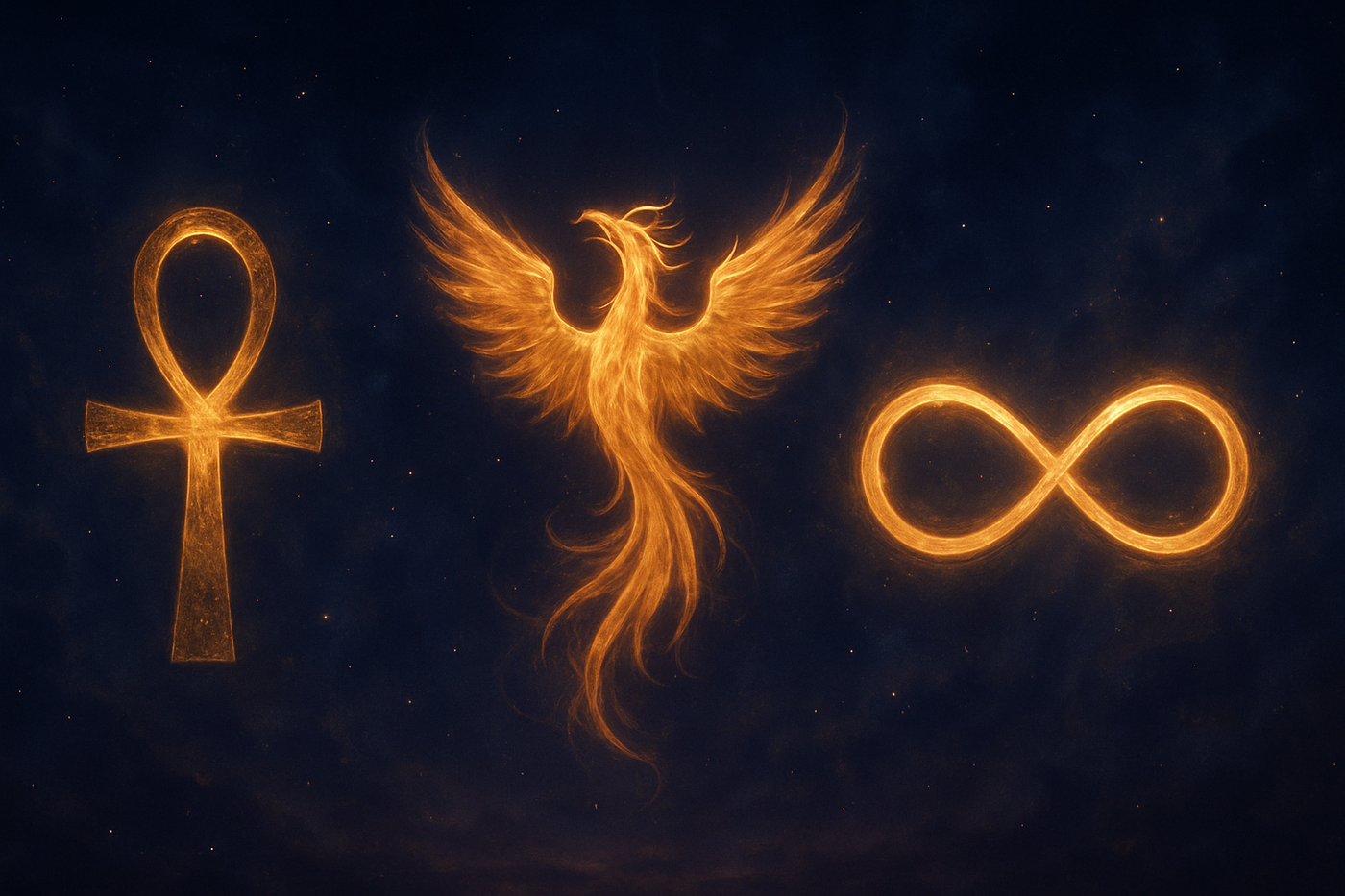
Ever caught yourself daydreaming about the secret to eternal life? Or perhaps, you’ve been enchanted by tales of ageless beings and their undying spirits? Well, you’re not alone! The fascination with immortality has been a timeless pursuit, captivating the hearts and minds of humans for eons. From the ancient Greeks to modern-day thinkers, the quest for eternity has been a subject of wonder and intrigue.
But here’s a thought: What if the key to immortality isn’t just about living forever, but about the symbols and emblems that represent it? Ah, the magic of symbols! They’re like little time capsules, capturing profound meanings in their intricate designs. And when it comes to representing eternity, these symbols become even more enchanting. Let’s dive into the mesmerizing world of symbols and their role in representing the eternal.
The Fascination with Immortality
Imagine a world where time stands still, where the ravages of age are but a myth, and where life flows like an endless river. Sounds like a dream, doesn’t it? But why are we so enchanted by the idea of living forever? Well, it’s a mix of fear, hope, and the human spirit’s innate desire to transcend the ordinary. We yearn for the extraordinary, and what’s more extraordinary than defying the very essence of life and death?
Throughout history, tales of immortal beings, from gods to mythical creatures, have been woven into the fabric of our cultures. They serve as reminders of our aspirations and the limitless possibilities of existence. But here’s the twist: while we may not have found the elixir of life (yet!), we have discovered countless symbols that echo the essence of immortality. And that, my friend, is where the real magic lies.
The Role of Symbols in Representing Eternity
Why symbols, you ask? Well, think of them as the language of the soul. They’re powerful, evocative, and can convey profound meanings without uttering a single word. In the realm of eternity, symbols act as bridges, connecting the mortal world with the ethereal realms of the immortal.
“Symbols are the imaginative signposts of life.” – Margot Asquith
From the majestic Phoenix rising from its ashes to the serene Lotus blooming in muddy waters, symbols of immortality are everywhere. They’re in the stories we tell, the art we create, and the beliefs we hold dear. And the beauty of it all? These symbols are as diverse as the cultures they come from, each offering a unique perspective on eternity and the mysteries of life.
So, as we embark on this journey through the symbols of immortality, let’s keep our hearts open and our minds curious. For in the world of symbols, there’s always more than meets the eye. And who knows? We might just stumble upon the secret to eternal life along the way!
Stay tuned as we delve deeper into the symbols of eternity in upcoming sections. From mythical creatures to celestial wonders, there’s a world of magic waiting to be explored!
Mythical Creatures and Immortality
Alright, fellow explorer of the eternal, let’s take a magical detour into the realm of mythical creatures. These legendary beings, with tales as old as time, have danced through the pages of history, leaving behind whispers of immortality. From the fiery Phoenix to the majestic White Stallion, each creature tells a tale of eternity in its own unique way. So, grab your imaginary cloak, hop on the magic carpet, and let’s set sail on this mythical journey!
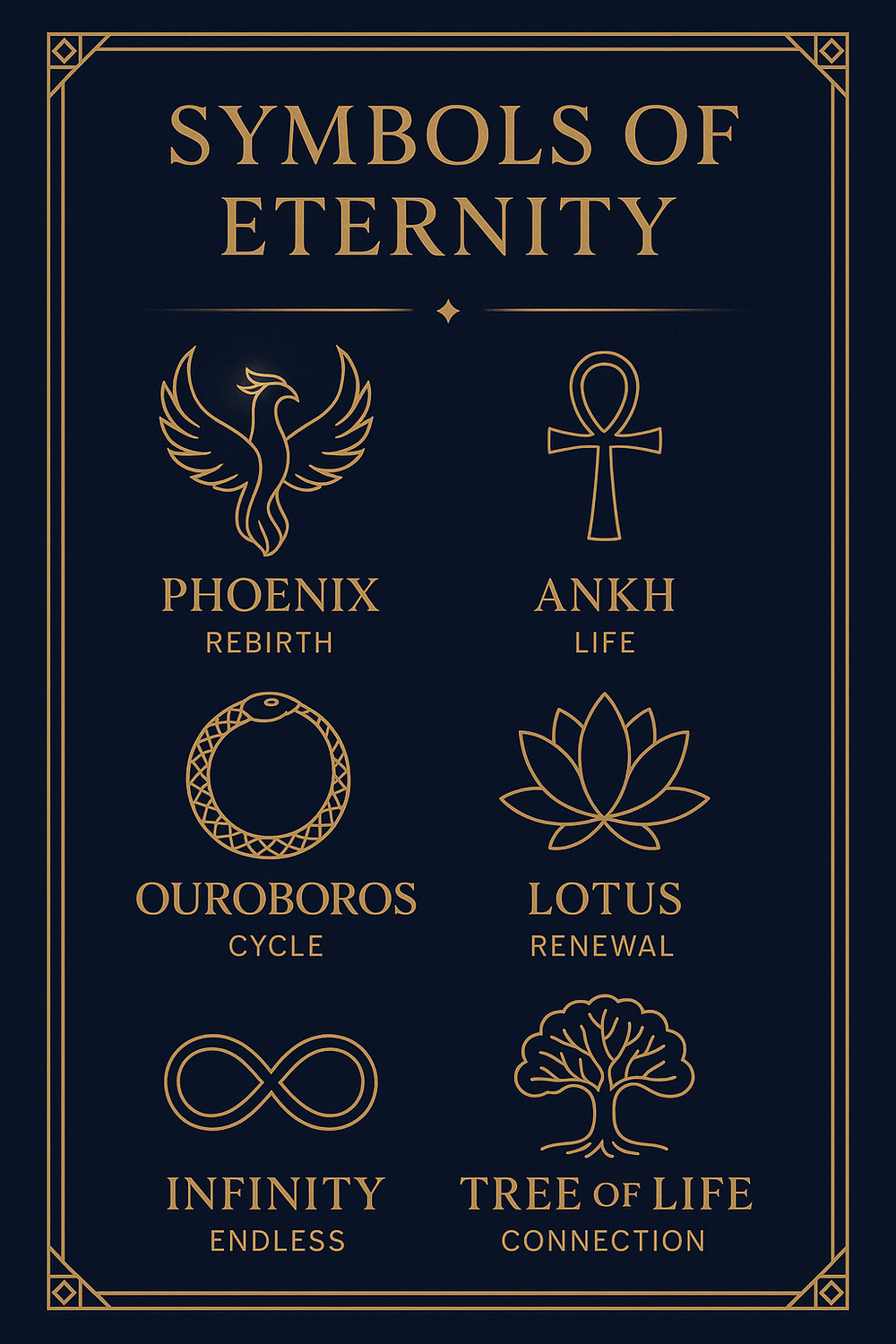
1. Phoenix: The Bird of Resurrection
Ever heard the saying, “Rise like a Phoenix from the ashes”? Well, it’s not just a catchy phrase; it’s rooted in the legend of the Phoenix, a magnificent bird known for its cycle of death and rebirth. Picture this: a radiant bird, ablaze with fiery reds and golds, living for hundreds of years only to burst into flames and be reborn from its ashes. Talk about a dramatic comeback!
The Phoenix symbolizes renewal and the endless cycle of life. It’s a testament to the idea that even in the face of adversity, there’s always a chance for a fresh start. So, the next time life throws you a curveball, channel your inner Phoenix and rise above the challenges!
2. Unicorn: Purity and Eternal Life
Ah, the Unicorn, the epitome of grace and purity! With its spiral horn and ethereal beauty, this mythical creature has captured the hearts of many. But did you know that the Unicorn is also a symbol of eternal life? Legend has it that its horn possesses healing powers, granting longevity and protection against evil.
Unicorns remind us of the magic that exists in the world and the purity of the human spirit. They represent hope, love, and the belief that anything is possible. So, the next time you’re feeling down, just remember: there’s a Unicorn out there, cheering you on!
3. Dragon: Power and Timelessness
Enter the Dragon, a creature of immense power and wisdom! With its mighty wings and fiery breath, the Dragon has been revered in various cultures as a symbol of strength, protection, and eternal life. From the Chinese Lung to the European fire-breathing beasts, Dragons have always been associated with the timeless forces of nature.
But here’s a fun twist: Dragons aren’t just about brute strength. They’re also symbols of balance, representing both creation and destruction. They remind us of the cyclical nature of life and the importance of embracing both the good and the bad. So, channel your inner Dragon, and let your spirit soar!
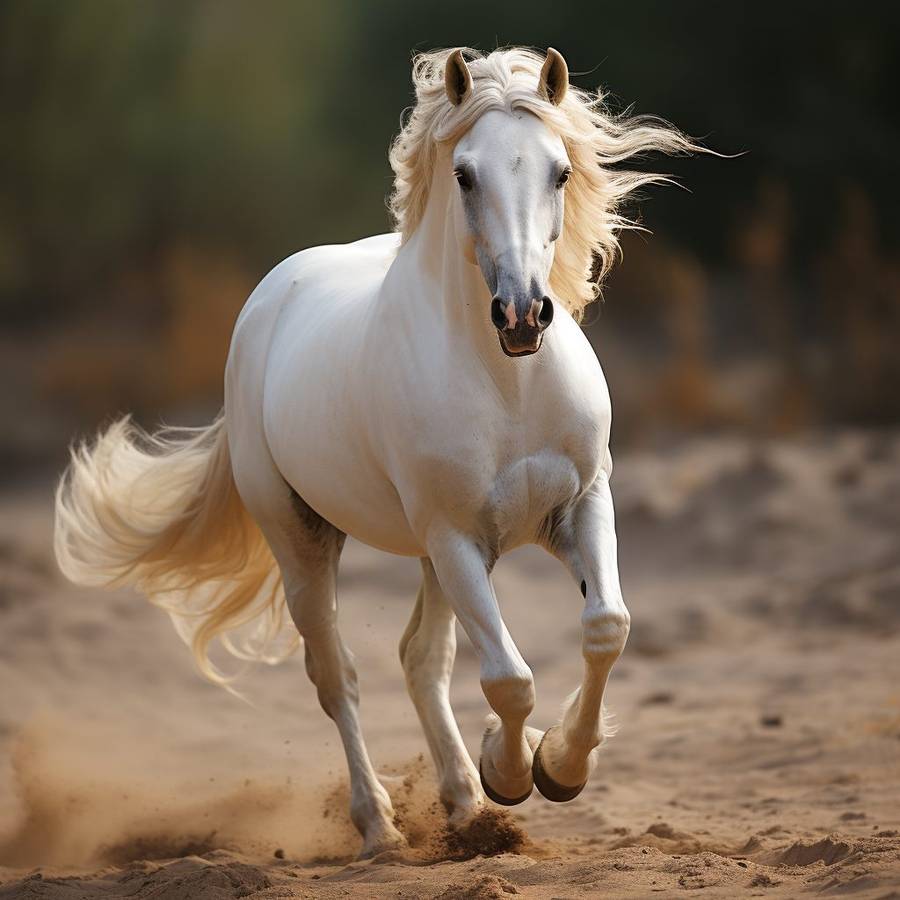 4. White Stallion: Enduring Spirit
Last but not least, let’s gallop into the world of the White Stallion. This majestic horse, with its shimmering mane and unyielding spirit, symbolizes freedom, endurance, and the undying will to move forward. In many cultures, the White Stallion is seen as a guardian, guiding souls to the afterlife and ensuring their safe passage.
But beyond the legends, the White Stallion teaches us a valuable lesson about resilience. It’s a reminder that no matter the obstacles, with determination and spirit, we can overcome anything. So, saddle up, and let the White Stallion guide you on your journey to eternity!
And there you have it, a whirlwind tour of mythical creatures and their tales of immortality. Each creature, with its unique story, offers a glimpse into the mysteries of life and the quest for eternity. Stay tuned as we delve deeper into more symbols of immortality in the upcoming sections. The adventure has only just begun!
Ancient Symbols of Eternity
Alright, time-travelers, let’s set our compasses to the ancient world! A place where mysticism intertwined with daily life, and symbols were more than just art—they were the very essence of beliefs, hopes, and dreams. These ancient emblems, steeped in history and lore, have whispered tales of eternity for millennia. So, let’s dust off the sands of time and uncover the age-old symbols that have captivated civilizations!
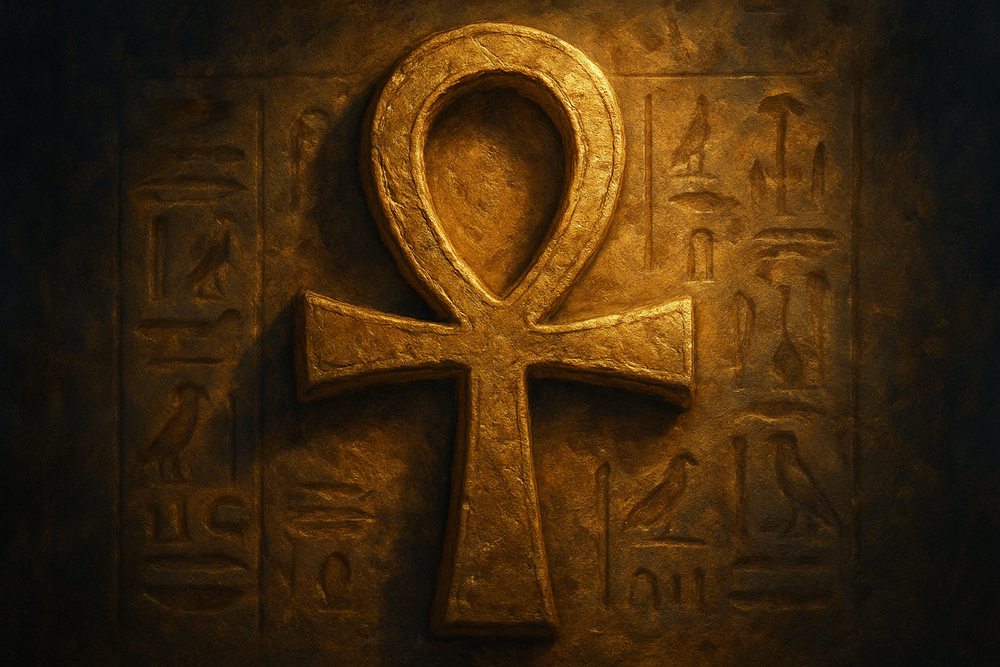
5. Ankh: The Egyptian Key of Life
First stop: Ancient Egypt! Here, the Ankh, often referred to as the “key of life,” reigned supreme. Resembling a cross with a loop at the top, this iconic symbol represented life and immortality. It was also a symbol of protection, ensuring a safe passage to the afterlife. Pharaohs, gods, and goddesses were often depicted holding the Ankh, signifying their divine connection to eternal life.
So, the next time you come across this ancient emblem, remember, it’s more than just a cool design—it’s a key to understanding the Egyptian perspective on life, death, and what lies beyond.
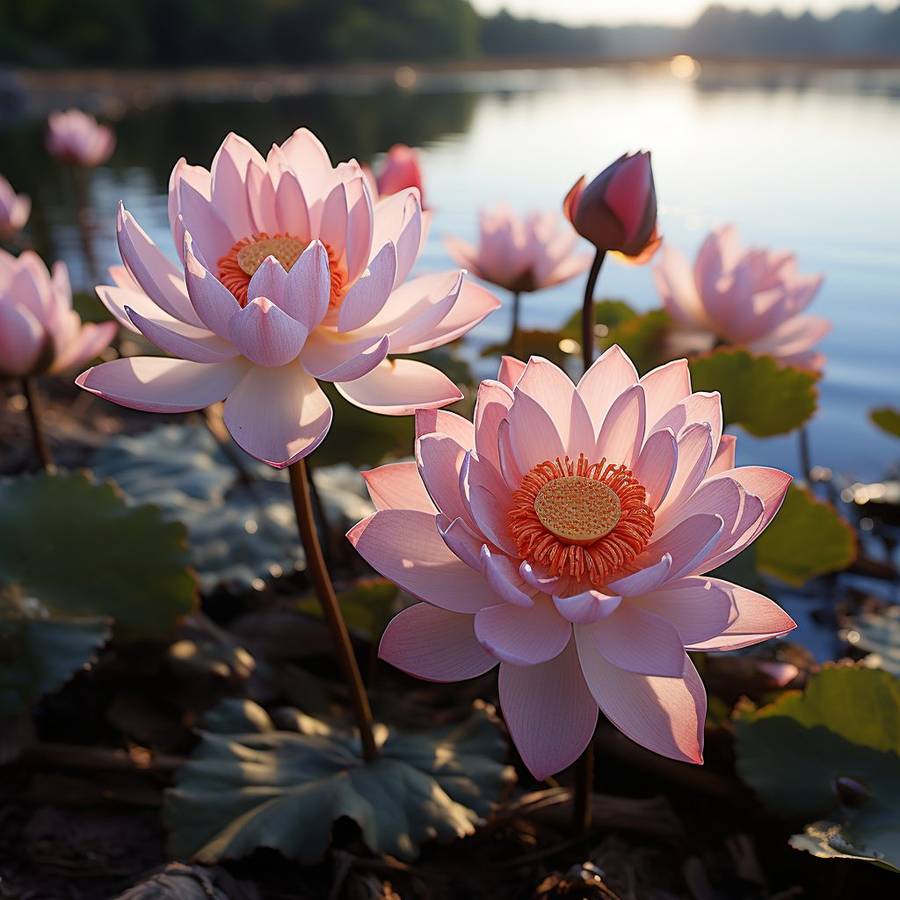 6. Lotus Flower: Rebirth and Renewal
Drifting over to the mystical lands of India and ancient Egypt, the Lotus Flower blooms in significance. Rising from the muddy waters, this ethereal flower symbolizes rebirth, purity, and spiritual awakening. Its daily cycle of sinking at night and reblooming at dawn mirrors the eternal cycle of life, death, and rebirth.
It’s a beautiful reminder that even in the murkiest of situations, there’s always an opportunity for growth and renewal. So, channel the spirit of the Lotus, and let your soul bloom!
7. Scarab Beetle: Transformation and Protection
Back to Egypt we go, where the Scarab Beetle scuttles into the spotlight. This tiny creature, with its hard shell and mighty wings, was a symbol of transformation, protection, and rebirth. The ancient Egyptians believed that the Scarab rolled the sun across the sky, much like how it rolls balls of dung on the ground. This daily journey of the sun was seen as a cycle of rebirth and renewal.
So, the next time you spot a Scarab, remember, it’s not just a bug—it’s a beacon of hope, symbolizing the endless possibilities of transformation and change.
8. Ouroboros: The Cycle of Life and Death
Slithering into ancient Greek and Egyptian lore, the Ouroboros—a serpent or dragon eating its own tail—encircles the mysteries of life and death. This age-old symbol represents the cyclical nature of life, the balance of creation and destruction, and the eternal loop of existence.
It’s a profound reminder that in the grand dance of the universe, endings are just new beginnings in disguise. So, embrace the cycle, and let the Ouroboros guide your understanding of eternity.
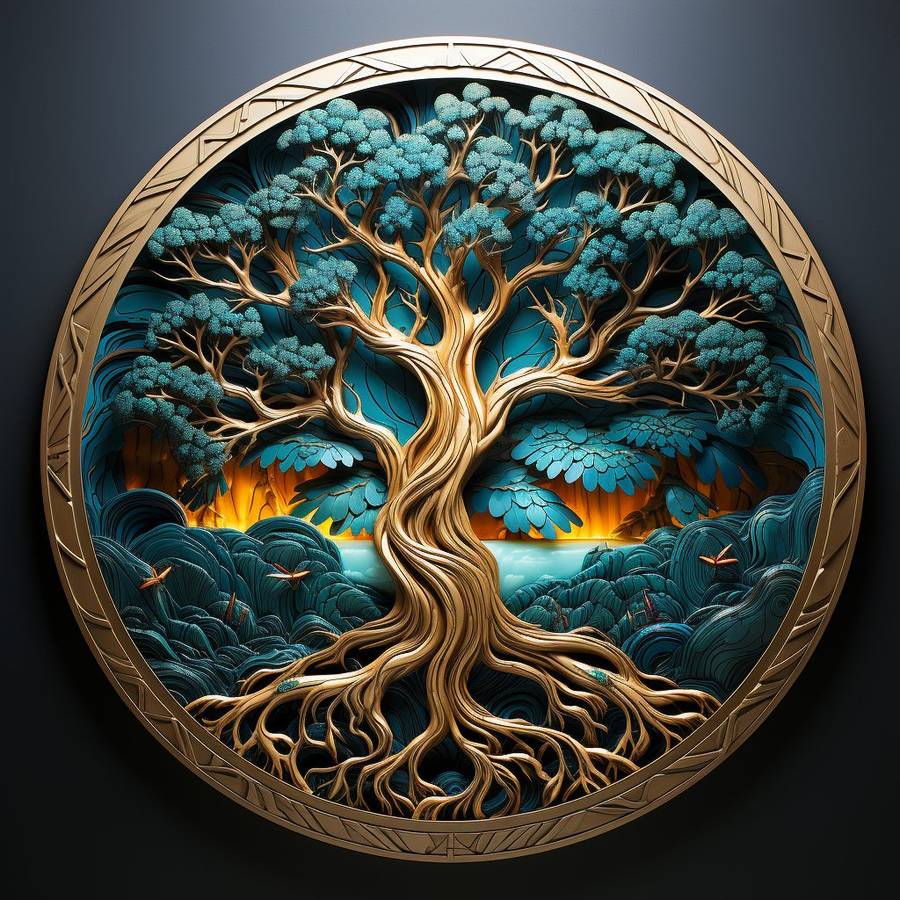 9. Tree of Life: Interconnectedness of All Existence
Branching out across various cultures, from the Celts to the ancient Mayans, the Tree of Life stands tall and proud. With its roots deep in the earth and branches reaching out to the heavens, this symbol represents the interconnectedness of all life. It’s a testament to the idea that every soul, every being, is a part of the grand tapestry of existence.
So, the next time you feel alone or disconnected, just remember, you’re a vital leaf on the vast Tree of Life, forever linked to the cosmos and all its wonders.
And there we have it—a journey through time, exploring ancient symbols that have echoed tales of eternity for ages. These emblems, with their rich histories and profound meanings, offer a window into the beliefs and hopes of bygone civilizations. Stay with us as we continue our exploration of symbols of immortality in the upcoming sections. The adventure is far from over!
Celestial Symbols of Immortality
Alright, stargazers and cosmic dreamers, let’s set our sights skyward! The vast expanse of the universe, with its twinkling stars and luminous orbs, has always been a source of wonder and inspiration. But did you know that the heavens also hold symbols of immortality? That’s right! The celestial bodies, with their eternal glow, have been revered as emblems of eternity for ages. So, let’s embark on a cosmic journey and explore the celestial symbols that have captivated the imaginations of many.
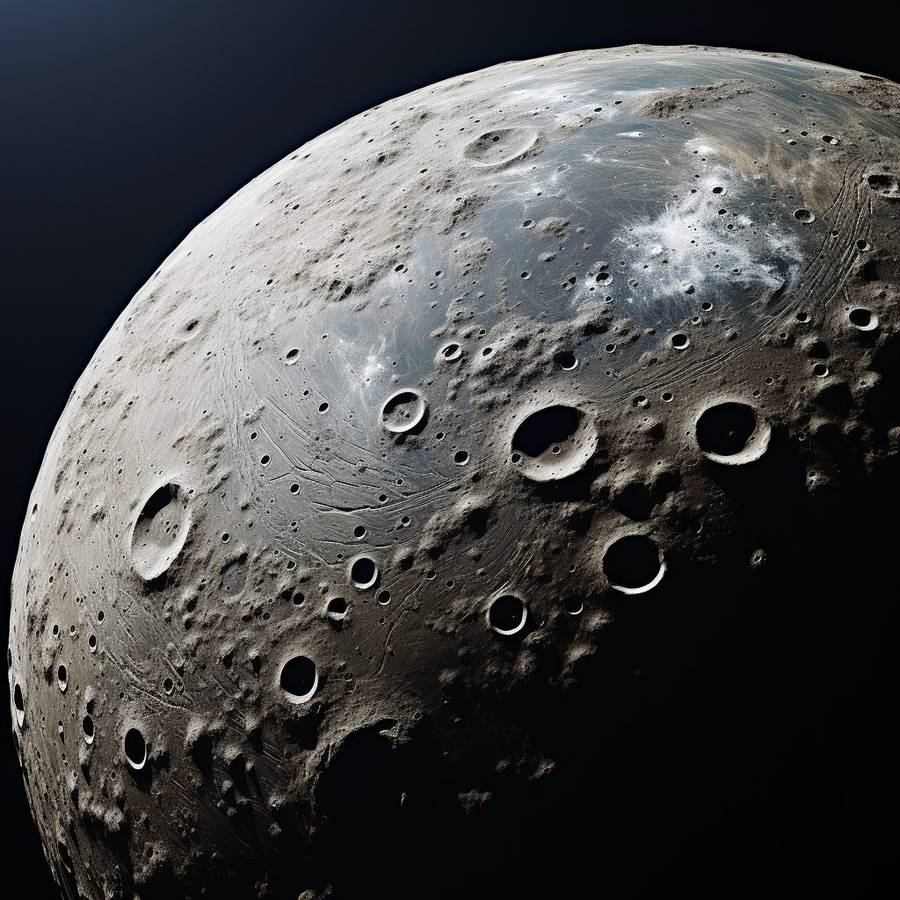 10. Moon: The Ever-Changing Yet Constant Luminary
First up, our beloved Moon. Ah, the Moon, with its silvery glow and ever-changing phases, has been a muse for poets, artists, and dreamers alike. From the crescent to the full moon, its phases symbolize the cycle of life, death, and rebirth. But here’s the catch: while the Moon may change its appearance, it remains a constant presence in our night sky, echoing the idea of change within constancy.
It’s a beautiful reminder that while life may be full of ups and downs, there’s always a constant force guiding us, much like the Moon lighting up the darkest of nights. So, the next time you gaze up at the Moon, remember, it’s not just a celestial body—it’s a symbol of the eternal dance of change and constancy.
11. North Star: The Unchanging Anchor in the Sky
Guiding sailors and explorers for centuries, the North Star, or Polaris, shines brightly as a beacon of hope and direction. While the rest of the stars seem to dance around the night sky, the North Star remains steadfast, holding its position. It symbolizes stability, guidance, and the unchanging nature of existence.
It’s a testament to the idea that even in the vastness of the universe, there are anchors that keep us grounded. So, whenever you feel lost or adrift, just look up, and let the North Star guide you back to your path.
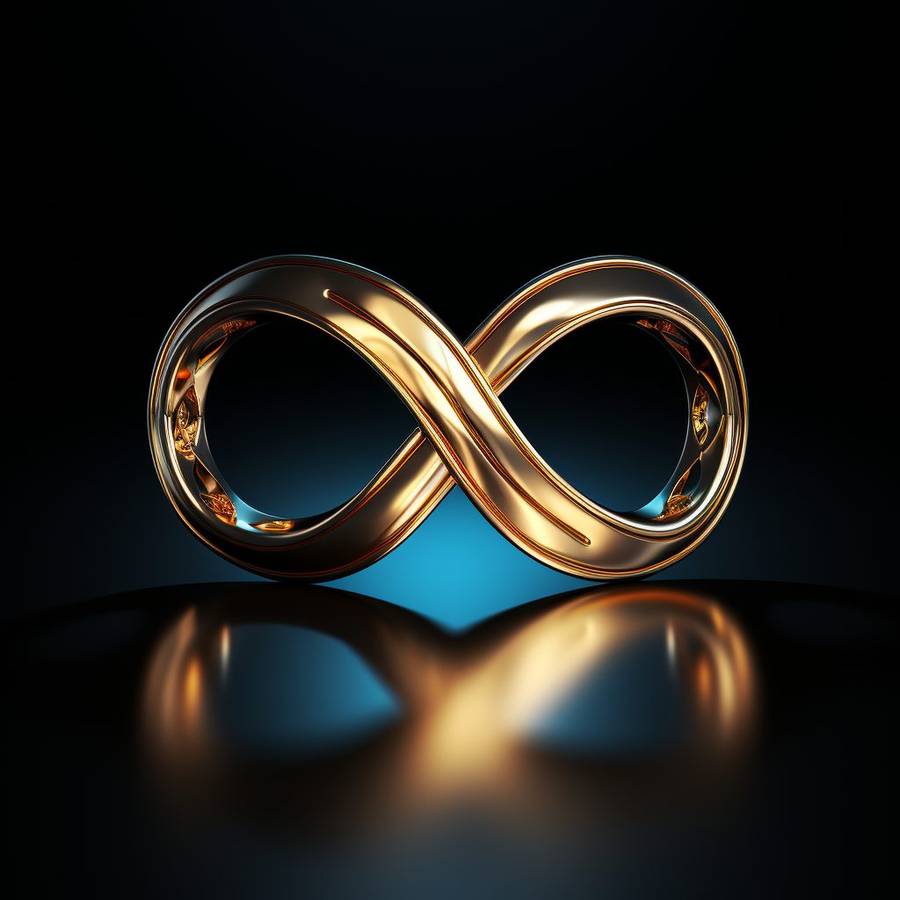 12. Infinity Symbol: Endlessness and Boundlessness
Looping into the realm of the abstract, the Infinity Symbol, resembling a sideways figure eight, captures the essence of endlessness and boundlessness. It’s a symbol that transcends the physical world, representing the infinite possibilities of the universe and the eternal nature of existence.
Whether it’s the endless cycle of life and death or the boundless expanse of the cosmos, the Infinity Symbol reminds us that there’s always more to explore, more to understand, and more to experience. So, embrace the infinite, and let your spirit soar beyond the boundaries of the known!
And that concludes our cosmic journey through celestial symbols of immortality. From the Moon’s silvery glow to the boundless loop of infinity, these symbols offer a glimpse into the mysteries of the universe and the eternal nature of existence. Stay tuned as we continue our exploration of symbols of immortality in the upcoming sections. The stars are just the beginning!
Nature’s Emblems of Everlasting Life
Alright, nature enthusiasts and lovers of all things green and wild, let’s embark on a journey into the heart of Mother Earth! Nature, with its boundless beauty and mysteries, has always been a source of inspiration and wonder. But did you know that nestled within its embrace are symbols of immortality? From the undying flame to the regal peacock, nature offers a treasure trove of emblems that echo tales of eternity. So, lace up your hiking boots, grab your explorer’s hat, and let’s dive into the verdant world of nature’s timeless symbols!
13. Eternal Flame: The Undying Spirit
Imagine a flame, flickering and dancing, its warmth cutting through the cold, its light piercing the darkness. The Eternal Flame, often seen in memorials and sacred sites, symbolizes the undying spirit, hope, and the eternal cycle of life and death. It’s a beacon that reminds us of the indomitable spirit of life, always burning bright, even in the face of adversity.
So, the next time you’re gathered around a campfire, gazing into the flames, remember, it’s not just fire—it’s a symbol of the eternal spirit that burns within us all.
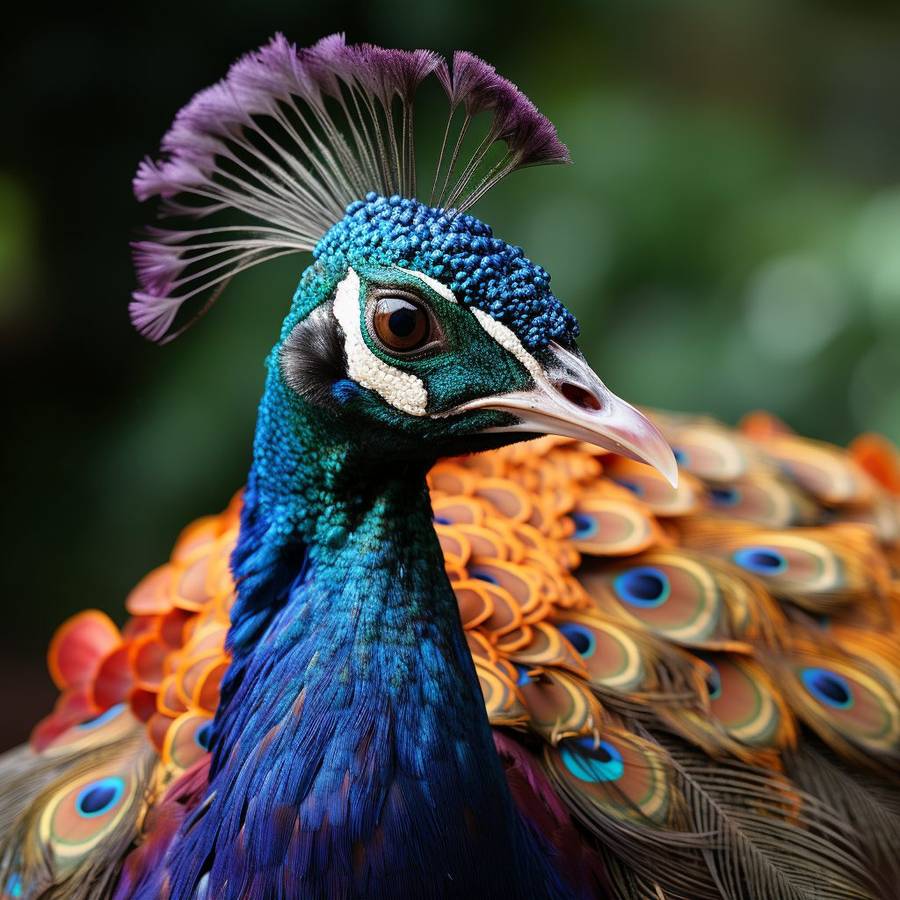 14. Peacock: Renewal and Immortality
Ah, the Peacock, with its iridescent feathers and regal strut, truly a sight to behold! In various cultures, this magnificent bird symbolizes renewal, resurrection, and immortality. Its ability to shed its old feathers and grow new ones is seen as a symbol of rebirth and new beginnings.
But here’s a fun tidbit: in some beliefs, the “eyes” on the peacock’s tail are said to represent the all-seeing eye of the cosmos. So, the next time you spot a peacock, remember, it’s not just a pretty bird—it’s a symbol of the eternal dance of life and the mysteries of the universe.
15. Fish: Fertility and Longevity
Diving into the aquatic realm, the Fish emerges as a symbol of fertility, abundance, and longevity. In many cultures, especially in the East, fish are seen as bearers of good luck and prosperity. Their ability to swim against currents and navigate the vast oceans symbolizes resilience and the enduring spirit of life.
So, whether you’re enjoying a quiet moment by a pond or feasting on a seafood delicacy, take a moment to appreciate the Fish and its timeless tales of abundance and life.
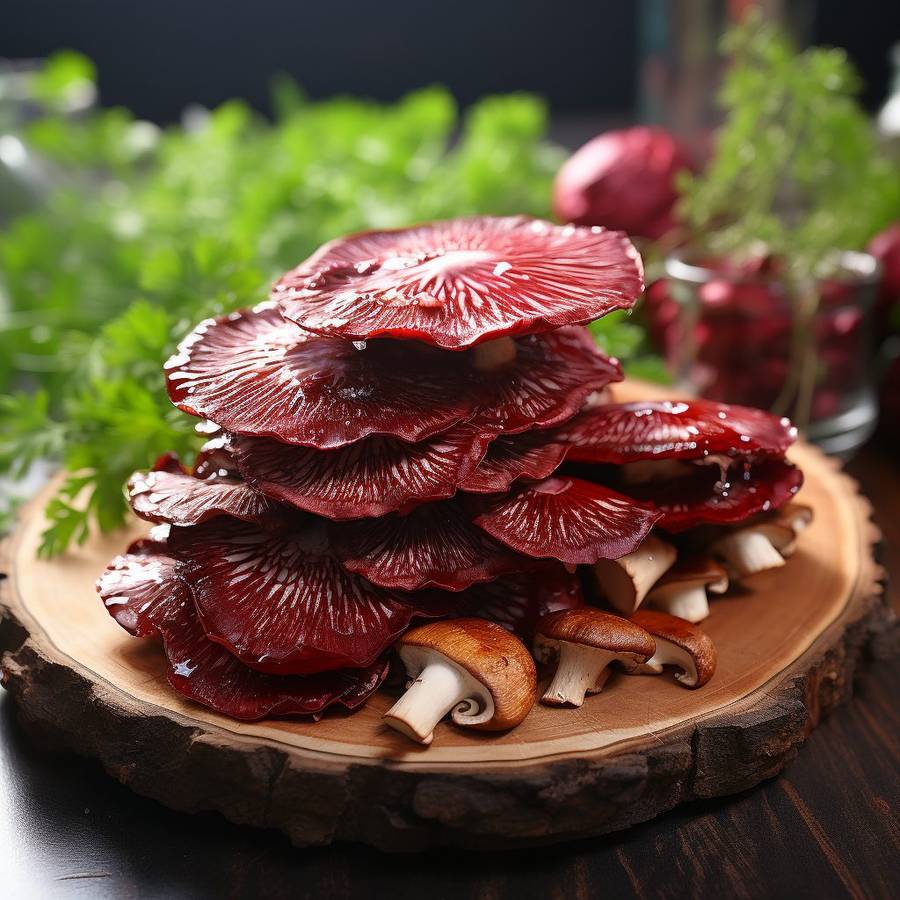 16. Reishi Mushroom: The Mushroom of Immortality
Deep within the forests, growing on old tree trunks, is the Reishi Mushroom, often dubbed the “Mushroom of Immortality.” Revered in ancient Eastern medicine, this mushroom is believed to promote longevity and enhance vitality. Its deep red color and unique shape have made it a symbol of life, health, and eternal youth.
So, the next time you come across this mystical mushroom, remember, it’s not just a fungi—it’s a symbol of the age-old quest for health, vitality, and eternal life.
17. Peach and Pear: Fruits of Longevity
Last but not least, let’s savor the sweet and juicy tales of the Peach and Pear. In many cultures, especially in the East, these fruits are seen as symbols of longevity and immortality. The Peach, with its luscious flesh and fragrant aroma, is often associated with the gods and their quest for eternal life. The Pear, with its crisp texture and sweet taste, symbolizes health, vitality, and a long life.
So, the next time you bite into a juicy peach or savor a crisp pear, take a moment to appreciate the timeless tales of health, vitality, and longevity that these fruits embody.
And there we have it—a journey through the lush and vibrant world of nature’s emblems of everlasting life. From the flickering flame to the regal peacock, these symbols offer a glimpse into the mysteries of life and the eternal dance of existence. Stay with us as we continue our exploration of symbols of immortality in the upcoming sections. Nature’s tales are far from over!
Cultural and Spiritual Symbols of Eternity
Hey there, cultural explorers and spiritual seekers! Ready to embark on yet another fascinating journey? This time, we’re diving deep into the rich tapestry of cultural and spiritual symbols from around the world. These emblems, steeped in tradition and lore, echo tales of eternity, longevity, and the divine. From the bustling streets of China to the serene temples of India, let’s uncover the symbols that have shaped beliefs, rituals, and traditions for centuries. So, fasten your seatbelts, and let’s set sail on this cultural and spiritual odyssey!
18. Shouxing: The Chinese God of Longevity
First stop: the vibrant land of China! Here, amidst the dragons and phoenixes, stands Shouxing, the God of Longevity. Often depicted as a wise old man with a long beard, holding a staff and a peach (remember the fruit of longevity?), Shouxing is a symbol of long life and good health. It’s said that paying homage to him can bless you with a long and prosperous life.
So, the next time you come across a statue or painting of Shouxing, take a moment to appreciate the ancient Chinese wisdom on longevity and well-being.
19. Nyame Nnwu na Mawu: The West African Symbol of God and Immortality
Heading over to the vibrant landscapes of West Africa, we encounter the symbol “Nyame Nnwu na Mawu.” This emblem, representing the sun, moon, and God, is a testament to the West African belief in the eternal cycle of life and the divine’s role in it. It’s a powerful reminder of the interconnectedness of life, death, and the divine.
So, whether you’re gazing at a West African artifact or listening to a traditional tale, remember the profound wisdom of “Nyame Nnwu na Mawu” and its tales of eternity.
20. Kalasha: The Vase of Abundance in Hinduism
Now, let’s journey to the mystical lands of India, where the Kalasha, a sacred vase, holds deep spiritual significance. Often seen in Hindu rituals and ceremonies, this ornate vessel, filled with water and topped with mango leaves and a coconut, symbolizes abundance, life, and immortality. It’s a testament to the Hindu belief in the sanctity of life and the blessings of the divine.
So, the next time you witness a Hindu ceremony or come across a Kalasha, take a moment to appreciate its profound symbolism and the blessings it bestows.
21. Shou: The Chinese Character for Long Life
Back to China we go, where the character “Shou” takes center stage. This intricate symbol, often seen on artifacts, paintings, and even birthday cakes, represents long life and good health. It’s a beautiful testament to the Chinese emphasis on longevity and the blessings of a long, fulfilling life.
So, whether you’re admiring a piece of Chinese calligraphy or receiving a birthday blessing, remember the timeless tales of “Shou” and its wishes for a long and prosperous life.
22. Knot of Eternity: The Endless Loop in Buddhism
Finally, let’s head to the serene monasteries of Buddhism, where the Knot of Eternity weaves its tales of infinity. This intricate, endless loop, often seen in Buddhist art and scriptures, represents the eternal cycle of life, death, and rebirth. It’s a powerful reminder of the interconnectedness of all existence and the endless dance of the universe.
So, whether you’re meditating in a Buddhist temple or admiring a piece of Buddhist art, let the Knot of Eternity guide your reflections on the eternal nature of existence.
And there we have it—a whirlwind tour of cultural and spiritual symbols from around the world. Each emblem, with its rich history and profound meaning, offers a window into the beliefs and traditions of diverse civilizations. Stay with us as we continue our exploration of symbols of immortality in the upcoming sections. The journey is far from over!
Miscellaneous Symbols of Immortality
Alright, symbol sleuths and lore lovers, we’re nearing the end of our epic journey, but there are still some intriguing tales left to uncover! In this section, we’ll delve into a mix of symbols, some rooted in ancient myths and others in the natural world, all echoing tales of eternity. So, let’s dive right in and explore these captivating emblems of immortality!
22. Tithonus: The Greek Myth of Immortal Love
Let’s start with a love story from ancient Greece. Tithonus, a mortal, was deeply in love with Eos, the goddess of dawn. Eos, smitten by his charm, begged Zeus to grant Tithonus immortality. But here’s the twist: she forgot to ask for eternal youth. As a result, Tithonus lived on, aging but never dying, a poignant reminder of the double-edged sword of immortality without youth.
This tale serves as a reflection on the nature of eternal life and the complexities of love. So, the next time you hear of Tithonus, remember, it’s not just a myth—it’s a meditation on the nuances of eternity.
23. Wreath: Victory Over Death
Ever noticed those circular garlands made of flowers, leaves, or twigs? That’s a wreath, a symbol of victory, honor, and the triumph over death. Often seen in ancient ceremonies and modern-day celebrations alike, the wreath embodies the eternal cycle of life, death, and rebirth.
So, whether you’re attending a graduation, a memorial, or simply admiring a festive decoration, let the wreath remind you of the timeless victory of life over death.
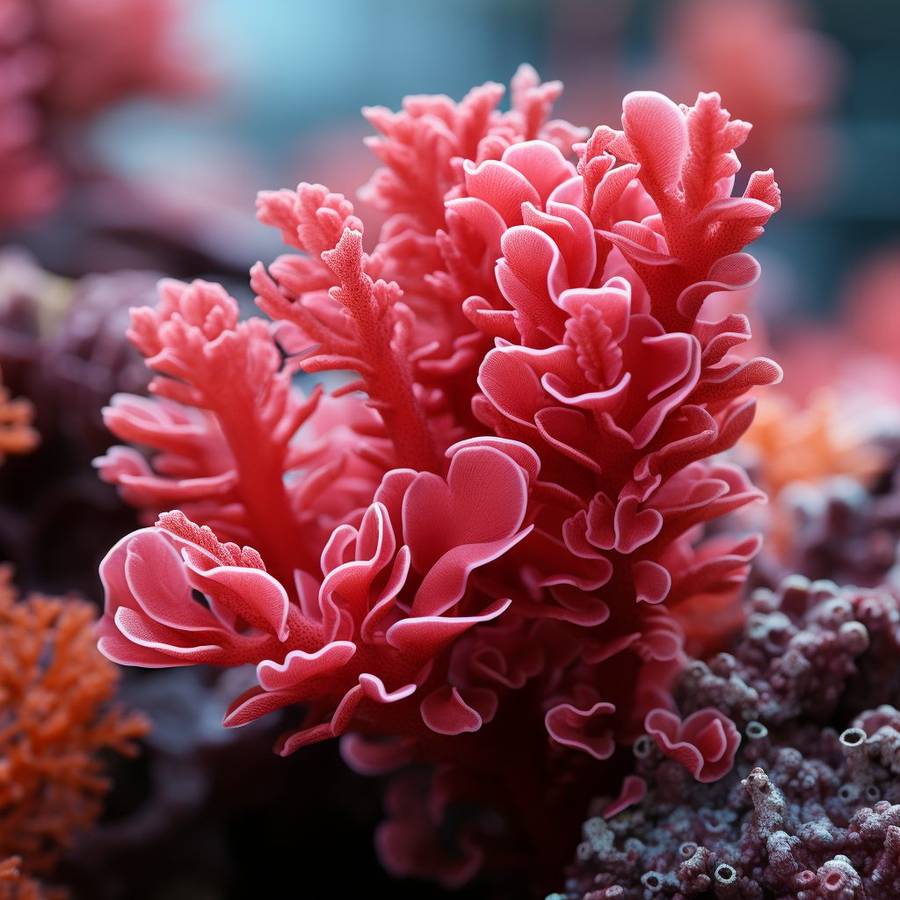 24. Coral: The Ocean’s Gift of Protection
Diving deep into the ocean’s embrace, we find coral, a symbol of protection, transformation, and immortality. In many cultures, coral is believed to ward off evil and ensure a long and healthy life. Its intricate structures and vibrant colors also symbolize the beauty and complexity of life.
So, the next time you’re snorkeling in a coral reef or wearing a piece of coral jewelry, take a moment to appreciate its tales of protection and the eternal dance of life.
25. Circle: The Shape Without an End
Simple yet profound, the circle, with its unbroken and continuous shape, symbolizes eternity, wholeness, and the infinite nature of the universe. From ancient rituals to modern-day logos, the circle has been a timeless emblem of the unending cycle of life.
So, whether you’re gazing at a full moon, drawing a circle, or simply admiring a ring, let this shape remind you of the boundless nature of existence and the interconnectedness of all things.
Conclusion
And there we have it, dear readers—a journey through time and space, exploring symbols of immortality from various cultures, myths, and beliefs. From the regal peacock to the simple circle, these emblems offer a window into humanity’s timeless quest for understanding the mysteries of life, death, and what lies beyond.
The power of symbols lies not just in their design or appearance but in the stories they tell, the beliefs they represent, and the emotions they evoke. They shape cultures, influence beliefs, and inspire generations. In our quest for immortality, these symbols serve as reminders of the eternal nature of existence and the indomitable spirit of life.
So, as we conclude this exploration, let’s carry these tales of eternity in our hearts, letting them inspire and guide us in our own journeys. After all, life is a tapestry of stories, symbols, and memories, and it’s up to us to weave our own tales of the eternal.