 Know
Know
Symbols
Caduceus Meaning: History of the Winged Staff Symbol
Discover the caduceus meaning: Hermes' winged staff of two serpents, its Greek origins, medical mix-up with Asclepius, and spiritu…
Symbols for positive energy are visual emblems—like the lotus, Om, and Hamsa hand—that ancient cultures used to represent protection, balance, and spiritual growth. These symbols appear across religions and traditions worldwide, each carrying meaning that can be applied to modern life for healing, harmony, and personal transformation.
Beyond positivity, many of these same visual traditions also gave rise to symbols of loyalty, change, and even betrayal — concepts we’ll unpack later in this guide, since they’re often searched for alongside symbols of protection and growth.
| Symbol | Category | Core Meaning |
|---|---|---|
| Lotus Flower | Growth | Spiritual awakening and purity |
| Tree of Life | Growth | Interconnectedness and renewal |
| Om Symbol | Balance | Universal consciousness |
| Evil Eye | Protection | Deflects negative intentions |
| Hamsa Hand | Protection | Wards off evil, invites blessing |
| Dream Catcher | Protection | Filters negative dreams and energy |
| Eye of Horus | Protection | Healing, insight, wholeness |
| Celtic Knot | Protection | Eternity and unbroken safeguarding |
| Flower of Life | Balance | Interconnectedness of creation |
| Vesica Piscis | Balance | Union of heaven and earth |
| Sri Yantra | Balance | Cosmic creation and unity |
| Yin Yang | Balance | Harmony of opposing forces |
| Caduceus | Balance | Healing and equilibrium |
| Scales | Balance | Justice and moral balance |
| Infinity Symbol | Growth | Endless possibility, eternal love |
| Spiral | Growth | Evolution and cosmic energy |
| Claddagh Ring | Loyalty | Love, friendship, and loyalty |
| Infinity Knot | Loyalty | Unbreakable bond |
| Anchor | Loyalty | Steadfastness and stability |
| Butterfly | Growth | Transformation and change |
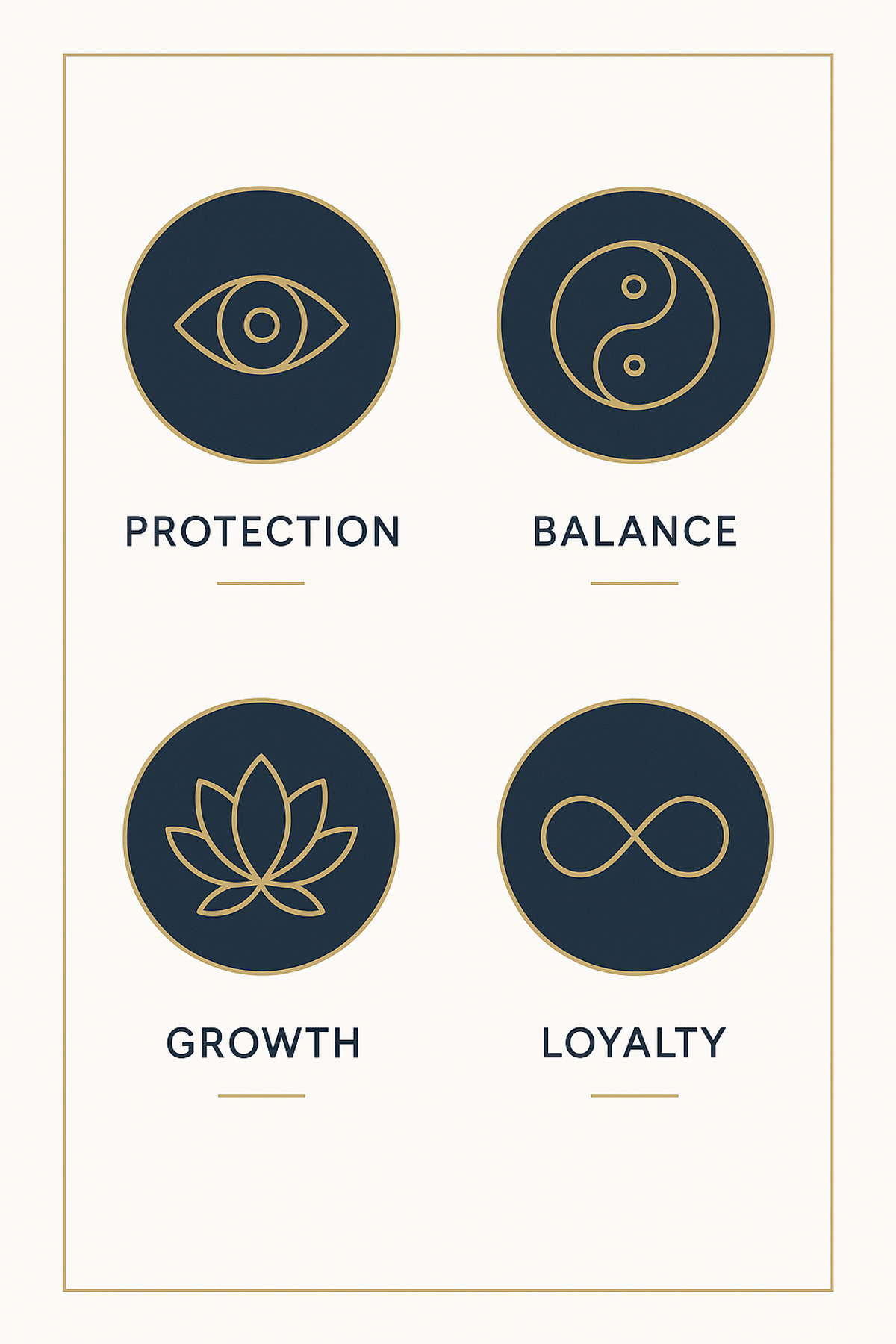
Spiritual symbols offer a bridge between ancient wisdom and contemporary life. Used for centuries across cultures to invoke positive energy, protection, and spiritual growth, these emblems range from the intricate designs of sacred geometry to universal shapes found in nature.
A lotus flower pendant can remind you of your own capacity to rise above challenges. A tree of life tapestry can represent the interconnectedness of all living things. These aren’t just decorative — they’re portals to a deeper understanding of ourselves and the world around us, whether you’re drawn to the Om symbol of Eastern religions or the protective Evil Eye from Mediterranean traditions.
Below, we explore 20 powerful symbols of positive energy, their origins and meanings, and how to bring them into daily life. We’ll also cover a related but distinct category of symbolism: loyalty, change, and their darker opposites — betrayal and deceit.
Spiritual symbols serve as powerful tools for connecting ancient wisdom with modern life, offering guidance, protection, and positive energy to those who embrace their significance.
Spiritual symbols function as a universal language, connecting us to the wisdom of many traditions at once, often transcending the borders that separate them.
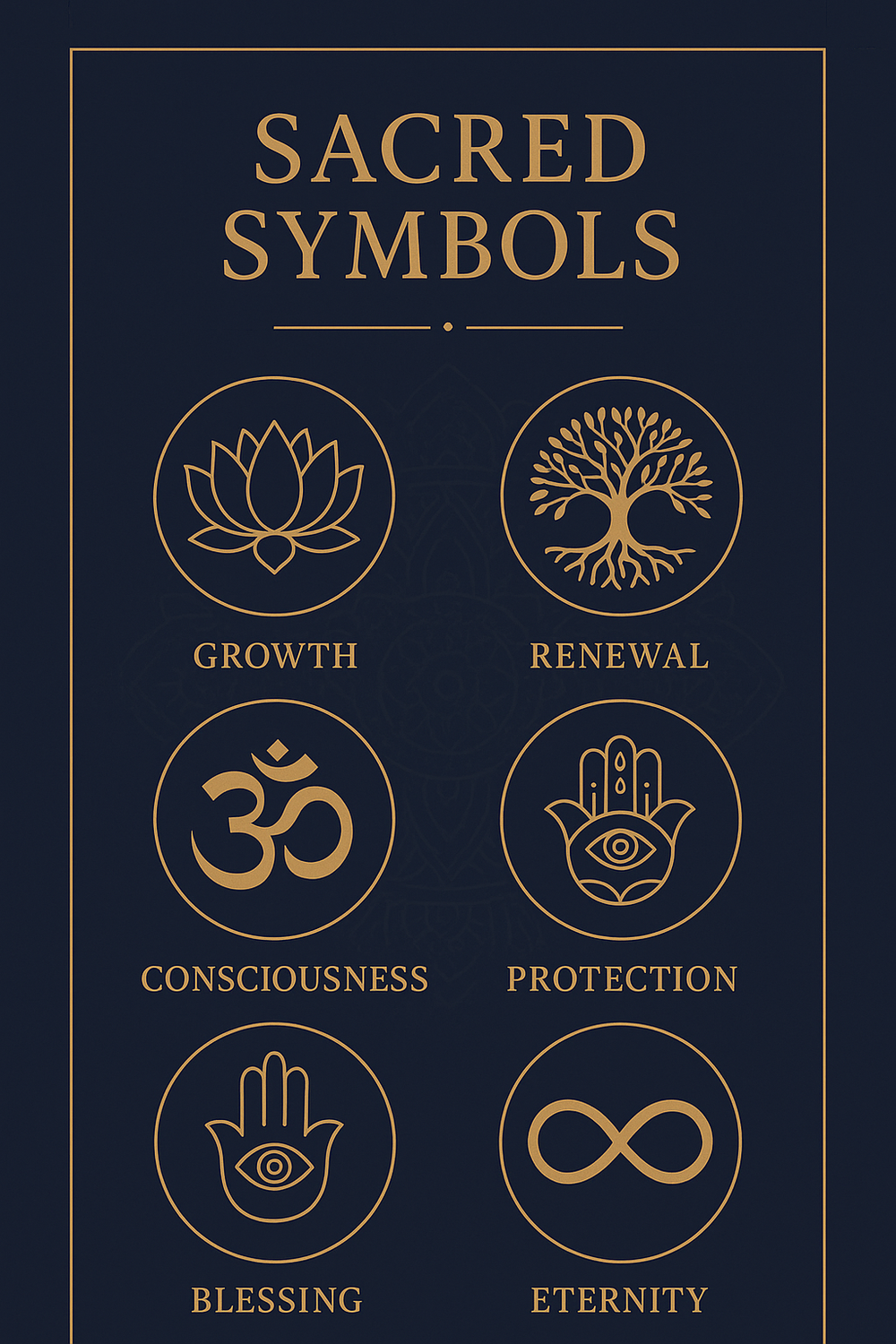
The lotus flower, revered in Eastern religions for blooming in muddy waters, represents purity and spiritual awakening in Hindu and Buddhist traditions. Different cultures often share similar symbols, though the interpretations shift:
| Symbol | Culture | Meaning |
|---|---|---|
| Tree of Life | Norse Mythology | Yggdrasil, the cosmic tree connecting different worlds |
| Tree of Life | Christian Tradition | The tree in the Garden of Eden |
| Tree of Life | Ancient Egyptian Culture | Represents the cycle of life, death, and rebirth |
| Spiral | Celtic Tradition | Symbolizes growth and eternal life |
| Spiral | Native American Culture | Represents the journey of life and cosmic energy |
| Spiral | Greek Mythology | Found in the labyrinth, symbolizing the path to self-discovery |
Spiritual symbols serve as a universal language, connecting diverse cultures and traditions while offering unique interpretations that resonate with individual spiritual journeys.
The lotus flower, with pristine petals emerging from murky waters, symbolizes spiritual growth and transformation. This resilient bloom teaches a lesson about rising above life’s challenges.
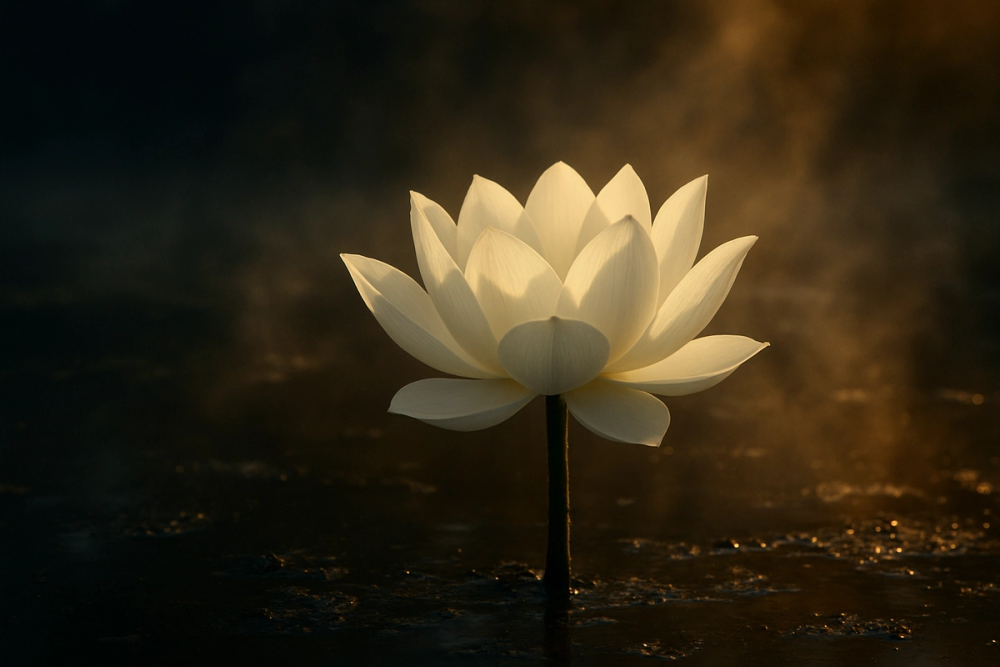
A lotus seed roots in the muddy depths of a pond, then grows through darkness until it breaks the surface and unfurls in the sunlight. Each stage carries meaning:
In many Eastern religions, the lotus holds special significance:
The lotus flower symbolizes the journey of spiritual growth, teaching us to rise above life’s challenges and bloom into our highest selves, just as it emerges pure and beautiful from muddy waters.
The Tree of Life represents the interconnectedness of all living things and the cycle of renewal, serving as a reminder of our deep roots and endless potential for growth.
Across traditions, the Tree of Life holds distinct meaning:
The Tree of Life symbol represents the interconnectedness of all existence and the continuous cycle of renewal, serving as a powerful reminder of our roots, growth potential, and connection to the world around us.
The Om symbol, a cornerstone in Eastern religions, represents the primordial sound of creation and serves as a gateway to universal consciousness. It’s one of the most chanted and visualized symbols in meditation practice.
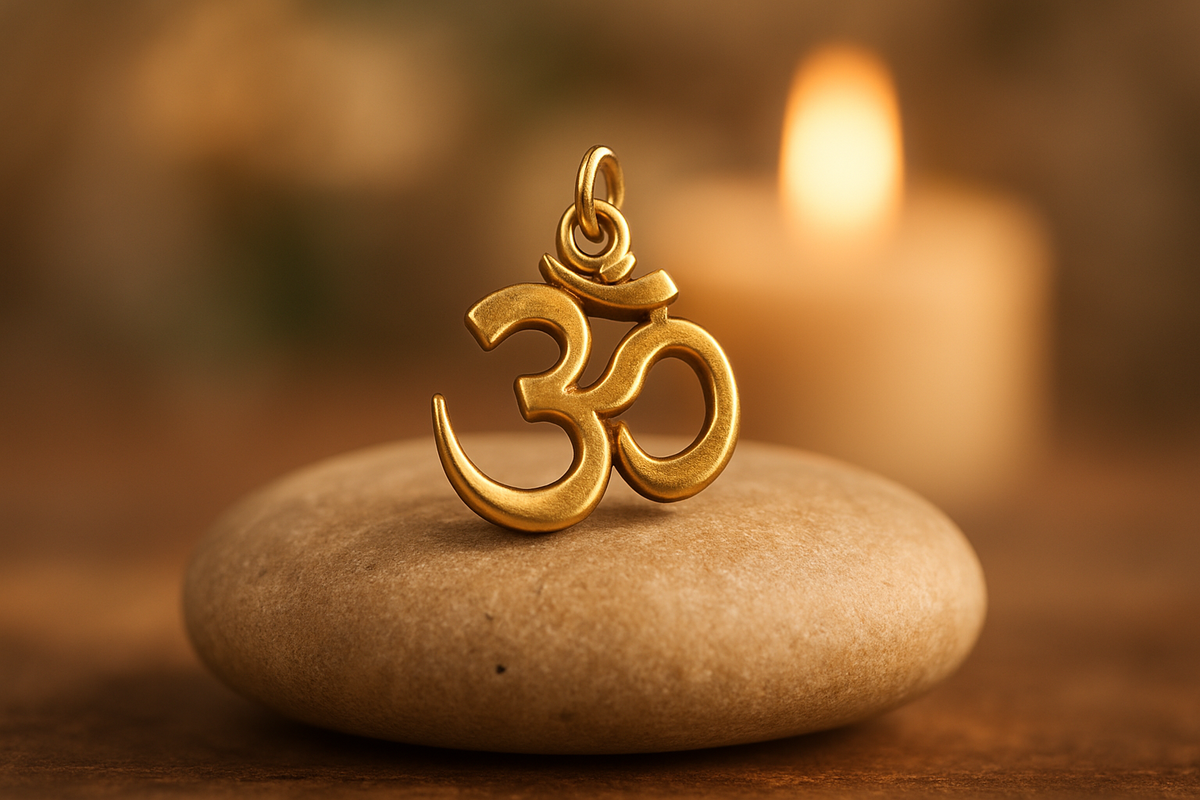
The Om symbol serves as a powerful tool for connecting with universal consciousness, offering a pathway to spiritual awakening and deeper understanding of our place in the cosmos.
Protective symbols act as spiritual shields, warding off negative influences and inviting positive vibrations. These emblems have been used across cultures for centuries, each with a distinct way of safeguarding the wearer.
These symbols work by:
Protective symbols serve as spiritual armor, deflecting negative energy and fostering a positive environment, with their power amplified by the wearer’s intention and belief.
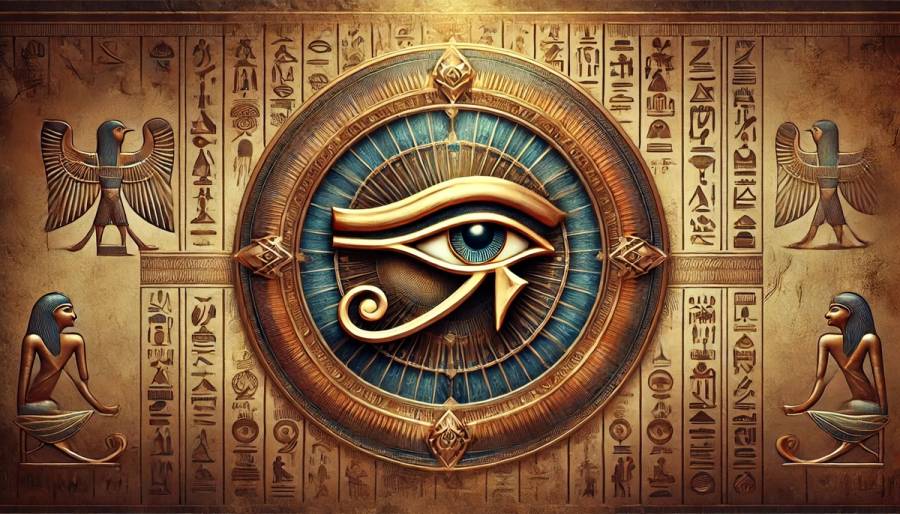
The Eye of Horus, an ancient symbol from Egypt, has been safeguarding people for millennia. This emblem combines protection, healing, and wholeness into one striking image.
In ancient times, Egyptians would:
The Eye of Horus serves as a powerful protective symbol, offering insight, healing, and safeguarding, bridging ancient Egyptian wisdom with modern spiritual practices.
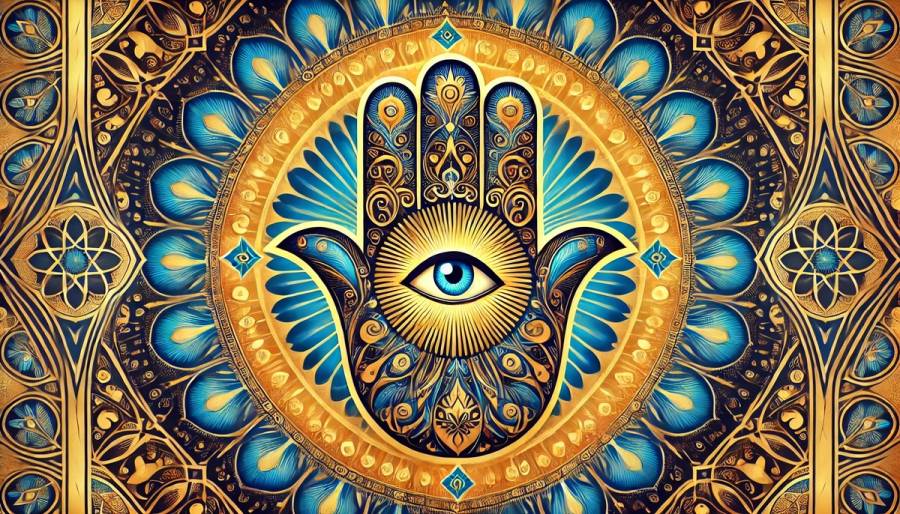
The Hamsa Hand, also known as the Hand of Fatima, is a symbol of protection that transcends cultural boundaries, used for centuries to ward off negative energy and invite blessings.
For a deeper look at its history, symbolism, and modern uses, see our full guide to Hamsa meaning.
The Hamsa Hand symbolizes divine protection and openness to blessings, serving as a powerful talisman against negative energy in both traditional and modern spiritual practices.
Sacred geometry refers to the geometric patterns found in nature and spiritual symbols that many traditions believe encode the fundamental principles of creation and universal harmony.
These forms are used in meditation, architecture, and art because their proportions are believed to mirror patterns found throughout the natural world — from flower petals to spiral galaxies — reinforcing a sense of order and connection to something larger than ourselves.
Sacred geometry in spiritual symbols represents universal principles of creation and harmony, offering a visual gateway to deeper spiritual understanding and connection with cosmic energy.
The Sri Yantra represents the cosmos and the process of creation. This intricate design, composed of nine interlocking triangles, visually maps the universe’s fundamental patterns.
Practitioners meditate on the Sri Yantra to focus the mind and symbolically journey from the outer triangles toward the central bindu, representing the path from material existence toward spiritual unity.
The Sri Yantra, with its intricate geometric design, serves as a powerful tool for meditation and spiritual growth, representing the cosmic process of creation and the balance of universal energies.
Ancient wisdom offers powerful symbols that serve as reminders and tools for achieving equilibrium between opposing forces in daily life.
Symbols of balance and harmony, such as the Yin Yang, serve as powerful reminders and tools for achieving equilibrium in our lives, encouraging us to embrace the complementary nature of opposing forces.
The infinity symbol, a figure-eight curve without beginning or end, represents limitless potential and everlasting connection, speaking to the universal human desire for continuity and boundless possibility.
The infinity symbol is widely used in jewelry to represent eternal love, friendship, or family bonds, and appears in tattoo art as a personal reminder of resilience, continuity, or a connection that endures beyond time.
Alongside positivity symbols, many people search for emblems that represent loyalty, transformation, and — on the darker side — betrayal or deceit. These symbols round out the emotional spectrum that ancient traditions sought to capture.
Just as some symbols represent loyalty, others have come to represent its opposite. A broken chain can signify a severed bond or trust that has been shattered. A mask often represents deception or hidden intentions, concealing one’s true self. The fox, in many folk traditions, symbolizes cunning and deceit due to its association with trickery in fables and myths.
Symbols of positivity point us toward growth, protection, and balance, while symbols of loyalty and betrayal speak to the strength — or fragility — of our relationships. Both categories draw from the same ancient visual language, just applied to different corners of the human experience.
As we conclude our journey through these 20 powerful symbols of positive energy, we’re reminded of the timeless wisdom that ancient cultures have bestowed upon us. From the resilient lotus flower to the harmonious yin yang, each symbol carries a profound message that resonates with our modern lives. These spiritual symbols offer us a chance to connect with our inner selves, boost our positive energy, and navigate life’s challenges with grace and strength.
By incorporating these symbols into daily life — whether through meditation, jewelry, or visual reminders — we open ourselves to transformative experiences. The power of these symbols lies not just in their visual appeal, but in the deep spiritual significance they hold, whether they represent protection, balance, growth, or loyalty.
Explore these symbols further, allowing their ancient wisdom to guide you toward inner peace, balance, and spiritual growth, while also recognizing the symbols of loyalty and change that mark our closest relationships.
Symbols of loyalty include the Claddagh ring, the infinity knot, and the anchor. Each represents an unbreakable or steadfast bond — the Claddagh through hands holding a crowned heart, the infinity knot through its unbroken loop, and the anchor through its association with stability during hardship.
The butterfly and the phoenix are the most widely recognized symbols of change. The butterfly represents gradual transformation through metamorphosis, while the phoenix represents dramatic rebirth after destruction, rising renewed from its own ashes.
Common symbols of betrayal and deceit include the broken chain, which represents a severed bond or trust, the mask, which represents hidden intentions, and the fox, which symbolizes cunning and trickery in folklore across many cultures.
The Claddagh ring is the clearest example of a symbol representing both loyalty and love, since its design combines hands (friendship), a heart (love), and a crown (loyalty). The infinity symbol is also frequently used in jewelry to represent an eternal, loyal love that never ends.
Discover the caduceus meaning: Hermes' winged staff of two serpents, its Greek origins, medical mix-up with Asclepius, and spiritu…
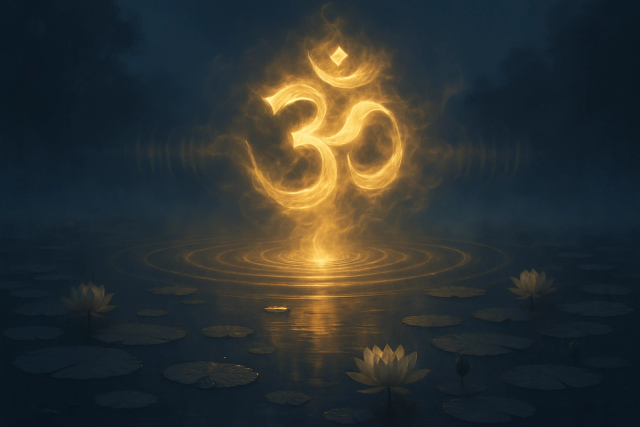
Discover what the Om symbol truly means—its Hindu, Buddhist, and Jain roots, dream symbolism, and how to use it in daily life.
Discover what the compass symbolizes across cultures — from spiritual guidance and moral direction to finding your true life purpo…