 Know
Know
Symbols
Caduceus Meaning: History of the Winged Staff Symbol
Discover the caduceus meaning: Hermes' winged staff of two serpents, its Greek origins, medical mix-up with Asclepius, and spiritu…
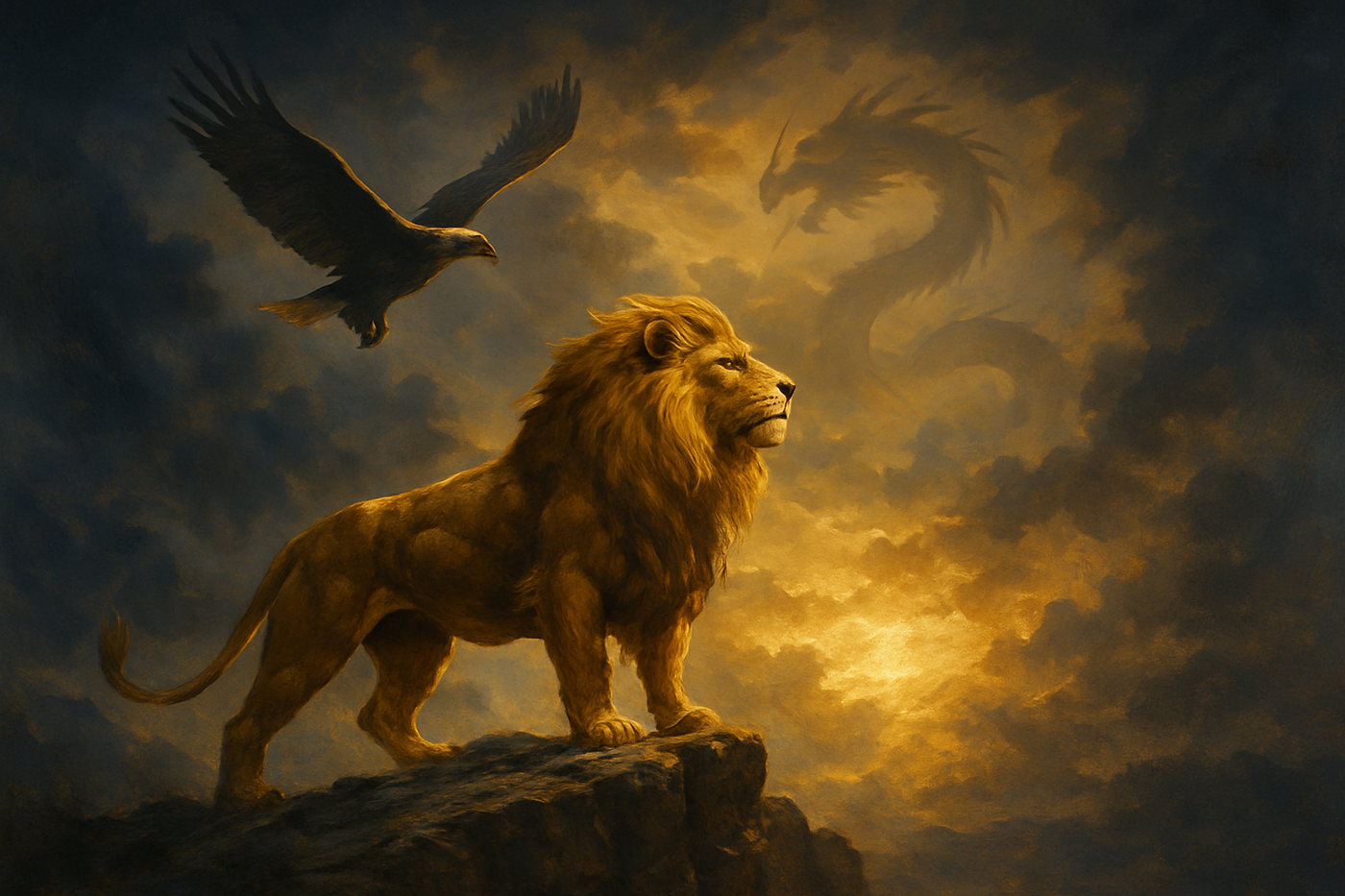
A symbol of bravery is an image, animal, or object used across cultures to represent courage, valor, and the strength to face fear head-on. Common examples include the lion, eagle, dragon, sword, and phoenix, each carrying its own mythology and history of representing fearlessness in the face of adversity. These symbols often overlap with related themes—loyalty, protection, honesty, and beauty—which is why you'll see wolves standing for both bravery and loyalty, or dragons representing both courage and protection.
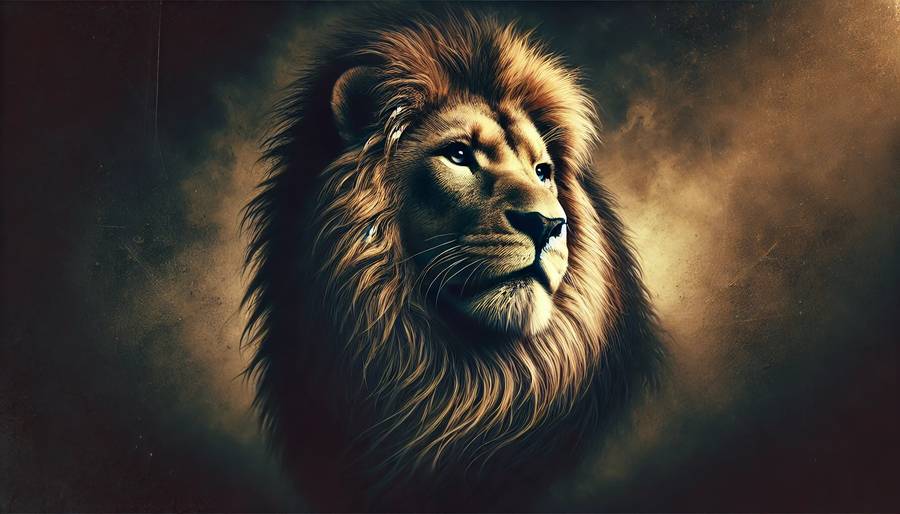
The lion is probably one of the better-known universal symbols of bravery and courage. Referred to as the “king of the jungle,” the fearless nature and kingly bearing of the lion have made it a symbol of strength, valor, and leadership.
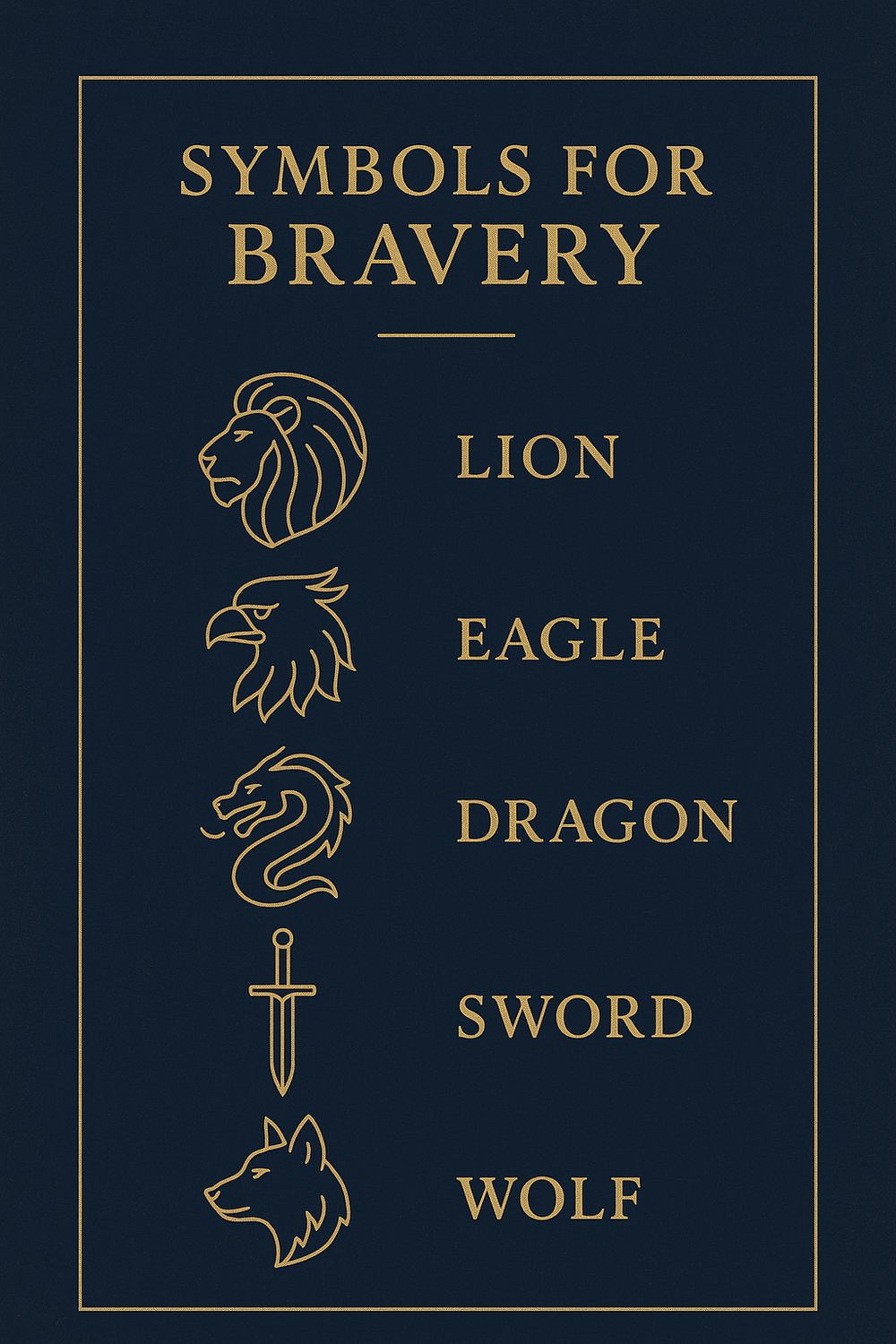
The lion was linked with gods or goddesses, one of whom was Sekhmet, who was considered a lion-headed goddess of war. She was an embodiment of power and savagery during war.
In most coats of arms, the presence of lions is seen to indicate boldness, aristocracy, and, primarily, royalty.
In much of Chinese culture, statues of lions at temple and home entrances are believed to stave off evil and signify bravery and protection.
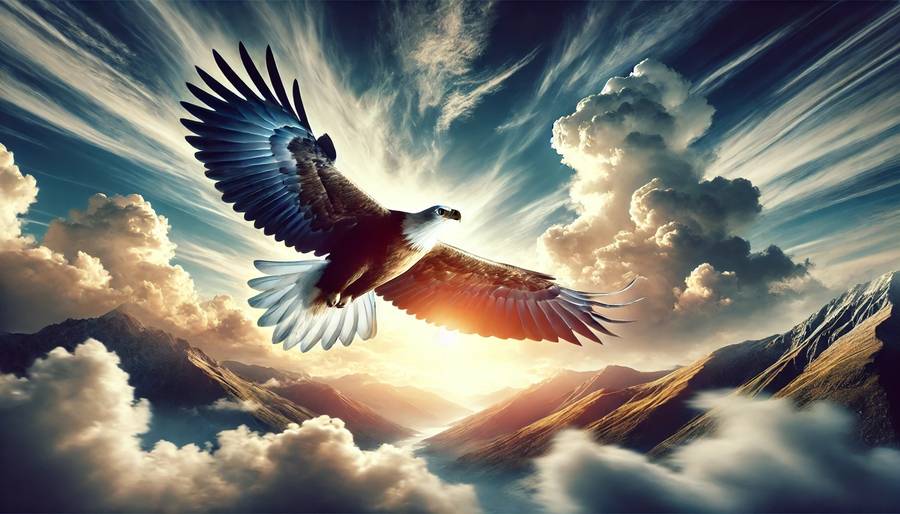
With powerful wings and a flight high in the air, an eagle is a symbol of strength, bravery, and freedom. Being a bird of prey, the eagle is renowned for its keen vision and dauntless courage, confronting storms right in the face.
To many indigenous cultures in North America, the eagle was a sacred creature symbolizing bravery, might, and wisdom.
The eagle was used as a symbol of strength and power in battle, as part of the legions of Rome, carried into war as a standard.
The eagle is the national symbol for many countries, such as the United States, where it stands to represent freedom, bravery, and resilience.
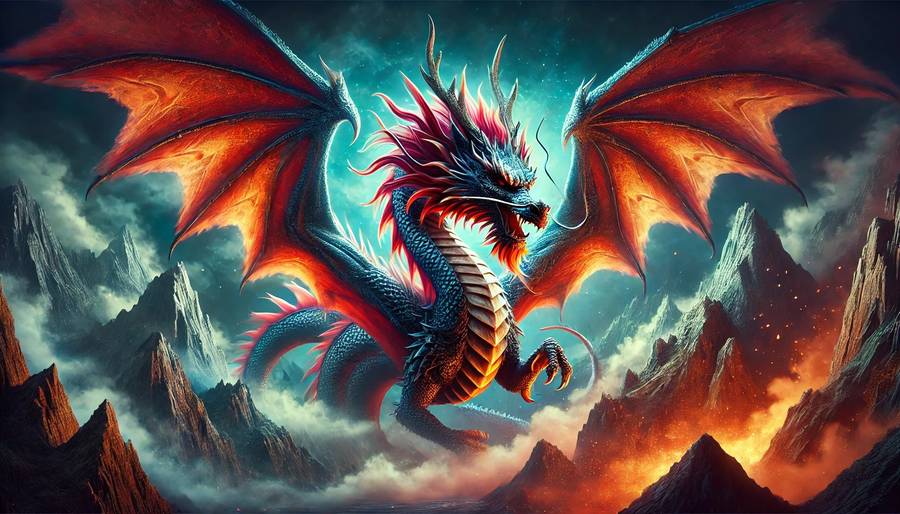
Dragons are mythological animals from various cultures and embody virtues of bravery, capability, and protection. They personify strength and mysticism associated with warriors and people who give protection to others. As with the hamsa, dragons are often invoked less for combat and more as guardians against harm.
The Chinese dragon is accorded much respect and symbolizes strength, bravery, and wisdom. Often associated with emperors to show might and fearlessness.
The act of slaying a dragon was common in Medieval European stories of knighthood, representing bravery required to battle fears and protect one’s kingdom.
Dragons in Japanese mythology are protectionist symbols, representing bravery in preserving water and nature.

An extremely strong animal, the bear represents bravery and resilience in many cultures, predominantly Native American and Norse. Given its protective nature and immense strength, the bear has come to express courage when facing adversities.
The bear represents bravery, muscular strength, and healing for many Indigenous cultures. It symbolizes fearlessness and the ability to confront fears directly.
In Norse culture, the bear was sacred to warriors called “berserkers,” who fought with the ferocity and strength of a bear.
Today, the bear symbolizes strength and bravery, often featured in military and athletic insignias.
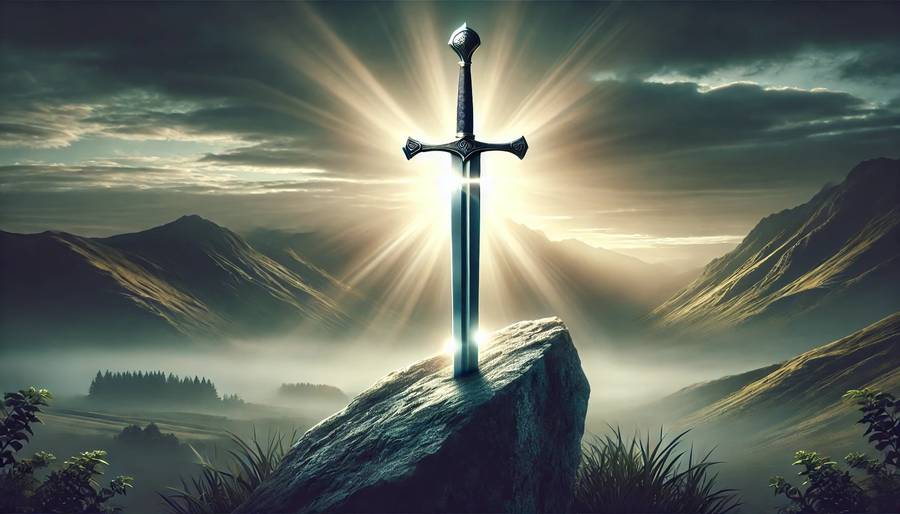
The sword is a symbol of bravery and honor, representing one’s willingness to fight not only for oneself but for what one believes in. Swords are associated with chivalry and noble pursuits.
The sword was essential for knights, who represented valor and bravery. It stood for honor and protection.
The samurai sword, or katana, symbolizes bravery, honor, and commitment for the samurai warrior in line with bushido, the “way of the warrior.”
In Western iconography, Lady Justice carries a sword, symbolizing courage and strength to uphold justice. This pairing of sword and moral order echoes similar Western symbolism found in different types of crosses, where imagery of strength and sacrifice often intertwine.
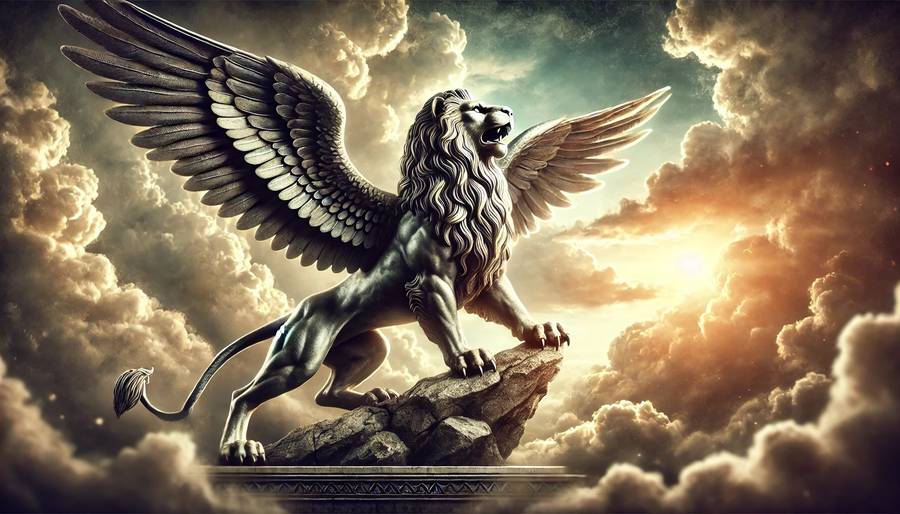
The griffin, a mythological animal with the body of a lion and the head and wings of an eagle, represents bravery, courage, and protection. This hybrid creature combines the strength and resilience of the lion with the vision and freedom of the eagle.
To the ancient Greeks, griffins were guardians of treasures, symbolizing protection and bravery.
The Griffin is a prominent symbol in European heraldry, symbolizing bravery and strength, and is commonly seen on coats of arms and shields.
Today, the griffin is used in logos and emblems, symbolizing strength, protection, and fearless guardianship.
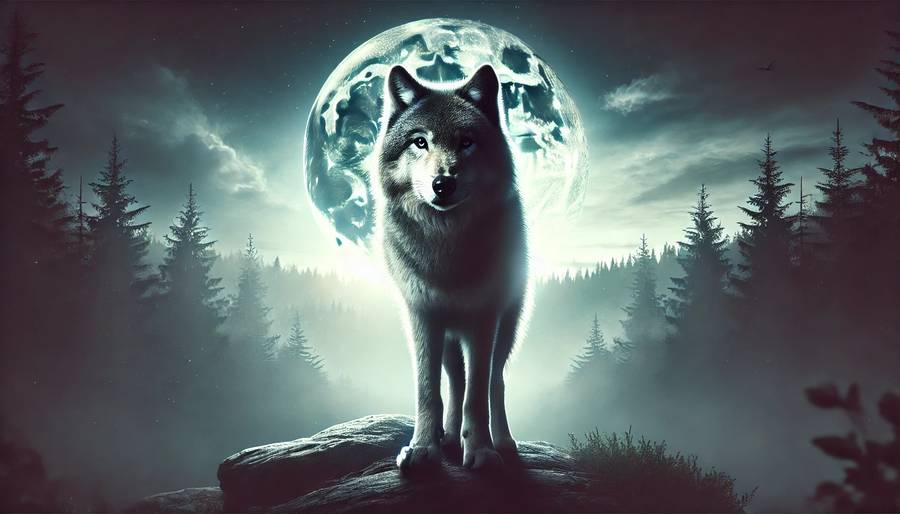
The wolf is associated with courage, loyalty, and perseverance. Known for its pack mentality and strong loyalty, it symbolizes bravery in many cultures. This overlap between courage and devotion is also seen in symbols like the claddagh ring, which represents loyalty and faithful commitment.
The wolf represents bravery, faithfulness, and survival for many Indigenous tribes. It is viewed as a protector with strength and endurance.
In Norse mythology, wolves are deified and feared. Fenrir, a giant wolf, symbolizes destructive bravery, while Geri and Freki, Odin’s wolves, represent loyalty and guard.
In the myth of Rome’s founders, Romulus and Remus were suckled by a wolf, symbolizing bravery and strength.
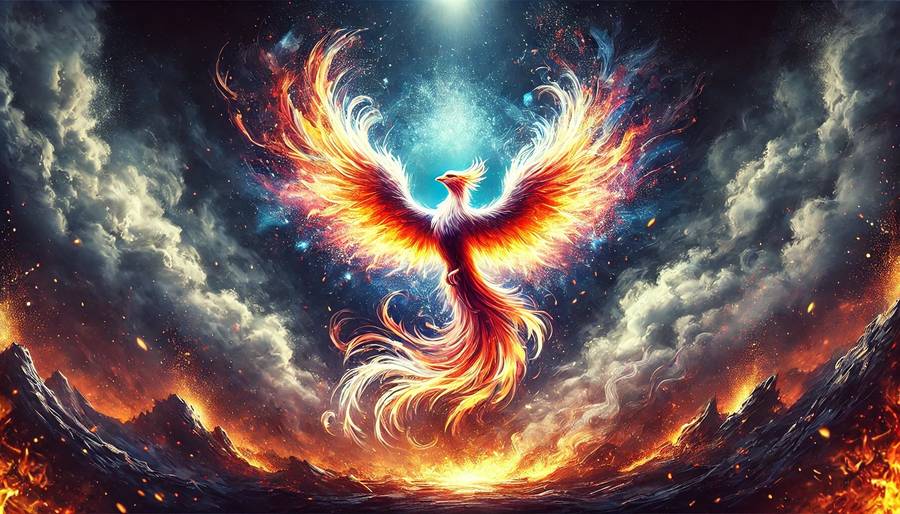
The mythical phoenix, reborn from its ashes, symbolizes resilience, renewal, and bravery. Known to overcome dark adversities and emerge stronger, it represents the strength to start anew.
The Bennu bird, an Egyptian deity of self-creation and renewal, is believed by many scholars to be a forerunner of the Greek phoenix, both symbolizing rebirth.
In Greek mythology, the phoenix symbolizes rebirth, courage, and the ability to start fresh after adversity.
The phoenix is widely used as a symbol of survival and bravery, representing rising to challenges stronger than before.

The oak tree, known for its resilience and hardiness, symbolizes bravery across many cultures. Its deep roots and strong branches stand as metaphors for courage in facing life’s storms. Trees carrying this kind of layered symbolism are explored further in the tree of life meaning, which covers growth, stability, and transformation.
Among the ancient Celts, the oak tree was sacred, reflecting strength, courage, and wisdom. Warriors and leaders were often associated with the oak for its steadfast nature.
In Greek mythology, the oak was sacred to Zeus, representing virtues such as strength, bravery, and divine protection.
The oak tree remains a symbol of resilience and courage today, with oak leaves and acorns representing stability during challenging times.
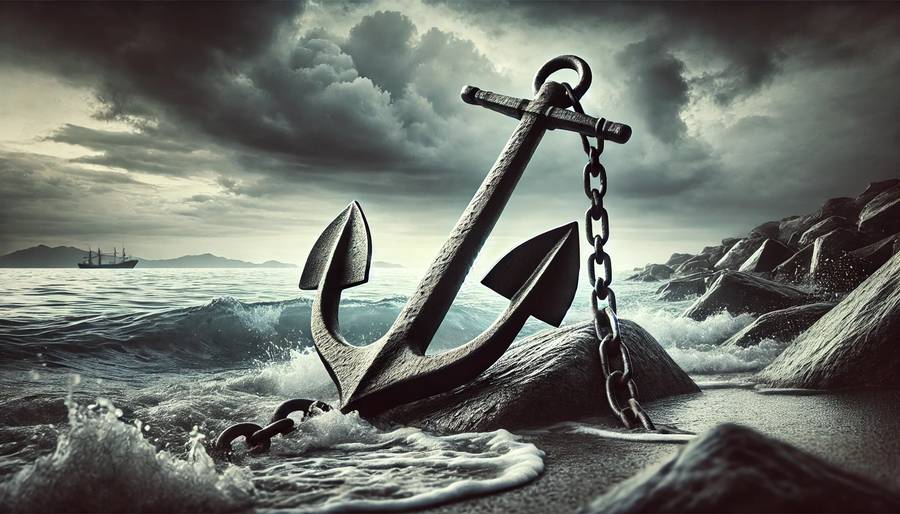
The anchor is a symbol of stability, strength, and bravery when facing life’s storms. Long associated with sailors, it represents hope, steadfastness, and courage in the face of the unknown. For a deeper dive into its symbolism and history, see our full guide to the anchor meaning.
For early Christians, the anchor symbolized hope and faith in one’s beliefs, providing strength during difficult times.
To sailors, the anchor means stability amidst stormy waters and conventionally symbolizes boldness and protection amid uncertainty.
The anchor is widely used in tattoos and jewelry, symbolizing survival in rough weather and bravery during hardship.
Bravery symbolism rarely stands alone—it frequently intersects with loyalty, protection, honesty, and other virtues, which is why the table below highlights not just meaning but cultural origin.
| Symbol | Culture/Origin | Core Meaning |
|---|---|---|
| Lion | Egyptian, European, Chinese | Courage, leadership, royal strength |
| Eagle | Native American, Roman, Modern National Emblems | Courage, freedom, insight |
| Dragon | Chinese, European, Japanese | Power, protection, valor |
| Bear | Native American, Norse | Strength, resilience, fearlessness |
| Sword | Medieval Europe, Japan | Honor, valor, readiness to fight |
| Griffin | Greek, Medieval Heraldry | Guardianship, strength, courage |
| Wolf | Native American, Norse, Roman | Loyalty, courage, teamwork |
| Phoenix | Egyptian, Greek | Renewal, resilience, bravery through hardship |
| Oak Tree | Celtic, Greek | Stability, strength, endurance |
| Anchor | Christian, Nautical Tradition | Stability, hope, bravery in the unknown |
Bravery commands respect from people of diverse calibers across the world. These symbols represent valor, durability, and inner strength, helping people endure life’s challenges. Drawn from nature, mythology, and cultural traditions, each symbol is linked with its own story and values.
These icons not only celebrate courage but also remind us that bravery lies within us. Whether in the form of tattoos, jewelry, art, or heraldry, these symbols of bravery will continue to inspire and empower us to face our fears and move forward with courage. As you've seen throughout this guide, bravery symbolism often blends with loyalty, protection, and honesty—so exploring those adjacent themes can deepen your understanding of any single symbol.
Symbols of loyalty include the wolf, the dog, and the claddagh, each representing faithfulness, devotion, and steadfast commitment to others. The claddagh ring, in particular, is a well-known Irish emblem combining loyalty with love and friendship. For a full breakdown of its meaning, see our guide to the claddagh ring meaning.
Common symbols of change include the phoenix, the butterfly, and the tree, each representing transformation, growth, or renewal after a difficult period. The tree of life is especially popular for illustrating ongoing growth and connection across generations, and you can explore it further in our tree of life meaning guide.
Symbols of honesty include the scales of justice, the color white, and the open hand, all representing transparency, integrity, and truthfulness. These symbols are often paired with imagery of light or clarity, reinforcing the idea of honesty as something visible and unclouded.
Symbols of beauty vary by culture but commonly include the rose, the peacock, and the lotus flower, each representing elegance, grace, or inner radiance. In many traditions, beauty symbolism is tied closely to nature, suggesting that true beauty grows and blooms over time rather than appearing instantly.
Discover the caduceus meaning: Hermes' winged staff of two serpents, its Greek origins, medical mix-up with Asclepius, and spiritu…

Discover what the Om symbol truly means—its Hindu, Buddhist, and Jain roots, dream symbolism, and how to use it in daily life.

Discover what the compass symbolizes across cultures — from spiritual guidance and moral direction to finding your true life purpo…