 Know
Know
Symbols
Caduceus Meaning: History of the Winged Staff Symbol
Discover the caduceus meaning: Hermes' winged staff of two serpents, its Greek origins, medical mix-up with Asclepius, and spiritu…

Leadership symbols have been a part of human history for centuries, representing power, authority, and influence. From the majestic crowns worn by monarchs to the subtle personal branding in modern corporate leadership, symbols have always had a psychological impact on how leaders are perceived. This article will explore how leadership symbols have evolved and their ongoing importance in today’s world.
Throughout history, leaders have relied on symbols to signify their authority. In ancient civilizations, such as Egypt and Rome, symbols like crowns and scepters were not just decorative items—they embodied the divine right to rule. These symbols represented not only leadership but also the perceived connection between rulers and the gods.
These symbols, once limited to royal leadership, have found their way into other aspects of life. Modern leadership in politics and business still utilizes symbols of power, though in different forms, such as titles, logos, and even office layouts.
| Historical Symbol | Modern Equivalent |
|---|---|
| Crown | CEO Title |
| Scepter | Company Logo |
| Throne | Executive Office |
Tip: Even in modern times, leaders use symbols to project their power, whether it’s a physical object or an intangible title.
Leadership symbols are more than just status markers; they tap into our subconscious. Studies in psychology show that symbols like crowns, scepters, and uniforms trigger a sense of authority in the minds of followers. This is often referred to as the “authority bias,” where people are more likely to trust or follow someone who displays certain symbols of leadership.
Take the example of a judge wearing a robe and wielding a gavel. These are not just items of clothing or tools; they are symbols that communicate justice, fairness, and authority. The same can be said for business leaders whose company logos or corner offices symbolize their leadership status.
Tip: The next time you see a uniform, think about how it makes you feel and what it symbolizes about the person’s authority.
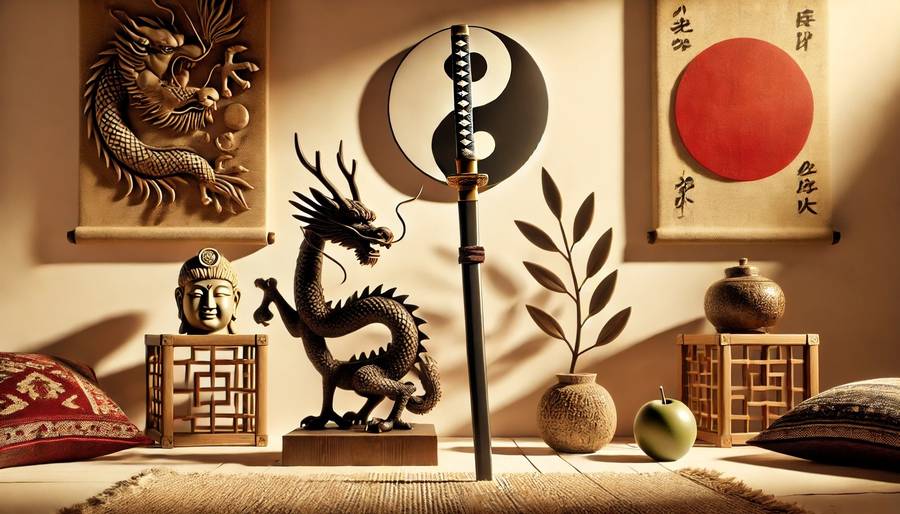
Across the globe, different cultures assign unique meanings to leadership symbols. While the Western world often equates crowns and thrones with leadership, Eastern cultures may focus on symbols like the dragon or lotus flower. These variations highlight the diversity in how leadership is perceived and communicated.
In Chinese culture, the dragon is revered as a symbol of strength and wisdom. Leaders who are associated with the dragon are believed to possess these traits, guiding their people with both power and intellect. On the other hand, in Indian culture, the lotus flower symbolizes purity and enlightenment, traits that are equally important in spiritual and political leadership.
| Culture | Symbol | Meaning |
|---|---|---|
| China | Dragon | Strength, Wisdom |
| India | Lotus Flower | Purity, Enlightenment |
| Japan | Samurai Sword | Honor, Duty |
| Egypt | Ankh | Eternal Life, Power |
| Greece | Olive Branch | Peace, Leadership |
| Native American | Feather Headdress | Courage, Wisdom |
| Roman Empire | Eagle | Strength, Leadership |
| Western Culture | Gavel | Authority, Justice |
Understanding these cultural interpretations is crucial for global leadership. A symbol of authority in one culture may hold a completely different meaning in another, potentially leading to miscommunication or misunderstandings.
While physical symbols like crowns or gavels hold a clear and visible message, actions can serve as equally powerful symbols of leadership. A leader’s behavior often speaks louder than material symbols, and these actions can leave a lasting legacy.

Consider leaders such as Nelson Mandela or Mahatma Gandhi, whose actions symbolized peace, resilience, and moral leadership. Their refusal to use violence and their commitment to justice became lasting symbols of what strong leadership looks like, far beyond any physical emblem they could have worn.
“In the end, it’s not the crown or the throne that makes a leader, but the actions they take for their people.”
These invisible leadership symbols—actions—are important in everyday leadership as well. Whether it’s fostering an open and supportive work environment, championing transparency, or standing by one’s values during difficult times, these actions are powerful indicators of true leadership.
TIP: Leaders should focus not only on the symbols they project but also on the actions that embody their values, as these actions often become their most powerful symbols.
Leadership is often defined by symbols that encapsulate different aspects of authority, power, and guidance. Below is an expanded list of leadership symbols, their meanings, and how they have come to represent various qualities in leaders.
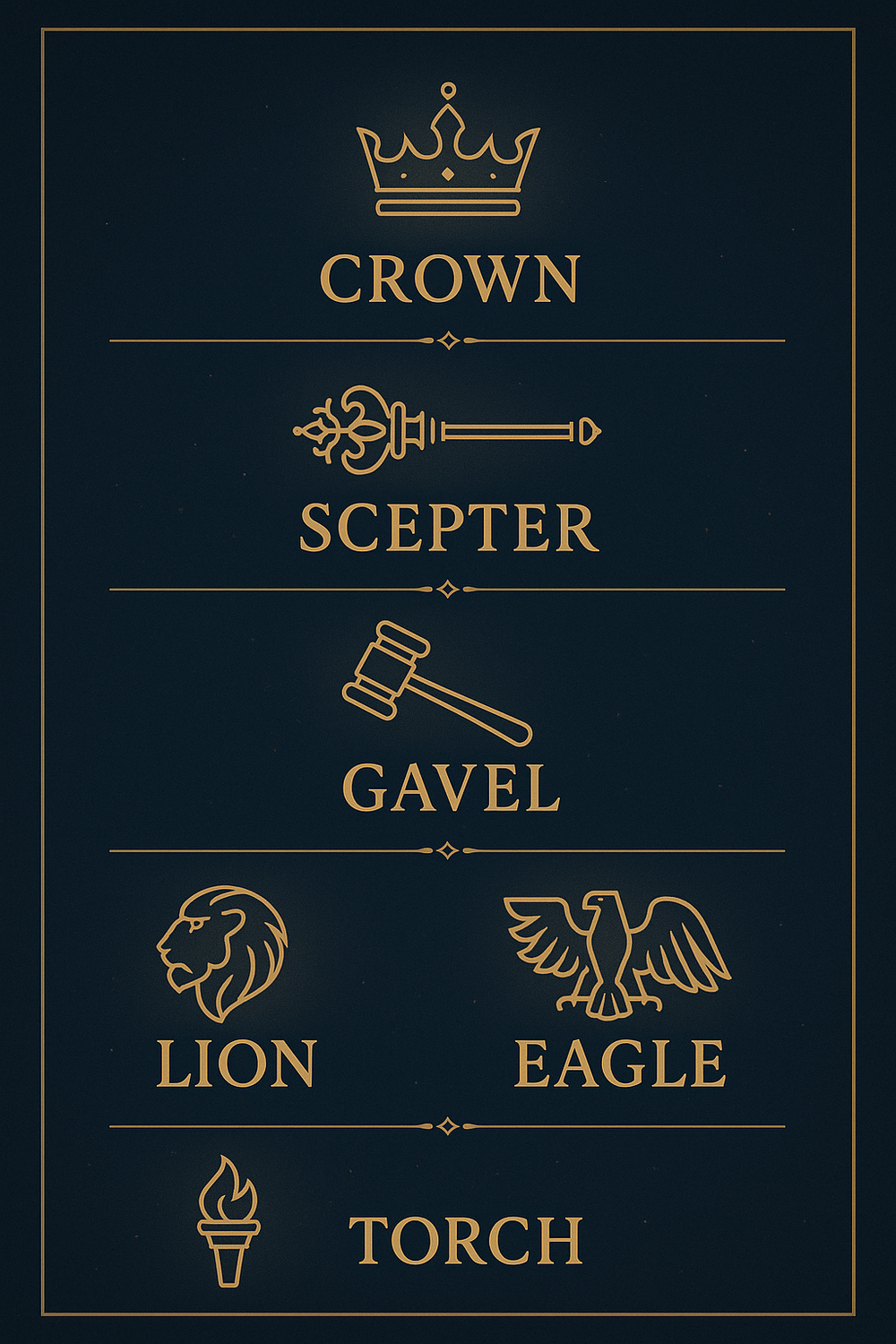
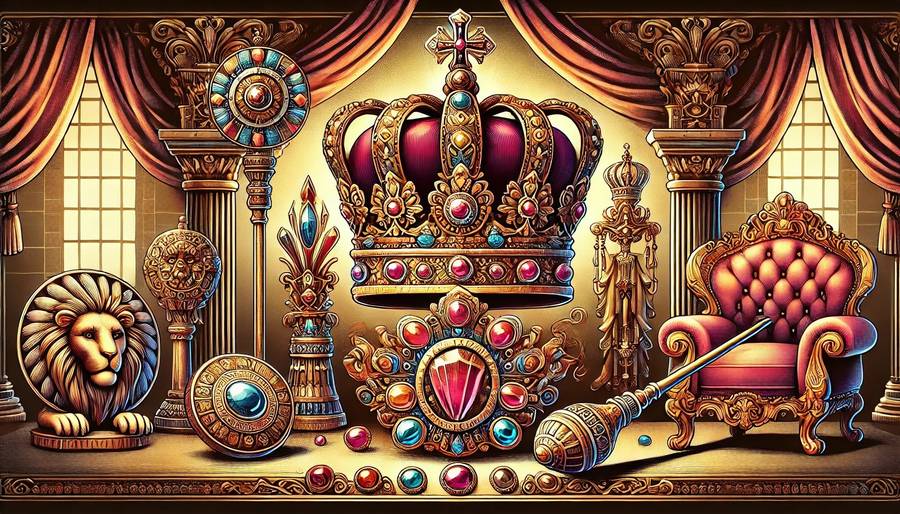
In today’s world, leaders are not confined to historical symbols of authority. Creating your own leadership symbol can be a powerful way to communicate your values, vision, and style. Whether it’s through personal branding, specific rituals, or visual markers, leaders can develop symbols that resonate with their team and the public.
Here are some steps to help you create a personal leadership symbol:
Leaders today have the unique opportunity to create symbols that go beyond traditional markers of power. By aligning your personal leadership symbol with your values, you can communicate your vision more effectively and inspire your team to follow your lead.

As the world becomes more digital and interconnected, leadership symbols are evolving. Technology is introducing new ways to signal leadership, and AI is changing the landscape of how leadership is perceived.
In the future, virtual reality (VR) and augmented reality (AR) could offer new leadership symbols in digital spaces. Leaders may adopt avatars or digital representations that symbolize their role and authority in virtual meetings or across global teams. Similarly, tech-based uniforms, such as wearable technology, could become symbols of authority in highly advanced fields like space exploration or AI-driven industries.
AI Assistants could also become leadership symbols, where an AI tool represents the decision-making prowess and efficiency of a leader. These AI-driven tools may become as essential to leadership as physical symbols were in ancient times.
“The future of leadership symbols lies not just in the physical world, but in the digital realm, where innovation and connectivity are the new symbols of power.” – Tech Leadership Journal
As technology continues to advance, leaders will need to stay ahead of these trends and be open to new symbols that represent their evolving roles in the modern world.
Whether visible or invisible, traditional or modern, leadership symbols play a crucial role in shaping how leaders are perceived and how they influence others. From ancient crowns and scepters to modern personal branding and actions, these symbols communicate authority, values, and vision.
As a leader, it is essential to be mindful of the symbols you create or adopt, as they will shape your legacy and impact. In a world that is constantly changing, the ability to adapt and innovate while holding onto your core symbols will define successful leadership in the years to come.
Modern leadership symbols include personal branding, executive titles, corporate logos, and even unique attire that represents authority, such as minimalist or casual styles in tech industries.
Symbols of leadership can differ widely. For example, in Eastern cultures, the dragon or lotus flower symbolizes wisdom and purity, while in Western cultures, symbols like the crown or gavel represent authority and justice.
Actions such as transparency, empathy, and resilience can serve as leadership symbols, showcasing the leader’s values through their behavior.
Future trends include digital and AI-driven symbols, such as virtual avatars, wearable tech, and AI assistants that could represent authority and efficiency in the digital age.
Start by defining your core values, then choose a visual or behavioral marker that aligns with these values. Consistency is key in reinforcing the symbol over time.
Discover the caduceus meaning: Hermes' winged staff of two serpents, its Greek origins, medical mix-up with Asclepius, and spiritu…

Discover what the Om symbol truly means—its Hindu, Buddhist, and Jain roots, dream symbolism, and how to use it in daily life.

Discover what the compass symbolizes across cultures — from spiritual guidance and moral direction to finding your true life purpo…